You love cats. Maybe you’ve spent countless evenings scrolling through adorable kitten videos, imagining your perfect feline companion. Yet here’s something most people don’t realize until it’s too late: not all cats are the independent, low maintenance creatures popular culture makes them out to be. Some breeds, honestly, are downright needy.
If you work long hours and come home exhausted, certain cat breeds will make your life exponentially more challenging than you ever anticipated. Vets and animal behaviorists have consistently identified specific breeds that simply don’t do well when left alone for extended periods. These aren’t just slightly demanding cats; they’re breeds that can develop serious behavioral issues, health problems, or separation anxiety when their social needs aren’t met. Let’s dive into the breeds you might want to reconsider if your schedule keeps you away from home most of the day.
1. Siamese: The Vocal Drama Queen
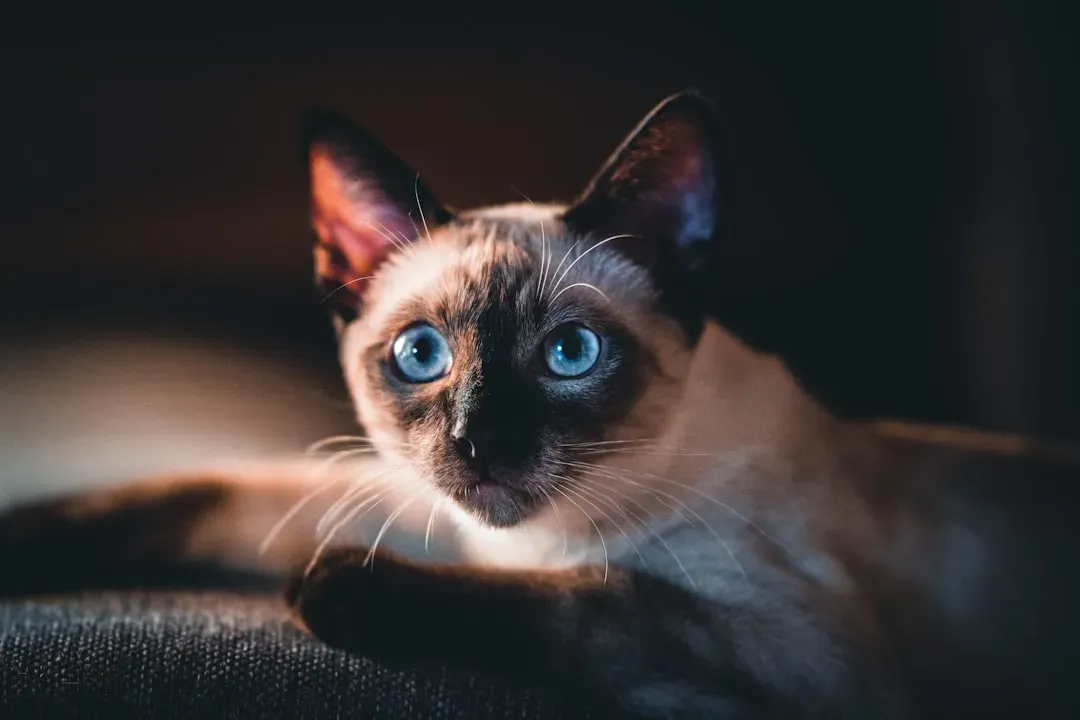
Siamese cats are highly vocal and crave constant interaction, following their owners around and often chatting loudly. These cats are not happy when left alone for extended periods and can become anxious or demanding. If you thought a baby crying was loud, wait until you leave a Siamese alone for ten hours. You don’t have to wonder where your cat is hiding with this breed because the Siamese ensures you know where they are and what they want at all times. They are active felines with a big voice.
These cats are intelligent animals, making mental stimulation vital for their well being. They also need human interaction to prevent boredom. Leaving a Siamese alone all day while you work is like leaving a toddler unsupervised with crayons and white walls. Separation anxiety is especially common in cats belonging to a breed known for their attachment to humans, including the Siamese. You’ll likely return to excessive vocalization, destructive behavior, or worse.
2. Persian: The High Maintenance Beauty
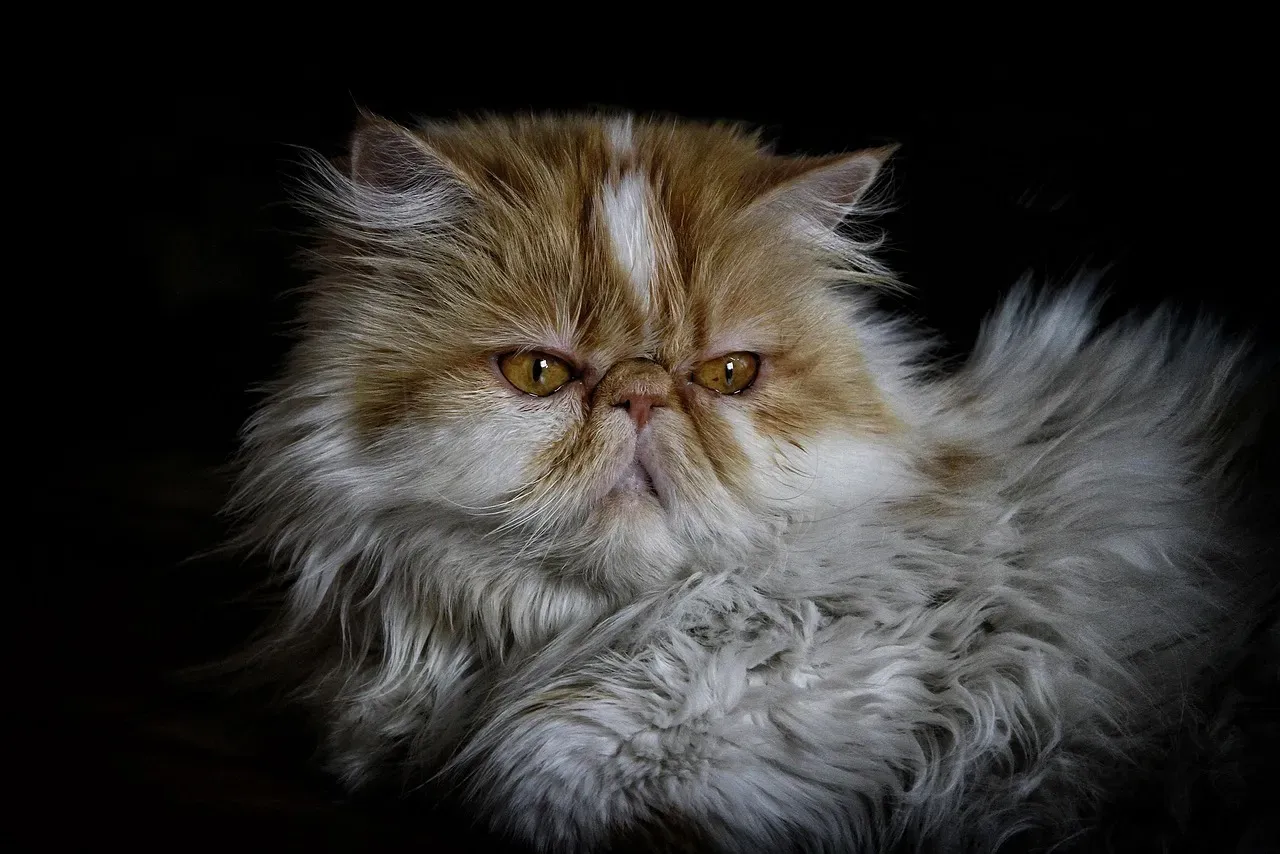
Like the Himalayan, the Peke Faced Persian has long fur that requires daily grooming to avoid potential matting and skin infections. The breed is also subject to several congenital conditions. Working long hours means you won’t have the energy for the daily brushing sessions these cats desperately need. Their long, lavish coat requires daily grooming. With their short snouts, Persians are known to struggle with keeping clean, so pay close attention to their eyes, noses, ears, and all the hard to reach areas.
Beyond grooming, Persians face serious health challenges. This veterinarian strongly advises against purchasing Persian cats due to the serious health issues caused by extreme brachycephalic flat faced breeding practices that prioritize aesthetic appeal over feline well being. The characteristic flat face of Persian cats leads to brachycephalic airway syndrome, causing chronic breathing difficulties that can range from mild discomfort to life threatening respiratory distress. Monitoring these issues requires time and attention that busy owners simply don’t have available.
3. Sphynx: The Attention Seeking Naked Wonder
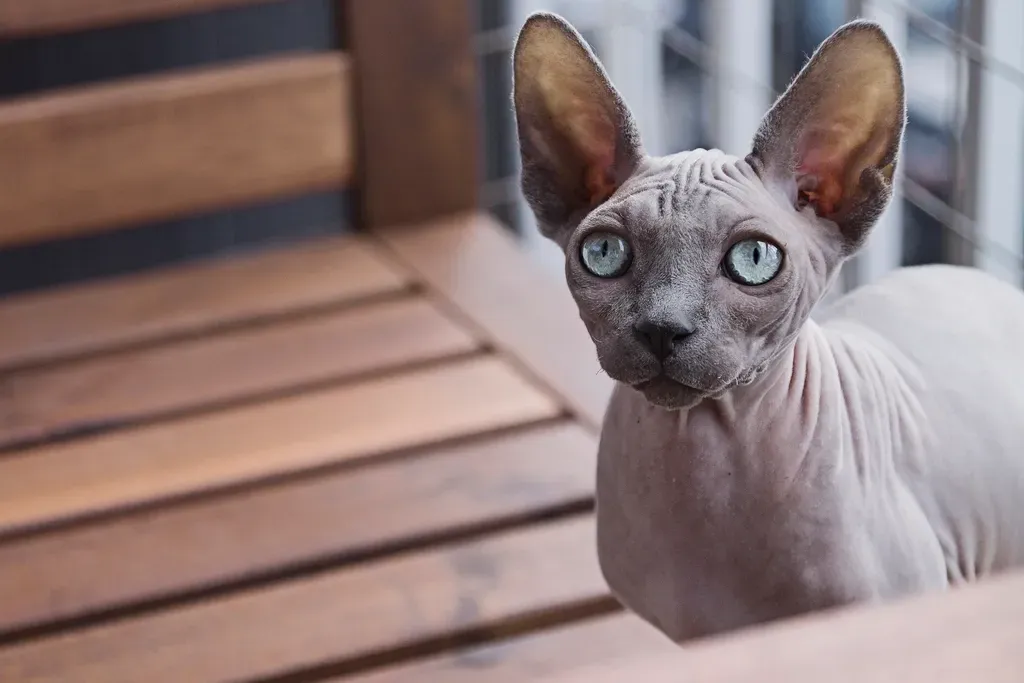
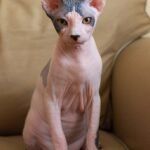
Let’s be real, the Sphynx is not for everyone. The Sphynx cat’s near hairless body means it requires unique care. They have a fine peach fuzz coat that doesn’t absorb natural oils, necessitating regular baths, usually weekly, to prevent skin oil buildup and infections. Their skin’s natural oils can build up and collect dirt, which means weekly or bi weekly baths are a must for these kitties. They require sweaters and heaters when the weather is cold and are prone to sunburn if allowed outside.
Sphynx cats are very social and demand a lot of attention and interaction from their pet parents. If you’re gone most of the day, this breed will absolutely let you know about their displeasure. Do you have a Siamese, Ragdoll, or Sphynx? These cats are naturally more affectionate and social. They love to interact and can become very attached to their humans. For example, Siamese cats are super vocal and love to follow their humans around. Ragdolls are more laid back, but they do enjoy lots of cuddles. Lastly, Sphynx cats crave warmth and physical touch because they lack fur.
4. Bengal: The Wild Child
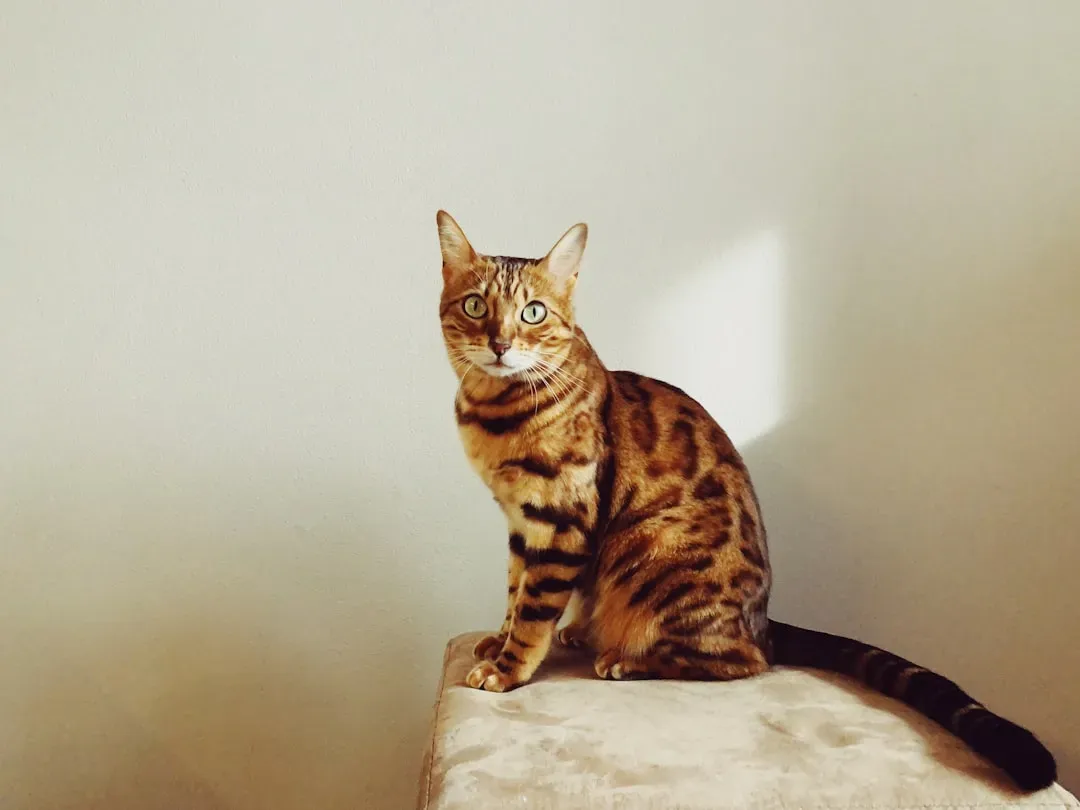
Bengal cats, with their striking spotted coats reminiscent of wild leopards, often captivate potential owners with their exotic appearance. However, this veterinarian’s concerns about Bengals stem from their hybrid nature as crosses between domestic cats and wild Asian leopard cats. This genetic heritage brings significant behavioral and care challenges that many households are unprepared to handle. Bengals are known for their high energy levels and need for extensive activity, often displaying more aggressive tendencies than typical domestic cats. Their wild ancestry manifests in behaviors that can be problematic in home environments, including territorial marking, destructive scratching, and difficulty with standard litter box training.
The Wildcat Sanctuary receives more calls from owners wanting to surrender Bengal domestic cats than all other wildcats and hybrids combined, with the most common reason being not using the litter box, especially when housed with other animals. Think about that for a second. This breed is highly active, intelligent, and curious. They need consistent mental, physical, and social enrichment to thrive. The Bengal is not a good option for folks who spend most of their time away from home. Bengal cat parents ideally will spend lots of time with them on indoor and outdoor adventures.
5. Oriental Shorthair: The Chatterbox Shadow
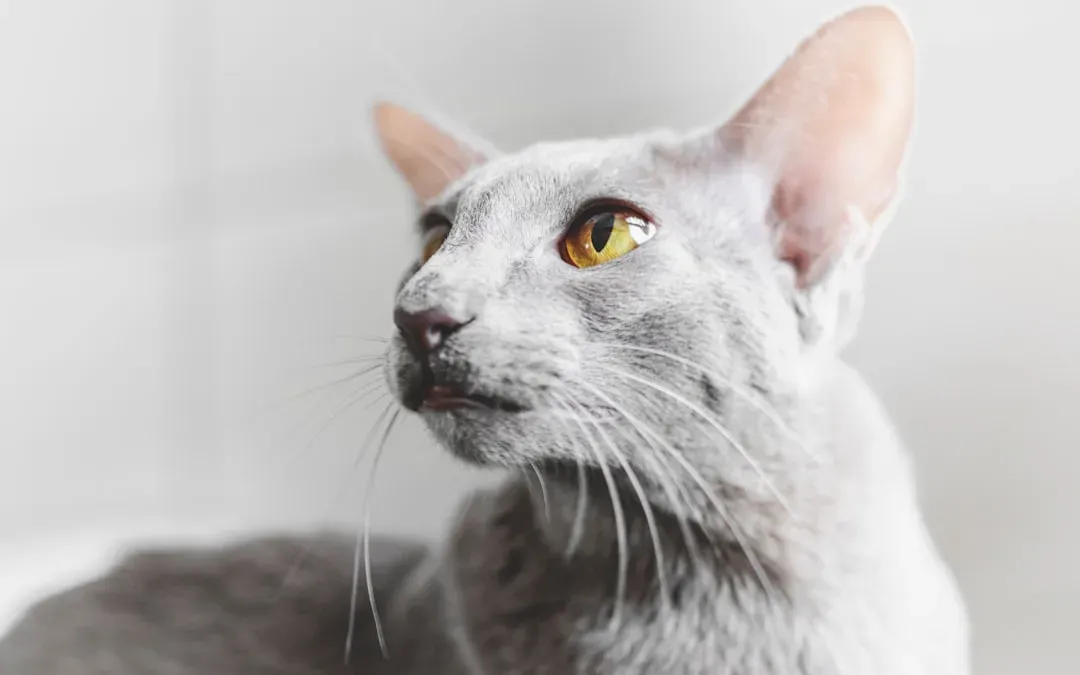
Oriental Shorthairs are not just vocal, they are also incredibly social. They thrive on interaction and love to be the center of attention. This breed is perfect for those who have a lot of time to spend with their feline friends. However, if left alone for too long, they can get quite cranky and may even scold you for your tardiness. Imagine coming home from a twelve hour shift to a cat that’s genuinely furious with you for leaving.
Like most Siamese derived breeds, the Oriental Shorthair is not suitable for those who work all day and have an active social life at night. They become deeply dependent upon their preferred person and can become unhappy or depressed if left alone too long or too often. The Oriental Shorthair’s high intelligence and curiosity make them natural mischief makers, particularly if you aren’t around to entertain them. Expect to find them in your cupboards, drawers, closets, and every other place you’d prefer they weren’t. While the Siamese demands your attention, the Oriental Shorthair craves it.
6. Ragdoll: The Gentle Giant Who Hates Being Alone
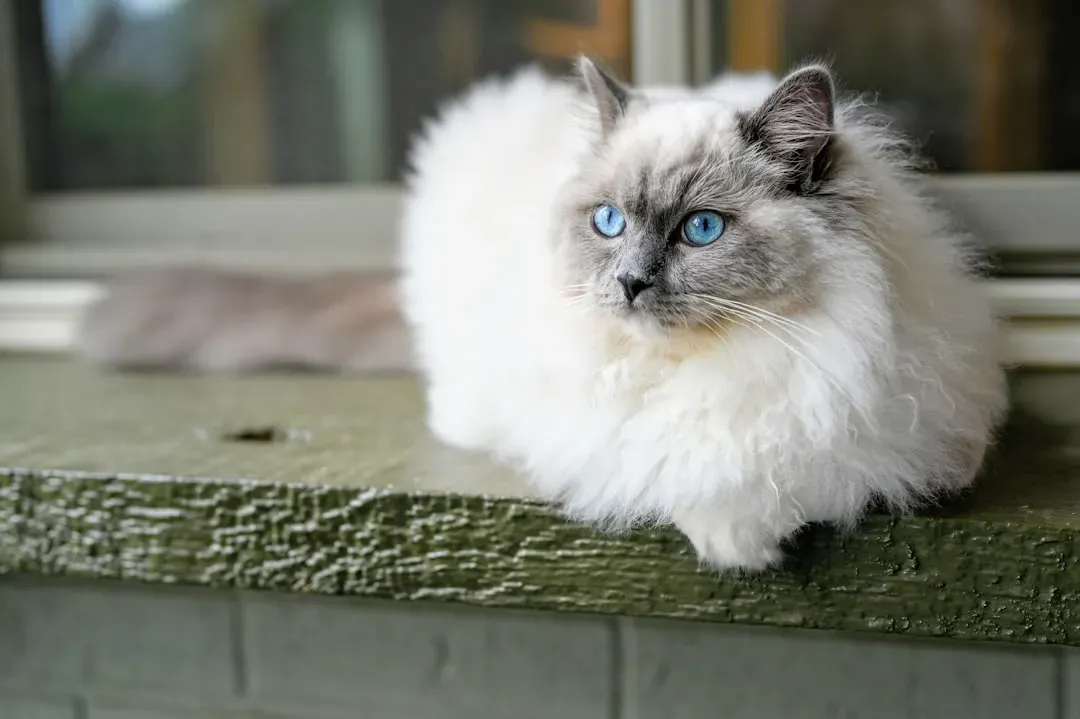
Ragdolls might seem like the perfect lap cat, and they are, if you’re actually there to provide a lap. While many cats suit busy lifestyles, the Persian, Siamese, Sphynx, and Ragdoll breeds all need more time, effort, and attentiveness than typical domestic cats. These gorgeous blue eyed beauties form incredibly strong bonds with their humans. Ragdolls, Burmese, and Tonkinese are cats known for their intense need for human companionship. These breeds, due to their inherent sociability, are often associated with a higher likelihood of experiencing separation anxiety in cats.
They’re nicknamed “puppy cats” for good reason. They follow you everywhere, want constant cuddles, and generally act more like dogs than independent felines. If your work schedule keeps you away for most of the day, your Ragdoll will likely spend that entire time anxiously waiting by the door. Not exactly the independent companion busy professionals need.
7. Burmese: The Velcro Cat
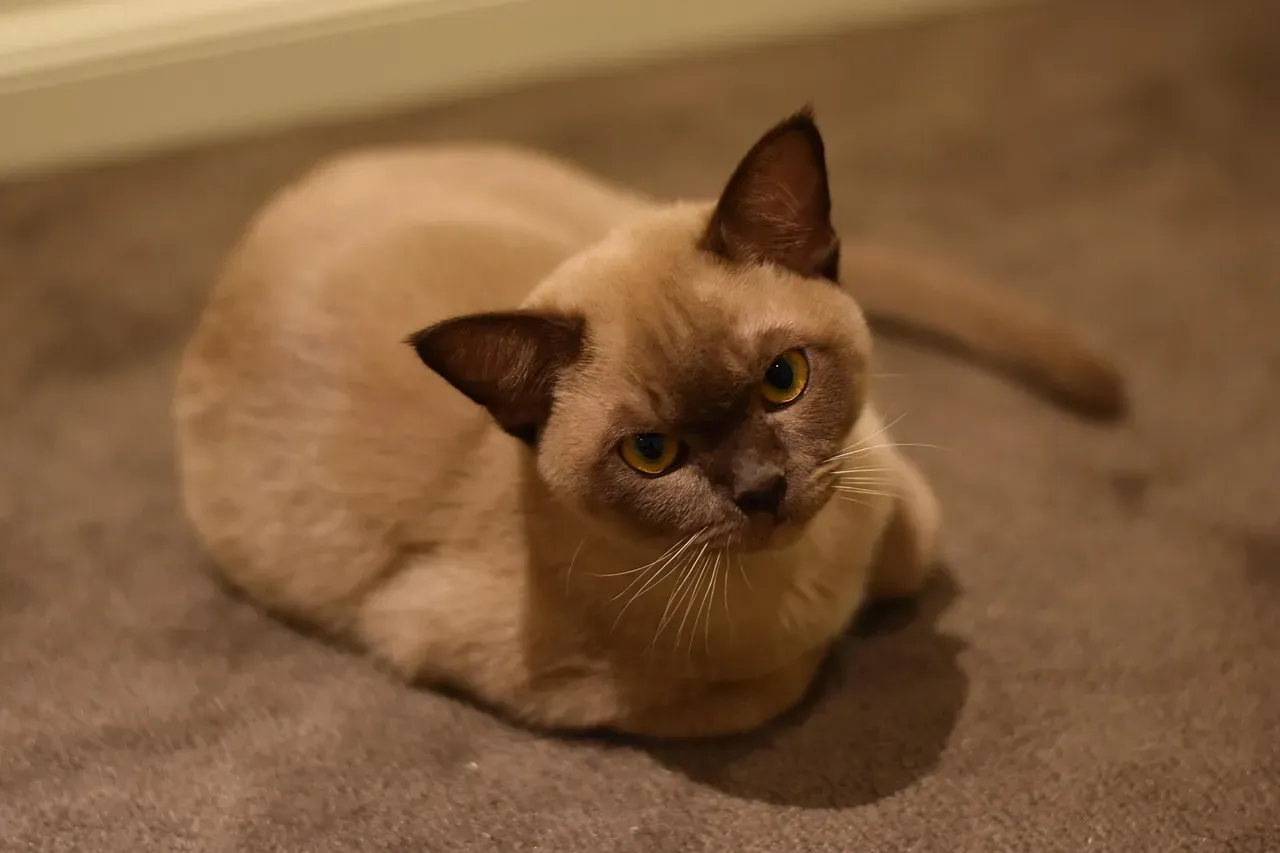
Burmese cats are known for their soft, sweet voices, which they use frequently to communicate. Their meows generally express a desire for attention or to be near their favorite humans. They are highly social and enjoy following their owners around, meowing to express affection and interest. These cats thrive in environments where they can be close to their humans, requiring regular interaction and affection to feel secure and happy.
It’s worthwhile to note that separation anxiety may be more common in certain feline breeds, those with more humanlike temperaments such as Siamese and Burmese. The Burmese make excellent family pets due to their loving, affectionate and playful nature. They are considered attention seekers and tend to cling to their fur parents every chance they get. Honestly, if you’re looking for a cat that won’t notice when you leave for work, the Burmese is the exact opposite of what you need.
8. Tonkinese: The Perfect Storm of Demanding

The Tonkinese is a combination of two vocal breeds, the Siamese and the Burmese, so it makes sense that the Tonkinese inherited a chatty nature. Like the parent breeds, Tonkinese are affectionate and people oriented cats who love to be wherever you are. Charmingly, Tonkinese will almost always answer you if you speak directly to them, but they are capable of quiet moments too. The sweet Tonk uses several different sounds when talking to their people, including meowing, chirping, and trilling.
Social nature is paramount in Tonkinese personality. These cats are extraordinarily people oriented, forming deep bonds with their families and wanting to be involved in all activities. They follow their people from room to room, supervise all household activities, and insist on being part of everything. They’re not cats who contentedly entertain themselves while owners are busy, they want active participation in family life. They’re not suited for people seeking independent, quiet, low maintenance cats or those frequently away from home.
9. Maine Coon: The Gentle Giant Attention Seeker
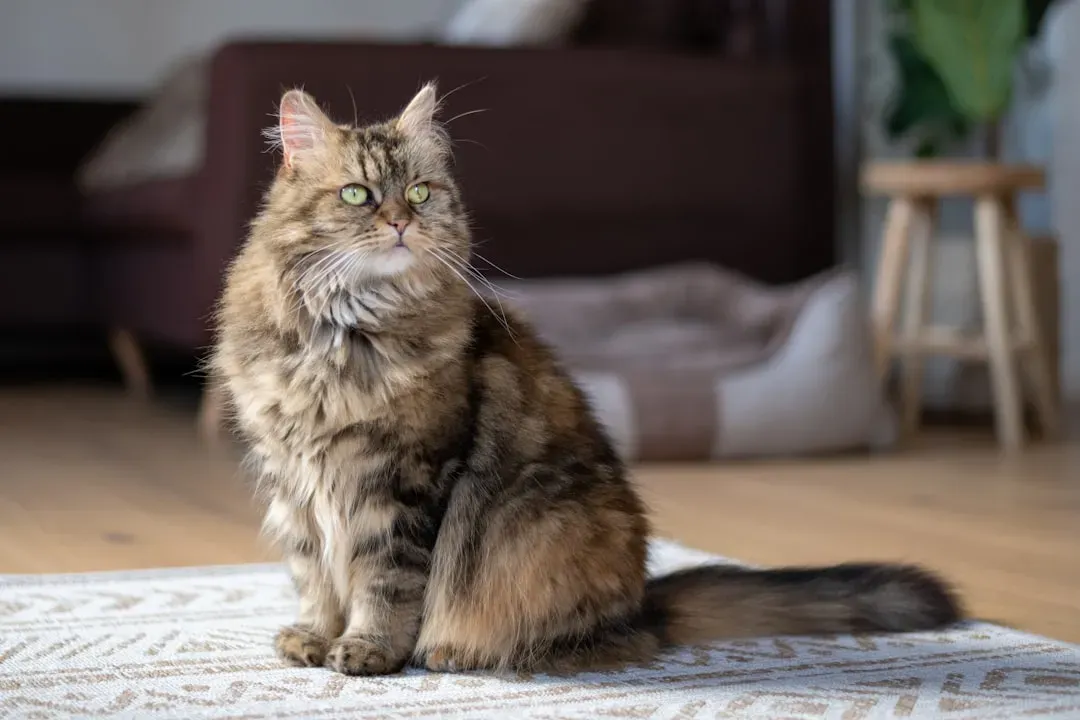
Maine coons are among the largest cat breeds, so if you’re looking to share a smaller home or apartment with a cat a Maine Coon wouldn’t be preferable. Maine coon coats comprise a short underlayer and a longer, thick, and waterproof top coat that requires frequent grooming. A generally healthy breed, their biggest demands are attention, they crave their owner’s company, and exercise.
These magnificent cats need space to roam and regular interactive play. The Maine Coon is one of the largest cat breeds and its coat is just as impressive. Their long, thick coats are a trait from their heritage in Maine, where the breed originated. They require regular brushing to prevent mats and tangles. Between the grooming requirements and their need for constant companionship, Maine Coons become deeply unhappy when their owners are absent most of the day. They’re wonderful cats, just not for people with demanding careers.
10. Scottish Fold: The Adorable Disaster
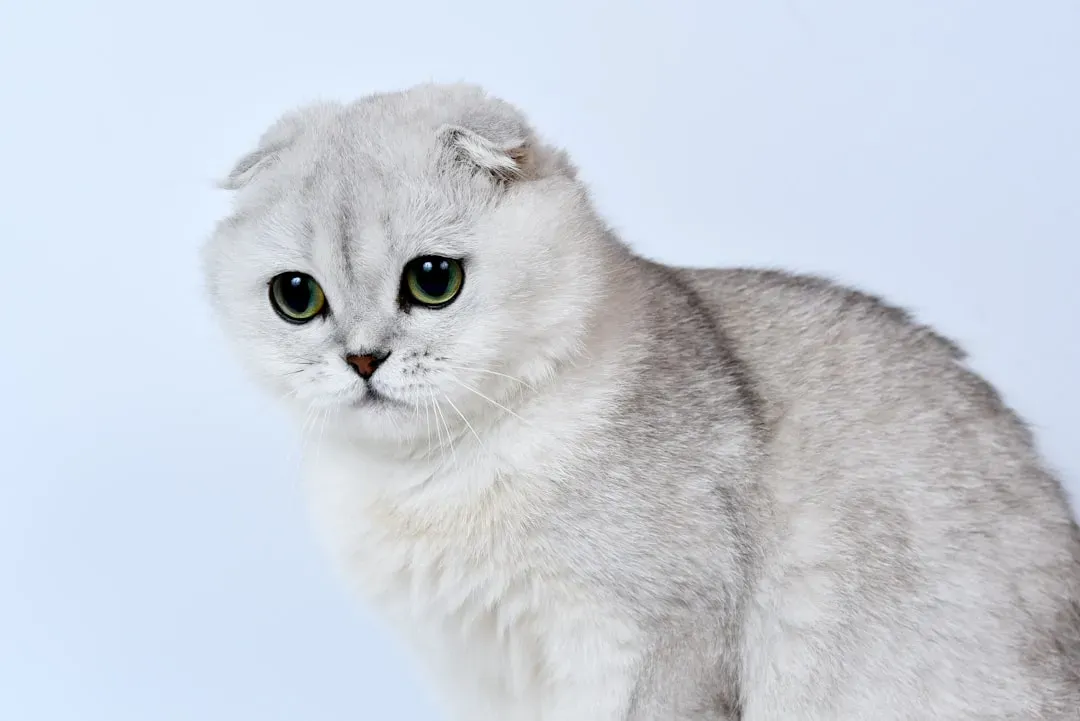
The Scottish Fold comes with a range of health concerns due to a natural dominant gene mutation related to osteochondrodysplasia, a disorder which affects the development of bone and cartilage. Research indicates all Scottish Folds suffer from this painful condition, which notably affects cartilage, resulting in their folded ears, and can lead to severe health problems. The veterinarian emphasizes that while Scottish Fold cats can be loving companions, the ethical implications of deliberately breeding animals known to develop painful conditions make them unsuitable choices for conscientious pet owners who prioritize animal welfare.
These cats require extensive veterinary monitoring and pain management as they age. If you’re working long hours, you won’t have the time to properly care for a breed with such intensive medical needs. Those ears can lead to painful cartilage issues as the cat ages. Besides, they might develop arthritis, making their golden years a bit rough. If you have your heart set on this breed, regular vet visits are crucial.
11. Himalayan: The Persian’s Equally Demanding Cousin
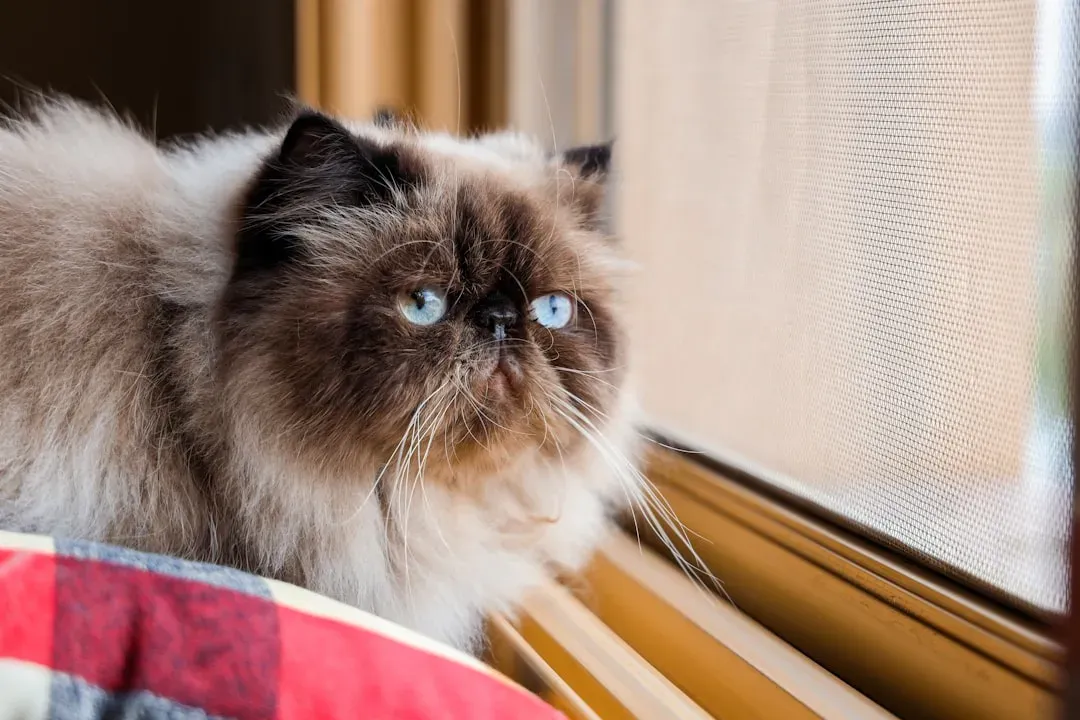
While the Himalayan cat is certainly a magnificent breed, it is important for owners to be aware of their special needs. Himalayans need regular, daily, grooming to remove mats and tangles from their long fur. Like many of the flat faced cats, Himalayans often have breathing problems due to deformed nasal passages. The breed is also at risk for polycystic kidney disease, which can cause kidney problems in adult animals. Screening tests are available and when buying from a breeder, prospective buyers should ask to see proof that both the animal’s parents were free of kidney cysts.
Honestly, if the daily grooming alone doesn’t scare you off, the health complications should. These cats need owners who can dedicate significant time every single day to their care. Working professionals simply don’t have that luxury most of the time.
12. Birman: The Sacred Cat of Separation Anxiety
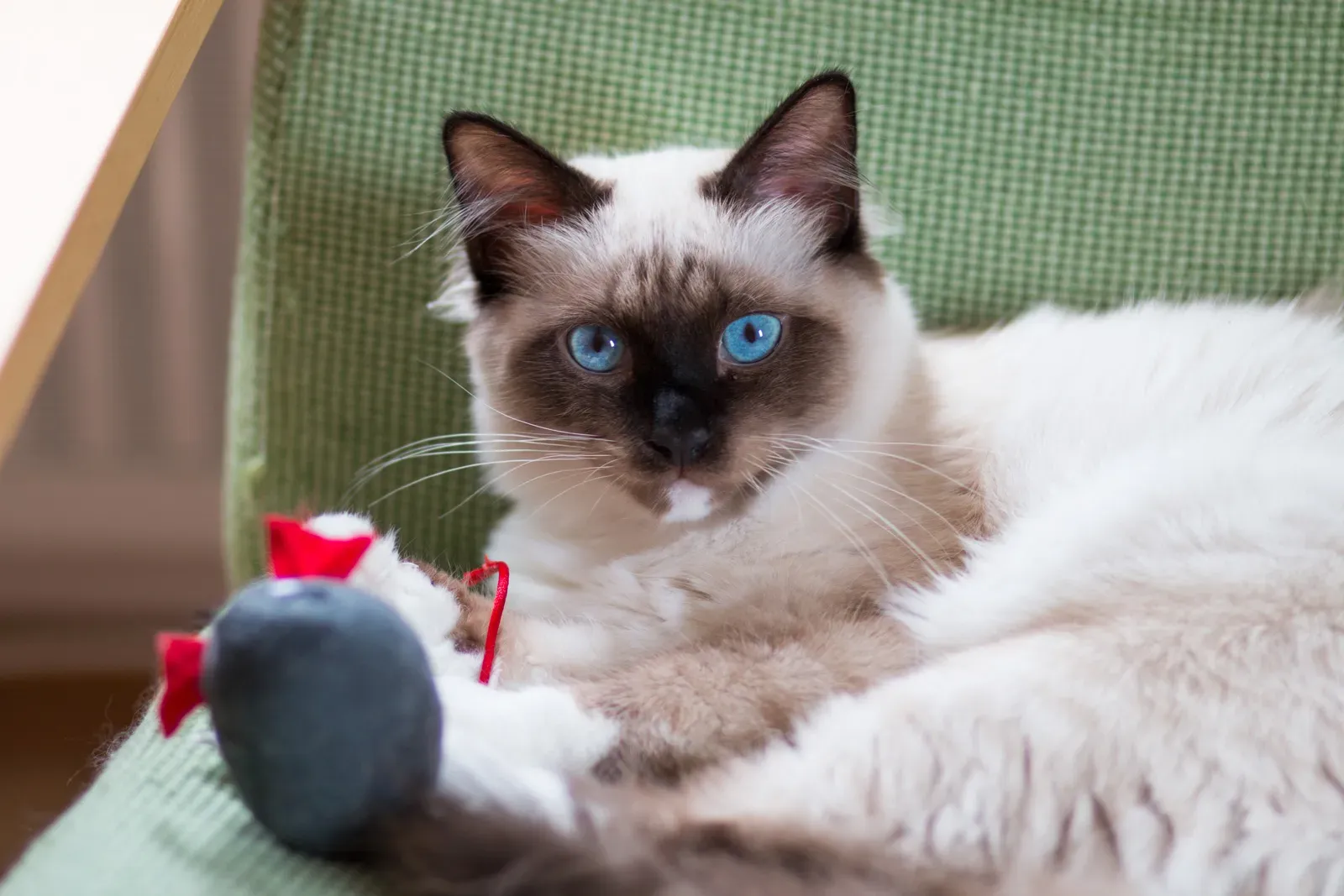
The Birman is a striking animal with four white feet and beautiful azure eyes. Although they are large cats, they are adaptable and gentle pets. They are also the quintessential lap cats. Look no further when looking for a clingy cat breed that will follow you from room to room and snuggle up with you. Dr Anwary commented: prone to inherited diseases like hypertrophic cardiomyopathy, and some lines have immune system issues.
For example, longhaired breeds such as Birmans need a lot of grooming. This may not suit someone with little time after work. However sphynx cats are quite sociable and do not like long periods of being home alone. The Birman combines high grooming needs with intense attachment to their owners, creating a perfect storm of neediness for anyone with a demanding career.
13. Devon Rex: The Mischievous Time Vampire
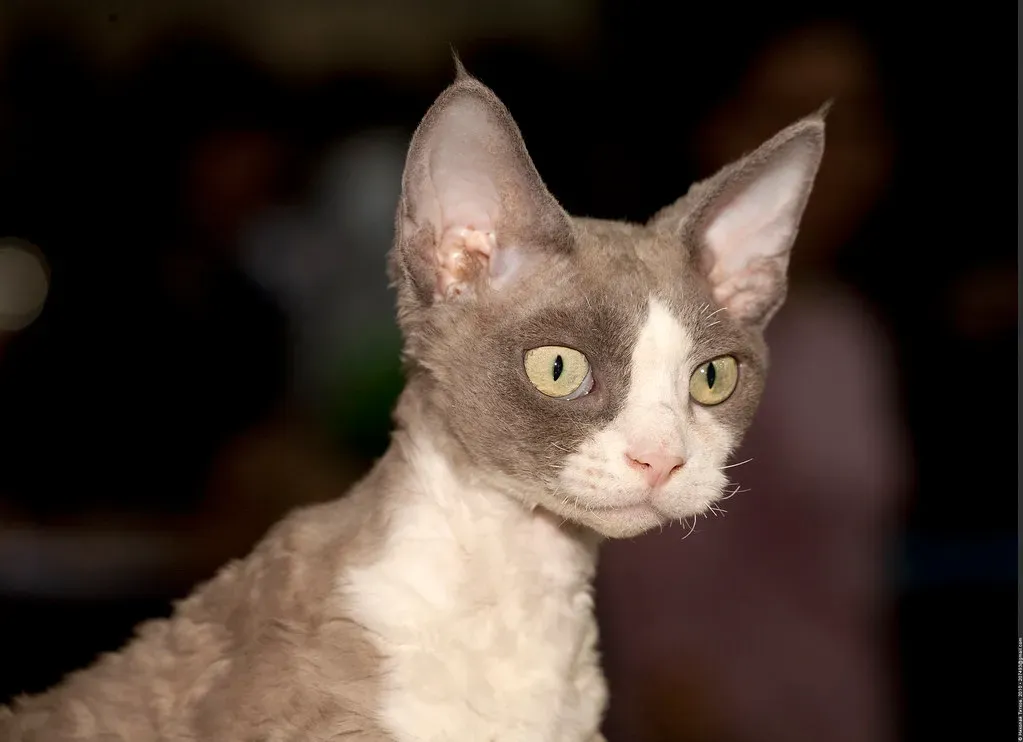
The Devon Rex needs a lot of exercise and many owners describe them as perpetual kittens so be prepared for some high energy playing sessions from the word go long into adulthood. Due to their high intelligence, the Devon Rex breed does need plenty of stimulation. They revel in human company, and will often follow you around the house just to be in your company. Devon Rex cats are natural comedians and experts at keeping the whole household entertained. A real cat for dog lovers, the Devon Rex is a great companion and family pet, as long as you have lots of time to play and don’t mind putting the work in. The Devon Rex cat personality is more like that of a dog, they can make very loyal and loving pets. They enjoy playing and using up all their energy and then curling up with you on the sofa for a nice nap.
As mentioned above, these kitties don’t do well when left alone for long periods of time, so you should aim to hire a housesitter whenever you go on holiday. Between their grooming needs and insatiable appetite for interaction, Devon Rexes will absolutely exhaust busy owners.
14. Abyssinian: The Hyperactive Explorer
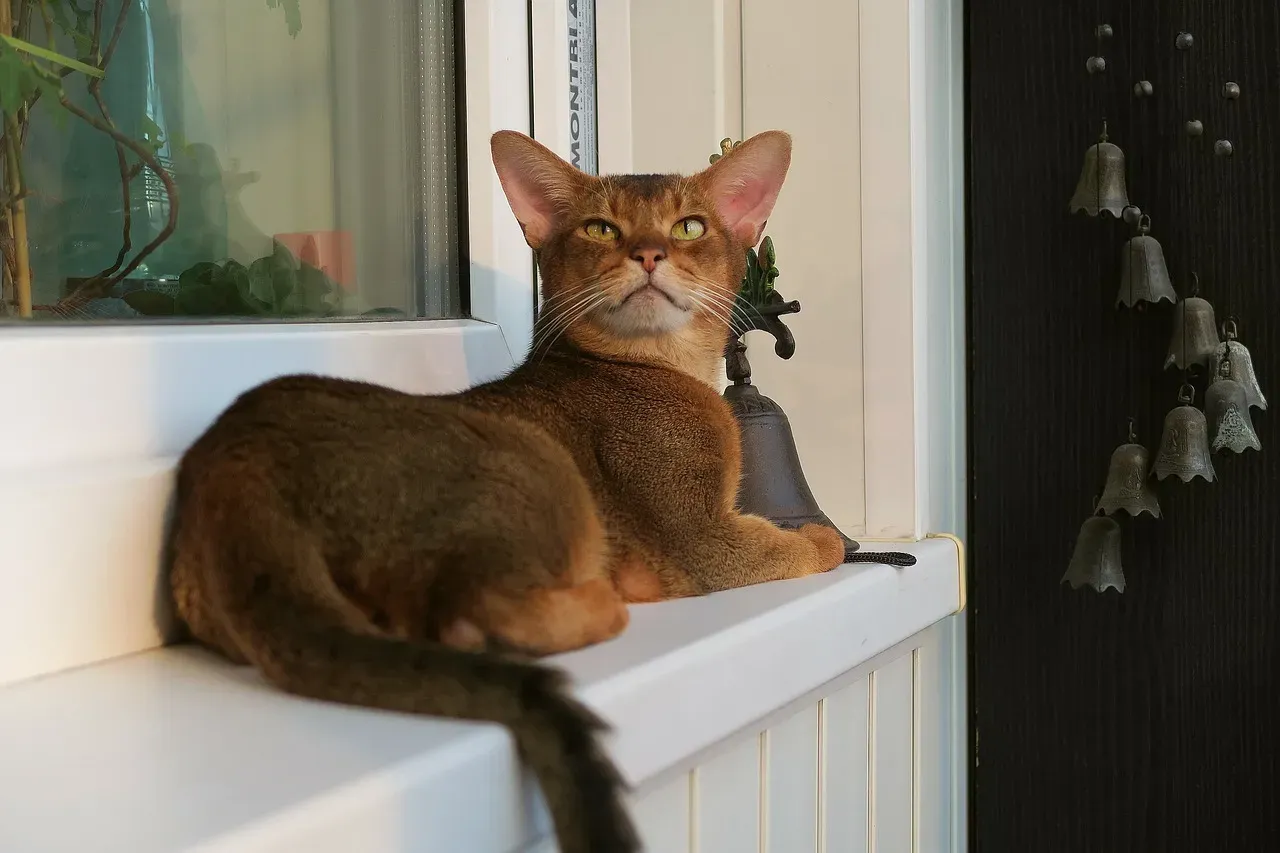
While not as chatty as some other breeds on this list, Abyssinians make up for it with sheer energy levels. Abyssinians are one of the quietest cats out there, while Siamese tend to be very chatty. However, don’t let the quiet fool you. These cats are incredibly active and need constant stimulation. They’re natural athletes who require extensive playtime and environmental enrichment.
If left alone for extended periods without adequate mental stimulation, Abyssinians become destructive. They’ll tear through your home looking for entertainment. They need puzzle toys, climbing structures, and regular interactive play sessions. For someone working long hours, providing this level of engagement becomes nearly impossible.
15. Norwegian Forest Cat: The Gentle Viking Who Needs Attention
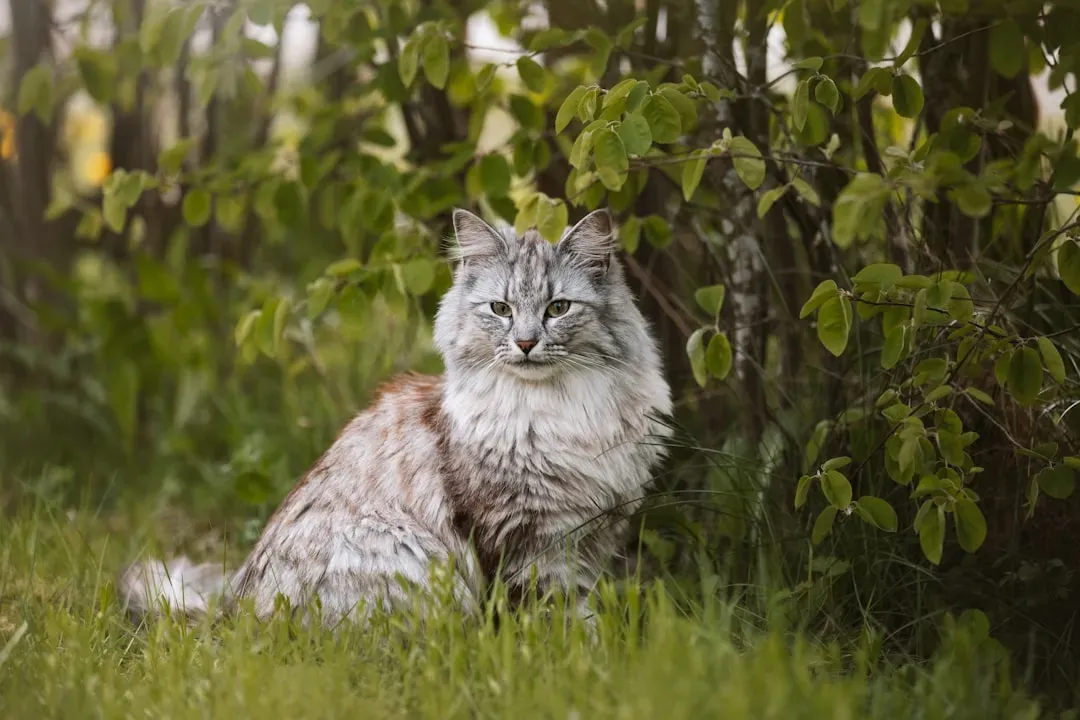
The Norwegian Forest Cat has a long, dense coat to protect itself from the harsh Norwegian winters. The coat has a water repellant top layer with a thick, woolly undercoat. The breed requires weekly or every other day brushing to prevent mats and tangles from forming and causing discomfort and injury. These cats are very social, intelligent, and are known for acting more dog like than cat like.
Norwegian Forest cats are hefty and sturdy. They love outdoor adventures and climbing trees. While they typically adore their family, these kitties aren’t usually lap cats. Instead, they love to play, observe wildlife, and prowl. Separation anxiety typically arises in these kitties when there’s a lack of stimulating activities in their environment. When left entirely alone for many hours per day, this breed often becomes destructive from stress.
The Bottom Line
Look, cats are wonderful companions. They bring joy, comfort, and endless entertainment into our lives. Yet the harsh reality is that certain breeds simply aren’t compatible with the lifestyle of busy professionals who work long hours. These fifteen breeds all share common traits: they need extensive grooming, crave constant human interaction, require significant mental stimulation, or have health issues demanding careful monitoring.
Before bringing any cat home, honestly evaluate your schedule and lifestyle. Can you truly provide the time and attention these breeds require? If the answer is even slightly uncertain, consider more independent breeds or perhaps wait until your life circumstances change. Your future feline friend deserves an owner who can meet their needs, and you deserve a companion whose requirements match your availability. Sometimes the most loving decision is recognizing that a particular breed, no matter how adorable, simply isn’t the right fit for your current situation. What are your thoughts on high maintenance cat breeds?