Cats are baffling, aren’t they? You’ve lived with one for years, maybe even decades, and you still can’t fully figure them out. They knock things off shelves with calculated calm, ignore you for hours, then press their forehead into your chin at midnight. It’s a peculiar relationship. Yet despite cats being among the most popular pets on the planet, there are still major gaps in the public’s general understanding of their social behaviors and related needs.
Some of the myths we hold about cats are charming. Some are harmless. A few, however, can genuinely damage your relationship with your feline companion or even affect their health. The good news? Every single one of these myths has a warmer, more fascinating truth hiding right behind it. So settle in with your cat on your lap, if they’ll allow it, and let’s dive in.
Myth #1: Cats Are Cold and Don’t Really Bond With You
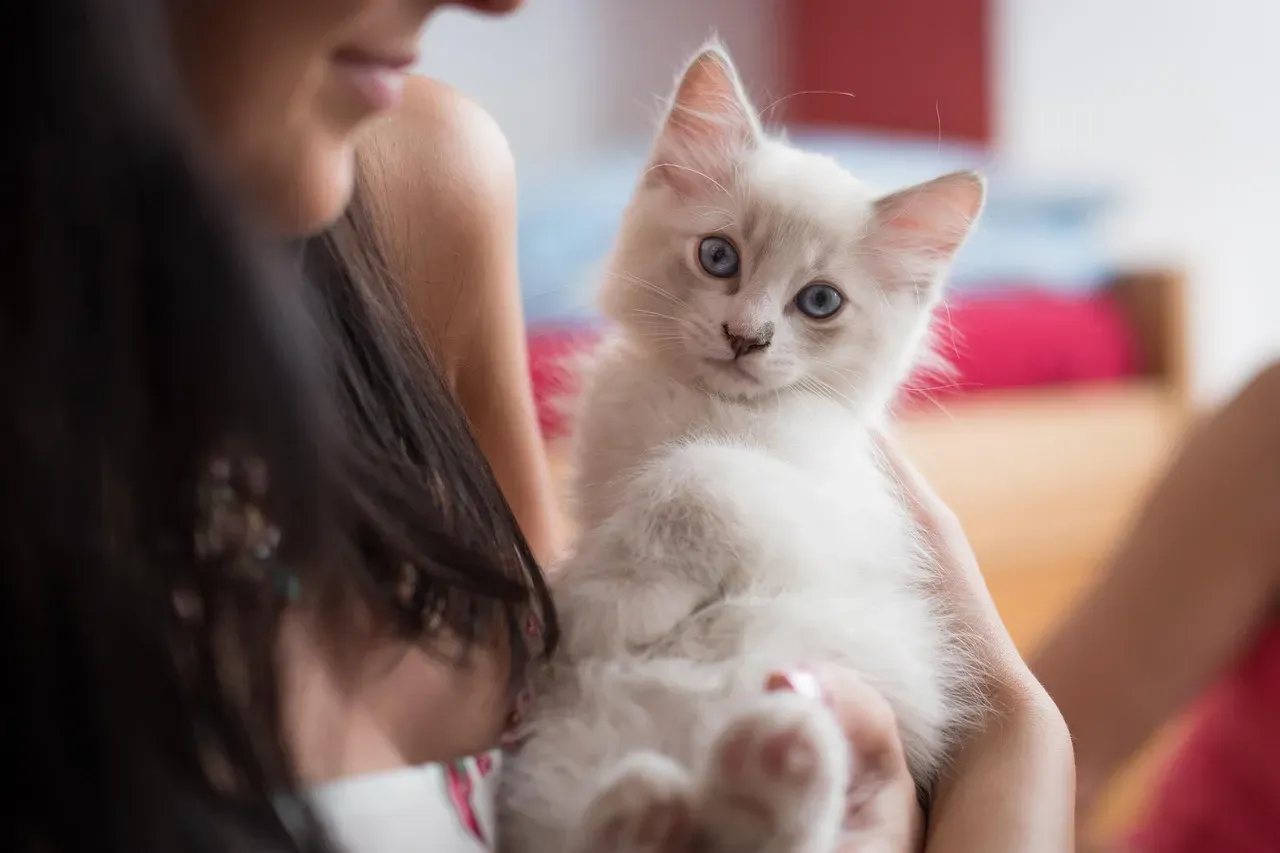
This is probably the most stubborn myth of the bunch, and honestly, it drives cat lovers a little crazy. Cats have a centuries-long reputation for being aloof, untouchable, emotionally closed-off creatures. Pop culture did a lot of damage here. From cartoons to memes, cats are frequently characterized in popular media as aloof, cold, and sneaky, and this has led to plenty of myths about cat behavior.
The reality is far more heartwarming. Cats may have a reputation for being indifferent and standoffish, but cats bond with their people, often just as much as dogs do. Studies show that most cats create strong attachments to their guardians and experience feelings of comfort and safety by being around them. They just speak a quieter love language. Cats show their love in many ways, like purring, kneading, slow blinking, rubbing up against your legs, and following you from room to room. Each cat is unique, so even if your feline friend isn’t a lap cat, they may show you affection in a different way.
Myth #2: A Purring Cat Is Always a Happy Cat
I know it sounds counterintuitive, but a purr isn’t your cat’s version of a smile. It’s more layered than that. We’ve all been fooled by this one. You hear that rhythmic hum and assume everything is blissful. It’s common knowledge that purring indicates a happy, content kitty. However, the truth is more complex. While cats do purr when they’re relaxed and comfortable, they also purr to self-soothe when stressed, sick, or in pain.
Think of it like a human laugh. You laugh when you’re happy, but you also laugh nervously in awkward situations, or to cover up discomfort. A purring cat may be expressing contentment, but this behavior may also be for other reasons. Purring releases endorphins, so a cat in pain may purr to self-medicate. Like a smile, it may also be an attempt at appeasement in a “threatening” situation when they’re scared. Even more surprising, the frequency of a cat’s purr, somewhere between 20 and 150 Hz, is scientifically shown to promote bone density and tissue healing, suggesting cats purr to “fix” themselves. So the next time you hear your cat purring, check in on the full picture.
Myth #3: Cats Are Nocturnal Animals
You’ve lost count of the times your cat has woken you up at 3 a.m. That makes total sense as evidence of nocturnal behavior, right? Well, not exactly. When people talk about cats, they often say they’re nocturnal. That’s not completely true, though. Cats are crepuscular, which simply means they’re more active at dusk and dawn. This is when wild cats hunt.
Birds and mice are very active at dawn, and cats evolved to take advantage of this by developing the ability to see in low-light conditions. They get the bulk of their hunting done while it’s mostly, but not entirely, dark. This evolutionary instinct still pulses through your pampered house cat today. Cats also sleep at night, which isn’t what nocturnal creatures do. They simply sleep a lot, between 12 and 18 hours per day, and they’re just as likely to sleep in the middle of the night as they are in the middle of the day.
Myth #4: Cats Don’t Need as Much Care as Dogs
The idea that cats are basically self-maintaining little robots is one of the biggest misunderstandings people carry into cat ownership. It sounds appealing on paper, like getting all the pet joy with half the effort. But it simply isn’t true. While cats have a reputation for being independent, they need just as much care as dogs do. Regular vet visits, daily exercise and mental enrichment, and plenty of positive attention from their guardians are all essential to a cat’s well-being.
Neglecting these essential aspects of cat care can lead to behavioral problems and health issues, debunking the myth of cats as low-maintenance pets. Indoor cats, especially, need more from you than you might think. The truth is indoor cats can and do get bored, but letting them outside is not always a good solution. Instead, make your home more interesting: set up perches where they can watch birds from the safety of inside, build a DIY cat playhouse, or hide their food so they have to “hunt” for it. Your cat needs you more than they let on.
Myth #5: Cats Always Land on Their Feet
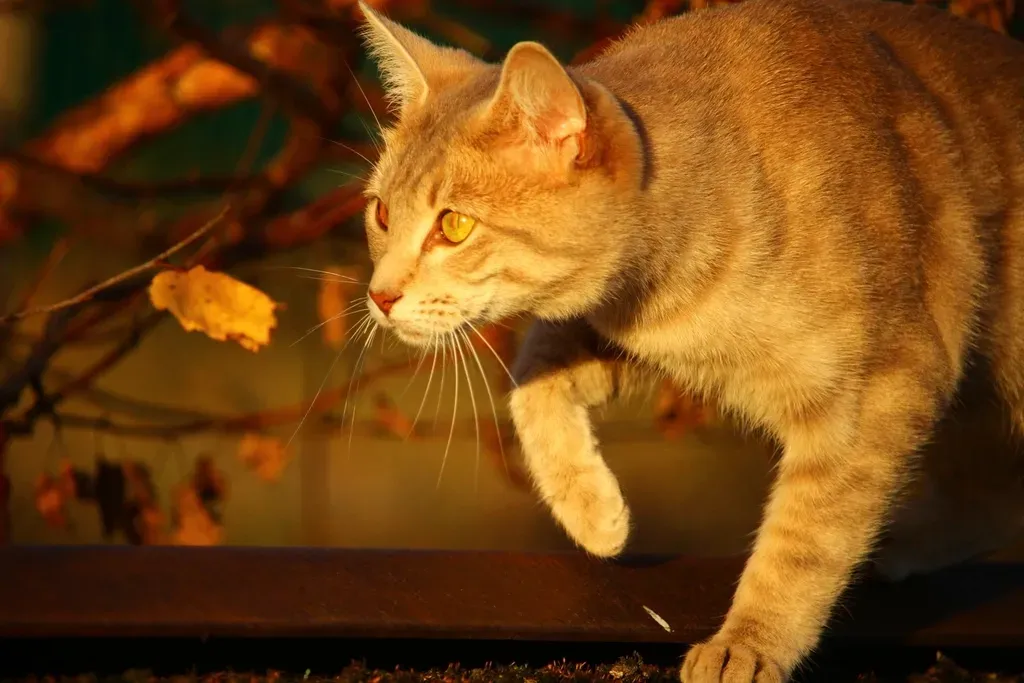
This one feels almost too embedded in culture to question. It shows up in idioms, cartoons, and casual conversation. The kernel of truth inside this myth is real, but the full picture is a lot more precarious. The misconception that cats always land on their feet may be thanks to a cat’s “righting reflex,” an internal balancing system, combined with very flexible backbones, which allows the cat to twist its body the right way mid-fall.
Still, physics doesn’t take a day off for cats. While cats do possess remarkable reflexes and have the ability to twist their bodies mid-air to orient themselves during a fall, this does not mean they are immune to injury. Cats can sustain serious injuries from falls, especially from great heights. Factors such as the cat’s age, health, and the surface they land on can influence the severity of their injuries. Think of it like a safety net with holes in it. Usually helpful, never guaranteed. During a short fall, a cat may not have enough time to react, resulting in a clumsy fall.
Myth #6: Cats and Dogs Are Natural Enemies

You’ve seen the cartoon chases. You’ve heard the phrase “fighting like cats and dogs.” The cultural narrative around this pairing has been so dramatic for so long that many people genuinely believe bringing both animals into the same house is a recipe for chaos. Let’s be real: that’s an overstatement. One of the big myths about caring for cats is that they can’t live with dogs. Sure, sometimes cats and dogs don’t get along, but it’s the same as two humans not getting along. It’s all about knowing how to communicate with one another. Cats and dogs can easily get along as long as we help them communicate and co-exist safely.
They absolutely can coexist, and some become the best of friends. It all depends on personalities and how their first meetings are handled. With time and proper introductions, peaceful coexistence is totally possible. In fact, many households report that their cat and dog play, cuddle, soothe, and even groom each other. Patience is the secret ingredient here. The slow, steady introduction works like magic if you give it the time it deserves.
Myth #7: Cats Can See Perfectly in Total Darkness
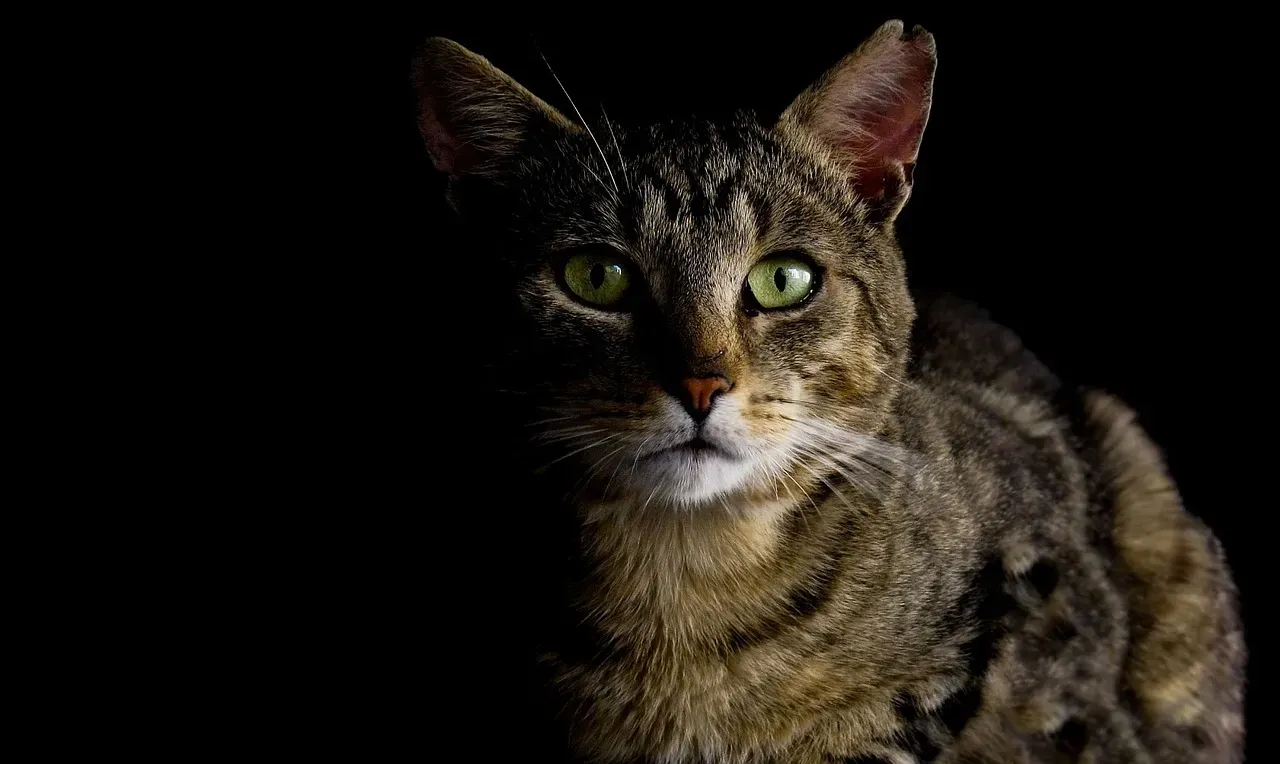
Cats do have remarkably sophisticated eyes. There’s no denying that. The way they move through a dimly lit room with effortless grace can make it look like they’re equipped with built-in night-vision goggles. But total darkness? That’s where the myth overshoots. There’s no doubt that cats have incredibly sharp vision and can see well in low-light situations. But low light doesn’t mean no light. When things are completely dark, cats can’t see.
Cats are crepuscular (most active at dawn and dusk), and their eyes do have advantages over ours. They have a reflector called the tapetum lucidum that gives them an edge to see better in dim light. Additionally, cats have a high proportion of rods in their eyes, which allows them to see in about one-sixth the amount of light that we can. So think of your cat’s vision like a premium low-light camera, extraordinary in near-darkness, but still needing at least some light to function. The physics of sight still applies.
Myth #8: Cats Love Milk and It’s Good for Them
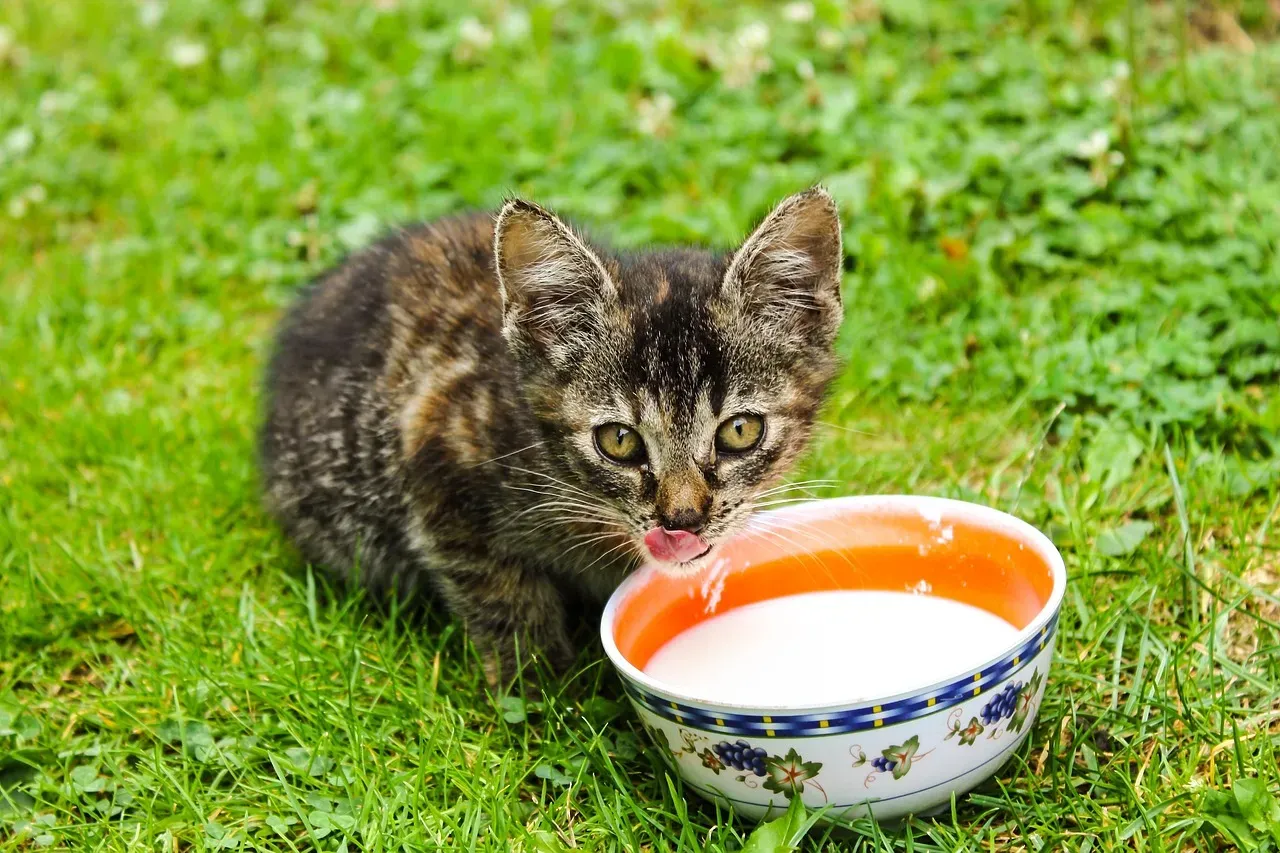
The image of a cat contentedly lapping up a saucer of milk is practically wallpaper in our cultural imagination. Old cartoons, storybooks, classic films, they all reinforced it. It looks so cozy. The problem is that it’s built on a biology myth. Despite their apparent attraction to it, most adult cats are lactose-intolerant, meaning they lack the enzyme lactase needed to digest lactose, the sugar in milk. This can lead to digestive issues like diarrhea and vomiting.
Here’s the thing: it’s a totally natural biological shift. Kittens produce lots of lactase because they need it to digest their mother’s milk. But as cats grow and transition to solid food, their bodies produce less lactase. This means that many adult cats lose the ability to properly digest lactose. The myth that cats should drink milk likely originates from the days when cats were domesticated on farms, where fresh milk was readily available. Cats may have drunk milk out of convenience, especially if they had no other sources of food. So next time, skip the saucer and pour them fresh water instead.
Myth #9: Indoor Cats Don’t Need Vaccines
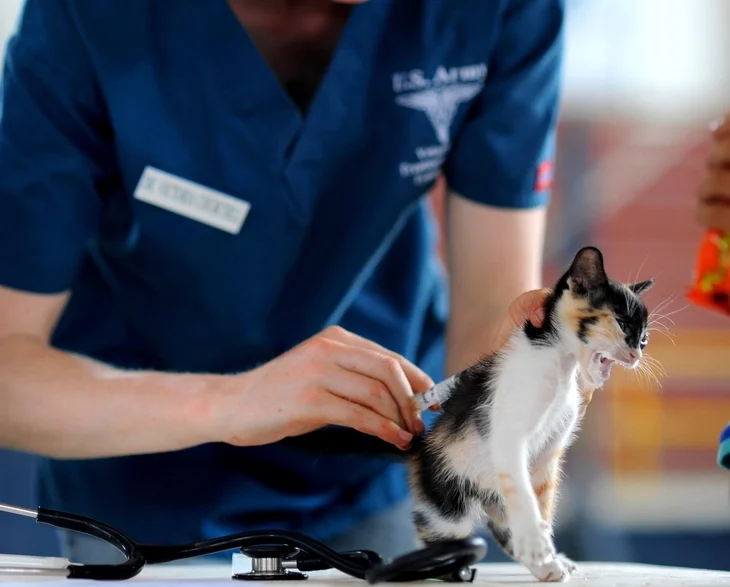
This myth comes from a very logical-sounding place, which is exactly why it’s so stubborn. If your cat never steps outside, never meets other animals, and lives in a clean, comfortable home, why bother with vaccinations? The logic feels airtight until you look closer. One of the most common myths veterinarians hear is, “My cat never goes outside, so they don’t need vaccines.” But the truth is, indoor cats are not exempt from rabies risk. The rare but real encounters, a bat in the attic, a squirrel in the basement, or a raccoon in the garage, are exactly why rabies vaccination for cats is required by law for all cats, regardless of lifestyle. Even if your cat never sets a paw outside, there’s still a chance wildlife could make its way in.
There’s also a sneakier pathway you might not have considered. The three diseases covered by the feline distemper vaccine can all be brought into your home on inanimate objects, like your clothes and shoes. So if you happen to walk by a colony of stray cats on your way home from work, you can unknowingly carry these diseases to your indoor cat on the soles of your shoes. Indoor cats still need core vaccines because they can be exposed to diseases through escape scenarios, insects, rodents, or pathogens brought in on shoes and clothing. Your home isn’t the sealed bubble you might imagine.
Myth #10: Black Cats Bring Bad Luck
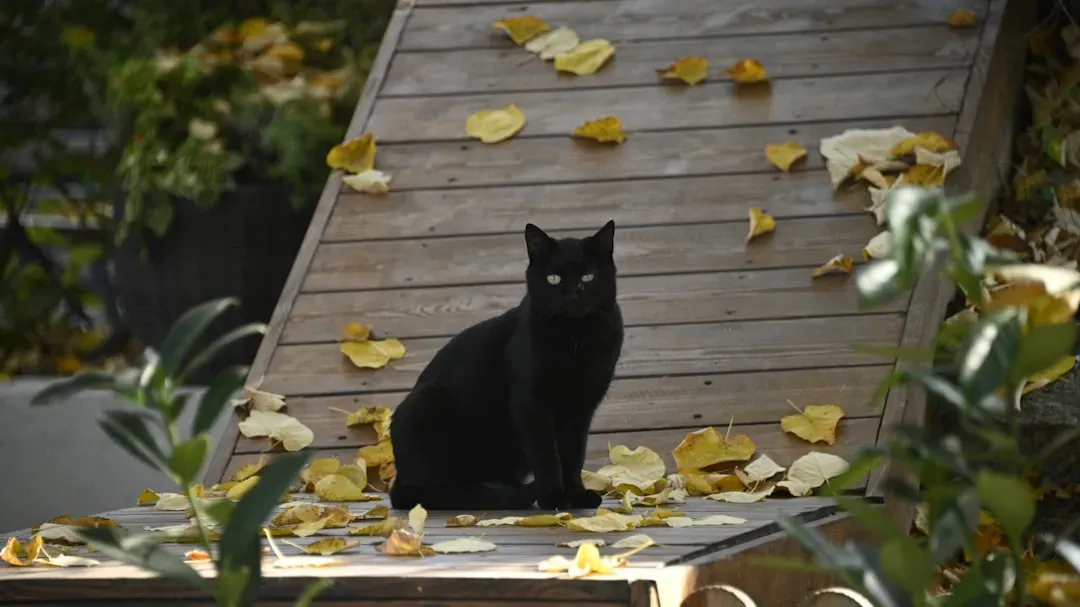
Honestly, this myth is more frustrating than any other because it has real-world consequences for real animals. It’s rooted in superstition, not science, and yet it persists in 2026 with surprising tenacity. The myth that black cats bring bad luck is rooted in superstition dating back to medieval times. Modern science and studies on animal behavior have found no evidence to support this claim. In fact, genetics determines a cat’s coat color, which has no bearing on its personality or the fortune it brings.
The cultural variation in this myth alone should make you question it. Black cat superstitions vary dramatically across cultures. In Japan, a black cat crossing your path is considered good luck, while in much of Europe and the United States, it’s viewed as a bad omen. If luck were truly attached to coat color, you’d expect global agreement on which is good or bad. Unfortunately, these unfounded superstitions have real-world consequences. Black cats are statistically harder to rehome from shelters, leading to higher euthanasia rates for these beautiful animals. That’s the most heartbreaking part of a harmless-sounding myth.
Myth #11: Cats Are Solitary and Don’t Need Other Cats
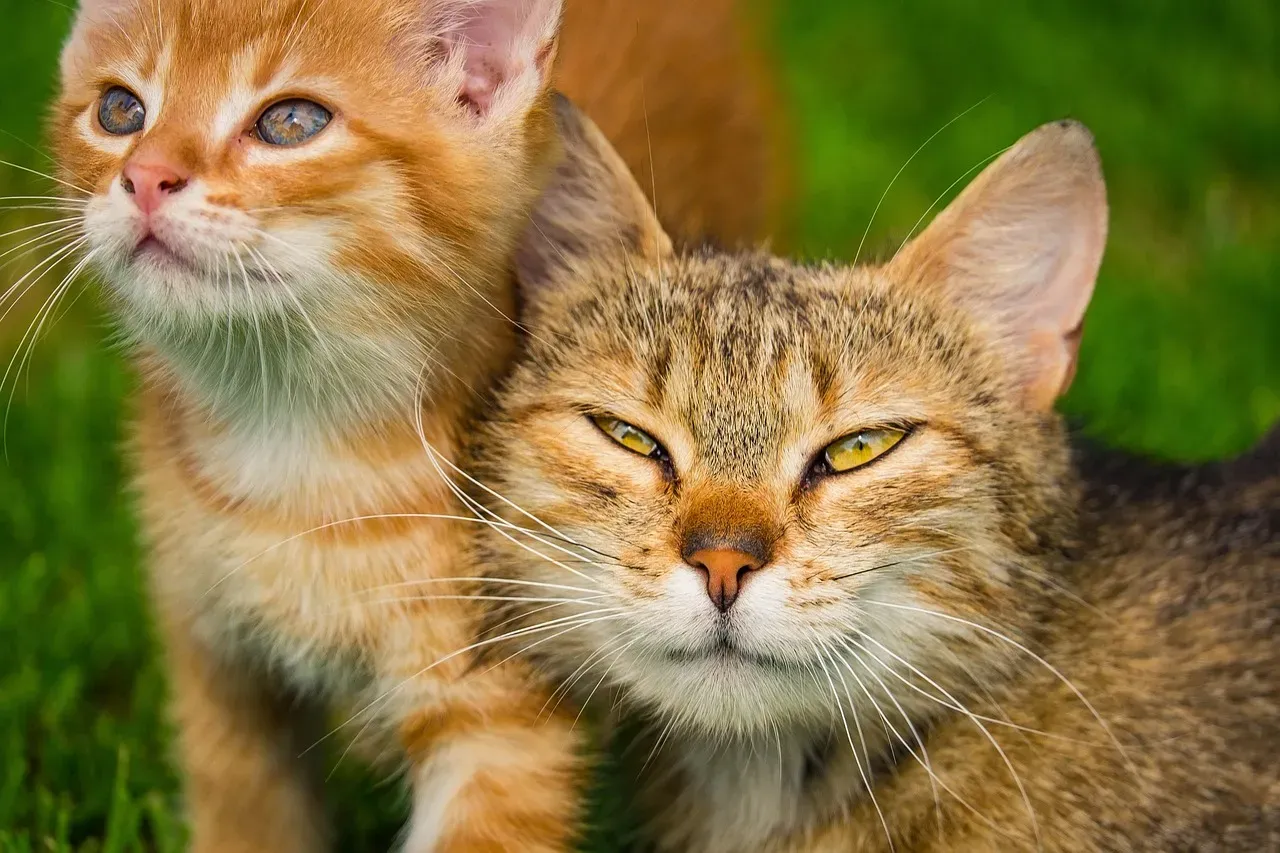
The image of the lone cat, independent and self-sufficient, is baked into how we think about felines. It’s partly why people assume one cat is always better than two. While it’s true that cats can thrive alone with proper enrichment, the idea that they’re inherently antisocial creatures isn’t supported by science. One of the most pervasive myths about cats is that they are solitary creatures who prefer to be alone. While cats do exhibit independent behavior, scientific research shows that they are also social animals. Studies have documented feral cat colonies where cats form complex social structures and even share resources. Domestic cats, too, often seek companionship from both humans and other pets, displaying social behaviors such as grooming and playing.
Cats have preferences, some may want to be the only cat, or they may not like specific other animals. When cats are socialized early, they seem to be better at being around other animals. Similar to people, cats develop communities and connections with others and prefer this group over others. It’s less about species and more about personality. Some cats are social butterflies; others are introverts. Sound familiar? Your cat may simply be more like you than you ever realized.
Myth #12: Cats Are Impossible to Train
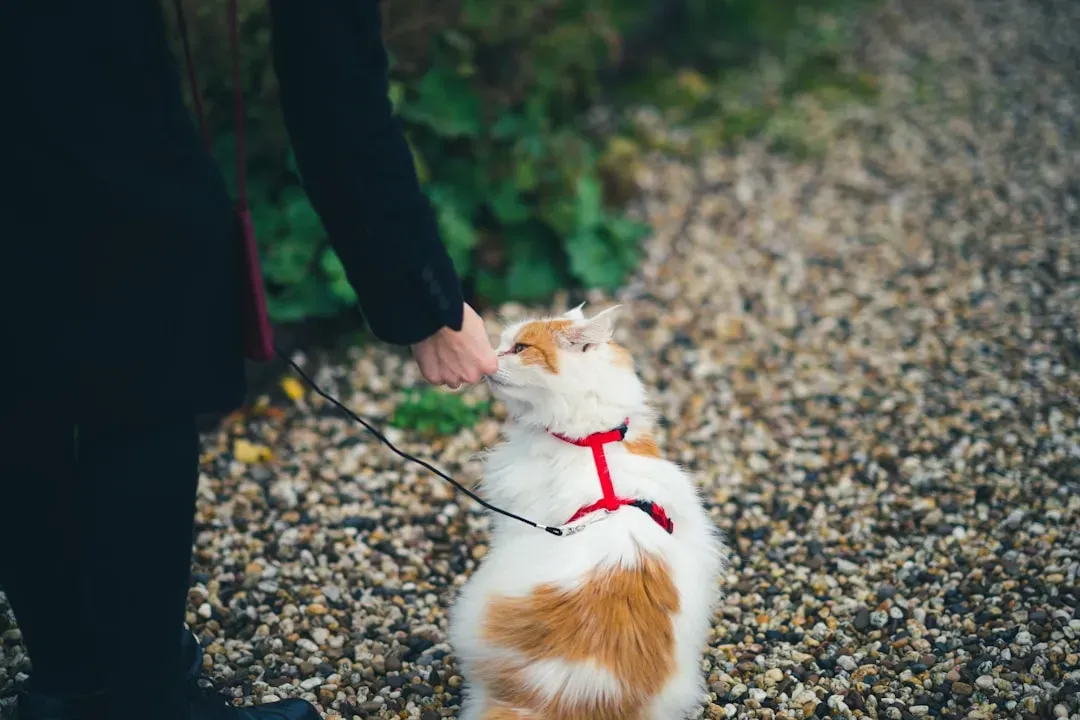
There’s a cultural punchline that goes something like: “You can’t train a cat.” Dogs sit on command. Dogs fetch. Dogs perform at competitions. Cats, supposedly, do whatever they want. The reality is that this assumption says more about training methods than about cats themselves. Behavioral research has demonstrated that cats can learn tricks, use litter boxes, and even walk on leashes when trained consistently and patiently.
Cats, and nearly all mammals, follow the same principles of behavior: we are trainable if the right reinforcer is used. What matters is the value the cat places on the positive reinforcement tool. If the cat does not value the reward, you will not see the desired results. The key difference with cats is that you have to work on their terms. They’re not pack animals chasing social approval. But offer them the right reward at the right moment, and you might be shocked at what they can learn. Practical applications for cat training include teaching cats to love their carriers, which research has shown reduces stress for cats visiting veterinary clinics.
Myth #13: Cats Are Spiteful When They Misbehave
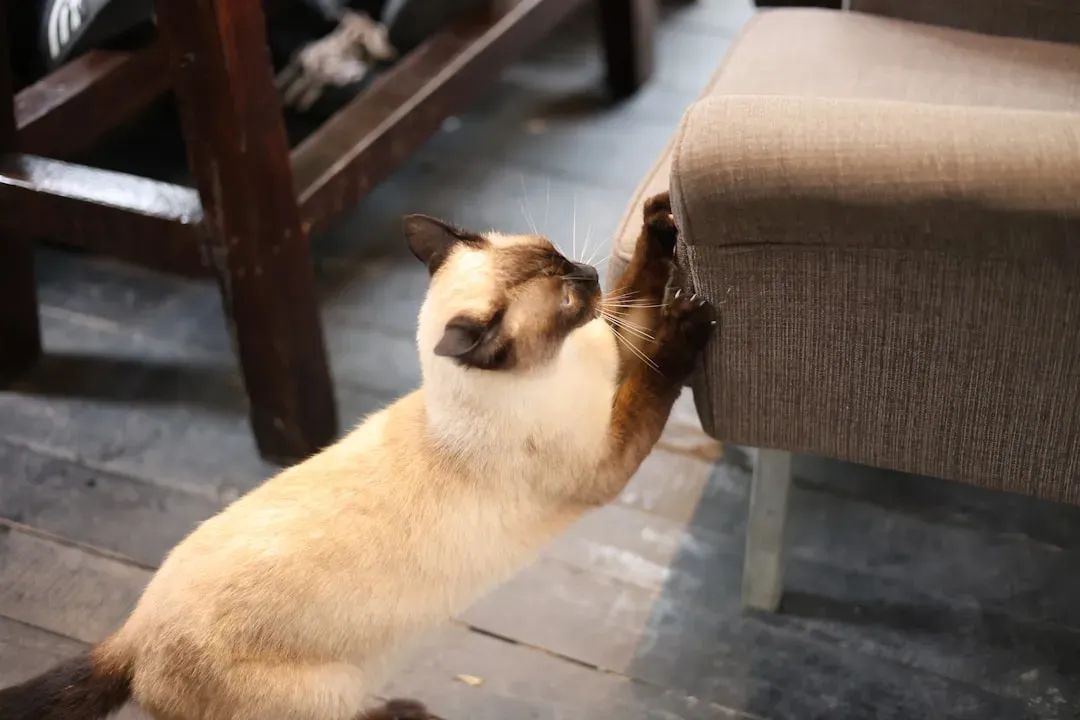
Your cat knocked your favorite mug off the counter right after you ignored them. Your cat used the laundry pile as a bathroom while you were at work. Easy to feel like it was personal. It absolutely wasn’t. Animals look for and thrive on routine and predictability. An action may seem spiteful, but the cause-and-effect reaction is simply humans trying to put reason to the situation. Cats aren’t plotting revenge. They’re reacting to changes in their environment, stress, or unmet needs.
Destructive behavior is often a sign that something else is going on. Is your cat sick? Bored? A talk with your vet or a behaviorist may be in order. Solving the problem might be simpler than you think. Cats crave predictability. Cats like their environment to be predictable and when a change is perceived, the erratic behavior may begin. After ruling out a medical cause for the behavior shift, evaluate what is happening before the behavior appears. The “spiteful” cat is almost always a confused, stressed, or understimulated one.
Myth #14: Cats Don’t Get Separation Anxiety
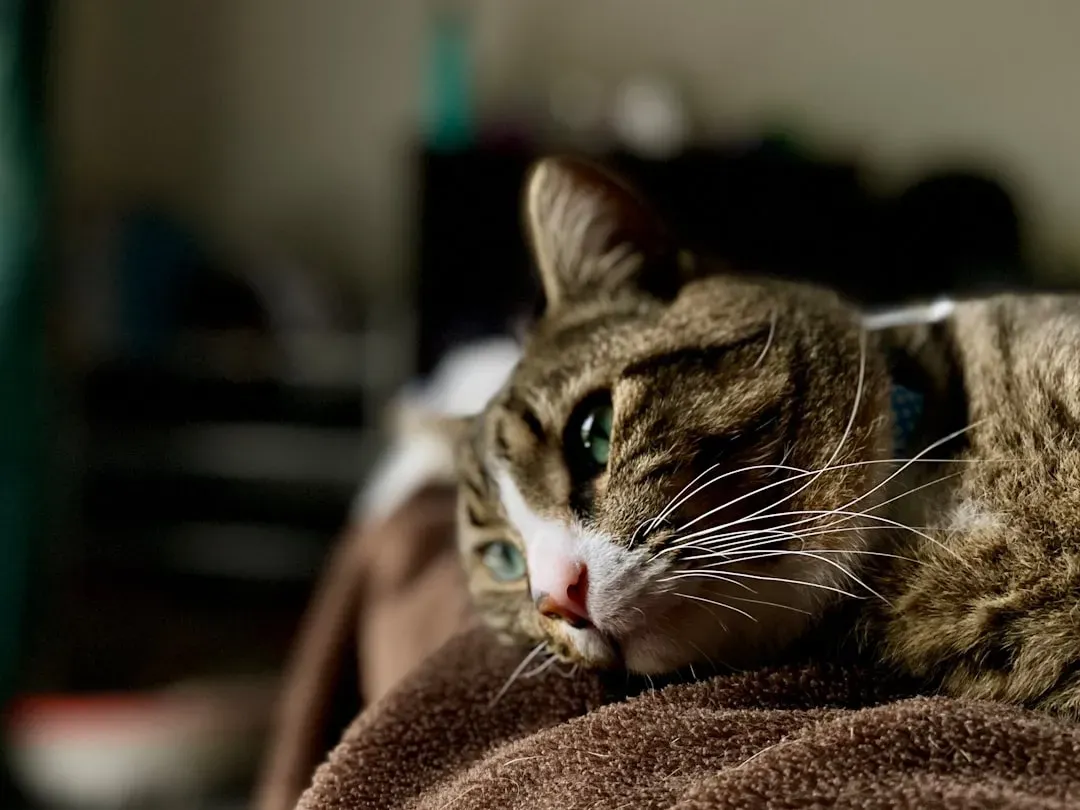
You picture cats sitting in a sunbeam, utterly indifferent to whether you’re home or gone for three days. The truth is more complicated and, if you love your cat, more touching than you might expect. Many people misjudge cats as loners and think that if you set them up with an automatic feeder and enough water, you can leave them home alone for a few days. But cats can get separation anxiety just like dogs. They crave attention and love having their family around, even though they may not show it in the most obvious way.
It’s hard to say for sure how common true clinical separation anxiety is in cats, but behavioral signs are well-documented. Regular vet visits, daily exercise and mental enrichment, and plenty of positive attention from their guardians are all essential to a cat’s well-being. Playing, snuggling, and spending time with your cat also increases the bond between you and your furry friend, which is good for your well-being too. Your absence matters to your cat even when they’re too proud to show it while you’re watching. They’re definitely watching when you pack a suitcase, though.
Myth #15: Cats Have Nine Lives
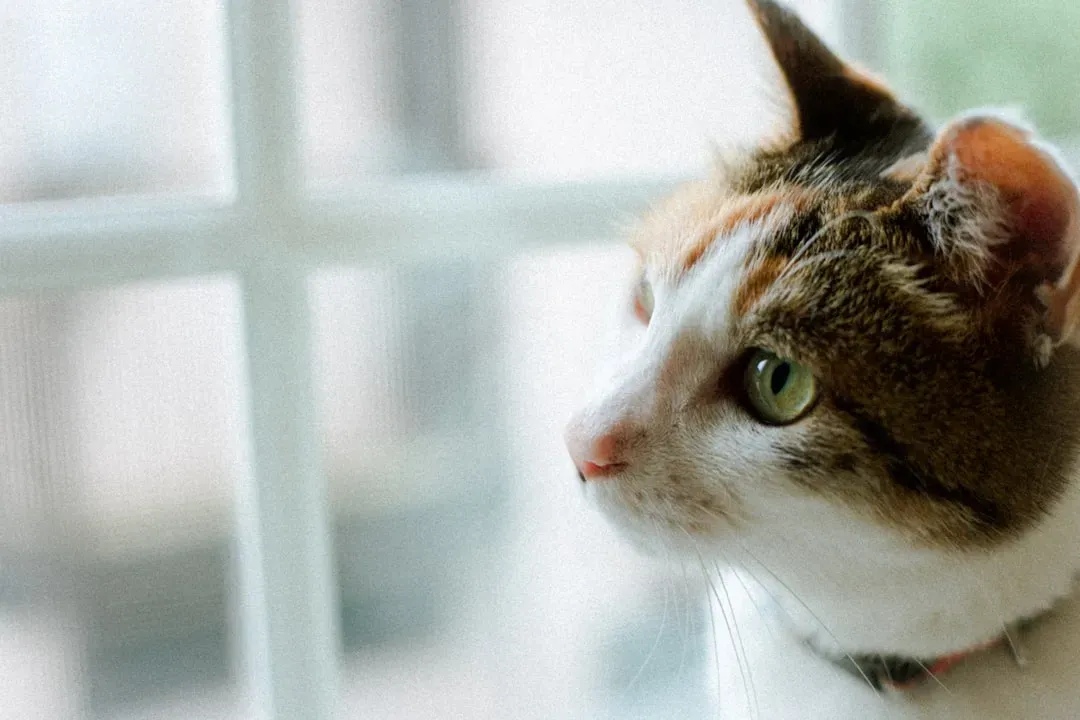
Alright, nobody truly believes this in a literal sense, but the myth has shaped how some people think about cat safety. It subtly encourages a relaxed attitude toward risk, like cats can simply shake off dangerous situations and walk away unharmed. They cannot. The myth most likely originated from Egyptian gods and religions, where sun god Atum-Ra would assume the form of the cat when visiting the underworld. Do cats have nine lives? No. Throughout the ages, cats continued to be considered magical and otherworldly, and their resilience in surviving falls from high places and long confinements seemingly without sustenance continued to amaze.
However, do not trust a cat’s health and safety to those mythical extra lives. It’s essential to remember that cats do not truly have nine lives and should not be left without food and water for long periods. Lack of sustenance can lead to serious health issues, so always provide them with what they need. The resilience people admire in cats is real, earned through biology and instinct. However, cats evolved to hide the vulnerability that accompanies illness. In fact, by the time a cat shows subtle signs of sickness, it’s likely been ill for some time. One life. One precious, extraordinary life. Treat it accordingly.
Conclusion: Your Cat Deserves the Truth
Every myth on this list has something in common: it distances you from who your cat actually is. Strip away the folklore, the cartoon imagery, the centuries of superstition, and what you find is a nuanced, intelligent, emotionally complex animal who has chosen, in their own quiet way, to share their life with you. Despite the growing preference for cats as companion animals, beliefs and misperceptions about them are still common. Cultural and sociodemographic aspects can influence society’s attitudes towards cats, affecting the way they are kept and cared for, and consequently, their welfare.
Replacing these misconceptions with scientifically generated information could have a significant impact on the behavioral management of cats, positively influencing their physical health, mental stimulation, and well-being, and reducing stress for both cats and the people caring for them. The more accurately you understand your cat, the deeper and more rewarding your bond becomes. They’re not cold. They’re not spiteful. They’re not bulletproof. They’re just cats, fascinating, layered, and entirely worthy of your curiosity. So the real question is: which of these myths surprised you the most? Tell us in the comments.