You love your cat. You talk to them, cuddle them, laugh at their little quirks, and honestly feel like you understand each other. Here’s the thing, though: your cat probably spends a solid chunk of the day utterly baffled by you. Not because they’re being dramatic. Because the way you behave as a human, from the way you make eye contact to how you pick them up unannounced, speaks an entirely different language than the one your feline uses every single day.
Cats have earned a reputation for being hard to read, but it’s not their fault – they just communicate differently than humans. Interestingly, the reverse is also true. You might think you’re being friendly, affectionate, or totally harmless, while your cat is standing there trying to decode what on earth you’re doing. The good news? Once you understand which of your habits throw your cat into full confusion mode, everything between you two gets a whole lot smoother. So let’s dive in.
1. Staring Directly Into Their Eyes
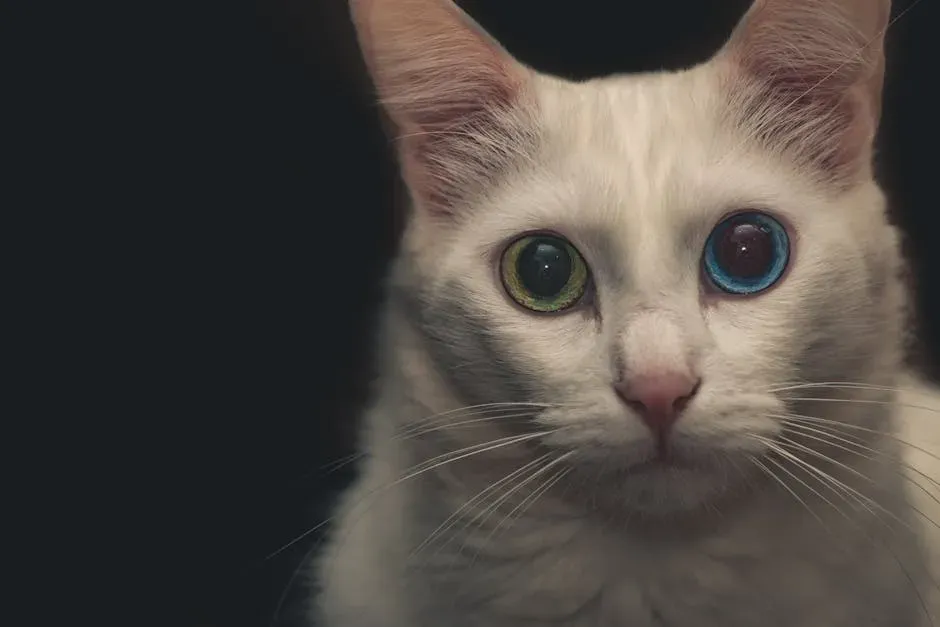
You gaze at your cat lovingly because that’s what humans do when they feel warmth and connection. Totally natural for us. For your cat, however, that long, unblinking stare reads as a very different kind of message. The problem is that intense stare. In a cat’s prey sequence, the way they hunt, the first step is staring. Then they stalk, chase, pounce, and deliver the kill bite. If your cat is being stared at, they feel like they’re being hunted.
A direct stare by a cat usually communicates a challenge or threat and is more likely to be seen in high-ranking cats. The direct stare is often used during predation or for territorial reasons. So when you lock eyes with your cat for longer than a second or two, they aren’t reading love in your gaze. They’re reading a potential standoff. A much better approach? Look softly, do a slow blink, then glance away. That’s how cats say “I trust you” to each other.
2. Forcing Hugs and Picks-Ups Without Warning
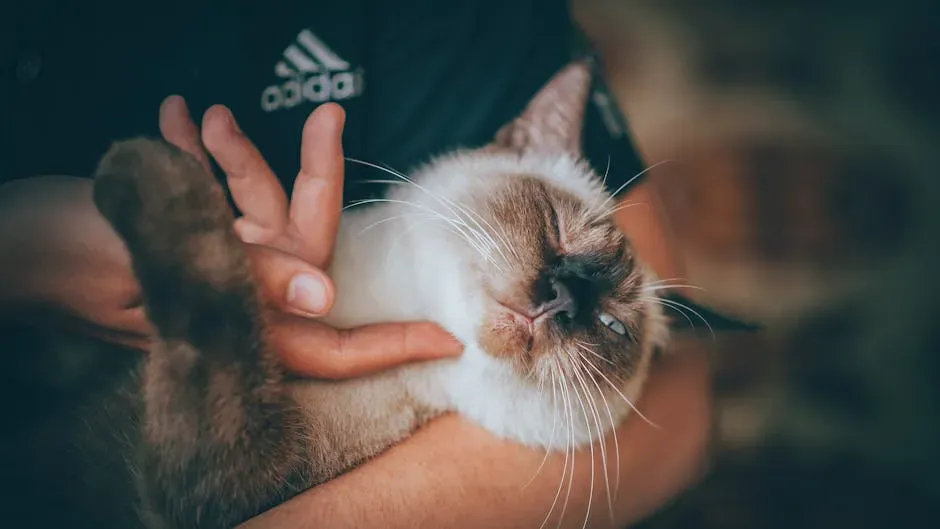
Let’s be honest – picking up your cat just because they look fluffy and irresistible is probably a daily habit for most cat owners. You scoop them up without any warning, squeeze them a little, and wonder why they start squirming immediately. Grabbing, hugging, or picking up your cat without invitation can feel threatening rather than affectionate. Many humans mistake tolerance for enjoyment, missing the signs that their cat wants to be left alone. Cats prefer to initiate touch when they feel comfortable, not on a human’s schedule.
Think about it from your cat’s perspective. Imagine someone just scooped you up off your chair with zero notice. Alarming, right? Understanding that cats are both independent hunters and social creatures helps explain many puzzling behaviors. This dual nature means they can switch between wanting affection and needing space very quickly. Forced affection doesn’t land as love in the feline world. It lands as a violation of personal space, and your cat genuinely cannot understand why you keep doing it.
3. Talking on the Phone
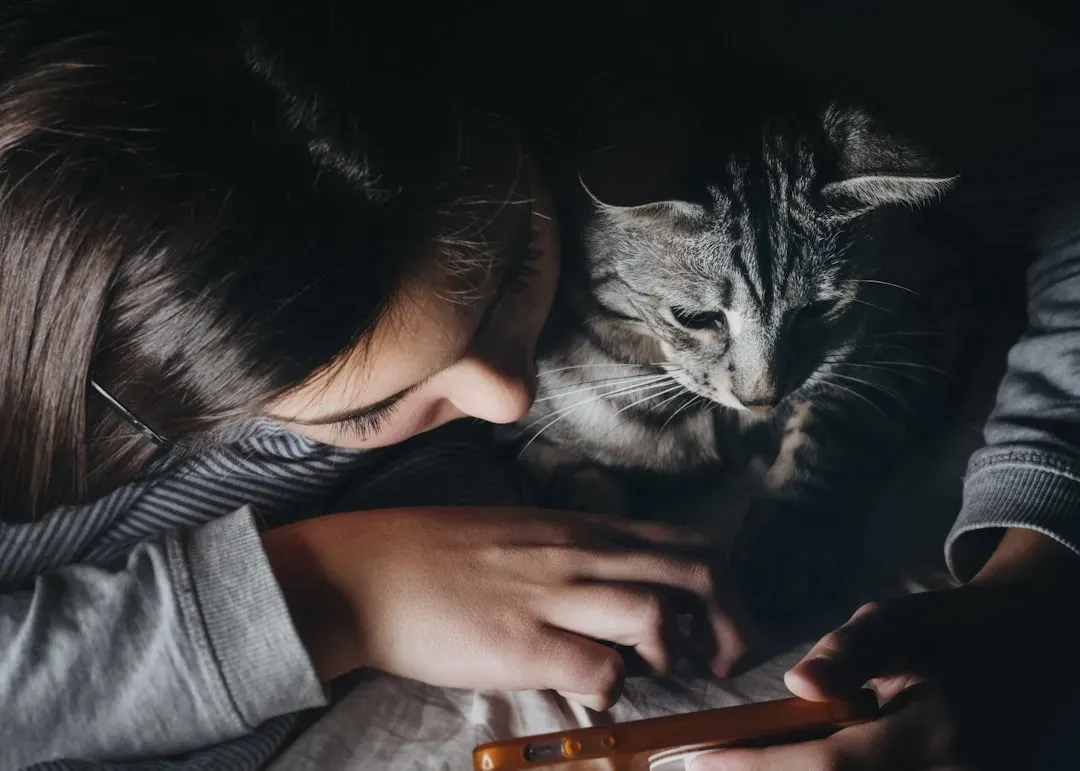
You’re on a call, speaking clearly to an invisible person, and your cat suddenly goes full chaos mode – meowing, pawing at you, walking in circles, demanding attention. This isn’t attention-seeking for the fun of it. When you speak on the phone, the cat sees only you. Cats quickly learn that humans talk to communicate. That’s why they target us so successfully with meows. When we talk on the phone and nobody else is there, cats may decide we’re talking to them.
If your cat suddenly becomes more vocal, affectionate, and needy while you talk to someone over the phone, it’s a sign of the need for attention. Cats have incredible hearing, which means they can hear voices, but might be confused as to where they’re coming from. In short, your cat doesn’t understand long-distance communication. They hear your voice, see no second party, and logically conclude the conversation must be meant for them. Honestly, it’s kind of sweet, even if it does wreck your work calls.
4. Using Baby Talk and High-Pitched Voices
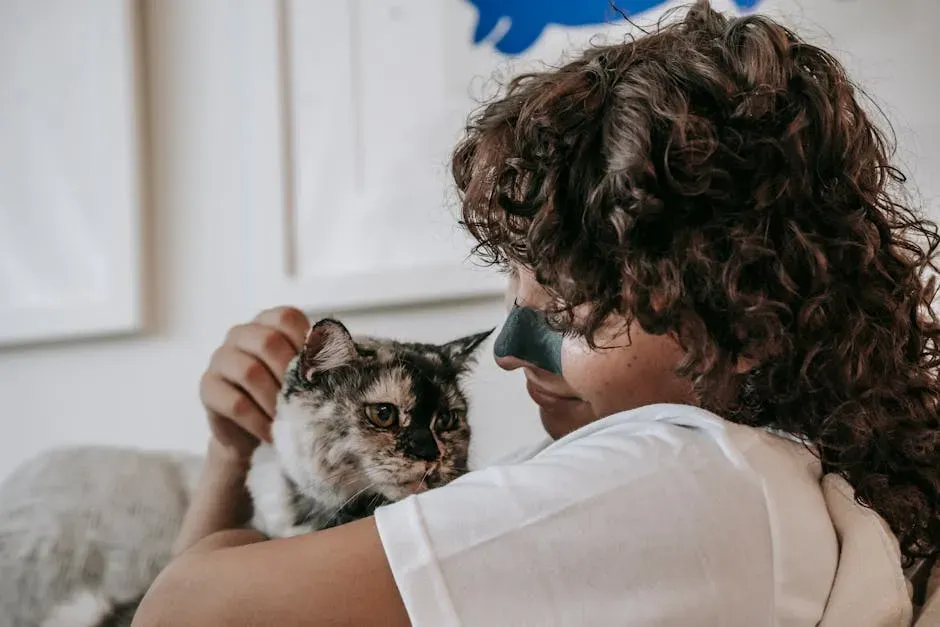
You do it. I do it. Nearly everyone does it. You lean over your cat and coo at them in a squeaky, sing-song voice that you’d never use in any other context. While the warmth behind it is real, your cat is genuinely processing this as a foreign communication signal. Communicating with your cat happens on a lot of different levels. It’s not necessarily about your intention. It’s things like tone of voice, what else is happening in the area, and your body language that your cat uses to interpret your behavior and form their response.
When cats communicate with humans, they do so to get what they need or want. Cat communication methods have been significantly altered by domestication. Your cat has learned to read your voice as a cue, but wild pitch changes and exaggerated tones fall outside the tonal range they use with each other. They’re trying their best to interpret you, but it takes a moment – and sometimes results in that classic sideways head tilt that means they’re genuinely puzzled.
5. Maintaining an Inconsistent Daily Routine
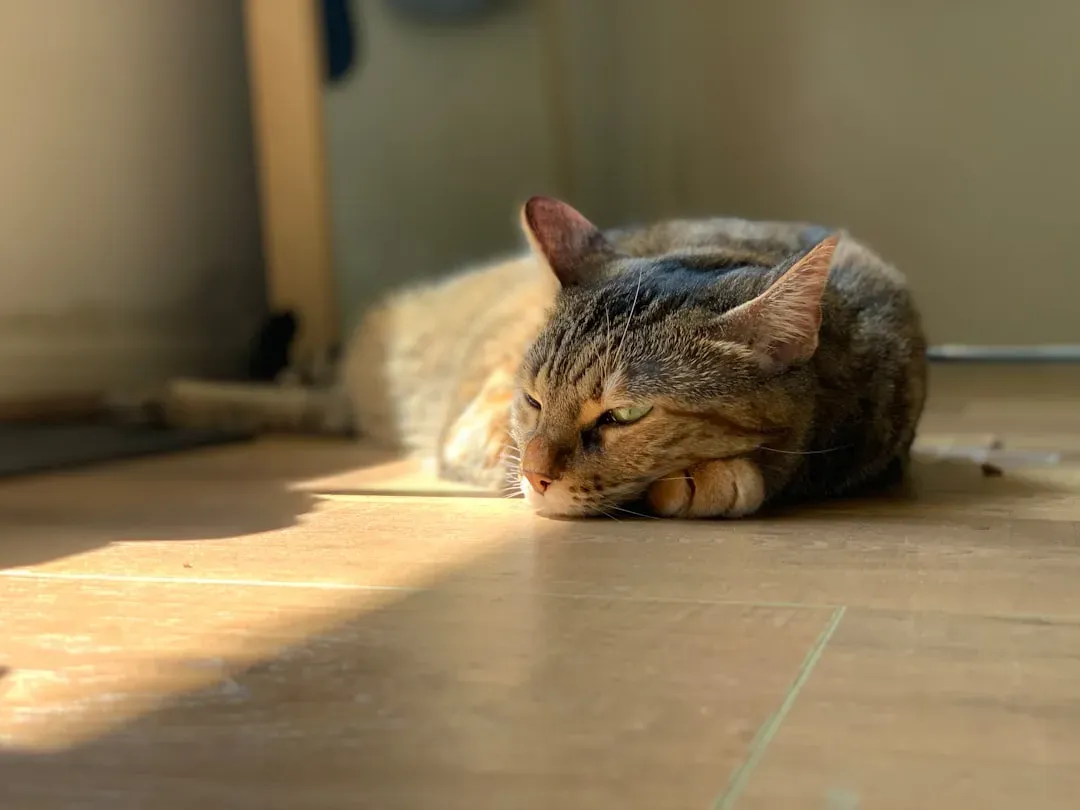
Humans are flexible creatures. You eat at different times, sleep at odd hours, come home late on some days and early on others. No big deal for you. For your cat, though, that unpredictability is legitimately distressing. Changing your schedule might be no big deal to you, but for a cat, it’s a disruption of their whole world. Mealtimes, playtimes, and even your daily presence create a comforting rhythm they depend on. When these patterns suddenly shift, it can cause confusion or mistrust.
Your cat might vocalize more, act clingy, or become distant as a reaction. For some, a lack of routine might even lead to digestive issues or behavioral problems. Cats are creatures of habit in a very deep, almost compulsive way. Think of it like this: your cat has built an internal clock around you. Every time you scramble that clock, they have to rebuild it from scratch. Cats feel more secure with routine. Regular feeding times, play sessions, and predictable daily schedules help reduce anxiety-driven behaviors.
6. Rubbing Their Belly When They Show It
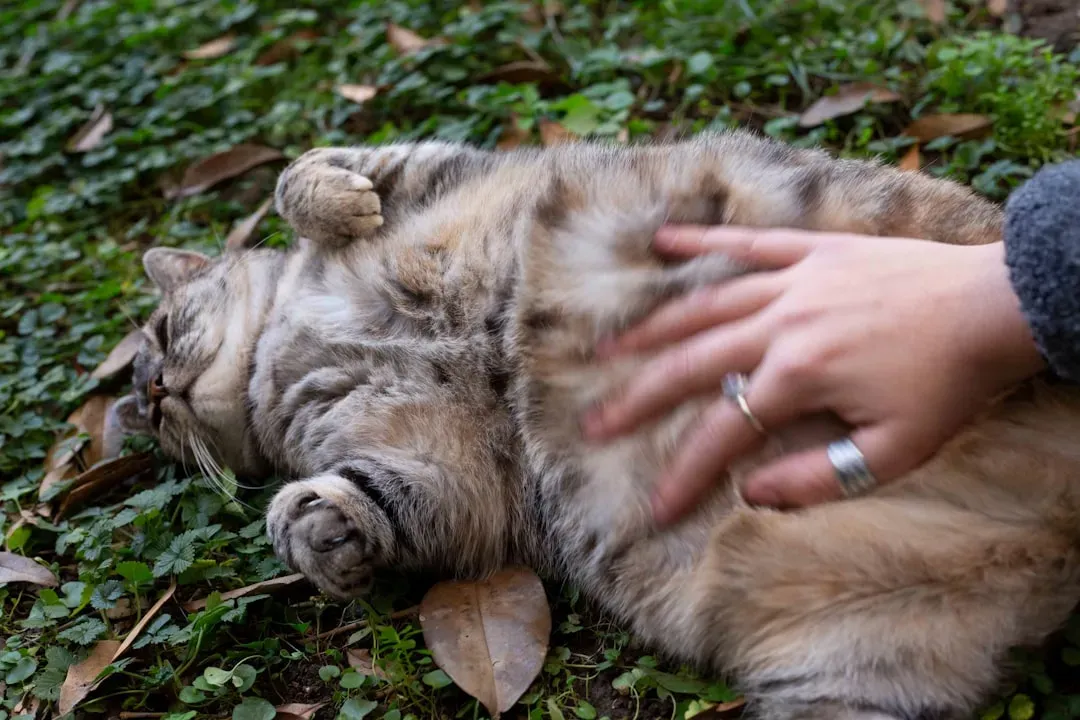
Your cat flops onto their back, stretches out, and exposes their soft, incredibly tempting belly. Your hand moves toward it. You know what happens next. One of the most confusing cat behaviors is when they roll onto their backs and expose their bellies. Many people assume this is an invitation for belly rubs, but it’s actually a deep showing of trust. You’re responding to what looks like an invitation. Your cat meant something entirely different.
Your cat trusts you, but isn’t necessarily asking for a belly rub. Cats know their stomachs are their most vulnerable areas, which is why they guard them so fiercely. By exposing her stomach to you, she’s saying “I am comfortable with you and trust you.” But do not mistake this as a request for belly rubs! So the next time your cat does the belly reveal, take it as a compliment rather than an invitation. Appreciate the trust. Keep your hands to yourself, at least for a few seconds.
7. Making Loud Noises and Sudden Sounds
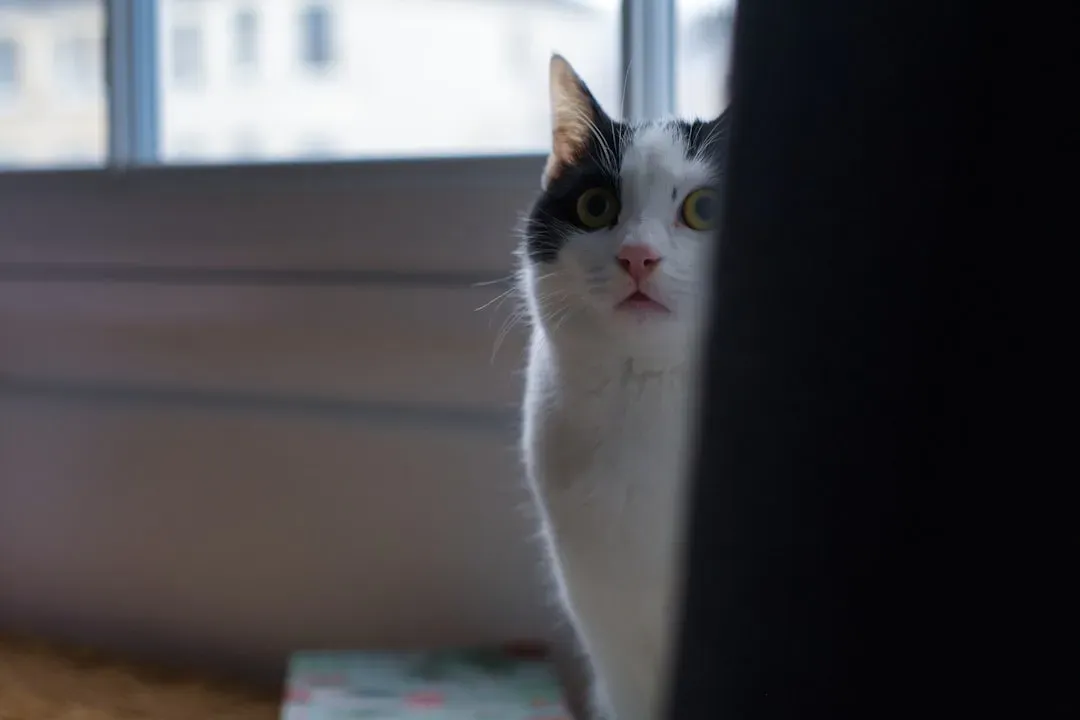
You laugh loudly. You sneeze. You drop a pan. You blast your TV during an exciting sports moment. None of this registers as unusual to you. To your cat, every sudden burst of sound is a potential signal of danger. Loud environments, unpredictable routines, and forced interactions can create stress or even resentment in an otherwise peaceful pet. Your cat’s hearing is vastly more sensitive than yours, picking up frequencies and subtle sounds you’d never even register.
A cat’s acute sense of hearing allows them to hear subtle sounds, including a weird disembodied voice coming from your cell phone. If a small voice from a phone can confuse them, imagine what a sudden shout or a slammed door does to their nervous system. Cats process loud sounds as potential threats first and explanations second. The reason they bolt under the bed after you sneeze isn’t an overreaction – it’s a survival instinct doing exactly what it was designed to do.
8. Direct, Prolonged Eye Contact During Petting
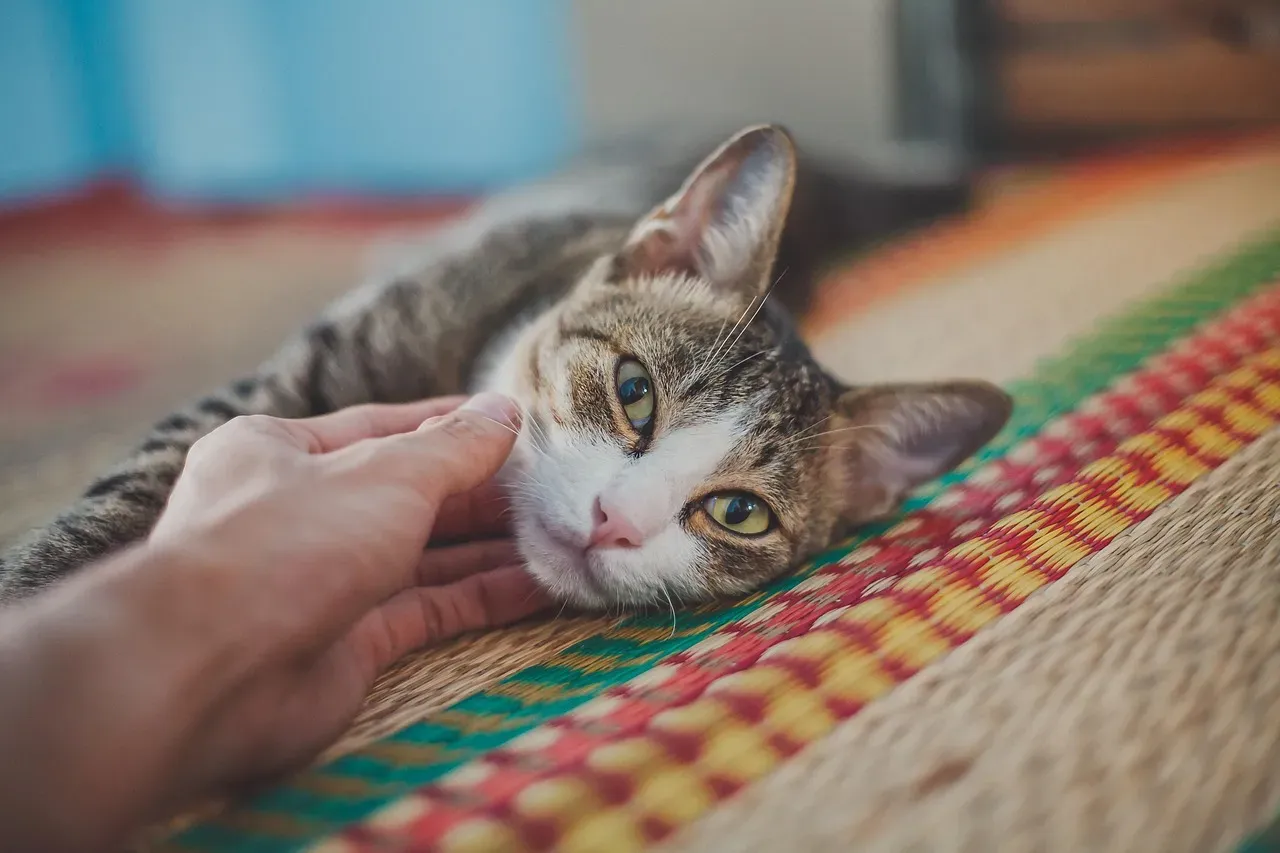
There’s something about petting a cat that makes people want to look right at them. You’re in a gentle, connected moment, so naturally you hold their gaze. Meanwhile, your cat is growing increasingly uncomfortable. A direct stare by a cat usually communicates a challenge or threat. In contrast, cats will lower their eyelids or slowly blink them to show trust and affection to their owners. The distinction matters enormously in feline communication.
Cats slow blink at other cats or humans as a way of communicating that they’re not threatening. It’s a social behavior to tell others they’re calm and ready to get along. You can actually slow blink at your cat, and many times they will slow blink back and approach you – because you’ve indicated that you are a nice person who wants to be friends. It sounds almost too simple, but this small shift in how you use your eyes can completely change the trust dynamic between you and your cat.
9. Changing Your Scent Significantly
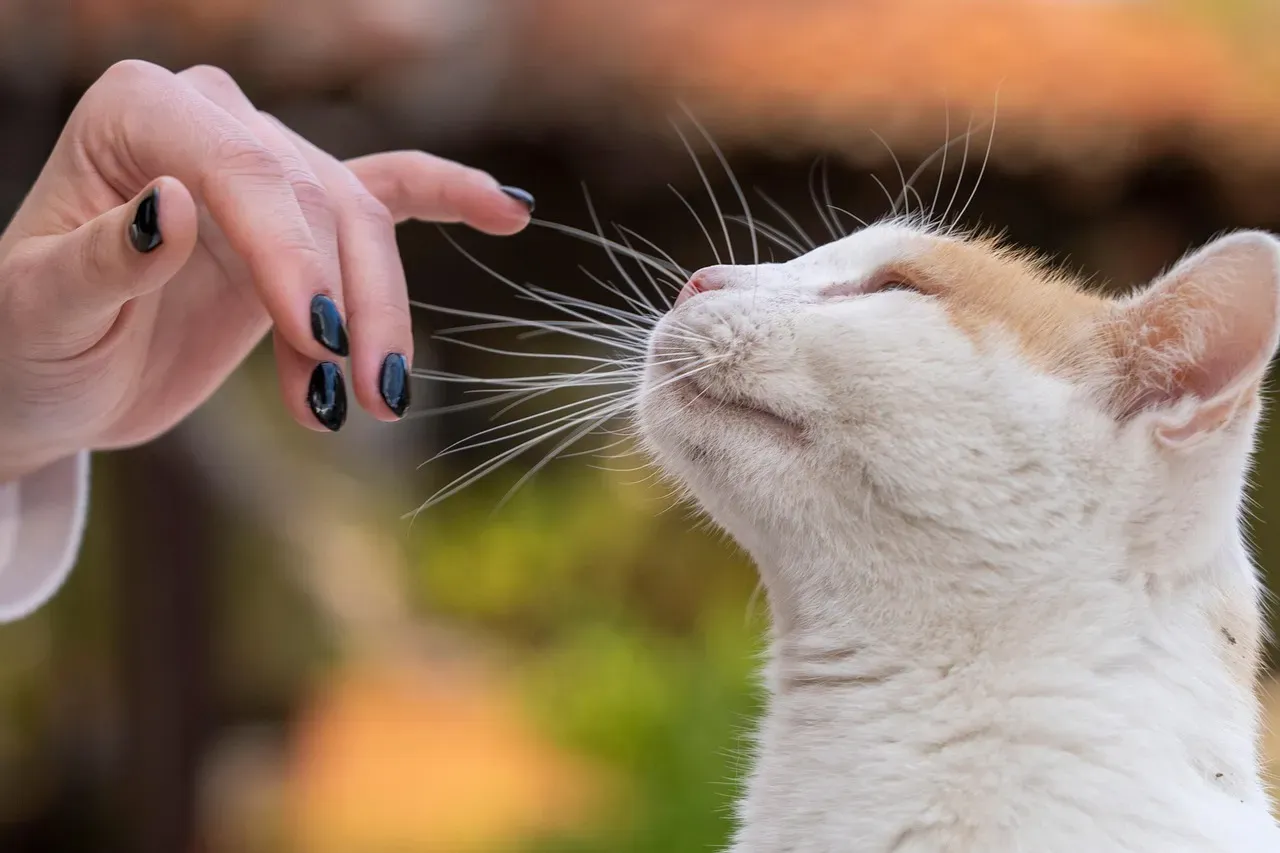
You switch perfumes, start using a new detergent, or come home smelling like a dozen other animals from a visit to a friend’s house. You smell fine to you. To your cat, you’ve suddenly become a stranger. Cats can use a range of communication methods, including vocal, visual, tactile and olfactory communication. Scent is one of the primary ways your cat recognizes and maps their world. It’s not just a nice bonus; it’s core to how they understand safety and belonging.
When cats rub their faces against you, an action called “bunting,” they leave behind their scent to let others know that you belong to them. It’s one of the many ways they show affection. When you walk in smelling completely different, your cat may approach you cautiously, sniff you with deep suspicion, and take a while to re-accept you. They’re not being dramatic. They’re recalibrating whether you’re actually you, and in their world, that’s a completely reasonable response.
10. Ignoring Their Body Language Signals
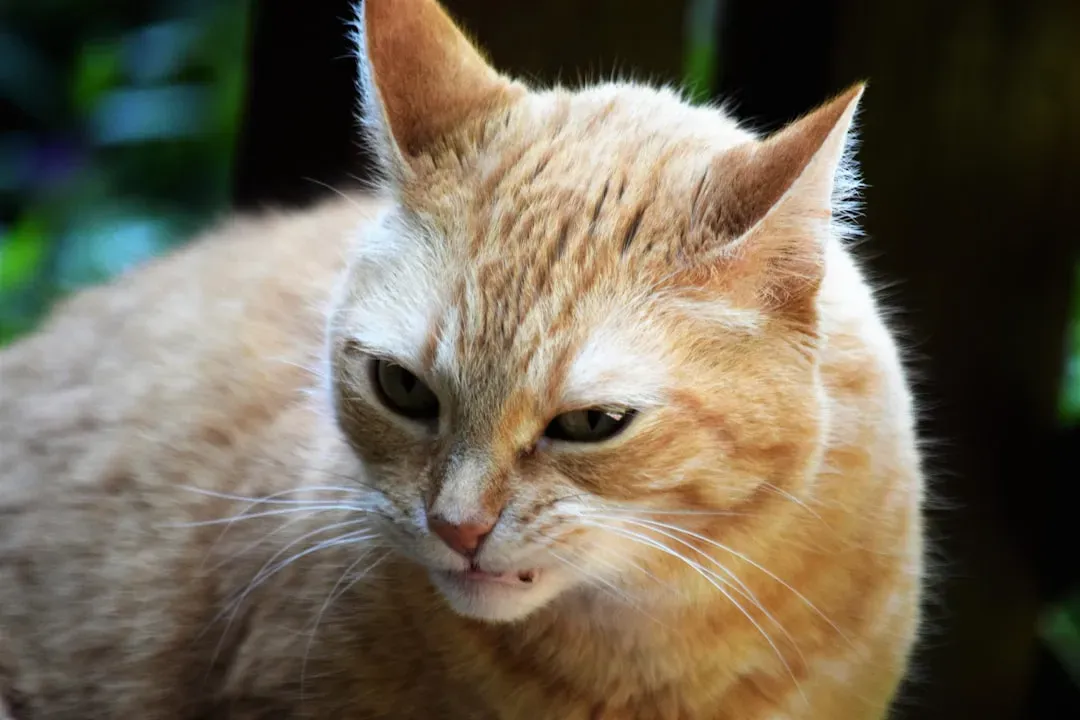
Your cat is flicking their tail rapidly. Their ears are pressed back. Their pupils are fully dilated. You’re still petting them. This is one of the most consistently confusing things you can do from a cat’s perspective. Cats speak volumes through their body language, and not paying attention to it can lead to confusion or even injury. When a cat swats, hisses, or suddenly bolts away, they’re expressing clear boundaries. Continuing to engage with them despite these cues teaches them that you’re not listening. Over time, this may erode their trust and lead to defensive behaviors.
Cats are subtle communicators. Unlike dogs, who may express themselves loudly and obviously, cats often use quiet, nuanced movements. The frustrating part for your cat is that they did tell you. They used every tool they had. Recognizing early signs like dilated pupils, twitching tails, or pinned-back ears is crucial. A cat that feels understood is more likely to stay affectionate and relaxed. Pay attention to the whole picture, not just whether they’re purring.
11. Punishing Them After the Fact

Your cat knocked something off the counter an hour ago. You come home, see the mess, and scold them with a firm voice and a pointed finger. You feel like the message landed. Your cat is sitting there with absolutely no idea what just happened. Every whisker twitch, tail flick, or sudden pounce has meaning. Cats communicate through body language, vocalizations, and instinct-driven actions. Delayed punishment, however, simply doesn’t connect to the earlier event in a cat’s mind.
Cats live in the immediate present far more than humans do. The gap between the incident and your reaction is too wide for them to bridge. What your cat experiences is a human who seemed perfectly normal five minutes ago suddenly acting unpredictably hostile for no reason they can detect. What seems contradictory to us often makes perfect sense in the cat world. Your kitty isn’t trying to be difficult – they’re just expressing themselves in ways that evolved over thousands of years. Timing matters enormously in cat communication.
12. Sending Mixed Signals With Your Hands
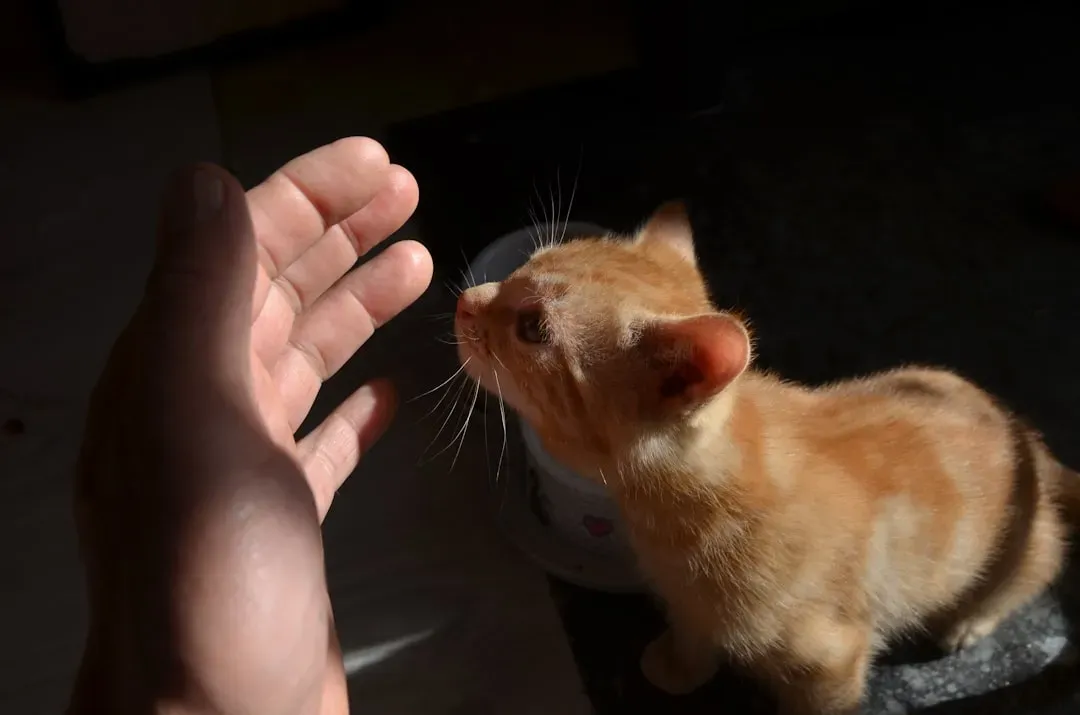
You let your cat bite and attack your hands during play as a kitten because it was cute. Now they’re older, their bites are harder, and you’re confused why they keep doing it. Or you wave your hand near their face to be playful and then get annoyed when they swipe at it. Cats are natural hunters, even if they have never set a paw outside. Their instincts drive them to mimic hunting behaviors such as stalking, chasing, and pouncing. Even well-fed indoor cats will engage in hunting-like activities, often using toys, household objects, or even their human hands as substitutes for prey.
When you use your hands as play objects and then suddenly withdraw that permission, your cat is legitimately bewildered. You’ve been teaching them, however unintentionally, that hands are prey. Cats have an inherent curiosity about their surroundings and often engage in exploratory behavior by using their paws to touch and interact with objects. When an object rolls or moves in response to their touch, cats may perceive it as prey trying to escape, triggering their instinct to chase. This playful behavior allows them to satisfy their natural hunting instincts. Your moving fingers are essentially sending a “chase me” invitation every time.
13. Repeating Commands Over and Over
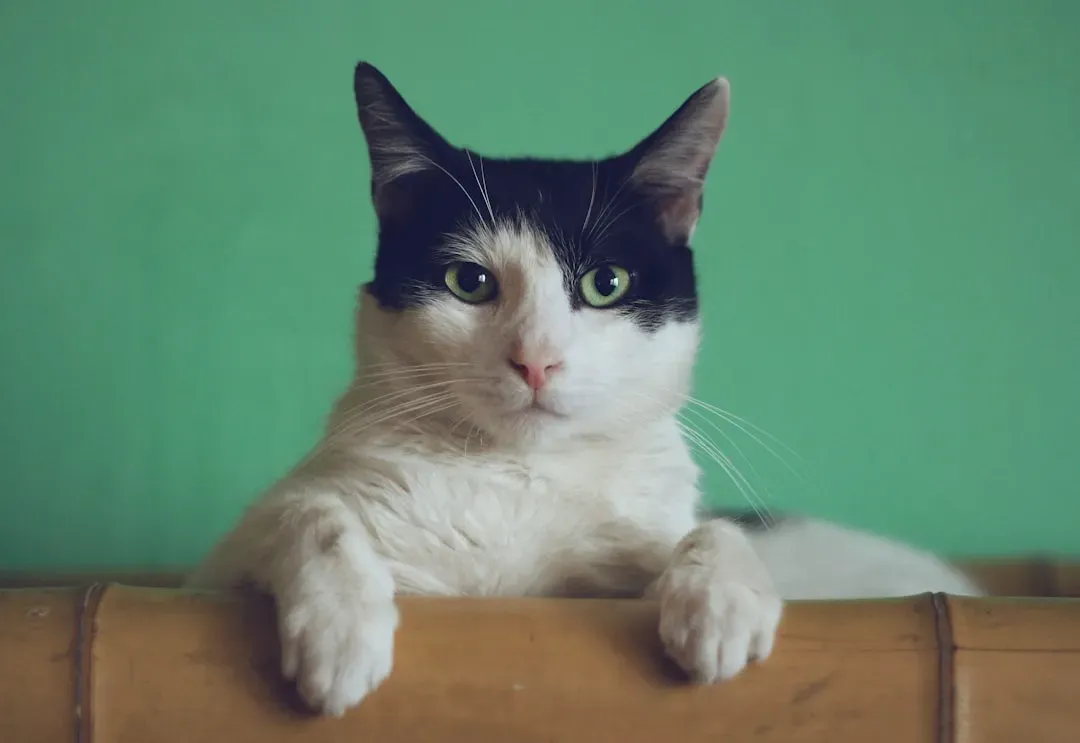
You want your cat off the kitchen counter. “Down. Come on, down. Get down. Down, I said down.” Your voice rises. Your word changes slightly each time. Your cat stares at you from the counter like you’ve just recited a poem in another language. When teaching a cat to sit, for example, you may get caught up in the moment. You start with a clear, concise “sit” cue. As your cat starts to lose interest or get distracted, the cue changes. “Sit, buddy.” “Come on, sit.” “Sit, sit, sit.” Your cat is now thoroughly confused.
Cats do respond to training, but they need absolute consistency in the signal they receive. Cats use vocal sounds to communicate their needs and emotions. They have a wide range of vocalizations, from meowing to hissing, growling, purring, and chirping. Meowing is often a form of communication with humans. The problem is that you’re communicating in a way that shifts and mutates mid-sentence. From your cat’s point of view, you’re just making increasingly urgent, increasingly random sounds while they sit comfortably on the counter.
14. Waking Them Up for Attention
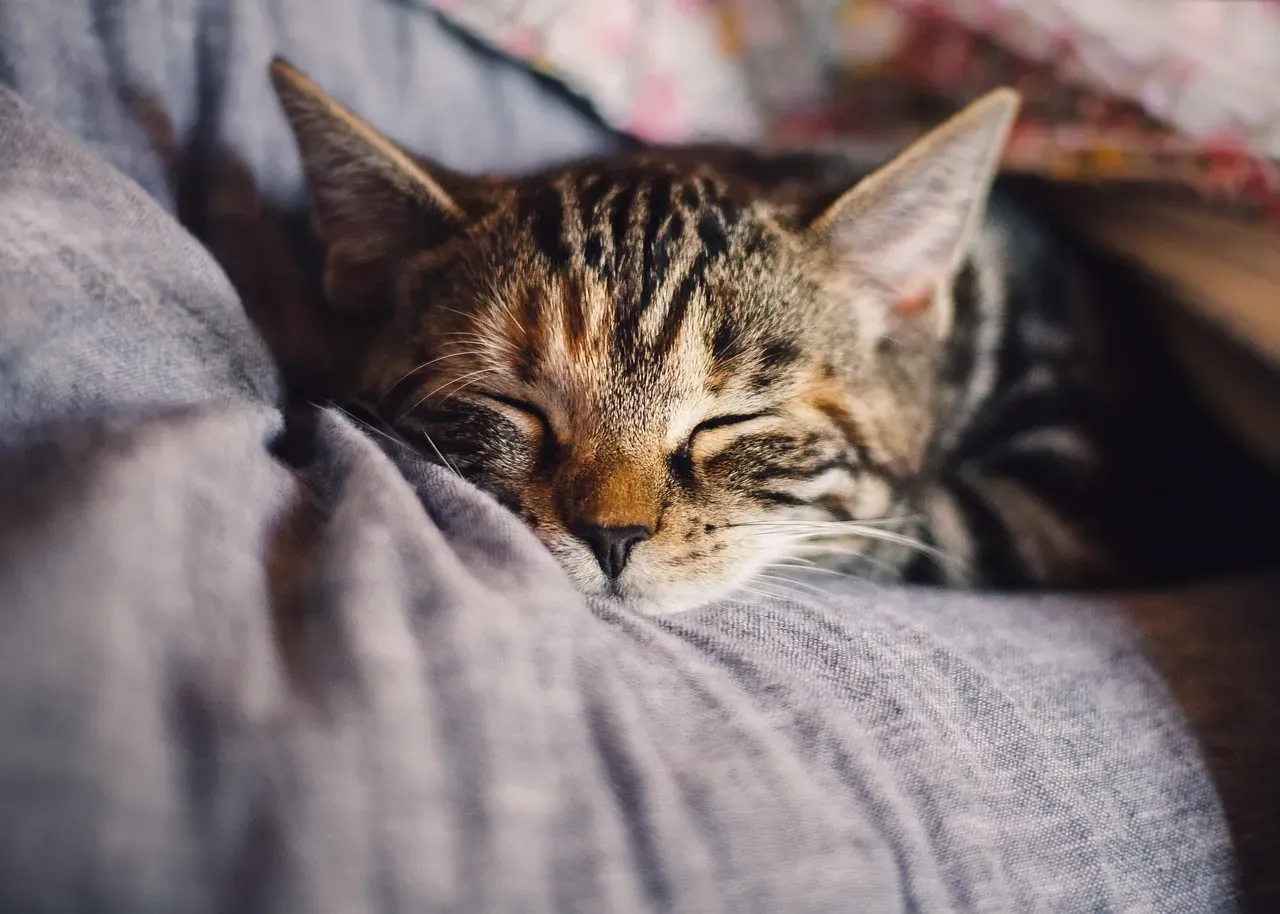
Your cat is doing that absolutely adorable curled-up sleeping thing, and you just can’t help yourself. You prod them awake, tickle their paws, or lift their little head to look at their sleepy face. Innocent enough, right? Although domestic cats no longer need to hunt for survival like their ancestors, their genetic makeup still influences their behavior. One such behavior is their inclination to conserve energy through frequent napping. Sleep is not optional extra rest for cats – it is a biological necessity they take seriously.
Just like humans, cats appreciate alone time. When they need some quiet solitude, give them their space. This will strengthen their respect for you. Think about how you’d feel if someone woke you up from a deep, restorative sleep just to poke your face. Your cat isn’t being grumpy when they react with irritation. They’re communicating with full clarity that the interruption was unwelcome – and honestly, you can hardly blame them.
15. Bringing New Pets or People Home Without Preparation
You adopt a new puppy. You invite a houseguest to stay for two weeks. You bring your sister’s kids over for a loud afternoon. From your perspective, it’s all perfectly normal social activity. From your cat’s perspective, their carefully mapped territory has been suddenly invaded by unrecognized scents, sounds, and beings. Every cat is unique, and their behaviors are influenced by their individual personality, past experiences, and environment. A secure environment is the baseline that makes all of your cat’s daily comfort possible.
Red flag behaviors in cats are those that indicate stress, disease, fear, or pain. These can include changes in their litter box, eating, drinking, and grooming habits. Some may even display behavioral changes such as hiding, aggression, and mood changes. When new arrivals disrupt your cat’s established world without any transition period, you’re essentially pulling the rug out from under them. Gradual introductions, scent-swapping before meetings, and giving your cat a safe retreat space can make a world of difference between a stressed, hiding cat and one who eventually accepts the change.
The Bottom Line: Your Cat Is Trying to Understand You Too
Here’s the reassuring twist in all of this. Despite being routinely baffled by your habits, your cat hasn’t given up on you. As you share each other’s space, you may have noticed a few quirks that your cat exhibits. Understanding cat behavior can be extremely beneficial for cat owners. The bond between you and your cat is built on a lifetime of small attempts to decode each other, and that is actually something worth appreciating.
Understanding your cat’s body language is the key to a stronger bond, fewer misunderstandings, and a happier home. The more you learn about how your cat reads the world, the more your well-meaning human habits stop reading as threats, intrusions, or utter nonsense to them. Being mindful of these behaviors isn’t about tiptoeing around your cat but rather about meeting their needs in a way that builds trust and comfort. On the flip side, cats form deep bonds when humans engage with them in ways they enjoy. Through consistency, respect, and gentle care, it’s possible to cultivate a loving, trusting connection that allows your cat to thrive.
When you think about it, the fact that cats and humans bond so deeply despite communicating in completely different languages is genuinely remarkable. Which of these habits do you think your cat has been quietly judging you for the longest? Share your thoughts in the comments below.