You sit down to eat, and within seconds, two curious eyes are locked on your plate. Your cat is watching every bite with an intensity that would make a seasoned detective jealous. It’s one of those feline mysteries that never gets old – why does your perfectly well-fed cat act like your grilled salmon is the most exciting thing that has happened all week?
Here’s the thing: not all human foods are off-limits for your furball, and some might actually do them a world of good. While some of our favorite foods are safe to share with kitties, others can make them sick or even be life-threatening. So before you slide a bite off your plate, you’ll want to know exactly what’s in the “yes” column. Buckle up, because some of these might genuinely surprise you. Let’s dive in.
1. Cooked Chicken – The Ultimate Feline Classic
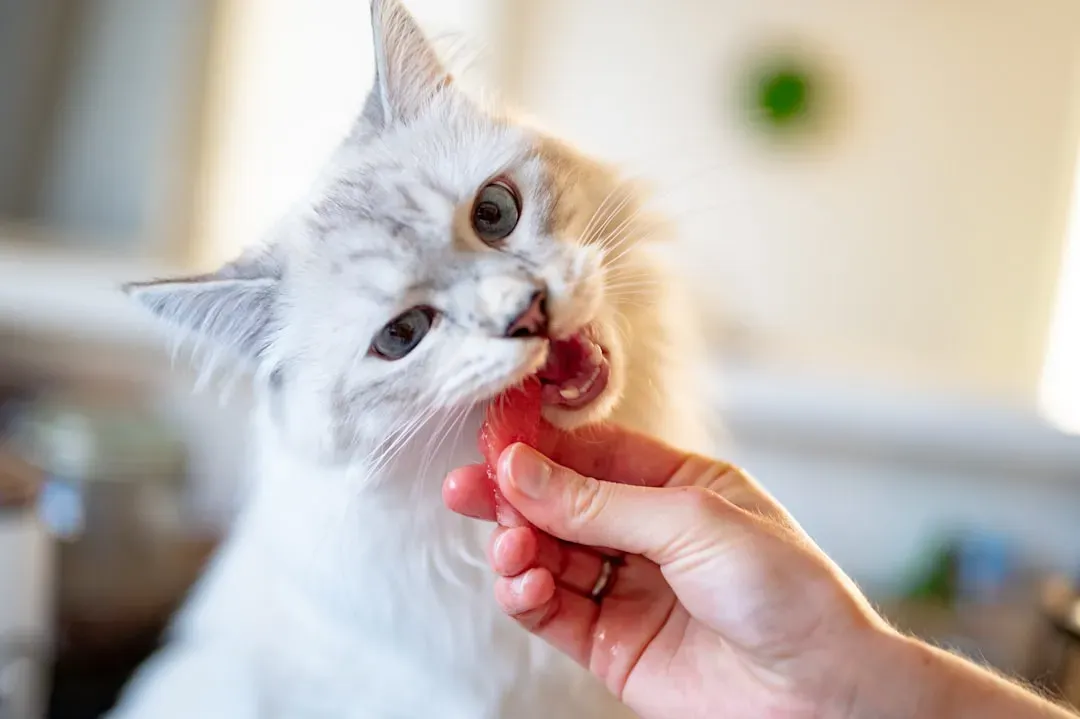
Let’s start with the undisputed fan favorite. Cooked, unseasoned chicken or turkey are excellent sources of protein for your cat. Aside from protein, cats also derive vitamin B6, selenium, phosphorus, and Omega-6 from these types of meat. Think of it as the feline equivalent of a perfectly balanced meal – simple, satisfying, and deeply nutritious.
Chicken and turkey are also beneficial because they are lean meats with a lower calorie content than beef. For this reason, chicken is one of the most popular ingredients in commercial cat food. So if your cat goes wild when you’re cooking chicken for dinner, there’s real biological reasoning behind that obsession. Just keep it plain – no garlic, no onion, no seasoning whatsoever.
2. Cooked Salmon – A Silky, Omega-Rich Treat
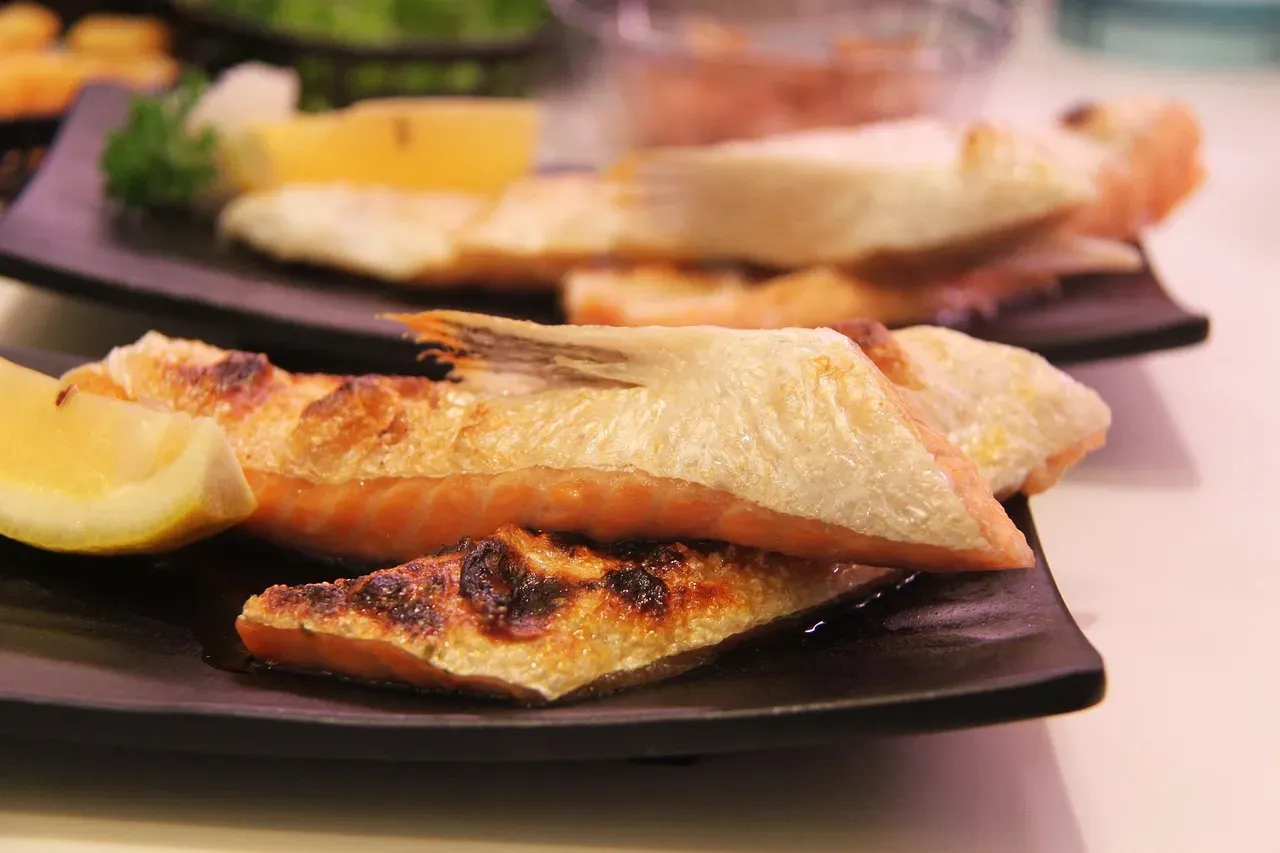
Salmon is honestly one of those foods where cats and humans have zero disagreement. A good source of protein and omega-3 fatty acids, salmon can be a delicious and tasty treat for cats and is often already found in commercial cat food. Just make sure it’s thoroughly cooked. Raw salmon carries real risks – so cooked is the only way to go here.
Along with being a lean source of protein, oily fish such as mackerel and tuna are also rich in omega-3 fatty acids. This can be beneficial for cats with certain health conditions, such as arthritis or kidney disease. A small cube of properly prepared salmon is a treat that does double duty – your cat thinks it’s a luxury snack, and it’s quietly supporting their joints and immune system at the same time.
3. Cooked Eggs – Surprisingly Nutritious for Your Feline
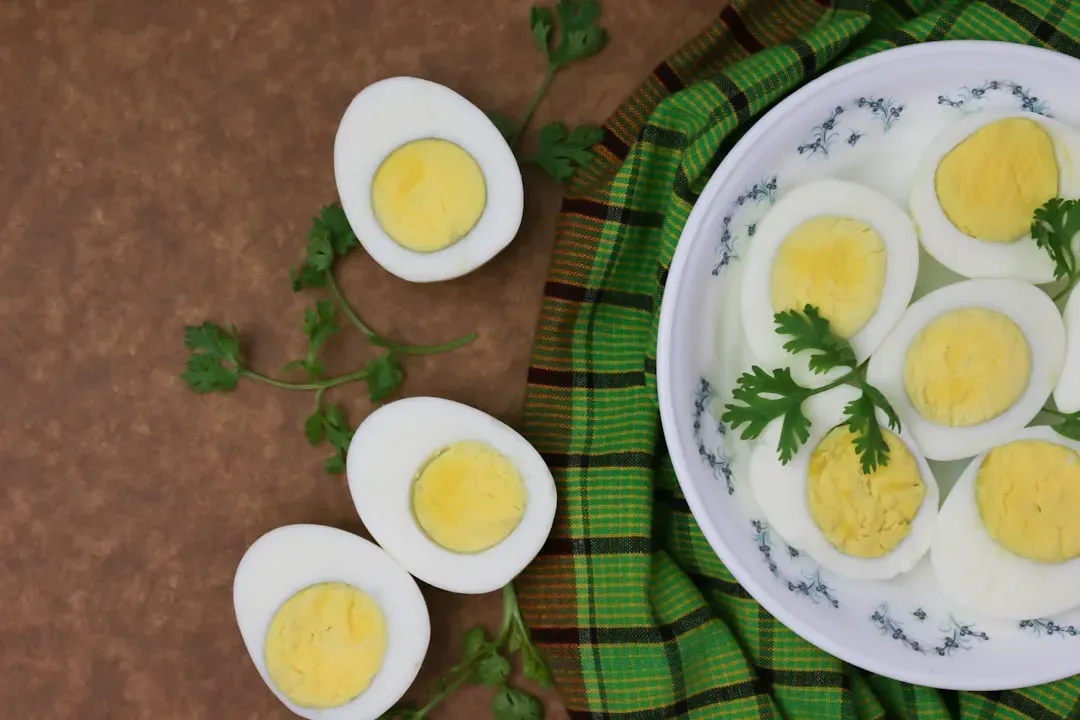
This one genuinely catches a lot of people off guard. Whether hard boiled or scrambled, cooked eggs can be great for sharing with your cat. Eggs are a great source of protein, vitamin D, selenium, and riboflavin. Basically, they’re a compact little nutrition powerhouse. Who knew your Sunday scrambled eggs could double as a cat treat?
Cats can enjoy a small portion of cooked eggs, scrambled or boiled, without any oil or butter, and they’re full of amino acids and protein, so they make a healthy treat. Never feed your cat raw eggs, as like with humans, there’s a risk of salmonella. Keep it simple, keep it plain, and your cat gets all the benefit with zero risk.
4. Cooked Turkey – Lean, Light, and Loved
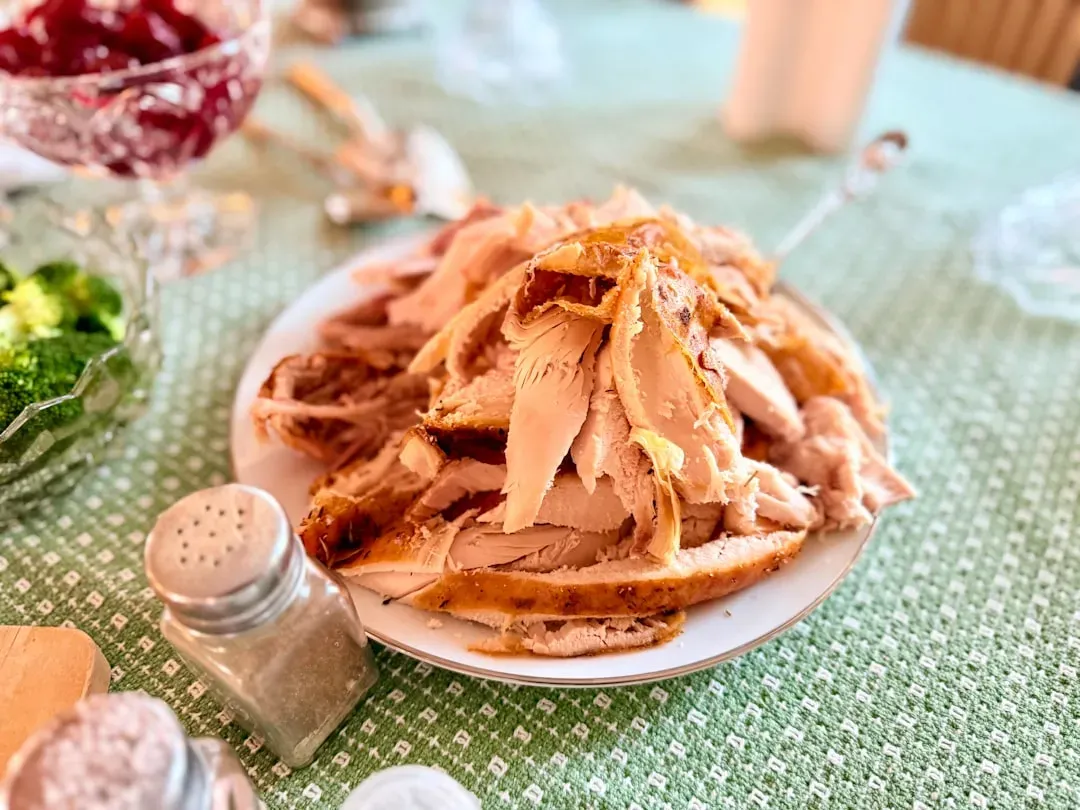
Turkey is essentially chicken’s quieter sibling, and cats are equally enthusiastic about it. Turkey is usually seen as an alternative to chicken. Even though the nutritional difference between the two is very minimal, chicken has slightly more protein per ounce than turkey. Still, turkey is an excellent, lean option that many cat owners overlook entirely.
While you should keep portions small – a 1-inch cube is a large snack serving – turkey or chicken bites can be offered as a daily treat to most healthy cats. That’s actually a comforting guideline if you’re the type who always has leftover turkey sitting in the fridge. A tiny morsel, completely unseasoned, is all your cat needs to feel like royalty.
5. Pumpkin – The Digestive Superhero in Your Pantry
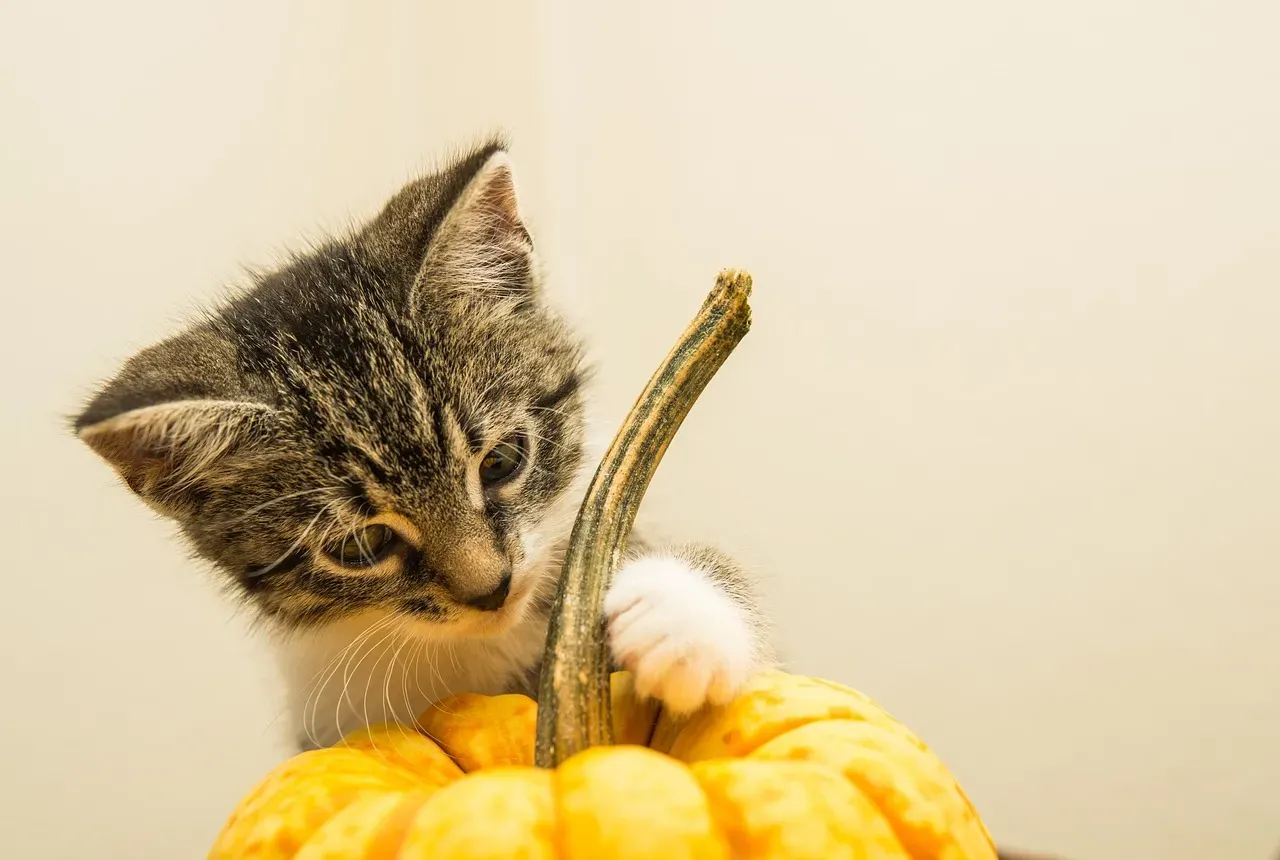
You might be reaching for canned pumpkin for your Thanksgiving pie, but your cat has a very different use for it. Pumpkin is a unique human food often prescribed for cats with stool problems due to its high fiber content and mild taste. Pureed pumpkin with no added spices can be used to treat both diarrhea and constipation in cats. Honestly, it’s one of the most versatile and vet-approved items on this entire list.
Plain pumpkin is a fiber-rich food that can help improve your cat’s digestion and aid in weight management. Additionally, pumpkin fiber can help in moving hairballs through the digestive tract. Just don’t add spices or sauces to your cat’s pumpkin; they can upset their digestive system. So the next time you crack open a can, set a small spoonful aside for your furry companion.
6. Blueberries – Tiny Antioxidant Bombs Your Cat Might Actually Enjoy
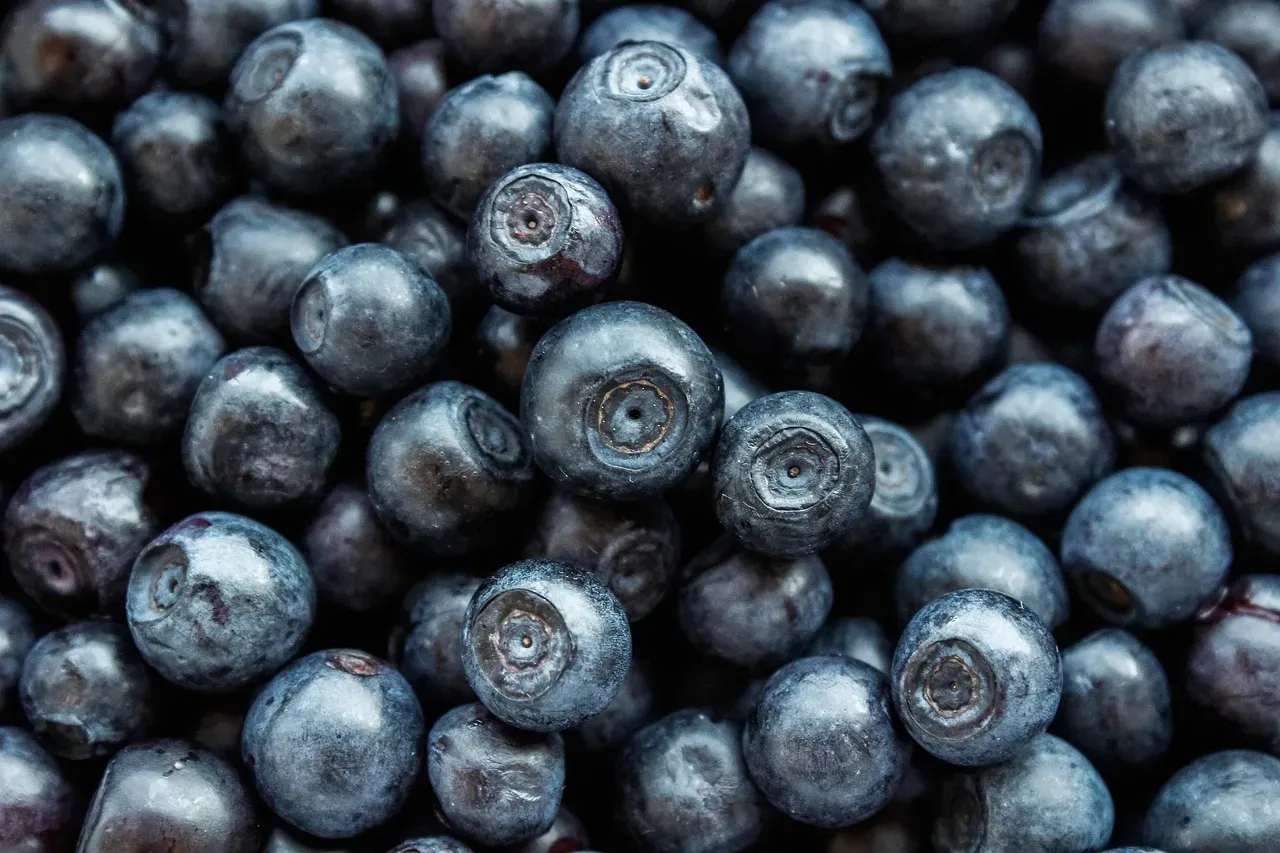
Yes, really. Some cats go absolutely bonkers for blueberries, and it’s not as odd as it sounds. Blueberries are high in antioxidants and safe to give whole or mashed as an occasional treat. They’re small enough not to be a choking hazard, and the burst of flavor seems to intrigue certain cats in ways that bigger fruits don’t.
The quantities cats are able to digest are so small that blueberries provide minimal nutritional benefit. However, if your kitty really likes blueberries, allowing them to eat four or five washed berries per week is likely safe. Think of them less as a nutrition boost and more as a fun, harmless little treat. If your cat bats one across the kitchen floor before eating it, well – that’s just a bonus.
7. Cooked Carrots – Crunchy, Colorful, and Surprisingly Cat-Safe
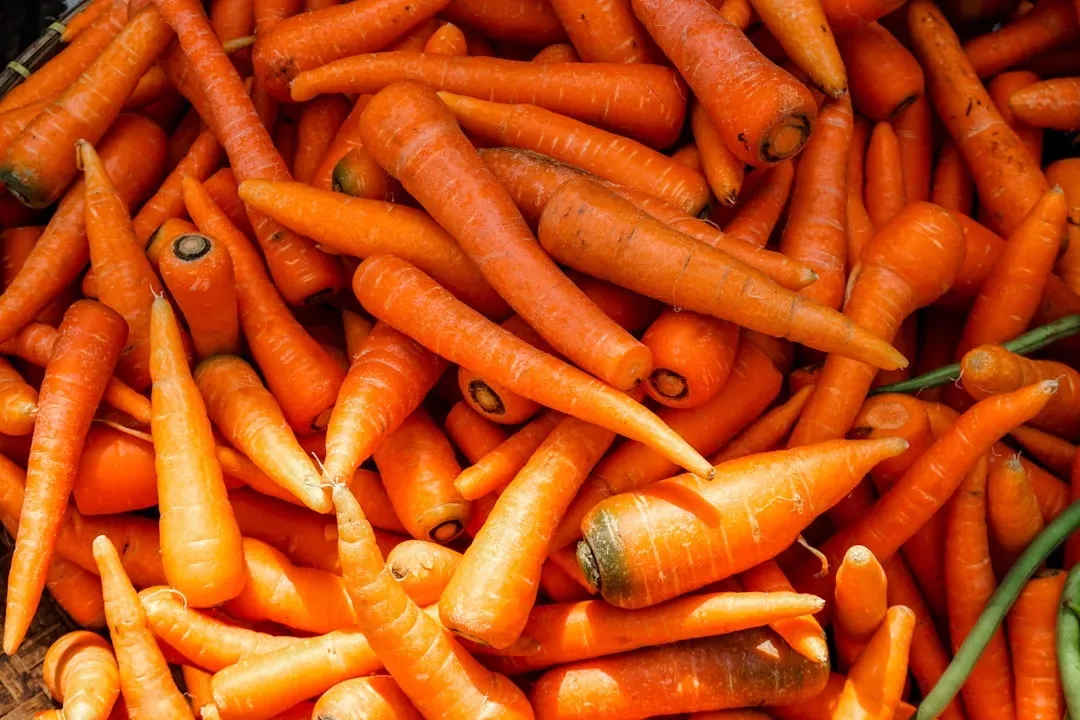
Carrots feel like such a human food that it’s almost hard to believe cats can enjoy them too. Low in calories and high in beta-carotene, carrots can help promote healthy vision in your feline friend. Think of beta-carotene as nature’s little eye booster – great for your cat’s vision over time.
Carrots are rich in beta-carotene and fiber. You can serve carrots cooked and soft to avoid choking hazards. Raw carrots can be tough for cats to chew and digest properly, so steaming or boiling them down to a soft consistency is the smartest move. Slice them small, keep it plain, and your cat has a crunchy little treat that won’t tip the calorie scale.
8. Cooked Green Beans – The Low-Calorie Snack for Chunkier Cats
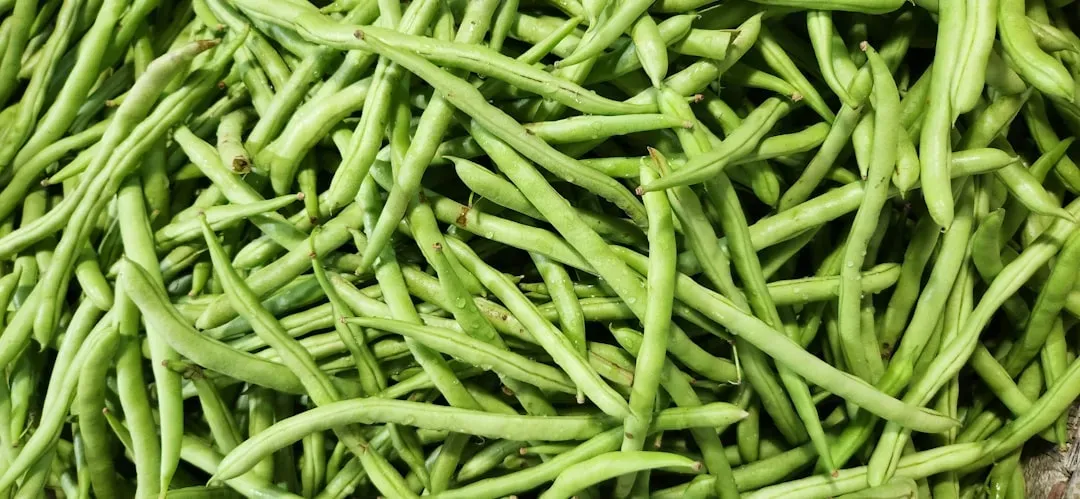
Let’s be real – if your cat is a little on the heavier side, you’ve probably been searching for a snack that won’t make things worse. Green beans are low in calories and carbohydrates, making them a good snack option for cats who need to lose some weight. They’re basically a feline diet food, and many cats don’t mind the texture at all.
Cooked pureed green beans are low in calories and are a good source of fiber for cats. The high fiber content of green beans means that this vegetable assists with certain digestive issues. Cooked pureed green beans are also an excellent source of calcium, potassium, and iron. That’s an impressive nutritional resume for something so humble. Serve them steamed, pureed, and completely salt-free.
9. Watermelon – A Hydrating Summer Surprise
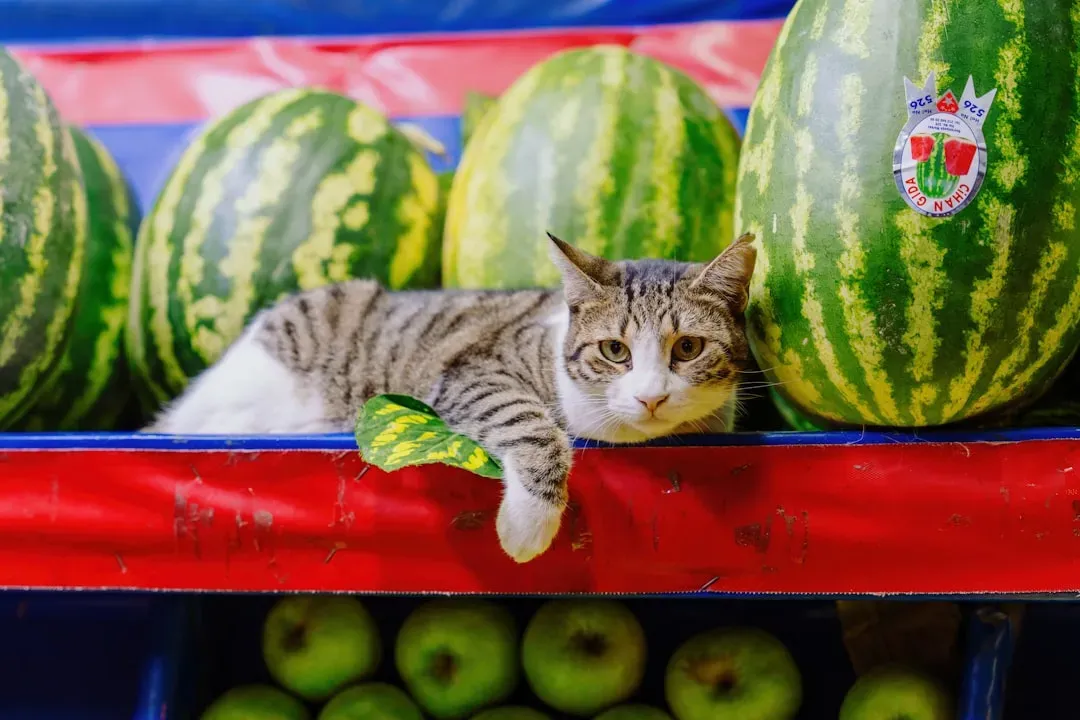
This one sounds wild, I know. A cat eating watermelon? High in vitamins A, B1, B5, and C, as well as potassium and magnesium, watermelon is a safe treat for cats, in moderation. The vitamins alone make it worth considering on a hot day, especially if your cat is a reluctant drinker.
Watermelon is safe without the seeds or rind. Cats might enjoy its juicy texture in hot weather. It’s also mostly water, which means it can give your cat a quiet hydration boost without them even knowing it. Remove every seed before serving, cut it into tiny pieces, and consider it a summer refresher that benefits you both.
10. Cooked Oatmeal – Warm, Fibrous Comfort Food
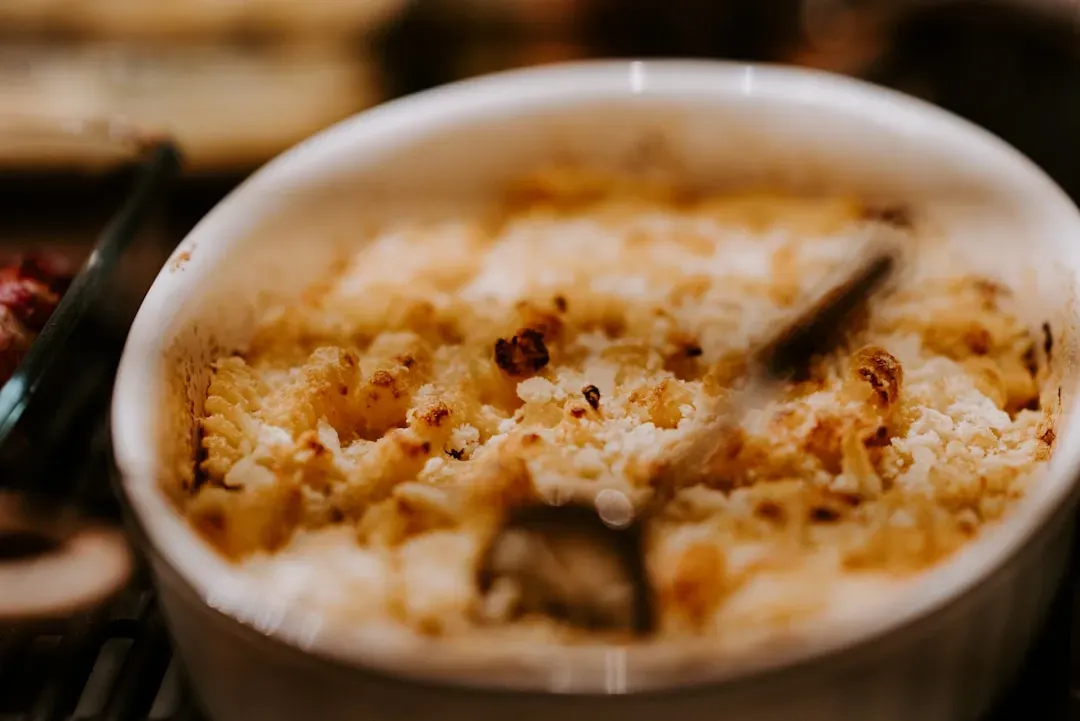
Oatmeal as a cat treat feels oddly domestic and charming, doesn’t it? Cooked oatmeal can be a healthy occasional addition to your cat’s diet. It’s rich in fiber, B vitamins, and iron, which can support healthy digestion. That fiber content is particularly helpful for cats who struggle with constipation or irregular digestion.
You can mix a small spoonful of plain, cooked oatmeal into your cat’s wet food to add fiber and nutrients; this can help alleviate constipation in cats. Avoid adding sugar, salt, or milk, as these can upset your cat’s stomach. In addition, avoid adding cinnamon as this ingredient is toxic to cats, even in small amounts. Plain, unsweetened, and fully cooked – that’s the golden rule for every grain you feed your cat.
11. Cooked Broccoli – The Green That Actually Has Benefits
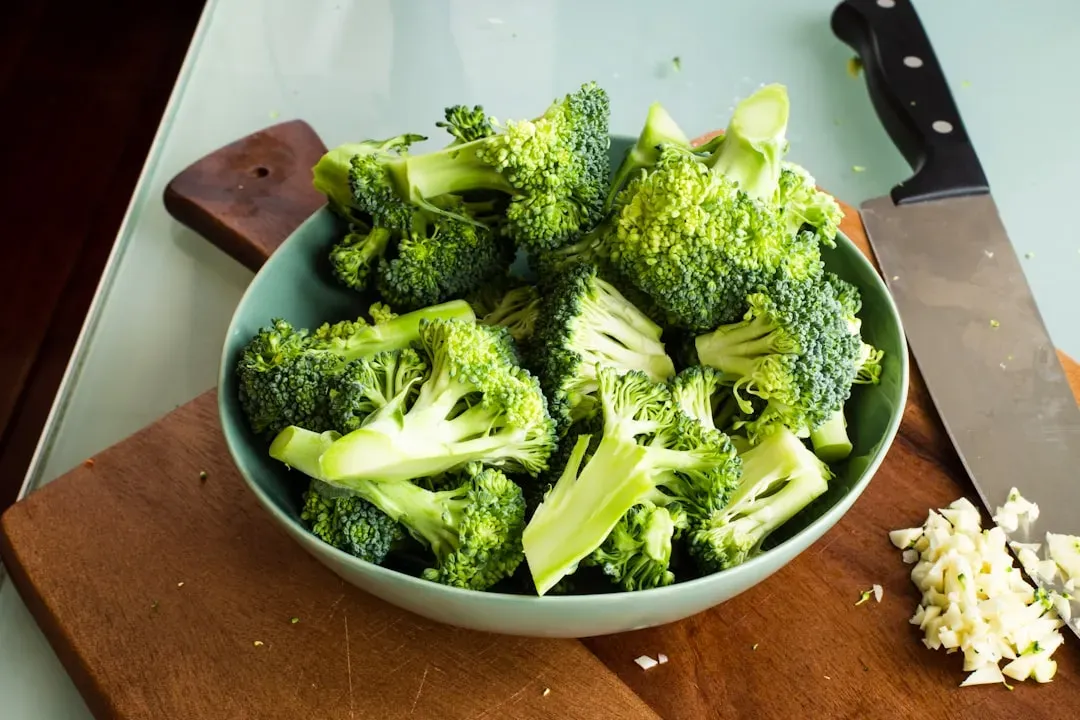
Most cats will sniff broccoli, give you a deeply judgmental look, and walk away. But the ones who do take a bite? They’re in for a nutritional treat. Broccoli is high in fiber and antioxidants and a good source of vitamins C and K, which can help support the immune system. It’s one of those quiet vegetables that punches well above its weight.
Feeding your cat a little bit of broccoli is a great way to introduce roughage to support healthy digestion. In some cases, feeding your cat broccoli may reduce their interest in snacking on various houseplants – if you provide your cat with broccoli, try serving it steamed so it will be softer on their palate. I think that last part is genuinely underrated advice – a cat that nibbles on broccoli instead of your peace lily is a cat you can breathe easier around.
12. Cantaloupe – The Melon Cats Crave for a Surprising Reason
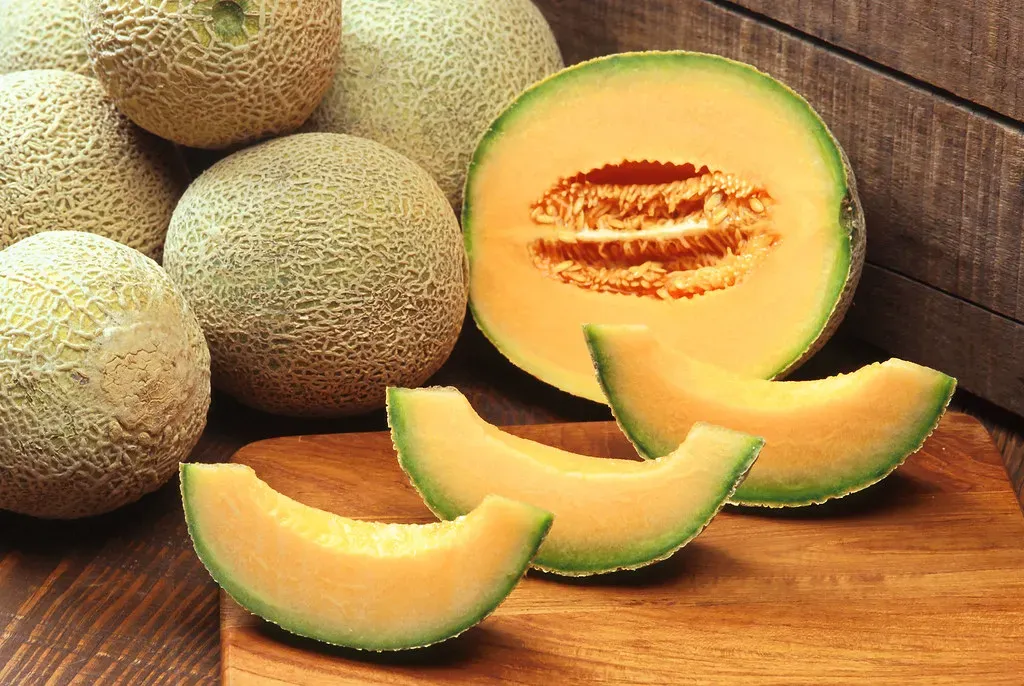
Here’s something that might genuinely blow your mind. Cantaloupes are a favorite among felines because of their tasty-smelling amino acids. Cantaloupes are hydrating and rich in vitamins A and C. So your cat isn’t attracted to the sweetness – they literally cannot taste sweetness – they’re drawn in by the amino acid scent, which smells similar to meat. Incredible, right?
Cantaloupe is high in antioxidants and beta-carotene, which helps maintain healthy skin and eye health. It’s hydrating, low in calories relative to its volume, and genuinely loved by a surprising number of cats. Serve it seedless, rind-free, and in small pieces, and watch your cat’s nose lead them straight to it.
13. Cooked Peas – A Tiny Green Treat Packed with Goodness
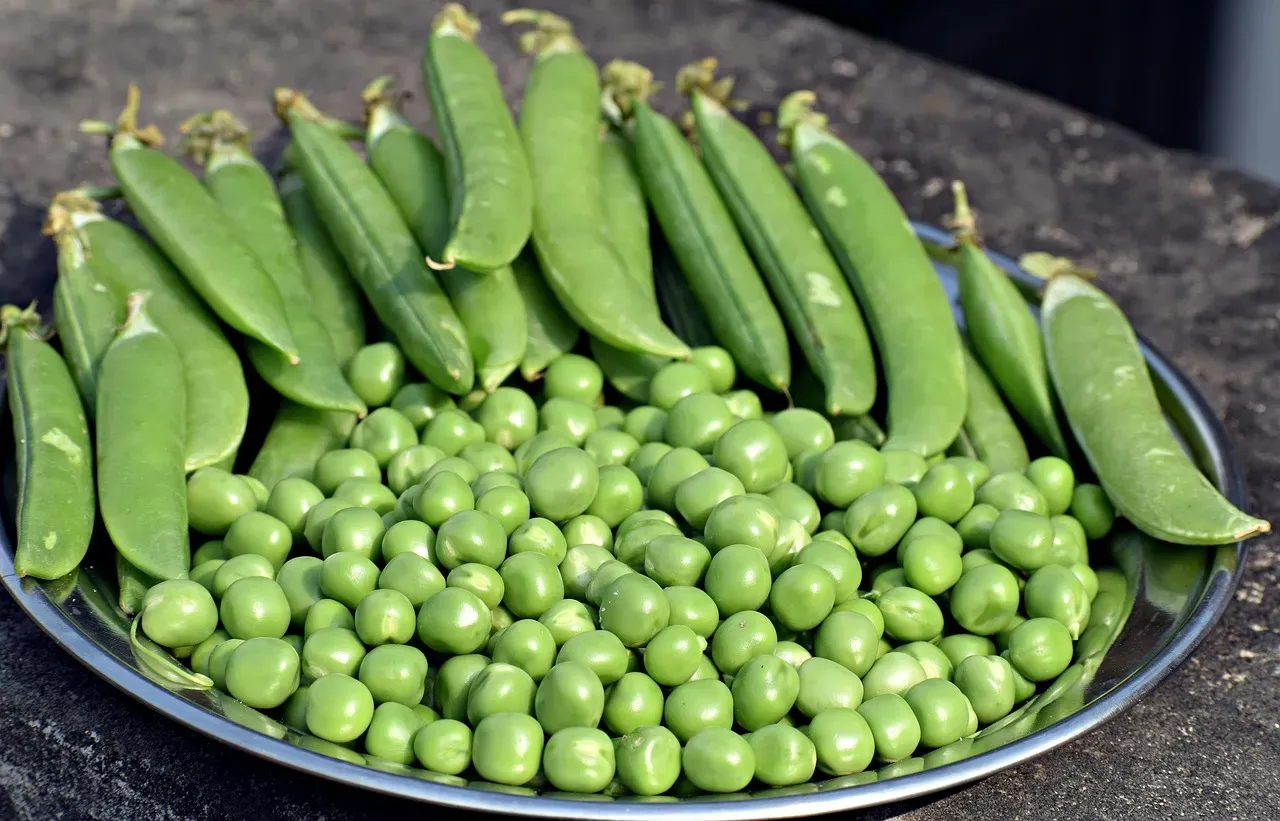
Peas are so small that they feel almost trivial, but nutritionally they’re anything but. Cooked, pureed peas are a rich source of vitamins and minerals for cats, including vitamin C, vitamin A, and potassium. That combination of vitamins supports everything from immune function to bone health, which is more than you’d expect from such a tiny, round little veggie.
Peas, which are high in fiber, vitamin C, and vitamin A, are often found in commercial cat foods. They can also be fed to your cat frozen or raw. Frozen peas actually make a fun, cool treat on a warm day – kind of like a tiny edible toy your cat can bat around before eating. Just keep the portion small and skip any added salt or butter.
14. Cooked Sweet Potato – A Vitamin-Rich Comfort Food
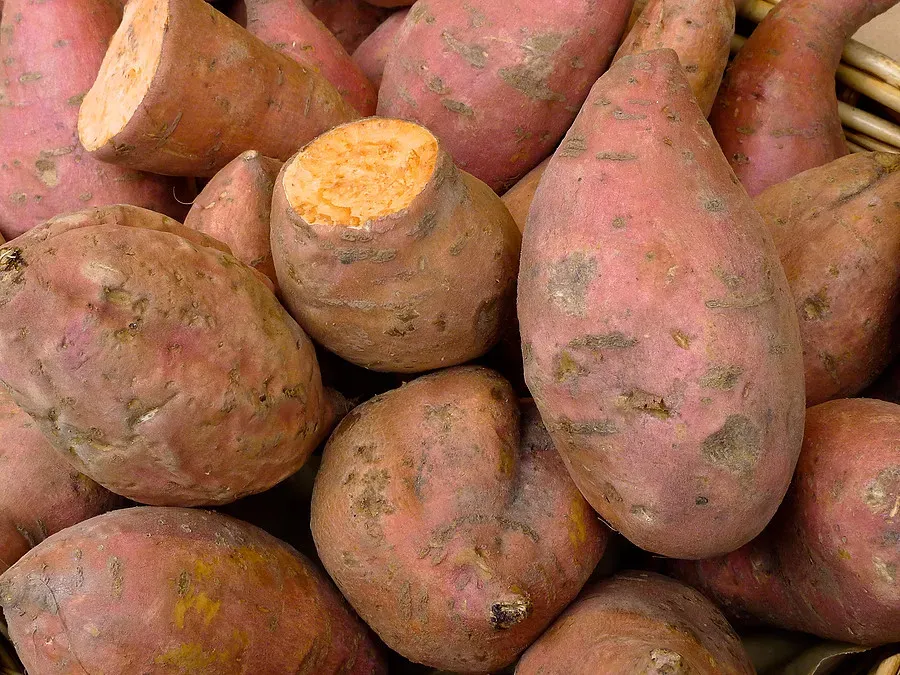
Sweet potatoes feel like such a wholesome, comforting food – and it turns out cats can share in that comfort, in small amounts. Cooked sweet potatoes are a tasty high-fiber snack and a good source of potassium and vitamins A and C. Boiling the sweet potatoes and creating a puree can make a yummy food topper. A puree mixed into their regular food is probably the most practical way to introduce this one.
Like pumpkin, sweet potatoes are high in fiber. They’re also a good source of vitamins A and C. Keep portions genuinely tiny here – less than a tablespoon is plenty. Your cat’s digestive system isn’t designed to process large amounts of starchy carbohydrates, so think of sweet potato as a flavour accent rather than a main feature.
15. Cooked Beef – A Protein-Rich Powerhouse for Meat-Loving Cats
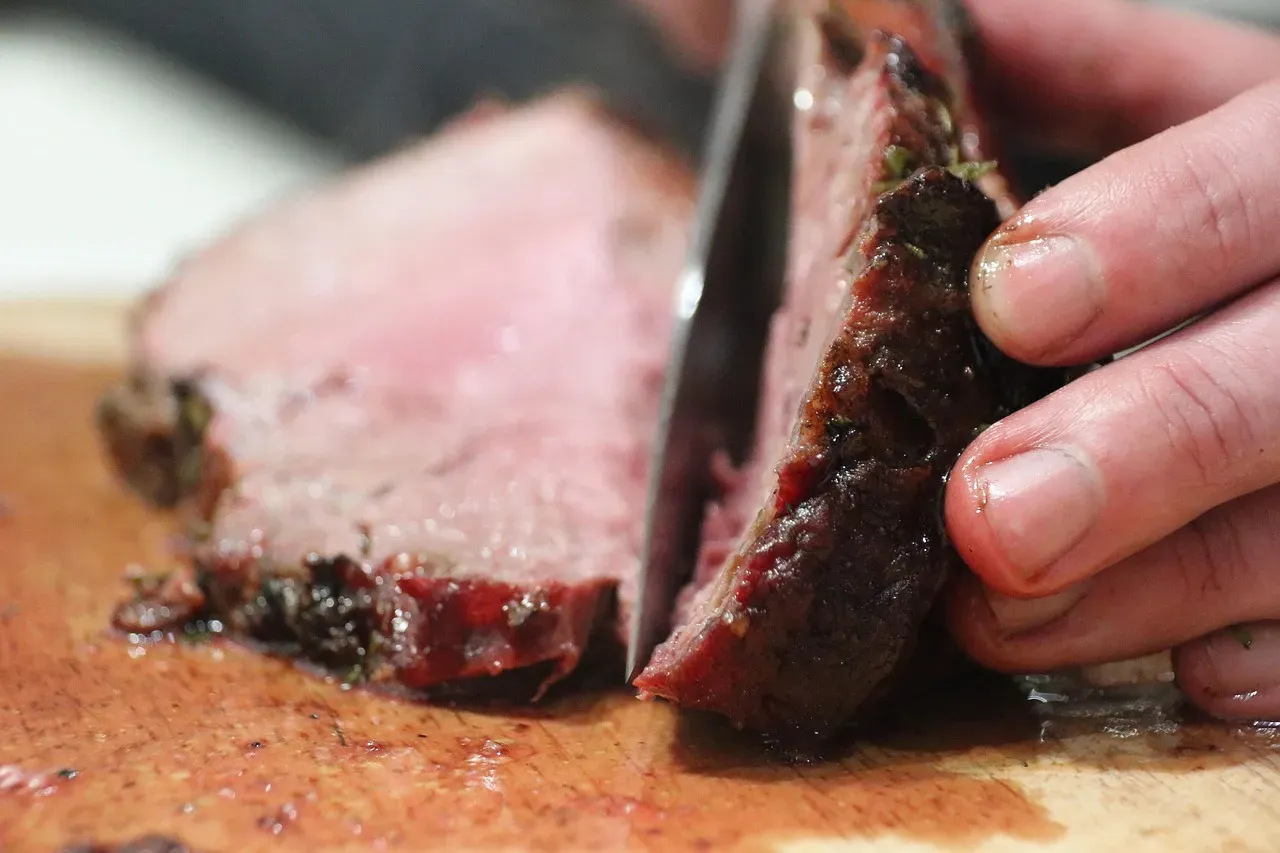
When it comes to human foods cats can eat, meat is where it’s at. Cats are obligate carnivores, which means they are designed to maximize the nutrition in meats and require meat as part of their diet. Beef fits perfectly into this picture. It’s rich, satisfying, and deeply aligned with what a cat’s body is built to process.
Cooked, unseasoned beef is a rich source of protein for cats. Beef is also an excellent source of vitamin A, vitamin B, and vitamin C. Thanks to the health benefits it provides, beef is sometimes included as an ingredient in commercial cat food. The key rule here, as always, is to serve it fully cooked, completely plain, and in small portions. A bite-sized piece of lean beef with zero seasoning is a genuine treat your cat will appreciate far more than you might expect.
The Golden Rule: Moderation, Always
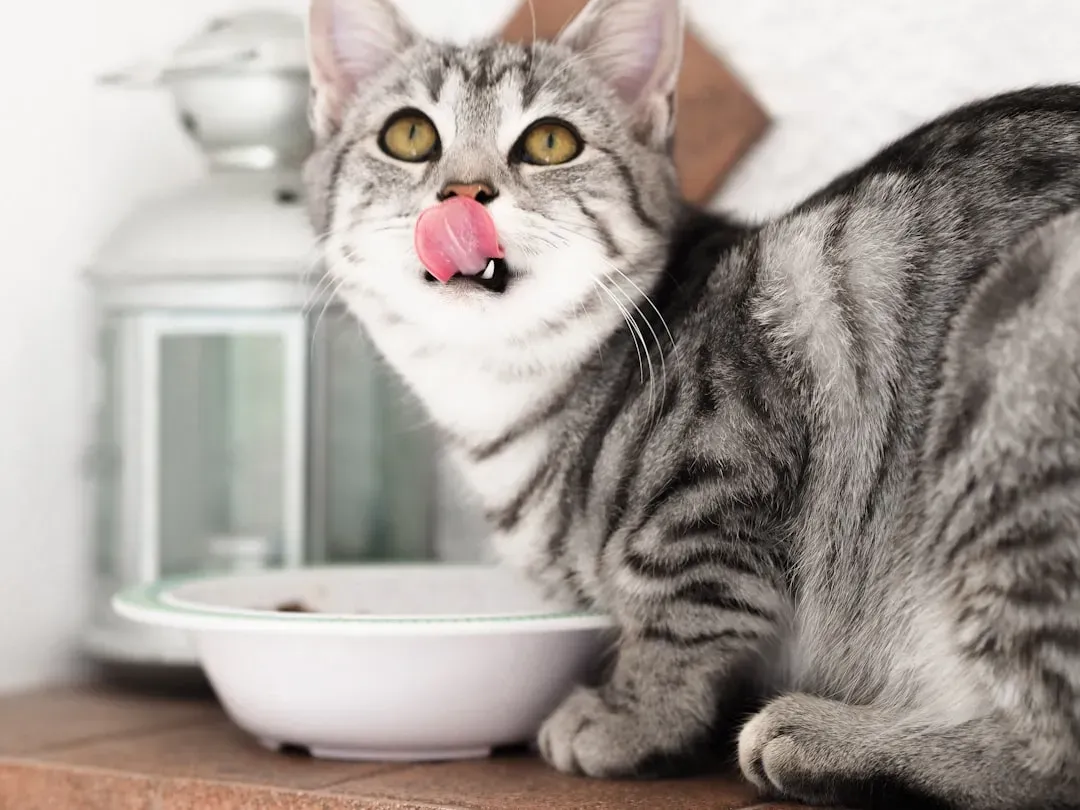
Before you start turning your kitchen into a feline buffet, it’s worth keeping one principle front of mind. Most of the foods on this list should be given as treats after your cat’s regular cat food diet. They shouldn’t make up more than 10% of your cat’s daily calorie intake. Think of it like seasoning on a meal – a little enhances things, too much ruins the whole dish.
Be sure to introduce any new foods slowly to see how your cat reacts to them. If there aren’t any side effects like diarrhea or vomiting, increase the amount gradually. Every cat is a unique individual with their own quirks, preferences, and tolerances. While sharing small amounts of certain human foods with your cat can be safe, it’s essential to consult your veterinarian before making any changes to their diet. Every cat is different – what’s harmless for one may trigger allergies or digestive issues in another, especially if they have underlying health conditions like kidney disease or diabetes.
Conclusion
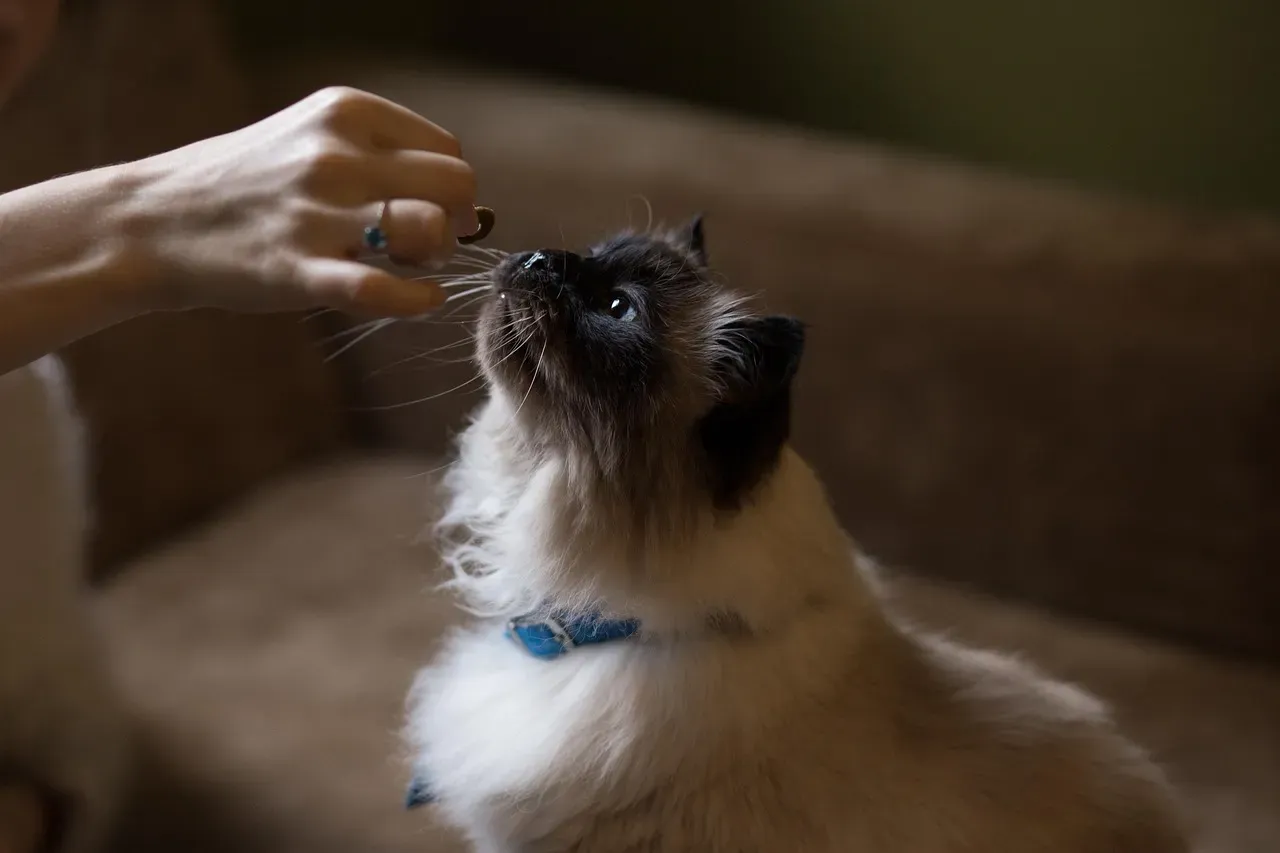
Your cat sharing a bite of your world isn’t just adorable – when done right, it can actually be a meaningful little act of care. From the protein punch of cooked chicken and beef to the surprisingly hydrating magic of cantaloupe and watermelon, there are genuinely fifteen delicious options you can safely explore together. The key is always the same: plain, cooked, small portions, and one new food at a time.
Honestly, the most surprising part of this whole journey is realizing just how nuanced your cat’s dietary world really is. They can’t taste sweetness, they’re drawn to amino acid aromas, and their digestive system has very different rules from ours. It’s a good reminder that even the creature who shares your sofa is operating by a completely different biological playbook. Next time those eyes lock on your plate, you’ll know exactly which foods you can safely slide their way – and which ones to keep firmly on your own side of the table. So, which of these 15 foods do you think your cat would secretly go wild for? Tell us in the comments!