Have you ever noticed how your cat ignores that expensive toy you just bought but goes absolutely bonkers over a crumpled piece of paper? It’s true. Cats have this uncanny ability to find joy in the simplest, most unexpected places. While you’re spending money on fancy gadgets and plush mice, your feline friend is probably eyeing that cardboard box or paper bag with pure delight.
The truth is, your home is already packed with items that can enrich your cat’s life without costing you a single penny. From everyday objects lying around your kitchen to things you’d normally toss in the recycling bin, these humble household items can become your cat’s favorite entertainment. The key is knowing which ones are safe and how to use them properly. Let’s dive in and discover what your cat has been secretly wishing for all along.
Cardboard Boxes: The Ultimate Cat Sanctuary
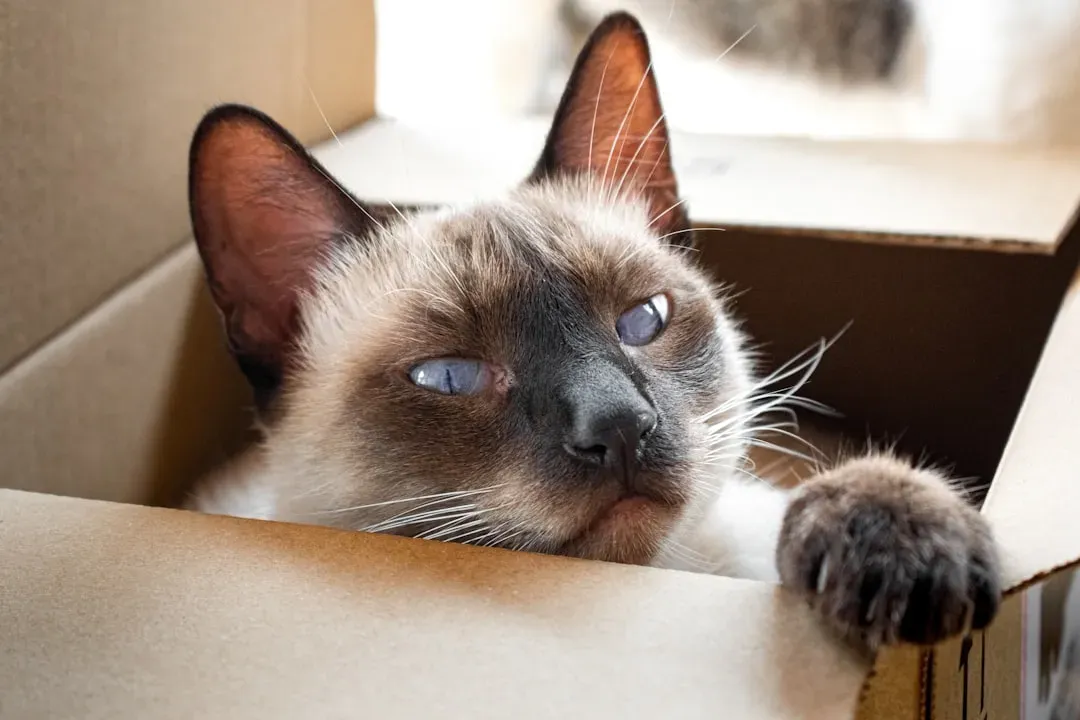
Cats love concealed spaces, and boxes offer a tight enclosure that acts perfectly as a mini cave, helping your cat feel safe and secure. There’s something almost magical about how a simple cardboard box transforms into the ultimate fortress for your kitty. Because cardboard is an insulator, boxes are great places for cats to both explore and feel cozy.
You can make the experience even better by stacking multiple boxes to create different levels or cutting holes in the sides for peek-a-boo games. Throw a couple pieces of kibble into one and you’ve got a great foraging activity to keep your cat busy. Just make sure to remove any staples, tape, or plastic packaging that could pose choking hazards before handing the box over to your curious companion.
Paper Bags: Crinkly Hideouts and Tunnels
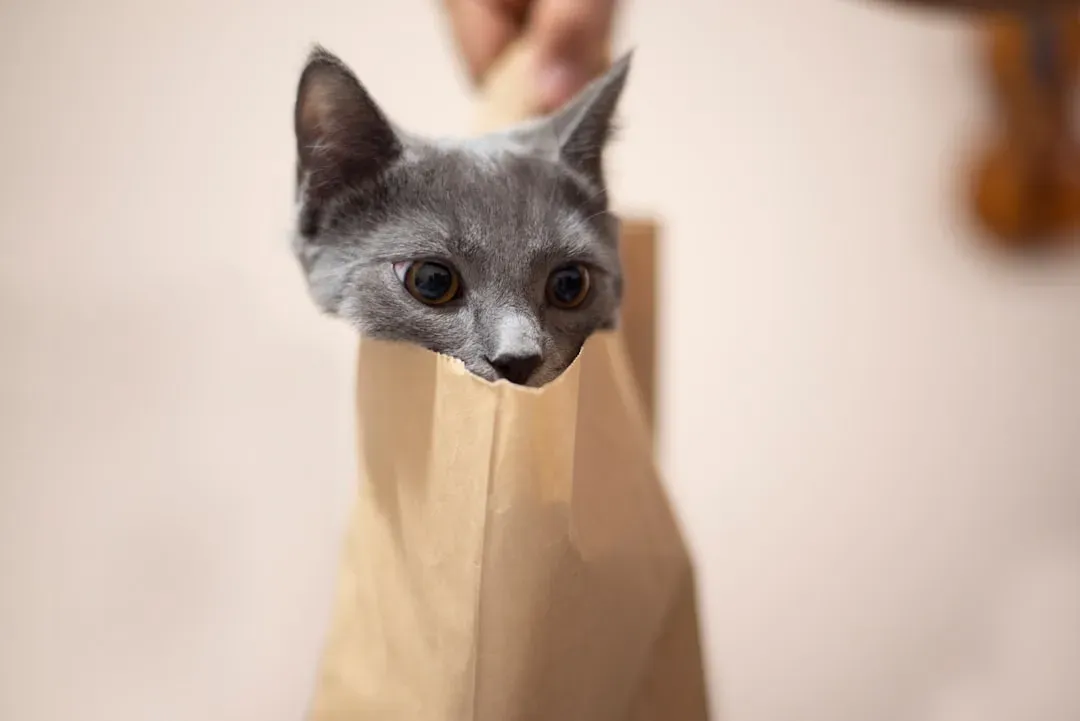
Paper bags offer that irresistible crinkly sound that drives cats wild with excitement. It’s essential to cut any handles off of this potential toy before letting your cat play with it, but when you do, there’s no limit on how to make a paper bag engaging and interesting. Cut the bottom off and make it a tunnel, or put multiple such bags out and let your cat run wild. You could also leave the bottom on and put some food in it for a treasure hunt.
Never use plastic bags, though. Paper bags may be fun and safe, but plastic bags can be a disaster. Much like human children, cats can get caught in the plastic and suffocate. Stick strictly to paper, and always supervise playtime to ensure your cat doesn’t try to eat the bag itself.
Toilet Paper and Paper Towel Rolls: Puzzle Toys Galore
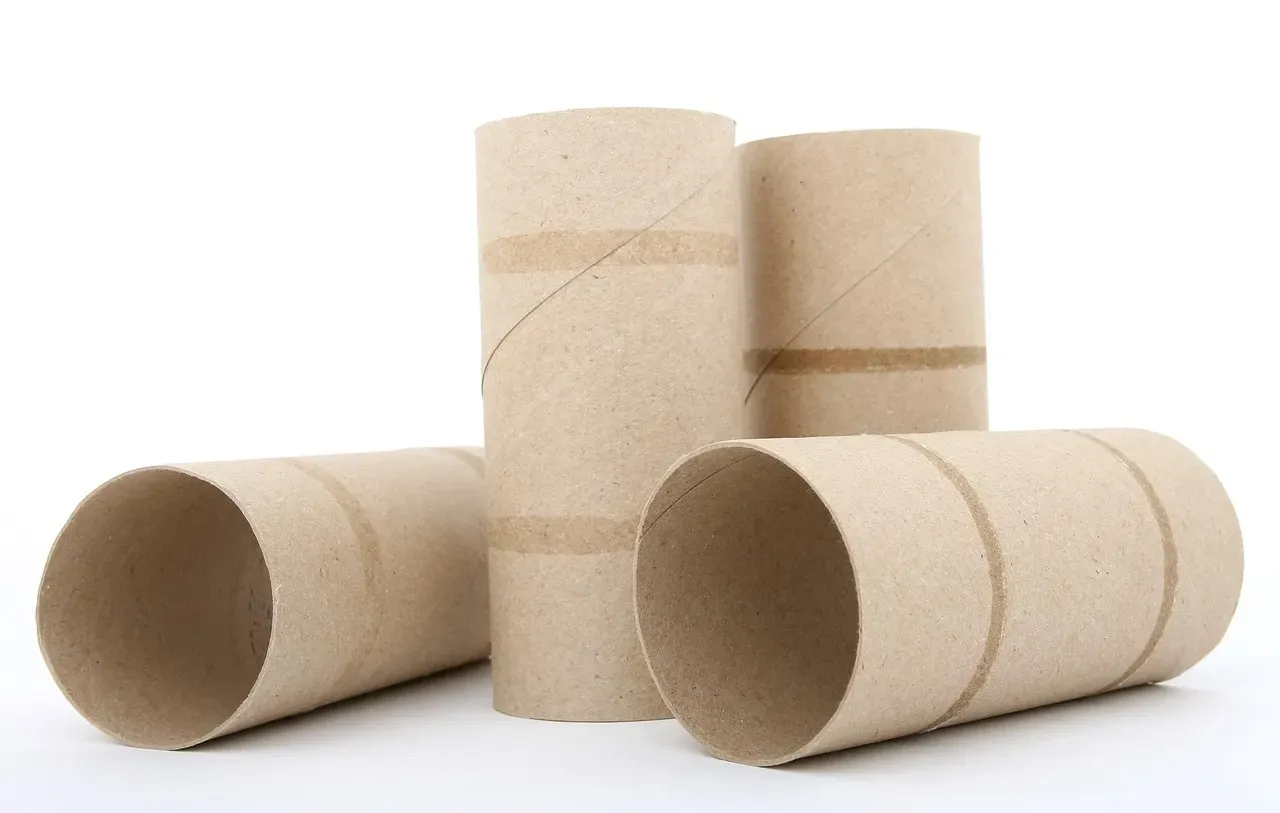
Paper towel rolls and toilet paper rolls can actually make fun puzzle toys for your cat. Try putting your cat’s food in the middle and watch as they figure out how to get at it. These humble tubes become instant brain games that tap into your cat’s natural hunting instincts. When you do run out of toilet paper, save the rolls. They’re perfect for hiding toys and snacks and are safe to chew. They’re also lightweight, making them perfect for chasing around the house.
Tape a couple of paper towel or toilet paper rolls together, then put a piece of food in the middle and watch what happens next. You can get as creative as you want, and try forming a sort of pyramid with the rolls, poking small holes in the middle of the rolls to form a treat dispenser, or standing them up tall and seeing if your cat can fish the food out with his paws. The beauty of these toys is that they’re disposable and free, so you can constantly refresh your cat’s toy collection.
Ping Pong Balls: The Perfect Chase Toy
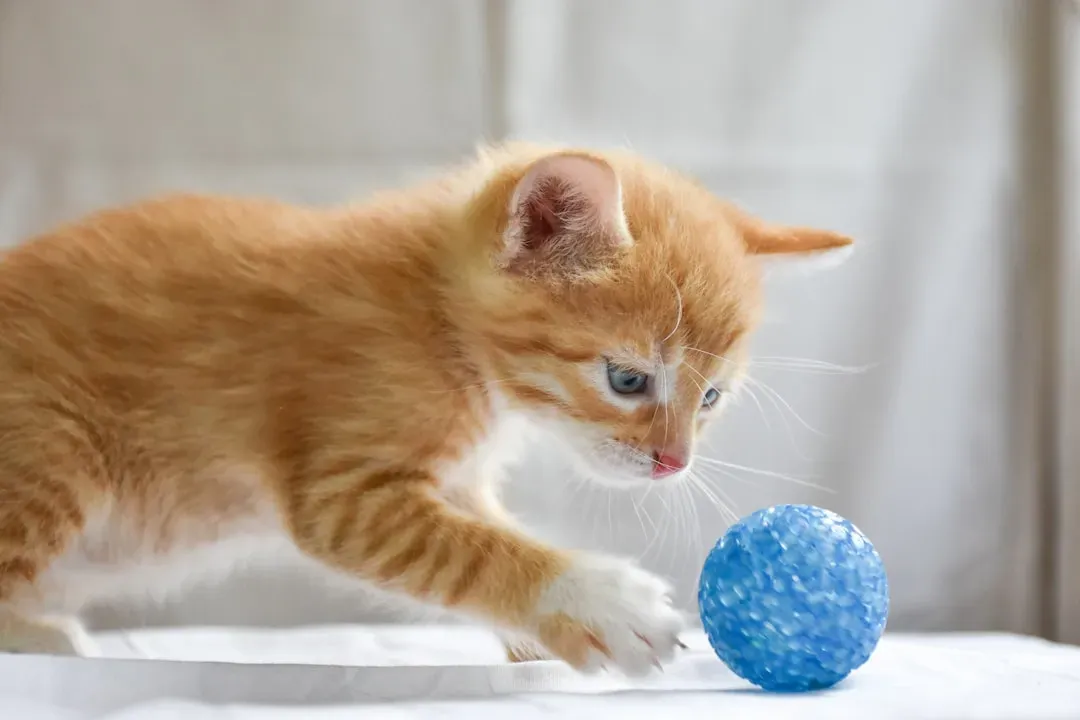
Ping pong balls are cheap and easy instant cat toys. They roll around and are difficult to keep a hold of, so your cat will probably be busy for a while chasing them around. This toy may frequently roll under furniture and be lost until the next time you move the couch. But they’re fun while they last, and they’ll challenge your cat to use their brain and hunting instincts.
Place ping-pong balls inside a bathtub or a large, shallow box. The smooth surface causes the balls to bounce and roll unpredictably, triggering your cat’s natural chase response. It’s perfect for rainy days, solo play, and cats who love fast-moving objects. These lightweight spheres are large enough that your cat won’t be able to swallow them, making them a relatively safe option for independent play.
Bottle Caps: Mini Hockey Pucks for Feline Fun
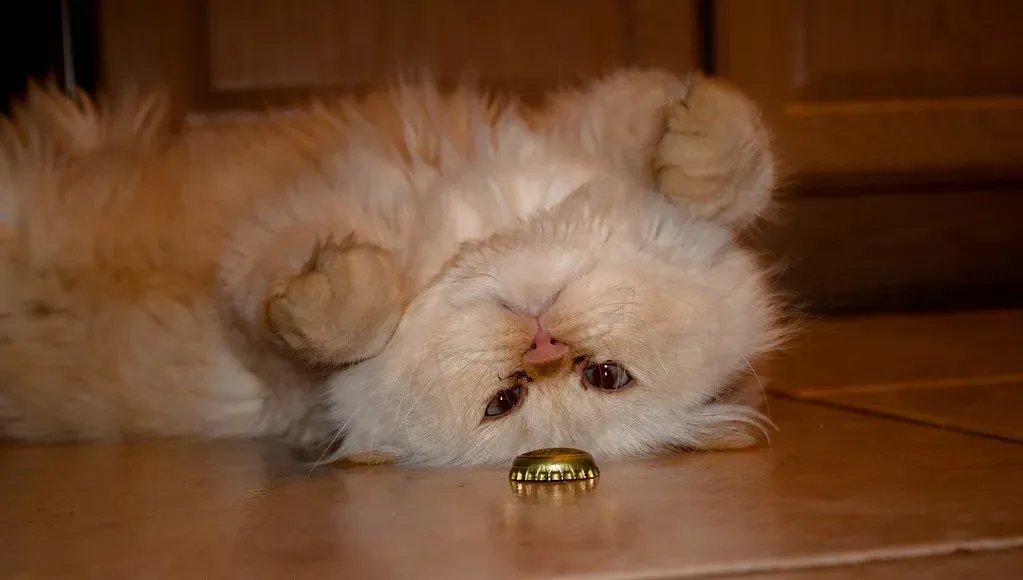
Plastic bottle caps may be an incredibly fun item for your cat to play with. Plastic bottle caps can bounce around, spin, and slide across the floor as if they were a hockey puck on ice. Much like ping pong balls, plastic bottle caps are safe for your cat to use since they are too large for your cat to eat.
Your kitchen floor can become an instant ice rink where your cat bats these little discs around for hours. The unpredictable movement keeps things interesting, and the lightweight nature means they won’t damage your floors or furniture. Just make sure you’re using plain plastic caps without any metal liners or sharp edges that could hurt your cat’s mouth or paws.
Crumpled Paper: Simple Yet Satisfying
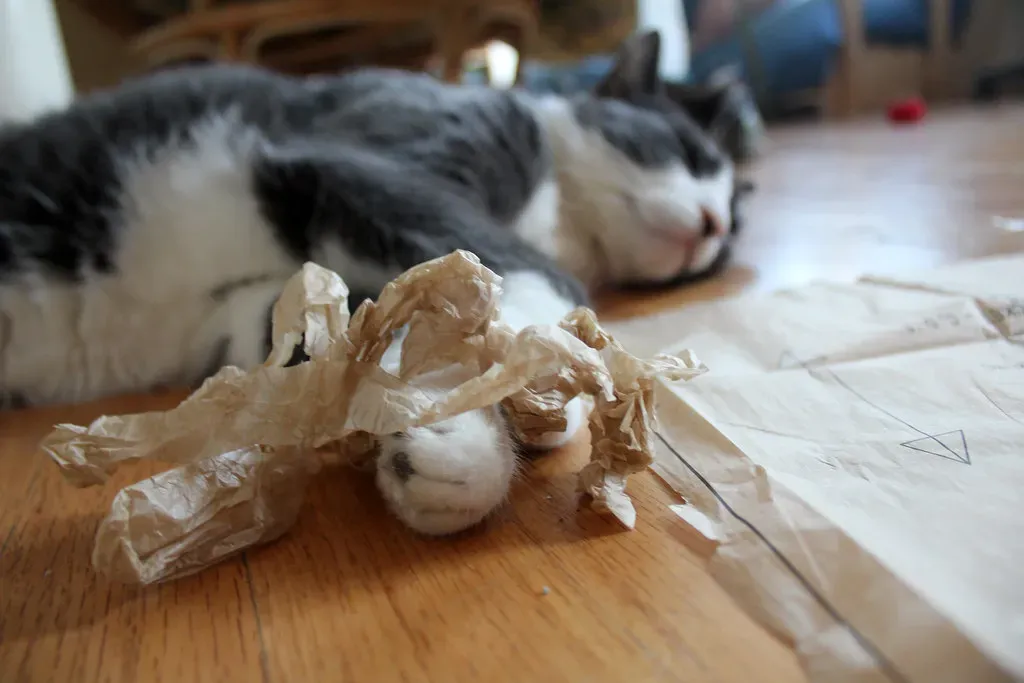
Some cats love shredded paper because of the wispy effect when it catches wind. For some cats, it’s like chasing a bug. Again, be sure to supervise your cat while playing with paper, as you don’t want them to ingest it. The beauty of crumpled paper is its unpredictability. One moment it’s rolling across the floor, the next it’s taking an unexpected bounce that triggers your cat’s pounce reflex.
Crumpled-up paper, old scrap paper, or even wrapping paper can be used as an inexpensive ball to be batted around by a bored kitty. Just make sure any choking hazards, like tape, have been removed. This is probably the cheapest cat toy you’ll ever find, and honestly, it works just as well as anything from the pet store. Your cat doesn’t care about fancy packaging.
Blankets and Towels: Cozy Comfort Zones
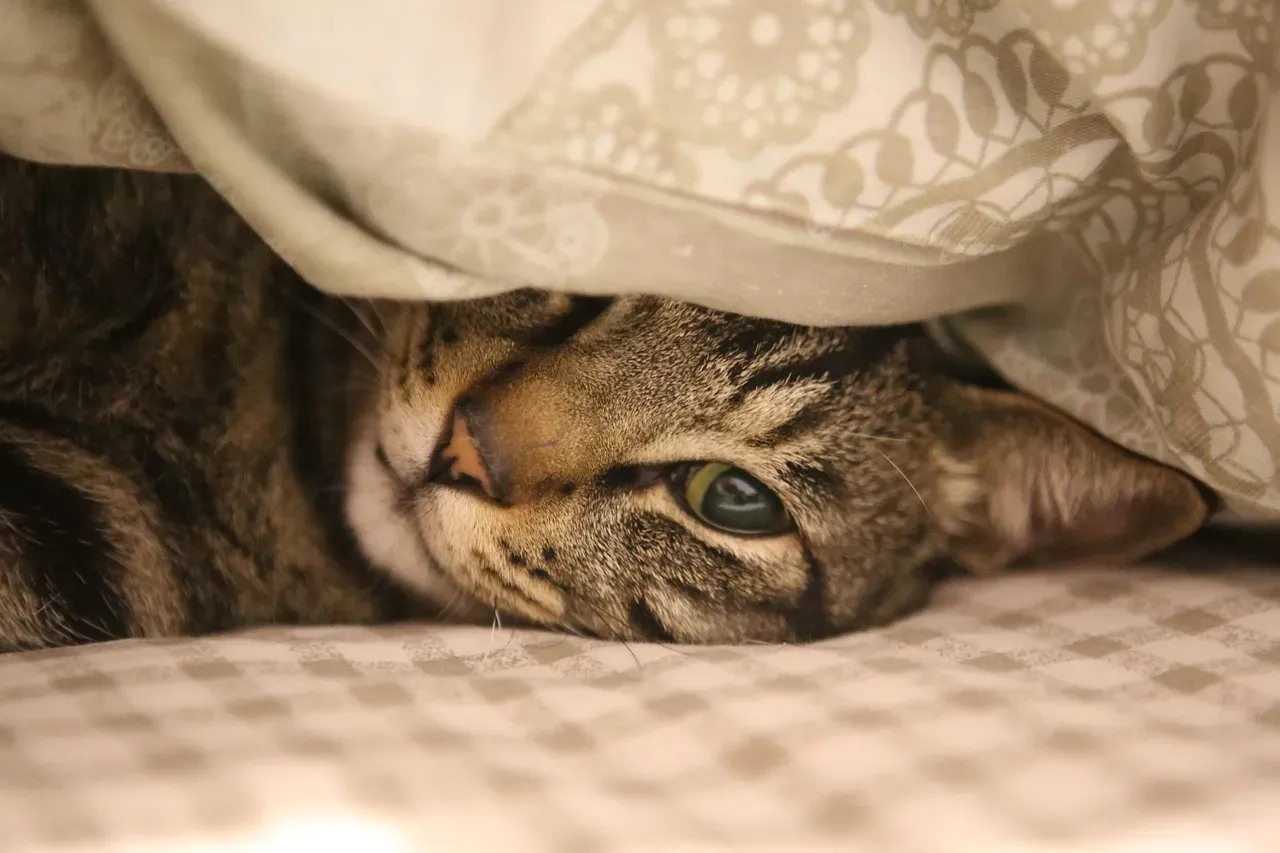
Much like boxes, a hiding place beneath some cushions and blankets can provide a safe space for your kitty to feel relaxed and reduce stress. This is especially helpful for anxious cats or cats who may be in an unfamiliar environment such as a new home after a move. Creating little forts or tents with blankets draped over chairs gives your cat that den-like environment they crave.
Cats like to sit on almost anything. They love exploring different textures and smells. Instead of shooing them from these spots, create a dedicated sensory spot for your cat to explore, sit and even nap. You can use a basket or box and put new material in it each week. Anything from an old t-shirt to packaging paper can be intriguing for a cat – and it doesn’t have to be soft and comfortable. If your cat doesn’t like it, she just won’t sleep on it.
Ice Cubes: Cool Summer Entertainment

These are a bit messy but make great summertime toys, especially on the slick kitchen floor. Plus, you can flavor the ice cubes with tuna and chicken juice. Your cat will have a blast and a tasty treat all in one. The way ice cubes skitter across hard floors mimics the movement of prey, triggering your cat’s hunting drive.
You can either toss some ice cubes in alone or add just a bit of water. Alternatively, you can add at least a 1/2 inch of water and toss some ping pong balls in. The ping pong balls should be floating. You can even do a small amount of water and add ice AND ping pong balls. Just be prepared for some wet floors and designate a specific area like the bathroom or kitchen for this activity.
Shower Curtain Rings: Versatile Playthings
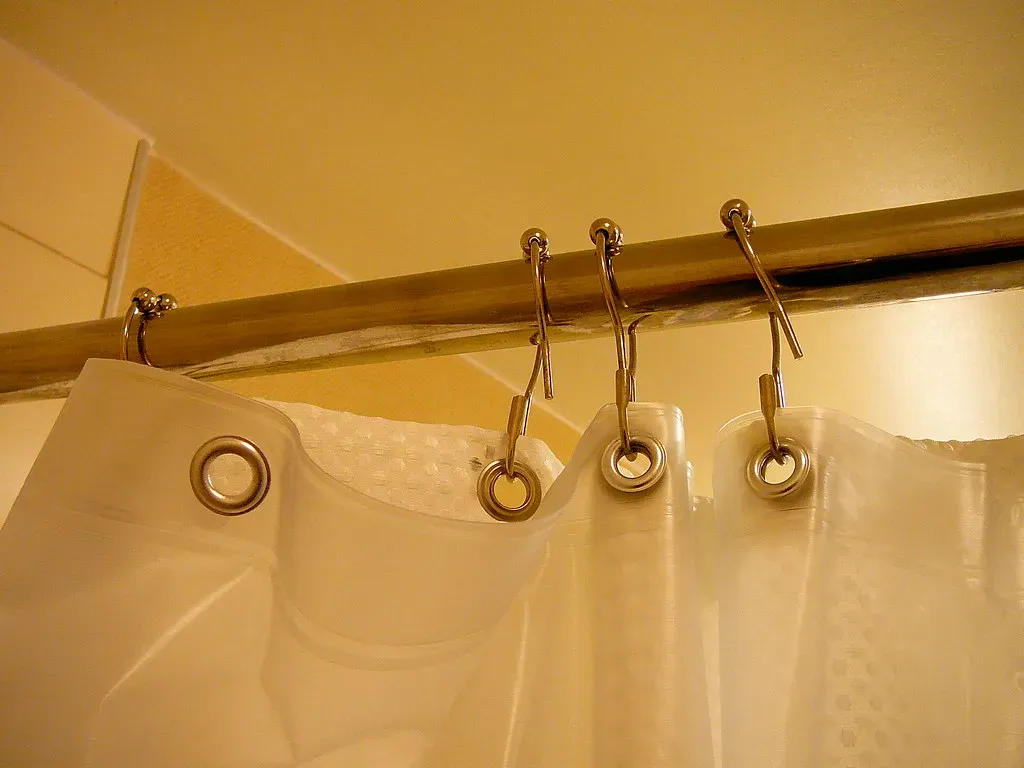
Shower curtain rings can be placed loose in the cage or on a cage bar – or you can attach other objects to them for even more enjoyment. These plastic or metal rings are surprisingly versatile. Your cat can bat them around the floor, carry them in their mouth, or watch you toss them across the room.
You can even hang small pieces of fabric or paper from the rings to create dangling toys. The lightweight nature makes them easy for cats of all sizes to manipulate, and the circular shape means they roll in unpredictable ways. Just ensure you’re using plastic rings without any sharp edges, and avoid metal rings that could chip your cat’s teeth if they bite down too hard.
Feathers and Natural Materials: Bringing the Outdoors In
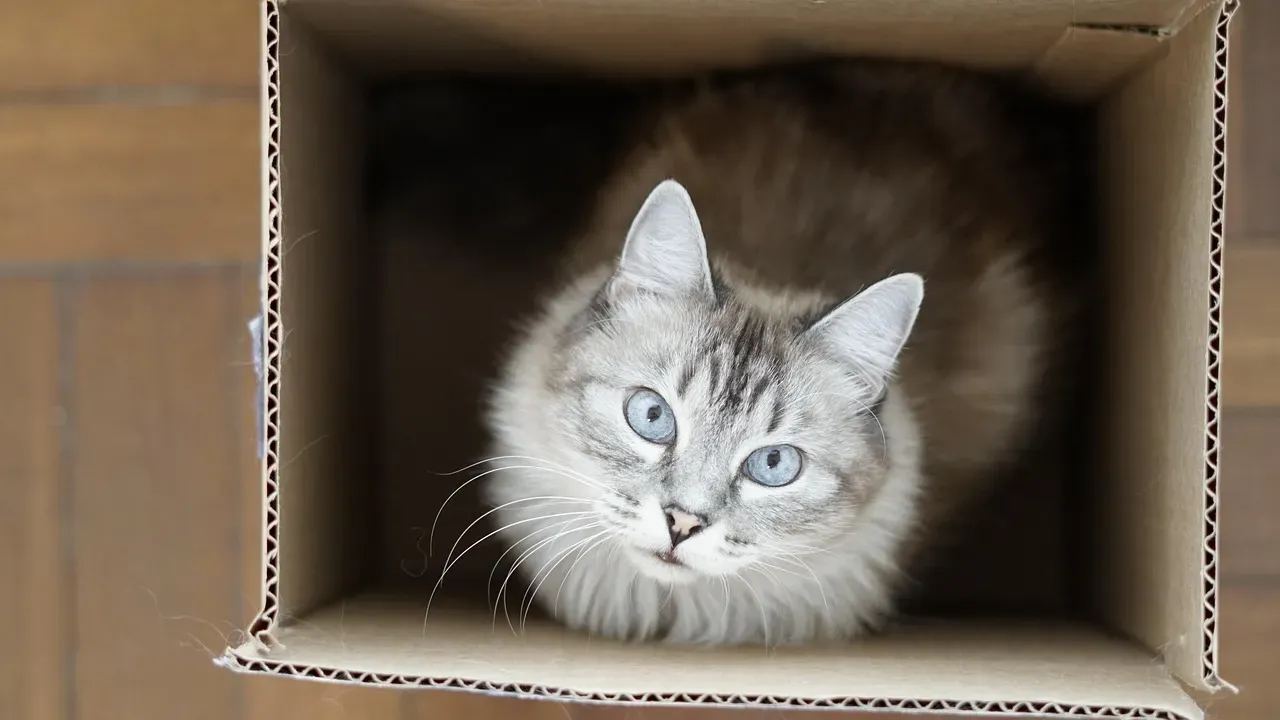
Take a cardboard box or a low sided Rubbermaid container, and place objects from nature inside. This could include sticks, leaves, grass, cat-safe flowers or tree clippings, rocks, etc. Place this box on the floor inside your house and allow your cat to explore and investigate. This will provide new textures and smells to stimulate your cat’s mind.
Creating a nature box taps into your cat’s primal instincts and gives them exposure to outdoor scents without the risks of letting them roam freely outside. Make the simple cardboard box even more appealing by partially filling it with fallen leaves. Cats love the smell of the outdoors, as well as the unfamiliar texture. This toy is obviously limited by geography and time of year, but it’s a fun one if and when you can make it work. Just make sure you’re only using materials from areas that haven’t been treated with pesticides or chemicals.
Windows and Window Perches: Television for Cats
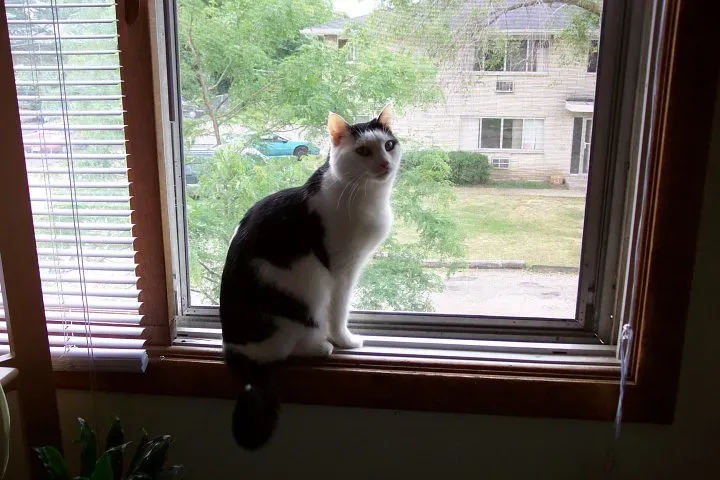
Providing a way for your cat to comfortably sit by the window and observe the outside world can be enriching for a cat. To up the fun, you can open a screened window during nice weather and allow your cat to experience the fresh air and smell the scents from outside. You can hang a bird feeder outside a window so they can watch.
Windows become your cat’s personal entertainment center where they can observe birds, squirrels, and all the neighborhood happenings. For some easy enrichment, create a comfortable place by the window for endless entertainment. Additionally, you can do an online search for bird TV for cats for cat-friendly videos to display on a screen for them. Just make sure windows are securely screened and can’t be pushed open by an adventurous feline.
Flashlights and Laser Pointers: Light Shows Your Cat Will Love
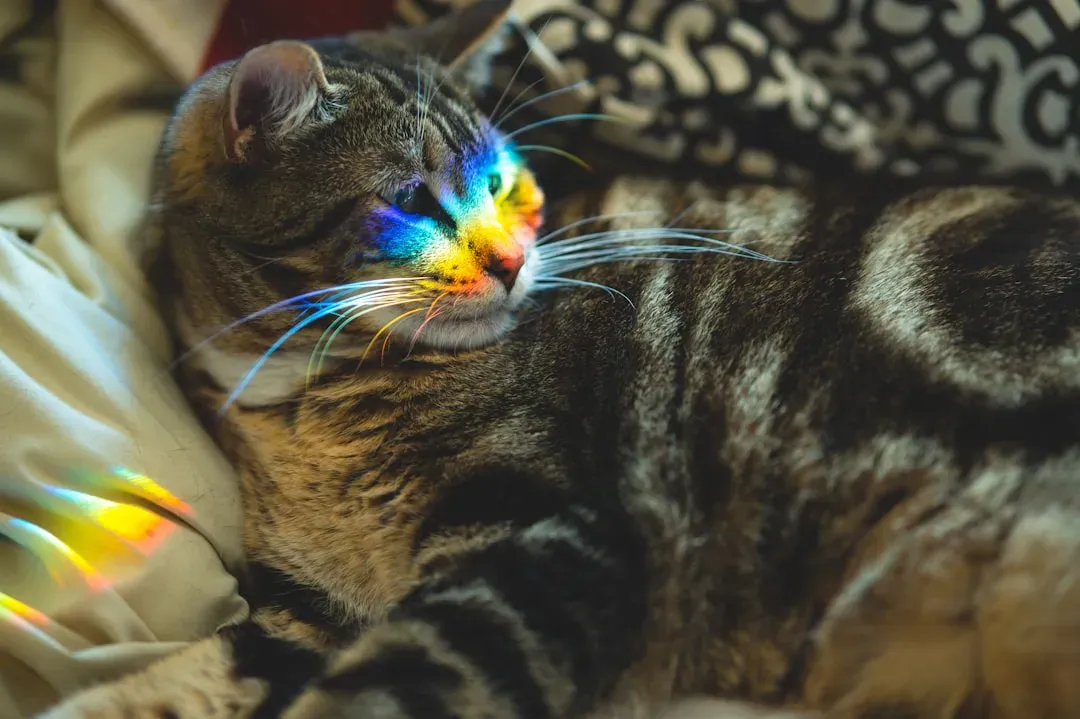
Cats love to chase lights. This is due in part to the structure of the cat’s eyes being different than that of humans. Cats can pick up on any sort of movement that occurs near them and thus the light moving can excite your cat. One thing to make sure of however, is to never shine the light in your cat’s eyes. Be sure to always keep the light at a safe distance from your cat so that their eyes do not get injured.
A simple flashlight from your junk drawer becomes instant entertainment in the evening. The beauty of light play is that it provides excellent exercise and gets even lazy cats moving. However, always end these play sessions by letting your cat “catch” a physical toy or treat so they don’t get frustrated by never capturing their prey.
Cat-Safe Plants and Grass: A Touch of Nature
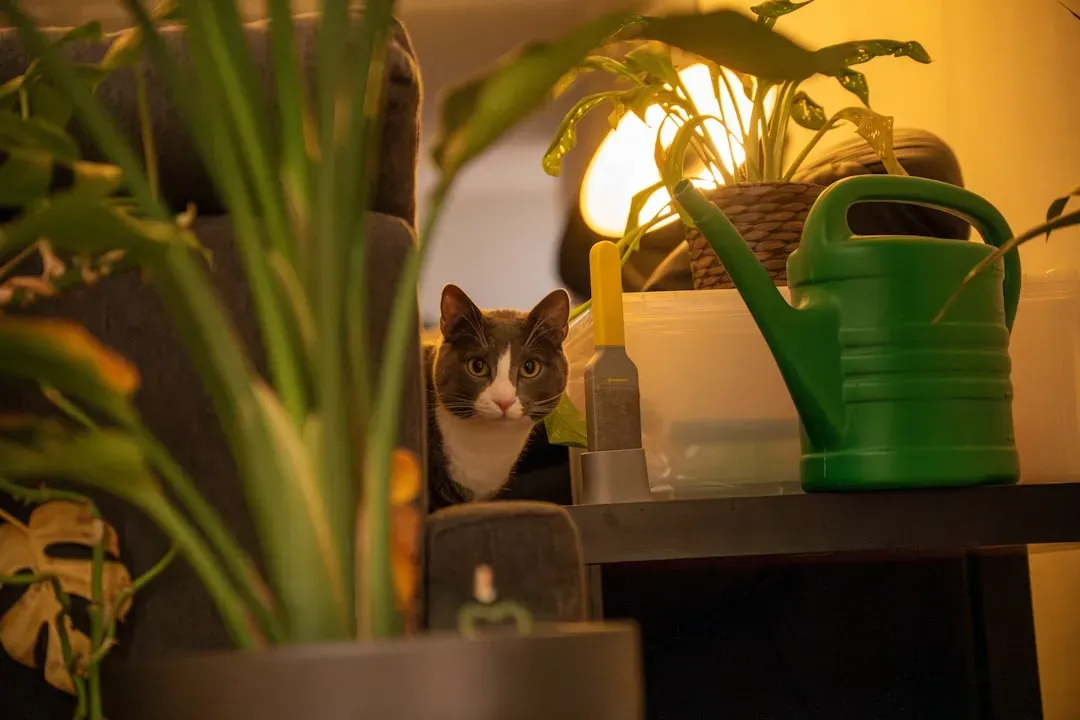
Plants naturally enrich a cat’s life by offering a taste of the wild outdoors. Distribute some cat-friendly plants throughout the space and your cat will immediately fall in love. Cat grass is specific grass (generally rye, wheat, or barley) grown inside for your cat’s enjoyment and enrichment. Cats are naturally drawn to the grass and many enjoy chewing on it. There are several health benefits to cats eating cat grass, as well. Cat grass is high in fiber and helps with hairballs.
You can easily grow cat grass in small containers on your windowsill or counter. Consider decorating your home with cat-friendly plants and flowers like bamboo, spider plants, or roses. Never assume a plant is safe without researching it first, as many common houseplants can be toxic to cats. When in doubt, stick to verified cat-safe varieties.
Old Socks and Fabric Scraps: DIY Kick Toys
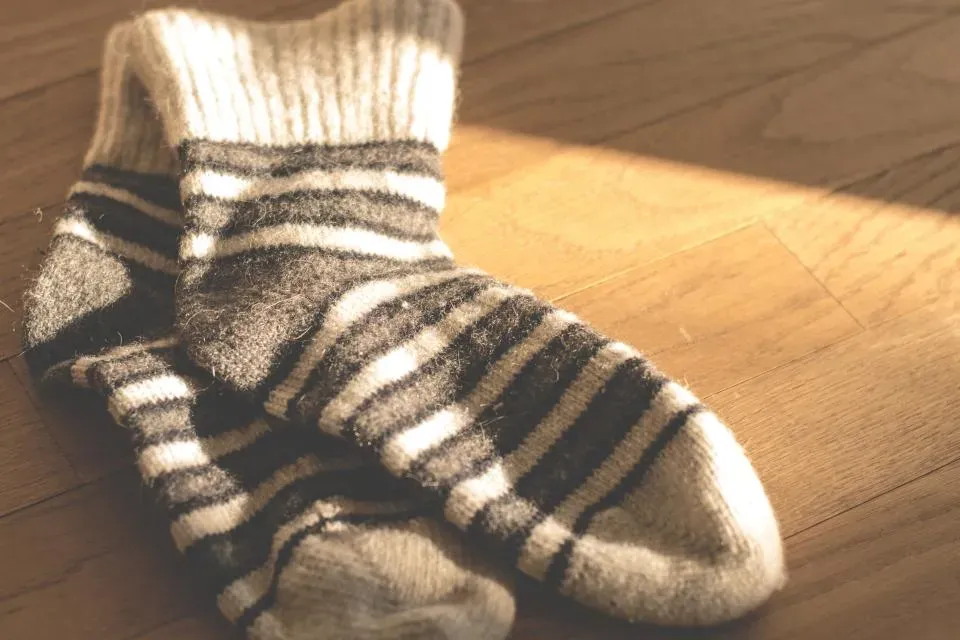
Take an old (clean!) sock, stuff it with fabric scraps, a bit of crinkly paper, and a pinch of catnip. Tie off the end in a knot. The result? A floppy, weird-looking snake that cats love to bunny-kick and cuddle. It’s an easy enrichment win with familiar household materials.
These homemade toys carry your scent, which many cats find comforting, and the soft texture is perfect for those intense bunny-kick sessions when your cat grabs something with their front paws and rabbit-kicks with their back legs. You can make several in different sizes and rotate them to keep things interesting. Just inspect them regularly for any loose threads or tears that could become choking hazards.
Muffin Tins and Food Puzzles: Brain Games at Mealtime
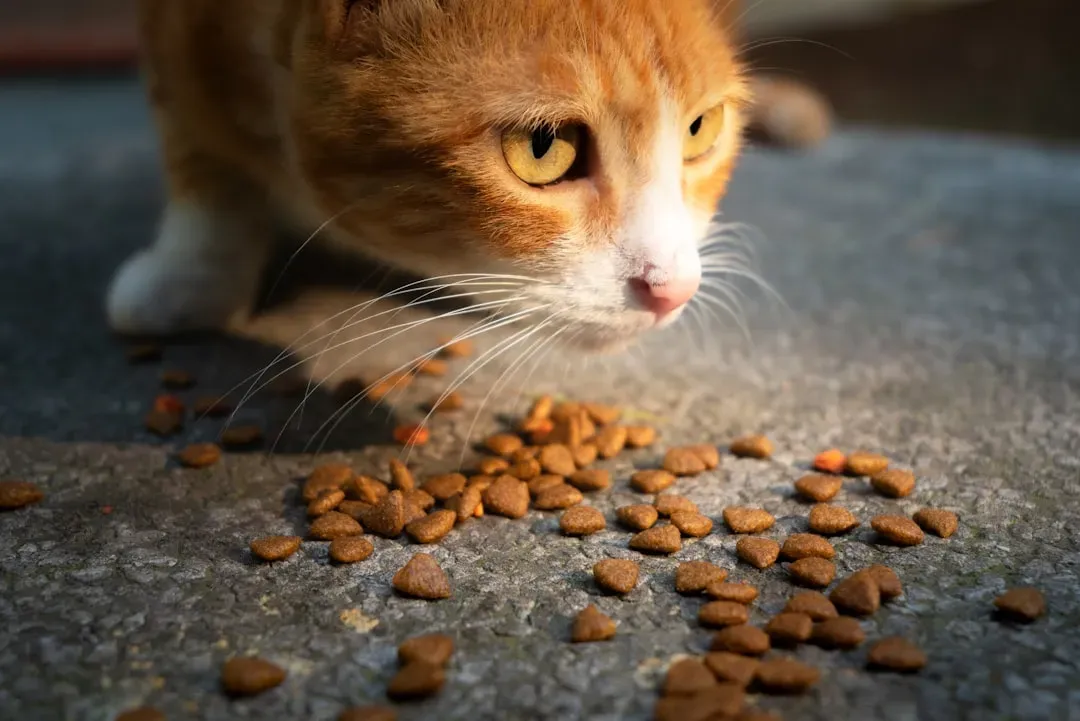
Fill each cup of a muffin tin with dry kibble or treats, then cover them with lightweight objects like tennis balls, crumpled paper, or silicone cupcake liners. Your cat has to bat and sniff to remove the covers and get to the food. This simple puzzle taps into their natural foraging instincts and keeps their brain engaged.
Making mealtime fun, challenging and interactive for domestic cats is a great way to satisfy their innate instincts and curiosities. Every meal is an opportunity for enrichment! Food puzzles slow down fast eaters and provide mental stimulation that can reduce boredom-related behavior problems. Start with easy puzzles and gradually increase the difficulty as your cat gets better at solving them.
Final Thoughts: Your Home is a Cat Playground
Who knew your recycling bin and junk drawer held so much entertainment potential? The reality is that cats don’t need expensive designer toys to be happy and stimulated. They need variety, mental challenges, and opportunities to express their natural hunting and exploring behaviors. By repurposing everyday household items, you’re not only saving money but also reducing waste and getting creative with enrichment.
Remember, the most important thing is supervision and safety. Always remove potential choking hazards, avoid toxic materials, and observe how your cat interacts with each item. What works for one cat might not interest another, so don’t be discouraged if your particular feline turns up their nose at something. Keep experimenting until you find your cat’s favorites.
What everyday item does your cat go crazy for? Have you discovered any unexpected household objects that became instant hits? The next time you’re about to toss something in the trash, pause and think whether it might become your cat’s new favorite thing.