You just spent thirty dollars on a brand-new cat toy. It sits untouched in the corner. Meanwhile, your cat is losing its mind over a crinkled receipt you dropped on the floor two minutes ago. Sound familiar? There’s something almost comedic about how our feline companions completely ignore things we carefully pick out for them, only to become obsessed with the most mundane objects in the house.
Cats have an uncanny ability to find fascination in the most ordinary household items, turning your living room into their personal playground. Honestly, once you understand the science and instinct behind these behaviors, it all starts to make a strange kind of sense. Get ready to see your home through entirely different eyes. Let’s dive in.
1. Cardboard Boxes: The Ultimate Feline Real Estate
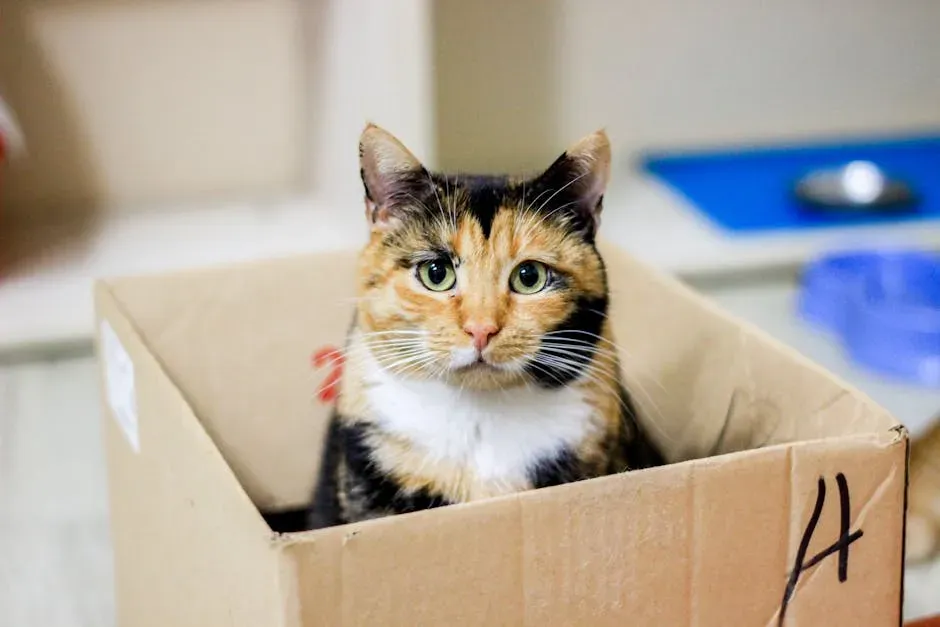
Leave a cardboard box on the floor and step back. A cat will be in that box in a matter of minutes – if not seconds. It doesn’t matter what size it is, whether it’s enormous or barely big enough to fit one paw. Your cat will figure out a way to claim it.
A study published in Applied Animal Behavioral Science indicates that cats love to sit in boxes even when it is only a two-dimensional outline shaped like a box on the floor. Think about that for a second. It’s not even a real box. It’s tape on the ground. Yet there your cat sits, fully convinced they’ve found the best seat in the house. There’s also a complex evolutionary reason why cardboard boxes are like catnip for your pet: they provide a sense of security from predators and a good vantage point to stalk potential prey.
Cats need temperatures to be between 86 to 97 degrees Fahrenheit. Most homes have temperatures of about 72 to 76 degrees Fahrenheit, meaning most homes need to be warmer for cats. A cardboard box provides insulation for a chilly kitty, and the small space helps retain body heat. So next time your cat squeezes into that Amazon delivery box, know they’re not being weird. They’re just cold and clever.
2. Crinkly Paper: Cheap Thrills at Their Finest
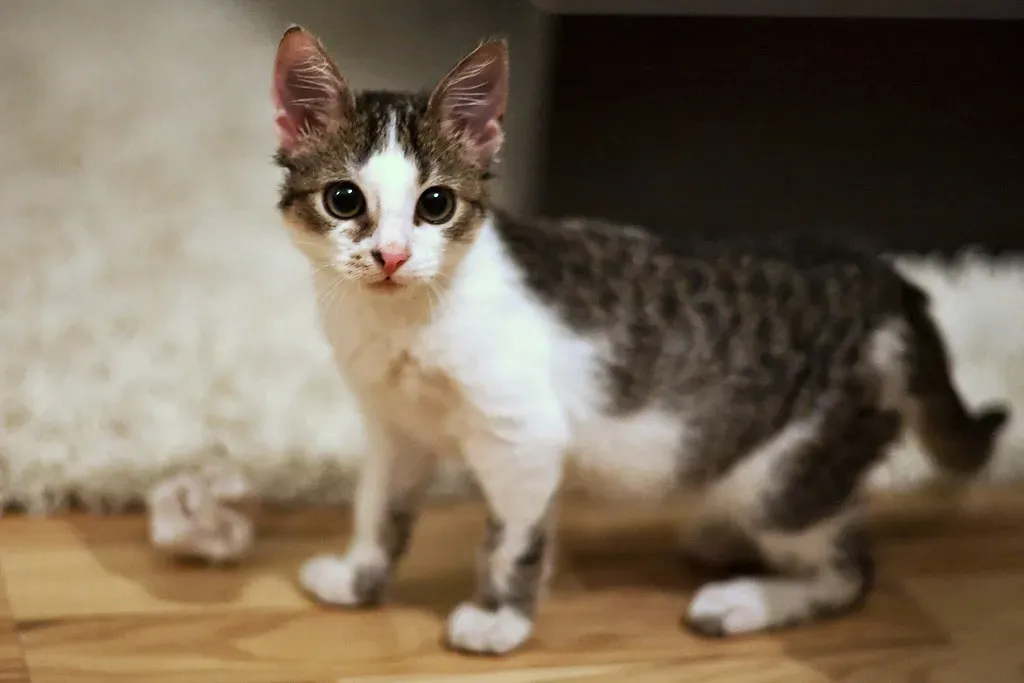
You don’t need to spend a single cent to keep your cat entertained for twenty minutes. Just grab a piece of paper, scrunch it into a ball, and toss it across the floor. Sometimes nothing is more fun than a nice crinkly roll of paper that all but floats across the floor just daring you to pounce! The sound alone is enough to send cats sprinting from the other room.
The way these objects skitter across hardwood or tile floors triggers your cat’s hunting response every single time. They’re the perfect size for your cat to grab with their paws, toss in the air, and chase down the hallway at three in the morning. The randomness of their movement patterns keeps your cat guessing and engaged. It’s the unpredictability that does it. Think of it like a video game that never plays the same way twice.
3. Running Water and Dripping Faucets: A Mesmerizing Mystery
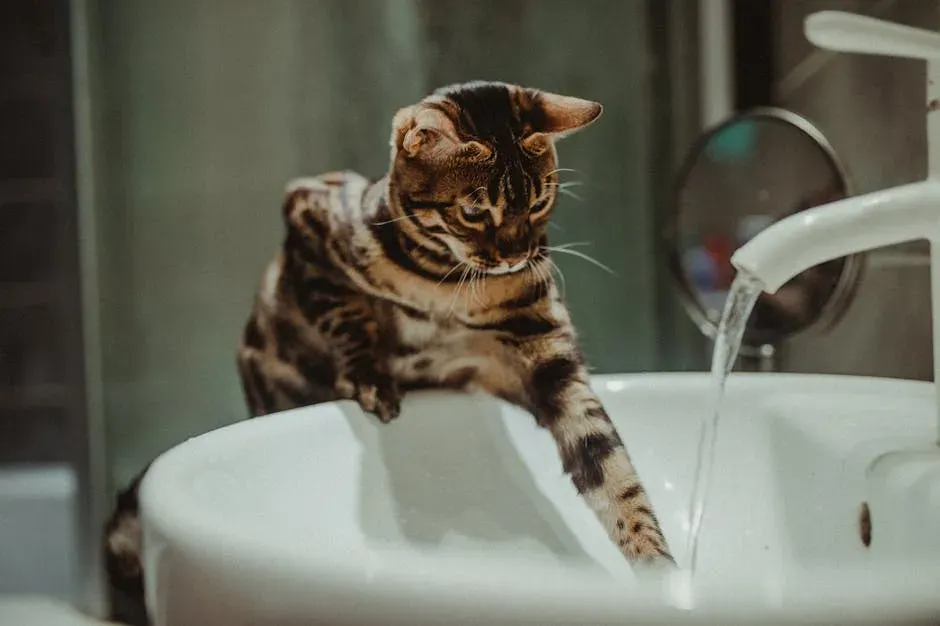
You buy a perfectly good water bowl. Your cat ignores it completely and instead sits next to the bathroom sink, staring at the faucet with the intensity of someone waiting for concert tickets to drop. In the wild, moving water is often safer to drink than stagnant water, so cats are naturally drawn to it. This instinct might explain why your cat is fascinated by running taps or dripping faucets.
Cats might also prefer running water because they can detect it with their keen sense of hearing. It’s easier for cats to find running water using sound than it is to rely on their sight to find still water. The swift-moving stream from a faucet may be cooler and more oxygenated, improving the taste. In other words, your cat isn’t just being dramatic. They genuinely perceive faucet water as a superior product. Many cats love running water so much that they teach themselves how to turn on the tap or train their humans to do it for them.
4. Plastic Bags: The Crinkly, Risky Temptation
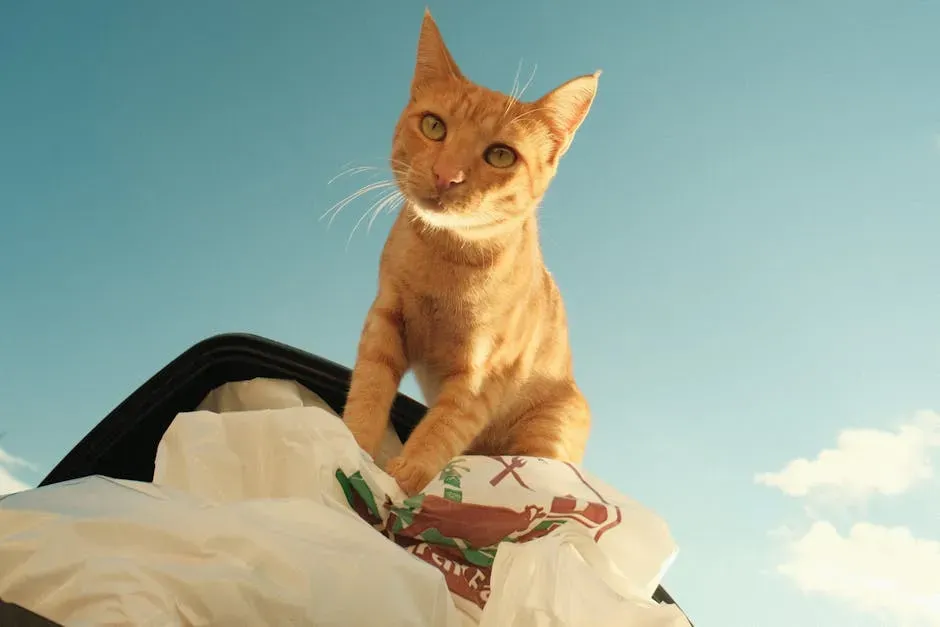
The moment you walk through the door with grocery bags, your cat is already plotting. Cats’ fascination with licking plastic, from plastic bags to shopping bags, stems from various factors, including the crinkly sound that mimics natural prey, the cool surface, and the residues of animal fat or food odors that cling to these items. It’s basically a multisensory event for them.
Cats find plastic bags fascinating for several reasons – the crinkling sound they make, the way they move with just the slightest touch, and sometimes even the lingering scent of food they once contained. The texture under their paws provides tactile stimulation that cats find satisfying. Here’s the thing, though: while this fascination is adorable, it comes with real risks. If cats eat plastic shopping bags, it may lead to intestinal blockages, with symptoms including vomiting, constipation, lethargy, and loss of appetite. Always keep plastic bags stored safely away.
5. Hair Ties: The Tiny Prey That Never Dies
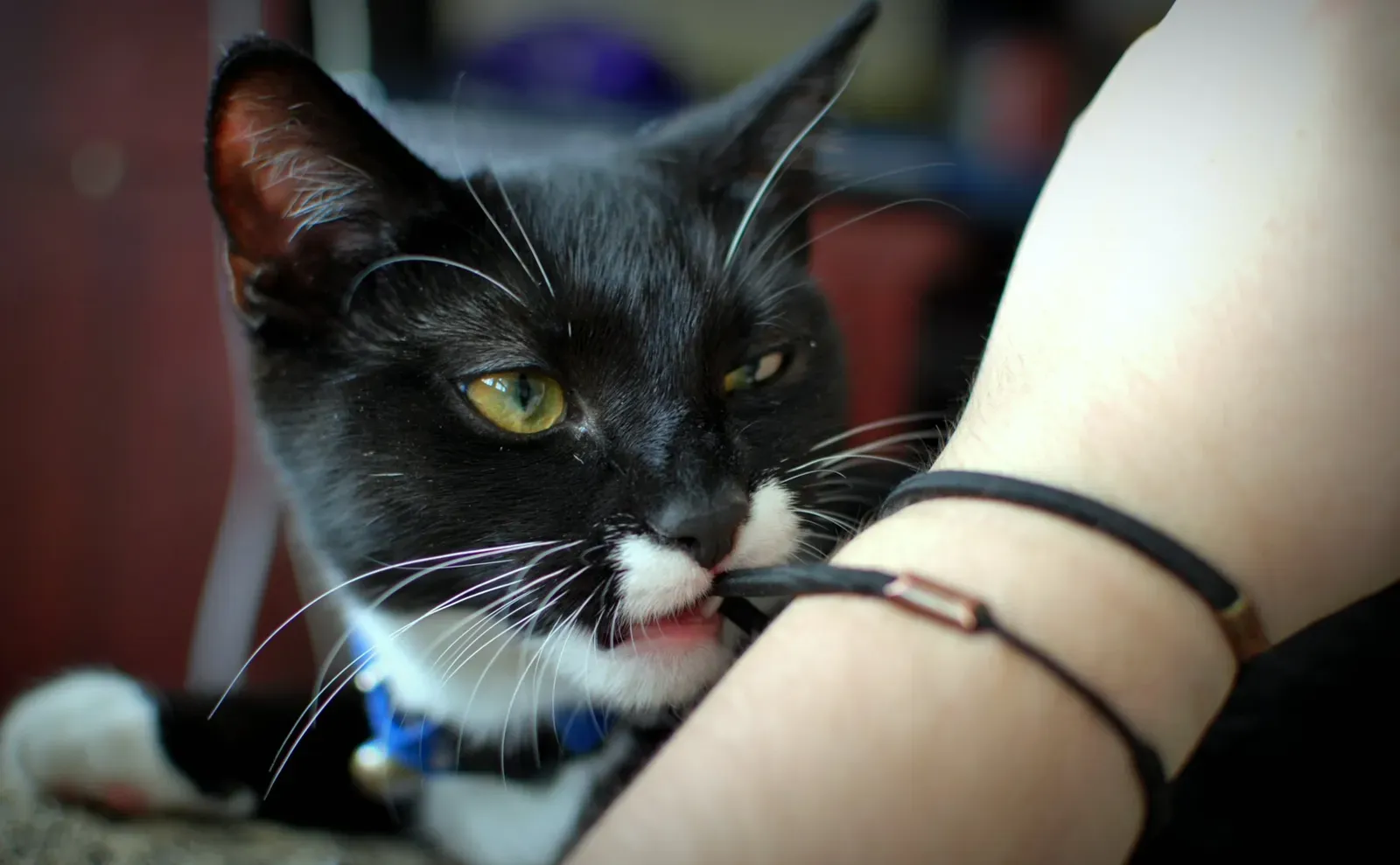
Leave a hair tie on the bathroom counter and walk away. When you return, it will be gone. Your cat has claimed it, batted it under the couch, and is now guarding it like a prize. Hair ties provide cats with a unique texture that they can’t find anywhere else. The fabric and plastic components of a hair tie make it an interesting and stimulating toy for cats. They love to bite down on them and feel the different materials in their mouth.
Hair ties are also a great toy for cats because they move around when they play with them. This movement can stimulate their natural hunting instinct, which makes playing with hair ties even more appealing to cats. Cats have an amazing sense of smell, so it is no surprise that they would be drawn to the scent of a hair tie. Whether it is the smell of the fabric or the smell of your shampoo that they’re drawn to, the scent of a hair tie is something that cats find intriguing. Still, be careful. Hair ties are a swallowing hazard and should be stored out of reach when not supervised.
6. Electrical Cords: The Forbidden Fascination
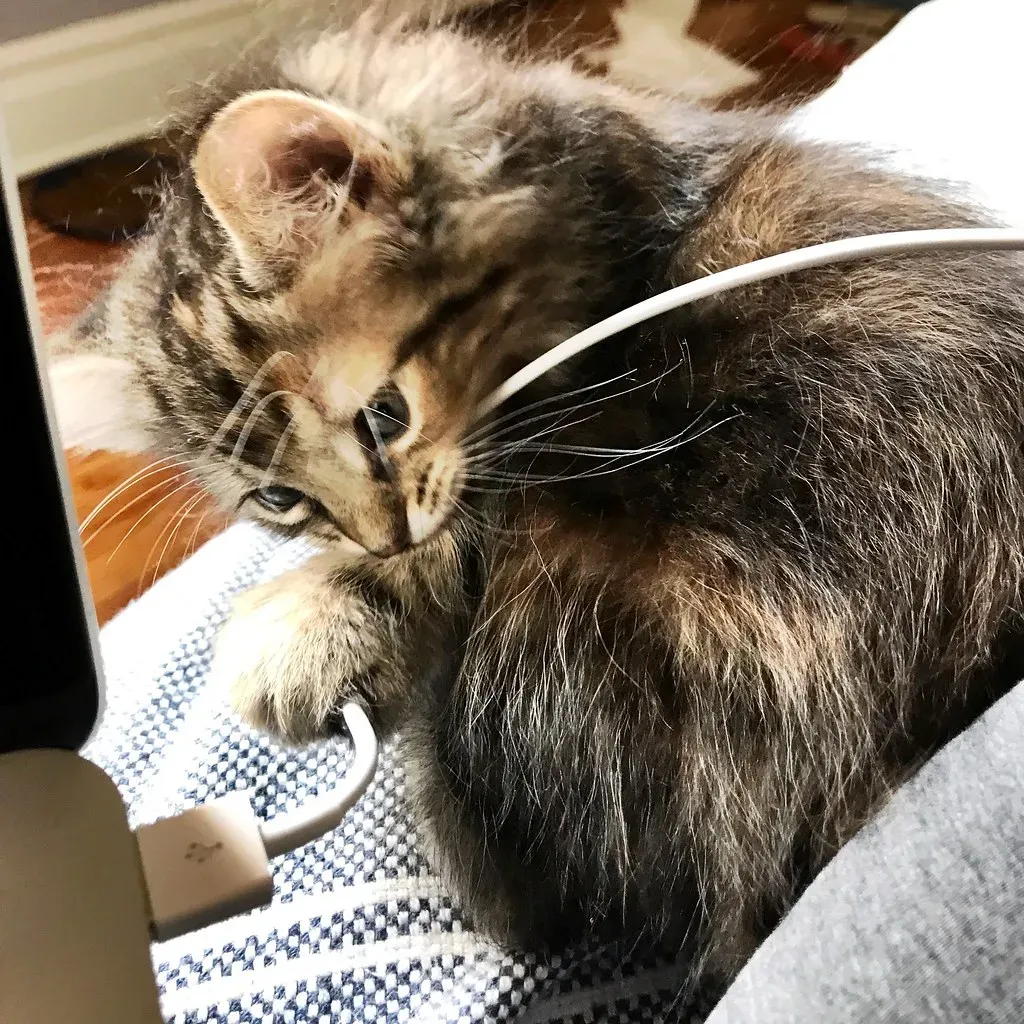
Cords dangle, sway, and have that perfect string-like quality that cats find irresistible. To your cat, that phone charger draped across the floor is essentially the world’s longest toy snake. It wiggles, it reacts, and it’s always there waiting. It’s hard to blame them for being drawn to it.
A reason a cat may play with cords is that they might have learned that playing with the cord was a good way of getting attention. Playing with the cord may also be fun because it moves in different and unexpected ways, which piques their interest. Unfortunately, this fascination can be extremely dangerous and should never be encouraged. Chewing on electrical cords poses a significant threat. Redirect this energy with dangling feather toys that satisfy the same craving, minus the electrocution risk.
7. Bathroom Sinks: Cool, Curved, and Perfectly Cat-Sized
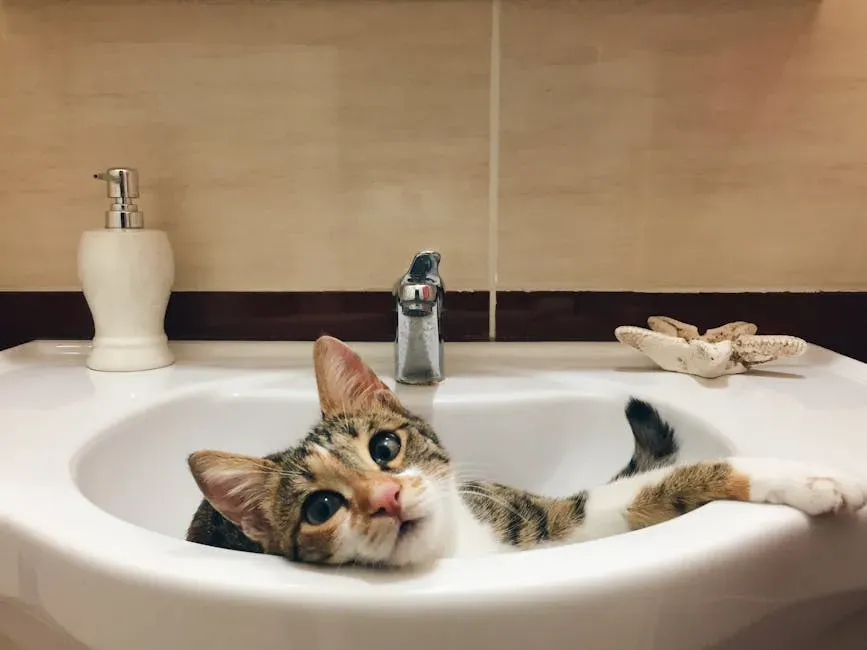
Your bathroom sink was designed for washing hands. Your cat sees it differently. They see a smooth, curved, elevated bowl that fits them almost perfectly. Many cat owners have found their feline friend curled up in the bathroom sink. Sinks are appealing to cats for several reasons: they’re smooth and cool, they’re the perfect size for curling up, and they’re often in a quiet room. Some cats even enjoy the slight echo their purrs make in the sink basin.
Sinks provide a unique environment for cats to explore and play in. They are often elevated, which gives cats a vantage point to observe their surroundings. The cool, smooth surface of the sink can also be appealing to cats, especially on a hot day. Think of it as the feline equivalent of finding the perfect armchair. Once they discover it, there’s no convincing them it was ever meant for anything else.
8. Shoelaces: The Ultimate Interactive String
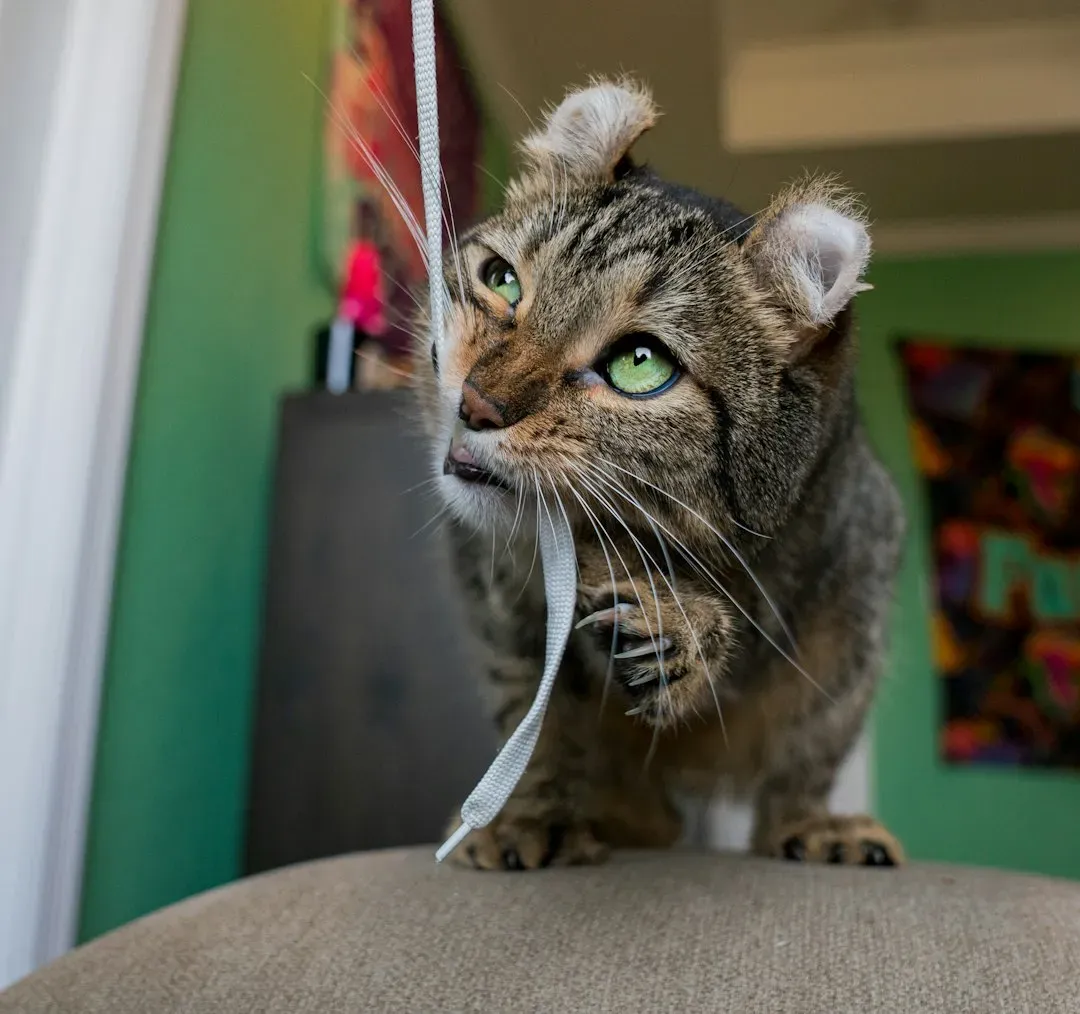
You sit down to tie your shoes and suddenly you have a very enthusiastic helper. Your cat pounces, bats, and tangles everything in sight. One of the most interesting places for a cat to hang out is by your shoe rack. They slowly sniff each shoe one by one with a unique look of enjoyment. Cats will occasionally nibble on a shoelace but for the most part focus heavily on the sniffing.
Shoelaces hit every mark on a cat’s checklist: they dangle, they move unpredictably, they carry your scent, and they’re long enough to feel like a proper prey item. Cats inherit their curiosity from their wild ancestors, who relied on exploration to hunt, find shelter, and stay safe. Their curiosity is fueled by instincts related to hunting, territorial awareness, and problem-solving. A shoelace dangling from your sneaker is, quite literally, the world’s most convenient hunting simulation.
9. Bed Sheets and Blankets: The Soft, Scented Hideout
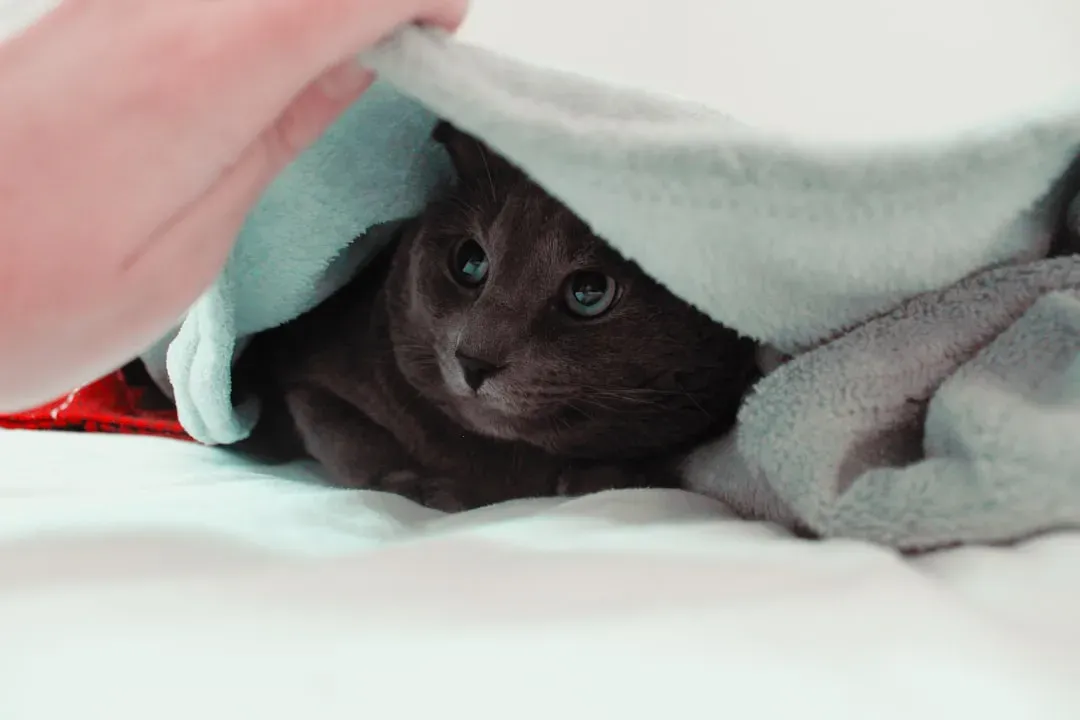
You make the bed. You turn around for thirty seconds. There’s a suspicious lump under the duvet cover, and it’s purring. Like boxes, bed sheets provide a flowy enclosure that’s soft, warm, and filled with your scent. They’re just plain fun. It’s similar to playing in a bed sheet fort. When you think of it that way, honestly, who wouldn’t want in?
The appeal here goes beyond play. Your scent on the fabric is deeply comforting to your cat. If your cat squeezes into strange spots or vanishes under the bed, it’s likely searching for a cozy hideaway. Cats instinctively seek safe, enclosed spaces where they can rest undisturbed or observe without being seen. Wrapping themselves in your blanket is essentially them being as close to you as possible while still maintaining their signature air of independence.
10. Small Bottle Caps and Corks: Tiny Chaos Engines
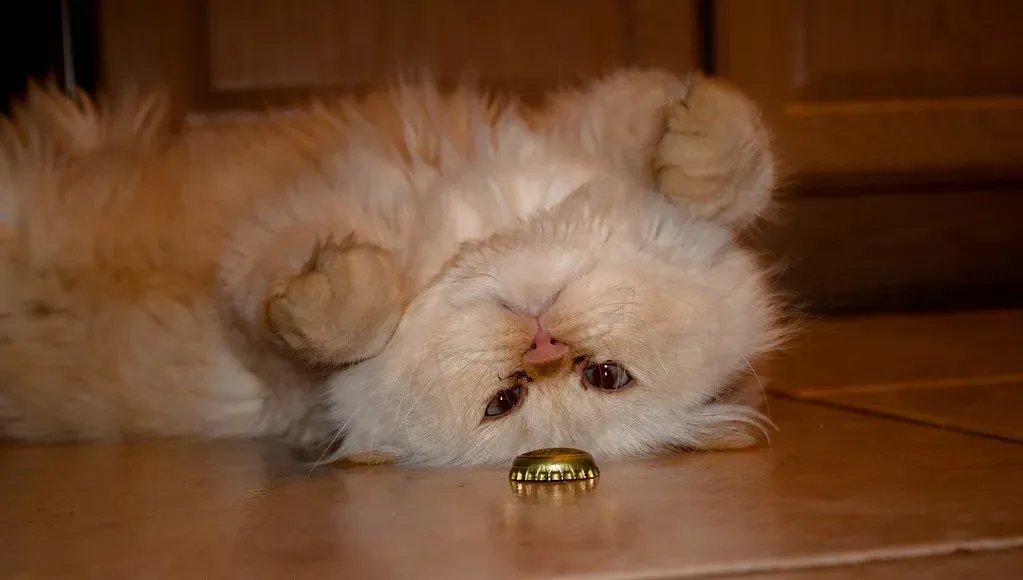
One flick. That’s all it takes. A bottle cap hits the kitchen floor and suddenly your cat is a hockey player in the Stanley Cup finals. Bottle caps and ping-pong balls are lightweight and easy to flick around the floor. Ping-pong balls are amusing because your cat can chase them faster than bottle caps. The sheer randomness of their trajectory keeps cats locked in for round after round.
Like bottle caps, wine corks are small enough to bat around the floor and chase. I think the appeal of these tiny objects is profoundly underrated. They’re light enough to launch with minimal effort, they bounce in directions that can’t be predicted, and they make a satisfying noise on hard floors. It’s essentially a pinball machine your cat designed itself. Many cats enjoy playing with small pieces of plastic because they have a softer texture and can make some fun noises. For such cats, plastic items are relatively light and easy to carry around, and they’re usually found in abundance.
11. Pens and Pencils: The Desk Toy You Didn’t Intend to Provide
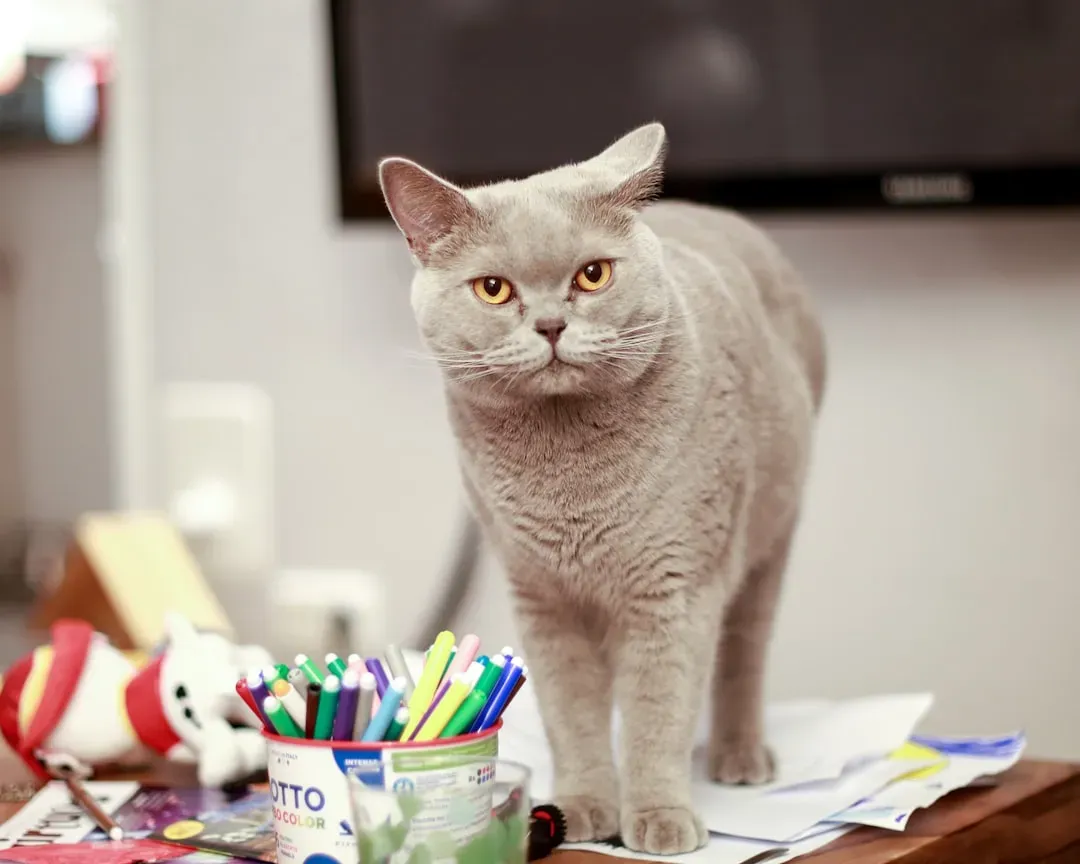
You set a pen down for one moment. You look back. It’s on the floor. You pick it up. It’s on the floor again. Whenever a pen is left out on the kitchen or coffee table, cats will end up knocking it on the ground and playing with it at some point. They tap pens around the room and try to pick them up with their paws – maybe destined to be writers.
Pens and pencils are essentially the ideal small prey-sized object. They’re cylindrical, they roll unpredictably, and they respond to the lightest touch. Cats are highly intelligent creatures with complex cognitive abilities. One fascinating example is their understanding of object permanence – the awareness that objects continue to exist even when they’re out of sight. This concept typically develops in kittens during the sensorimotor stage of their cognitive growth, similar to what happens in human infants. So when your cat watches a pen roll under the couch and immediately starts pawing at the gap, they genuinely know it’s still in there.
12. Laundry Baskets: The Textile Jungle Gym
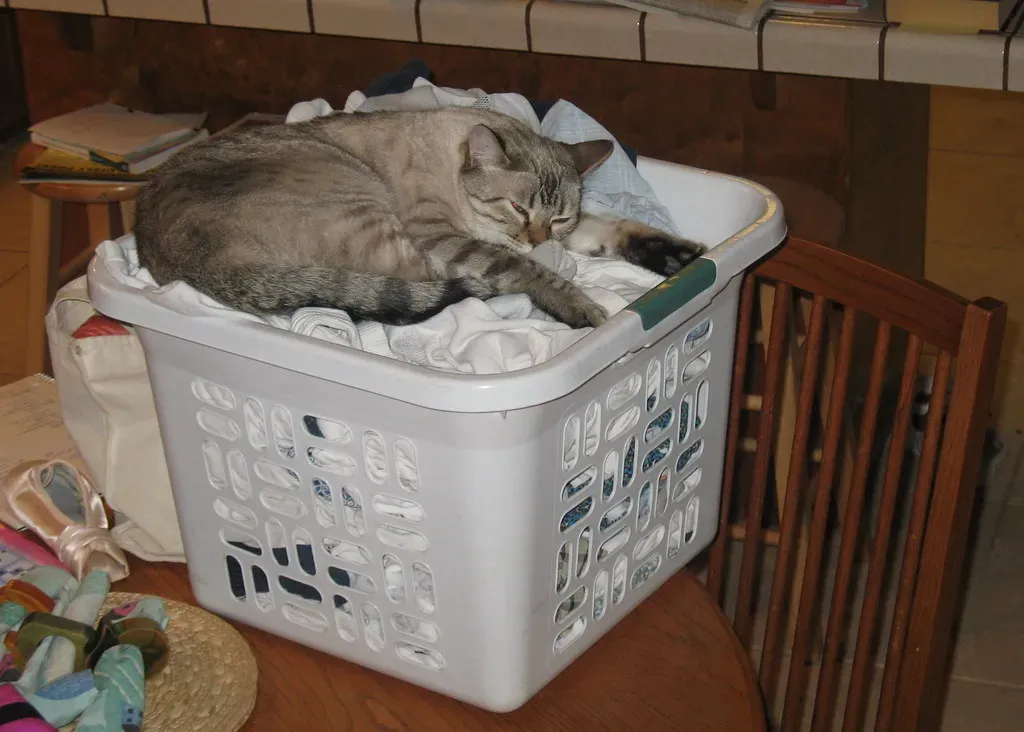
A laundry basket full of clean clothes is, to you, a chore waiting to happen. To your cat, it is a warm, soft, deeply scented nest that appeared out of nowhere as a gift. Many cats react to discovering an old hamper by jumping in and out of it like an unhinged wild animal. The combination of warmth, enclosed space, and familiar scents is basically irresistible.
The mesh or wicker structure of many laundry baskets adds another dimension: they can see out while feeling enclosed. Cats may seek out boxes and enclosed spaces for the same reason many people are drawn to the corner booth at a restaurant: so you can observe your surroundings in peace, knowing nothing will sneak up on you. A cat in an enclosed space feels their vulnerable back is protected. They can periscope their little face around the edge to see everything happening. A laundry basket, it turns out, is basically a throne with ventilation.
13. Rugs and Carpets: The Scratching Ground Zero
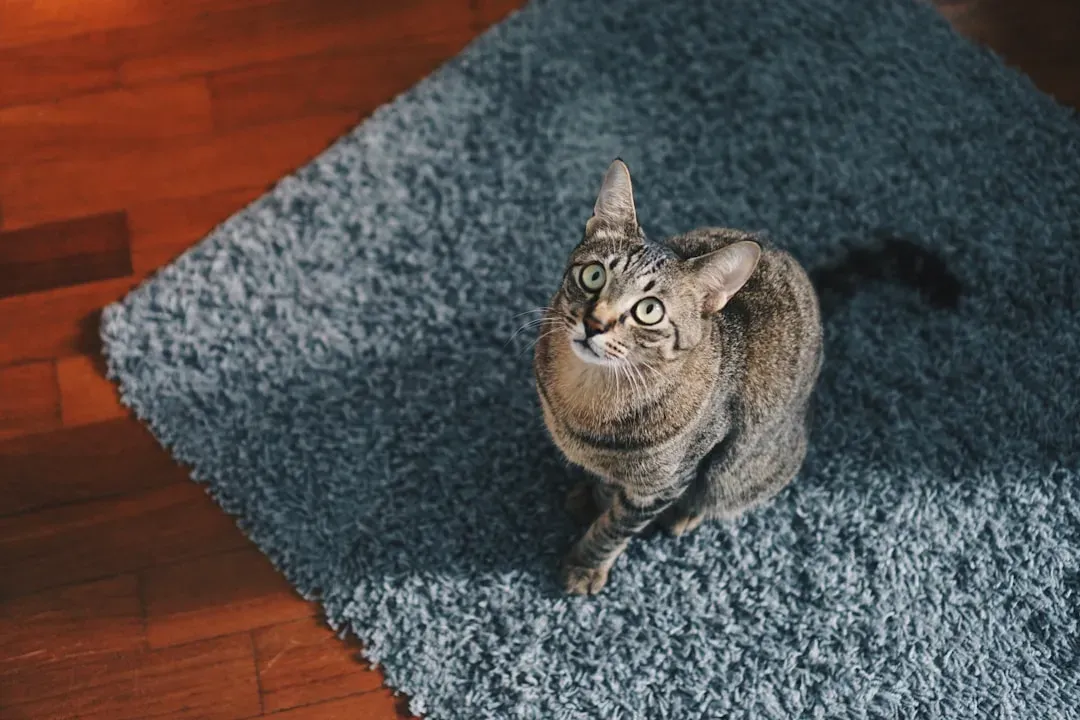
You didn’t buy that rug as a scratching post. Your cat has a different interpretation. Rugs are sturdy and fibrous, yet light enough to lay under and bunny kick. Rugs also mimic grass, so your cat may scurry to the carpet at the worst possible times. It’s genuinely advisable not to spend too much money on rugs if you have cats. Truer words have rarely been spoken.
The texture of carpet fibers triggers your cat’s need to scratch, which isn’t destructive for the sake of destruction. The texture of cardboard and fibrous materials allows cats to scratch, which helps them maintain their claws and mark their territory. Scratching also leaves visual marks and scent signals from glands in the paws. Your cat isn’t ruining your rug. They’re signing it. They nibble on objects, chase moving things, climb, and sniff their surroundings with wide-eyed fascination. This playful investigation builds confidence, sharpens their coordination, and helps fine-tune their senses of sight, smell, and hearing.
14. Keyboards and Laptops: Interruption as a Love Language
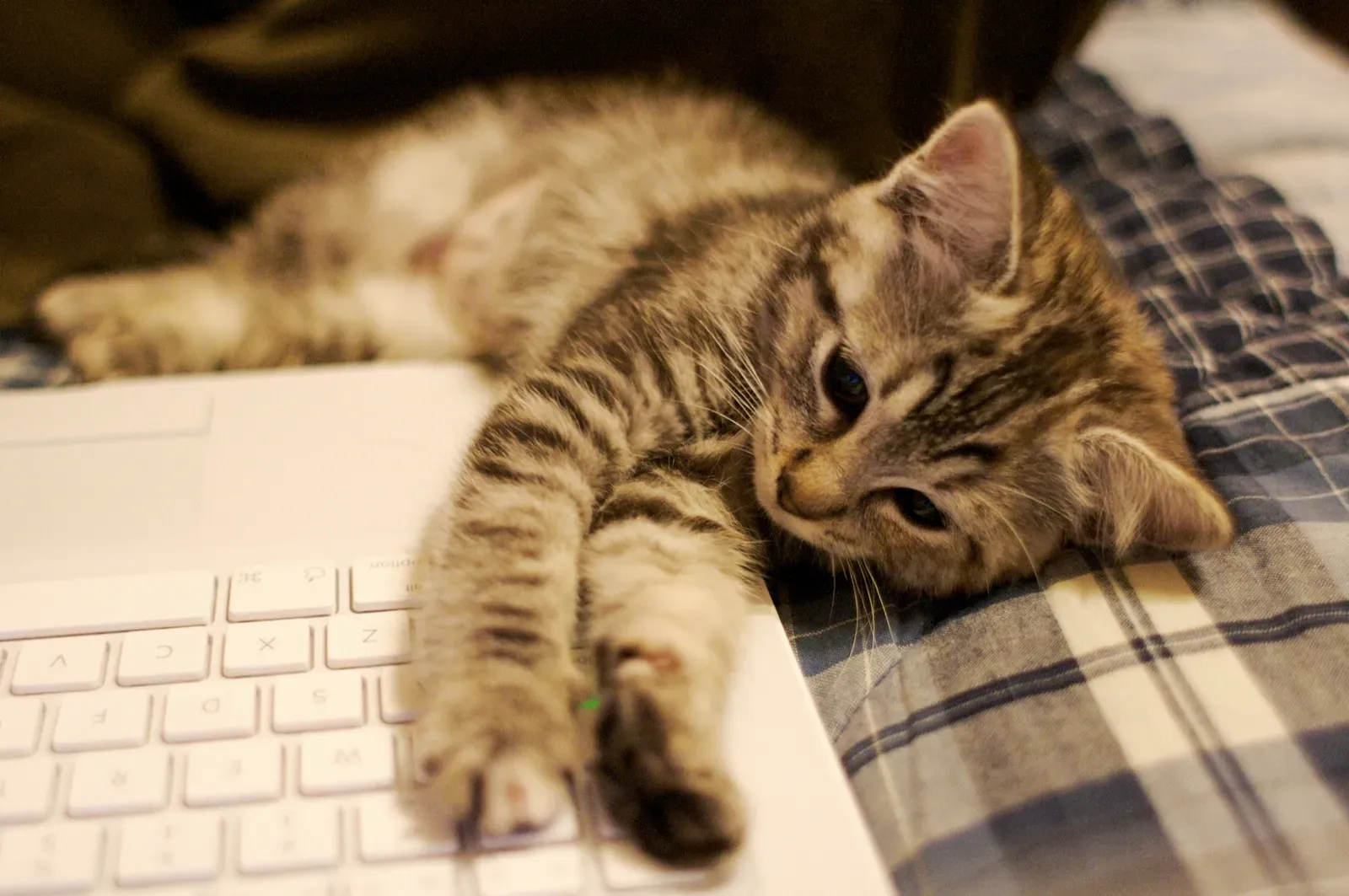
You open your laptop to get something done. Your cat immediately walks across the keyboard, sits directly on the screen, and stares at you. This is not a coincidence. When your cat climbs onto your keyboard, interrupts your work, or starts exploring everything you’re handling, it’s often seeking attention rather than misbehaving. Cats are social in their own way, and curiosity can be their method of initiating interaction. They might want to play, be petted, or simply share your company.
There’s also a practical warmth factor at play. Cats love to sleep on laptops, radiators, and other heat-emitting parts of the house, including your lap. Your laptop is warm, it holds your scent, and you’re clearly paying attention to it, which means they want in. Responding positively to these moments – with gentle play or affection – strengthens your bond and reassures your cat that it’s valued and secure. In other words, your cat sitting on your keyboard might just be the sincerest compliment they know how to give.
15. Shoes: A World of Invisible Information
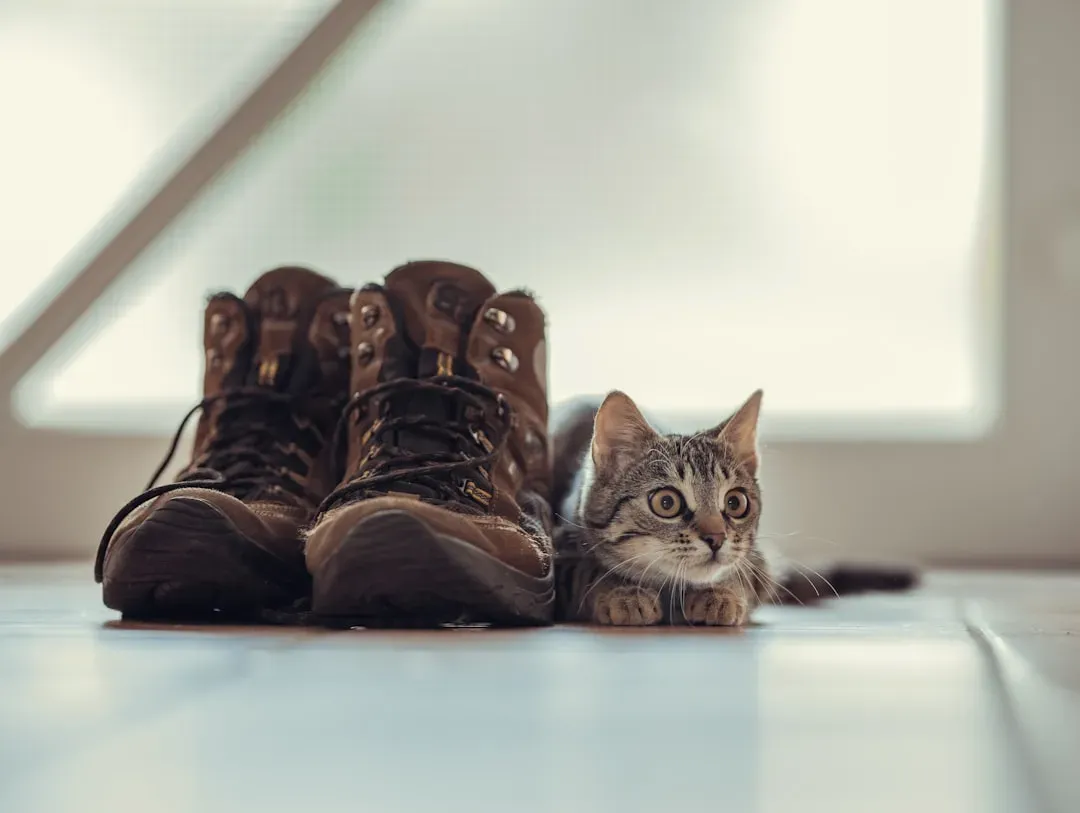
You come home, drop your shoes at the door, and watch your cat descend on them like a detective at a crime scene. They sniff each one methodically, occasionally pressing their face deep into the toe. It looks absurd. It is actually fascinating. Your cat isn’t being difficult – they’re following instincts that have been hardwired into them for thousands of years. The objects they love often trigger something primal, whether it’s their hunting drive, their need for security, or just pure curiosity.
Shoes carry an enormous amount of olfactory information: every place you walked, every person you stood near, every environment you passed through. A cat’s sense of smell is 14 times better than a human’s. So while you see a pair of sneakers, your cat is essentially reading the full story of your entire day in vivid detail. It’s their version of asking you how work went. Understanding these behaviors not only helps us take better care of our feline friends but can help us become better cat parents and strengthen our bonds with them. It also deepens our appreciation for their complex, instinct-driven nature. Every quirk, every odd habit is a window into their fascinating feline minds.
Conclusion: Your Home Is Your Cat’s Entire Universe
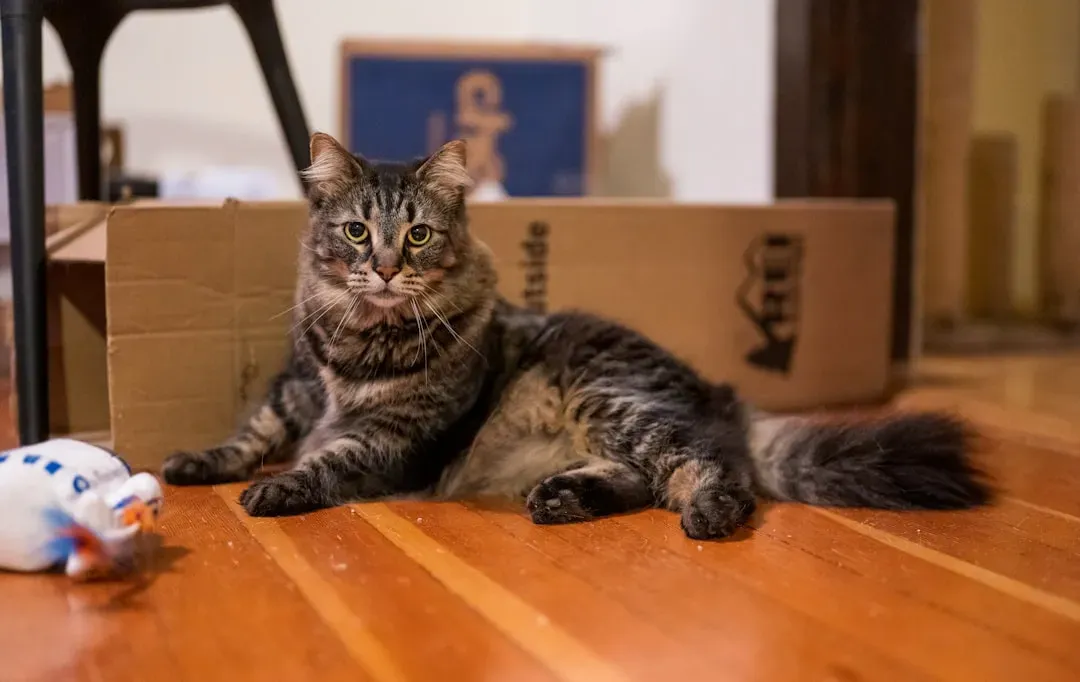
Here’s what it all comes down to: your cat is not weird. Well, okay – maybe a little. But every single behavior on this list traces back to something real, something ancient, and something deeply rooted in who they are. Cats have an uncanny ability to find fascination in the most ordinary household items, turning your living room into their personal playground. These behaviors remind us that our domesticated feline friends are still very much in touch with their wild instincts.
The cardboard box is a den. The dripping faucet is a stream. The shoe is a newspaper. The pen rolling off the table is prey. Once you start seeing the world through your cat’s eyes, everything clicks into place. Every cat has their own unique personality and preferences, making them the wonderfully weird companions we love.
So the next time your cat ignores the toy you bought and goes absolutely feral over a crumpled receipt, don’t take it personally. Take it as a reminder that sometimes the simplest things hold the deepest joy. Which of these objects does your cat absolutely obsess over? Drop it in the comments – we’d love to hear how your little wild thing keeps life interesting.