Have you ever wondered why your feline friend seems more excited about a crumpled piece of paper than the expensive toy you just bought? Cats have an uncanny ability to find fascination in the most ordinary household items, turning your living room into their personal playground. These behaviors remind us that our domesticated feline friends are still very much in touch with their wild instincts.
Let’s be real, if you’re a cat owner, you’ve probably spent more money on fancy toys that sit untouched while your cat obsesses over a grocery bag or a bottle cap. Your cat isn’t being difficult – they’re following instincts that have been hardwired into them for thousands of years. The objects they love often trigger something primal, whether it’s their hunting drive, their need for security, or just pure curiosity. Let’s dive into the fascinating world of feline fixations and discover what makes these everyday items so irresistible to your furry companion.
Cardboard Boxes: The Ultimate Feline Fortress
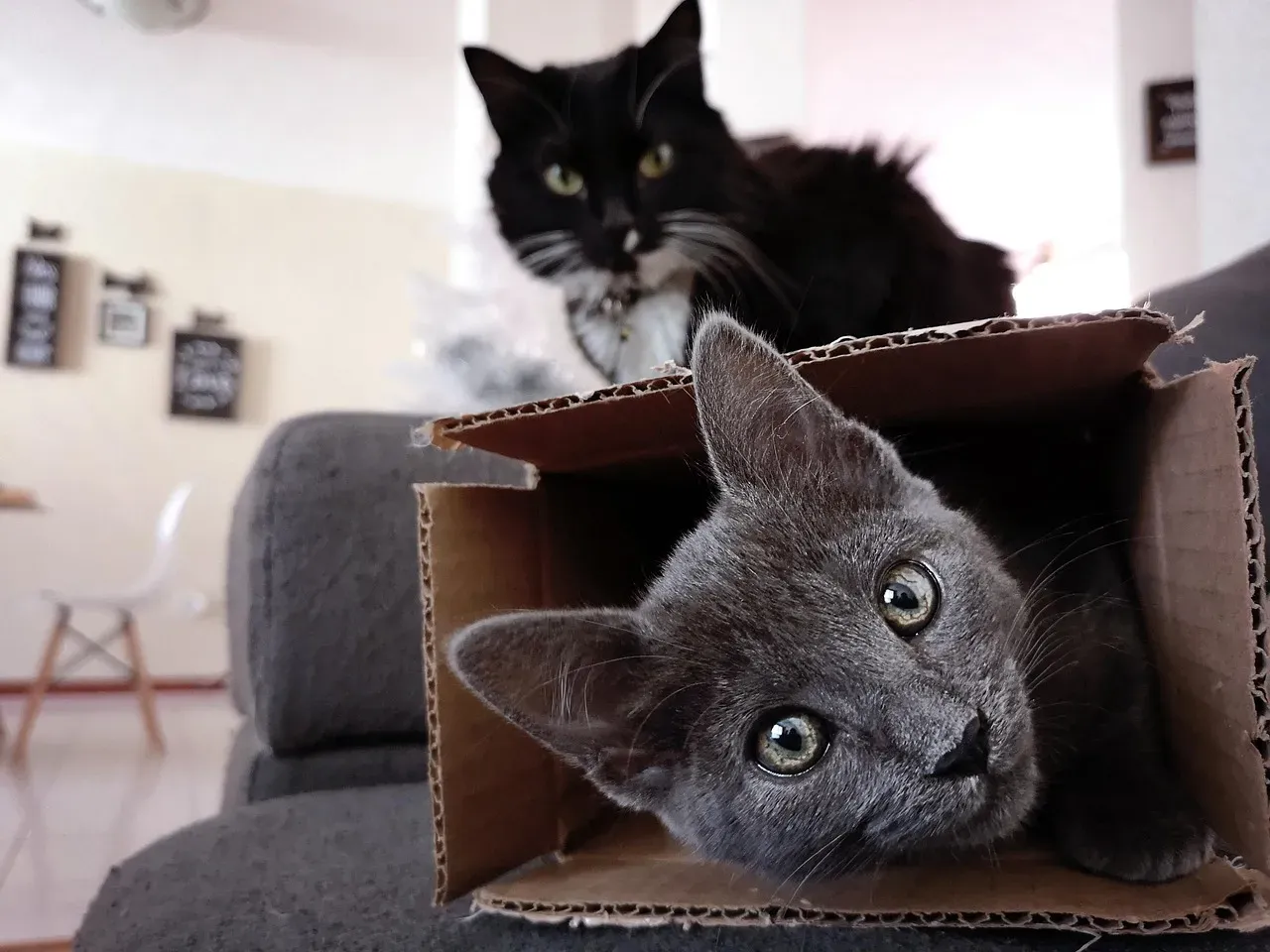
A cat will be in that box in a matter of minutes – if not seconds. Cats love concealed spaces, and boxes offer a tight enclosure that acts perfectly as a mini cave, helping your cat feel safe and secure. There’s something almost magical about watching your cat squeeze into a box that seems impossibly small. Whether it’s a shoebox or a massive Amazon delivery, your cat will claim it as their own personal territory.
A study conducted in PLOS ONE showed that cats who came into a Dutch animal shelter for the first time utilized cardboard boxes given to them for comfort and to adapt to a new, scary situation. The study revealed that the cats suffered from chronic stress beforehand, and the boxes helped. Boxes also serve as perfect hunting hideouts, providing the element of surprise when unsuspecting prey (or your ankles) pass by. Honestly, it’s hard to say for sure, but the cardboard fortress might just be your cat’s version of a security blanket and adventure park rolled into one.
Paper Bags: The Crinkly Hideaway
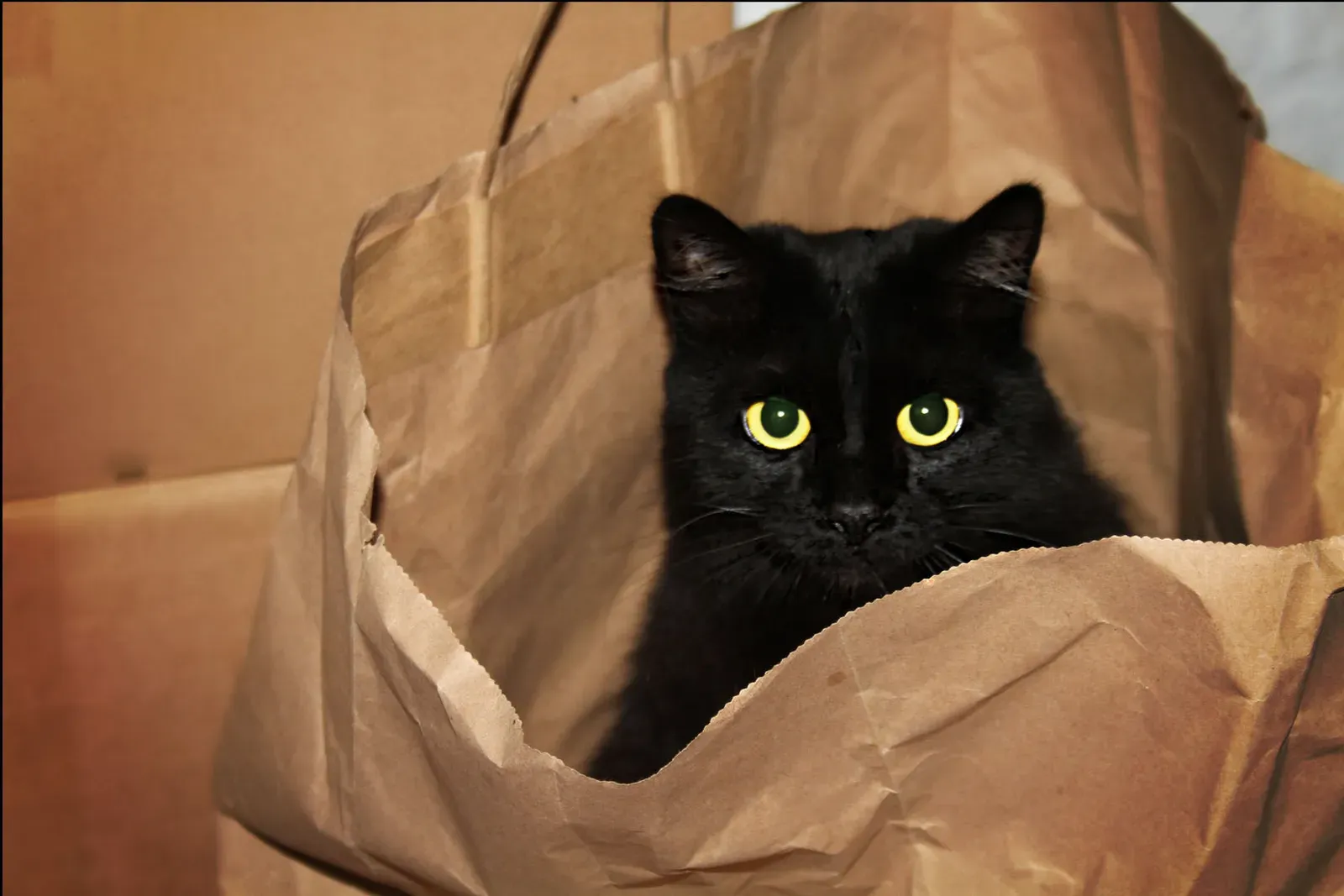
Cats are particularly drawn to these crinkly hiding spots and can spend hours diving in and out of bags left on the floor. To make sure these are as safe as possible, cut off the handles or loops before letting your cat play. The sound paper bags make is absolutely thrilling to cats – every rustle mimics the sounds of prey moving through leaves or grass in the wild. Your cat isn’t just playing; they’re engaging in a full sensory experience.
Paper bags offer concealment without complete darkness, giving your cat the perfect spot to observe while remaining hidden. It’s like having their own surveillance station where they can watch everything happening around them. Just remember to always supervise and remove any handles that could pose a safety risk. The combination of texture, sound, and hiding potential makes paper bags endlessly entertaining.
Water Faucets: The Flowing Mystery
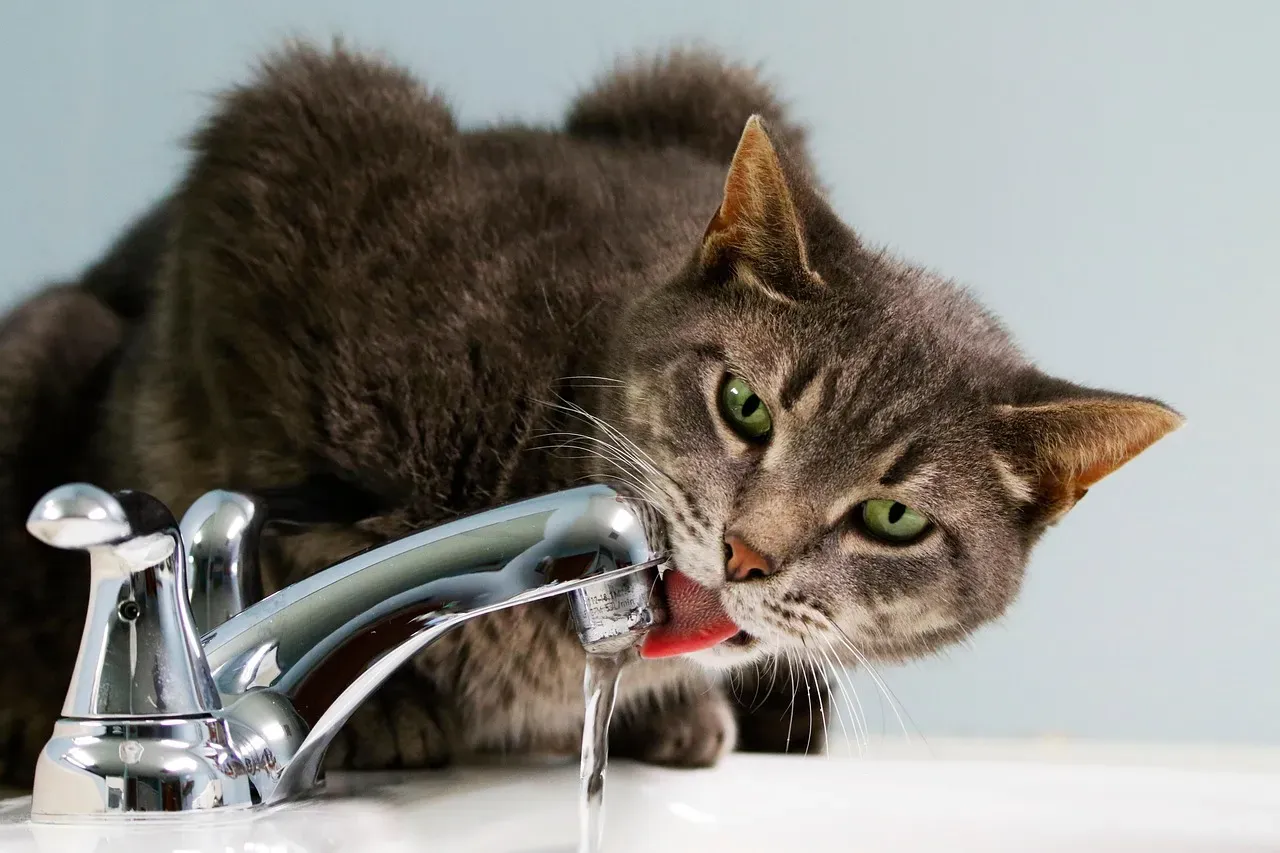
In the wild, standing water poses a greater risk for contamination, so cats instinctively deem moving water safer. That’s why your cat insists on drinking from your bathroom faucet while ignoring their perfectly good water bowl. This behavior isn’t them being picky – it’s an ancient survival instinct kicking in.
This behavior might be instinctive – in the wild, moving water is often fresher and safer to drink than stagnant water. Some cats also simply enjoy the visual stimulation of moving water. The way water flows, catches the light, and creates ripples fascinates cats on a fundamental level. You might catch your cat pawing at the stream, trying to understand this mysterious moving substance. Some cats become so fixated they’ll wait by the sink, meowing until you turn on the tap.
Strings and Ribbons: The Slithering Prey
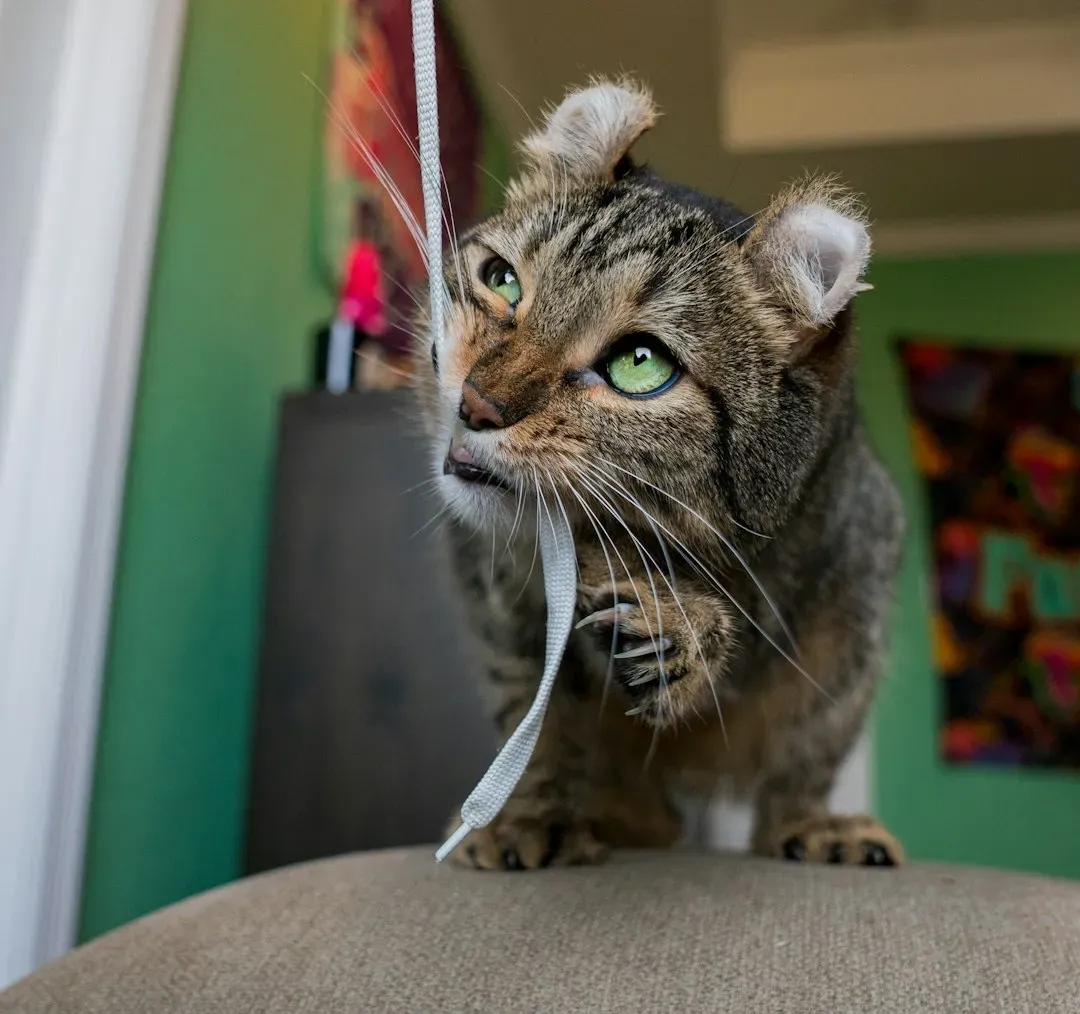
String and rope perfectly resemble slithering prey, ready to be captured at a moment’s notice. When your cat sees a piece of string dangling or draped across the floor, every hunting instinct in their body activates. The way string moves mimics snakes, lizards, or other small creatures that would trigger your cat’s predatory response.
Your cat’s fascination with string goes beyond just the visual – it’s about the chase, the capture, and the satisfaction of the hunt. Be careful, though. A thin string can be very dangerous if your cat swallows it, so you should always supervise them during playtime, and put string and rope out of reach when you are not around. The unpredictable movement patterns keep your cat engaged and mentally stimulated. However, never leave your cat alone with string or ribbon, as they can pose serious health risks if ingested.
Bottle Caps and Ping Pong Balls: The Perfect Prey Substitute
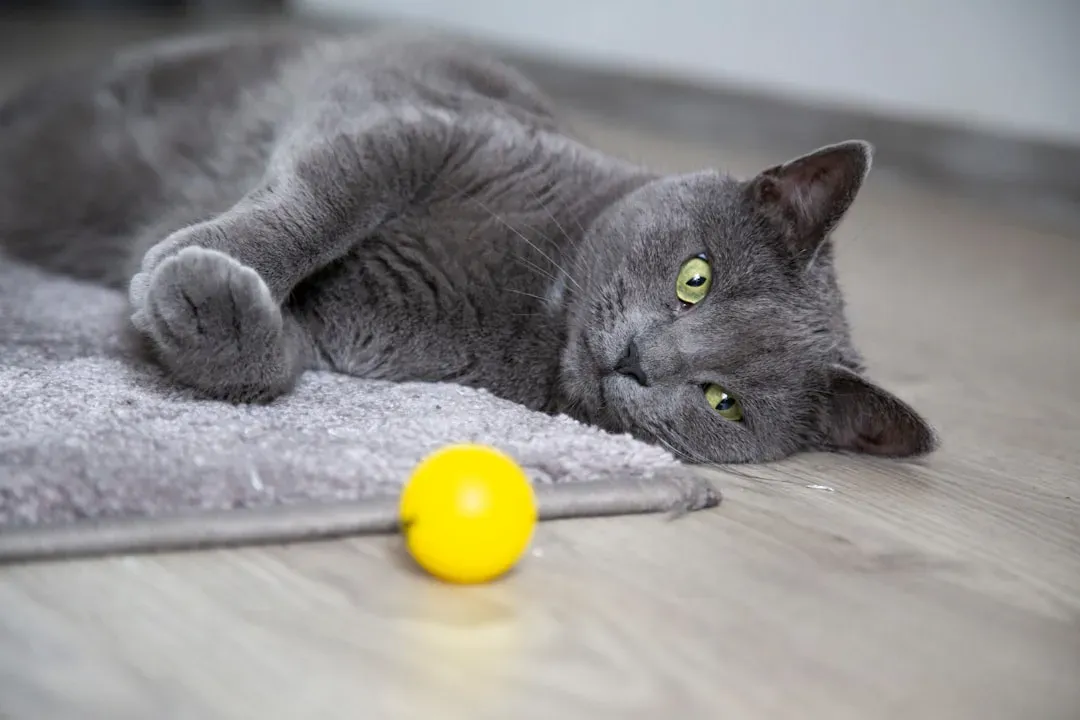
Bottle caps and ping pong balls are lightweight and easy to flick around the floor. Ping-pong balls are amusing because your cat can chase them faster than bottle caps. These small, lightweight objects become miniature prey items that your cat can bat, chase, and capture over and over again without ever “killing” them. It’s the gift that keeps on giving!
The way these objects skitter across hardwood or tile floors triggers your cat’s hunting response every single time. They’re the perfect size for your cat to grab with their paws, toss in the air, and chase down the hallway at three in the morning. The randomness of their movement patterns keeps your cat guessing and engaged. Plus, they’re essentially free entertainment that requires zero effort on your part.
Electrical Cords: The Forbidden Toy
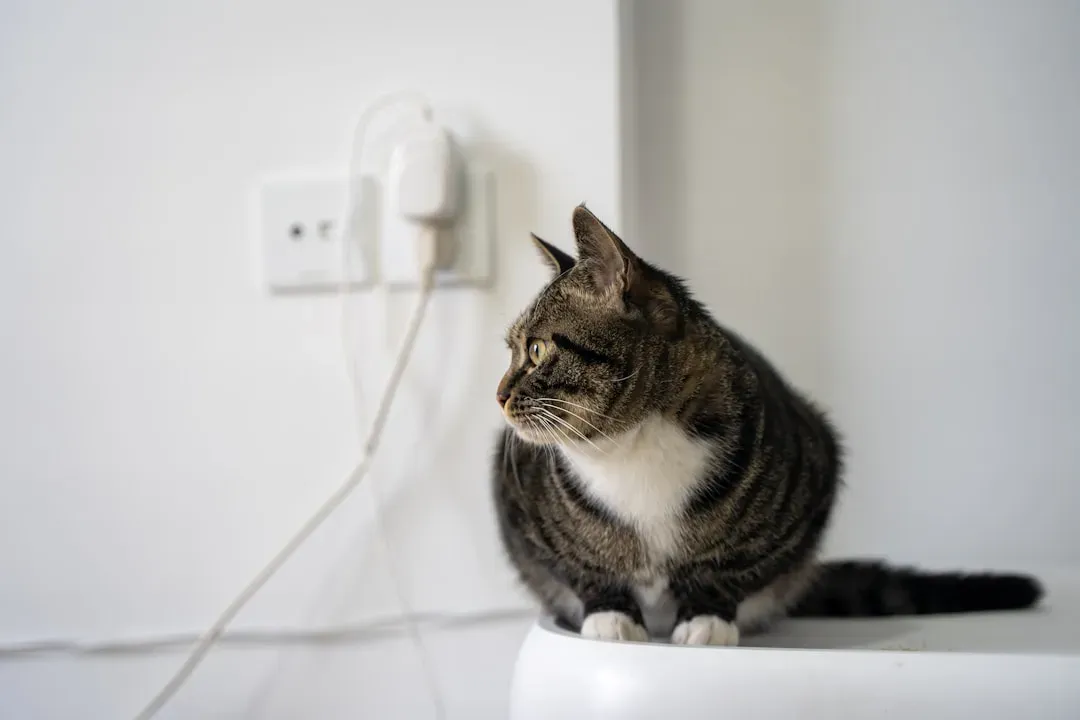
Playing with the cord may also be fun because it moves in different and unexpected ways, which piques his interest. Cords dangle, sway, and have that perfect string-like quality that cats find irresistible. Unfortunately, this fascination can be extremely dangerous and should never be encouraged.
However, chewing on electrical cords poses a significant threat. So, it is advisable to keep away electrical wiring out of the reach of cats. The texture and movement of cords appeal to cats, especially younger ones who are teething or exploring their environment. Some cats also discover that playing with cords gets immediate attention from their humans, reinforcing the behavior. You’ll need to use cord covers, bitter sprays, or strategic furniture placement to keep these dangerous “toys” away from your curious cat.
Your Computer Keyboard: The Attention Magnet
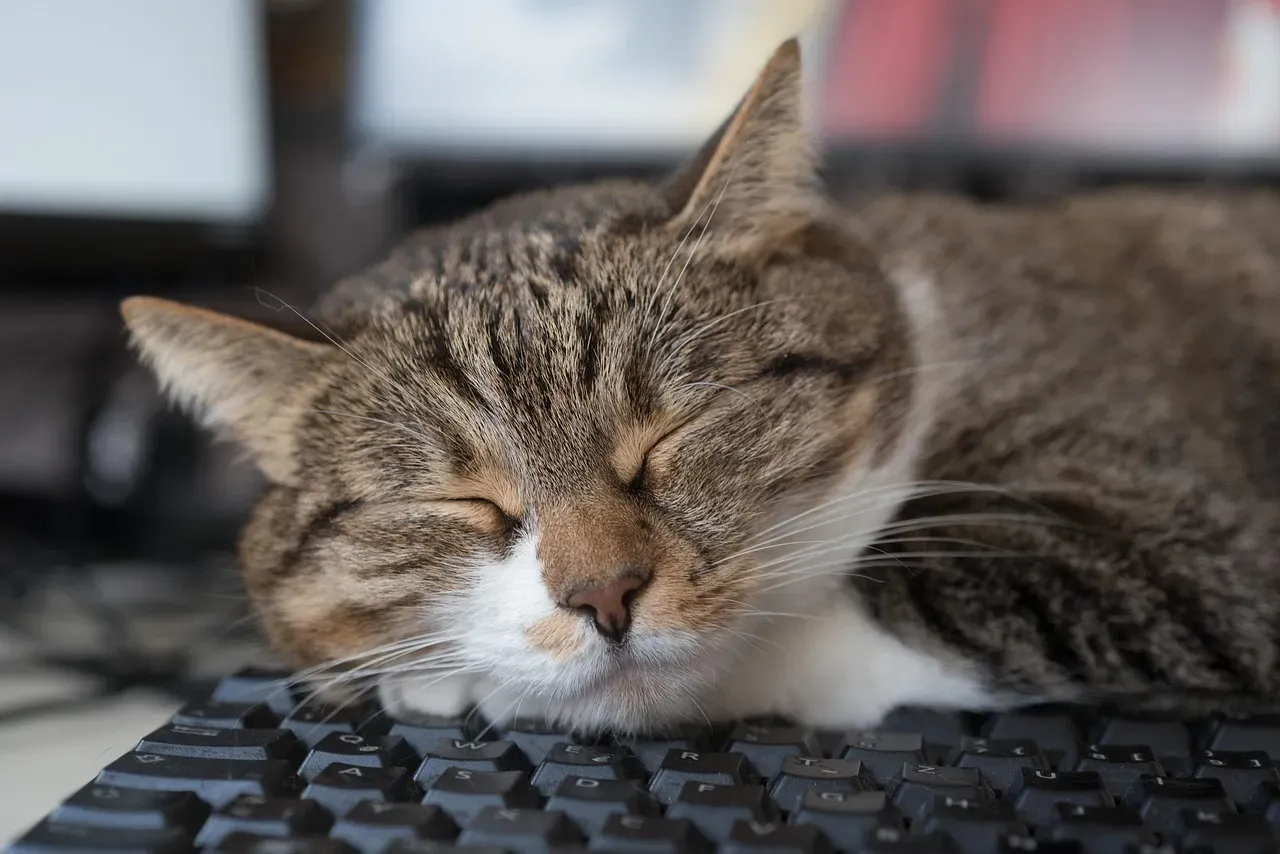
Cats may sit on or near electronics, like computers and TVs, because they’re warm and have stimulating images on their screens. Your laptop isn’t just a work tool – to your cat, it’s a heated bed with bonus entertainment features. Every time you’re focused on your screen, your cat sees an opportunity to reclaim your attention.
Here’s the thing: cats are smart enough to know that sitting on your keyboard gets an immediate reaction. Whether you gently move them or give them attention, they’ve achieved their goal. The warmth from your laptop combined with the clicking sounds you make while typing creates a sensory experience that draws cats in. Some cats even seem fascinated by the cursor moving across the screen, treating it like a game designed just for them.
Items on Tables and Shelves: The Gravity Experiment
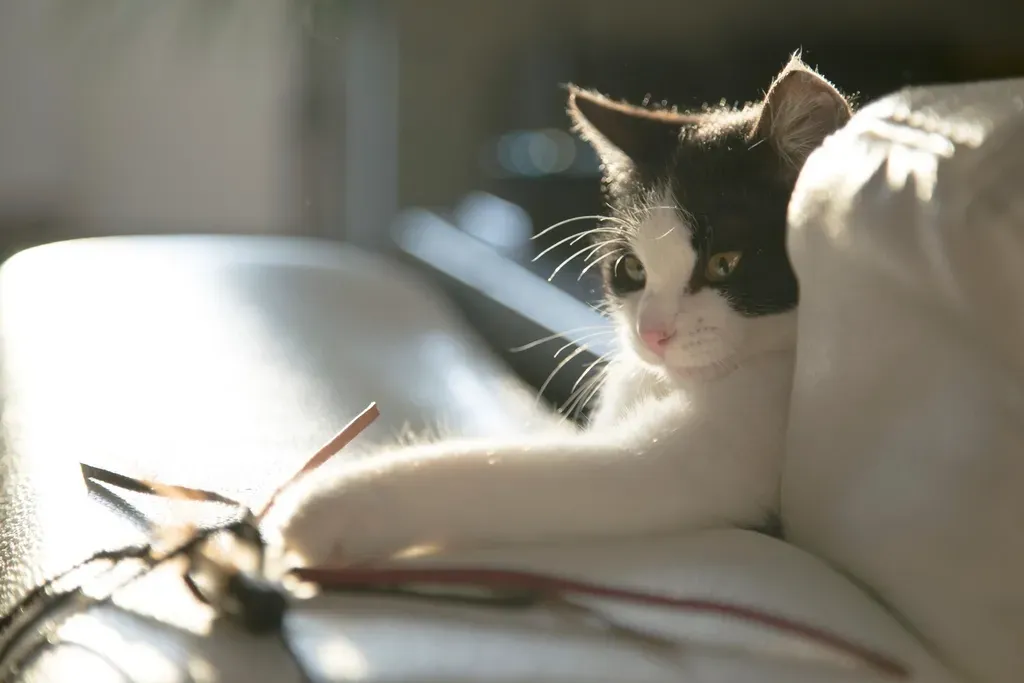
The unusual behaviour of cats knocking things over stems from their predatorial instinct and inquisitive nature whereby they are drawn to investigating new objects by swatting at them or by trying to knock them over. Your cat isn’t being destructive – they’re conducting important scientific research about gravity, physics, and your reaction time.
Most likely, your cat is simply curious or enjoys the attention he gets from you the moment something falls off the table. Each object that falls reacts differently – some bounce, some shatter, some roll away – and this unpredictability keeps your cat engaged. They’re learning about cause and effect in the most hands-on way possible. The behavior might also be a clever strategy to get your attention when they feel ignored or bored.
Plastic Bags: The Dangerous Temptation
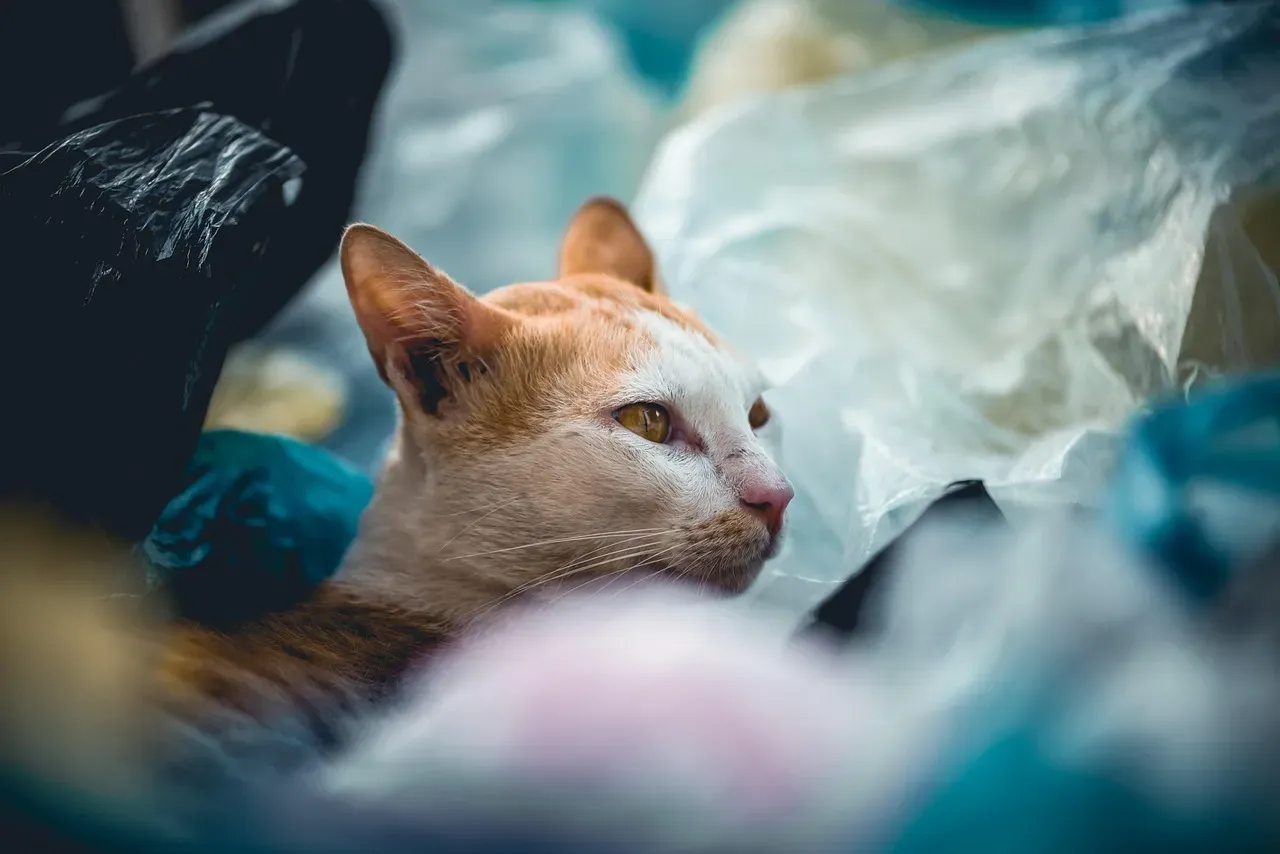
Cats find plastic bags fascinating for several reasons – the crinkling sound they make, the way they move with just the slightest touch, and sometimes even the lingering scent of food they once contained. The texture under their paws provides tactile stimulation that cats find satisfying. However, this attraction comes with serious risks.
While paper bags make excellent cat hideouts, plastic bags should always be kept away from cats and dogs. Pets can easily become trapped or entangled in plastic bags, potentially suffocating them. The thin material can tear easily, creating small pieces that cats might ingest. Despite their curiosity, plastic bags should never be offered as toys. Store them safely out of reach and dispose of them properly to keep your curious cat safe.
Hair Ties and Rubber Bands: The Elastic Enemy
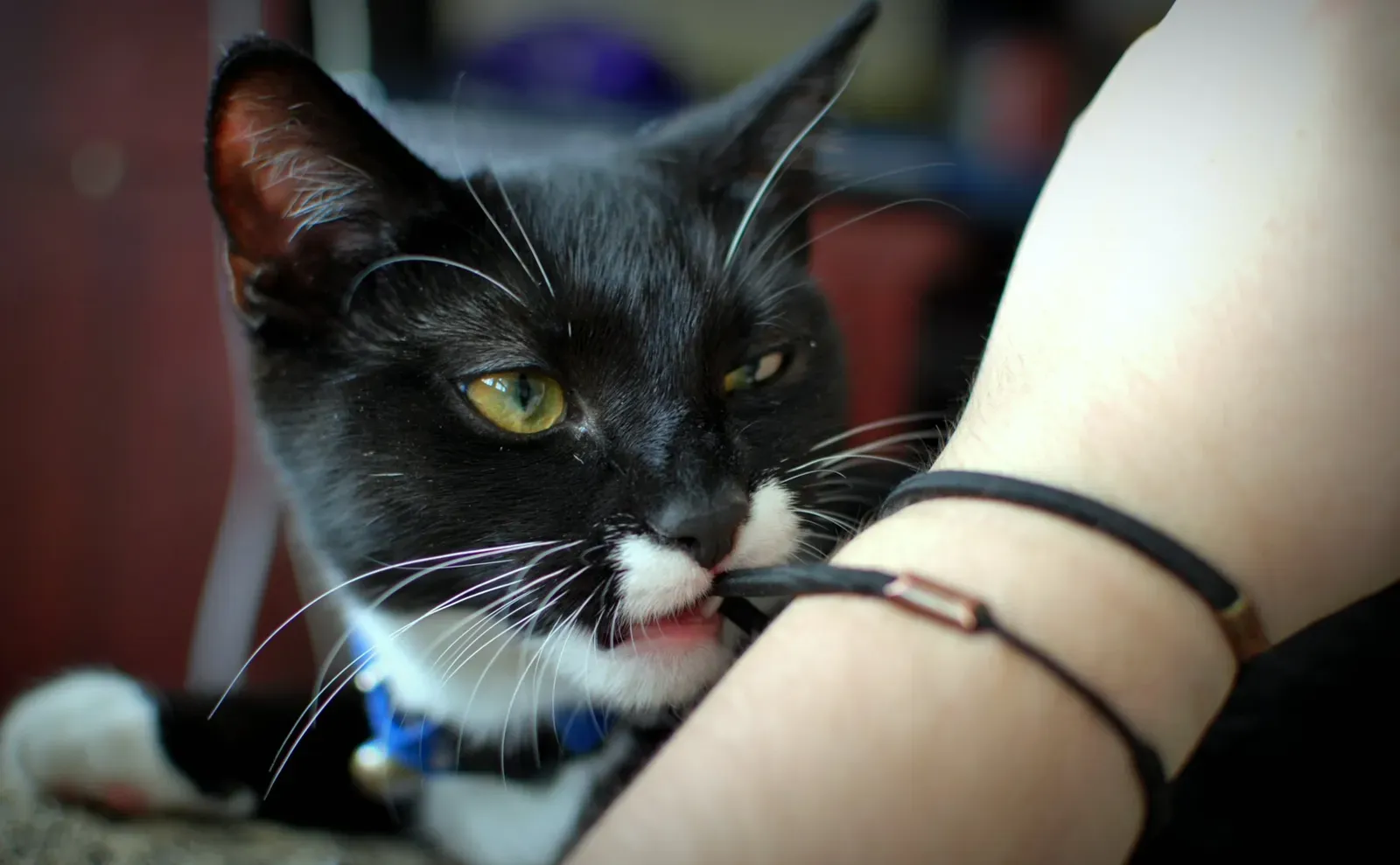
Elastic or rubber bands entice cats because they are small, easy to bat around and can be flung across the floor for a good chase. However, they are also quite easy to swallow, potentially leading to choking or obstructions. The springy nature of these objects makes them behave unpredictably, which is exactly what triggers your cat’s prey drive.
Many cats become obsessed with hair ties, stealing them from bathrooms and bedrooms to play with or collect. The texture is satisfying to chew, and they’re the perfect size to carry around like trophies. Unfortunately, this fascination can turn deadly if your cat swallows one. Rubber bands and hair ties are among the most common causes of intestinal blockages in cats. Keep these items secured in drawers and be vigilant about picking up any you find lying around.
Crinkly Paper: The Sound Sensation

Crumpled paper balls create a symphony of sounds that cats find absolutely mesmerizing. Each touch produces a satisfying crunch that mimics the sounds of small creatures rustling through leaves or underbrush. Your cat’s sensitive hearing picks up every subtle variation in the crinkling sound, making it an endless source of entertainment.
They might swat at strings, dive into boxes, crinkle paper bags, or paw at household items just to see how they move. The lightweight nature of paper means it moves easily when batted, triggering chase behaviors. Crinkled paper also holds scents well, so if you’ve handled it, your cat is engaging with your scent while playing. It’s a cheap, safe option that provides both auditory and tactile stimulation for your curious feline.
Running Water in Sinks: The Interactive Beverage Station
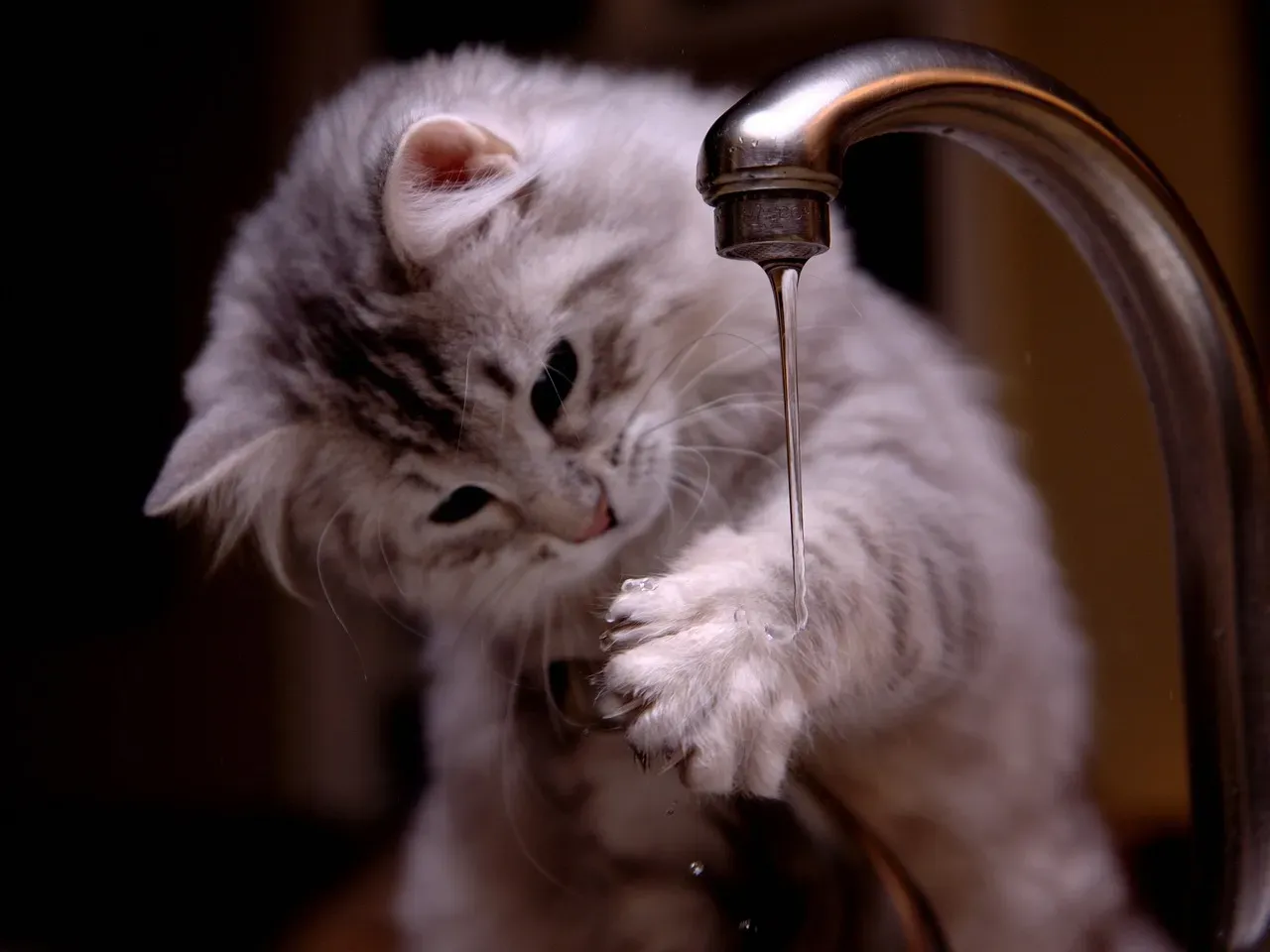
Your cat’s obsession with drinking from the bathroom sink isn’t just about water preference – it’s about engagement and entertainment. The running faucet transforms a boring necessity (drinking water) into an interactive experience. Cats are naturally drawn to movement, and flowing water checks all their boxes.
Cats have more rods in their eyes when compared to humans, and therefore, are able to perceive motion better than us. This is why cats are drawn to and stare at moving or flowing objects almost methodically. The visual appeal of water catching the light, creating ripples, and constantly changing keeps your cat engaged. Some cats will spend several minutes pawing at the stream, trying to “catch” the water. Others prefer to drink while the water is running, finding it fresher and more appealing than still water in a bowl.
Your Feet and Hands: The Moving Targets
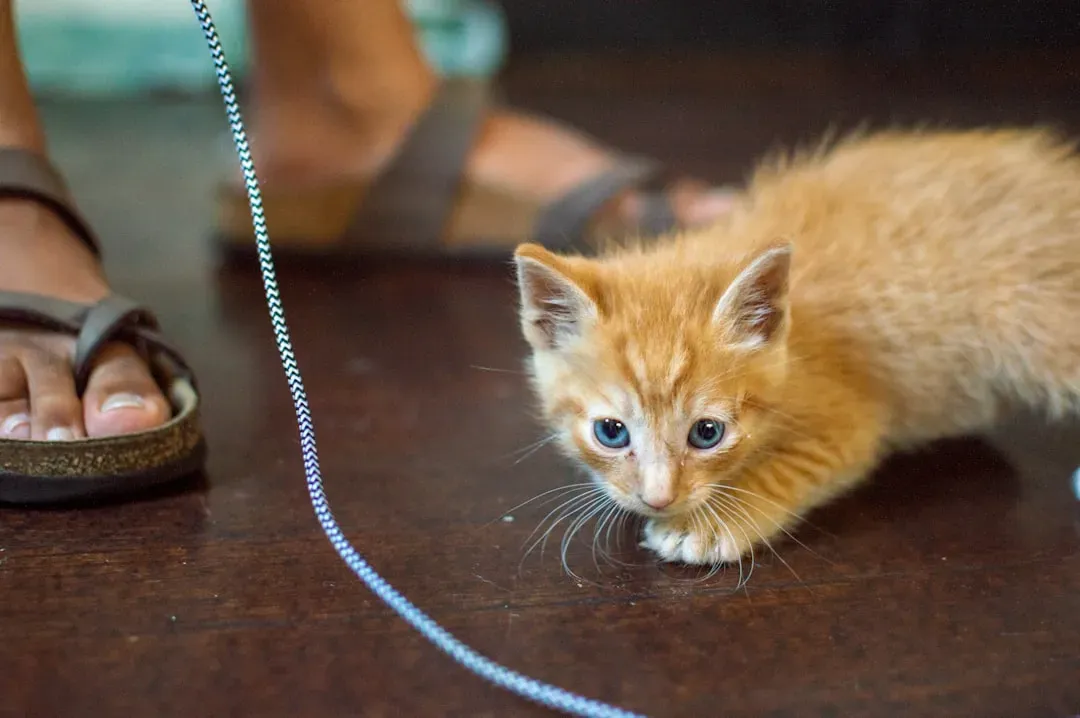
Your wiggling toes under the blanket or your hand moving across the couch present irresistible moving targets that trigger your cat’s hunting instincts. From your cat’s perspective, these aren’t parts of you – they’re prey items that need to be captured. The sudden movements, especially under covers, are too tempting to resist.
This fascination usually starts in kittenhood when playing with human hands and feet seems harmless and cute. As cats grow, the behavior continues but becomes more painful and problematic. Cats have strong hunting instincts. Kicking toys mimics how they catch prey. When your cat pounces on your feet, they’re practicing skills they would use in the wild to hunt and capture prey. This is why redirecting this behavior to appropriate toys early on is crucial.
Window Blinds and Curtains: The Mysterious Barrier
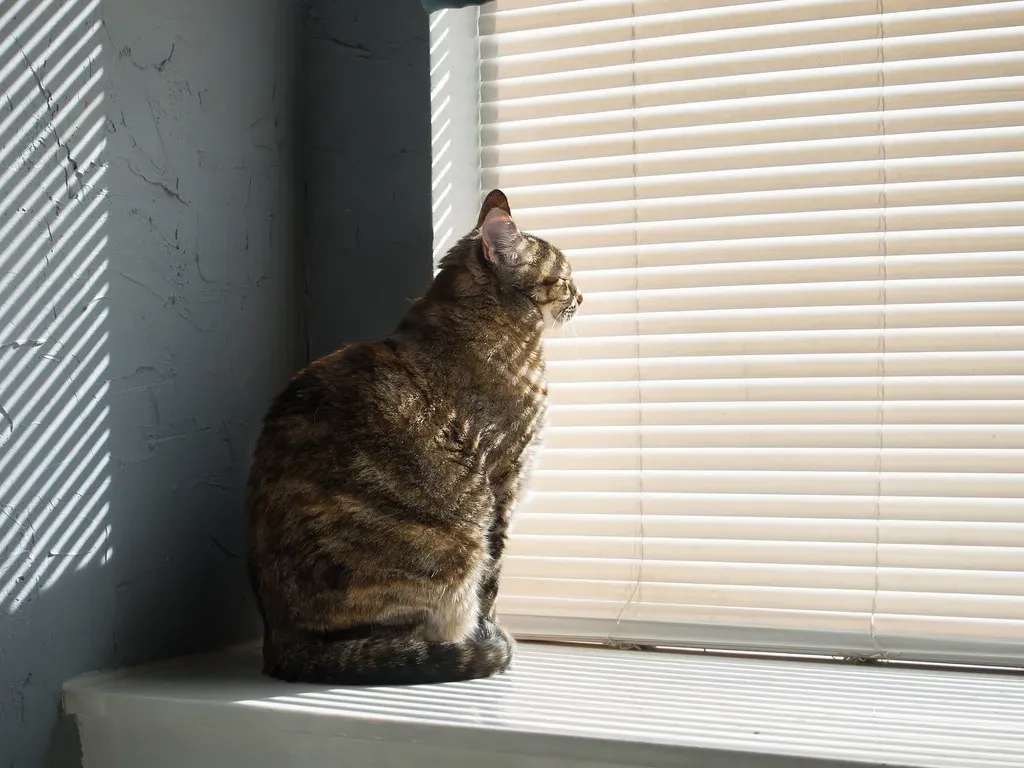
Window blinds provide everything a curious cat could want – movement, sound, and a slight barrier between them and the fascinating world outside. You’ve probably noticed how your cat likes to stare out the window, not missing anything going on outside. But she’s not just taking in and admiring the scenery outdoors. Your cat is actually keeping an eye out for prey!
The slats of blinds move independently, creating interesting patterns and sounds when touched. Curtains sway with air currents, triggering your cat’s prey drive. Your cat may part the blinds with their paw to get a better view or bat at the strings that control them. The vertical nature of curtains also makes them perfect for climbing, even though that’s probably not what you had in mind when you hung them. This fixation combines their need for environmental control with their hunting instincts and natural curiosity about territorial boundaries.
Socks and Small Clothing Items: The Portable Prey
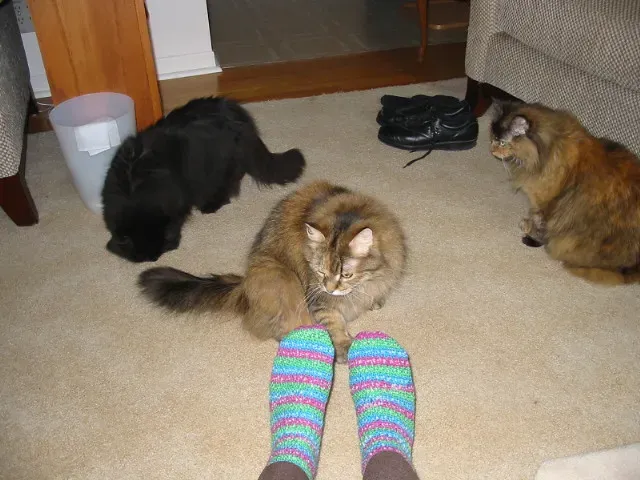
Cats may develop a habit of collecting everyday household items, like floss picks, jar lids, and pen caps. They may enjoy playing with small pieces of plastic because they have a softer texture and can make some fun noises. Socks, in particular, hold a special place in many cats’ hearts because they carry your scent strongly and are easy to carry around.
Many cat owners discover socks hidden in strange places – under furniture, in the cat’s bed, or arranged in a little collection. Your cat might grab a sock and carry it around like a trophy, meowing proudly with it in their mouth. The soft texture is satisfying to bite and kick, making socks perfect for solo play sessions. This collecting behavior is completely normal and actually shows affection, as cats are often drawn to items that smell like their favorite humans.
Conclusion: The Everyday Adventure
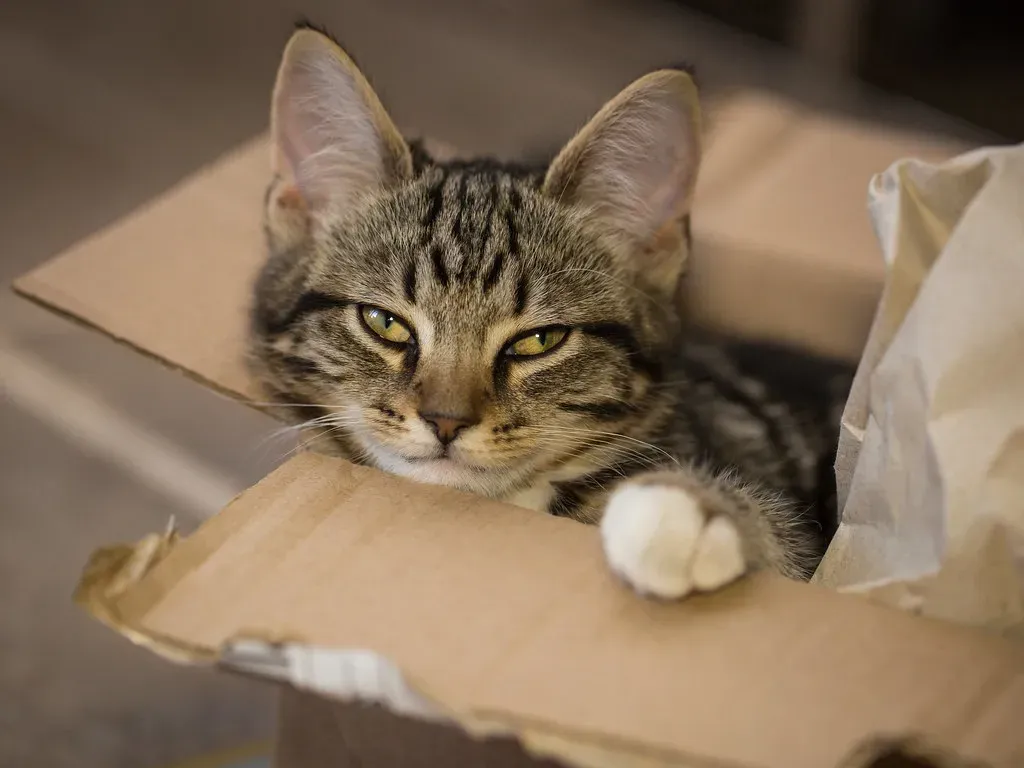
Cats are natural-born explorers. Their curiosity isn’t just adorable – it’s essential to their mental stimulation, physical activity, and social development. These seemingly random household objects serve a much bigger purpose in your cat’s life than we might realize. Each item taps into ancient instincts – hunting, hiding, exploring, and claiming territory – that modern indoor cats still need to express.
Understanding what draws your cat to these everyday objects helps you create a more enriching environment while keeping them safe. Provide appropriate outlets for their natural behaviors by offering safe versions of the things they love – cardboard boxes instead of plastic bags, thick rope instead of thin string, and supervised playtime with items that could be dangerous.
What everyday object does your cat find most fascinating? Does your furry friend have a strange obsession with something we didn’t mention? Every cat has their own unique personality and preferences, making them the wonderfully weird companions we love. Keep observing, keep playing, and remember that sometimes the best toy is the one you weren’t trying to give them at all.