Have you ever caught yourself wondering if your cat actually loves you? It’s a question that crosses the minds of many cat owners, especially when your feline friend seems more interested in the empty cardboard box than your affection. Unlike dogs that wear their hearts on their sleeves with wagging tails and slobbery kisses, cats express their love in ways that often fly under the radar. But here’s the thing: your cat is probably showering you with affection every single day, and you might not even realize it.
The truth is, cats speak a completely different love language. Cats are much more subtle in showing their love, which means you need to become fluent in their unique ways of communication. From peculiar body movements to strange vocalizations, each behavior carries a message waiting to be decoded. So let’s dive into the fascinating world of feline affection and discover what your cat has been trying to tell you all along.
The Slow Blink Kiss
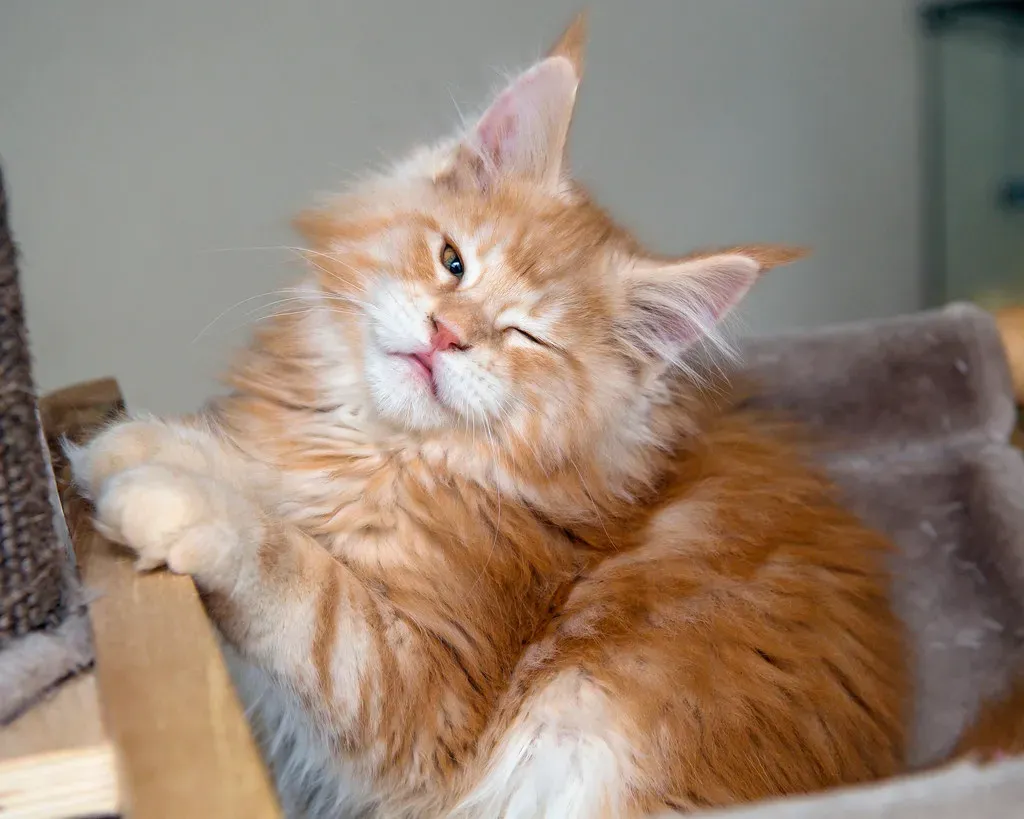
Cats will often make eye contact with lowered eyelids and steady, slow blinks. This is considered a feline version of a kiss, and honestly, it’s one of the sweetest gestures your cat can offer. When your kitty looks at you with those half-closed eyes and blinks slowly, they’re essentially saying “I trust you completely.”
This behavior isn’t random. Cats directly stare into the eyes of those that they trust and love. Think about it: in the animal kingdom, prolonged eye contact usually signals aggression or a challenge. Yet here’s your cat, deliberately making themselves vulnerable by closing their eyes in your presence. You can even slow blink back at them to return the sentiment and strengthen your bond. It’s like having a secret language that only the two of you share.
Head Bumps and Face Rubs
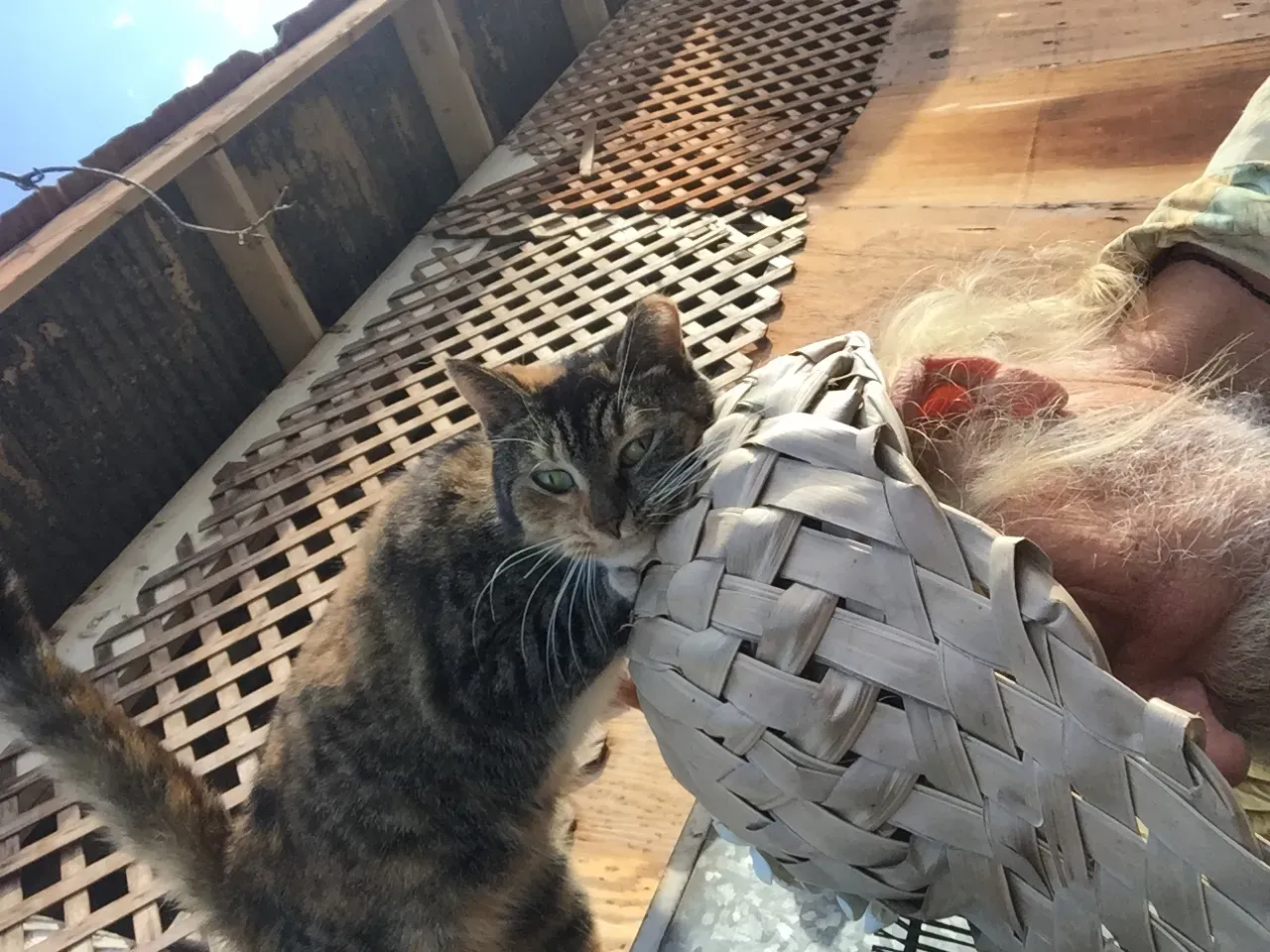
Your cat may bump their head against you or rub their cheeks against you to show affection. Headbutting is often an attempt to mark you with their scent to claim you as one of their own. This behavior, often called bunting, is way more meaningful than it appears at first glance.
When your cat presses their face against you, they’re depositing scent from glands located on their cheeks and forehead. It helps cats bond and is offered to their humans to show love. Basically, your cat is saying “you belong to me” in the best possible way. They’re marking you as part of their family, their safe circle. Let’s be real, there’s something incredibly special about being chosen by a cat.
The Kneading Ritual
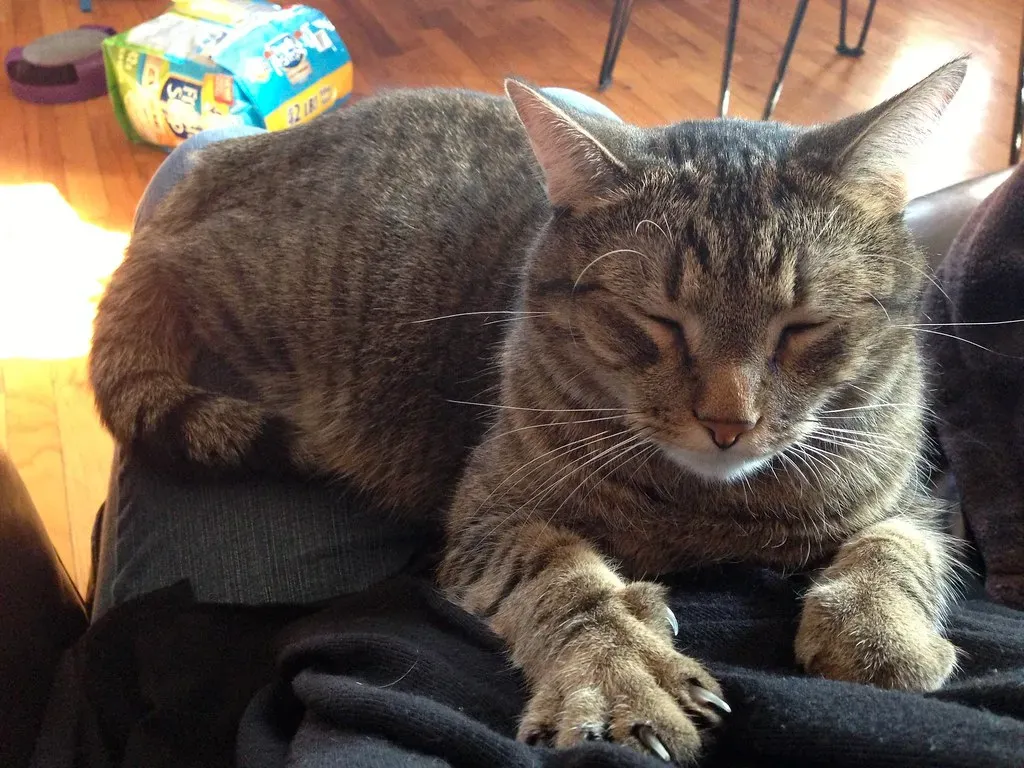
You might know this as “making biscuits,” and it’s one behavior that always melts hearts. This is a behavior that begins in kittenhood and is associated with nursing on their mother. Kneading is believed to bring comfort by releasing endorphins to reduce stress and promote relaxation. When your cat does this on your lap, they’re essentially transported back to their happiest, safest memories.
Relaxed cats that knead are showing contentment. They will often knead when you gently pet or stroke them. Sure, those claws might dig in a bit uncomfortably, but try to appreciate what’s actually happening here. Your cat feels so safe and loved in your presence that they’re reverting to kitten behavior. That’s a pretty incredible compliment when you think about it.
The Gift Giver
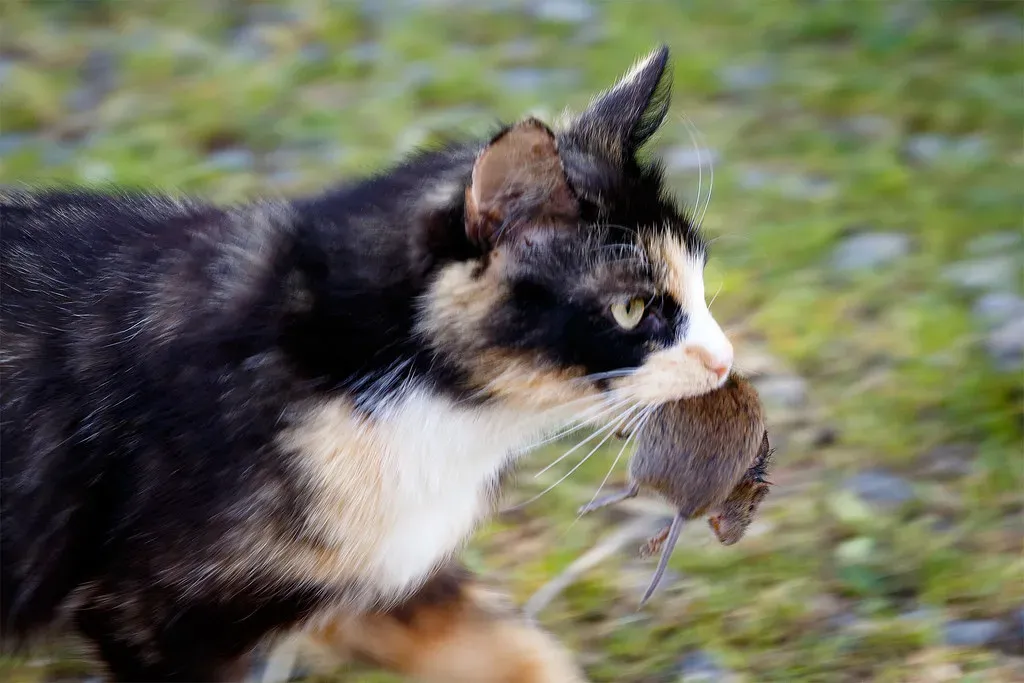
Let’s address the elephant in the room – or rather, the dead mouse on your doorstep. This behavior is a sign of love and trust from your cat. By bringing you gifts, your cat is sharing its “hunt” with you, showing that they consider you part of their family. I know it sounds crazy, but those unwanted presents actually mean your cat thinks you’re worthy of sharing resources with.
They see you as a member of their “pride” and are essentially sharing their hunting successes with you. This instinct is deeply rooted in their DNA and is a way for them to bond with you. Whether it’s a toy mouse or an actual rodent, the sentiment remains the same. Your cat is trying to contribute to the household and show that they’re a valuable member of your shared family unit.
Following You Around
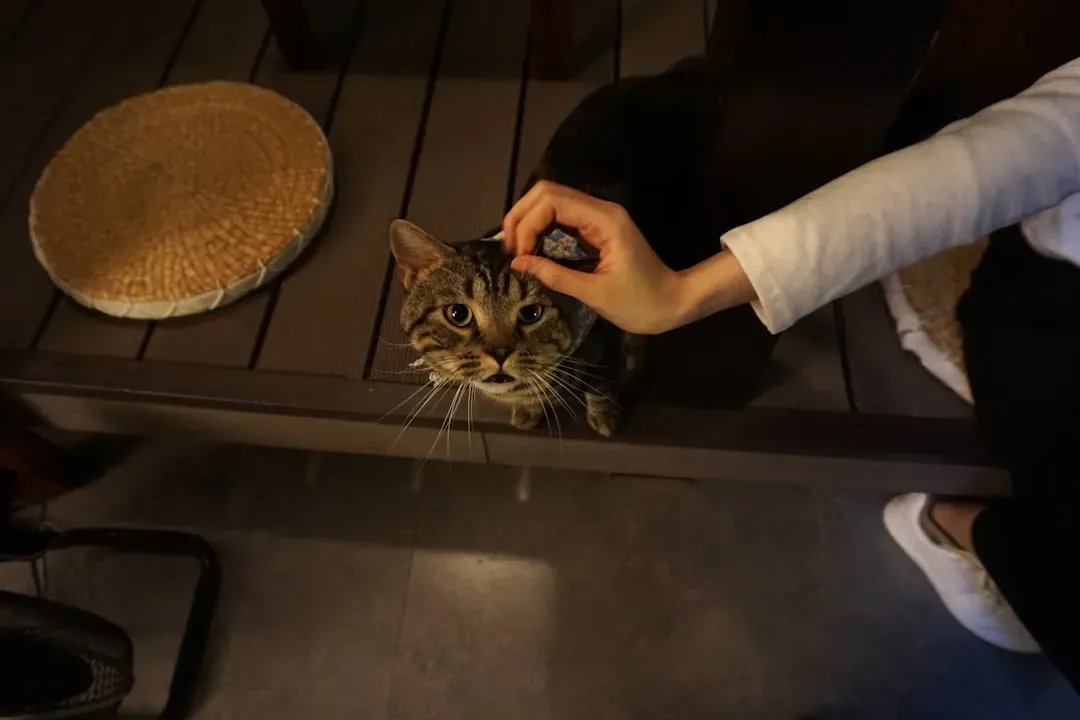
If a cat stalks you and follows you around, it is seeking your attention and companionship. This speaks highly of you, as your company has not only been accepted but also is highly desired. It’s hard to say for sure, but this might be one of the clearest signs your cat is obsessed with you in the sweetest way possible.
Think about your cat’s independent nature for a second. These are creatures that value their alone time and personal space. So when your feline friend consistently chooses to be near you, even following you from room to room, that’s significant. If your cat is clingy and always wants to be around you, then that’s a strong sign they’ve imprinted on you. They’ll follow you around the house, make noises at you, sleep with you, and just generally be obsessed with you.
Tail Language of Love
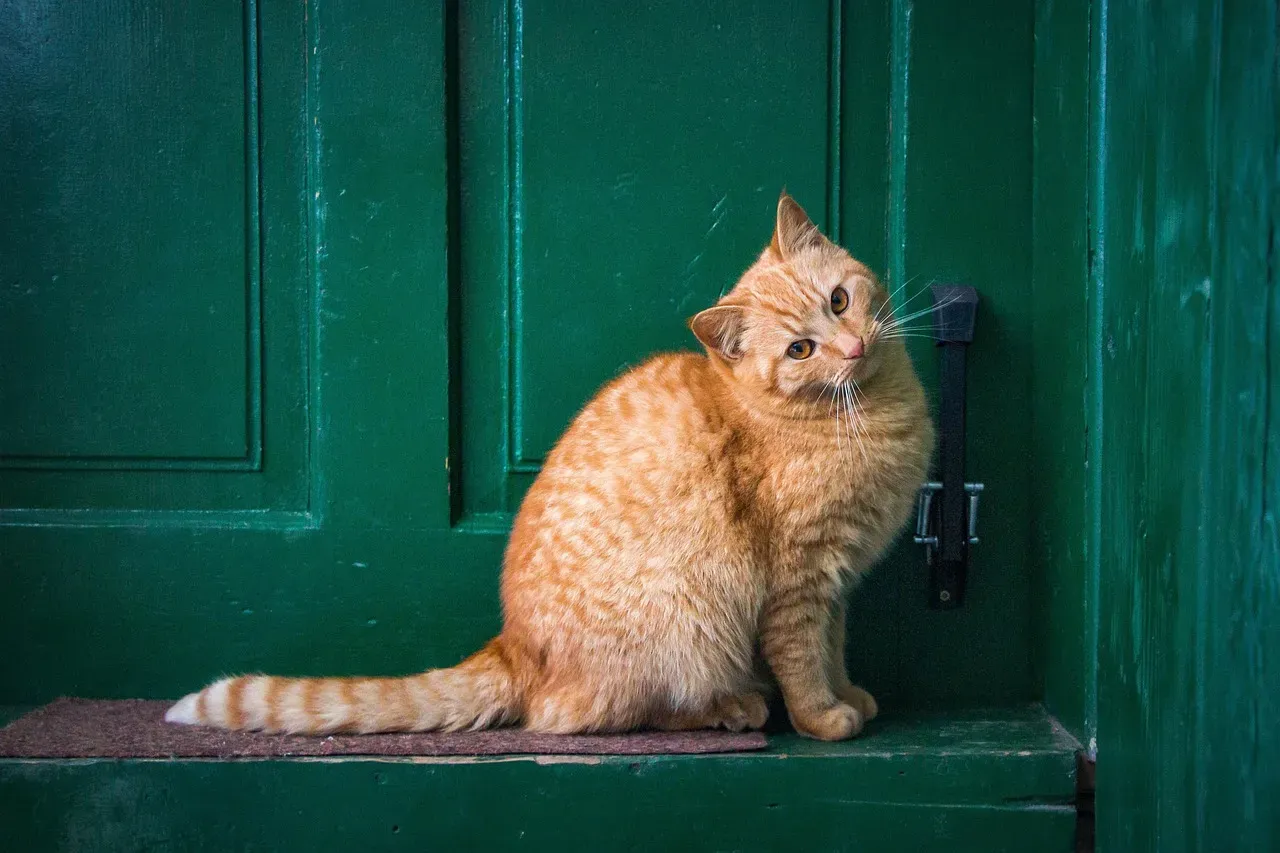
When showing affection cats use their body and tail as a form of expression. Sometimes by winding their way through your legs, or even just by sitting close enough so that their tail touches you when they swing it. The position and movement of your cat’s tail can tell you volumes about their emotional state.
If coming toward you with their tail up and curled, they really like you and they recognize you as a positive social interaction. That little question mark shape at the top of an upright tail is your cat’s way of saying hello with genuine happiness. When your cat wraps their tail around you, it’s essentially a feline hug, claiming you as theirs while simultaneously showing affection and comfort in your presence.
Purring in Your Presence
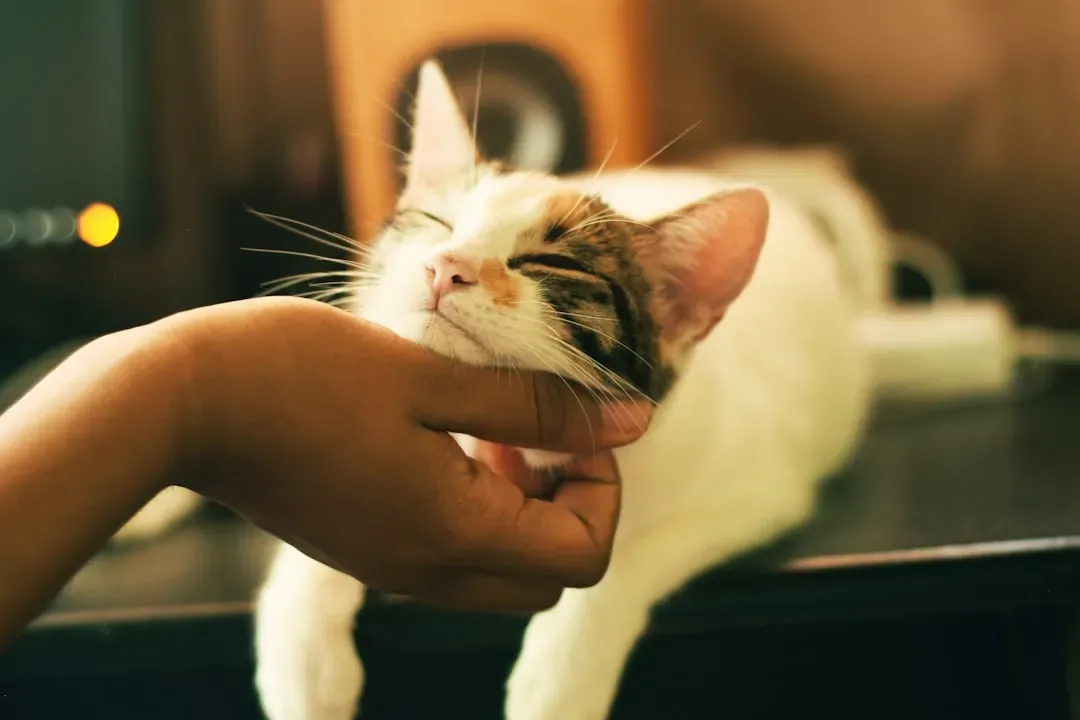
If your cat purrs contently when they are around you, there’s a good chance they also feel bonded with you and is relaxed in your presence. That rumbling sound is like your cat’s internal happiness meter, and when it’s running while they’re near you, you’re definitely doing something right.
Here’s the thing: purring isn’t always about happiness or comfort, as cats sometimes purr when stressed or in pain. But if your cat’s just hanging out at home and they’re near you, and suddenly you hear the motor go on, that’s a pretty good sign that they love you. The frequency and context matter. A cat curled up beside you, purring away without any signs of distress, is essentially broadcasting their contentment with your companionship.
Grooming You
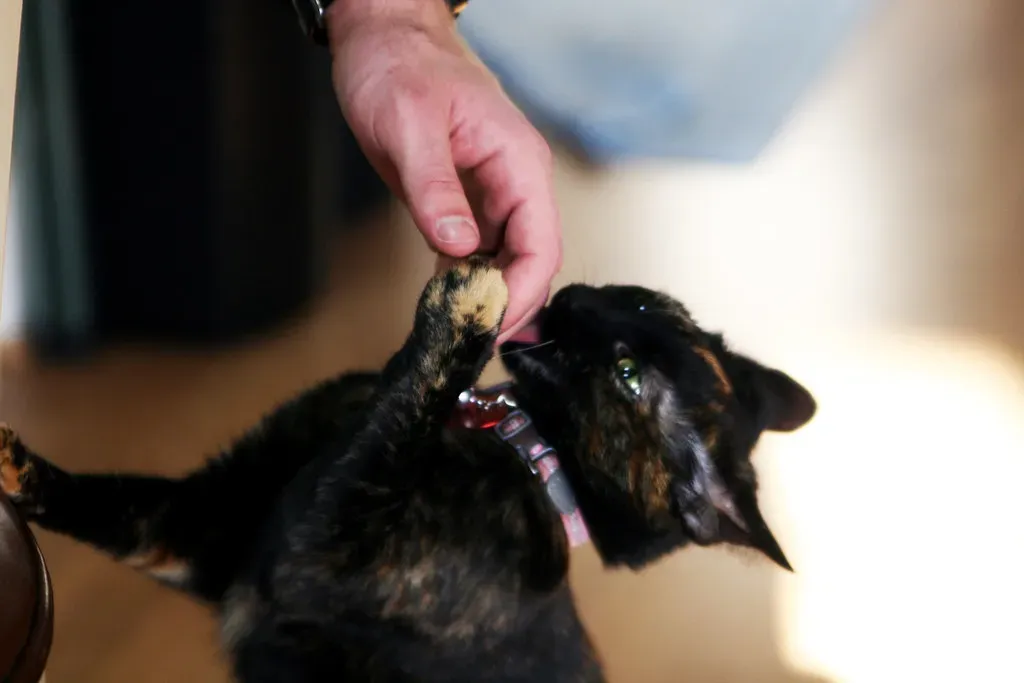
Cats groom each other as a display of affection, and this behavior will extend to humans when trust is built. Licking is similar to the grooming cats perform on their feline friends, allowing them to mark each other and build their bond. When your cat starts licking your hair or skin, they’re treating you like another cat – the highest honor in the feline world.
When a cat licks your skin or hair, it’s mimicking the grooming behavior they use with other cats. This action signifies that they see you as part of their social group and trust you enough to share this intimate behavior. Sure, that sandpaper tongue might feel a bit weird, but your cat is essentially saying “you’re family, and I want to take care of you.” That’s pretty touching when you consider the social significance behind it.
Exposing the Belly
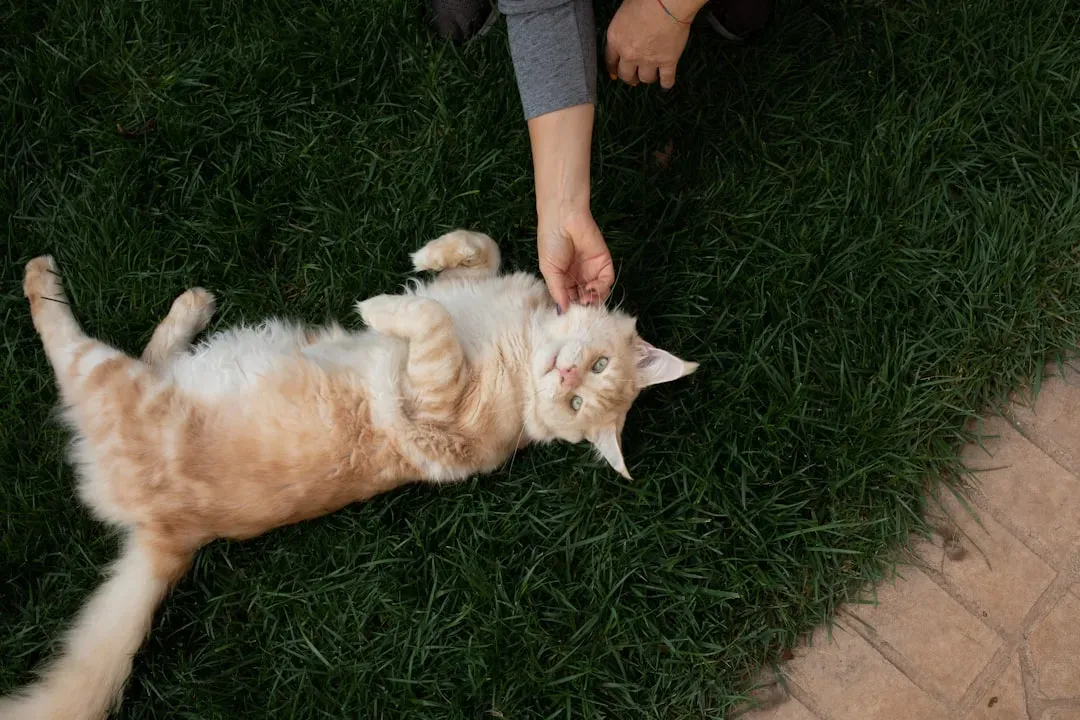
All of their organs are out in the open – stomach, kidney, heart – as both prey and predator, so for a cat to go on their back and show you their belly, they trust you not to hurt them. This is massive. Your cat’s belly is their most vulnerable area, and exposing it requires an enormous amount of trust.
Cats show their belly only when they trust us. Cats’ belly is the most vulnerable body part for them, and if our cat shows it, this has a huge meaning: our pet trusts us. Now, here’s an important caveat: showing you their belly doesn’t necessarily mean they want you to rub it. Many cats will bite or scratch if you touch their exposed tummy. It’s a display of trust, not an invitation, so appreciate the gesture without necessarily acting on it.
Sleeping Near You
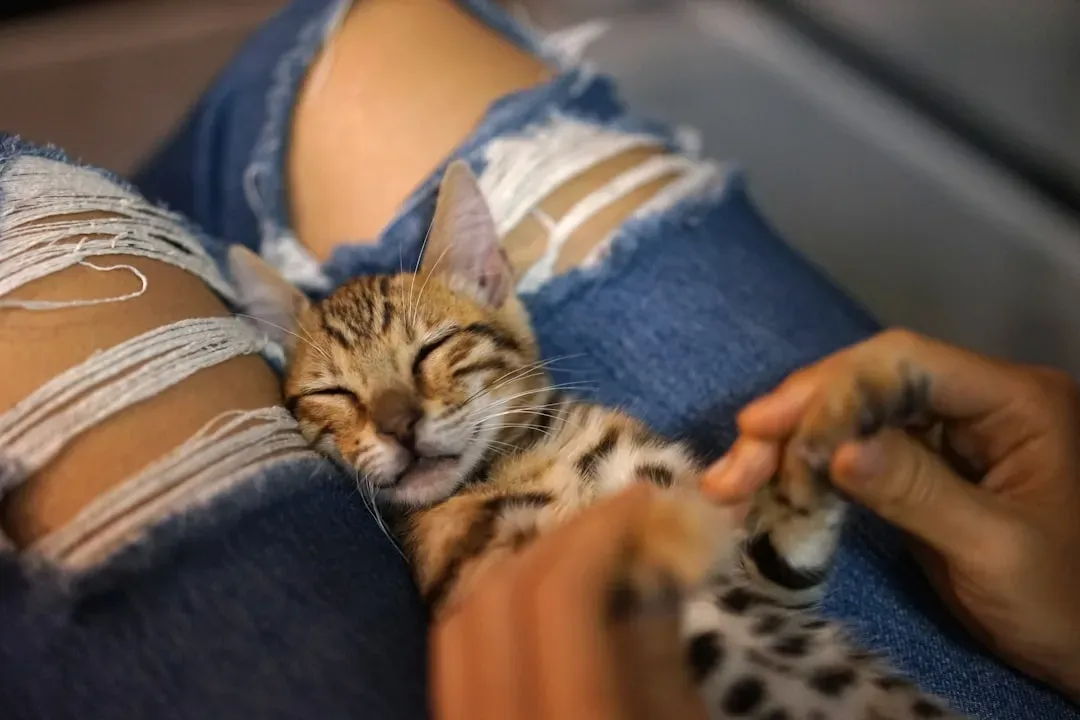
Cats can sleep anywhere from 10 to 15 hours each day. They are most vulnerable while sleeping and choose places that are safe and secure. There is no better compliment to you than a cat who chooses to fall asleep on you. This means they are completely comfortable with you and trust they are in safe and loving hands.
Think about what sleep means from your cat’s perspective. Sleep is a vulnerable state for cats. Choosing to nap next to you – or even in the same room – is a strong indicator of trust. Whether they’re sprawled across your lap, curled up beside you in bed, or simply napping in the same room, your cat is telling you that they feel completely secure in your presence. That’s not something cats take lightly.
The Chirping and Trilling
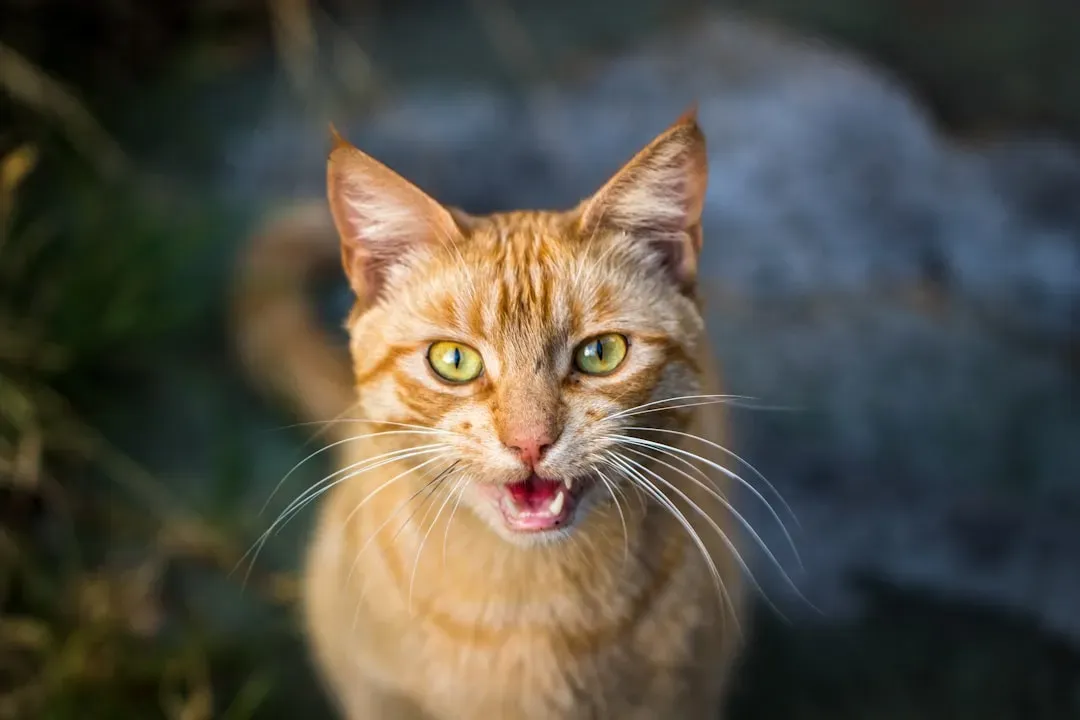
Trilling, also known as chirping, is the high-pitched, repetitive sound that cats make when they see someone they like and is trusted by them or when they are feeling content. Trilling may also be an invitation for you to spend some quality time together. It’s different from a standard meow and has a much more affectionate quality to it.
A trill is always a sign of how much your cat loves you, whereas a meow can sometimes mean annoyance too. When your cat greets you at the door with a little trill or chirp, they’re genuinely excited to see you. Honestly, few sounds are as endearing as that happy chirrup your cat makes when you walk into a room. It’s their version of saying “hey, I’m so glad you’re here!”
The Love Bite
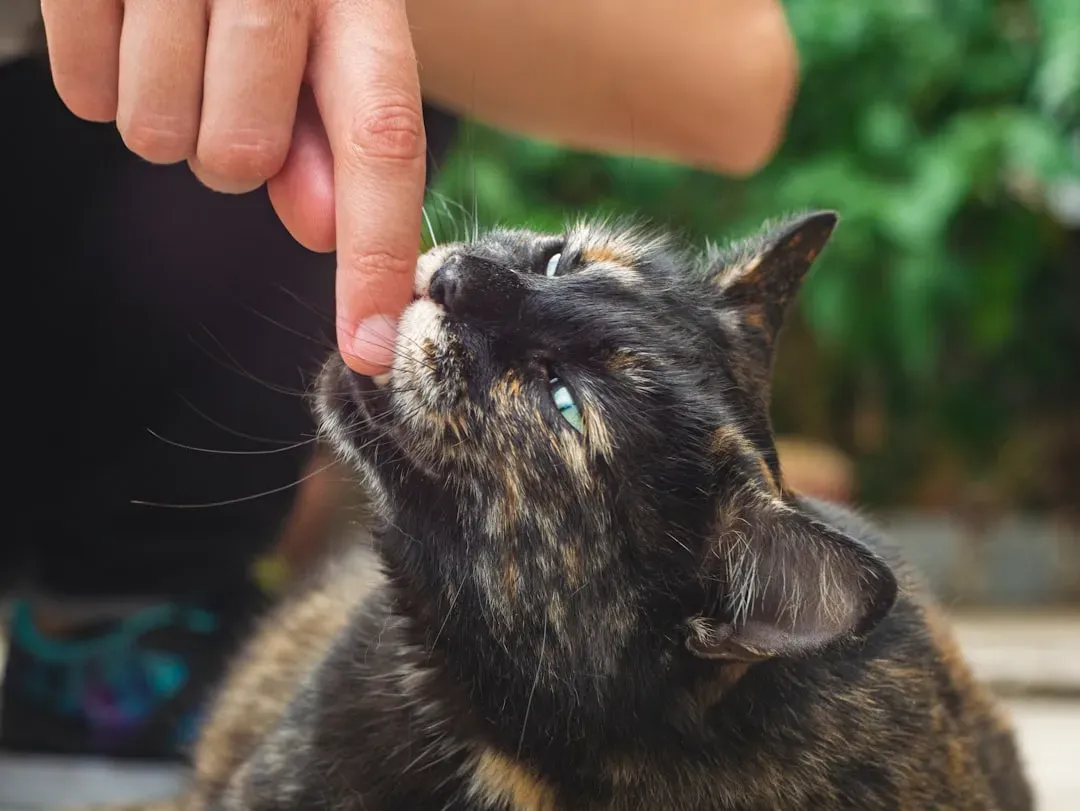
A cat’s “love bites” or nipping are not meant to cause pain. Instead, these slight pinches are used while showing affection and bonded feelings. These gentle nibbles are completely different from aggressive biting and shouldn’t break the skin or cause real discomfort.
Nipping is also linked to grooming behaviors. The affection can build up and lead to a slight nip at each other. When two cats groom each other, sometimes the affection becomes overwhelming and they’ll give each other little nips. Your cat is doing the same thing to you. It’s like they’re so full of love that they need to express it through this gentle bite. Just watch for context – if the bite is hard or accompanied by angry body language, that’s something different entirely.
Bringing You Their Toys
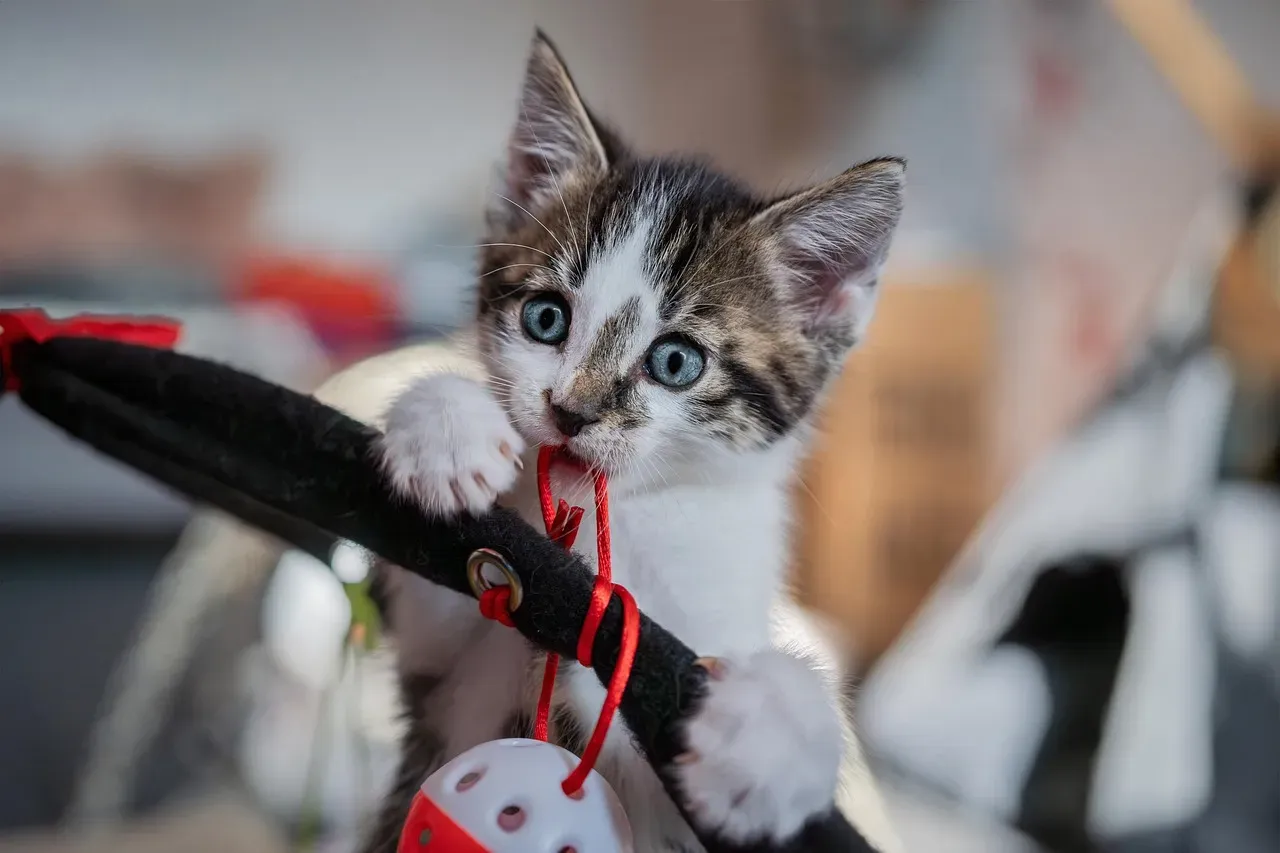
Bringing you a favorite toy or something they’ve discovered is a nod to your hard work as a pet parent. They’re letting you know you are part of their inner circle and want to share resources. When your cat drops a toy at your feet, they might be inviting you to play, but they’re also showing trust and affection.
Bringing you toys is a sign that your cat considers you family. Unlike bringing dead prey, toys usually signal an invitation to interact and play together. Your cat is essentially saying “I want to bond with you through this activity that brings me joy.” Responding positively to these invitations strengthens your relationship and shows your cat that you value their efforts to connect with you.
Meowing Just for You
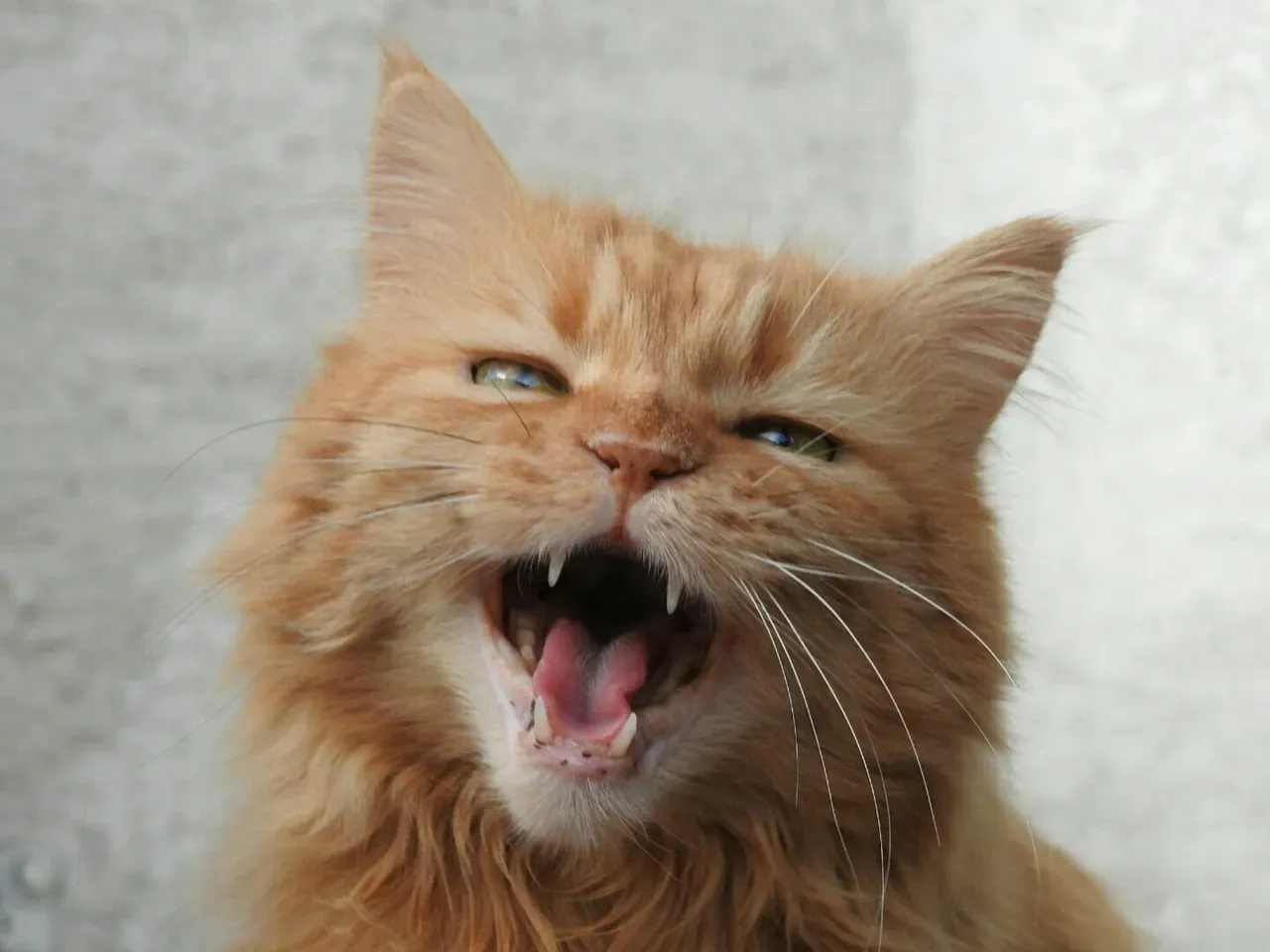
Normally, cats do not communicate with each other through meowing. Primarily, they save this vocal behavior to their interactions with humans. Whether your cat just gives you a meow here or there or meows nonstop, consider this to be their way of communicating with you and showing their love.
Cats don’t typically meow to communicate with other cats; they reserve this behavior for interacting with humans. If your cat frequently meows at you, especially with a soft, gentle tone, it’s their way of getting your attention and showing affection. Your cat has essentially developed a language specifically to talk to you. Each meow might mean something slightly different, and over time, you’ll probably start recognizing the distinction between “I’m hungry,” “play with me,” and “I just wanted to say hi.”
Choosing to Share Your Routines
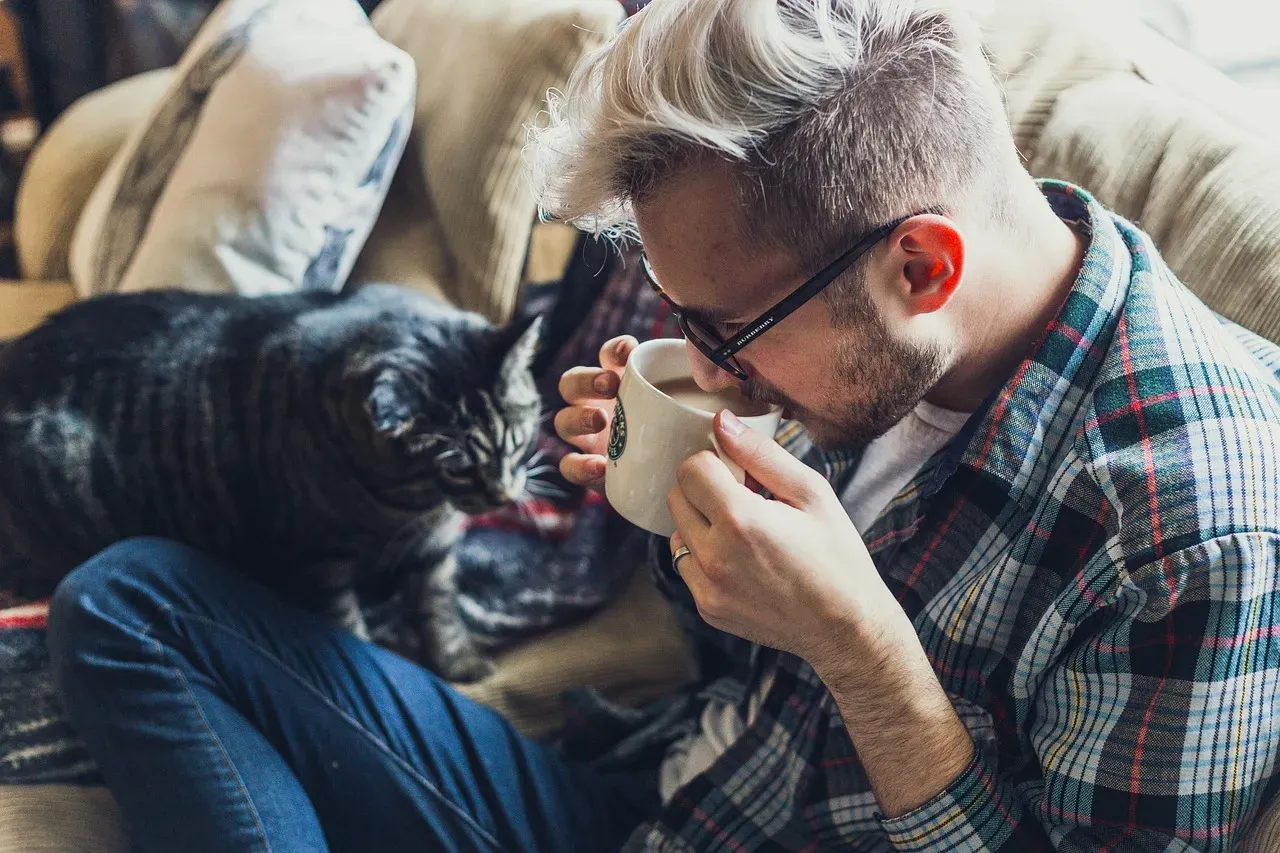
Cats are creatures of habit. If your cat consistently joins you for morning coffee or nighttime TV, that shared routine reflects a bond. These predictable moments help cats feel secure, and participating in them is a form of affection.
Your cat doesn’t have to join you for your daily rituals, but they choose to. Whether it’s sitting with you while you work, joining you in the bathroom (cats love doing that), or settling in beside you for your evening Netflix session, these repeated behaviors show that your cat actively seeks out your company. They could be anywhere in the house, doing anything else, but they’re with you. That preference speaks volumes about the bond you’ve built together.
Conclusion
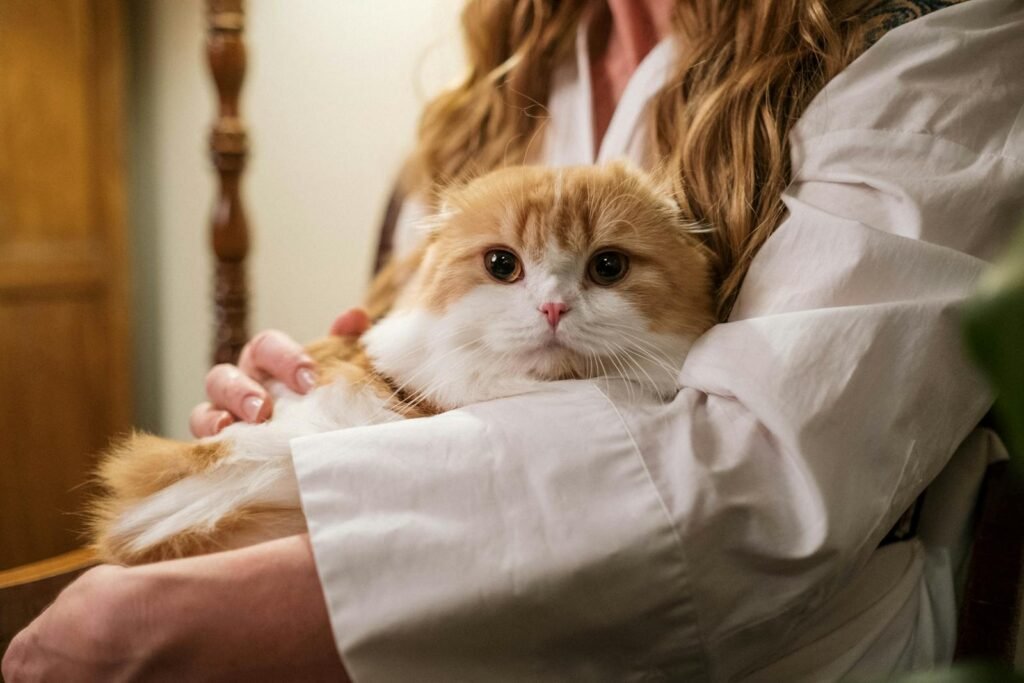
Cats might not express love the same way dogs or humans do, but their affection is just as genuine and meaningful. From slow blinks to belly displays, from following you around to bringing you gifts, every behavior reveals a cat that trusts you, values you, and yes, loves you deeply. The key is learning to recognize these subtle signals for what they really are: expressions of feline devotion.
Next time your cat headbutts you, kneads your lap with their paws, or brings you their favorite toy, remember that you’re witnessing their unique love language in action. These aren’t random behaviors – they’re deliberate acts of affection from a creature that chooses to share their life with you. Now that you know what to look for, you’ll probably realize your cat has been telling you “I love you” all along. Does your cat show affection in any of these ways? You might be more loved than you ever realized.