You know that warm, fuzzy feeling when your cat rubs against your leg? Or that proud moment when they present you with a toy mouse? Well, let’s be real. While we like to think of ourselves as loving cat owners, there’s a strong chance your feline companion has a completely different narrative running through their whiskered head. They might just see you as the one who needs caring for, not the other way around.
It’s a fascinating reversal of roles, honestly. Cats use behavior toward us that’s derived from the mother-kitten relationship, which means your little furball might genuinely view you as part of their family structure, just not in the way you’d expect. Here’s the thing: cats are surprisingly strategic creatures. They’ve spent thousands of years perfecting the art of getting exactly what they want from humans. So buckle up, because these fifteen signs might just shatter your perception of who’s really running the show in your household.
They Deposit Toys at Your Feet Like You’re Incapable of Hunting
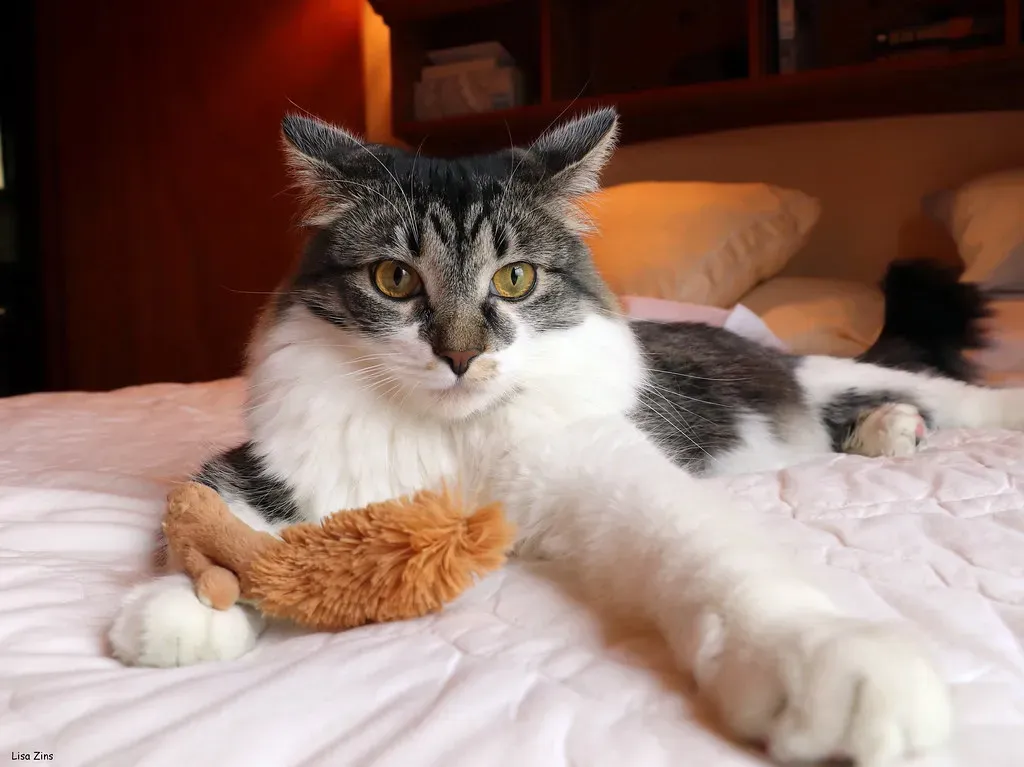
Picture this: you’re sitting on the couch minding your own business when suddenly a plush mouse lands at your feet, followed by insistent meowing. Cats’ hunting instincts are at the root of a lot of their behavior, and they’re opportunistic hunters who hunt when an opportunity presents itself. What you might think is an invitation to play could actually be your cat attempting to teach you basic survival skills.
Some experts suggest cats bring toys to “feed” you and teach you how to hunt, particularly if they view you as less competent in this department. Think of it as feline pity. Your cat has watched you open cans and use a can opener for years, and they’ve concluded you’d be utterly helpless in the wild. So they’re trying to educate you, one toy at a time. It’s almost insulting when you think about it.
They Wake You Up at Ungodly Hours Like You’re Their Responsibility
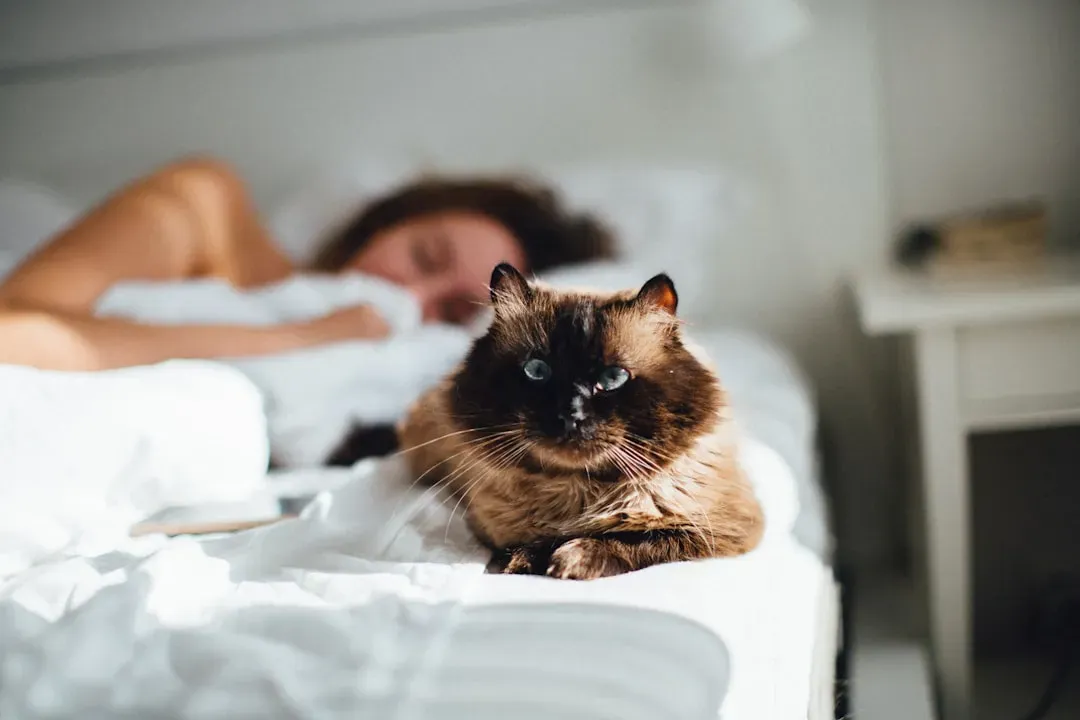
Cats are crepuscular, meaning they are most likely to hunt at dawn and dusk. So when your cat pounces on your face at five in the morning, they might genuinely believe you need waking for your own good. In their mind, sleeping through prime hunting hours is a safety hazard they simply cannot allow.
The persistence is key here. They’ll meow, paw at your face, knock things off your nightstand, whatever it takes to rouse you. Cats learn specifically how their owners react when they make particular noises, so if the cat wants to get their owner from another room, vocalizing works. They’ve basically trained you to respond, which is exactly what a caretaker does for their dependent. You’re not disciplining your cat by getting up to feed them. You’re simply proving their point.
They Mark You With Their Scent Like You’re Their Property
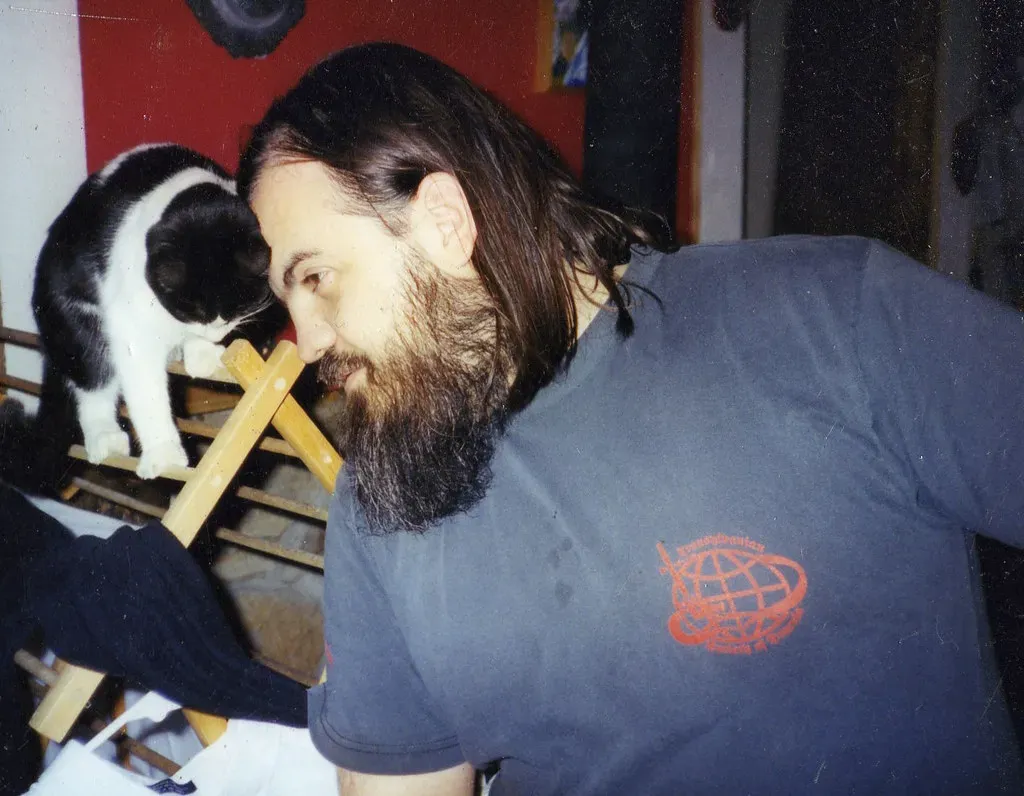
Ever noticed how your cat rubs their face against you, kneads your lap, or even headbutts you? Sure, it feels affectionate, but there’s a more calculating reason behind it. When cats knead your legs, they’re marking you with scent glands in their paws, like putting their name tag on their favorite piece of furniture. Except that furniture is you.
When cats sleep on top of you, they’re marking you and your bed as theirs. It’s a territorial declaration. Your cat essentially views you as a resource that needs to be claimed and protected from other potential feline competitors. They’re not snuggling because they love you (well, maybe a little), but because you belong to them. The hierarchy here is crystal clear, just not in your favor.
They Commandeer Your Lap Without Asking Permission
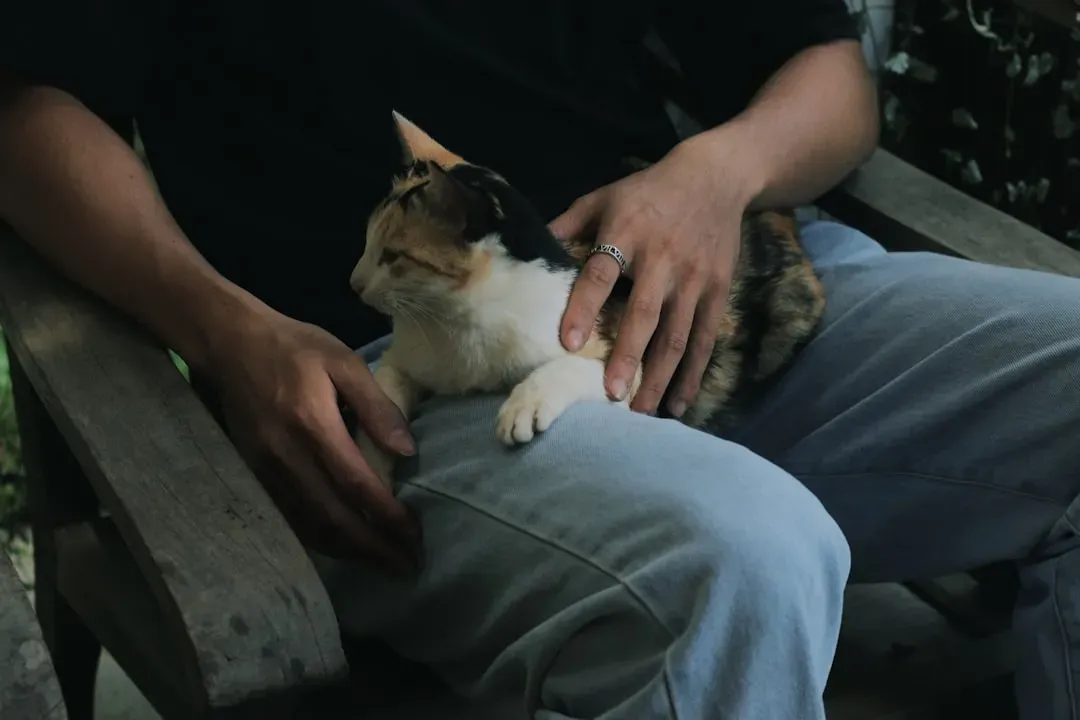
When your cat jumps onto your lap without invitation, they’re not asking permission, they’re claiming what’s rightfully theirs. There’s no polite inquiry about whether you’re comfortable or busy. They simply decide your lap is the optimal resting spot and take it. This is classic dominant behavior, and you’re enabling it every time you sit still and let them settle in.
Your lap represents the ultimate combination of warmth, comfort, and service all rolled into one convenient package. From your cat’s perspective, you exist to provide heated seating on demand. The moment you adjust your position or try to move them, they give you that offended stare as if you’ve violated some sacred agreement. And honestly, maybe you have, at least in their mind.
They Follow You Into the Bathroom Like You Need Supervision
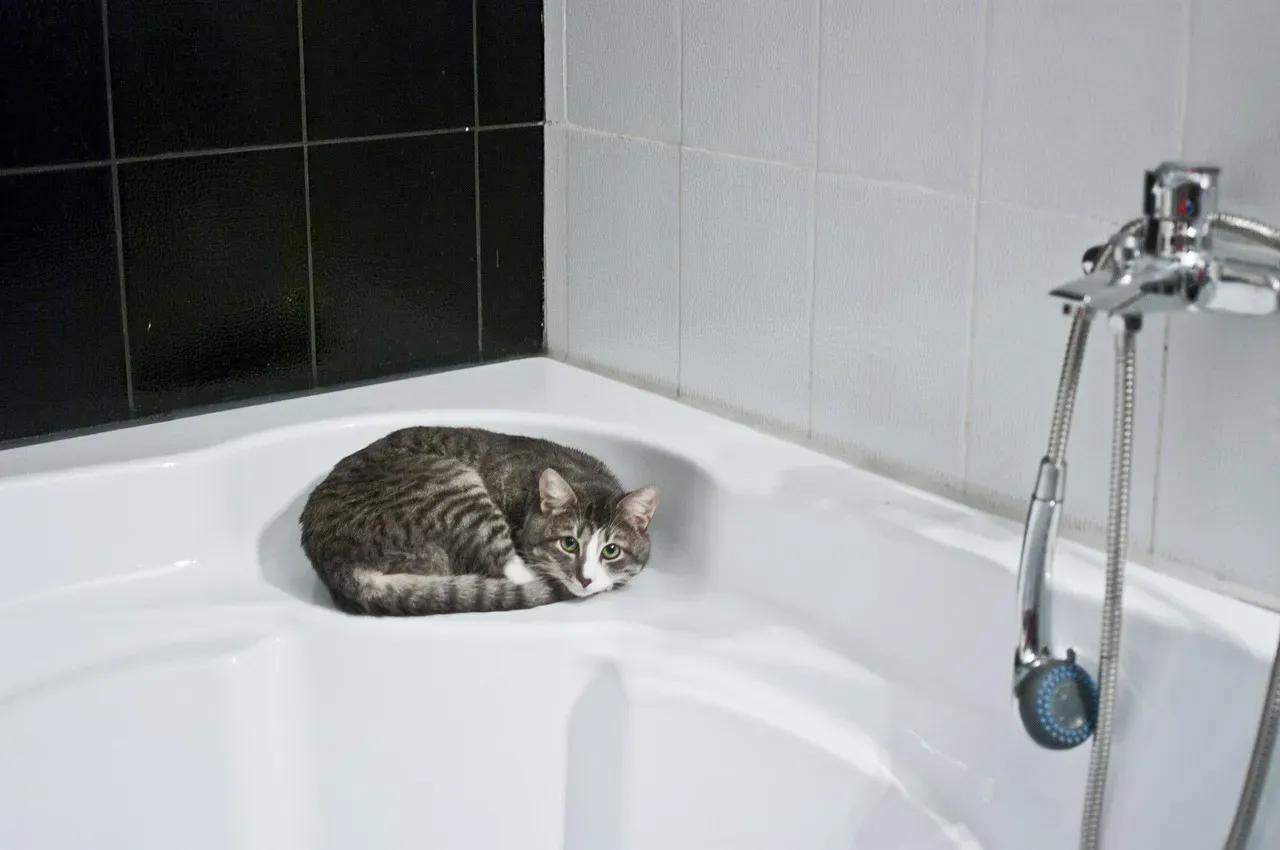
Let’s talk about one of the most invasive habits: the bathroom stalking. Your cat doesn’t follow you in there because they’re worried about your safety. They follow you because, in their view, you’re part of their social group and they need to monitor your activities. It’s the feline equivalent of micromanagement.
Some behaviorists suggest cats feel vulnerable when their humans are behind closed doors and out of sight. Translation: they can’t properly supervise you if there’s a barrier between you. Cats approach us with their tails up, snuggle or groom us, which are all signs that we are part of their social circle and someone they enjoy being around. Lovely sentiment, except it comes with zero respect for personal boundaries. Your cat has decided you’re never truly alone, whether you like it or not.
They Block Access to Other People or Pets Like a Jealous Guardian
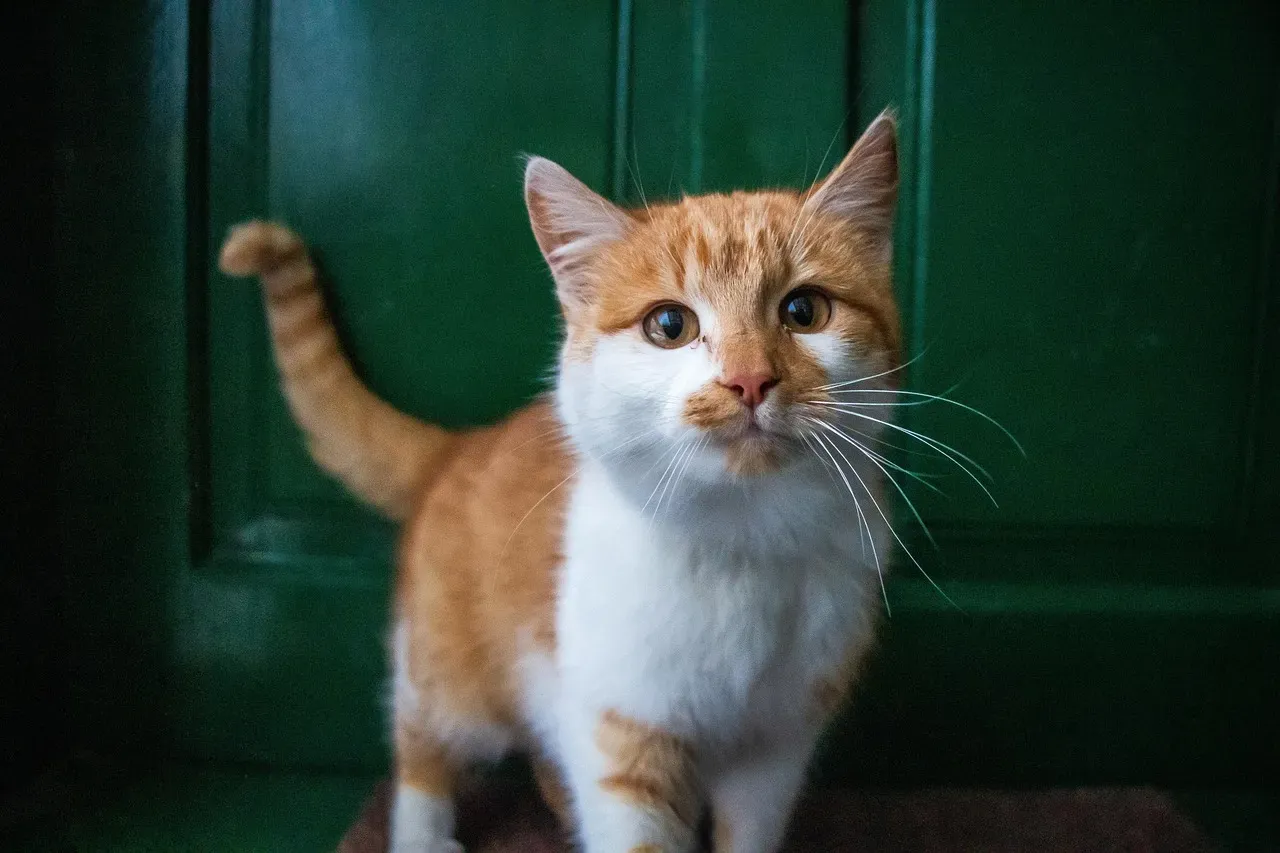
Cats that block doors with their bodies or swat at other cats as they pass are demonstrating territorial behavior, essentially becoming the bouncer of your home. When your cat positions themselves between you and a visitor, they’re not being cute. They’re establishing control over who gets access to their primary resource, which, awkwardly enough, is you.
When someone else gets your attention, your cat sees it as a direct threat to their ownership rights. The jealousy is real and palpable. Whether it’s hissing at a guest who tries to pet you or glaring at another pet who dares approach, your cat has appointed themselves as your personal security detail. Except you never asked for one, and frankly, you didn’t need one.
They Demand Feeding on Their Schedule, Not Yours
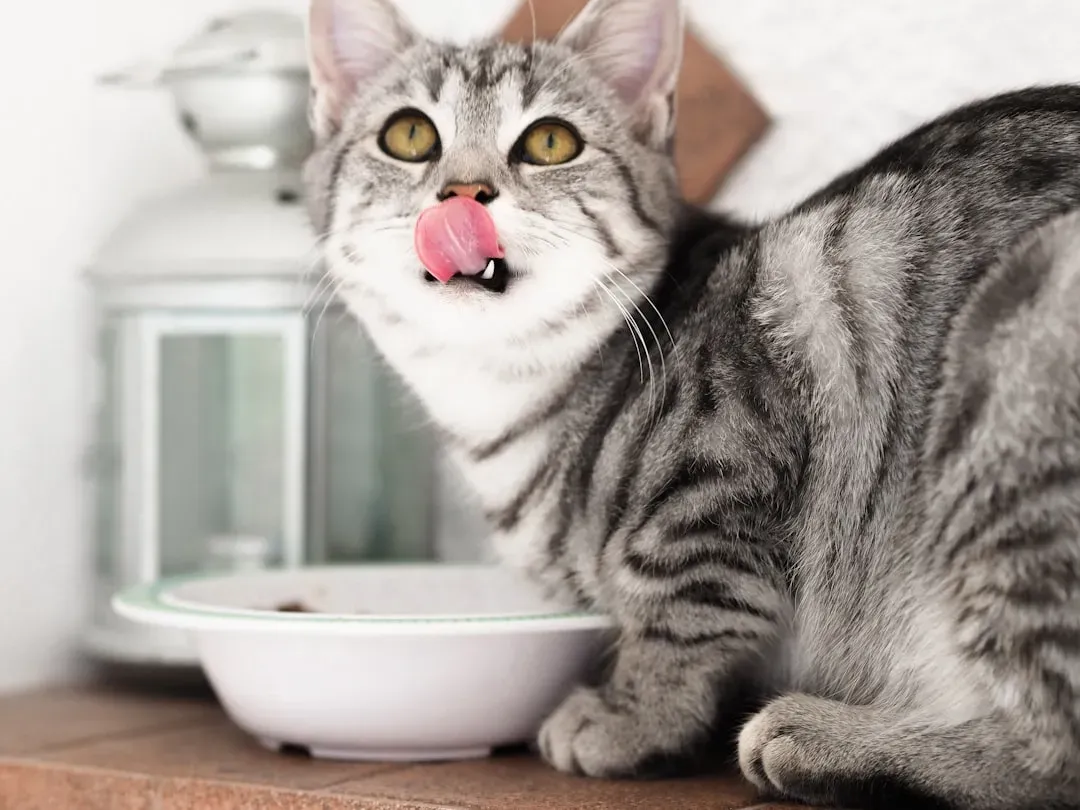
Cats are much smarter than we give them credit for, learning what works with each person and knowing if one family member is prone to get up at four in the morning and give them treats. They’ve studied your habits, identified your weaknesses, and now they exploit them with precision. If you’ve ever fed your cat at three in the morning just to get some peace, congratulations, you’ve been fully domesticated.
This isn’t about hunger. It’s about control. If cats are rewarded with food when they meow at night, they will keep meowing, which shows they’ve learned that beneficial outcomes are associated with certain events. You’re essentially responding to commands. Your cat has trained you to perform on cue, and the power dynamic couldn’t be clearer. Who’s the pet here again?
They Knock Your Belongings Off Surfaces Just to Get Your Attention
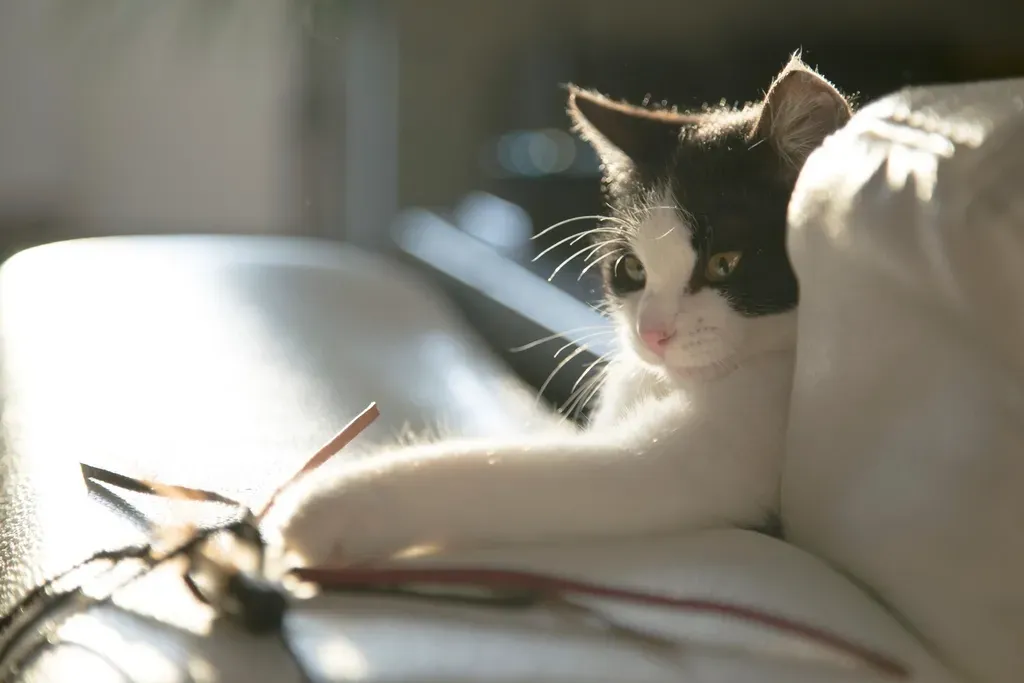
That expensive vase? The full glass of water? Your phone? All casualties of your cat’s need to assert their presence. This behavior isn’t accidental or playful curiosity. It’s a calculated move to redirect your focus back where it belongs: on them. You’re sitting there scrolling through your phone, completely ignoring your feline overlord, so they take matters into their own paws.
The eye contact before the shove is what really seals the deal. Your cat looks directly at you, then slowly, deliberately pushes the object off the edge while maintaining that stare. It’s a power move. They’re testing boundaries, demanding attention, and reminding you that nothing in your home is safe from their jurisdiction. Honestly? It’s brilliant psychological warfare.
They Sleep on Your Clothes or in Your Spot to Claim Territory
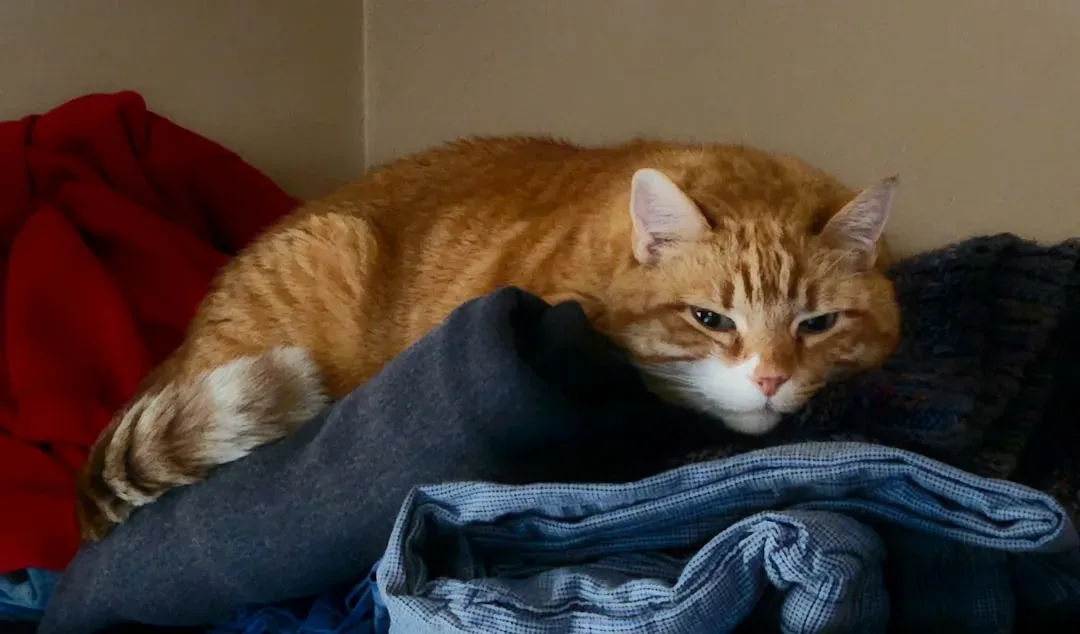
Ever left the room for five minutes only to return and find your cat sprawled across your warm seat? When they sleep on top of you, they’re marking you and your bed as theirs. Your cat isn’t just seeking warmth or comfort. They’re actively claiming your space as their own, reinforcing the idea that everything in this house ultimately belongs to them.
The clothes thing is particularly telling. Your worn shirts and pants carry your scent, and by sleeping on them, your cat is mixing their scent with yours. It’s a bonding ritual, sure, but it’s also a declaration of ownership. They want their smell on your belongings so that anyone, human or animal, knows you’re spoken for. It’s possessive, territorial, and honestly a little bit creepy when you really think about it.
They Meow at You With Different Tones Like They’re Giving Instructions
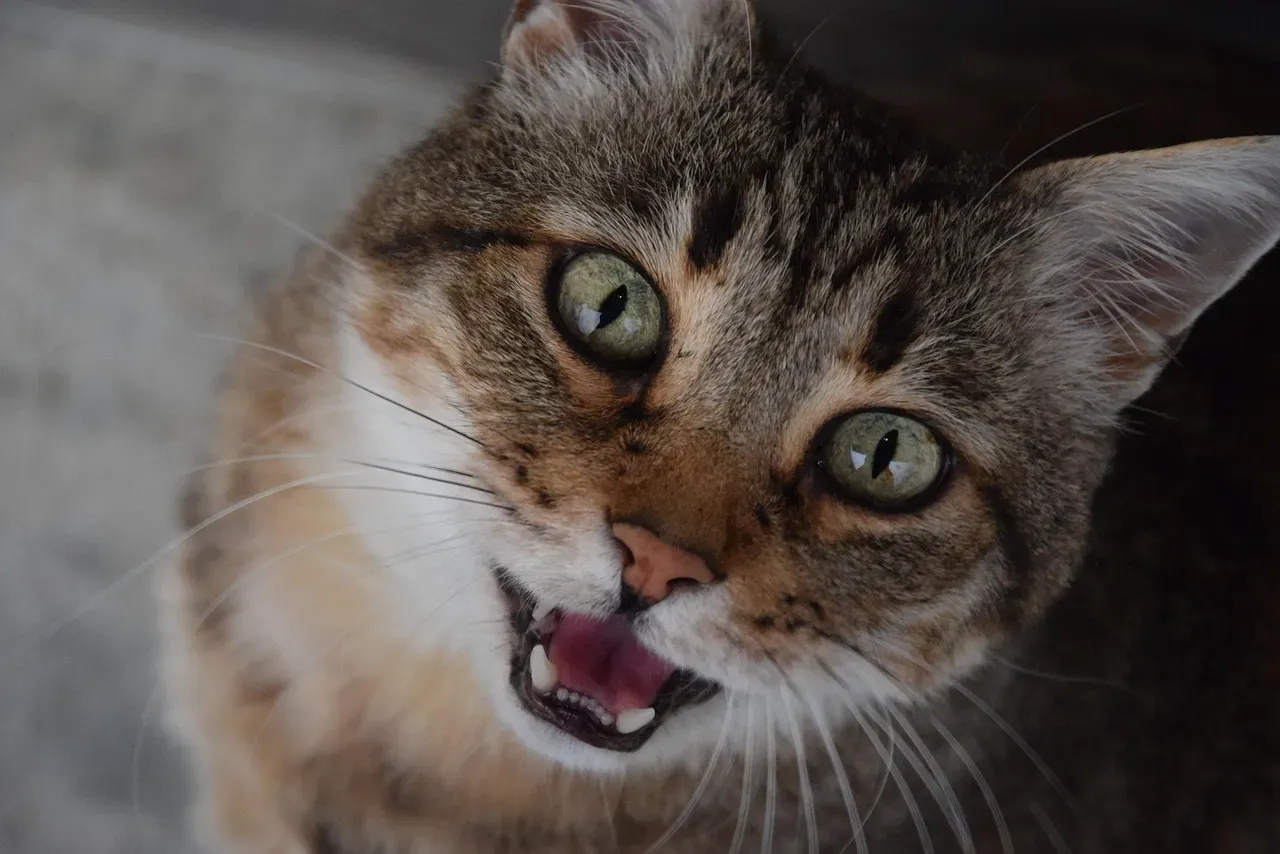
Cats may develop a “meow language” unique to their owners, greeting them with happy meows when they get home and giving shorter, more persistent meows when they want attention. Adult cats don’t meow at each other; this vocalization is reserved exclusively for communicating with humans. Your cat has essentially developed a custom language designed to manipulate, I mean communicate with you specifically.
The variation in tone and pitch isn’t random. It’s strategic. Cats learn how their owners react when they make particular noises, so if the cat wants to get their owner from another room, vocalizing works. They’ve conducted behavioral experiments on you and cataloged which sounds produce which results. You’re not having a conversation with your cat. You’re receiving orders in a language you don’t fully understand but somehow still obey.
They Present Their Rear End in Your Face as a Sign of Trust (and Dominance)
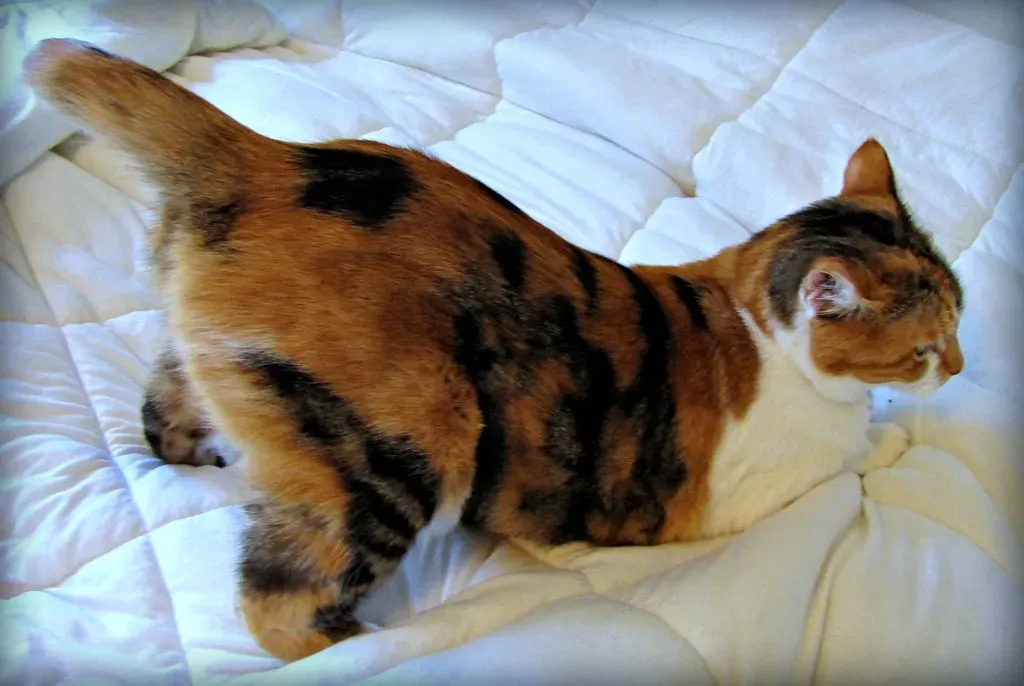
Let’s address the elephant in the room, or rather, the cat butt in your face. When your cat sticks their hindquarters right in front of your nose, they’re not being rude by accident. In cat communication, presenting their rear is actually a sign of trust and recognition. Mother cats inspect their kittens this way, and adult cats do it to family members within their social group.
Here’s where it gets interesting: your cat is treating you the way they’d treat another cat they view as family. Research has shown that cats interact with humans in the same way they do with other cats, suggesting that they see us as the same or at least part of their social group. So essentially, they’re either treating you like a sibling, a parent, or possibly even like their offspring. Either way, the hierarchy here suggests they view the relationship on their terms, not yours.
They Stare at You Unblinking Until You Look Away First
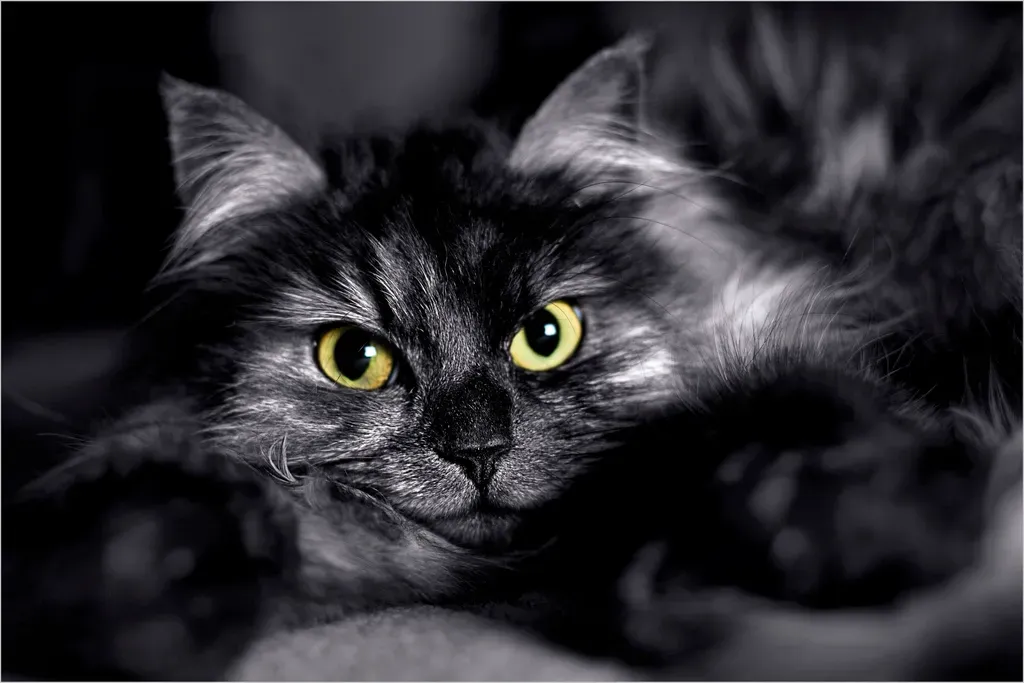
Cats tend to regard unfamiliar objects, people, and animals with an unblinking stare, but giving a long, slow blink while looking at you demonstrates their confidence and trust. However, if your cat stares at you without blinking, they might be asserting dominance or testing the social waters. In the animal kingdom, holding eye contact is often a challenge.
Here’s the uncomfortable truth: if you look away first, you’ve essentially conceded. Your cat has won the staring contest and, by extension, reinforced their position in the household hierarchy. It sounds ridiculous, but these micro-interactions shape your relationship. Every time you blink first or break eye contact, you’re subconsciously acknowledging their authority. They know it, even if you don’t.
They Demand Petting Then Bite You When They’ve Had Enough
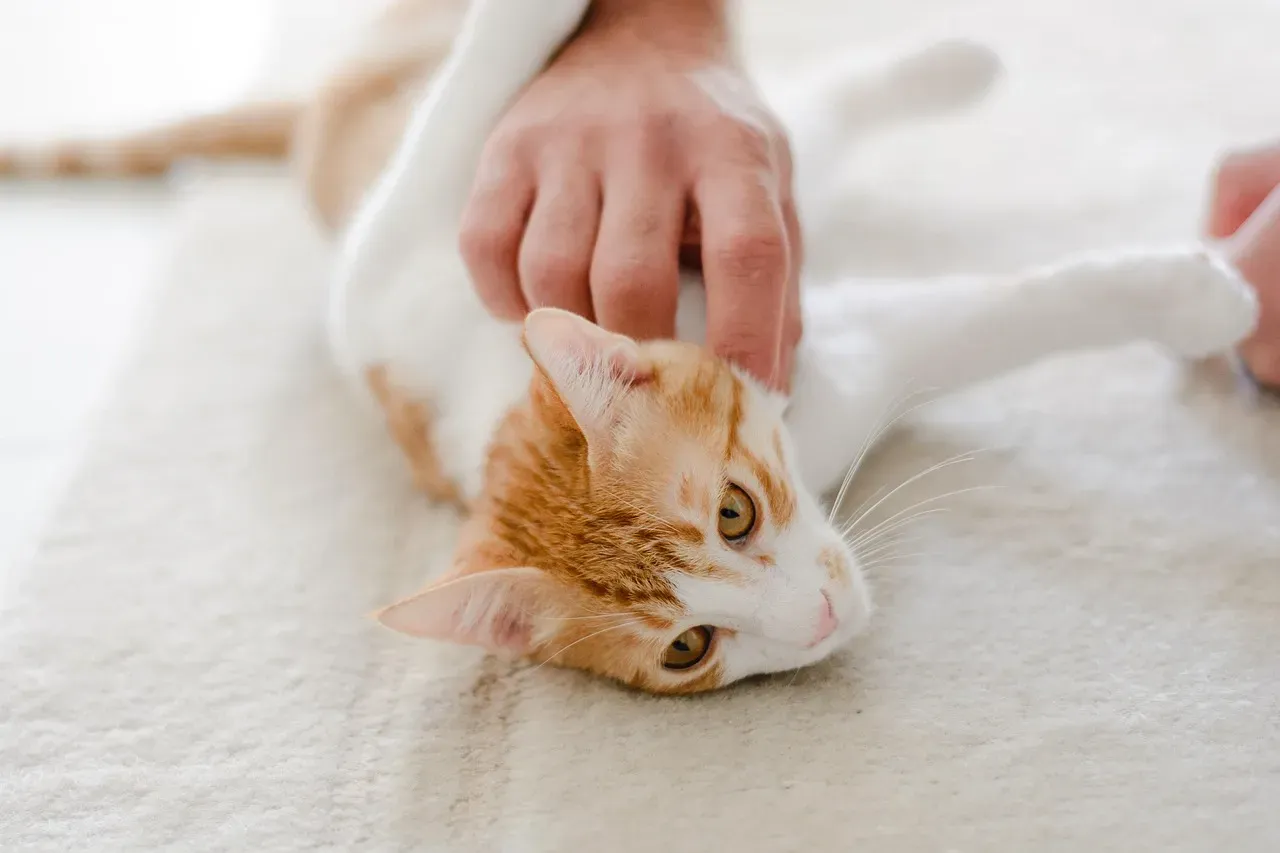
For reasons that remain unknown, some cats may suddenly become aggressive when being petted, with possible explanations including overstimulation and an attempt by the cat to control when the petting ends. Your cat isn’t confused or sending mixed signals. They’re establishing boundaries and enforcing them with teeth if necessary.
This is classic control behavior. Your cat approaches you for affection on their terms, allows exactly the amount of physical contact they desire, then terminates the interaction, sometimes violently. Cats may demonstrate dilated pupils, tail lashing, and ears moved backward before becoming aggressive. You’re expected to read these signals and stop immediately. Fail to do so, and you get a nip as a reminder of who’s really in charge of this relationship. It’s manipulation with consequences.
They Refuse to Come When Called Unless There’s Something in It for Them
Dogs come when called because they want to please you. Cats? They perform a rapid cost-benefit analysis before deciding whether your summons is worth their time. What might appear to be dominant behavior in cats is actually them having learned that beneficial outcomes are associated with certain events, essentially training us rather than the other way around.
Your cat knows their name. Multiple studies have confirmed this. They simply choose whether or not to acknowledge you based entirely on their current priorities. If there’s food involved, they’ll come running. If you just want to say hello? They’ll continue grooming themselves, pointedly ignoring you. It’s a power play, pure and simple. Your cat has decided that obedience is optional, and you’ve accepted this reality because, honestly, what choice do you have?
They “Protect” You by Attacking Your Feet Under the Blankets
Those late-night ambushes on your feet aren’t random acts of aggression. Some cats attack you to teach you self-defense, at least from their perspective. Your cat has taken it upon themselves to ensure you have adequate reflexes and defensive capabilities. It’s training, albeit painful and unwelcome training.
The attacking behavior also satisfies their predatory instincts. Your moving feet under the covers trigger their hunting response, and they simply cannot resist the urge to pounce. From their viewpoint, they’re keeping their skills sharp while simultaneously testing your awareness and reaction time. You’re essentially a mobile training dummy that occasionally feeds them. The fact that this behavior startles and annoys you is probably just a bonus from their perspective.
Conclusion: Embracing Your Role in the Cat-Human Dynamic
So there you have it, fifteen glaring signs that your cat has successfully reversed the traditional pet-owner relationship. The evidence is overwhelming, honestly. From strategic vocalizations to territorial marking, from feeding demands to bathroom supervision, your cat has systematically established themselves as the dominant party in your household. Research revealed that cats have the same attachment to their owners that babies show to their parents, which sounds heartwarming until you realize they might view you as the baby in this scenario.
Here’s the thing: there’s actually something oddly comforting about this dynamic. Your cat’s behavior, while occasionally frustrating, stems from their desire to include you in their social structure and ensure your wellbeing, even if their methods are unorthodox. They bring you toys because they want to share resources. They supervise your activities because you’re part of their family. They mark you with their scent because you’re valuable to them. It’s possessive, controlling, and completely on their terms, but it’s also a weird form of love.
The real question is: does it actually matter who’s the pet and who’s the owner? Maybe the traditional hierarchy isn’t important. Maybe what matters is the bond you share, regardless of who calls the shots. That said, the next time your cat wakes you up at dawn, deposits a toy at your feet, and stares at you expectantly, you’ll know exactly what’s happening. You’re being managed by a small, furry creature who’s convinced they’re doing you a favor. And honestly? They might be right. What do you think about your relationship with your cat now? Tell us in the comments.