17 Cat Breeds That Almost Never Stop Talking
Most people think cats are the strong, silent type - aloof little sphinxes who communicate through slow blinks and the occasional judgmental stare. That's the myth, anyway. Meet the wrong breed and you'll find yourself living with a roommate who narrates breakfast, cross-examines the mailman, and holds forth on the injustice of an empty food bowl at 3 a.m.
Vocal cats aren't some rare oddball exception - they're an entire category, bred and beloved for centuries specifically because they talk back. Breeders, vets, and lifelong owners all say the same thing: once you've lived with one of these 17 breeds, you'll never believe the "quiet cat" stereotype again.
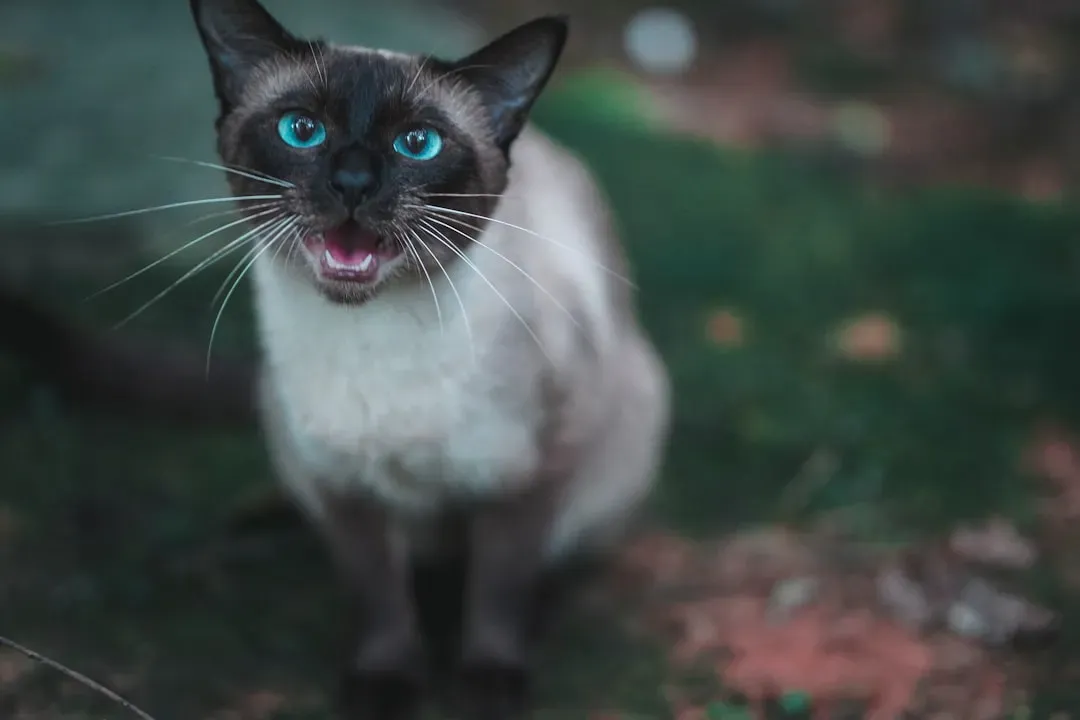
#1 - Siamese: The Original Loudmouth
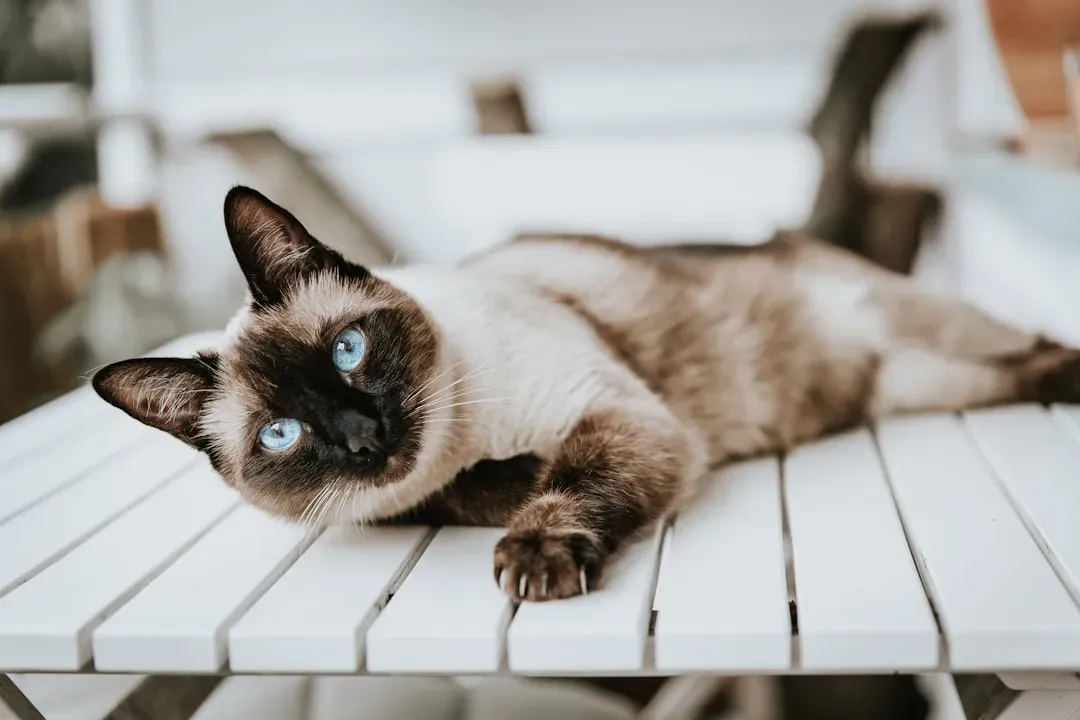
The Siamese is the undisputed champion of feline chatter, and nobody in the breed community even bothers arguing otherwise. Their voice is deep, raspy, and unsettlingly loud for such a slim body - many owners swear it sounds exactly like a crying human infant echoing down the hallway.
A Siamese will meow to greet you, meow when you leave, and meow simply because the silence bothered them. Breed historians trace this demanding streak back centuries to Thailand, where the cat was prized as a temperamental, high-status companion. This isn't a cat that quietly hopes you'll notice the empty bowl - it will inform you, repeatedly and at volume, until action is taken.
Fast Facts
- Origin traces back to ancient Siam, modern-day Thailand
- One of the oldest officially recognized cat breeds in the world
- Famous for striking, almond-shaped blue eyes
- Average lifespan of 12 to 15 years
#2 - Oriental Shorthair: The One That Talks Back Mid-Conversation
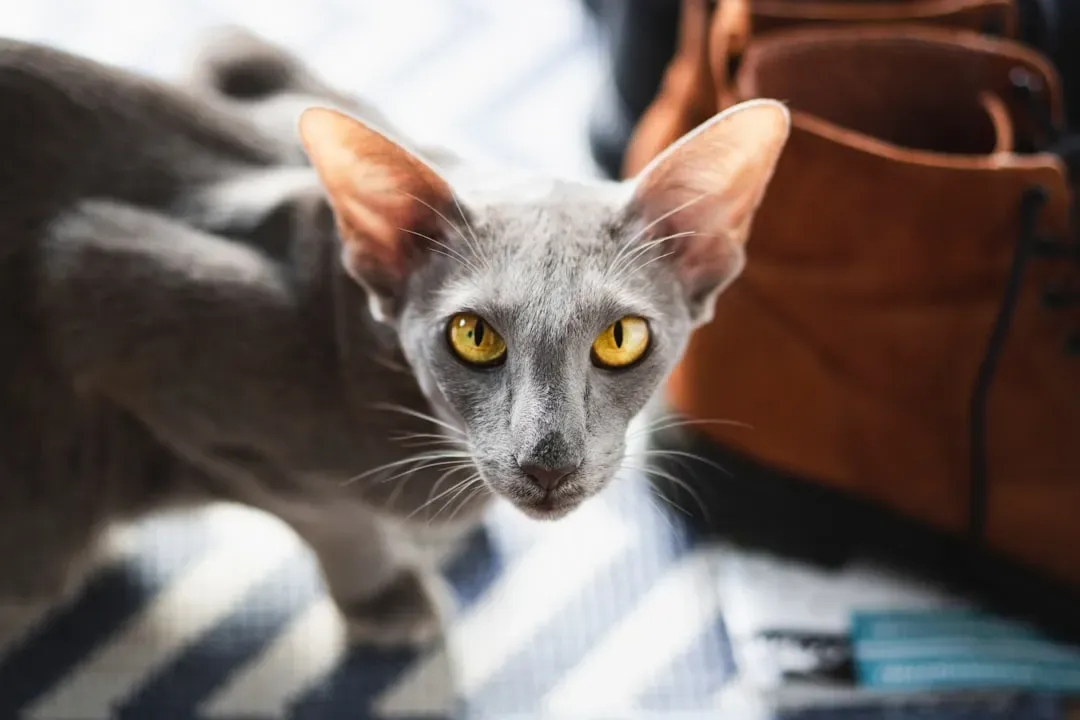
Think of the Oriental Shorthair as the Siamese's even more theatrical cousin. Same slender build, same satellite-dish ears, same nonstop vocal habit - just cranked up a notch. Owners frequently describe Orientals as "talking back" during actual conversations, as if they're genuinely trying to participate.
What makes Orientals especially demanding is their intelligence - a bored Oriental gets loud fast, and it doesn't take long. They crave interaction constantly, following owners room to room while narrating the entire journey like a tiny, opinionated tour guide. This breed is best suited to people who actually want a highly interactive, borderline codependent companion, because a silent Oriental usually means something's wrong.
#3 - Balinese: The Cat That Seems to Answer You
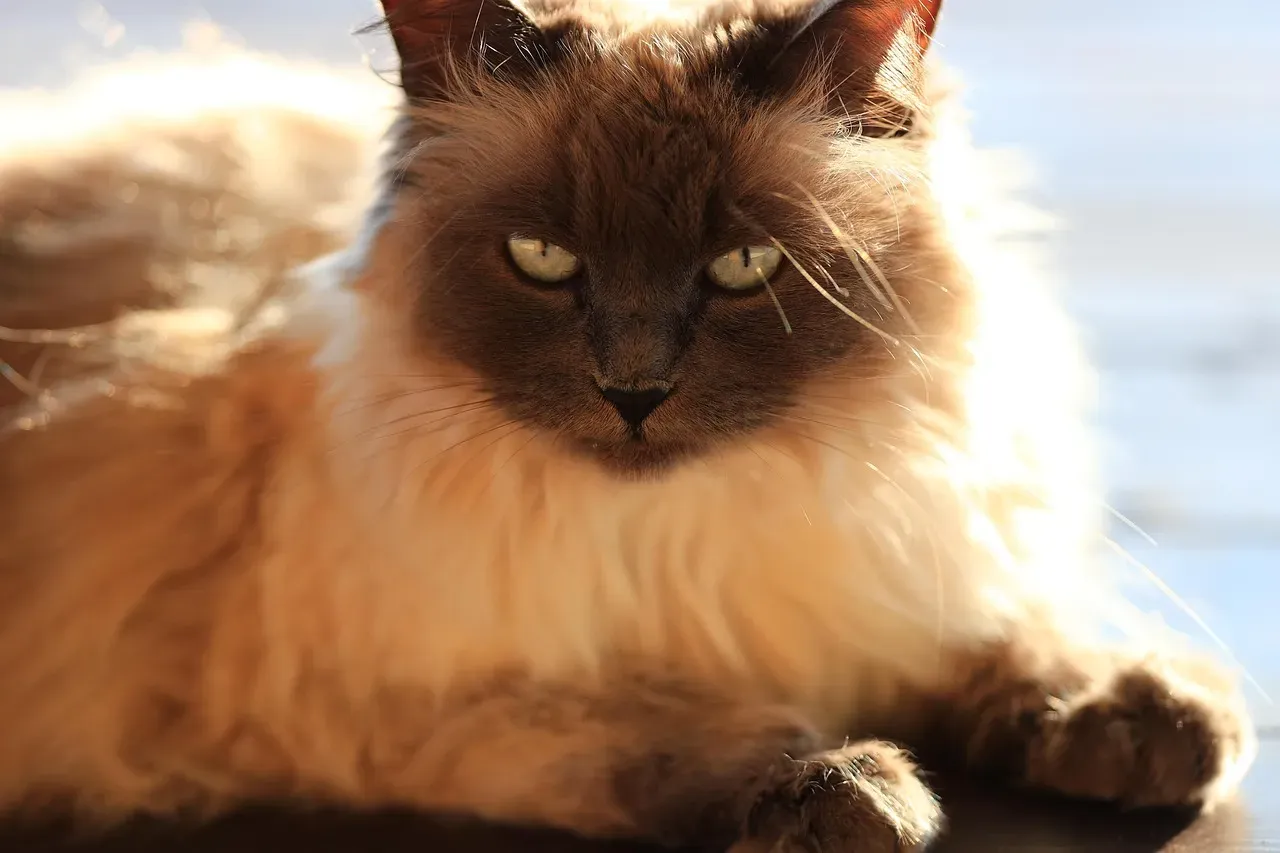
The Balinese is essentially a long-haired Siamese, and yes, that includes the voice. This breed carries the same throaty, insistent meow as its short-haired relative, just wrapped in a silkier, more elegant coat.
Balinese cats are known to hold entire "conversations," matching their owner's tone with their own vocal inflection - it's uncanny the first few times it happens. Because they bond so intensely with their humans, prolonged alone time tends to make the vocalizing worse, not better. Many owners say their Balinese greets them at the door with an immediate rundown of grievances from the day.
#4 - Colorpoint Shorthair: The Built-In Alarm System
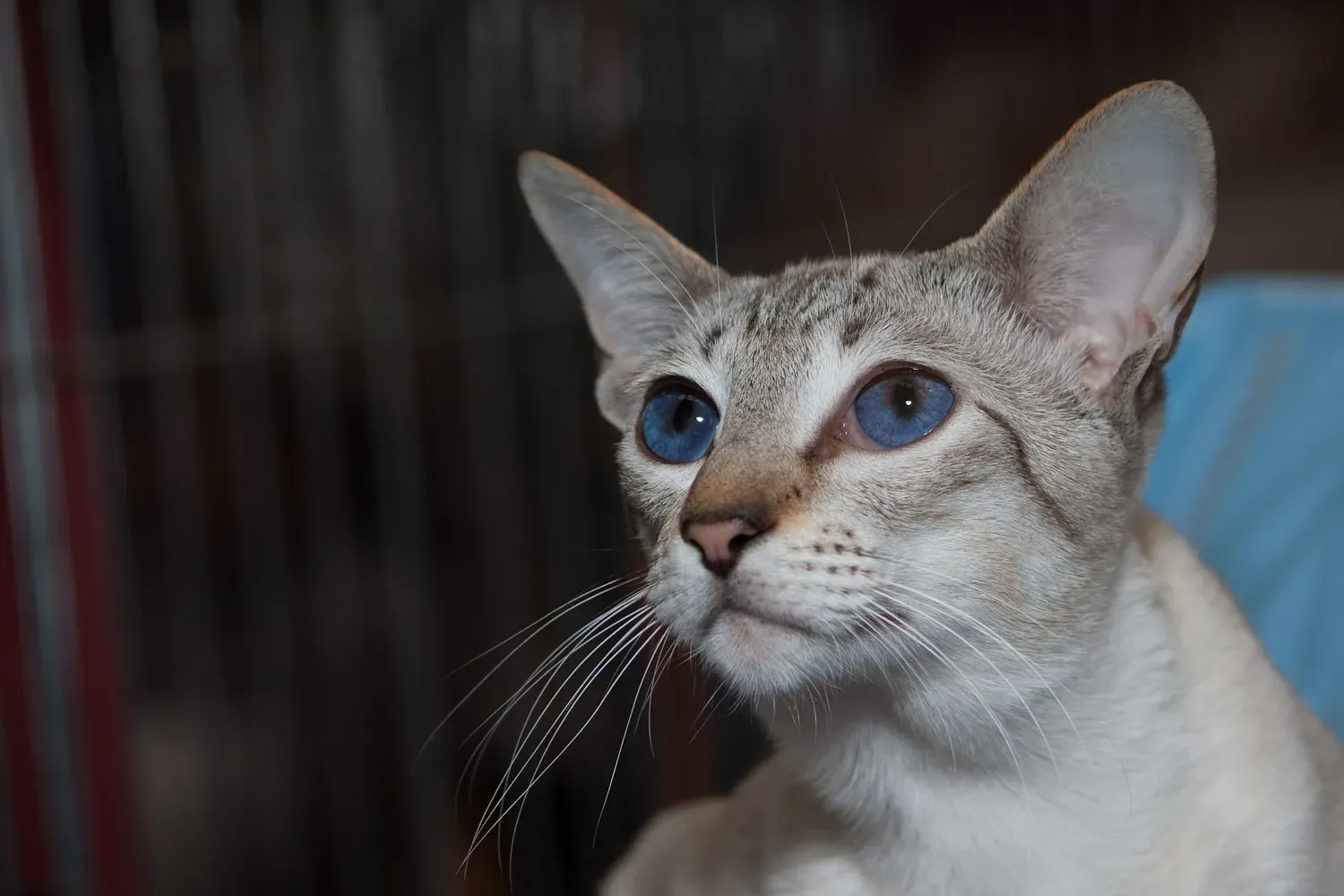
Colorpoint Shorthairs are essentially Siamese cats bred for different point colors, and the personality package came along for the ride. They share that same raspy, persistent vocal style - often described as louder and more frequent than most shorthair breeds ever get.
This breed is notorious for meowing at odd hours, including the middle of the night, simply because they want company and see no reason to wait until morning to say so. Owners often mention the meowing doubles as a household alert system, announcing visitors, weather changes, or a suspicious noise outside. It's less "quiet house pet" and more "live-in commentator with opinions on everything."
#5 - Tonkinese: The Musical Shadow
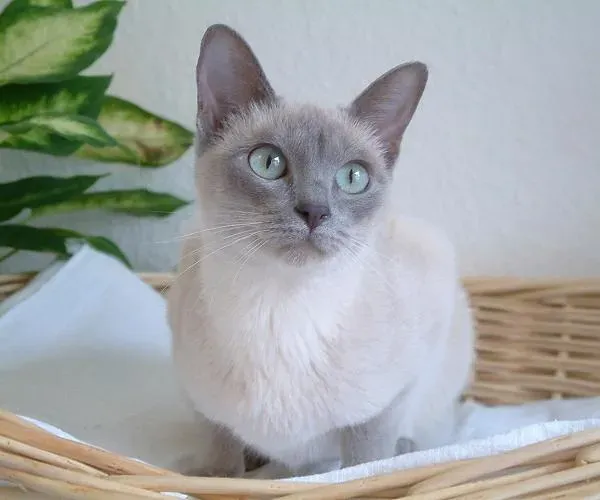
Tonkinese cats combine Siamese and Burmese ancestry, and the result is a breed that talks with slightly softer, but no less frequent, vocal habits. They tend to "chirp" and "trill" rather than produce the classic harsh Siamese yowl, which owners often describe as genuinely musical.
Because Tonkinese are famously energetic, the vocalizing spikes hard during bursts of play or whenever they're demanding attention from a distracted owner. Many describe their Tonk as a shadow that talks - following room to room with a steady stream of commentary. It's charming right up until 2 a.m., when the chirping simply refuses to stop.
#6 - Burmese: Loud About Loving You
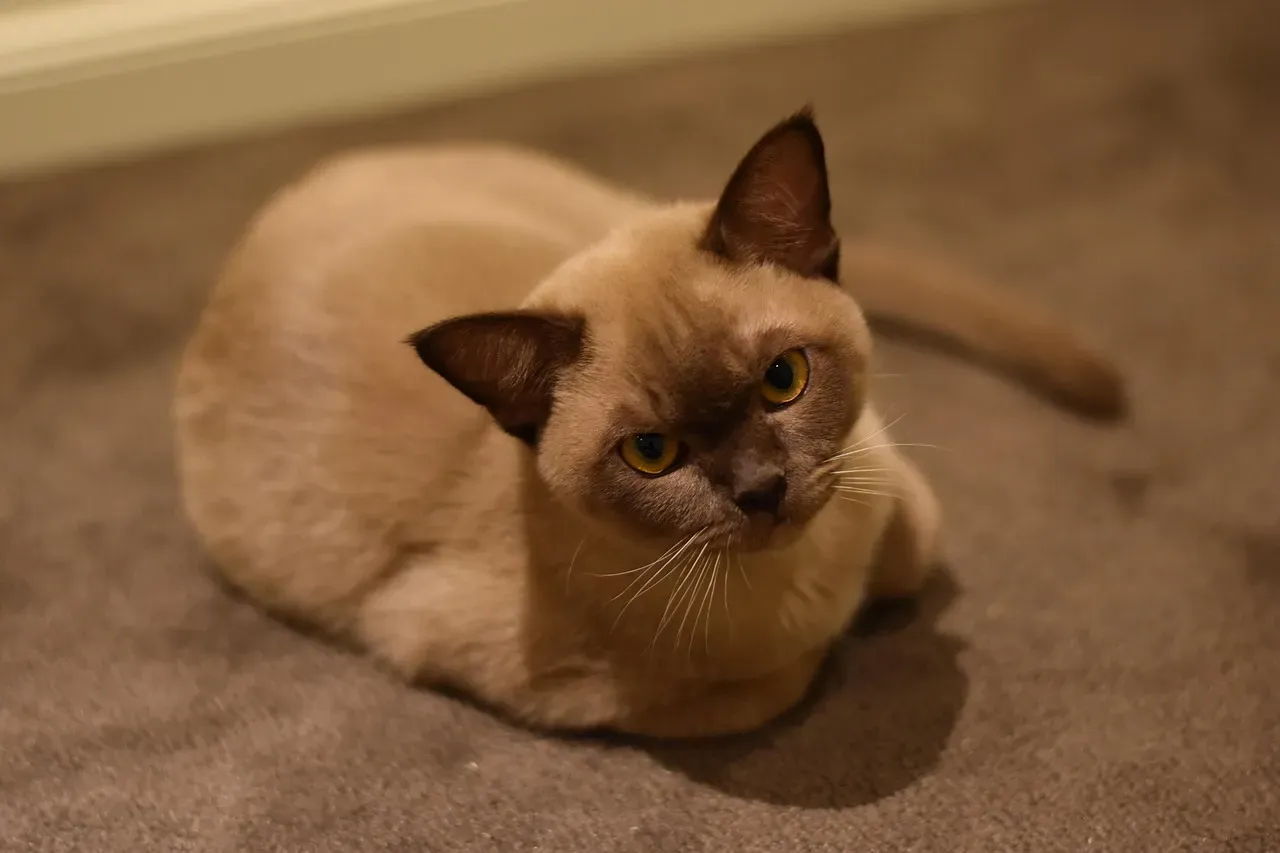
Burmese cats bring a lower, more gravelly voice to the mix, and they use it constantly. They're famous for craving physical closeness, and vocalizing is often just their way of demanding lap time immediately, not eventually.
A Burmese left alone too long will escalate from soft meows to persistent, attention-grabbing calls that are hard to ignore. Vets and breeders note that Burmese cats often form one intense bond with a single family member - and that favorite person gets the lion's share of the noise. This breed is affectionate to a fault, and it will absolutely tell you so, loudly, on repeat.
#7 - Bengal: The Yowl That Sounds Like a Hunting Call
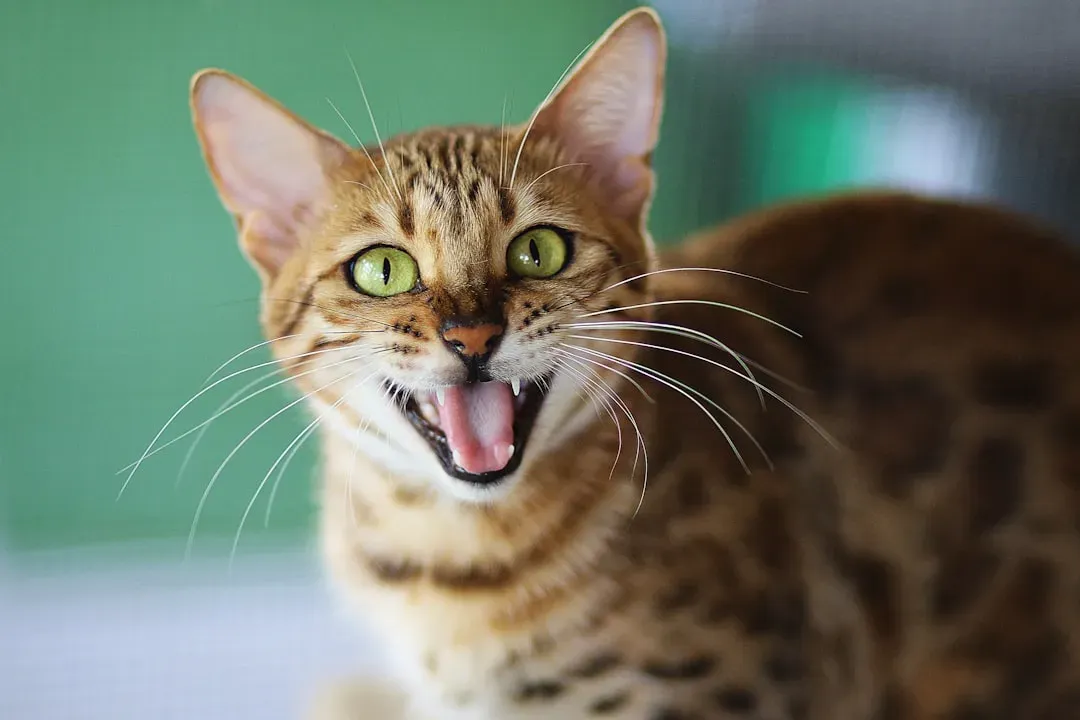
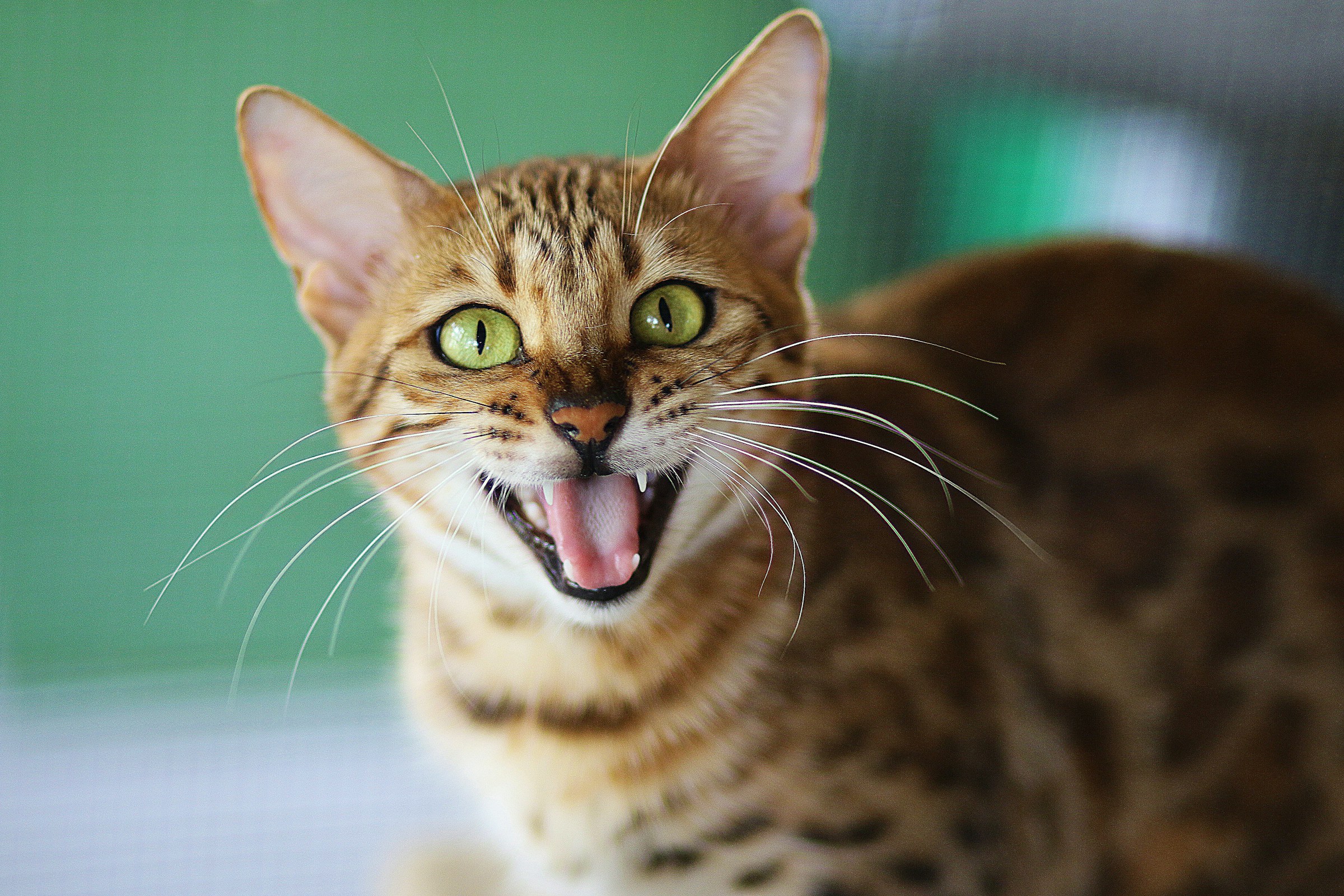
Bengals are known for their wild, leopard-spotted looks, but their mouths are just as bold as their coat pattern. These cats are highly intelligent and easily bored, and boredom in a Bengal translates almost instantly into loud, repetitive vocalizing.
Many owners report Bengals "yowling" mid-play, almost like an actual hunting call, especially while stalking a toy across the living room floor. Because Bengals are so active, experts routinely recommend heavy enrichment to keep the noise in check, especially in apartments with thin walls. Give them climbing space and puzzle feeders, or brace yourself for a nonstop soundtrack of frustrated yowls.
Worth Knowing
- Developed by crossing domestic cats with the wild Asian leopard cat
- Recognized as an official breed by major cat associations in the 1980s
- Known for a glittered or marbled coat pattern unlike any other breed
- One of the few cat breeds that often genuinely enjoys water
#8 - Sphynx: The Cat That Narrates Bath Time
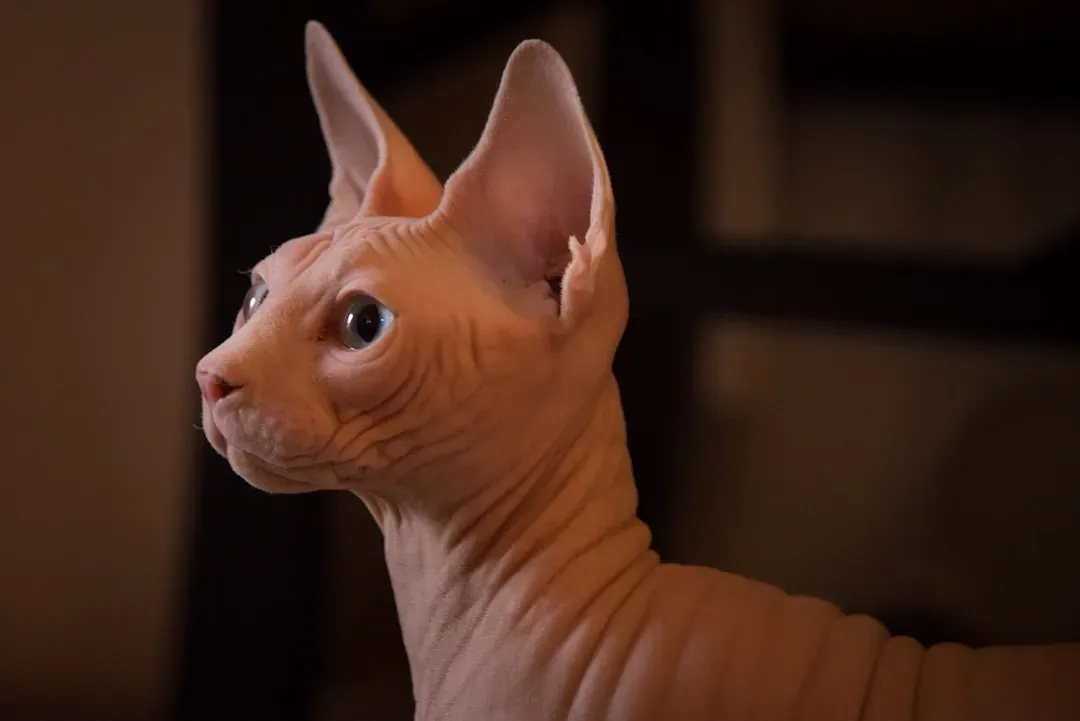
The hairless Sphynx isn't just visually unique - it's famously one of the chattiest breeds around, and there's a reason for that. Without fur to help regulate body heat, Sphynx cats are highly people-dependent, and that dependence shows up constantly in their voice.
Owners often describe the Sphynx's voice as surprisingly loud and raspy for such a small-framed cat. This breed thrives on social contact and handles solitude badly, which turns into vocal protest fast. Many owners joke that their Sphynx narrates bath time, meal prep, and even bathroom trips - privacy simply isn't in the vocabulary.
#9 - Japanese Bobtail: The Cat That Sings
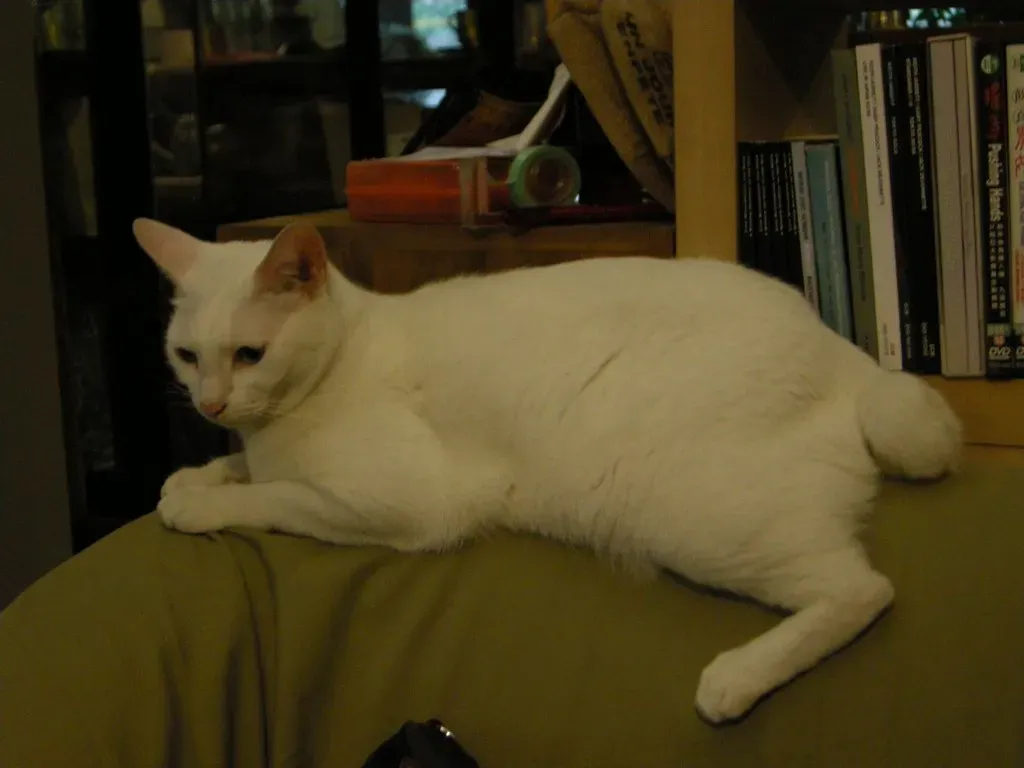
The Japanese Bobtail has a long cultural history as an expressive, communicative companion, and modern owners confirm the reputation absolutely holds up. This breed is known for a wide vocal range, drifting between soft chirps, trills, and full meows depending on mood.
Some owners describe their Bobtail's vocalizations as almost "singing," complete with noticeable pitch changes throughout the day. Breeders often highlight the playful, conversational nature of the breed, noting that many cats seem to genuinely "answer" when spoken to directly. This interactive style has made the breed popular with owners who want a pet that feels engaged, not just present.
#10 - Devon Rex: The Countdown Chirper
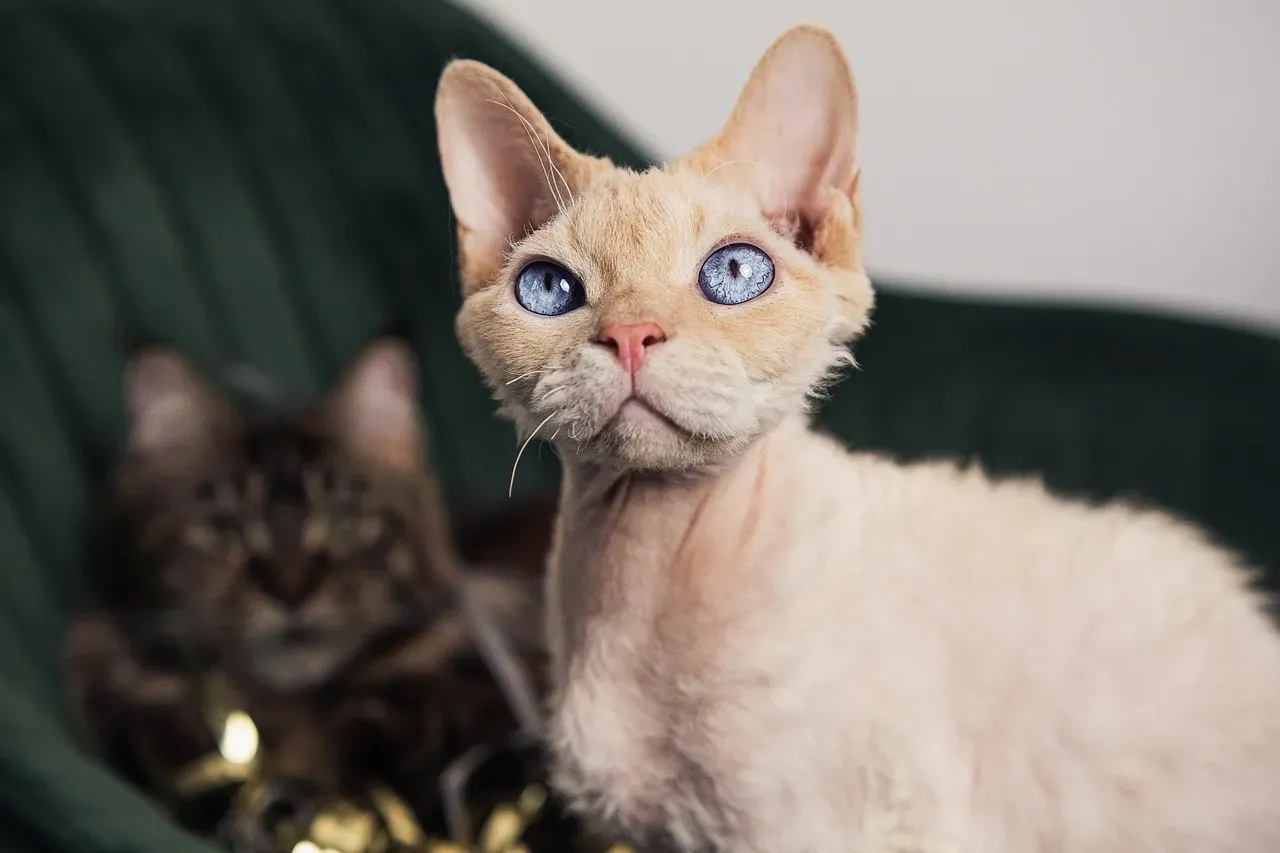
Devon Rex cats are mischievous, high-energy, and rarely quiet about any of it. Their curly coats get most of the attention, but their vocal habits are just as distinctive once you live with one.
Owners often note that Devon Rex cats "chirp" excitedly right before pouncing on a toy, almost like a countdown to launch. This breed thrives on interaction and hates being excluded from whatever's happening in the house - shoulders, counters, doorways, all fair game. Boredom, for this breed, is loud and immediate.
#11 - Cornish Rex: The Toy Negotiator
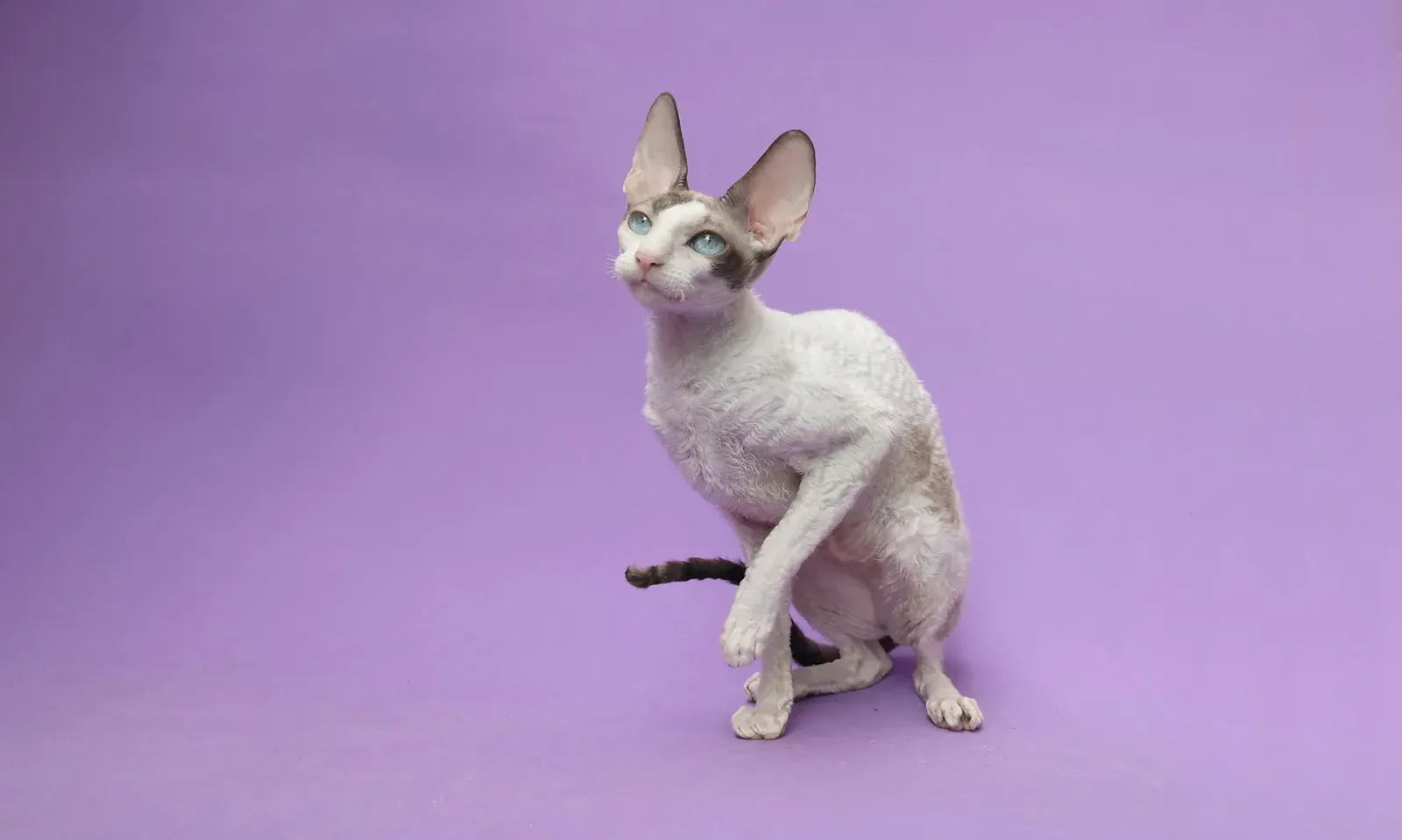
The Cornish Rex shares the Devon Rex's wavy coat and high energy - and its tendency to vocalize constantly. These cats are extremely playful and people-focused, using meows and chirps specifically to initiate games or demand attention.
Many Cornish Rex owners report their cat "asking" for playtime through repeated, insistent meowing that doesn't stop until the toy actually comes out. Because they bond so closely with their families, prolonged silence from an owner often triggers vocal check-ins. It's an entertaining trait for some households, and an exhausting one for others.
#12 - Abyssinian: The Cat That Narrates Its Own Exploration
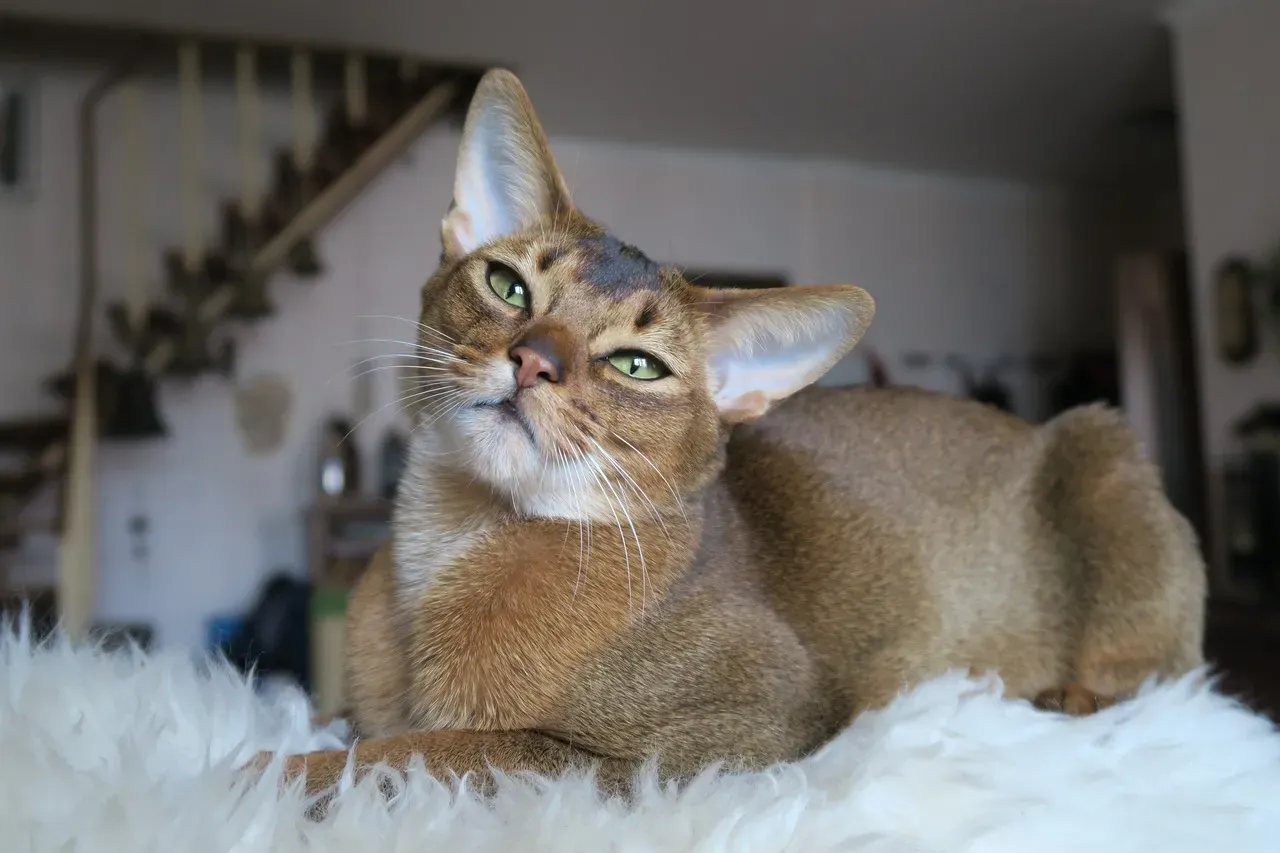
Abyssinians are famously active, curious, and vocal about wanting to be involved in absolutely everything. This breed uses chirps, trills, and soft meows to communicate curiosity or excitement in real time.
Owners often say their Abyssinian "talks" while investigating new objects, practically narrating the exploration as it happens. Because Abyssinians crave mental stimulation, silence in the house usually means boredom - and boredom means more vocal demands for engagement. Many owners say their Abys need an actual "job," whether that's puzzle feeders or interactive toys, just to keep the noise level manageable.
Why It Stands Out
- Considered one of the oldest natural cat breeds still around today
- Named after historic Abyssinia, though genetics point to Southeast Asian roots
- Distinctive "ticked" coat, with each hair banded in multiple colors
- Often described by owners as dog-like in loyalty and curiosity
#13 - Turkish Van: The Cat That Chatters at Birds
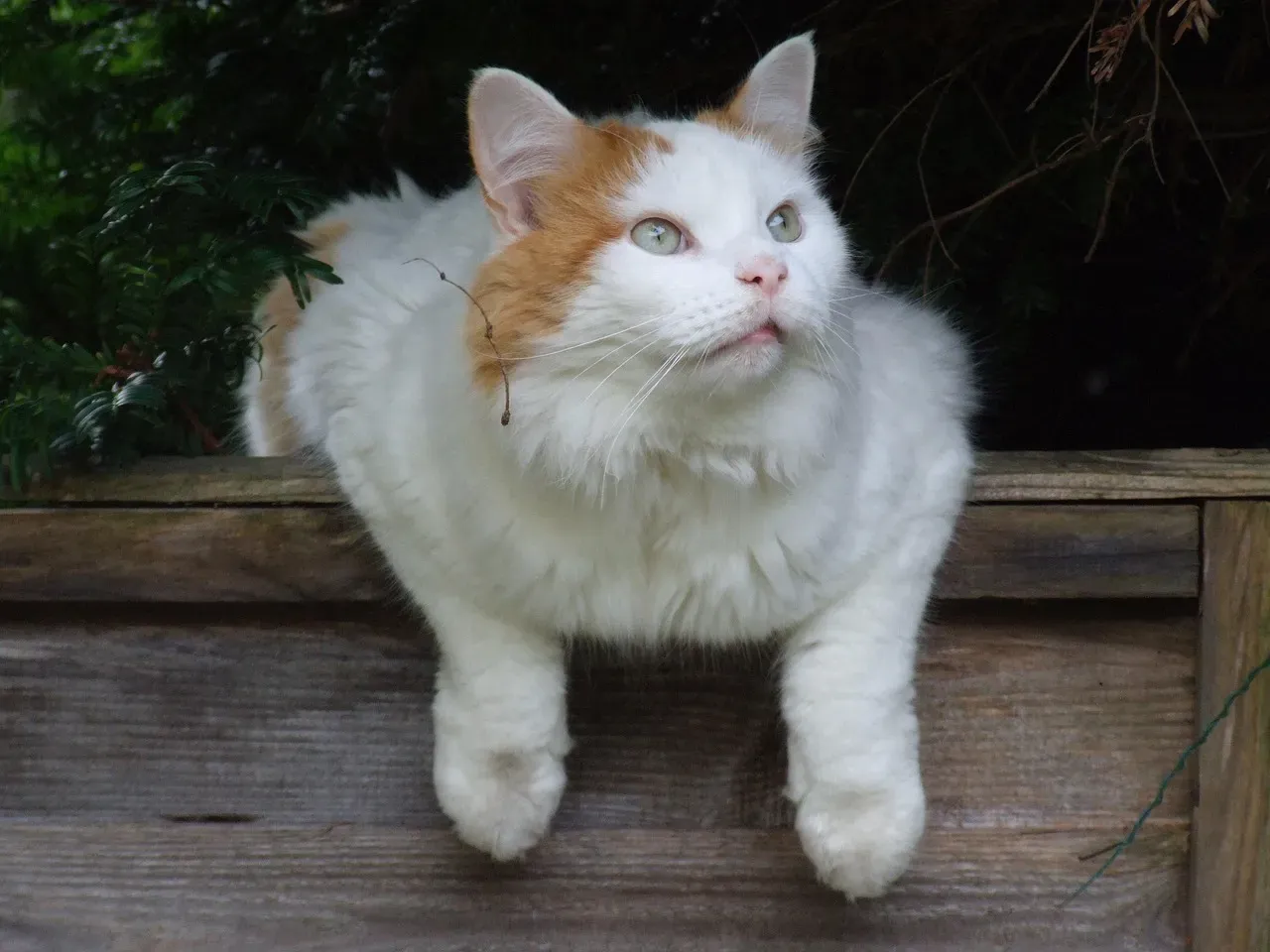
The Turkish Van is known for loving water, but it's just as known for loving the sound of its own voice. This breed produces a distinctive, chirpy vocalization that owners often describe as more expressive than a typical house cat.
Turkish Van owners frequently mention their cat "chattering" at birds, strange sounds, or even reflections, almost like a running commentary on the world outside the window. Because the breed is so alert and curious, vocal habits intensify hard during play or exploration. Many describe it as constant "checking in" through soft meows while following an owner around the house.
#14 - Turkish Angora: The Supervisor
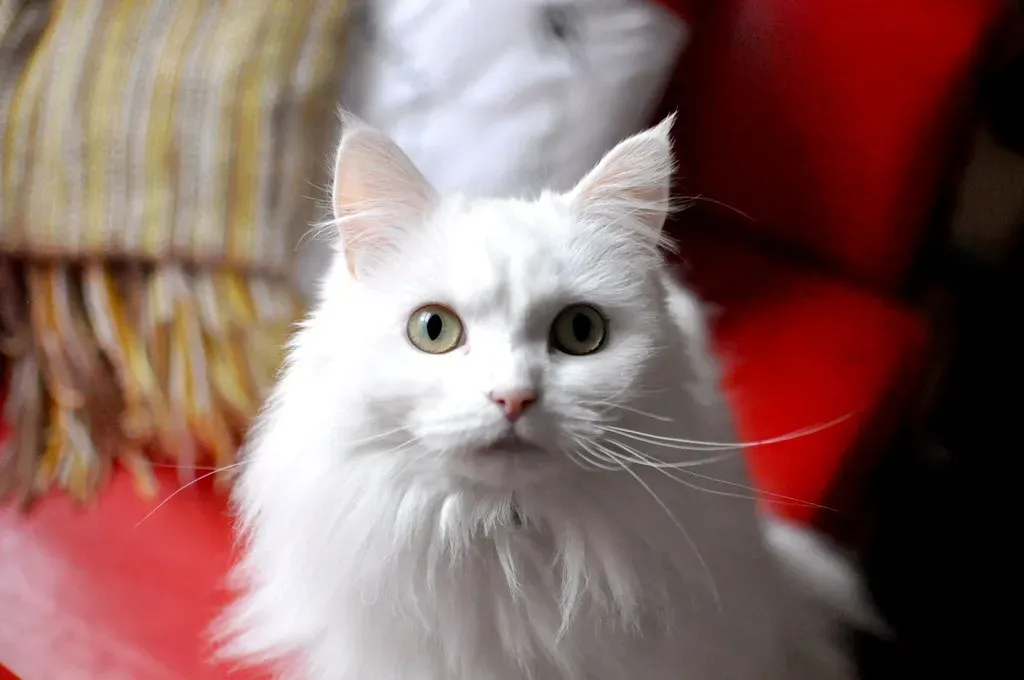
Turkish Angoras are elegant, athletic, and surprisingly demanding when it comes to communication. This breed tends to bond intensely with one or two people, and vocalizing is a major part of how they maintain that connection.
Owners often note that Turkish Angoras will meow persistently until they get eye contact or physical affection - no exceptions. Because this breed is intelligent and easily bored, a lack of stimulation results in louder, more frequent meowing. Many owners describe their Angora as vocally "supervising" household chores, insisting on being part of whatever's happening.
#15 - Himalayan: The Gentle but Relentless Talker
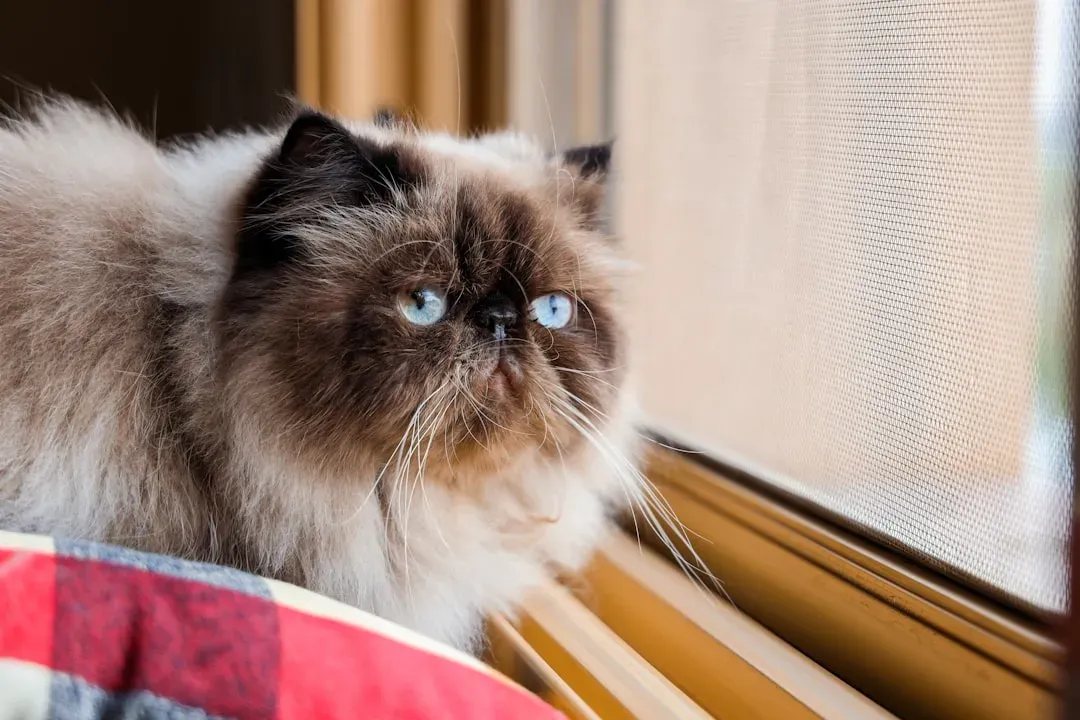
Himalayans combine Persian looks with Siamese ancestry, and the vocal habits lean noticeably toward the talkative side of that pairing. While calmer than a purebred Siamese, many Himalayans still produce frequent, soft-but-persistent meows to request attention or food.
Owners often describe the sound as gentler, but surprisingly constant throughout the day - it's less dramatic than a Siamese yowl, but just as reliable in frequency. This breed enjoys routine, and any disruption to that routine tends to trigger vocal complaints. Many owners say the meowing simply becomes part of the household's daily rhythm.
#16 - American Curl: The Window Narrator
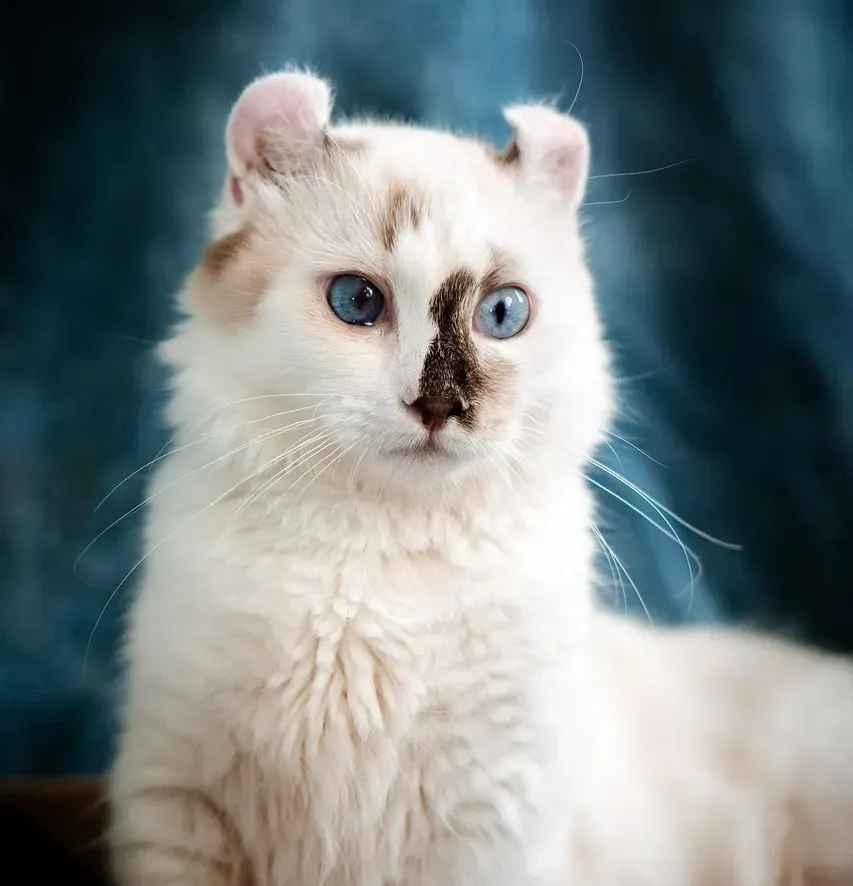
American Curls, known for their distinctive folded-back ears, are also known among owners for being surprisingly chatty. This breed uses soft chirps and trills to communicate excitement, especially during play.
Many American Curl owners note their cat "talks" while watching birds or toys through a window, almost narrating the moment as it unfolds. Because American Curls stay kitten-like well into adulthood, their vocal, play-related sounds tend to continue for years, not months. It's a cheerful, if noisy, personality trait that owners say they wouldn't trade.
Quick Compare
- Siamese: loud, raspy, demanding yowl that's hard to ignore
- Turkish Van: chatters and chirps at birds, motion, and reflections
- American Curl: soft chirps and trills, more playful than pushy
#17 - Peterbald: The Cat That Talks You Into a Lap
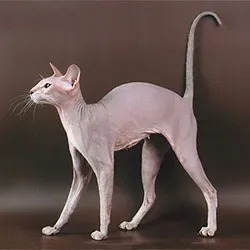
The Peterbald, a hairless breed with Oriental Shorthair ancestry, inherited a strong vocal streak right along with its sleek look. Like its Siamese-related relatives, the Peterbald tends to be highly vocal, using meows to demand attention, warmth, and companionship.
Owners frequently mention that Peterbalds "talk" throughout the day, especially when angling for a lap to curl up in. Because they lack a full coat, closeness to their humans isn't optional - it's a priority they communicate loudly and often. This breed is intelligent, social, and easily bored without company, which means the requests for engagement never really stop.
The Bottom Line
The idea that cats are silent, standoffish creatures completely falls apart the moment you meet these 17 breeds. Siamese, Oriental Shorthair, and their close relatives dominate the "chatty" category, but plenty of unexpected names - Bengals, Sphynx cats, even the water-obsessed Turkish Van - prove that a big personality doesn't need fur or a fancy pedigree to show up loud and clear.
If you ask us, the chatter isn't annoying - it's one of the most underrated traits a cat can have. A cat that talks is a cat that's engaged, paying attention, and actually trying to have a relationship with you instead of just tolerating your presence in the house. Which of these 17 sounds exactly like your cat? Tell us in the comments.