7 Milestones Every Adopted Cat Reaches in Its First Year
Most new cat parents assume the hardest part of adoption is the car ride home. It's not. The real journey happens quietly, in stages, over the next twelve months - and most people never notice it happening.
Shelters rarely explain this part, but adopted cats follow a surprisingly predictable emotional timeline, one that behaviorists have quietly mapped out for years. Miss a stage or misread a signal, and you could set your bond back by months without ever knowing why. Here's what actually happens inside a rescue cat's head, milestone by milestone, during that first fragile year home.
#1 - The "Hide and Freeze" Phase (Days 1–3)
Your new cat isn't rejecting you. It's surviving.
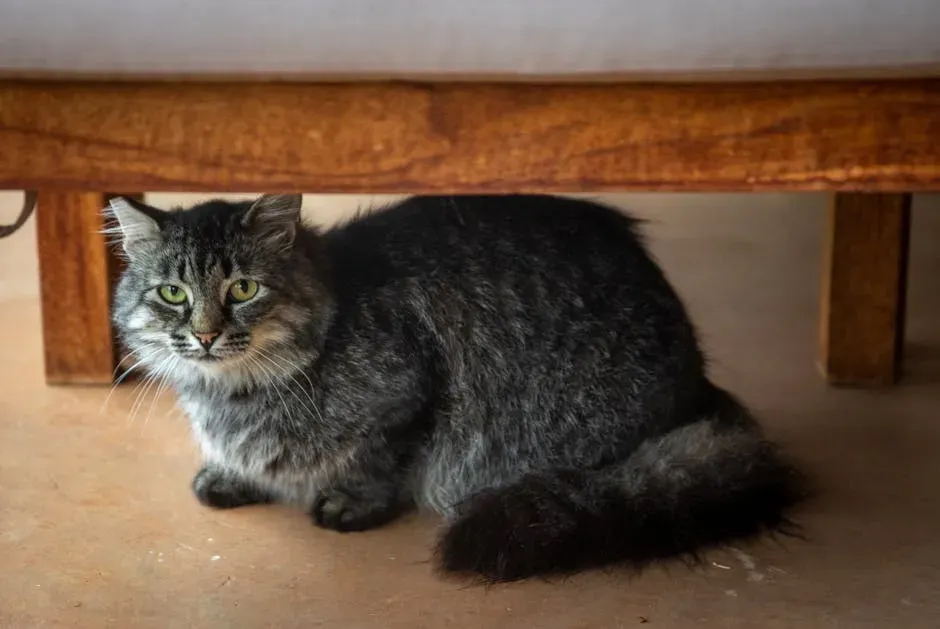
Behaviorists call the first 72 hours the "decompression window," and it's the single most misunderstood stage of adoption. Most cats will refuse to eat, drink very little, and hide under furniture for the entire first day, sometimes longer. This isn't defiance - it's a nervous system flooded with strange smells, sounds, and a total loss of control over its own territory.
Owners who panic and try to coax the cat out with cuddles almost always make it worse. The smarter move is a small, enclosed "safe room" with food, water, and a litter box, then space. Cats process fear through control over their environment, not affection, and the less you interfere now, the faster the next stage arrives.
#2 - The First Real Meal (Week 1)
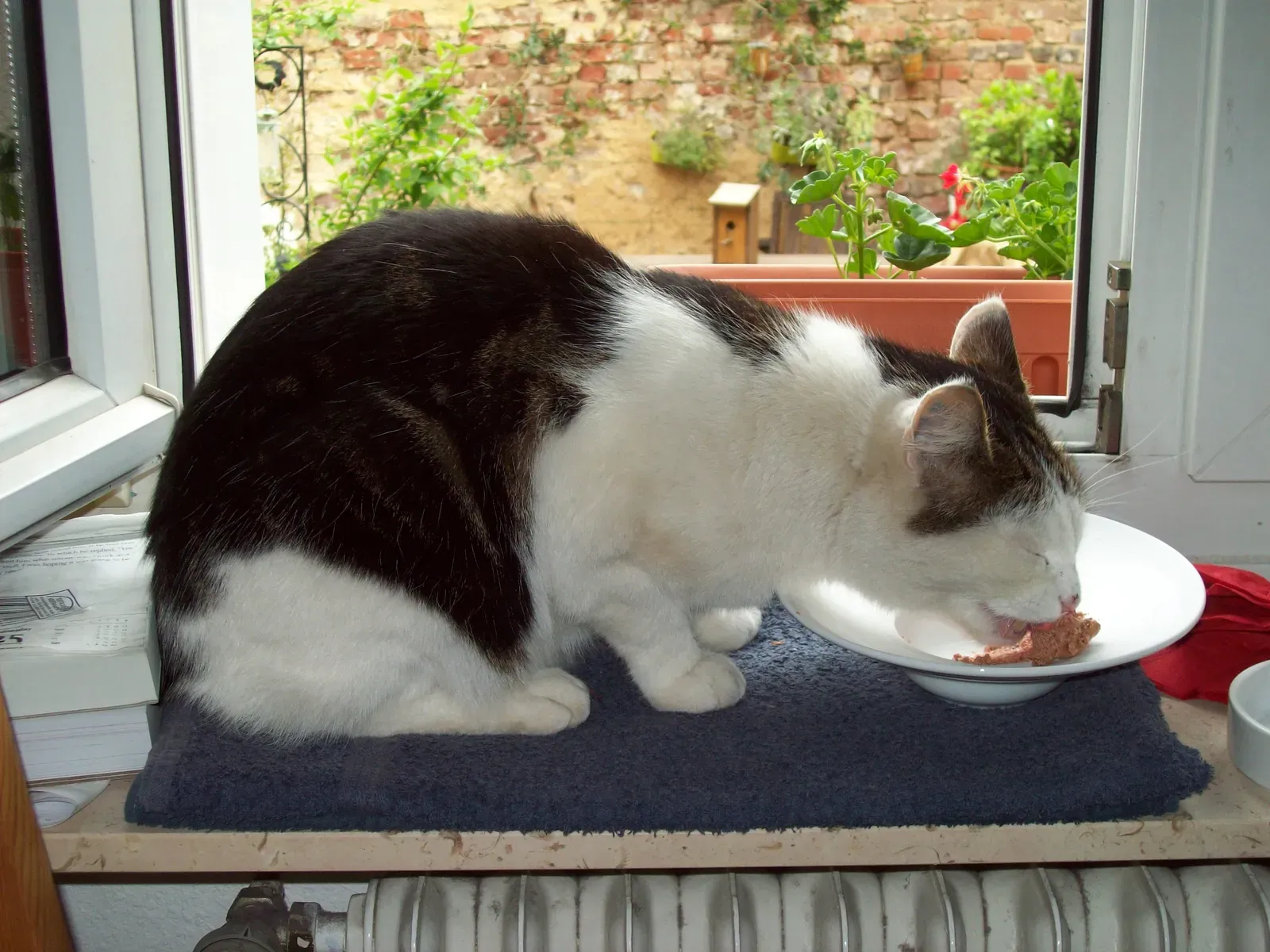
Eating on a normal schedule again sounds small. It isn't - it can be the difference between recovery and a medical emergency.
Shelter and rescue vets treat the first consistent, unforced meal as a genuine health checkpoint, not just a comfort one. Stress-related appetite loss in cats can trigger a dangerous liver condition called hepatic lipidosis in as little as 48 to 72 hours, which is exactly why this milestone carries more weight than most new owners realize. A cat eating regularly again is a cat whose stress hormones are finally starting to drop.
This is also usually when litter box habits stabilize. A newly adopted cat that skips the box or has an accident during week one isn't "bad" - it's disoriented. Once eating and elimination normalize together, it's a strong sign the fear response is loosening its grip, and the cat is starting to trust its new environment enough to function normally inside it.
Fast Facts
- Stress-related appetite loss can trigger hepatic lipidosis in as little as 48–72 hours
- Litter box accidents in week one are common and don't mean the cat is "bad"
- Regular eating is considered a bigger early recovery marker than physical affection
#3 - The First Cautious Exploration (Weeks 2–4)

This is the moment the "real" personality starts leaking out from under the couch.
Somewhere between week two and week four, most adopted cats begin venturing beyond their safe room on their own terms, usually at night when the house is quiet. This self-initiated exploration is considered a bigger trust signal than physical affection, because it means the cat feels secure enough to expose itself to an unfamiliar space without anyone coaxing it there.
Watch for the small tells: sniffing along baseboards, testing furniture with claws, or watching you from a doorway instead of fleeing the second you move. None of it looks dramatic, but it's the cat quietly deciding whether the house - and you - are worth the risk long-term. Forcing interaction during this window is one of the most common mistakes new owners make.
#4 - The First Voluntary Touch (Month 2)

Not every cat leaps into your lap by week eight. That's normal, and it doesn't mean the bond is failing.
Around the two-month mark, many adopted cats initiate their first voluntary physical contact - a headbutt, a brush against your leg, or simply sitting nearby instead of across the room. This milestone gets misread constantly by owners who expect affection to look like a dog's, when feline trust is almost always offered by the cat, never demanded on command.
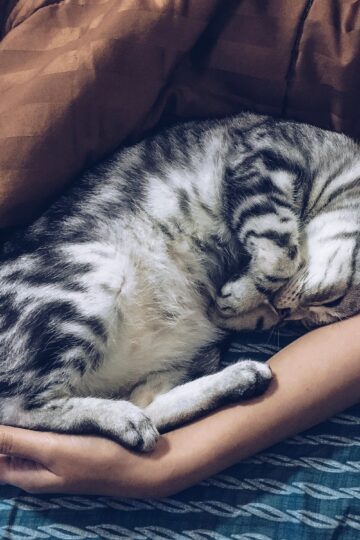
This is also when many adopters realize the cat has quietly picked its "person" - often not the one who fed it most, but the one who respected its space the longest. It's a slightly humbling discovery: cats tend to bond fastest with humans who let them approach first, not the ones who chased affection from day one.
Worth Knowing
- Feline trust is offered, never demanded - chasing affection early can backfire
- Cats often bond fastest with whoever gave them the most space, not the most attention
- A headbutt or leg brush counts as a real bonding milestone, even without a lap sit
#5 - The First Play Session (Months 3–4)
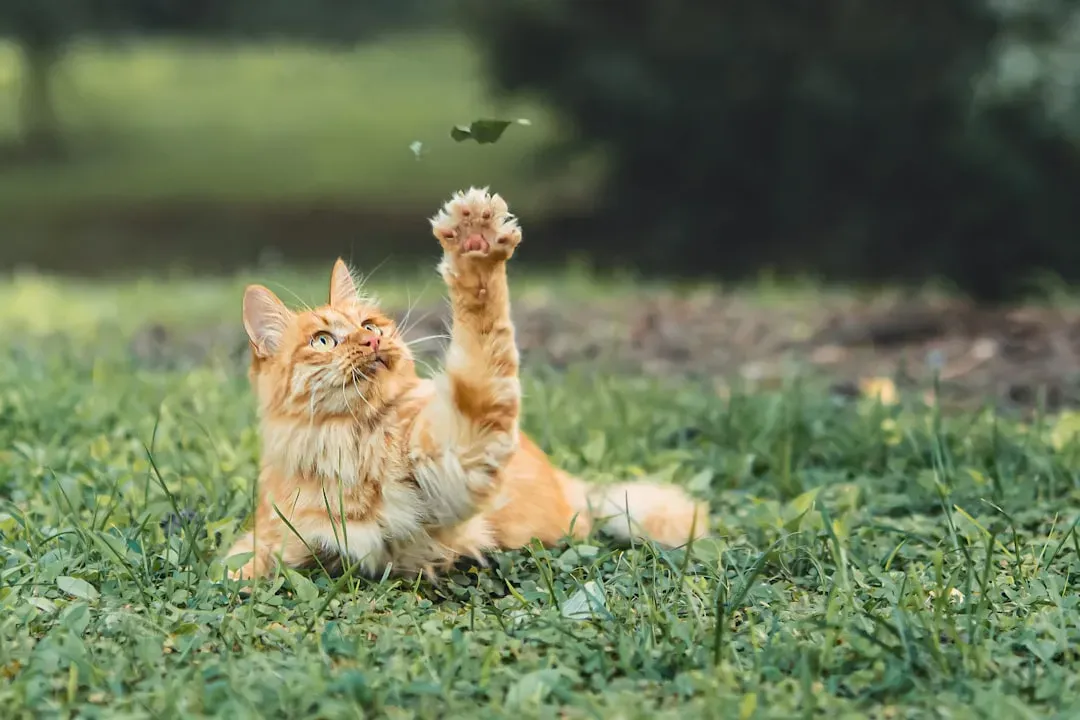
Play is one of the most overlooked trust indicators in cat behavior, and it's easy to miss if you're not watching for it.
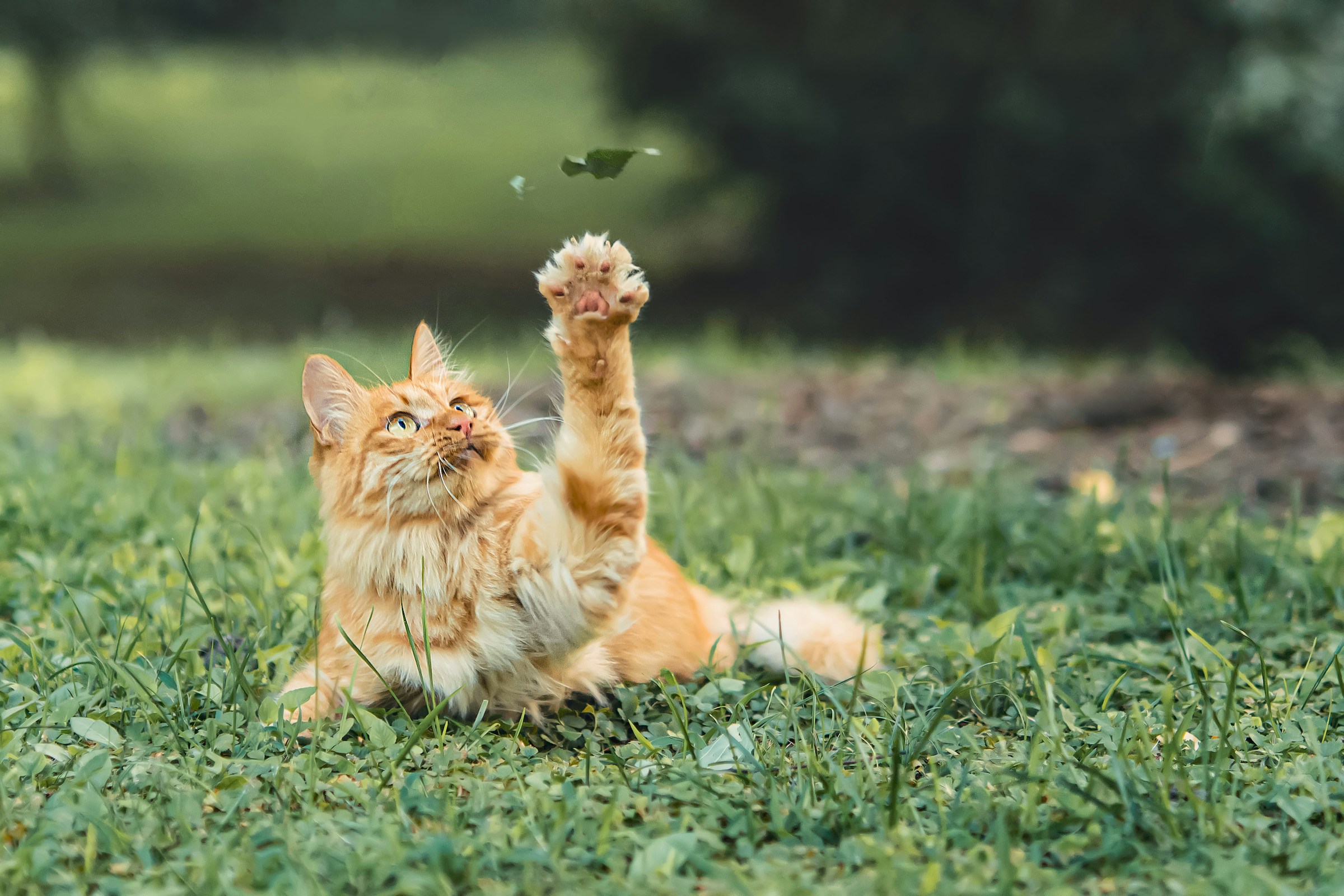
A frightened or stressed cat almost never plays, because predatory instincts shut down under fear. So when an adopted cat finally chases a toy, pounces on a string, or starts a game with its owner, it's a real neurological signal that the fear response has significantly downgraded. Vets often consider spontaneous play a stronger recovery marker than purring, since a cat can purr even while stressed or in pain.
This stage often catches adopters off guard because it can appear suddenly, sometimes overnight. A cat that's been reserved for months may abruptly start "zooming" through the house or ambushing feet under blankets. It's not a personality change - it's the personality that was there all along, finally safe enough to show itself.
#6 - The First Vet Visit Without a Meltdown (Months 5–8)
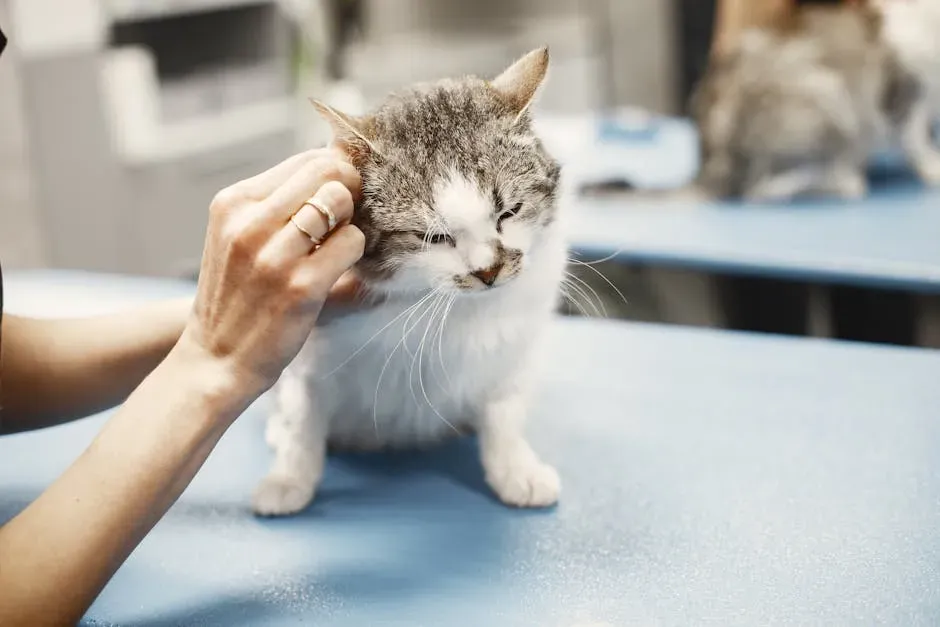
This one sounds unglamorous, but professionals watch it closely, because it's one of the few objective checkpoints in an otherwise emotional process.
By the mid-point of the first year, most well-adjusted rescue cats show noticeably less stress at routine vet visits compared to their initial post-adoption checkup. A cat that once yowled, hid, or lashed out during handling often becomes markedly calmer, and vets use that shift as an informal benchmark for how well the adoption is actually progressing.
This matters because a vet visit combines nearly every trigger a cat fears at once - travel, strangers, restraint, unfamiliar smells. A cat that tolerates it with even modest improvement has usually built a strong enough sense of security at home to buffer short-term stress everywhere else. It's one of the clearest real-world tests of how far the bond has actually come.
#7 - The First "Gotcha Day" Anniversary (Month 12)

The one-year mark isn't just sentimental. It's the point where behaviorists say the adjustment period is genuinely over.
By twelve months, most adopted cats have fully transitioned from "guest" behavior to "resident" behavior - consistent routines, a settled social hierarchy with household members and other pets, and a stable temperament that rarely regresses without a major environmental change. Behaviorists generally treat the one-year mark as the point where a cat's personality and trust patterns are considered fully established, rather than still "in progress."
This is also when many owners report the deepest bonding behaviors finally showing up - sleeping on the bed, following from room to room, greeting them at the door like it's the best part of their day. It's less a single dramatic event and more a quiet accumulation of eleven previous months finally clicking into place. If you've made it here with your cat, the hard part is genuinely behind you both.
At a Glance: The First-Year Timeline
- Days 1–3: Hide and freeze (decompression window)
- Week 1: First real meal, appetite and litter habits stabilize
- Weeks 2–4: Cautious solo exploration begins
- Month 2: First voluntary touch
- Months 3–4: First real play session
- Months 5–8: Calmer, less stressful vet visits
- Month 12: Full "resident" status, personality fully settled
Here's the uncomfortable truth most adoption guides won't say outright: the timeline matters more than the tactics. You can't rush trust, and forcing affection early almost always backfires, no matter how good your intentions are.
The cats that thrive long-term are the ones whose owners let biology set the pace instead of their own impatience for cuddles. If your cat hasn't hit one of these milestones exactly on schedule, that's not automatically a red flag - every rescue history shapes this timeline differently, and some cats simply need more runway than others.
What actually matters isn't speed. It's direction. A cat that's slowly, steadily moving forward - even in fits and starts - is a cat that's healing. Did your rescue cat hit these milestones early, late, or wildly out of order? Tell us its "gotcha day" story in the comments.