16 Cat Breeds That Act More Like Dogs Than Cats
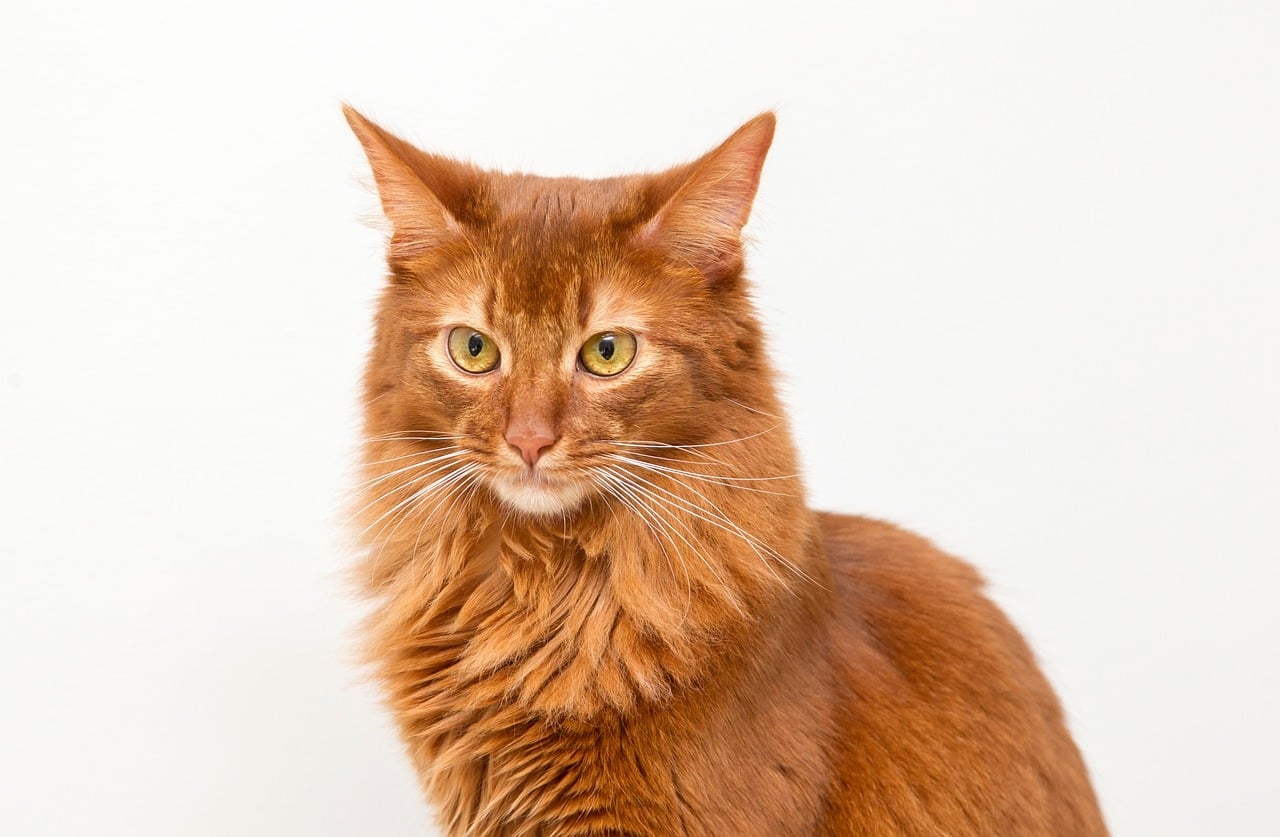
Somewhere along the way, cats got branded as the ultimate ice queens of the pet world - aloof, untrainable, allergic to affection unless it's on their terms. That reputation is quietly falling apart, and a lot of cat owners are finding out the hard way that they've been sleeping next to a dog in disguise. There are breeds that fetch tennis balls, wait by the door at 5:30 like clockwork, walk on leashes without a fight, and genuinely seem to miss you when you're gone.
None of this is an accident. Centuries of selective breeding pushed certain cats toward the kind of clingy, people-obsessed loyalty we usually reserve for dogs. So if you've ever sworn off cats because you assumed they'd never look at you the way a Labrador does, you're about to meet sixteen breeds that will make you rethink everything.
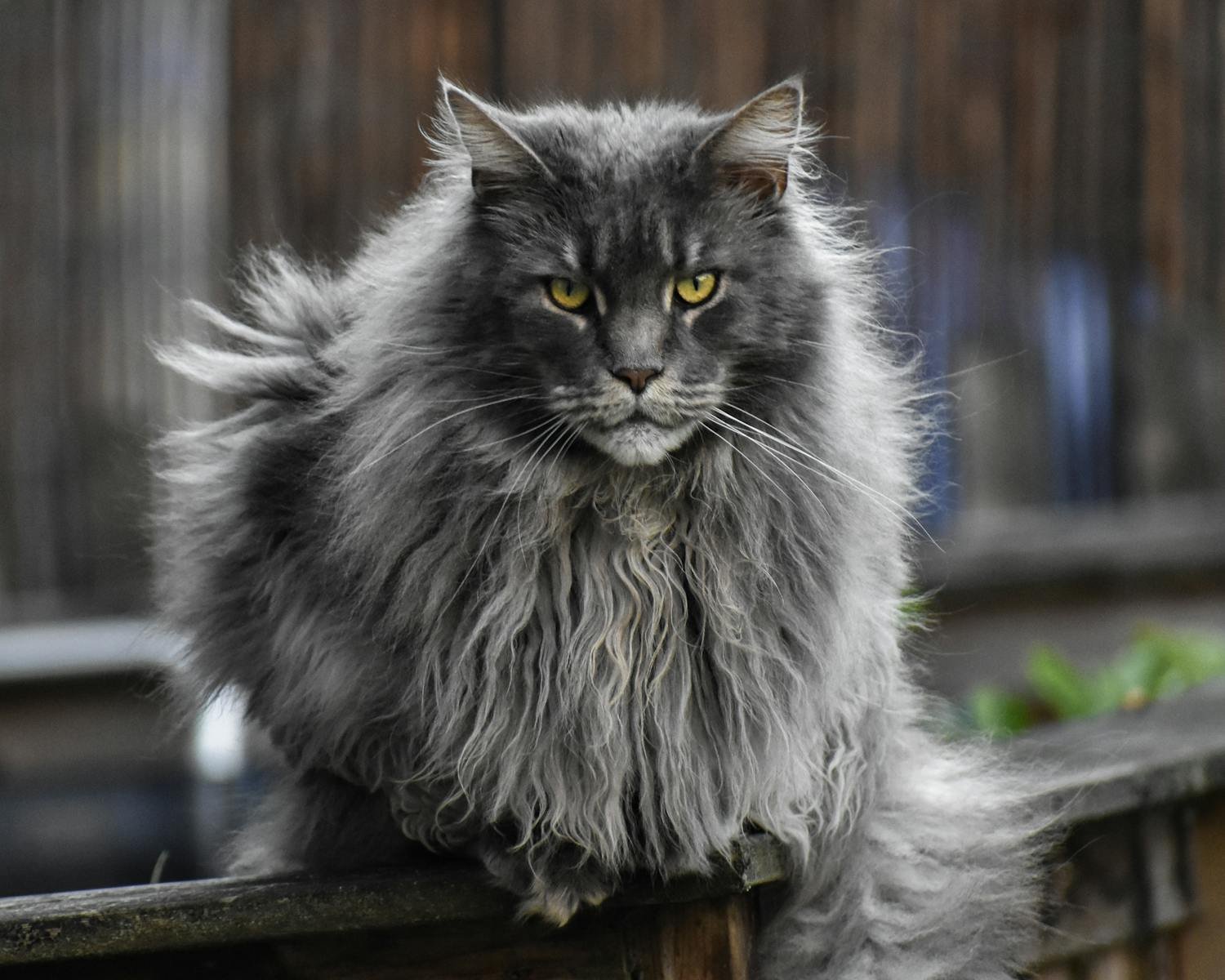
#1 - Maine Coon: The Gentle Giant Who Shadows Your Every Move
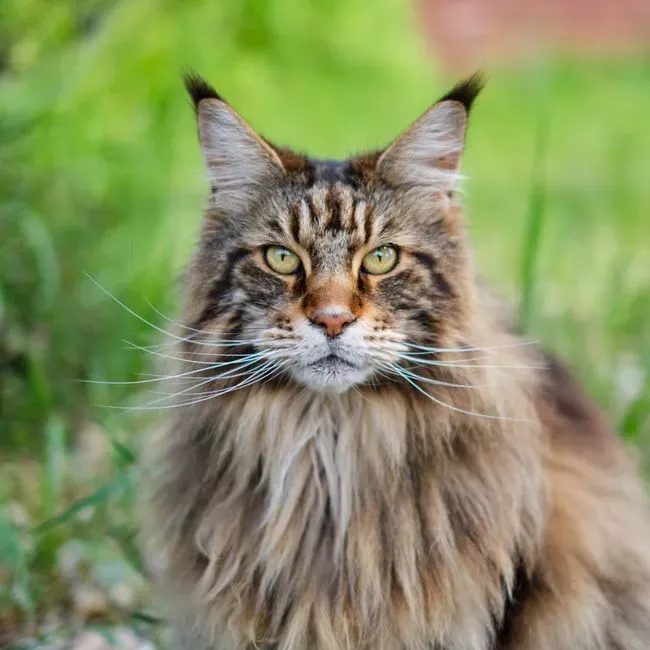
The gentle giant of the cat world doesn't just look like it wandered in from a dog park - it acts like it too. Maine Coons trail their owners from room to room, supervising cooking, laundry, even bathroom breaks, like they've appointed themselves head of household security.
Most people don't realize this breed can be leash-trained almost as easily as a puppy, and plenty of them play fetch completely unprompted, dropping a toy at your feet and staring until you throw it again. They're chatty too, using chirps and trills instead of the flat, disinterested meow people expect. One person usually becomes their favorite, but the whole family gets the loyalty package - big paws, bigger heart.
Fast Facts
- Males typically weigh 13–18 lbs, with some individuals reaching 25 lbs
- Widely considered the largest domesticated cat breed, taking up to 4–5 years to reach full size
- Average lifespan runs 12–15 years
- Officially recognized as the state cat of Maine
#2 - Ragdoll: The Cat That Goes Limp With Love
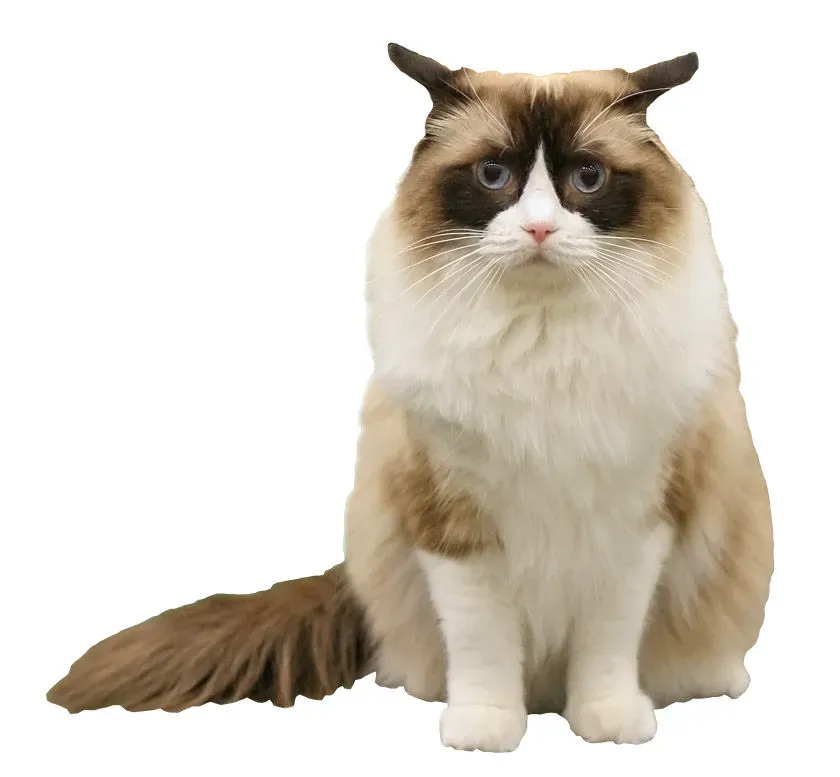
Ragdolls earned their name because they physically go limp with pleasure when picked up - a level of trust almost no other cat on this list is willing to hand over. They'll flop onto their backs for belly rubs, a position most cats treat as a tactical mistake.
This breed was deliberately bred since the 1960s for a trusting, easygoing temperament, and it shows. Owners report Ragdolls waiting at the door when they get home, practically wagging with excitement. They're tolerant of kids, strangers, and other pets, which makes them one of the few cats that genuinely thrives in chaotic, busy households.
#3 - Abyssinian: The Cat With a Terrier's Engine
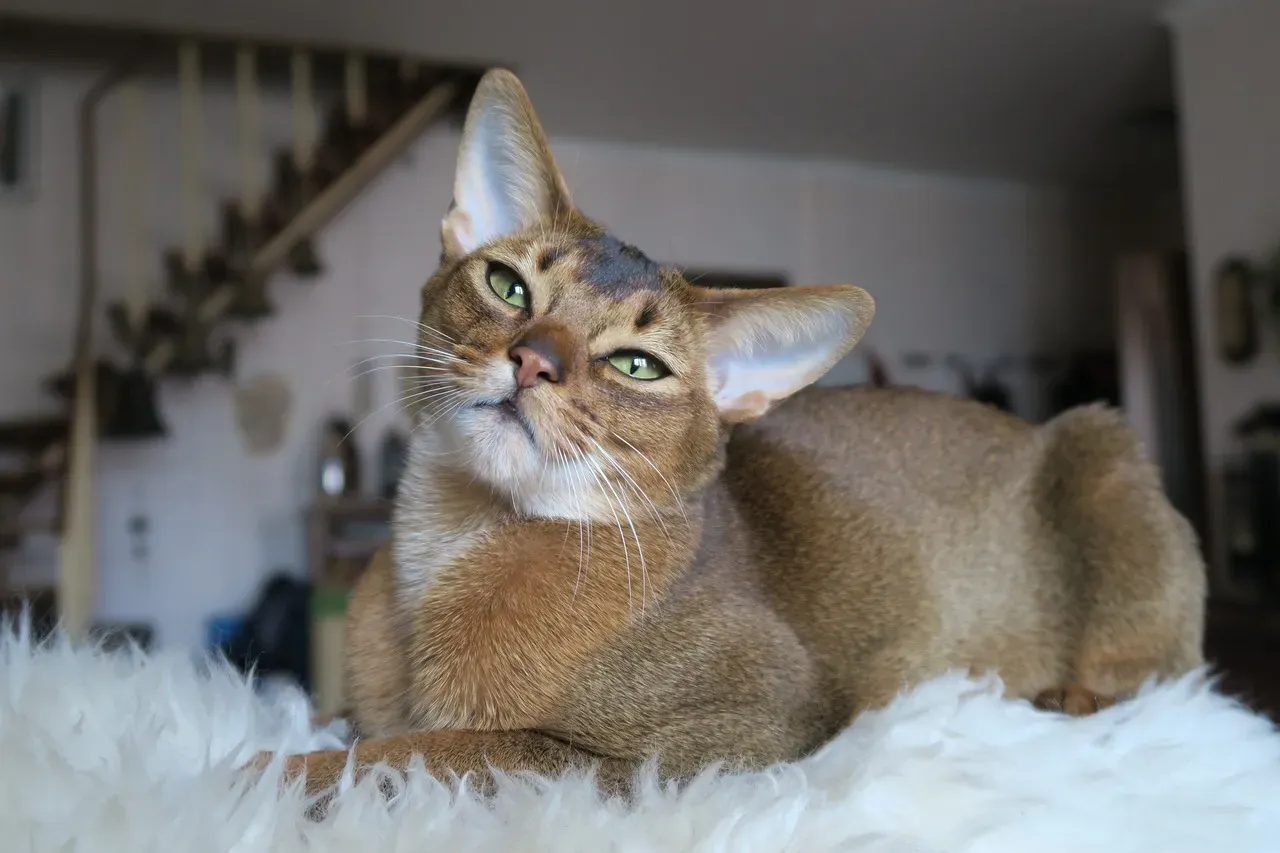
Abyssinians don't do "still." They climb, they explore, they invent games out of thin air, and their energy gets compared to a hyperactive terrier more often than to any typical housecat.
Here's the catch: Abyssinians bond so hard to their humans that real separation anxiety is a documented risk if you leave them alone too long. Many can be taught to fetch, open doors, or come reliably when called - skills that feel more "working dog" than "aloof feline." Expect to be followed, watched, and gently pestered for attention constantly.
#4 - Burmese: The Lap-Hugger Who Won't Take No for an Answer
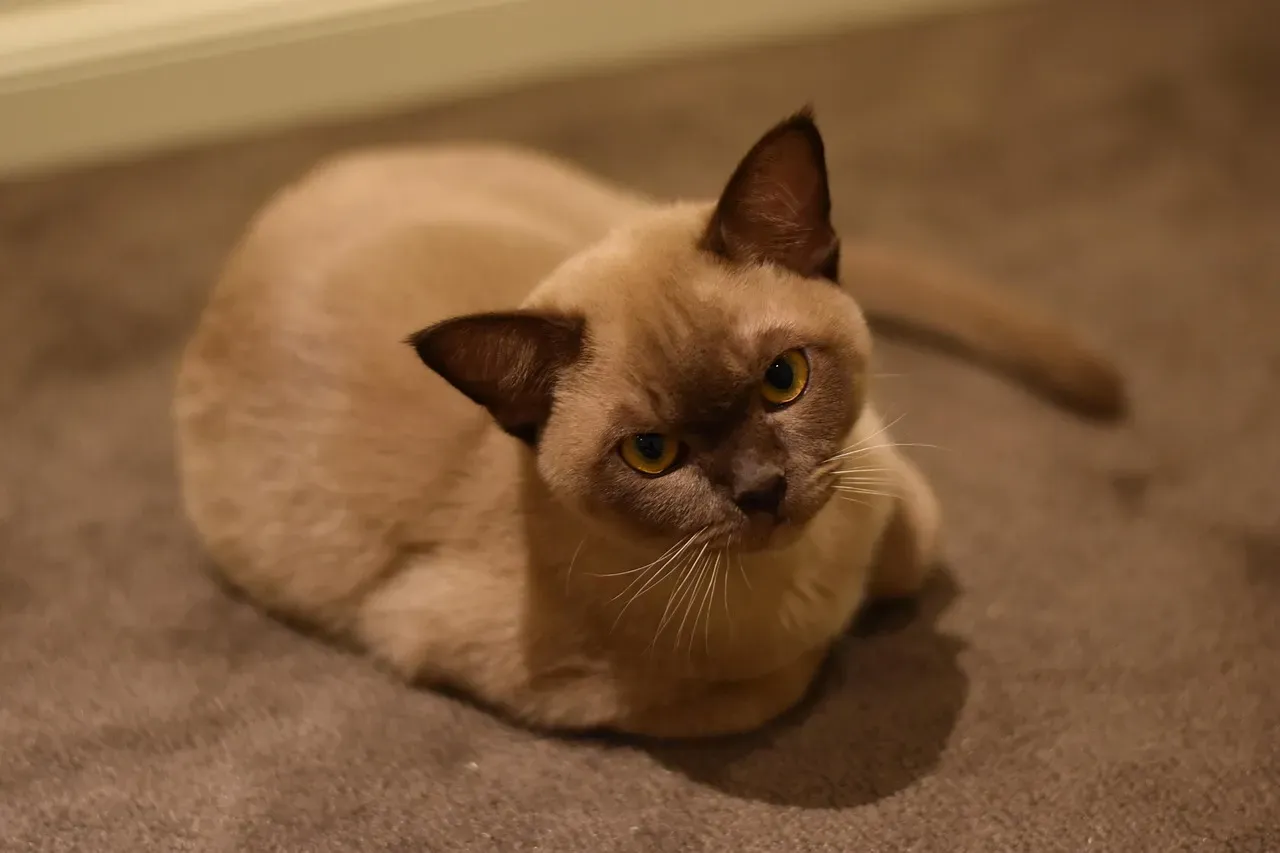
Burmese cats treat personal space as more of a suggestion. This breed insists on being held, carried, or draped over your shoulders like a scarf, and it rarely takes the hint if you'd rather not.
Ignore one for too long and you'll hear about it - persistent, insistent meowing until you cave. They're loyal to a favorite person but still warm to guests, and breeders are upfront that this isn't a low-maintenance cat. It wants to be part of everything, all the time, whether you invited it or not.
#5 - Manx: The Tailless Watchdog of the Cat World
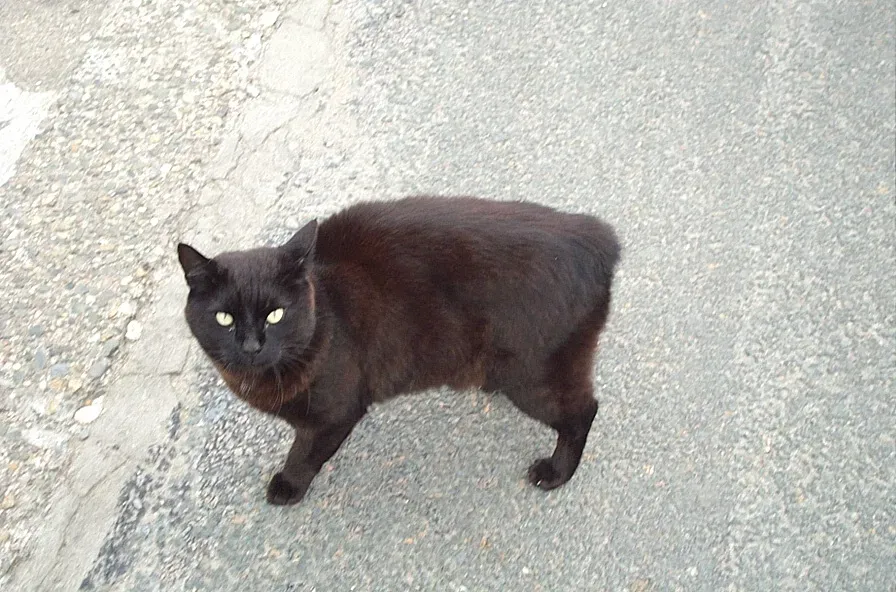
The stocky, tailless Manx doesn't just resemble a small dog physically - it patrols like one too. Many owners swear their Manx guards the house or alerts them the moment a visitor arrives, which isn't typical cat behavior by any stretch.
They play fetch, hop instead of walk thanks to their unusual hind legs, and bond fiercely with children and other pets. Manx cats stay playful well into adulthood, and that protective, territorial streak has earned them terrier comparisons for generations among people who've owned both.
#6 - Turkish Van: The Cat That Follows You Into the Shower
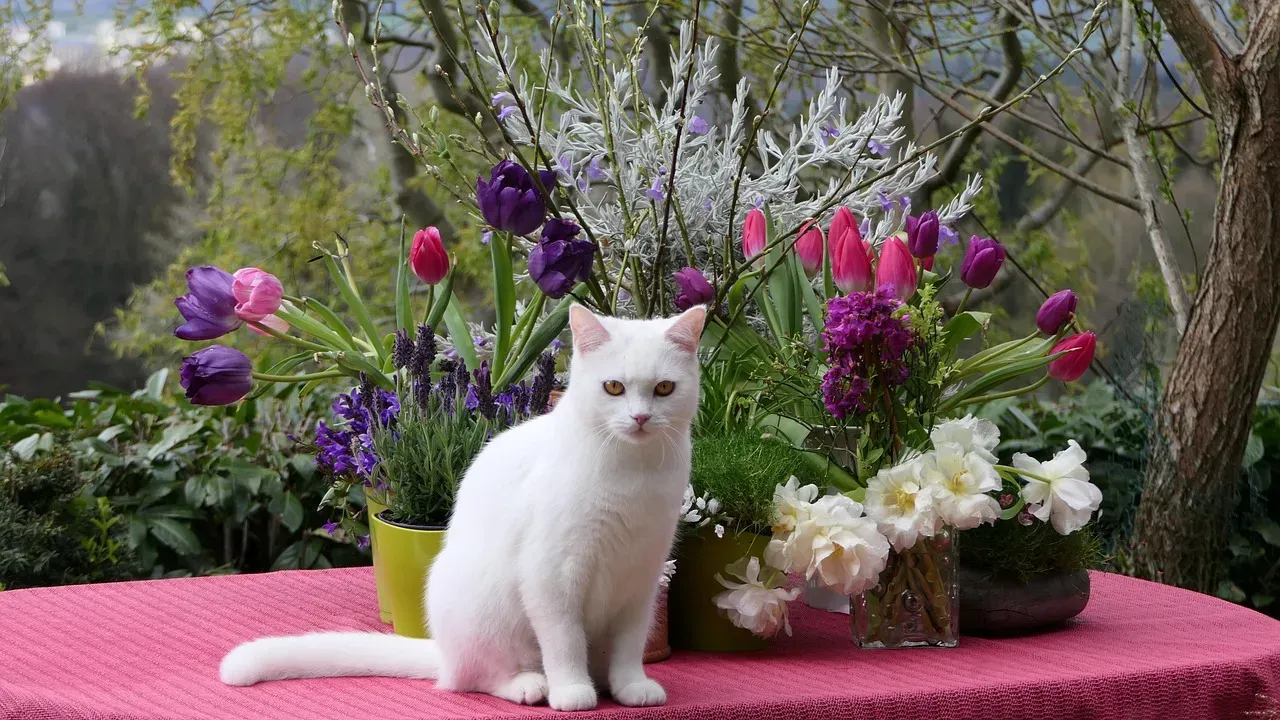
Turkish Vans are famous for loving water, but their devotion runs just as deep as their curiosity. This breed picks one person to shadow all day, greeting them at the door and jumping uninvited into laps.
Experts note Turkish Vans will genuinely try to join you in the shower or bath, which sounds like a joke until you've lived with one. They're vocal, trainable, and often learn to fetch small toys - less lap cat, more semi-aquatic retriever with strong opinions.
#7 - Ocicat: Wild Looks, Golden Retriever Heart
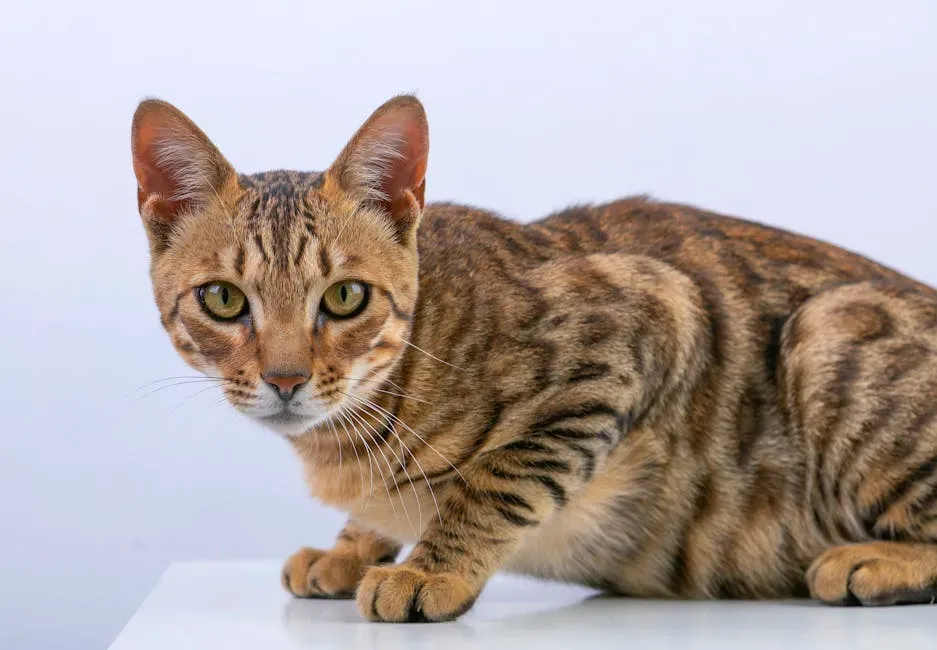
The Ocicat looks like it wandered out of the jungle - spotted, sleek, faintly dangerous. There's zero wild cat DNA in it, and the personality couldn't be further from feral.
This is one of the most trainable breeds in existence, often walking on a leash and performing tricks on command. The mistake most people make is judging the book by its cover - Ocicats hate being left alone and will actively seek out company. Breeders openly market them to dog lovers making the leap to cats, and it's not a hard sell.
#8 - Bengal: The Cat That Needs Actual Walks
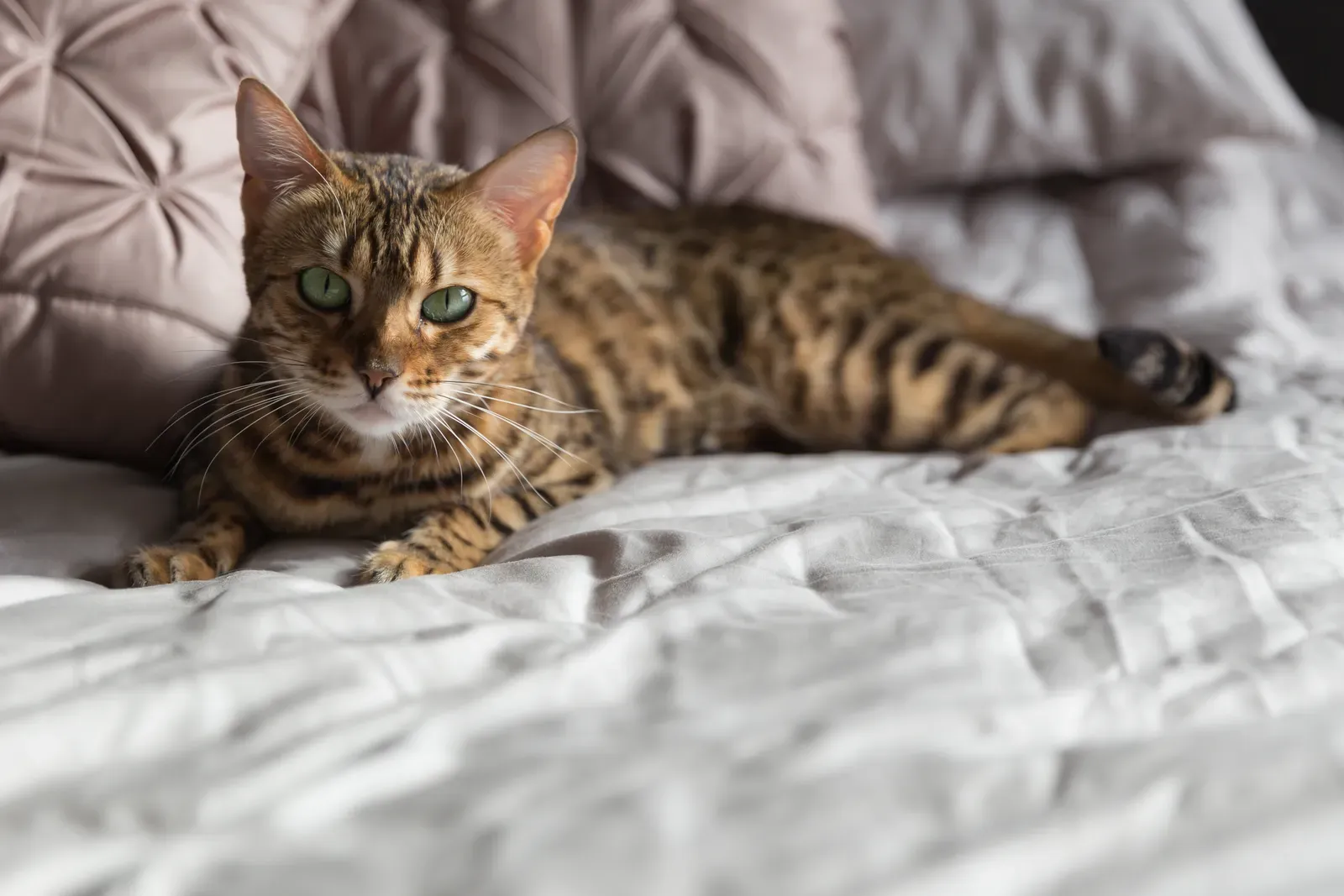
Bengals carry real leopard cat ancestry, and the energy that comes with it catches new owners completely off guard. This isn't a nap-all-day breed - it's a workout partner with fur.
Without enough stimulation, a bored Bengal doesn't sulk quietly. It redecorates your furniture.
Common warning among Bengal breeders
Many owners describe needing structured playtime or literal walks just to keep a Bengal from destroying the house out of sheer boredom. They're obsessed with water, curious to a fault, and prone to separation anxiety. Some experts now flatly say this breed isn't right for first-time cat owners - its needs mirror a working dog far more than a couch cat.
#9 - Siamese: The Cat That Talks Back
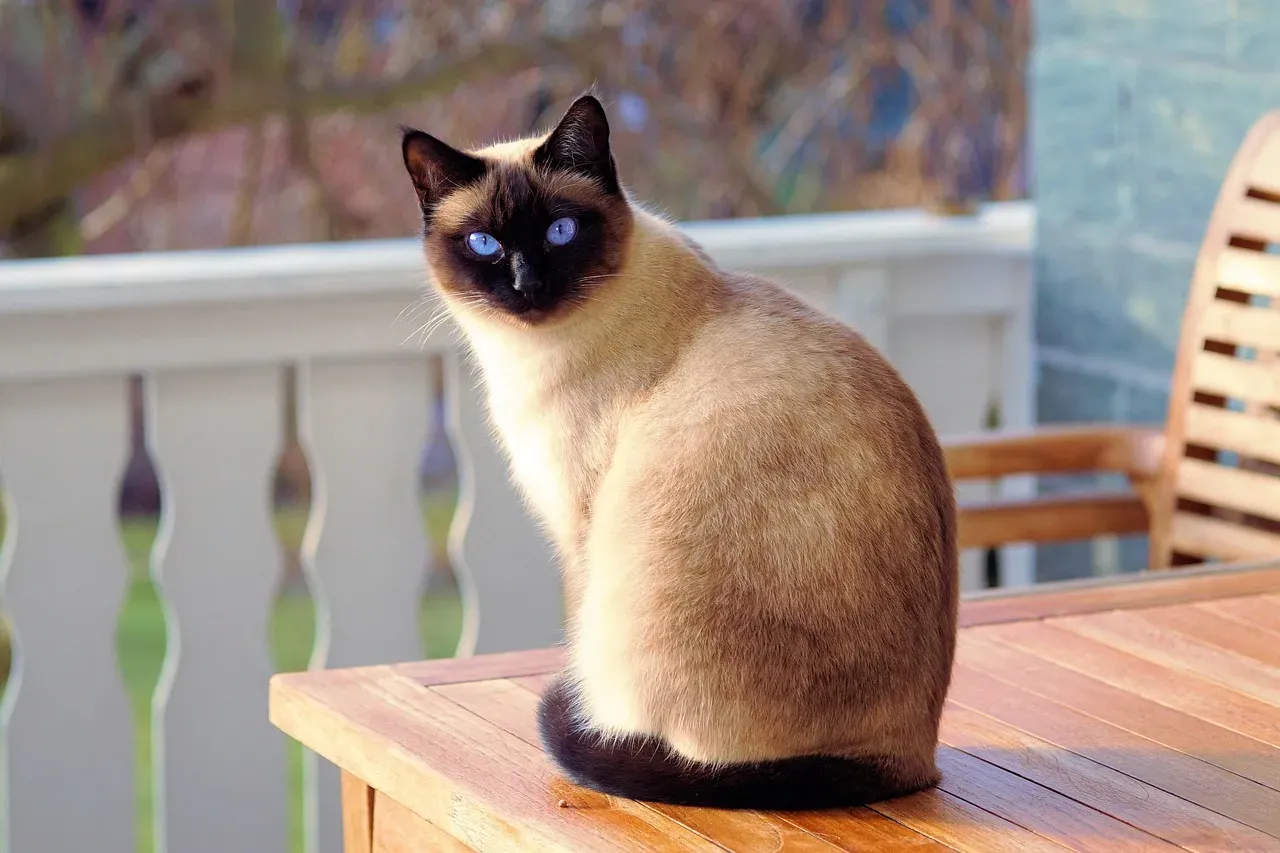
Siamese cats are known for those piercing blue eyes, but it's the voice that really defines them. This breed talks - loudly, constantly, and specifically at you - until it gets what it wants.
They follow their owners from room to room all day and genuinely struggle with long stretches alone. Many fetch small toys repeatedly, treating playtime as a two-person sport rather than solo entertainment. When their favorite person leaves for work or travel, it's not unusual for a Siamese to make its displeasure very clear.
At a Glance
- Origin traces back to ancient Siam, modern-day Thailand
- Considered one of the oldest documented cat breeds in the world
- Recognized coat points include seal, chocolate, blue, and lilac
- Typical lifespan of 12–15 years, with many living well into their late teens
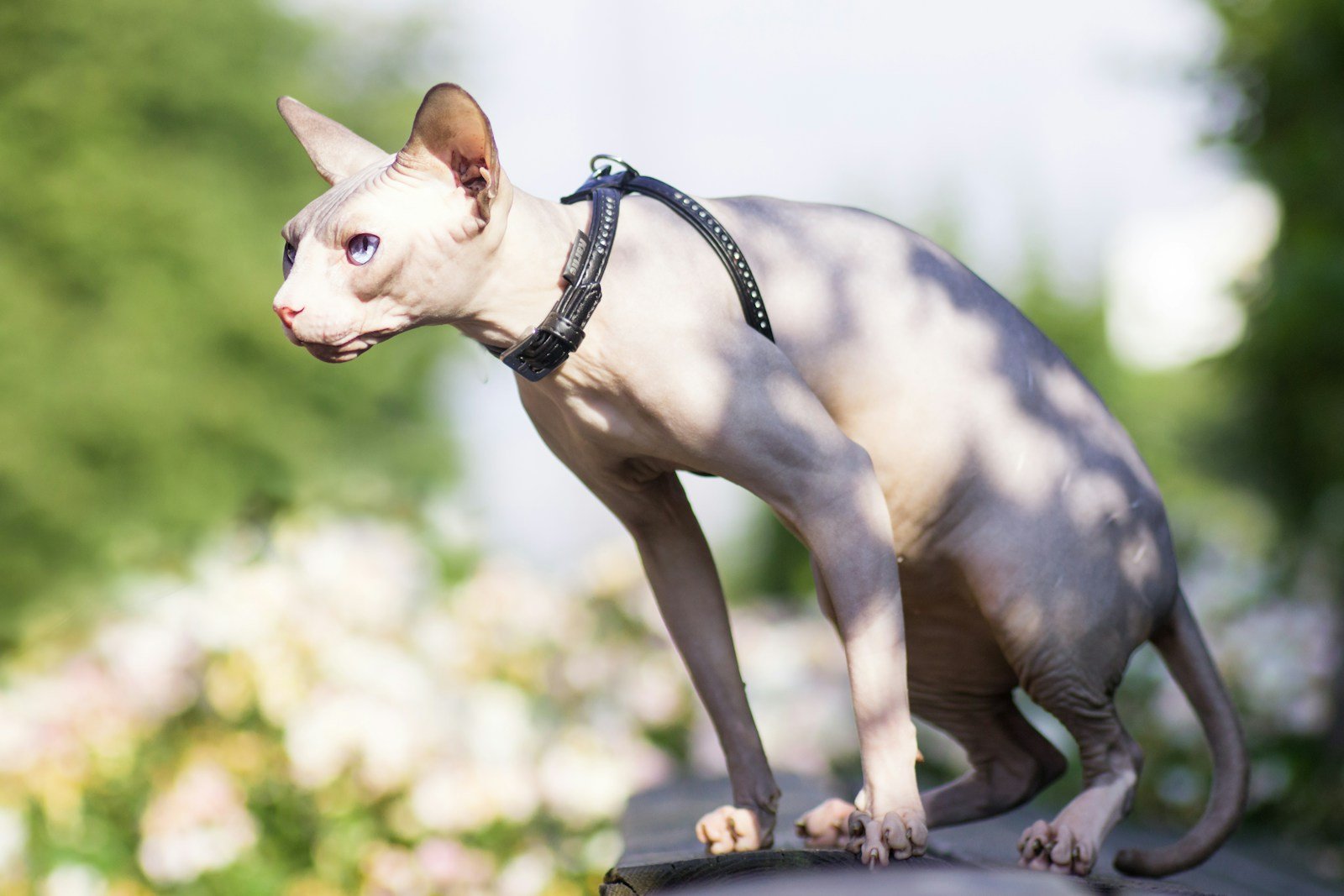
#10 - Sphynx: The Velcro Cat That Refuses to Be Ignored
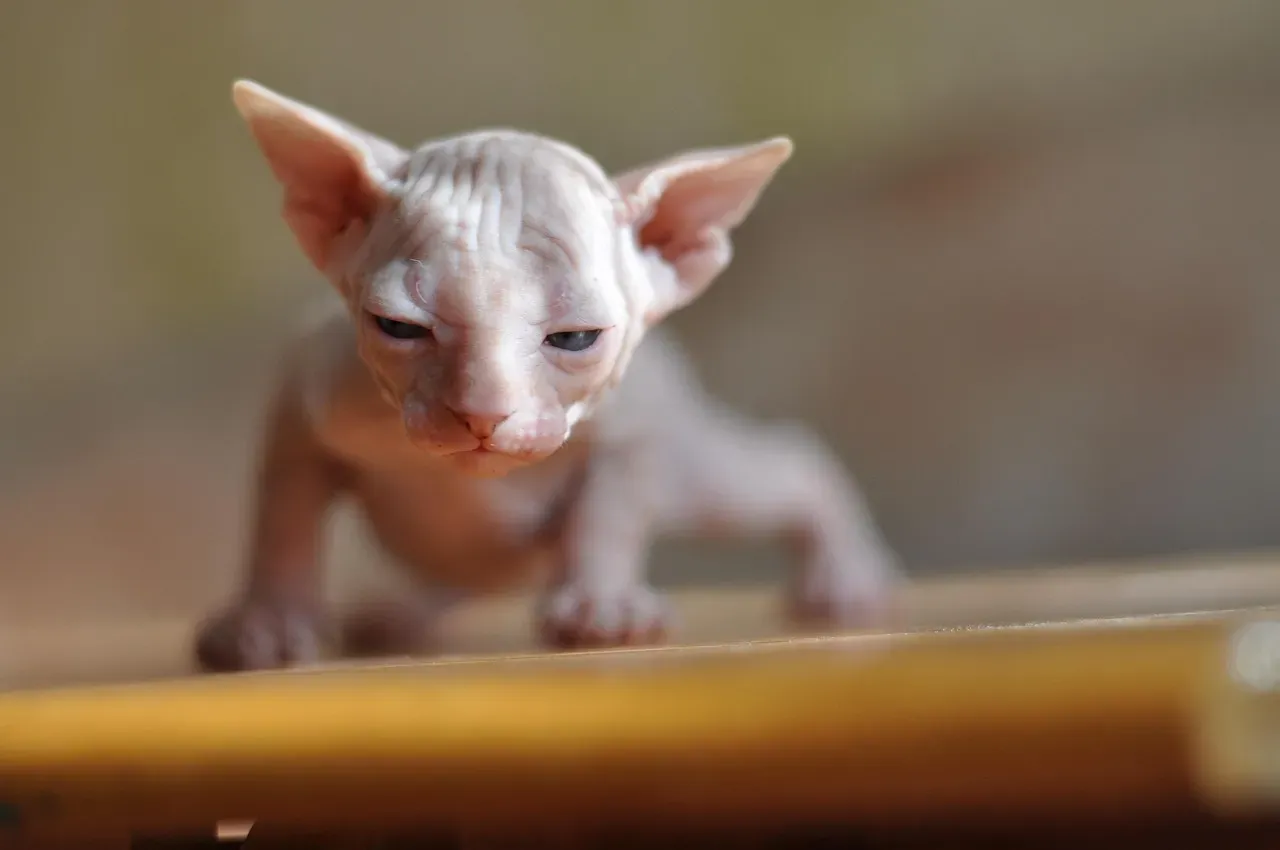
The hairless Sphynx has earned the nickname "Velcro cat," and it's not an exaggeration. It craves warmth and contact constantly, burrowing under blankets or draping itself across your shoulders like it's claiming territory.
Part of this is practical - no fur means they lose body heat fast, so staying glued to a warm human is survival strategy as much as affection. But the personality goes deeper than thermostat management. Sphynx cats greet visitors at the door with dog-level enthusiasm and will paw or vocalize until they get acknowledged. Living with one feels less like owning a cat and more like co-parenting a small, hairless, extremely opinionated dog.
#11 - American Bobtail: The Family Guard Cat
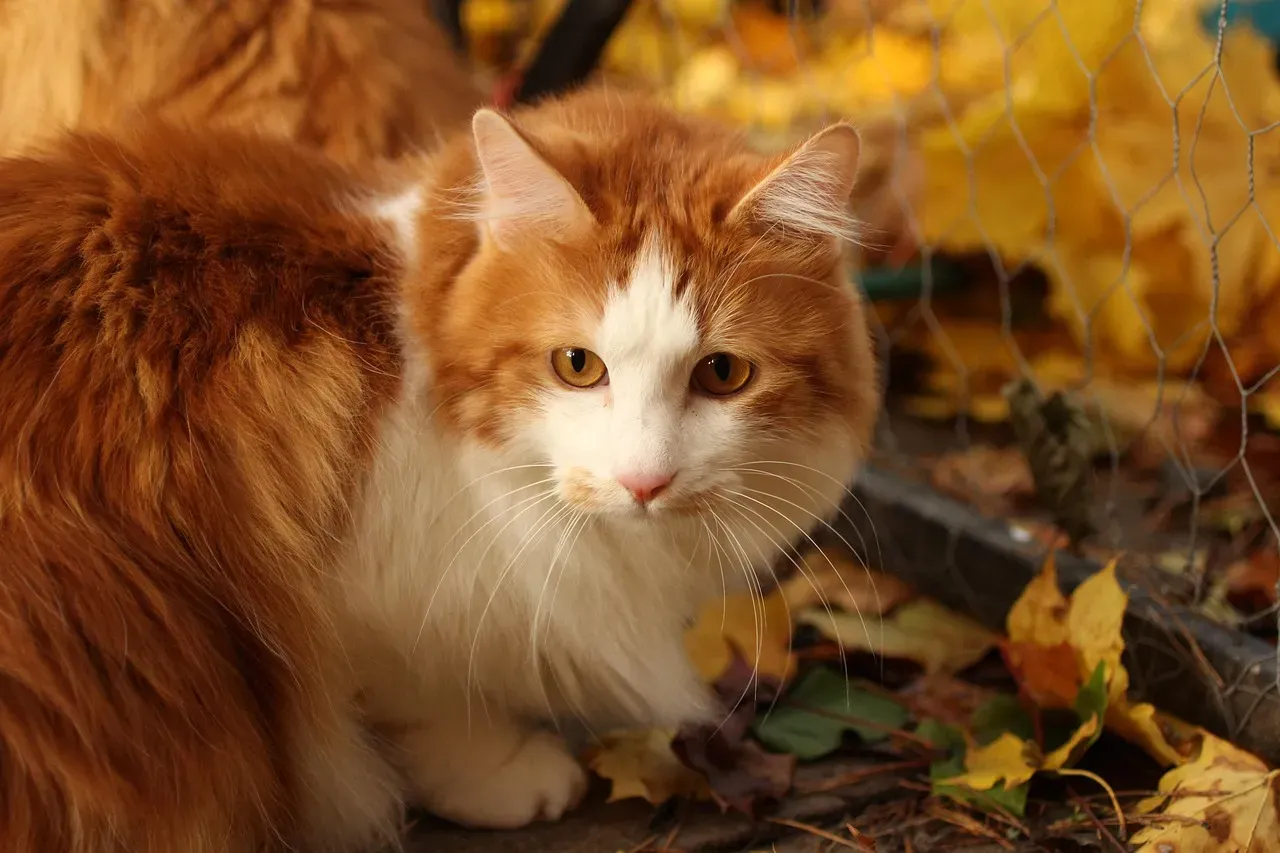
The American Bobtail's short, expressive tail isn't its only quirk - this breed guards its people with a seriousness most cats simply don't bother with. Owners frequently describe their Bobtail alerting them to visitors or strange noises like a self-appointed watch cat.
They play fetch, learn tricks fast, and walk on a leash with minimal fuss. Unlike breeds that fixate on one favorite human, Bobtails spread their loyalty across the whole family, tolerating rough play from kids better than most. Food-motivated and easy to train, they're often recommended specifically to families wanting dog-like reliability in a cat body.
Worth Knowing
- The naturally short tail measures roughly one-third to one-half the length of a typical cat's tail
- Not related to the Manx despite the similar bobbed tail
- Takes about two to three years to reach full physical maturity
- Still considered a relatively rare breed in North American households
#12 - Norwegian Forest Cat: The Calm, Loyal Homebody
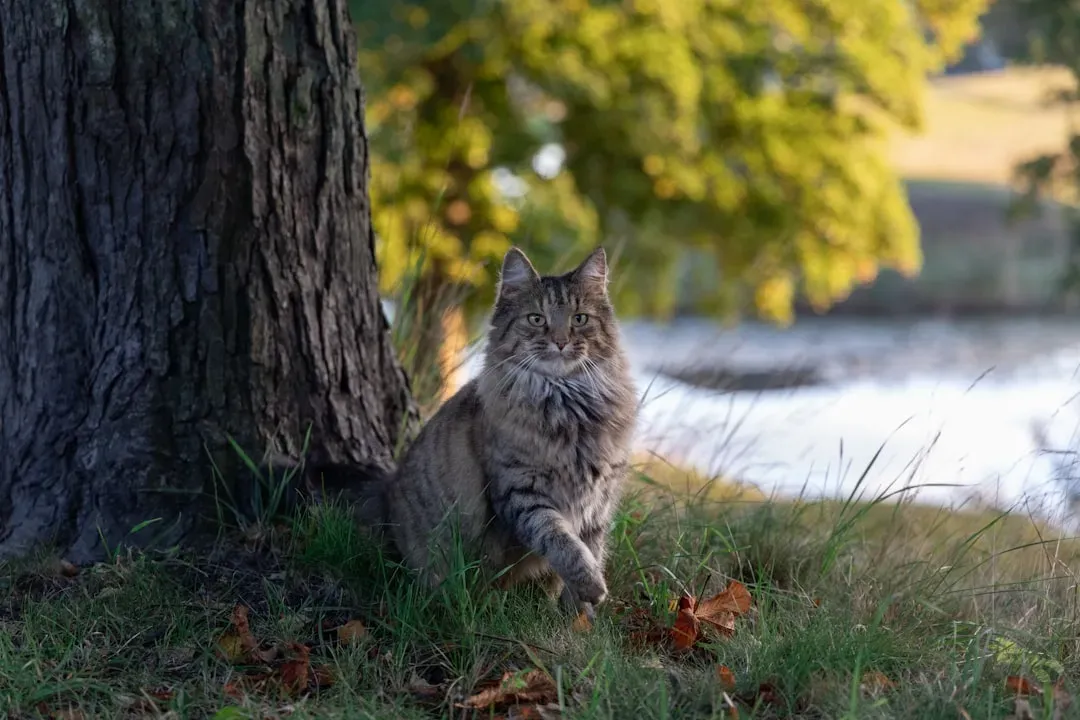
Built for brutal Scandinavian winters, the Norwegian Forest Cat's rugged exterior hides a surprisingly soft, devoted personality. It follows owners around quietly, checking in on daily tasks with genuine interest rather than boredom.
Most people don't expect a long-haired breed to be this trainable, but many Norwegian Forest Cats learn tricks and respond to verbal cues without much trouble. They stay calm around strangers, rarely bolting or hiding, and balance independent exploring with regularly circling back to their favorite person. It's a steady, low-drama kind of loyalty - the feline equivalent of an old, mellow dog that just wants to be near you.
#13 - Tonkinese: The Hybrid That Refuses to Be Alone
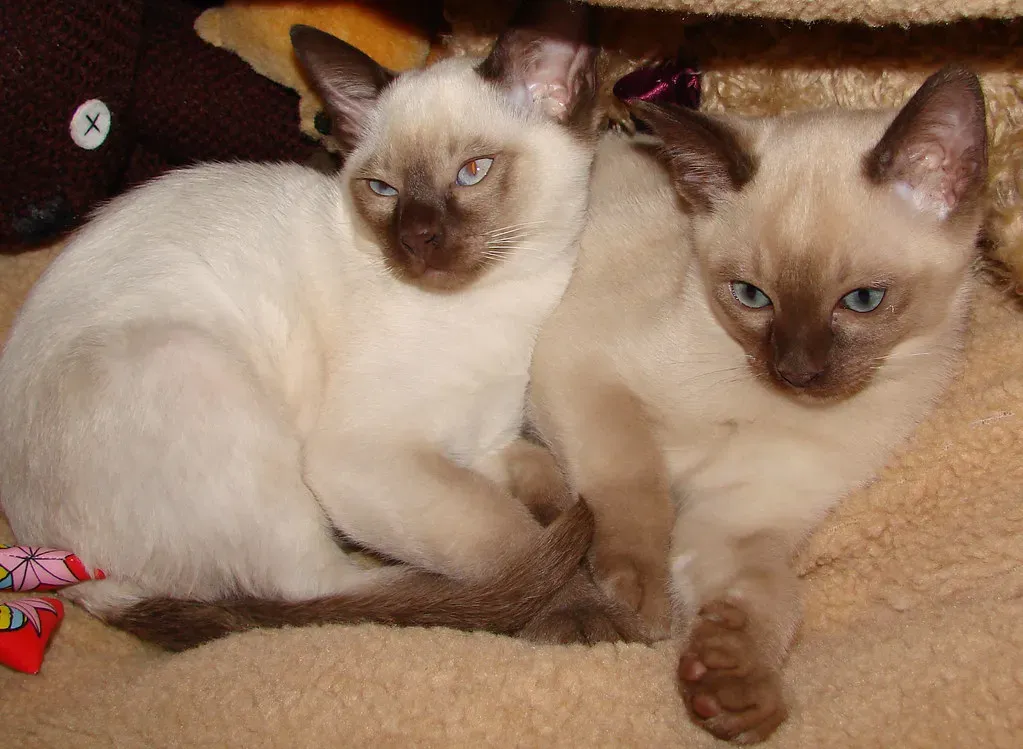
Cross a Siamese with a Burmese and you get the Tonkinese - a breed that inherited the most demanding traits of both parents. It genuinely resists spending time in another room while family is home, which says a lot about its priorities.
Tonkinese cats fetch, walk on leashes, and learn tricks with a consistency that's rare in the feline world. They're vocal about what they want and greet family members enthusiastically after even short absences. Ignore one for too long and expect nudging, pawing, and persistent noise until you fold.
#14 - Somali: The Long-Haired Abyssinian With Boundless Focus
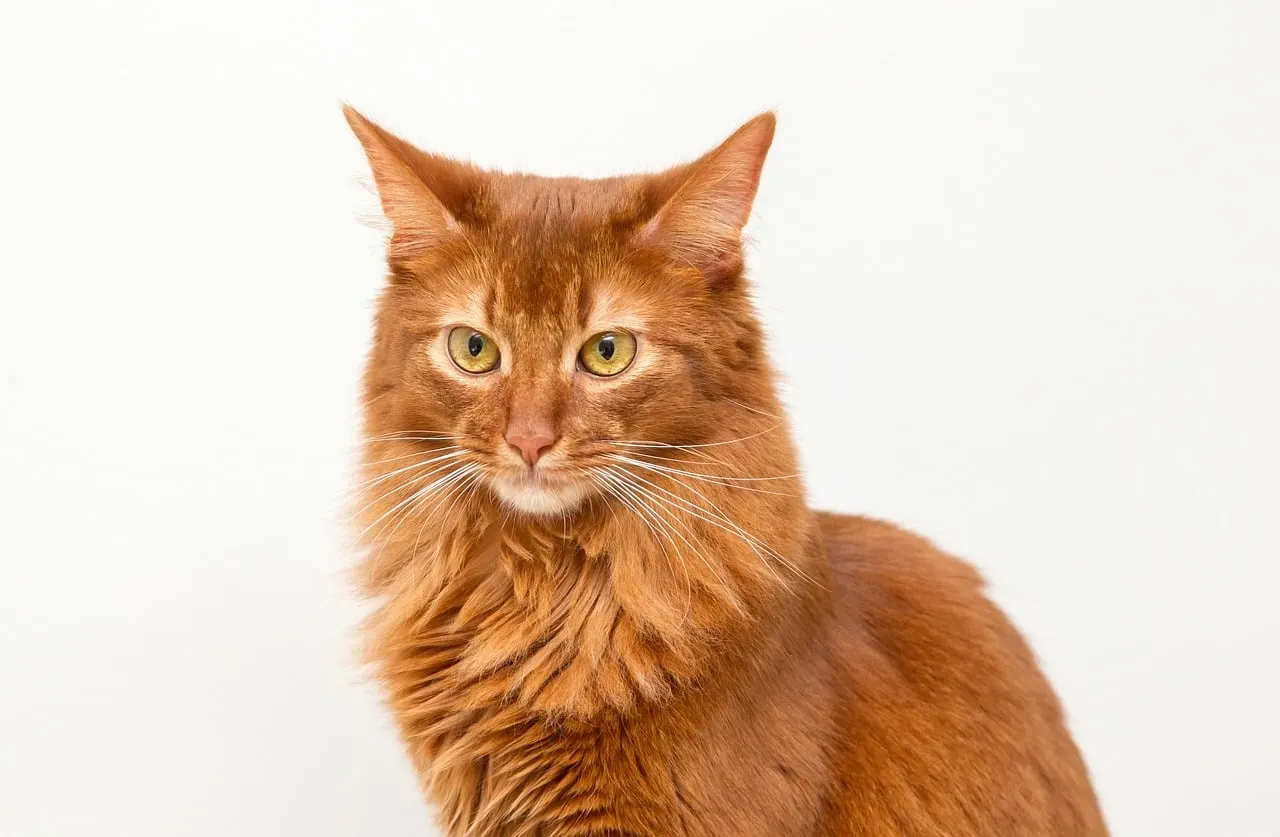
Often called the long-haired Abyssinian, the Somali inherited its parent breed's relentless energy and laser focus on its favorite human. This cat doesn't tolerate being ignored - it invents acrobatics to force the issue.
Many Somalis learn to open doors, retrieve toys, and respond reliably to their names, skills that feel closer to a trained working dog than a typical housecat. They're deeply attached to one person but stay playful with everyone else, and they get bored - sometimes anxious - without regular engagement. Owners often call the breed "exhausting in the best way," which is basically a compliment.
#15 - Munchkin: The Short-Legged Hoarder Who Follows You Everywhere
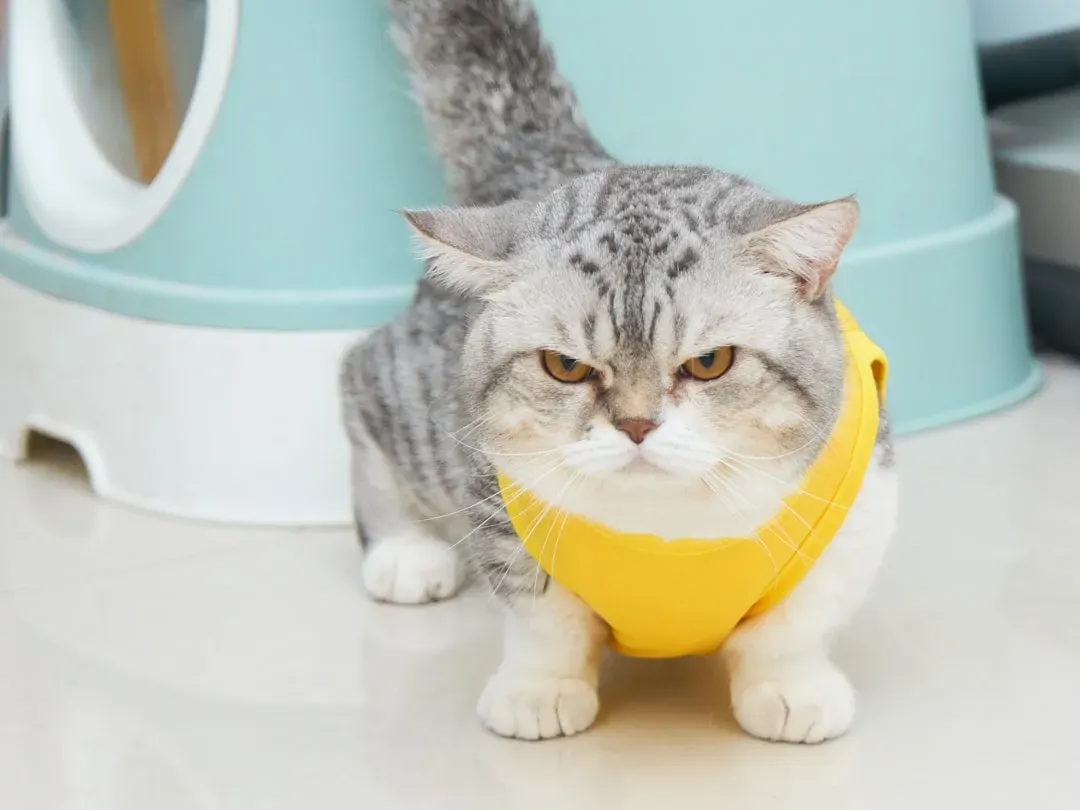
Munchkins are best known for their short legs, but the bold, sociable personality packed into that small frame is the real surprise. This breed is famous for hoarding socks, pens, and small toys, carrying them around the house like trophies - a habit that feels distinctly canine.
Most people don't realize how food-motivated Munchkins are, which makes them surprisingly easy to train with treats and positive reinforcement. They stay playful well into adulthood, follow owners underfoot during chores, and adapt well to multi-pet homes. Some experts do flag legitimate health concerns tied to their shortened legs - worth researching before adoption - but there's no debating how endearing their dog-like enthusiasm is.
Why It Stands Out
- Short legs come from a naturally occurring genetic mutation first documented in the 1940s
- Officially recognized by TICA, with full championship status granted in 2003
- Comes in both short-haired and long-haired varieties, in nearly every color and pattern
- Despite the short legs, most Munchkins run, jump, and climb with surprising ease
#16 - Scottish Fold: The Quiet Companion Who Never Leaves Your Side

With their folded ears and famously quirky sitting positions, Scottish Folds have a quieter, subtler devotion than most breeds on this list - but it's just as persistent. They choose a lap or nearby cushion over solo exploration almost every time.
They're not big talkers, but they compensate with sheer physical closeness, sticking near their favorite humans rather than demanding attention loudly. Scottish Folds adapt easily to new people and environments, showing less stranger anxiety than most cats. Owners often compare the experience to living with an older, mellow dog - content just to be near you, watching quietly from its favorite spot.
The Bottom Line
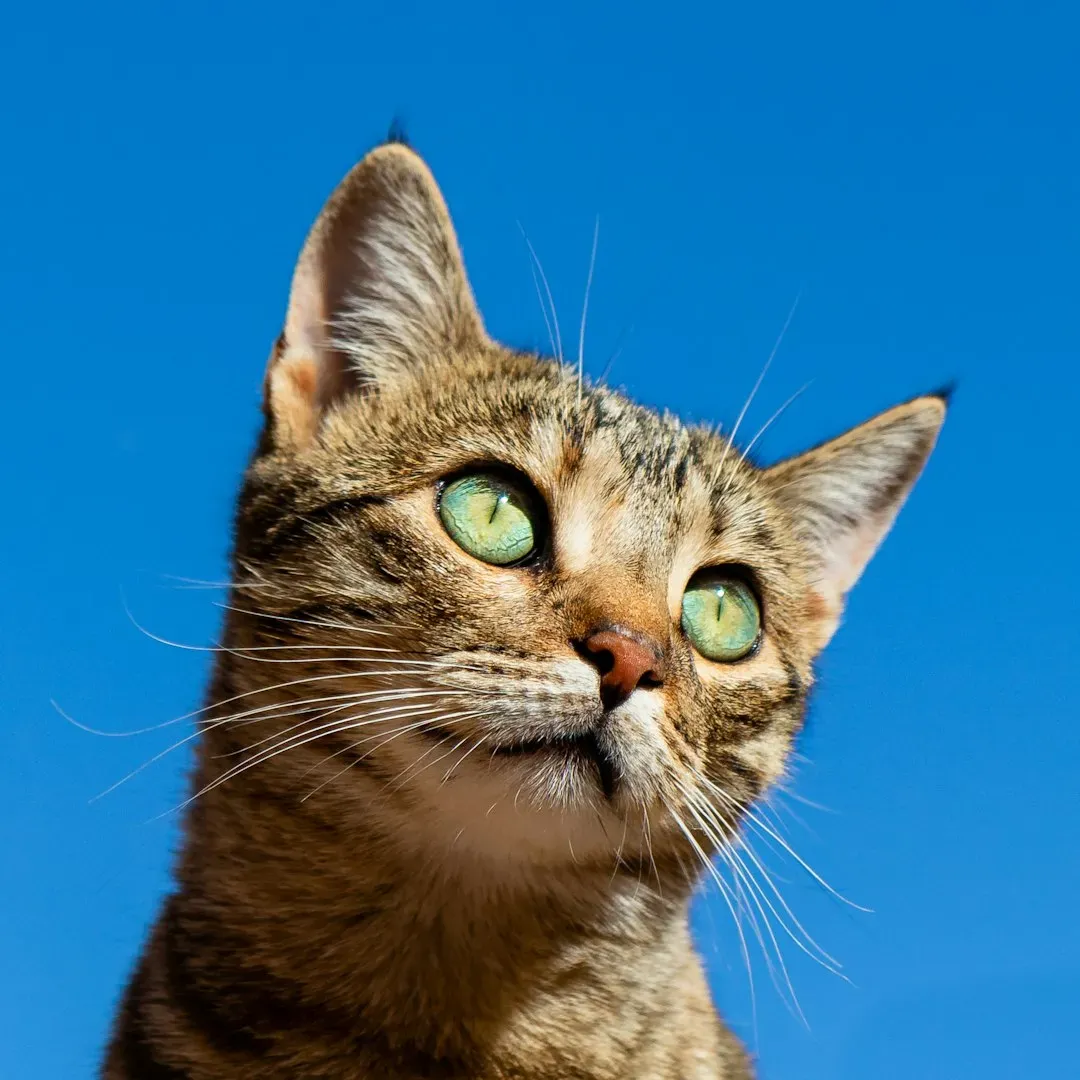
The idea that cats can't be loyal, trainable, or genuinely affectionate the way dogs are is just outdated at this point. Breeds like the Maine Coon, Ragdoll, and Bengal prove feline companionship can be every bit as devoted, vocal, and interactive as anything a golden retriever offers.
If you've been avoiding cats because you assumed they'd ignore you, that assumption is simply wrong for at least sixteen breeds - and probably more we haven't gotten to yet. My honest take? Breed matters far more than most adoption guides ever admit, and skipping that research is the single biggest mistake new cat owners make. Which of these surprised you most? Do you own one that acts nothing like the stereotype? Drop your experience in the comments - I'm willing to bet someone out there has a Bengal that thinks it's a border collie.