Why Your Cat Follows You From Room to Room All Day
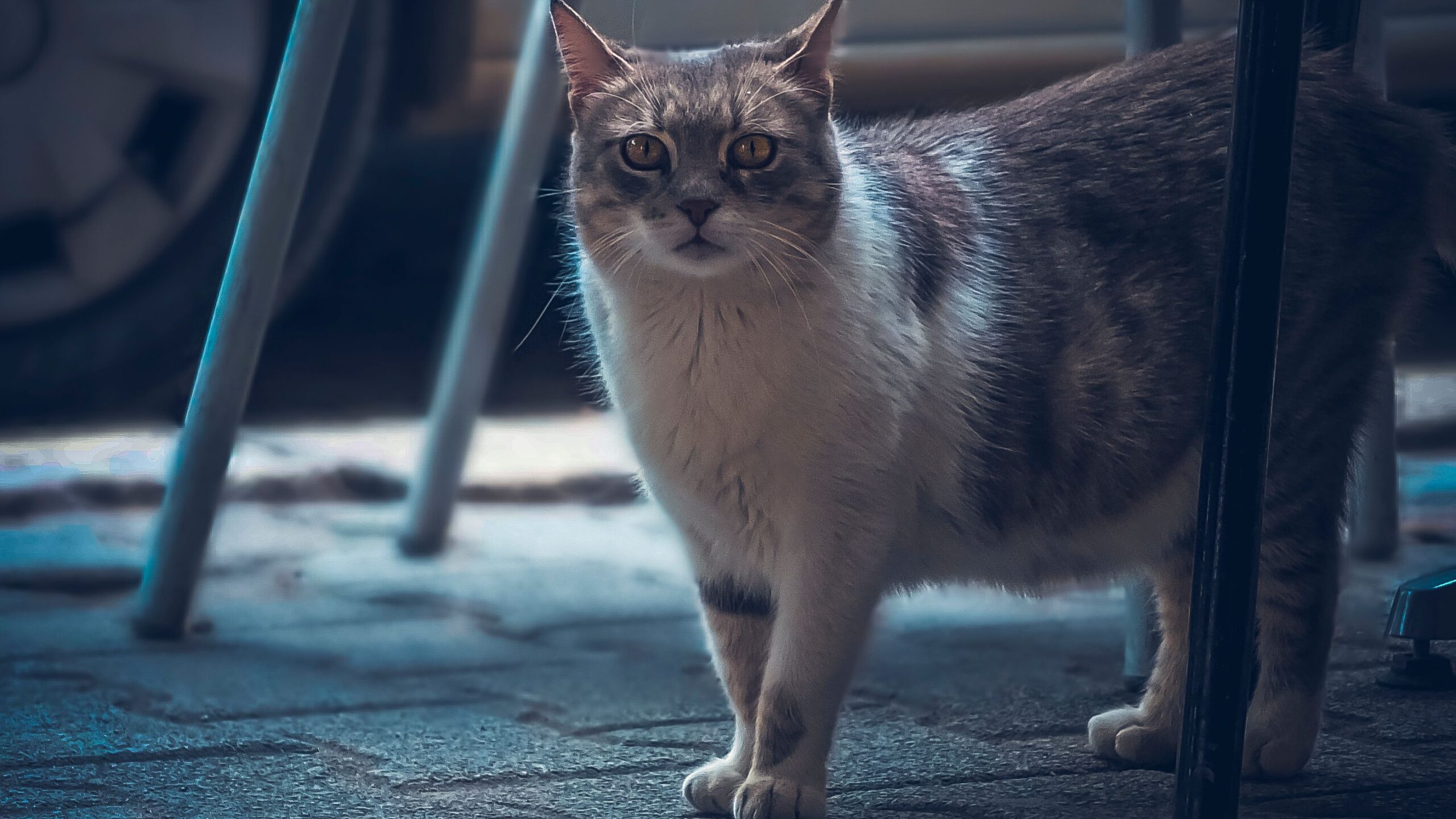
You get up to grab a coffee, and suddenly there's a furry shape weaving between your ankles. You sit down on the toilet, and a face appears at the door like it's guarding the perimeter. Most people write this off as "cat quirkiness" - a cute, meaningless habit with no real explanation behind it.
Here's the twist: researchers have actually mapped the psychology behind this behavior, and it's far more layered than "clingy" or "weird." Some of the reasons your cat shadows you are sweet. Some are surprisingly self-serving. And one or two might make you look at your cat completely differently by the end of this list.
#1 - It's Genuine Attachment, Not Just Habit
Most people still believe the "aloof cat" stereotype - independent, detached, only around for the food. The science tells a very different story.
A landmark study out of Oregon State University found that more than 64% of cats show a secure attachment style strikingly similar to human infants and dogs. That means your cat isn't just tolerating your presence in the house - it has organized its entire emotional world around you. When you leave a room, some part of its brain registers that its safe zone just moved, so it moves too.
Cats are not as emotionally detached as people believe. Their independence is behavioural, not emotional.
Dr. Kristyn Vitale, feline behavior researcher, Oregon State University
#2 - Cats Use You As a "Secure Base" to Explore
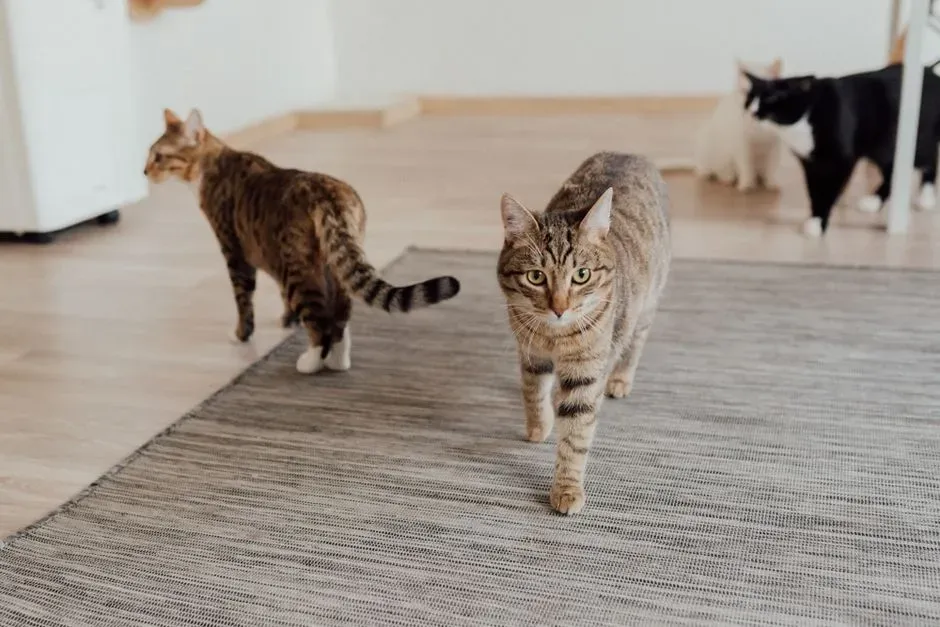
Here's the part almost nobody talks about: your cat isn't only attached to you emotionally - it's using you as a literal launching pad for bravery.
The same attachment researchers found behavior almost identical to how toddlers act with parents in an unfamiliar room. Cats check in, wander off to investigate something interesting, then circle back to "refuel" on your presence before heading out again. That's why your cat often trails you into a new room, then immediately dashes off to sniff a corner while keeping you locked in its peripheral vision. You're not just a roommate. You're the anchor point its entire spatial confidence is built around.
#3 - Plain Old Curiosity Is a Bigger Driver Than You Think
Here's an uncomfortable truth: sometimes your cat isn't following you out of love at all. It's just nosy.
Cats are wired to investigate anything that changes in their environment, and you happen to be the biggest, most unpredictable variable in the house. Open a door to a room your cat rarely enters, and suddenly it's fascinated - trailing behind to see exactly what you're up to. This instinct goes into overdrive for indoor-only cats who don't have outdoor territory to patrol. Without that outside stimulation, their whole world shrinks to your four walls, and you become the most interesting thing in it.
Fast Facts
- Indoor-only cats often redirect outdoor patrol instincts toward their owner
- Any change in the home environment can trigger automatic investigation
- New rooms, bags, or boxes tend to spark instant curiosity
- Curiosity-driven following is usually short and exploratory, not constant
#4 - Food Association Trains the Behavior Fast
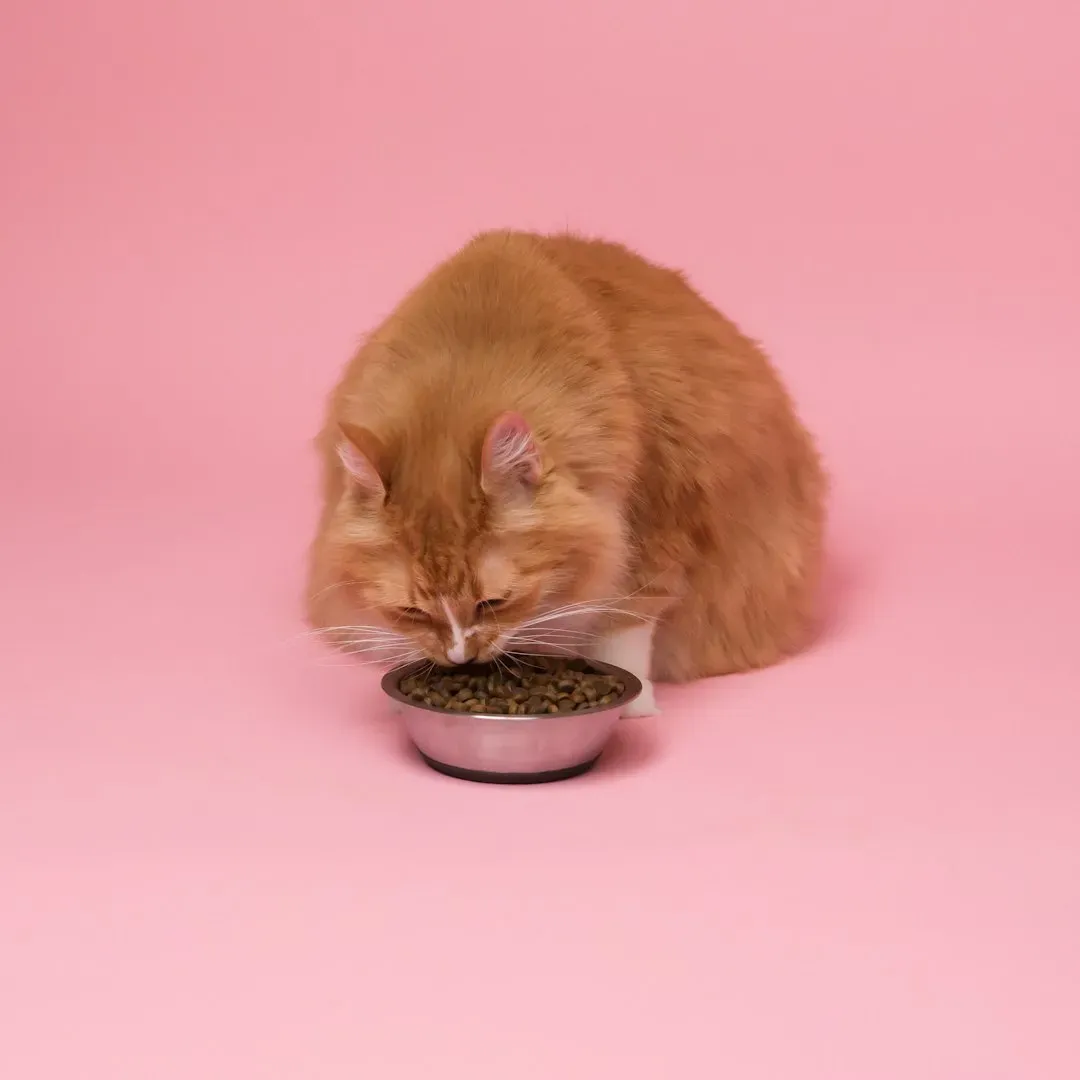
Most owners assume following is pure affection, but cats are shameless opportunists when snacks are involved.
Cats learn patterns at lightning speed, and if your movements have ever predicted a meal, that connection gets filed away permanently. This is why kitchen-trailing tends to spike right before mealtimes - your cat isn't guessing, it's running a mental schedule. Vets say the pattern is reliable enough to use as a clue: if the following is persistent and food-focused rather than calm and casual, it's less "I love you" and more "feed me, human."
#5 - Some Cats Follow You Purely for Attention
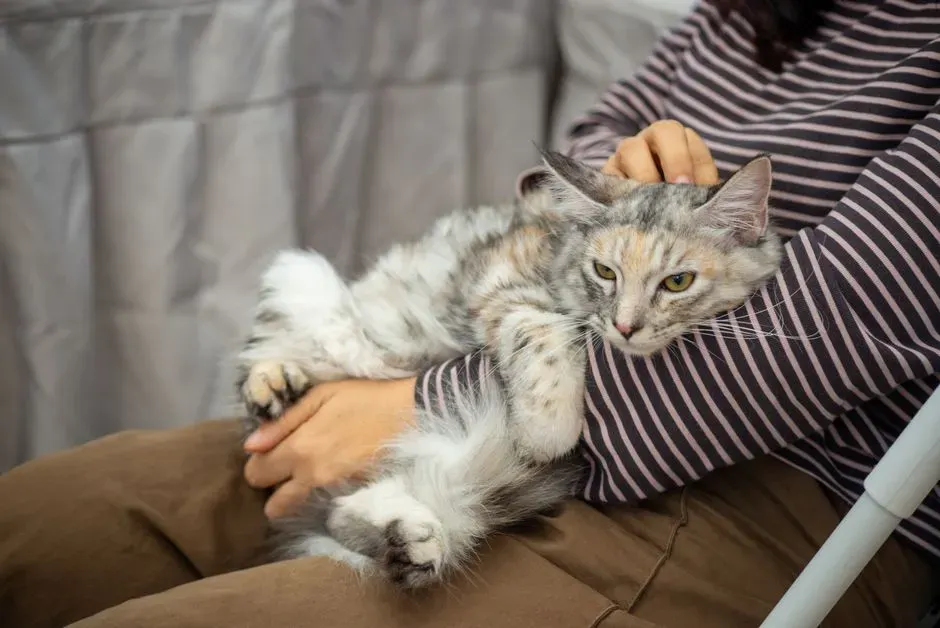
Here's a controversial take: not every "clingy" cat is anxious. Some are just bored out of their minds and looking for a reaction.
Cats who don't get enough interactive play time will often redirect that pent-up energy into shadowing their owner relentlessly - the feline equivalent of a kid tugging your sleeve demanding entertainment. Cat behaviorists have a fix for this, and it's rarely about giving in with more cuddles every time they nag.
If you're not able to play with your cat as much as they want, adding an assortment of automatic or battery-operated toys can keep your kitty busy and entertained until you're able to play with them again.
Amanda Caron, cat behaviorist, Frisky Feline Behavior Counseling
#6 - Family Unit Instinct Runs Deeper Than Most Realize
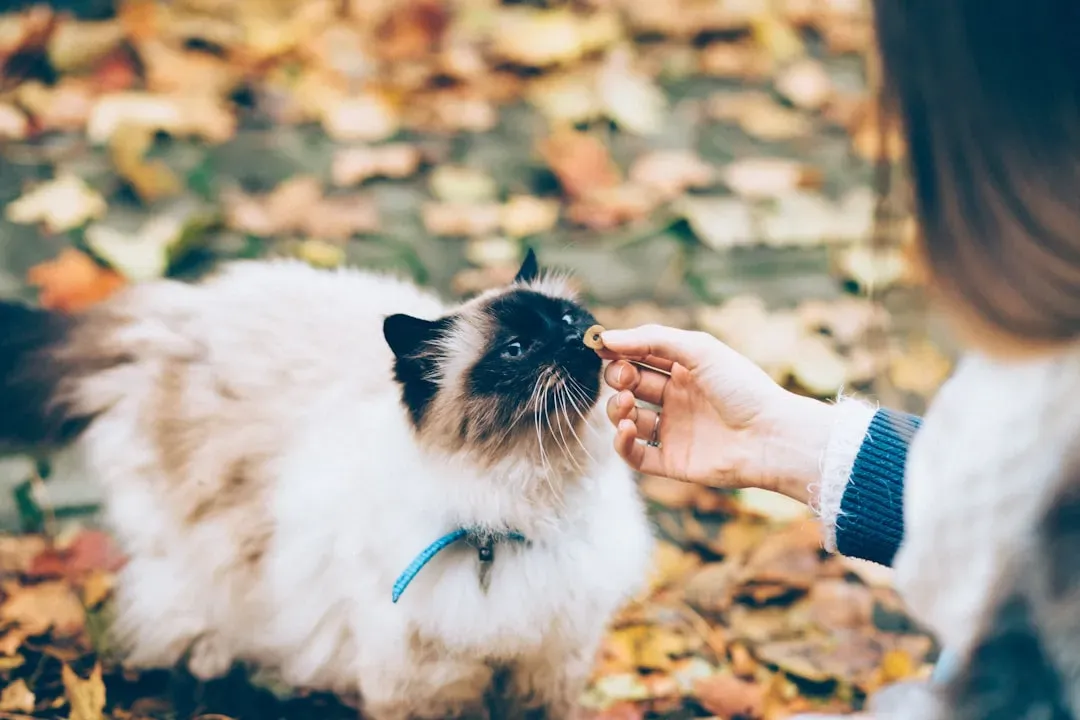
Most people assume cats are solitary by nature, but that's a myth repeated so often it gets mistaken for fact.
In the wild, related cats form tight-knit family groups for protection, and domestic cats extend that exact same instinct to their human households. This is why following behavior often intensifies in busier, larger households rather than quiet ones - your cat isn't just "the person who feeds them," it's a full member of the perceived family unit. Safety, in a cat's brain, is directly tied to proximity: being in the same room as you literally lowers their perceived risk.
Worth Knowing
- Wild cat colonies are often built from related females raising kittens together
- Domestic cats transfer that same group-safety instinct onto human households
- Bigger, busier homes often see more following, not less
- Physical closeness is directly linked to a cat's sense of safety
#7 - The Bathroom-Following Theory Is Stranger Than You'd Guess
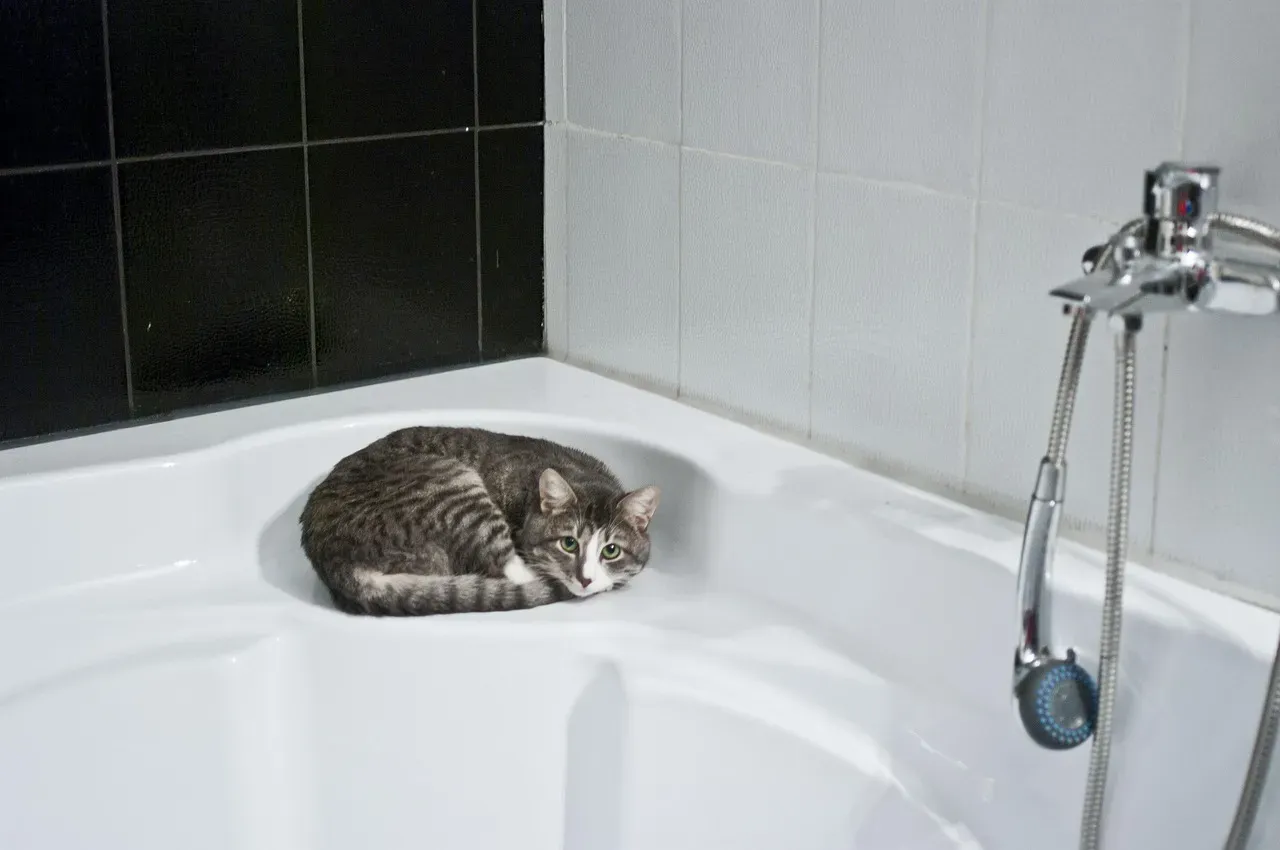
This is the one that makes people laugh, but the explanation is oddly logical once you hear it.
Urinating and defecating are vulnerable moments for cats - they must stay stationary, and the smell can attract predators. So your cat may follow you into the bathroom to protect you, not the other way around. In its mind, you're the one exposed and defenseless. It's less "nosy roommate" and more "self-appointed bodyguard," standing watch while you're at your most vulnerable.
#8 - Territorial Guarding Plays a Bigger Role Than Affection Alone
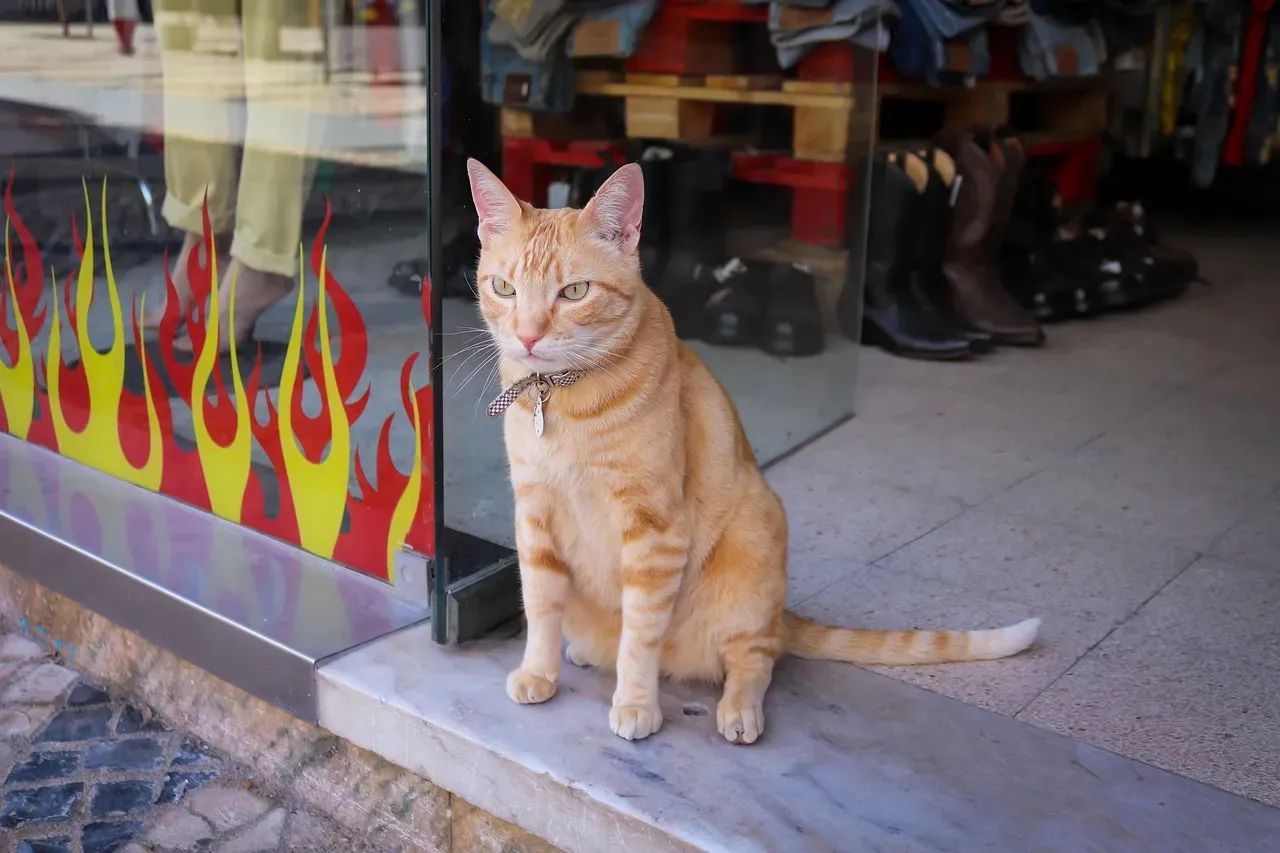
Here's a theory that gets far less attention than the "cats just love you" narrative, and it might be closer to the truth.
Cats are highly territorial by nature, and many behaviorists argue that following isn't purely emotional - it's supervisory. Your cat may see itself as the guardian of the household, keeping an eye on you to make sure nothing threatens its territory. It's a controversial reframe: the cat isn't dependent on you. In its own mind, you might be dependent on it.
#9 - Routine Changes Trigger Sudden "Velcro Cat" Behavior
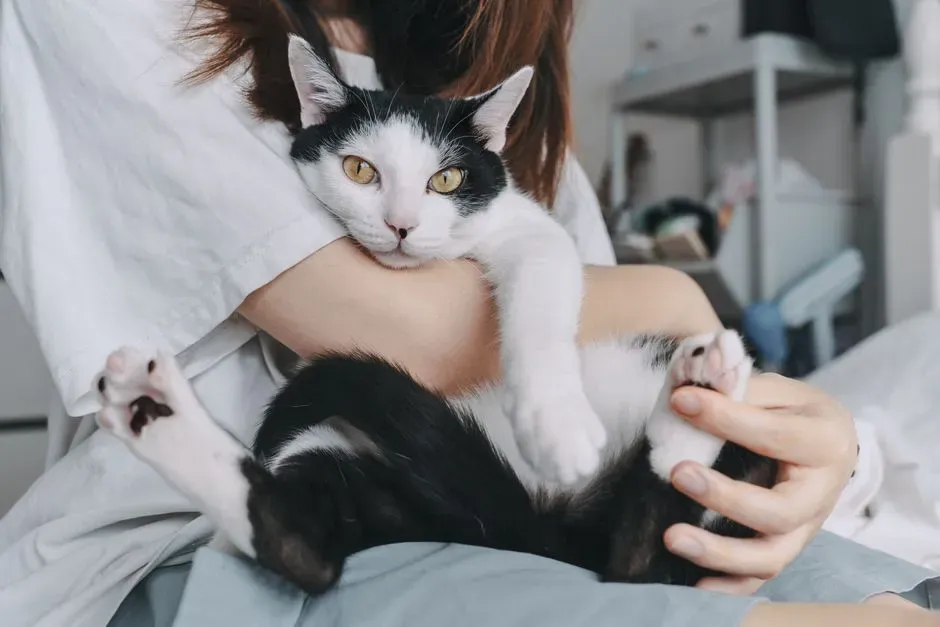
If your cat has suddenly become ten times clingier out of nowhere, the timing is rarely a coincidence.
Cats are creatures of rigid routine, and even a small disruption - a new roommate, rearranged furniture, a different work schedule - can send them into hyper-vigilant following mode as they try to gather information about what's changed. This is also why rescue cats and previously rehomed cats tend to be extra glued to new owners. A cat that's been through instability once will often over-monitor its person indefinitely, just to make sure the same disruption doesn't happen twice.
#10 - Breed Genuinely Changes How "Shadow-Like" a Cat Becomes
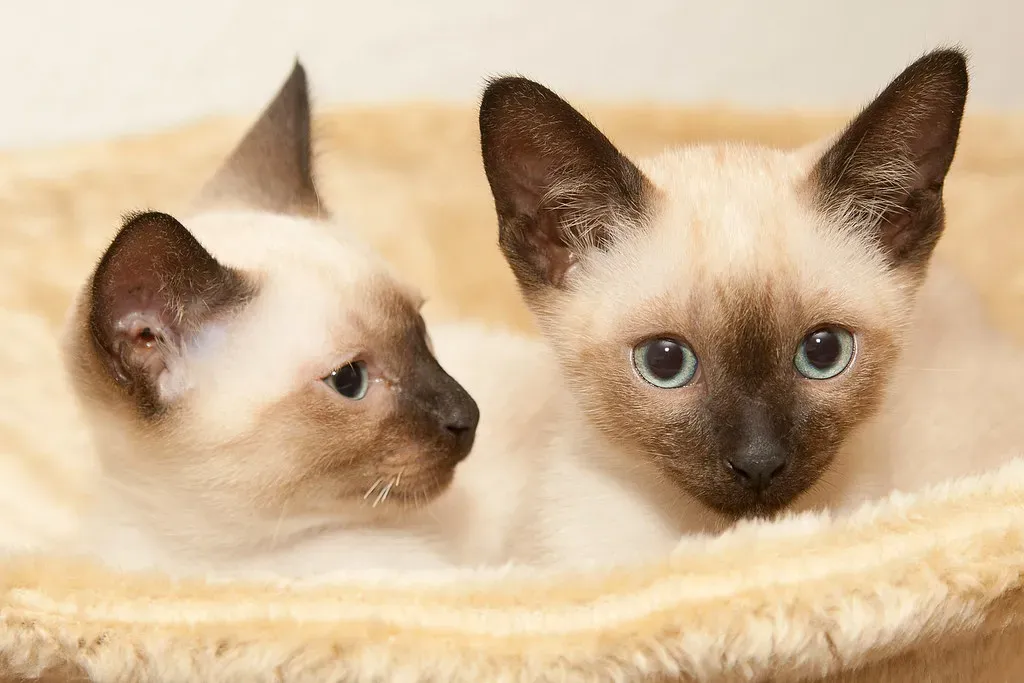
Most people assume all this following comes down to personality alone, but genetics plays a much bigger role than expected.
Certain breeds are practically built for high-attachment behavior, and it shows up almost immediately in kittenhood. Siamese, Ragdolls, and Abyssinians rank among the most affectionate and people-oriented breeds, while the Sphynx is known for being unusually social too. This is a mildly controversial point among cat owners - plenty insist "every cat is different" - but breed clubs and vets alike acknowledge some bloodlines are simply engineered to be shadows.
Quick Compare: Breeds Most Likely to Shadow You
- Siamese - vocal, people-focused, dislikes being left alone
- Ragdoll - famously affectionate, often described as "dog-like"
- Abyssinian - highly active and interactive with owners
- Sphynx - seeks warmth and closeness, unusually social
#11 - Illness Can Quietly Disguise Itself As "Extra Love"
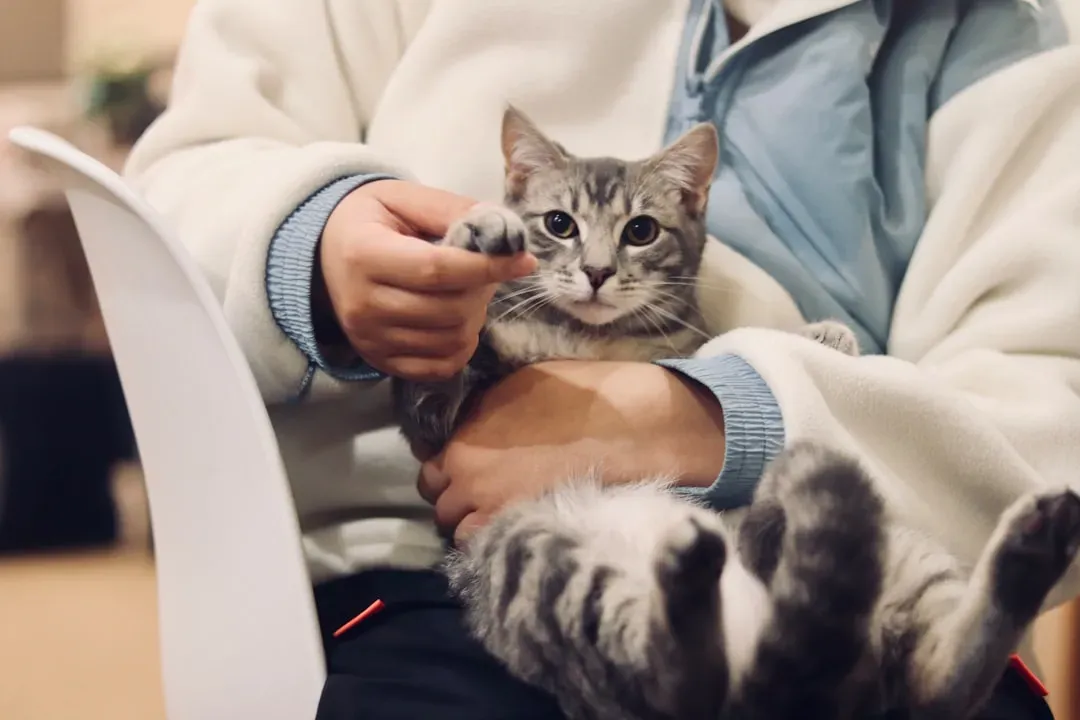
This is the one every cat owner actually needs to pay attention to, because it's easy to mistake for pure affection.
Cats are notorious for hiding pain and sickness, and increased following is sometimes the only visible clue something is wrong. Hyperthyroidism, hearing loss, vision problems, and cognitive decline can all cause a cat to want to stay closer to its person than usual. Senior cats in particular can develop confusion - forgetting where the litter box is, wandering aimlessly - and following you becomes their way of feeling less lost. If the timing lines up with age, appetite changes, or new vocalizing, a vet visit is the right response, not a celebration of extra affection.
#12 - Anxiety-Driven Following Looks Completely Different From Loving Following
Here's where most owners get it wrong: they assume all following behavior looks the same. Experts say it actually splits into two very distinct categories.
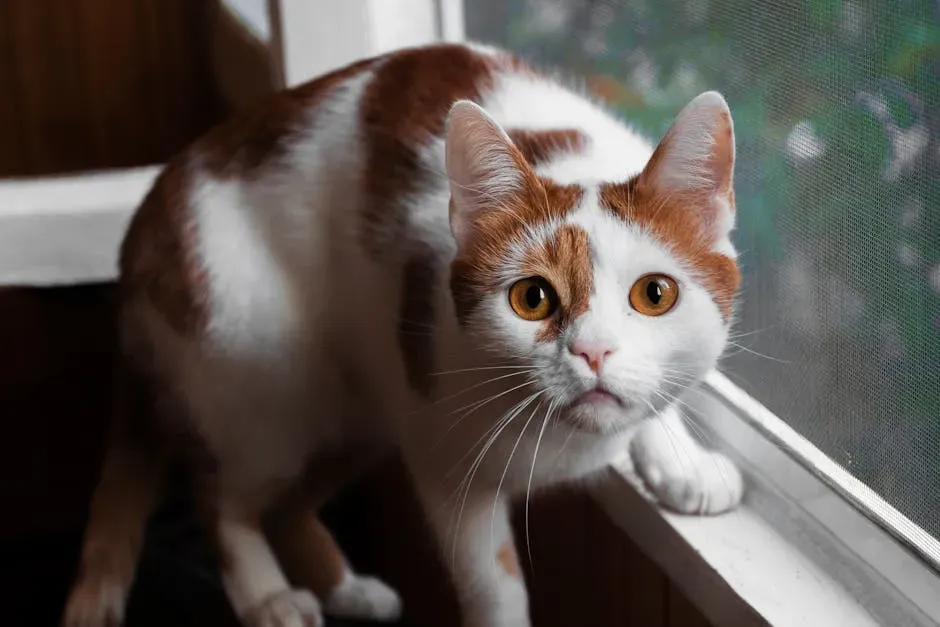
Calm, secure following is quiet and low-pressure - relaxed, intermittent, no drama attached. Anxiety-driven following looks nothing like that. It comes with distressed vocalization, restless pacing, appetite changes, and agitated body language like a hunched posture or a swishing tail. One simple timing test separates the two: if your cat settles within fifteen to twenty minutes of your leaving a room, it's attachment, not distress. If it never settles at all, that's not devotion - that's a cat in genuine distress.
At a Glance: Calm vs. Anxious Following
- Calm: quiet, relaxed, comes and goes casually
- Calm: settles within 15-20 minutes when left alone
- Anxious: vocal distress, pacing, hunched posture or swishing tail
- Anxious: never fully settles; often paired with appetite changes
#13 - The Fix Nobody Talks About: Cats Don't Need to Follow You, They Need Proximity
This is the most surprising finding of all, and it directly contradicts what most owners assume they need to do.
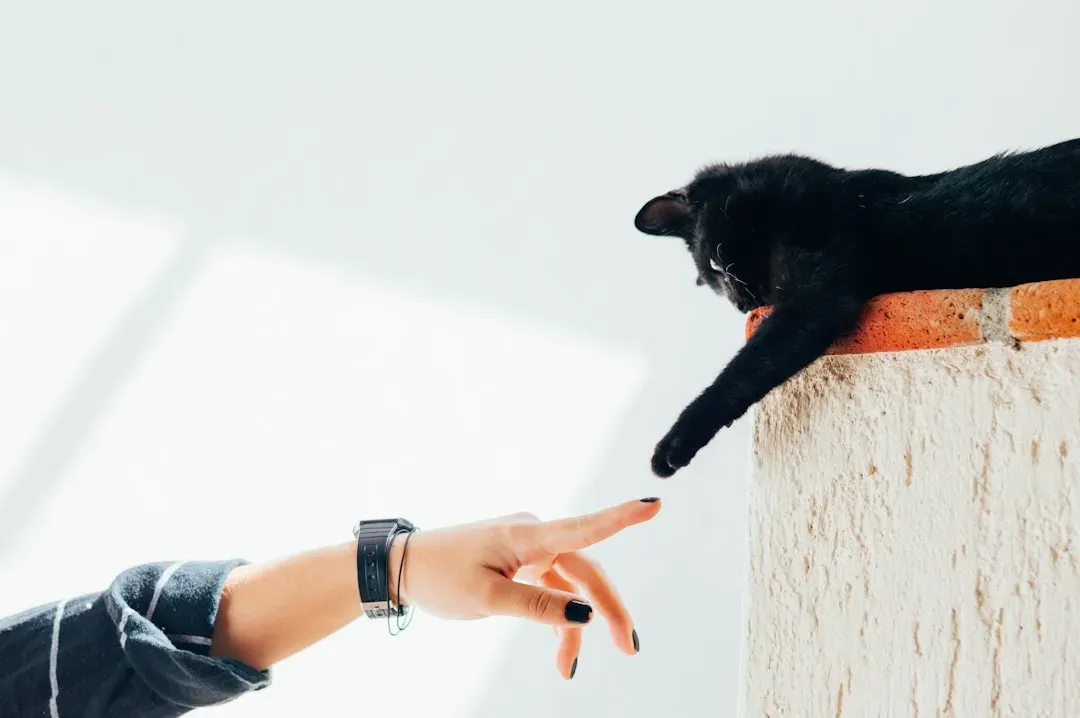
Owners often think the fix for a "shadow cat" is to push it away and force independence. Behavior specialists say that's backwards - a shadow cat's underlying need is proximity, not motion. Give your cat a perch, shelf, or bed within eyesight of wherever you spend the most time, and the constant trailing often disappears almost overnight. The cat finally gets what it actually wanted the whole time: to be near you, not to chase you.
The Bottom Line
Your cat following you isn't random, needy, or meaningless. It's a mix of genuine attachment, ancient survival instinct, and learned habit - and in most healthy cats, it's a compliment, not a burden. The real controversy isn't whether cats can bond deeply with humans; science already settled that.
The real issue is that most owners still can't tell the difference between a cat that's securely attached and one that's quietly anxious, sick, or bored out of its mind. Pay attention to how your cat follows you, not just that it does. Does it trail you calmly, or does it panic the second you're out of sight? Drop your cat's weirdest following habit in the comments - we want to hear it.