8 Reasons Your Cat Sleeps at Your Feet Instead of Anywhere Else
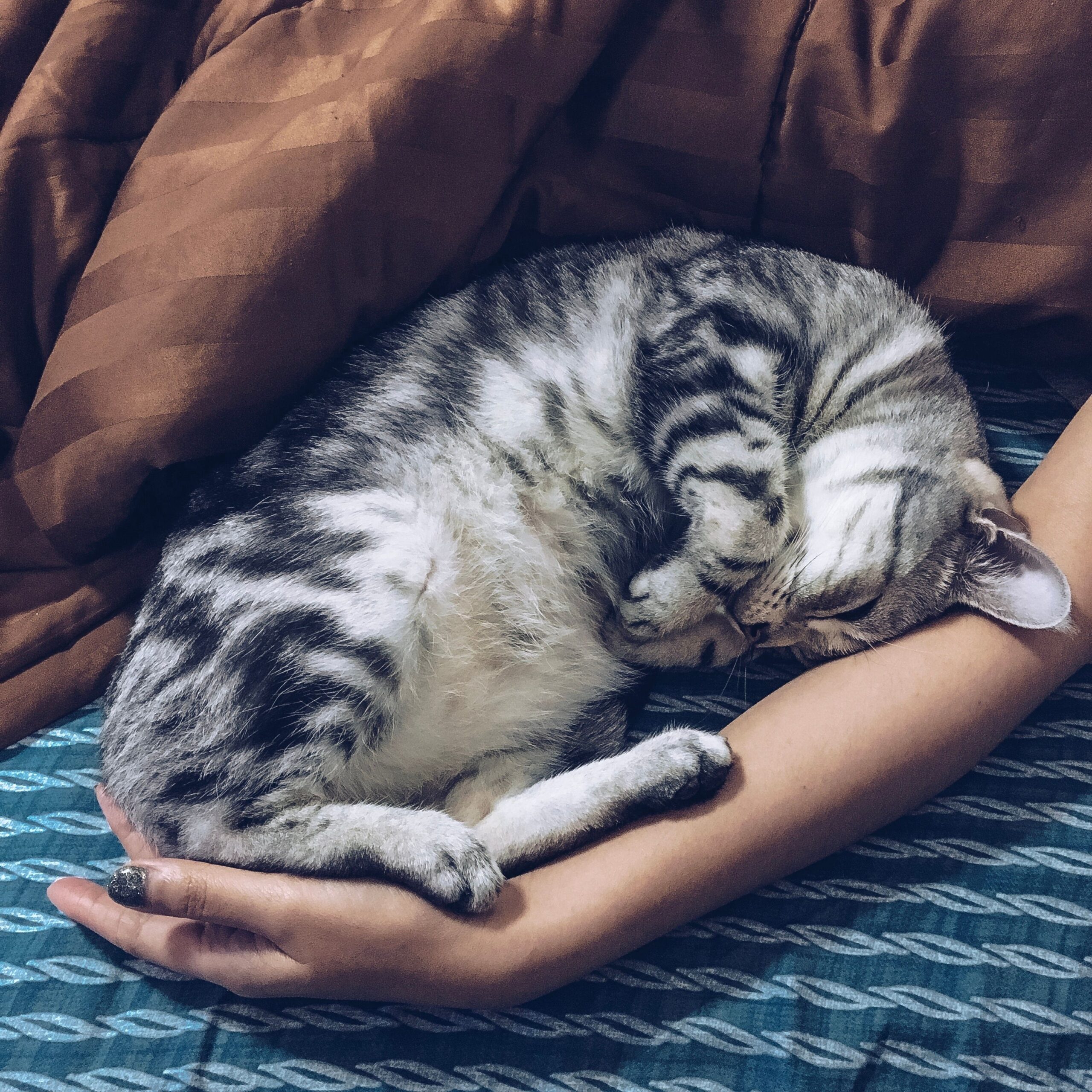
Every night, your cat walks past the pillow, ignores the empty half of the bed, and parks itself right on top of your feet. It feels almost personal - like you've been ranked somewhere below a blanket fold. Most owners just chalk it up to a weird quirk and move on.
But feline behaviorists say that spot isn't random at all. It's a calculated choice tied to warmth, survival instinct, scent, and something far more flattering than you'd expect. By the time you get to reason #8, you'll probably never look at that spot the same way again.
#1 - Warmth: Your Feet Are a Built-In Heater
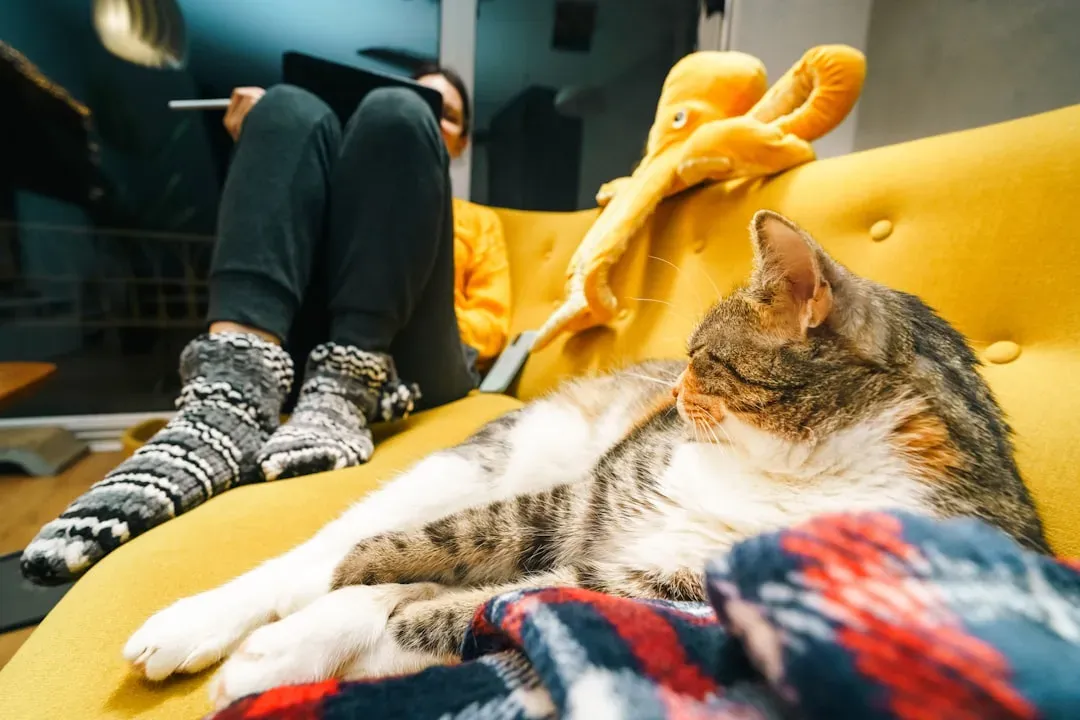
Cats are secretly obsessed with heat, and your feet happen to be one of the warmest, most accessible spots in the entire bed. Domestic cats run hotter than humans, and they instinctively hunt for warm surfaces to conserve energy while they sleep.
Feet generate steady heat all night long, especially once a blanket traps it in, turning them into a radiator your cat never has to compete for. Most people don't realize their feet can actually run several degrees warmer than the rest of the bed once covered, which is exactly why that corner feels irresistible to a heat-seeking animal. It's the same instinct that pulls them toward laundry piles and sunbeams - feet just happen to be warm, moving, and available every single night.
Fast Facts
- Average cat body temperature runs around 100.5°F–102.5°F, warmer than a human's typical 98.6°F
- Cats sleep roughly 12–16 hours a day, and much of that time is spent chasing warmth
- A blanket-covered foot can hold heat like a mini radiator at the end of the bed
- Other favorite heat zones include laundry piles, sunbeams, and warm electronics
#2 - Escape Route: The Vantage Point Advantage
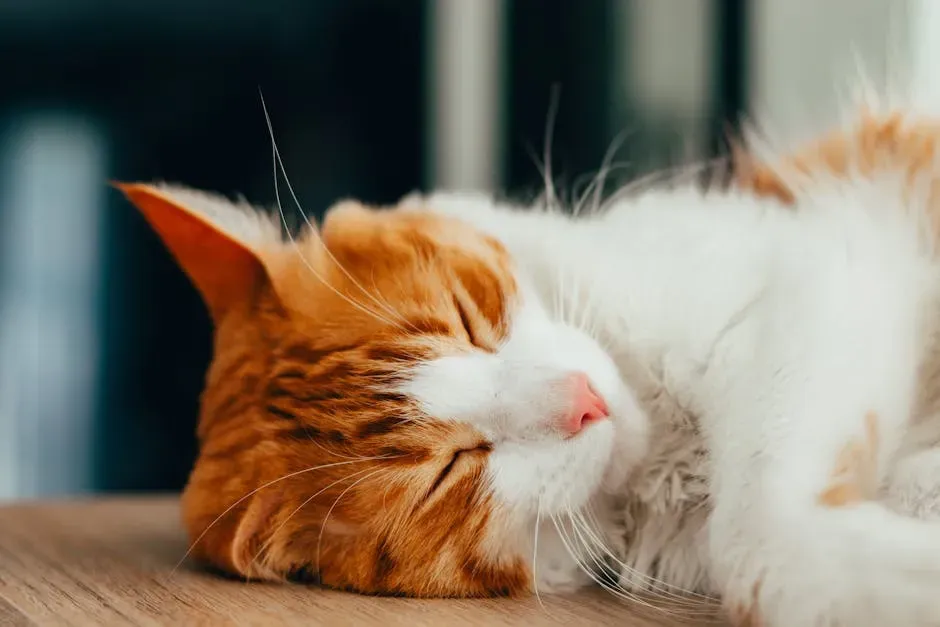
Cats are natural strategists, and sleeping at your feet gives them a built-in escape route if something startles them in the middle of the night. Unlike curling up near your face or chest, the foot of the bed offers a clear line of sight to the door and a fast, unobstructed drop to the floor.
Wild instincts never fully disappear, even in the most spoiled indoor cat, and staying near an exit is a leftover survival habit passed down through generations. Experts note that cats rarely choose sleeping spots that trap them in a corner, which explains why the open, low-traffic end of the bed wins every time. It's less about cuddling and more about quiet, calculated self-preservation - even in a cat that has never faced a single real threat in its pampered life.
#3 - Familiar Scent: Your Feet Smell Like "Home"
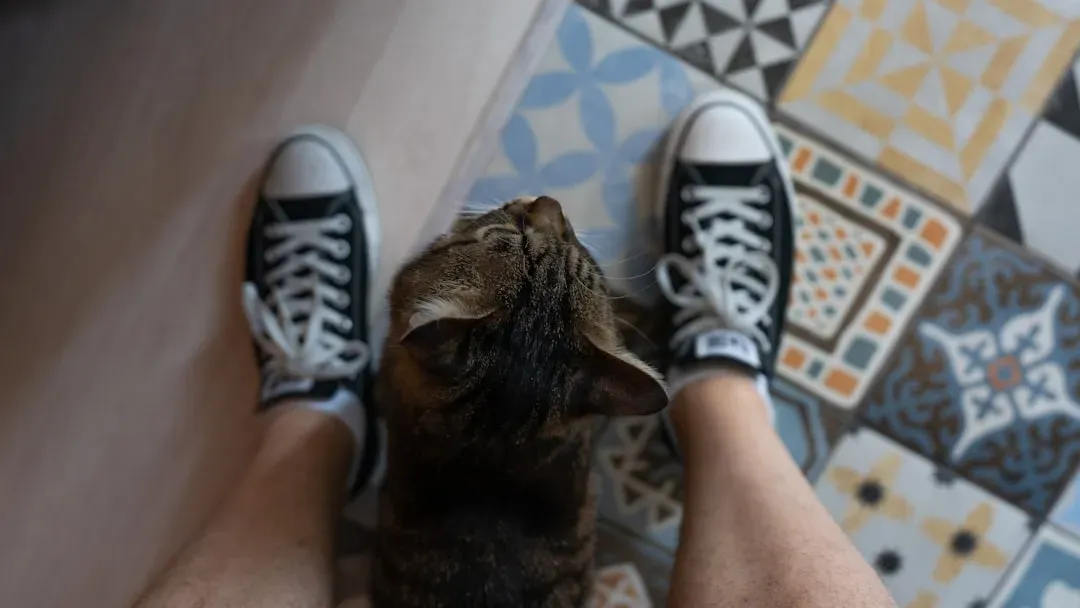
Cats navigate the world through scent far more than sight, and your feet carry one of the strongest, most concentrated versions of your personal smell. Hours spent in socks and shoes build up a dense, unmistakable signature - often stronger than what lingers on your pillow or shirt.
Cats lean on scent to feel safe, and curling up near the most intense source of your smell is a quiet way of staying close without needing constant physical contact. Turns out, that foot odor humans spend money trying to mask is actually a comfort signal for cats. It's why they sniff shoes and socks before settling in - the smell itself isn't the point, it's what it represents: you're near, and everything's fine.
#4 - Independence Without Isolation: The Safe Middle Ground
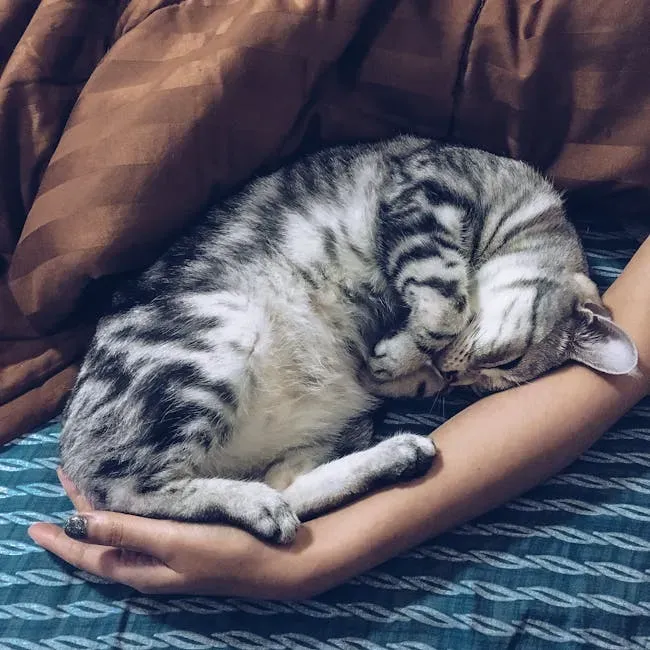
Cats want closeness on their own terms, and the foot of the bed is the perfect compromise between "near you" and "smothered by you." Unlike dogs, cats are famously picky about touch and personal space, even with people they adore.
Sleeping at your feet lets them soak up your presence and body heat while dodging the risk of being rolled on or jostled awake. Most people don't realize cats intentionally avoid sleeping near a sleeper's face because sudden movement there is far more common and unpredictable. It satisfies two instincts at once - the pull to bond and the drive to stay safe - and it happens every single night without your cat ever consciously thinking it through.
Worth Knowing
- Cats have flexible social-distance preferences that shift with mood, unlike most dogs
- Sleeping near a person's face carries more risk of sudden disturbance from movement
- The foot of the bed offers a buffer zone that still counts as "together" in cat logic
- In multi-cat homes, each cat often claims its own separate buffer spot nightly
#5 - Movement Radar: Feet Twitch, and Cats Love It
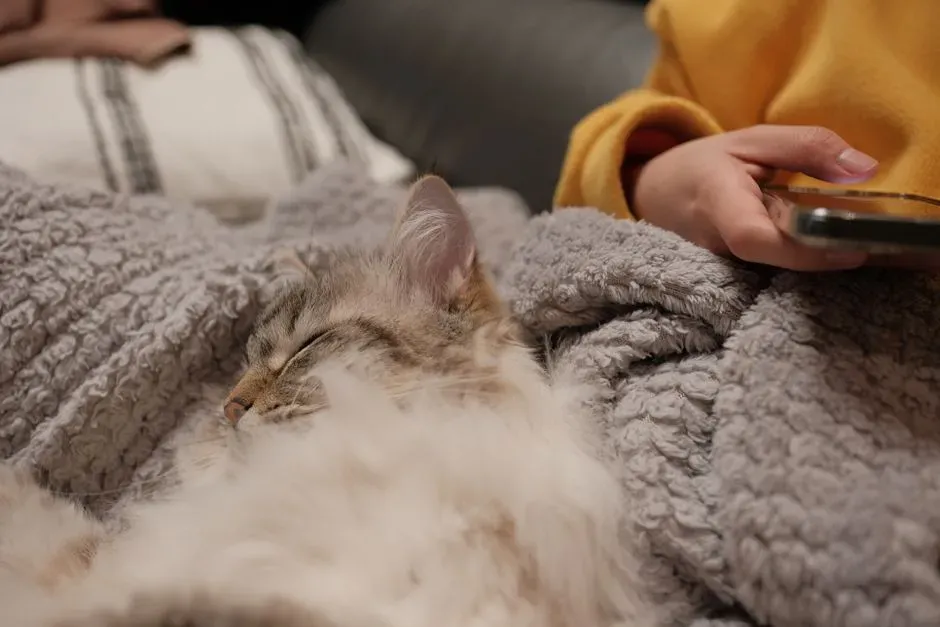
Feet move more during sleep than almost any other part of the body, and cats are wired to notice even the smallest twitch. As natural hunters, subtle repetitive motion grabs their attention instinctively, even when they're technically off duty.
A foot shifting under a blanket or twitching during REM sleep mimics the kind of small movement a cat would track in prey. Behaviorists say this is why cats often paw, pounce, or gently bite at feet under blankets - it's instinct, not misbehavior. Annoying for restless sleepers, sure, but it's actually a sign of an alert, engaged cat turning your feet into a low-stakes hunting simulator.
Quick Compare
- Feet: warm, safe distance, quick escape route
- Chest or face: maximum body heat, higher chance of being jostled
- Lap: strong warmth, but less independence for the cat
- Empty corner or pillow: full independence, weaker bonding signal
#6 - Claiming Territory: Marking You as "Mine"
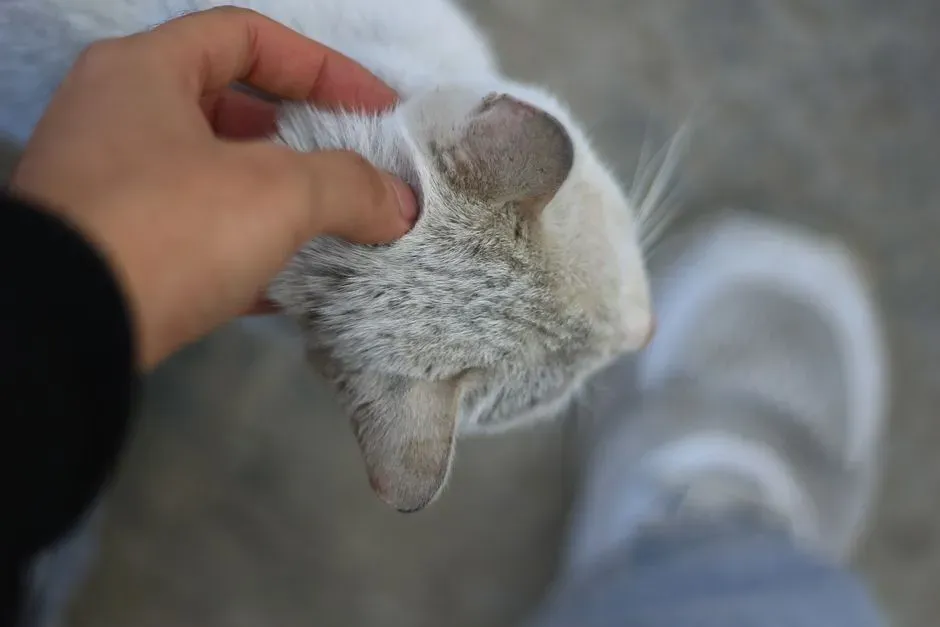
Cats are territorial by nature, and sleeping at your feet is often a quiet way of marking you as part of their claimed space. Scent glands on a cat's paws, cheeks, and body leave pheromones wherever they rest, and repeated sleeping in the same spot reinforces ownership - including ownership of you.
It's the same instinct behind head-butting furniture or rubbing against your legs. Most owners never realize their cat is essentially "claiming" them nightly through scent-marking behavior. Choosing your feet specifically, instead of some random corner of the mattress, signals that you're valued territory, not just a warm object to lean against.
#7 - Ancient Instinct: A Throwback to Colony Sleeping
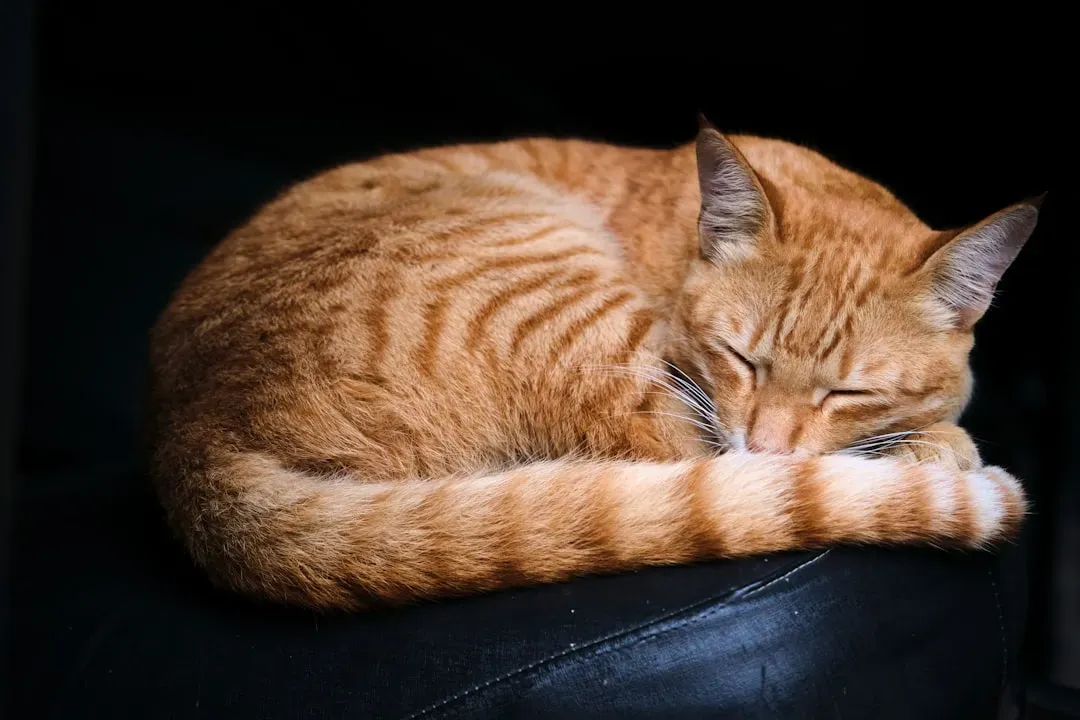
Long before domestication, feline ancestors often slept in loose colonies, positioning themselves at the edges of the group instead of the center. That edge position let individual cats rest while still contributing to group awareness, since predators were more likely to approach from the perimeter.
Modern house cats hold onto this instinct even though there's zero real danger lurking in a suburban bedroom. Experts argue this ancient colony-edge behavior is the real reason cats avoid the center of the bed almost entirely. Sleeping at your feet recreates that ancestral edge position, letting your cat feel like an alert, contributing member of the "group" - even if the group is just you and a blanket fort.
At a Glance
- Feline ancestors often rested in loose social groups for shared vigilance
- Edge positions in a sleeping group historically offered an early warning advantage
- Indoor cats retain this instinct even without any real predators nearby
- Kittens raised together often default to edge or corner sleeping spots first
#8 - Trust and Bonding: The Ultimate Compliment
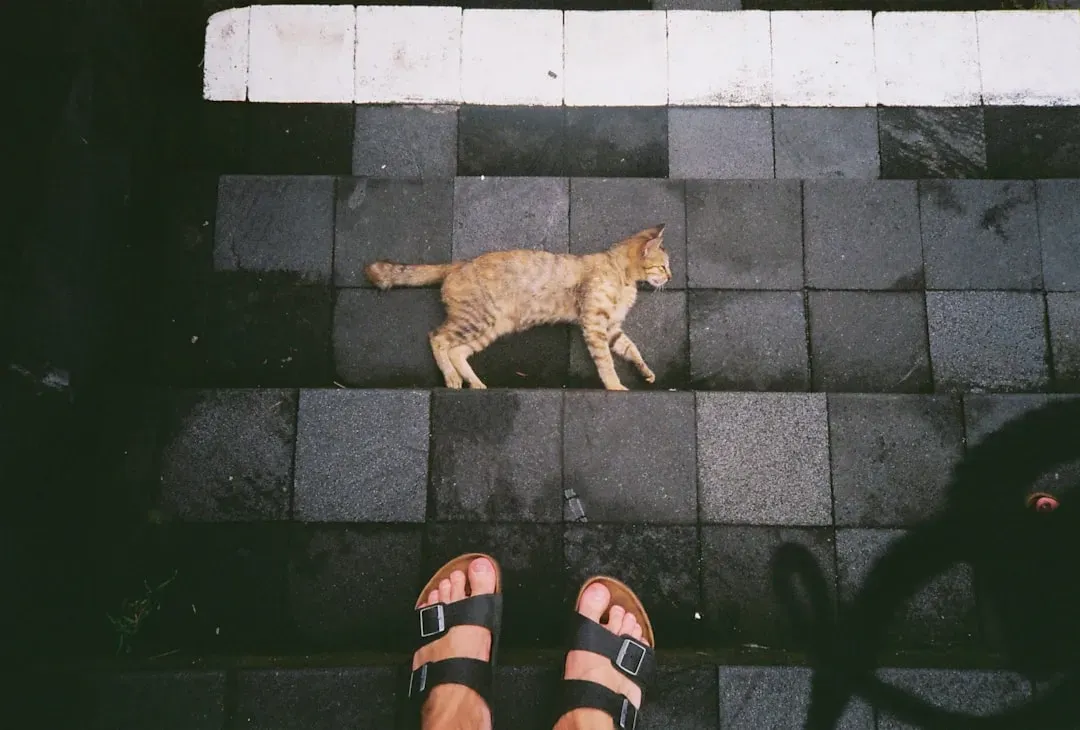
Of all eight reasons, this is the one most owners get completely backwards - they assume closeness always means maximum affection, but with cats, it's almost the opposite. Choosing to sleep near you at all, especially in a vulnerable state like sleep, is a major trust signal from an animal whose entire instinct set is built around self-protection.
Positioning at the feet instead of curling directly against your body lets a cat stay close while still preserving its independence, and that balance is deeply intentional. Behaviorists consistently point out that foot-sleeping is one of the strongest, most reliable signs of feline trust and attachment - arguably stronger than lap-sitting, which is often driven by warmth-seeking rather than genuine bonding. It's why cats that dodge affection all day will still choose the foot of the bed at night, essentially saying, "I trust you enough to be unconscious near you," without the vulnerability of full-body contact.
The Bottom Line
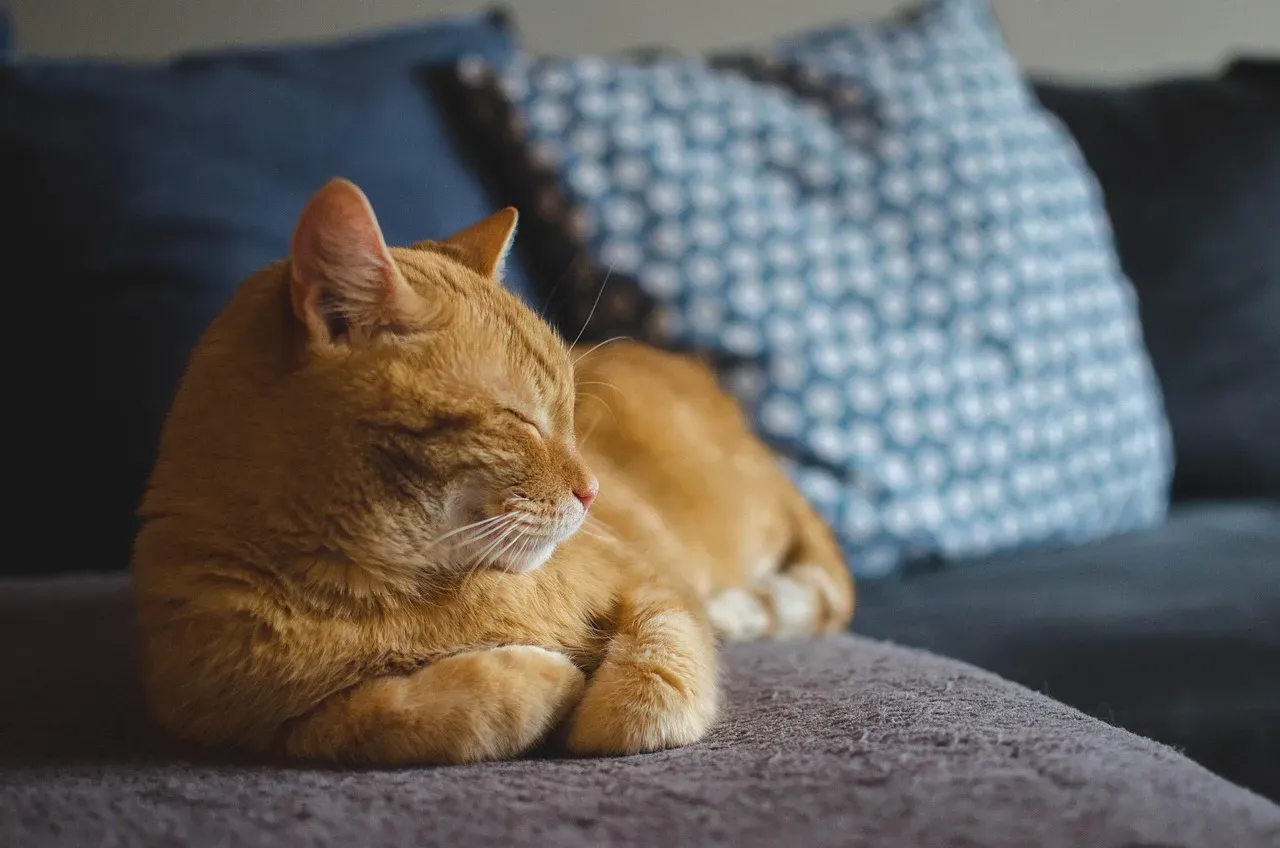
Your cat isn't randomly picking the foot of the bed. It's making a calculated decision rooted in warmth, scent, instinct, and trust - and honestly, that's a better compliment than a head-butt or a slow blink.
The most surprising part is how backwards our assumptions are: foot-sleeping reads as distant, but it's actually one of the clearest signs of devotion a cat can offer. Owners who feel snubbed by that spot at the end of the bed are, ironically, sitting on some of the strongest proof of trust their cat will ever give them.
So if your cat sleeps at your feet every night, don't take it as rejection. Take it as the closest thing to "I love you" a fiercely independent animal knows how to say. Does your cat sleep at your feet, curl up by your head, or claim some completely bizarre spot of its own? Tell us in the comments.