20 Signs Your Cat Trusts You More Than Anyone Else in the House
If you share your home with a cat, you already know they do not give their trust away easily. Unlike most dogs, cats take their time, watch everything, and quietly decide who has truly earned a place in their inner circle. And sometimes, the signs of deep feline trust are so subtle that only the most attentive humans notice them.
This is where things get really interesting. You might think your cat likes everyone equally, but their body language often tells a completely different story. From where they choose to nap, to how their tail moves when you walk into the room, your cat is constantly sending little signals that reveal who they feel safest with.
Let’s break down the most powerful signs that . Some of these are adorably obvious, others are surprisingly scientific, and a few might make you realize just how much your cat has actually claimed you as their favorite human.
#1 They Choose To Sleep On You, Not Just Near You
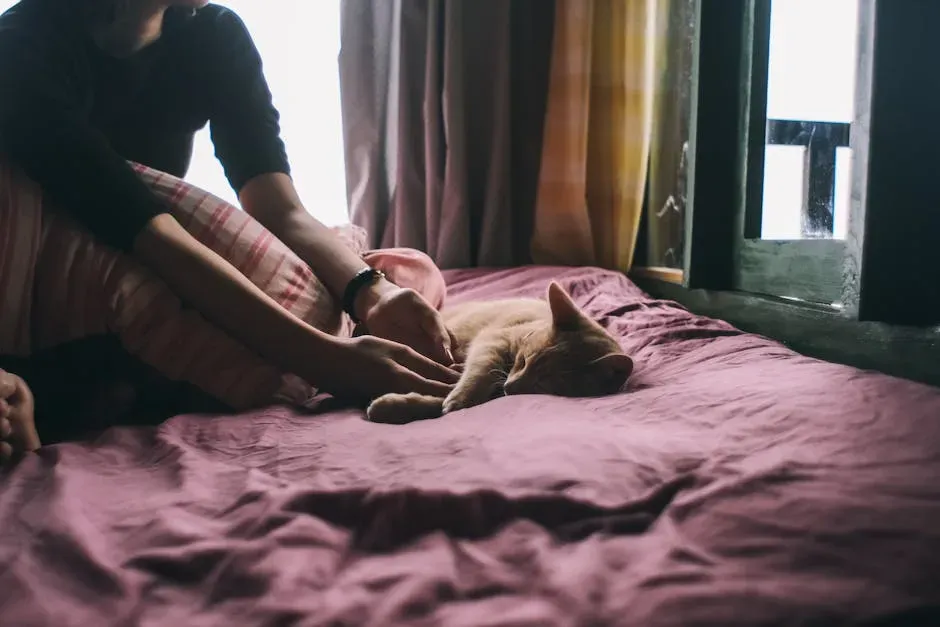
When a cat sleeps, they’re at their most vulnerable. Out in the wild, this is when predators could most easily ambush them, so cats naturally pick safe, strategic sleeping spots. If your cat chooses to sleep directly on you - on your chest, lap, or even your legs - that is a massive sign of trust and emotional security.
Sleeping on you means your heartbeat, body heat, and scent are comforting to them. It’s like they’re wrapping themselves in a living security blanket. They could have picked a quiet shelf or a soft bed, but instead they decided your body is home base.
When they do this with you, but not with other people in the house, it’s a pretty strong hint about who they feel safest with. You are not just part of the furniture; you’re their personal safe zone.
#2 They Slow-Blink At You Like You’re Already Family
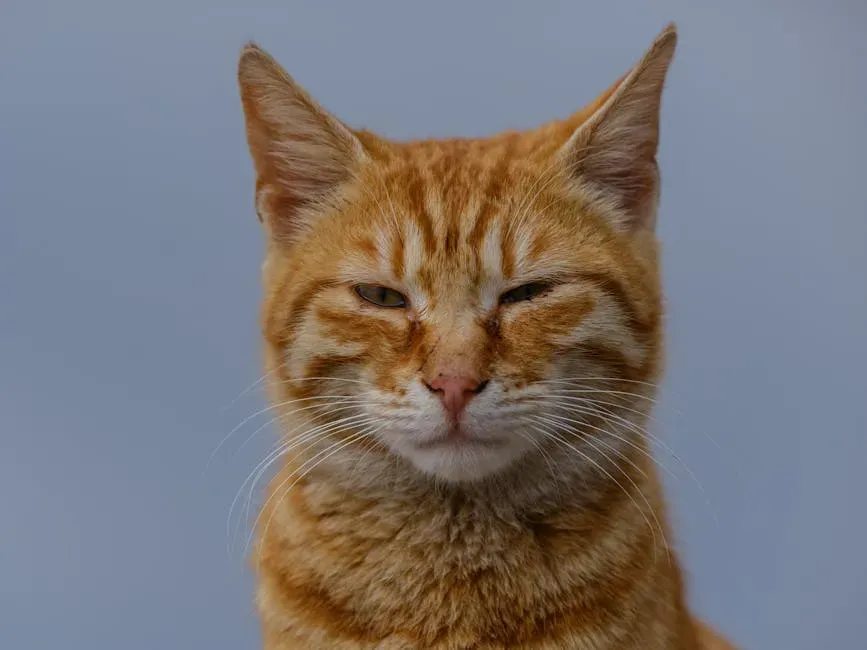
One of the sweetest, most misunderstood cat behaviors is the slow blink. When your cat looks at you, relaxes their eyes, and slowly closes and opens them, they’re not bored - they’re basically saying, in cat language, that they feel calm and safe in your presence.
Cats use eye contact very carefully. A hard stare can be a challenge or a warning, but soft, slow blinks signal relaxation. It is the opposite of “fight or flight.” If your cat does slow blinks mostly with you, they’re telling you that you’re inside their emotional comfort zone.
Try slow-blinking back at them. Many cats will respond in kind, which can help reinforce that bond. It sounds a bit silly, but to your cat, that simple eye-softening exchange is like a tiny trust ceremony.
#3 They Expose Their Belly Around You (Even If They Don’t Want Belly Rubs)
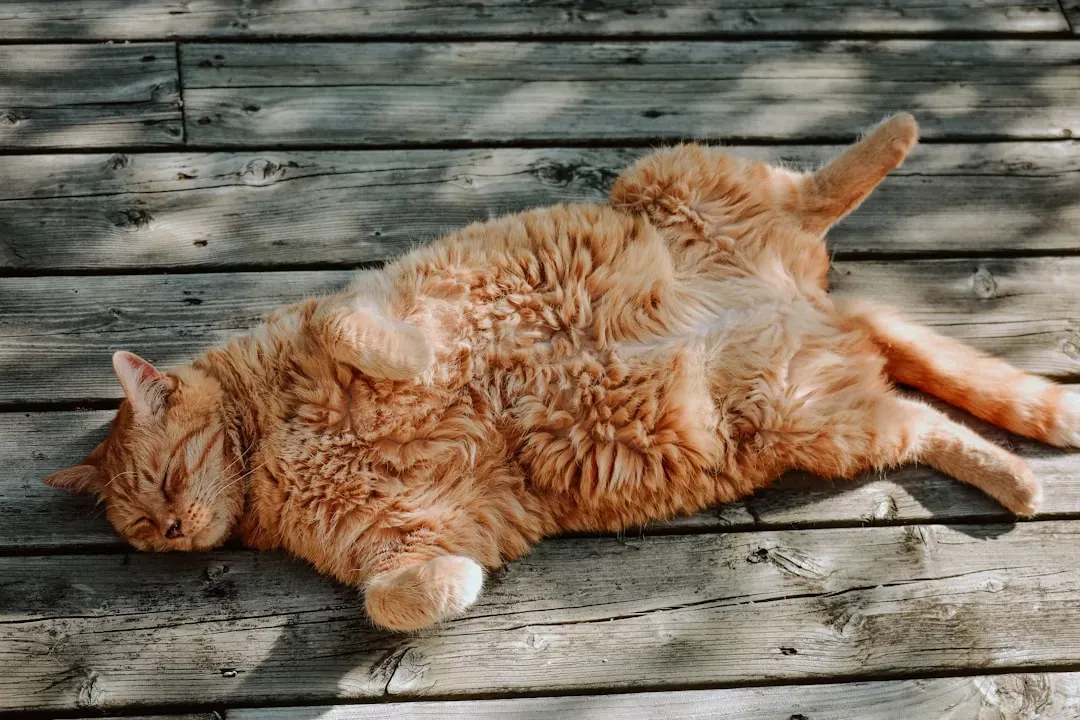
A cat’s belly is one of the most vulnerable areas of their body. Their vital organs are there, protected by relatively thin muscle and skin. In a survival sense, exposing the belly is a terrible strategy - unless they feel overwhelmingly safe.
So when your cat flops on their side in front of you, stretches, and rolls to expose that fluffy belly, it’s often a trust gesture. They are relaxed enough to say, “I feel safe here. I’m not in defense mode.” That doesn’t always mean they want you to pet their stomach, though.
Some cats hate belly rubs and will swat if you try, which confuses a lot of people. Think of it less as an invitation to touch and more as a display of vulnerability. If they roll like this near you and not around others in the house, you’re the one who makes them feel truly out of danger.
#4 They Follow You From Room To Room Like A Quiet Little Shadow
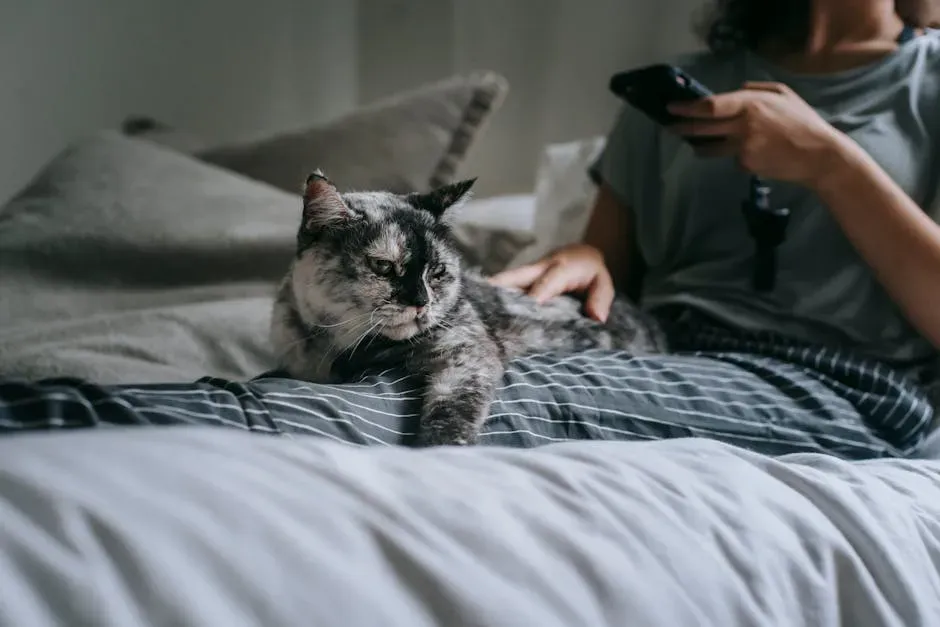
If every time you get up - from the sofa to the kitchen, from the kitchen to the bathroom - your cat casually drifts along behind you, that’s not accidental. Cats are territorial, and part of that is doing little “check-ins” on the creatures they care about most.
When they choose to follow you instead of other people in the house, it suggests your movements matter to them. You’re the gravitational center of their safe world, so they want to know where you are. They are not necessarily being needy; they’re just staying close to their primary source of comfort.
You might notice they do this more when something in the house changes - a guest is over, someone’s vacuuming, there’s a storm outside. In those moments, they track the person they trust, and if that person is you, that trust is not random.
#5 They Greet You At The Door And Not Everyone Else
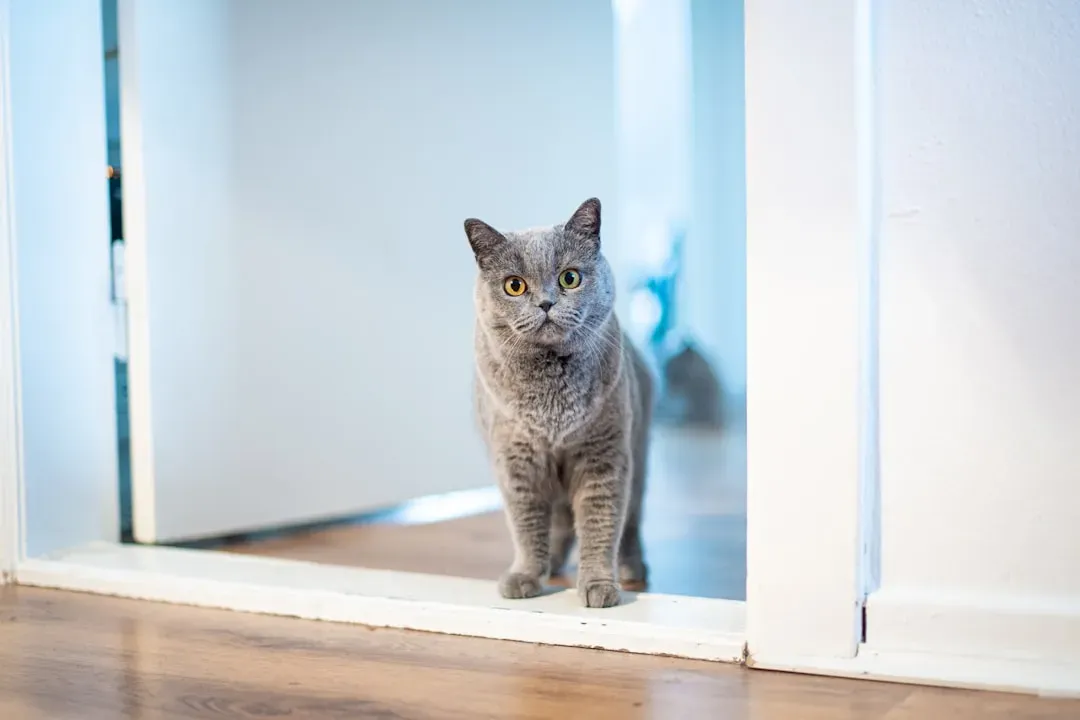
One of the clearest signs that you’re the chosen human is when your cat appears the moment you come home. They might be waiting by the door, trotting over from another room, or suddenly materializing with a chirp when they hear your keys or steps in the hallway.
This greeting behavior is more than just curiosity. Over time, cats learn the sounds that predict important events: feeding, affection, playtime, or simply the return of the person they feel bonded to. If they only do this for you, or if their greeting is noticeably more enthusiastic for you than others, that’s a real bond.
Pay attention to how they greet other people. A quick look and then back to sleep is not the same as pacing by the door, vocalizing, tail held high, and weaving around your legs the second you walk in. That difference tells you where their loyalty lies.
#6 Their Tail Language Changes When You’re Around
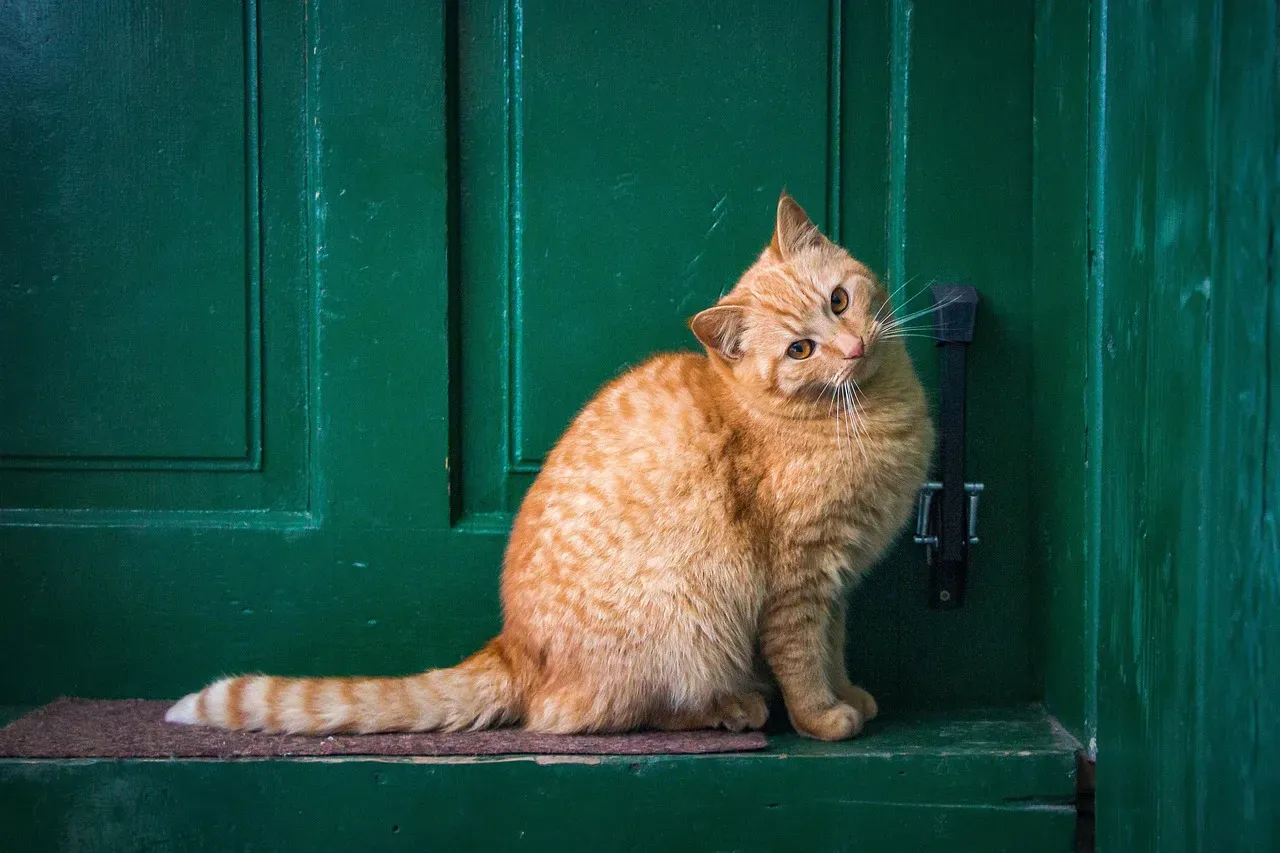
A cat’s tail is like a live emotional barometer. When your cat approaches you with their tail straight up and just slightly curved at the tip, that is classic friendly, confident body language. Some cats even give a tiny tail quiver when they’re especially happy to see a particular person.
You might notice that with other people, their tail is lower, tucked slightly, or swishing more cautiously behind them. But with you, it’s upright, relaxed, or gently swaying. That contrast is your clue: their trust level is different depending on the human.
Look for these trust signals around you:
- Tail pointed up like a little flag when they walk toward you
- Calm, loose tail when they sit near you
- Brief tail quiver when you first come into the room
#7 They Turn Their Back On You (In A Good Way)
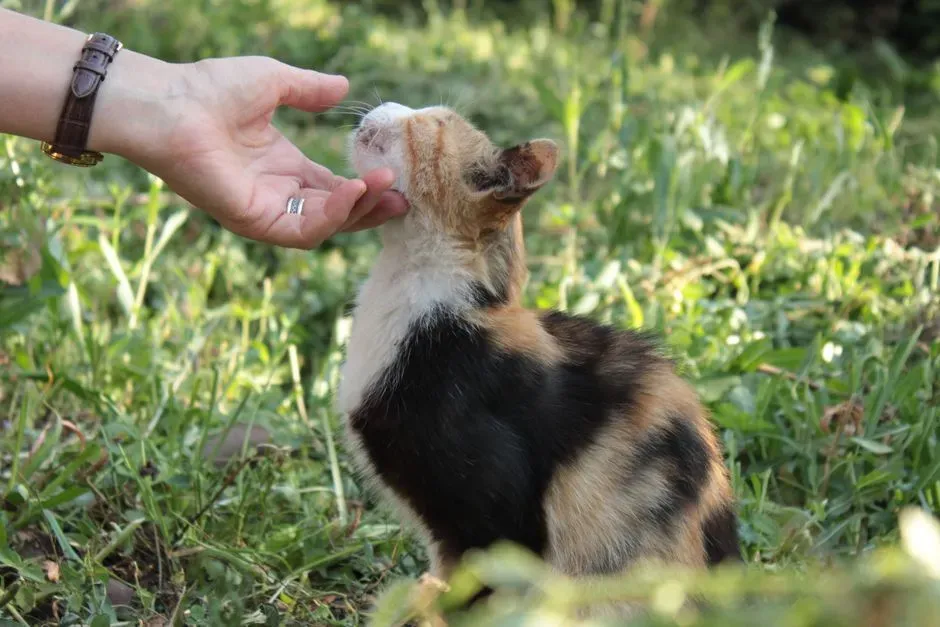
In the animal world, turning your back on someone is a risk. When your cat sits with their back facing you, especially at close range, it’s a sign they do not feel the need to monitor you for danger. You are not a threat in their mind; in fact, you’re part of their safety net.
This behavior becomes even more meaningful when they curl up at the foot of your bed facing the door, or sit on the couch watching the room while their back leans against your leg. It is like they have taken on the role of lookout, trusting you enough to be behind them.
If they only do this or mostly do this with you and not with other household members, it suggests they trust your presence deeply enough to relax their usual caution.
#8 They Knead You Like You’re Their Personal Safety Blanket
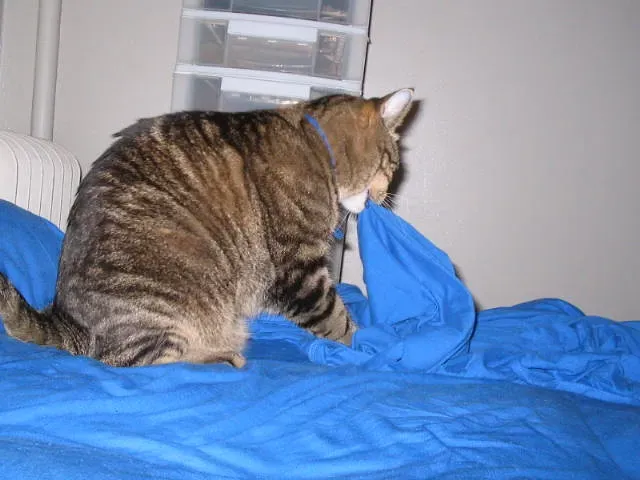
Kneading - also called “making biscuits” - is that rhythmic push-and-pull motion cats do with their paws. Kittens knead their mother’s belly to stimulate milk flow, so the behavior is deeply tied to feelings of comfort, warmth, and safety. When adult cats knead, it is often a leftover soothing behavior from kittenhood.
If your cat climbs into your lap or onto your chest and kneads you while purring, they are basically regressing into that cozy, baby-like comfort zone. They feel so secure with you that their brain dips back into its earliest memory of safety: cuddling with a caregiver.
You might notice they knead specific people more than others. If you are the main target of those sleepy, drooling biscuit sessions, that is not an accident. It means you are associated with security, warmth, and emotional reassurance in their mind.
#9 They Let You Touch The “No-Go” Zones
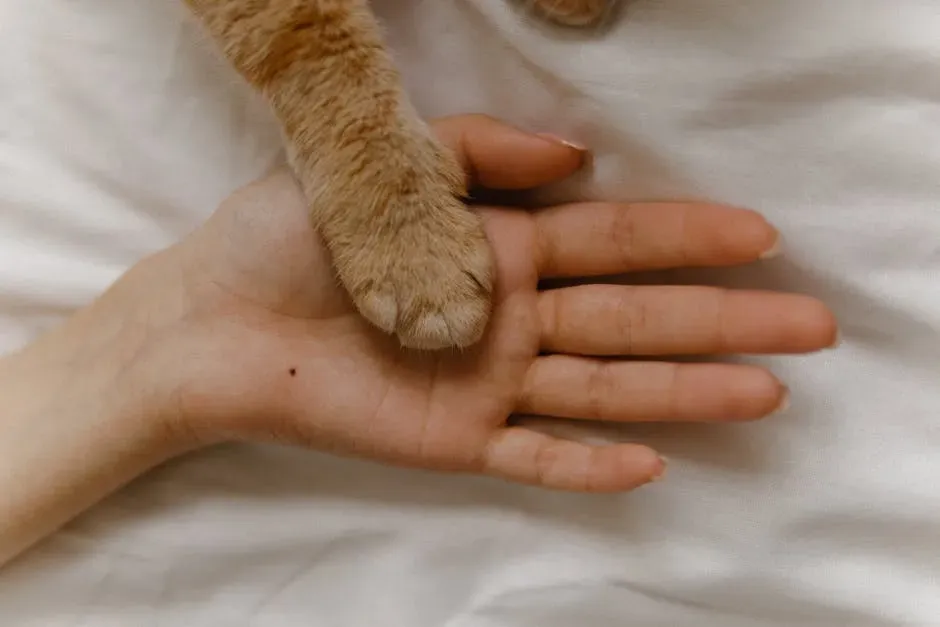
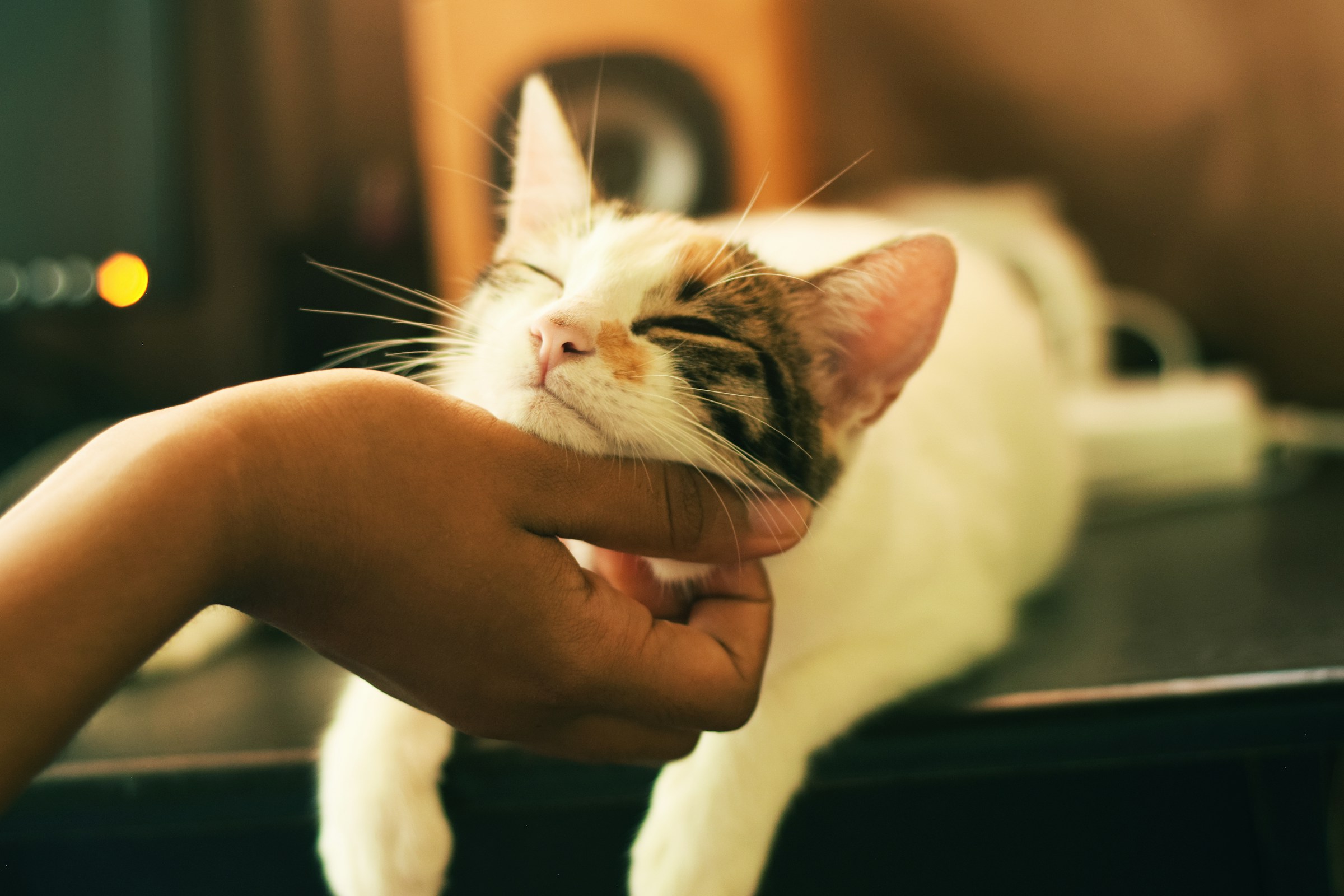
Most cats are pretty particular about where they like to be touched. Some sections are usually off-limits: the belly, paws, base of the tail, or even the top of the head for shyer cats. Those areas are vulnerable or sensitive, and many cats will move away, swat, or nip if someone they do not fully trust tries to handle them.
But if your cat lets you gently touch their paws, check their claws, clean around their eyes, or even briefly rub their belly without panicking, that is a major sign of trust. They are allowing temporary discomfort because they feel safe with you and have learned that you do not hurt them.
Think about everyday situations like trimming claws, giving medicine, or cleaning a bit of litter off their fur. If they tolerate those things better with you than anyone else, that’s their trust showing up in real, practical ways.
#10 They “Talk” To You More Than Anyone Else
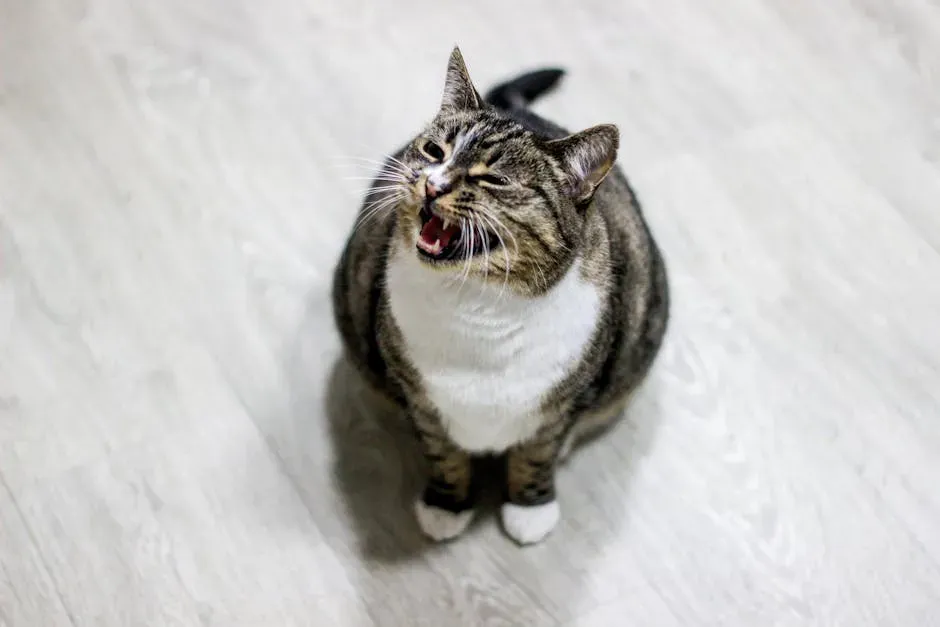
Some cats are naturally chattier than others, but many will adjust the way they vocalize depending on who they’re interacting with. If your cat seems to “talk” mostly to you - meowing, chirping, trilling, or making other little sounds - it means you’re the person they expect a response from.
Research suggests that adult cats rarely meow at each other; they mostly save that behavior for humans. They figure out over time which humans respond, and who is worth “communicating” with. If that is mostly you, you have become their main conversation partner.
Notice the variety:
- Soft little meows when they see you first thing in the morning
- Chirp-like sounds when they jump onto the bed or couch near you
- Different tones when they want food, play, or attention
#11 They Bring You “Gifts” (Even The Gross Ones)
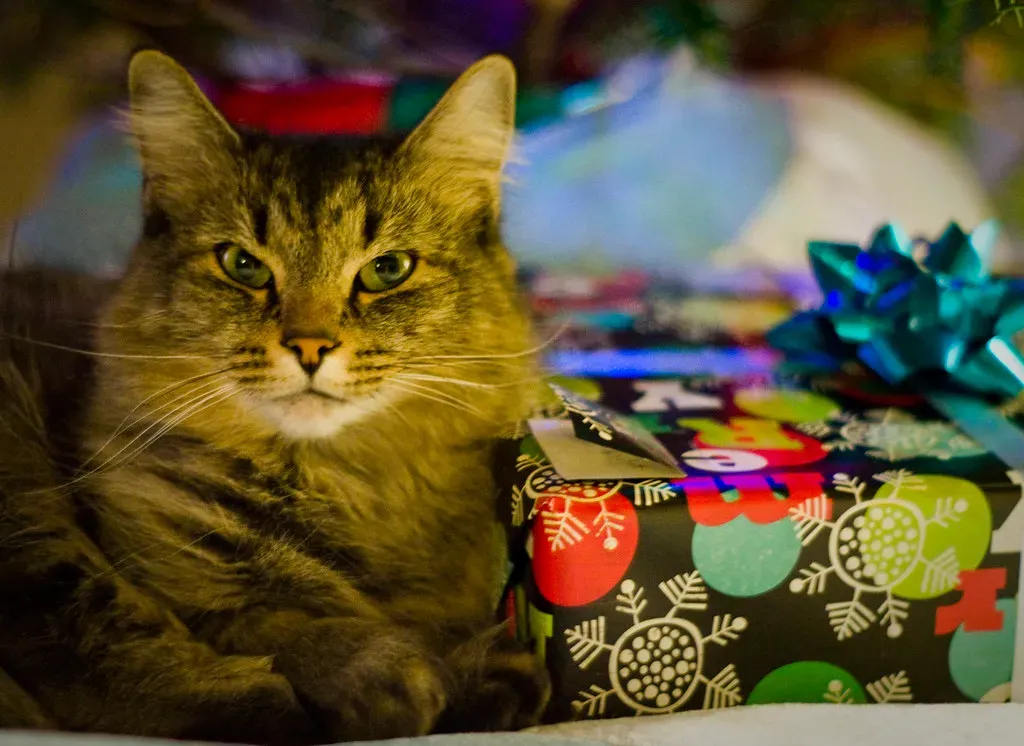
If your cat has ever proudly dropped a toy mouse, a sock, or, yes, a dead bug or small animal at your feet, they are not trying to scare you. In their mind, they might be either sharing a prize with you or trying to teach you how to “hunt” properly because you seem hopeless at it.
This kind of sharing is not random. Your cat is choosing you as the recipient of something they consider important or valuable. It might be instinctive behavior, but the target of that instinct is meaningful: they give gifts to the creature they are socially bonded with.
In multi-person homes, if you are the one who consistently receives these offerings, it is a slightly strange but very real compliment. Your cat sees you as part of their core social group and is bringing you into their world in the only way they know how.
#12 They Rub Their Face And Body Against You More Than Others
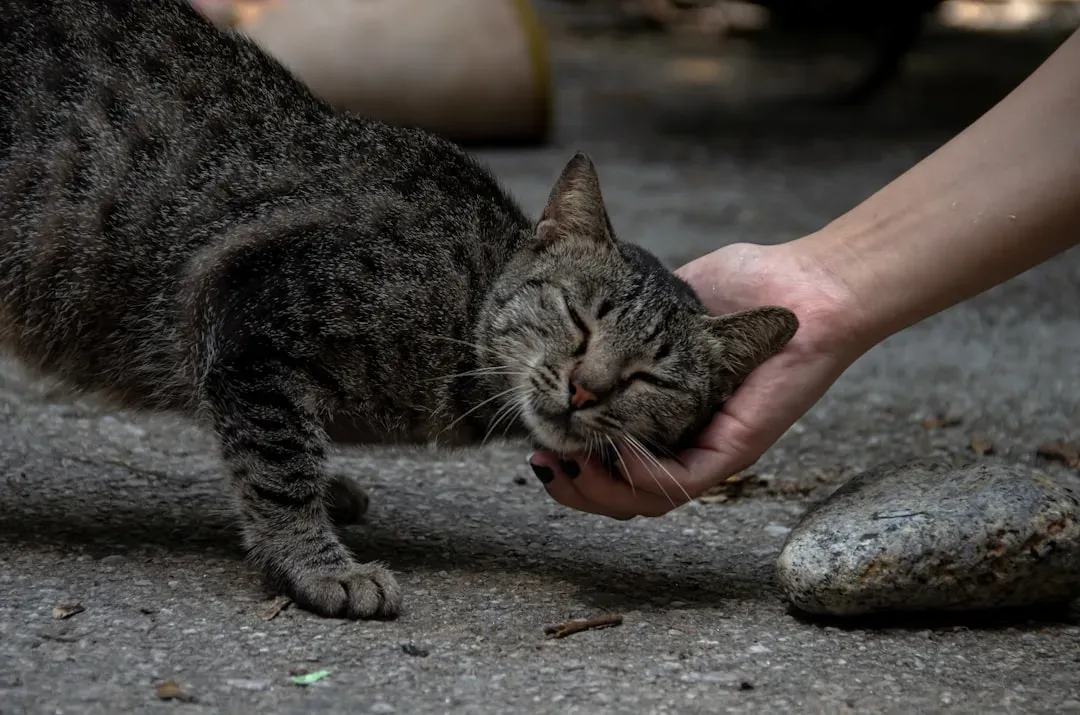
When a cat rubs their cheeks, head, or body against you, they are doing more than asking for attention. Cats have scent glands on their face, head, and flanks, and rubbing those areas on you leaves their scent behind. In a way, they’re tagging you as “mine” or “part of my social group.”
This scent-marking is not aggressive; it’s bonding. In a multi-human household, pay close attention to who gets the most head bumps, leg weaves, and full body rubs. If that’s primarily you, you’re the person they’re most invested in claiming as family.
You might also notice that after you come home from somewhere new, your cat rubs on you more. They’re reapplying their scent over whatever weird outside smells you brought back, returning you to your proper status: smelling like them, and therefore safe and familiar.
#13 They Relax Enough To Show You Their Weirdest, Goofiest Side
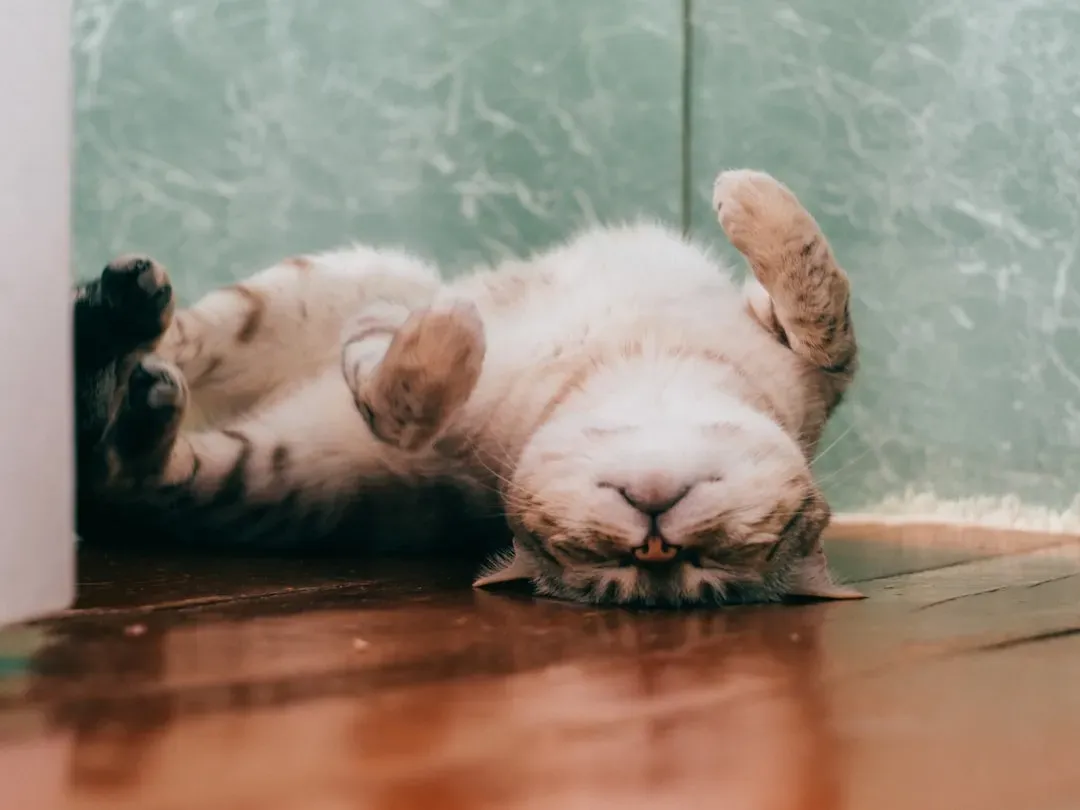
Cats are naturally cautious animals. They often act more serious and reserved around people they do not fully know or trust. But with their favorite humans, a different side comes out: the zoomies, the random toy attacks, the awkward belly-up wiggles, and the upside-down sleeping positions that look almost broken.
When your cat rolls onto their back, sleeps twisted like a pretzel, or charges around the room doing sudden sideways hops while you’re there, it shows they feel safe enough to let their guard down. They are not performing; they are simply not worried about being watched by you.
Think of it like a person who only shows their weird sense of humor to close friends. If your cat mostly displays this unfiltered, ridiculous side with you, it’s a strong sign you’re inside their tight circle of trust.
#14 They Come To You When They’re Scared Or Overwhelmed
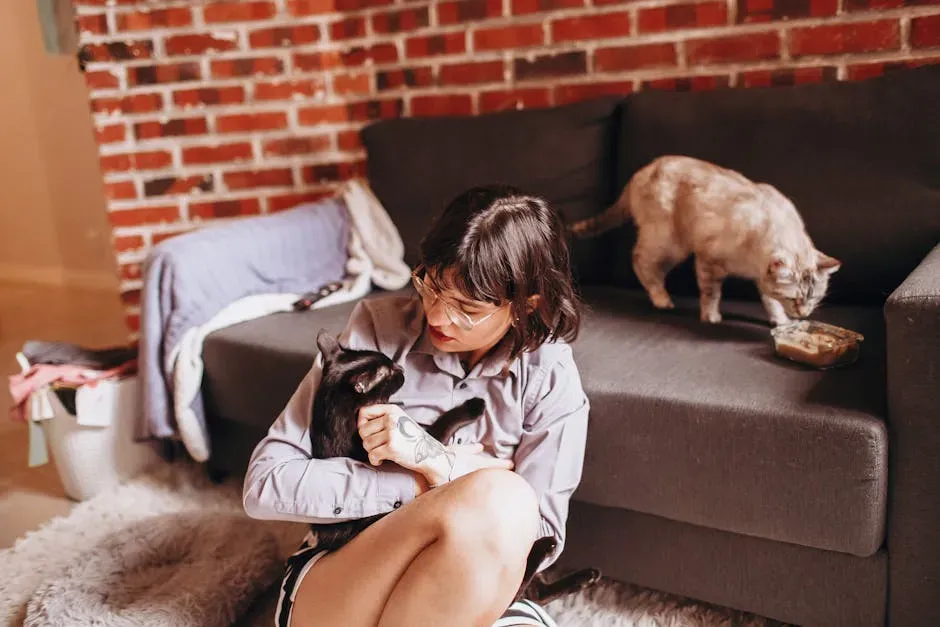
Moments of stress reveal a lot about where a cat’s loyalty really lies. During thunderstorms, fireworks, loud arguments, or sudden unfamiliar noises, watch where your cat goes. If they hide under your bed, burrow next to your side, or press against your legs, they are clearly seeking you out as a safe anchor.
Even more telling is when they peek out from a hiding spot only when you arrive. Cats are very sensitive to sound and emotion, and your voice, scent, and routine can help calm them down. If you are the one they wait for, that is a trust signal you should not underestimate.
It can be subtle: sometimes they just choose your room as the place to retreat to, even if you are not physically touching them. Choosing your space - and not just any random closet - is another way they show that your presence is grounding for them.
#15 They Let You Invade Their Space Without Freaking Out
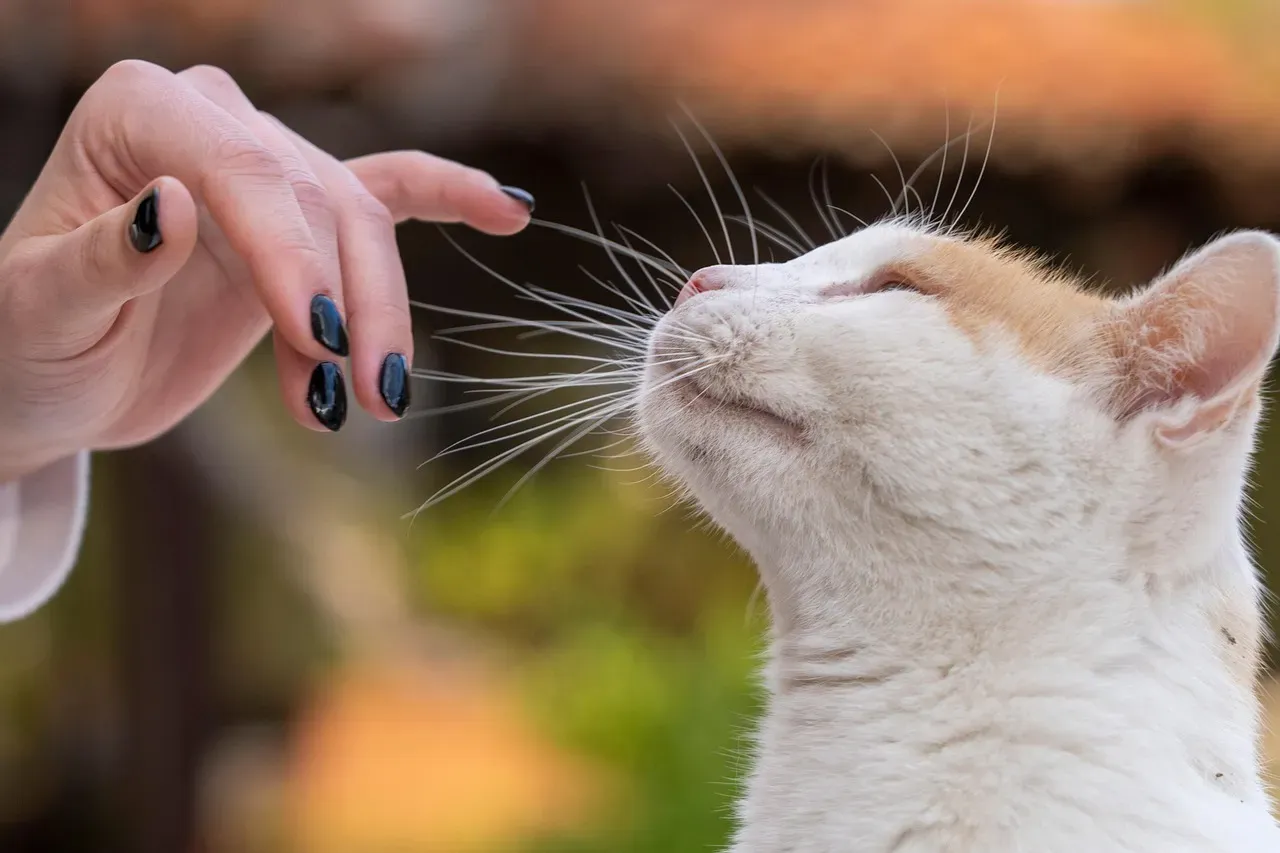
Cats are big on personal space. Many of them will move away the moment someone sits too close, tries to hover over them, or reaches unexpectedly into their hiding spot. That is not rudeness; it is just survival instinct and self-protection.
But if your cat lets you sit near them, lean over them, or gently scoot closer on the couch without bolting, that’s a pretty big deal. If they allow you to peek into their favorite hideouts, pick them up from their nap spot, or slide into bed next to them at night, they are gradually surrendering their safety bubble to you.
When they only tolerate that level of closeness from you and not others, it is a clear sign of a special bond: they trust your intentions and believe you will respect their boundaries most of the time.
#16 They Show You Their “Soft” Side During Play
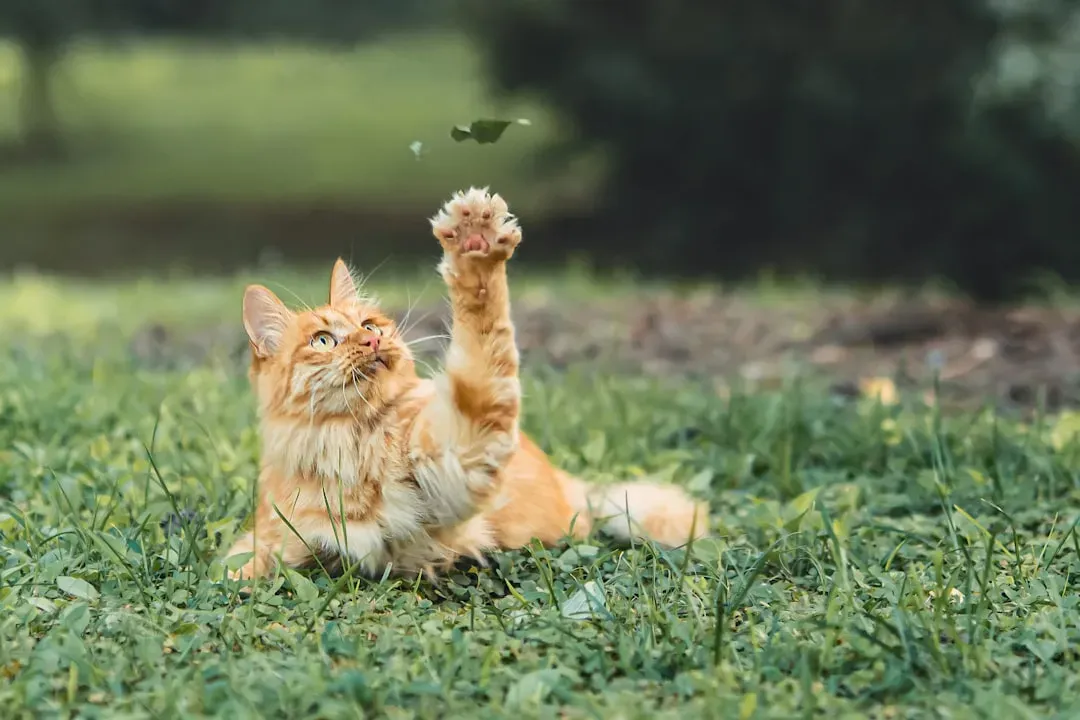
Play is not just fun for cats; it’s also practice for hunting and fighting. Many cats can get overstimulated and will swat, bite hard, or rabbit-kick toys like they mean serious business. The interesting part is how much they dial that behavior up or down depending on the person.
If your cat adjusts their bite pressure with you, avoids truly sinking their claws into your skin, or consistently plays more gently when your hands are involved, that is self-control rooted in trust. They know you’re not a threat, and they do not want to hurt you.
You might notice:
- Softer bites or just “mouthy” behavior without real pressure
- Paws that tap instead of fully rake you with claws
- Quick pauses to check your reaction mid-play
#17 They Eat Comfortably When You’re Close By
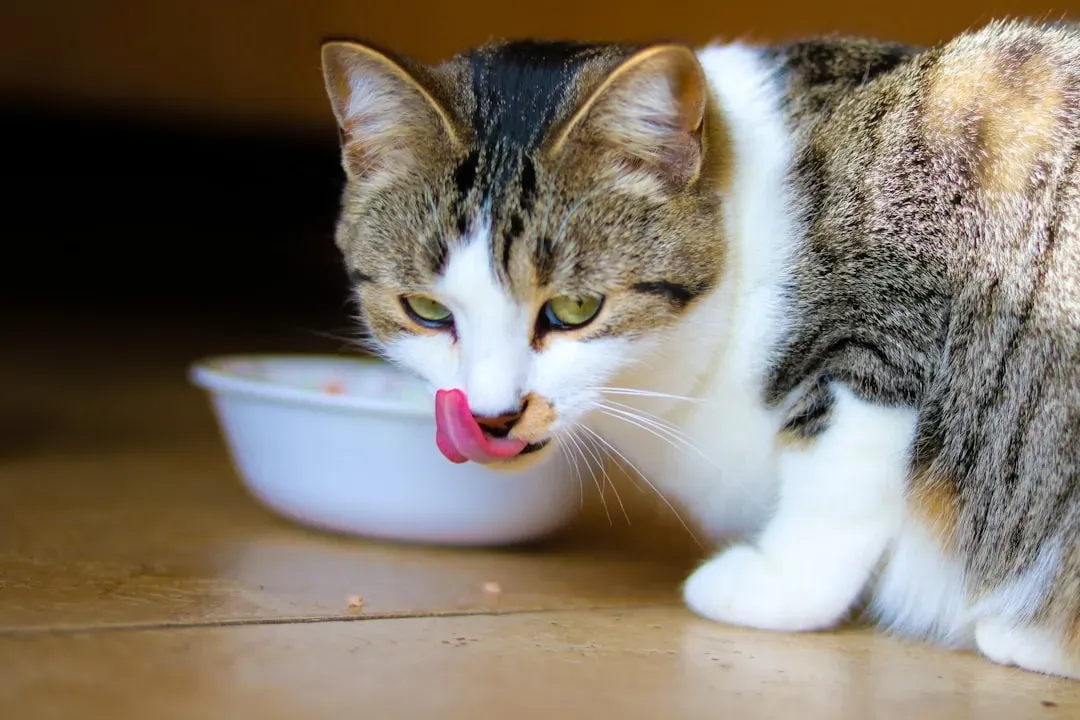
In the animal world, eating is another vulnerable activity. Many animals prefer to eat alone or in secure spots where they will not be ambushed. Some cats are the same: they may not like noisy rooms or strangers near their food bowl.
If your cat is totally comfortable eating while you sit close, walk past, or even talk near their dish, that is a signal of trust. Even more telling is when they refuse to eat around others but seem relaxed and willing when you are the one in the room.
Some cats will even come get you and then go to their food bowl, as if they want you nearby while they eat. It might look like they’re demanding service, but it is also a sign that your presence makes them feel secure enough to focus on their meal instead of potential danger.
#18 They Seek You Out For Comfort When They’re Sick Or Tired
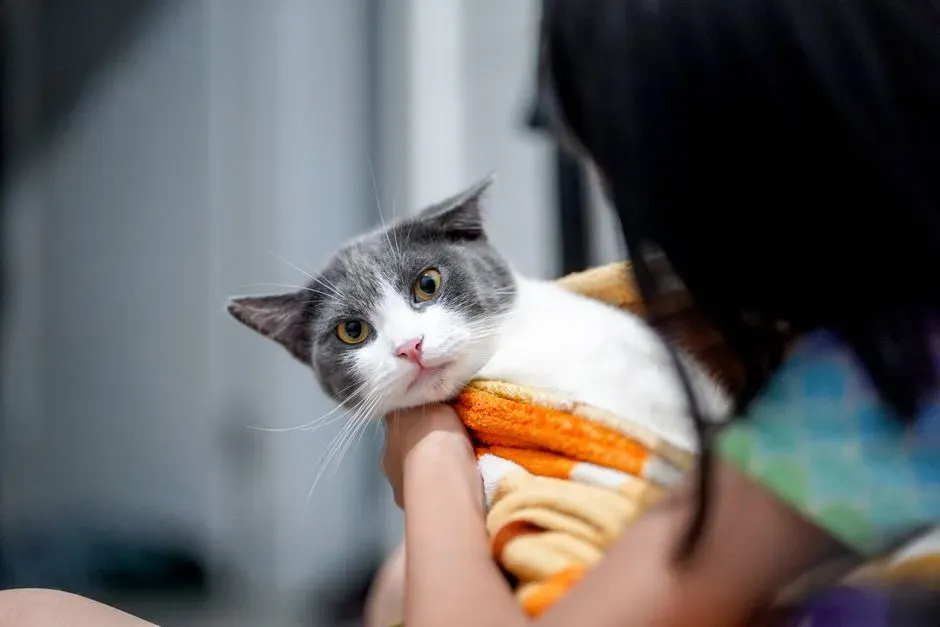
When cats do not feel well, many of them hide. It’s instinctive: a sick or injured animal is more vulnerable, so they often go somewhere quiet and secluded. That is why it can be such a powerful sign when a cat chooses, instead, to come to you during these moments.
If your cat curls up on your bed when they’re under the weather, presses into your side when they’re exhausted, or meows at you in a low, different tone when something is off, that shows deep trust. They see you as a source of protection, warmth, and maybe even problem-solving.
It might be subtle: they cling to you a little more, spend more time sleeping in your usual spots, or stare at you as if asking for help. When that behavior is directed mostly toward you and not others, it’s another sign you’ve become their emotional safety person.
#19 They Mirror Your Routines And Emotions
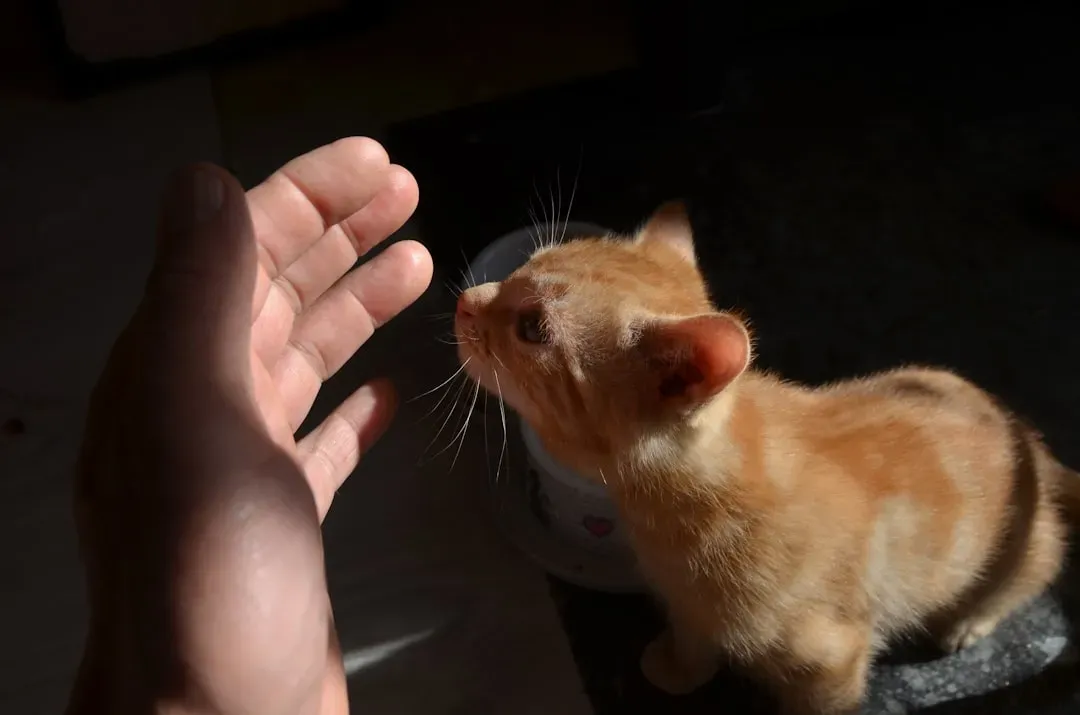
Cats watch more than most people realize. Over time, many cats start to sync up with their favorite human’s rhythms: waking up when you wake up, hanging out in the same room where you work, settling down when you settle down at night. It is not just coincidence; they’re tuning into your patterns.
You may also notice your cat being calmer when you’re calm and more alert when you’re stressed or rushing around. They might not understand the human reasons behind it, but they can absolutely pick up on energy shifts and body language. If they seem especially sensitive to your moods compared to others, there is likely a particularly strong bond there.
Signs of mirroring can include:
- Sleeping near you during your usual nap or bedtime
- Moving rooms when you do, even without obvious cues
- Becoming more affectionate when you seem sad or quiet
#20 They Make You Their “Home Base” In Social Situations
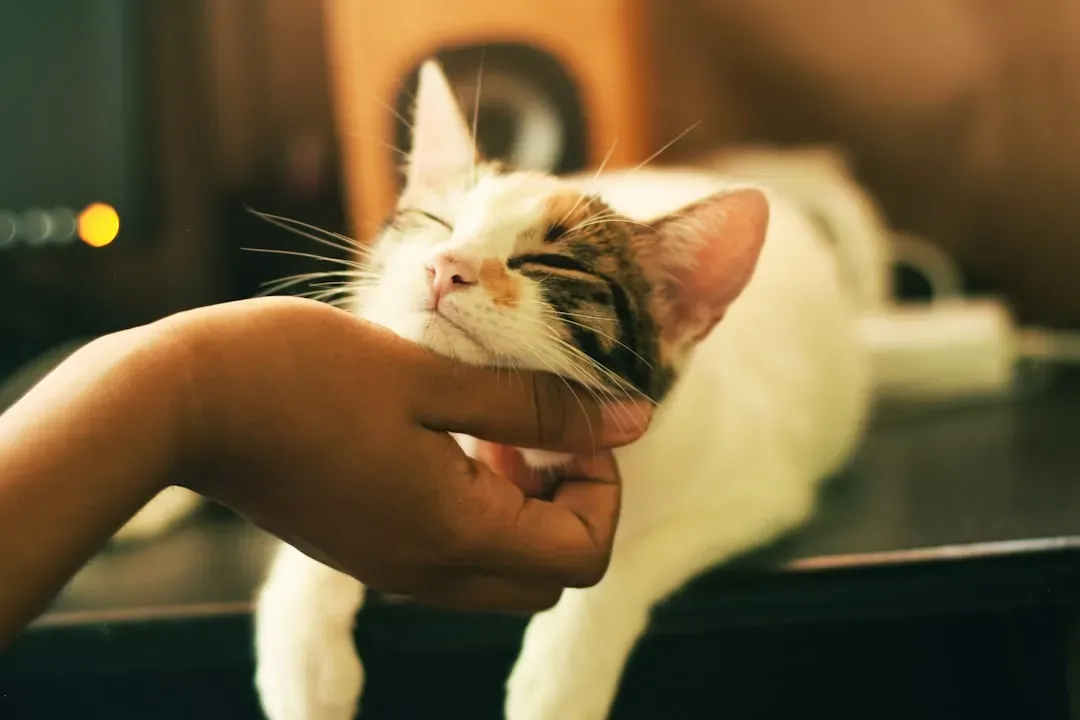
In multi-person homes or when guests visit, watch how your cat navigates the social landscape. Do they check in with you, touch you briefly with their tail, sit near your feet, or climb onto your lap as people move around? That behavior usually means you are their home base.
Even confident cats who like visitors will often return to their chosen human for quick reassurance. Shyer cats might hide at first, then gradually edge closer to the room where you’re sitting, using you like a shield between them and the unfamiliar people or noise.
If you’re the one they retreat to, sit behind, or peek out from beside, you’re clearly the person they expect to keep their world safe. They are not just sharing a house with you - they’ve picked you as their anchor.
Conclusion: If You’re The Chosen Human, Treat It Like The Honor It Is
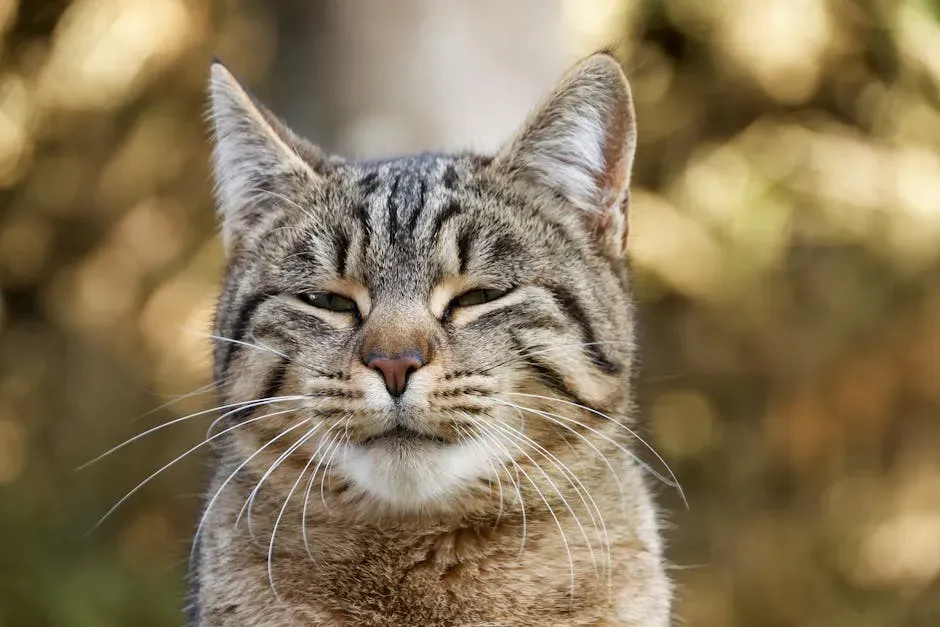
Living with a cat is a little like living with a tiny, silent judge who never really explains their rules. They rarely offer big, dramatic displays of loyalty. Instead, they give you small, layered signals: a slow blink here, a quiet shadowing from room to room, a choice to sleep on your chest instead of the empty couch.
If, after reading these signs, you realize , that is not something to take lightly. You have earned the confidence of an animal that is hardwired to be cautious, and that says a lot about how you show up for them - your consistency, your gentleness, your respect for their boundaries.
The best way to honor that trust is simple: keep being predictable, kind, and patient. Give them safe spaces, regular routines, and affection on their terms. Over time, that trust only deepens, turning your bond into something quietly powerful and honestly a little magical. So, looking at your cat now, how many of these signs do you see staring right back at you?