21 Ways Your Cat Says Thank You Without Making a Sound
Ask most cat owners if their cat actually appreciates them, and you'll usually get a shrug. Cats don't fetch. They don't lick your face on command. They definitely don't do the tail-thumping happy dance dogs are famous for. So the assumption sticks around: cats are polite houseguests at best, indifferent roommates at worst.
Except that's not what the research actually shows. Veterinary behaviorists have spent years decoding a whole vocabulary of feline gratitude that never makes a sound - slow blinks, deliberate scent-marking, sleeping positions chosen with almost surgical precision. Once you know what you're looking at, your "aloof" cat starts looking a lot more like a quiet, constant thank-you machine. Here are 21 signals experts say prove it.
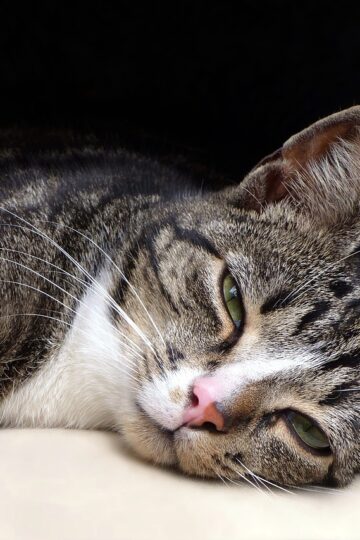
#1 - The Slow Blink Is Basically a Feline "I Love You"
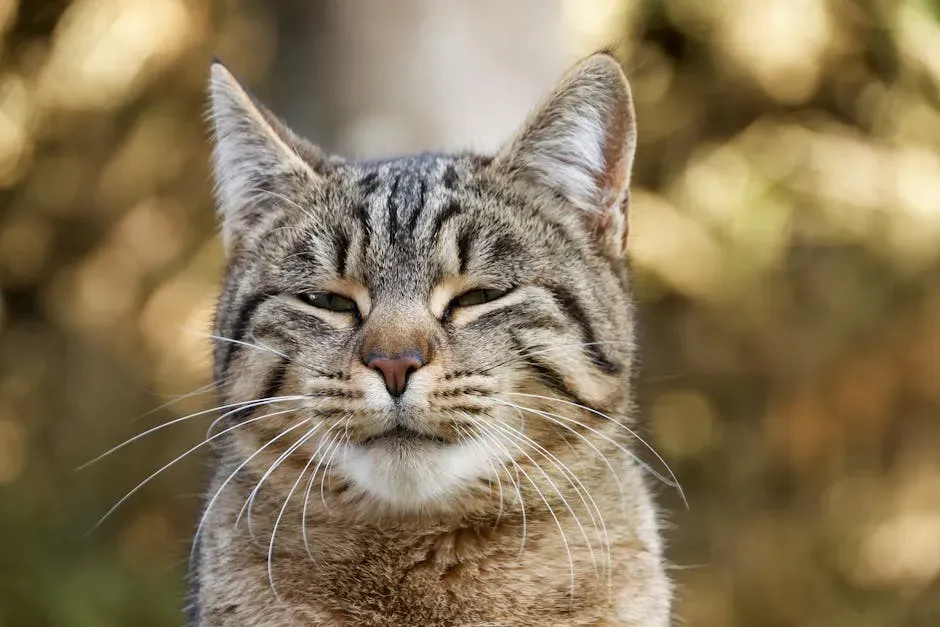
A slow blink from your cat isn't random - it's one of the clearest thank-you signals in their entire repertoire. Researchers at the University of Sussex and University of Portsmouth found that cats slow-blink more frequently at their owners when the owner slow-blinks first, and that the exchange functions as a genuine communication signal between cats and humans.
In the wild, prolonged eye contact reads as a threat. A slow blink does the opposite - it tells you the cat feels safe enough to soften its most vulnerable sense in your presence. Try blinking back slowly next time your cat does this. Many owners report their cat blinks again in return, almost like a silent handshake of appreciation.
It's something that many cat owners had already suspected, so it's exciting to have found evidence for it.
Karen McComb, University of Sussex psychologist
#2 - Head Bunting Is a Deliberate Scent-Based "Thank You"
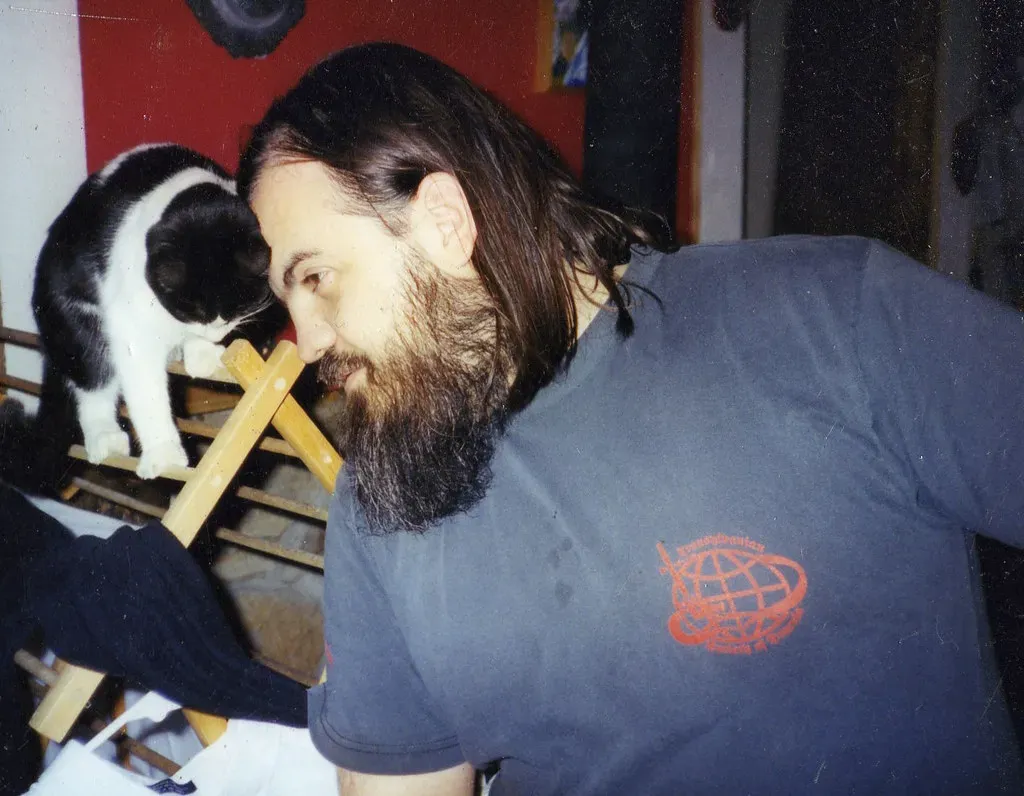
When your cat headbutts you, it's not affection by accident - it's a calculated act of trust. Cats have scent glands concentrated around their cheeks, forehead, and chin, and by bunting their head against you, they're depositing their own scent onto you as a mark of belonging. This is a privilege, not a given - cats don't bunt strangers, furniture they dislike, or people they feel unsafe around.
Behaviorists note that head bunting often spikes right after feeding, playtime, or a grooming session, which suggests it's a direct response to care received. It's less "I own you" and more "I trust you enough to mix my scent with yours." The next time your cat rams its head into your hand instead of meowing for attention, know that it's a silent thank-you note written in pheromones.
#3 - The Slow-Motion Tail Curl Signals Contentment and Gratitude
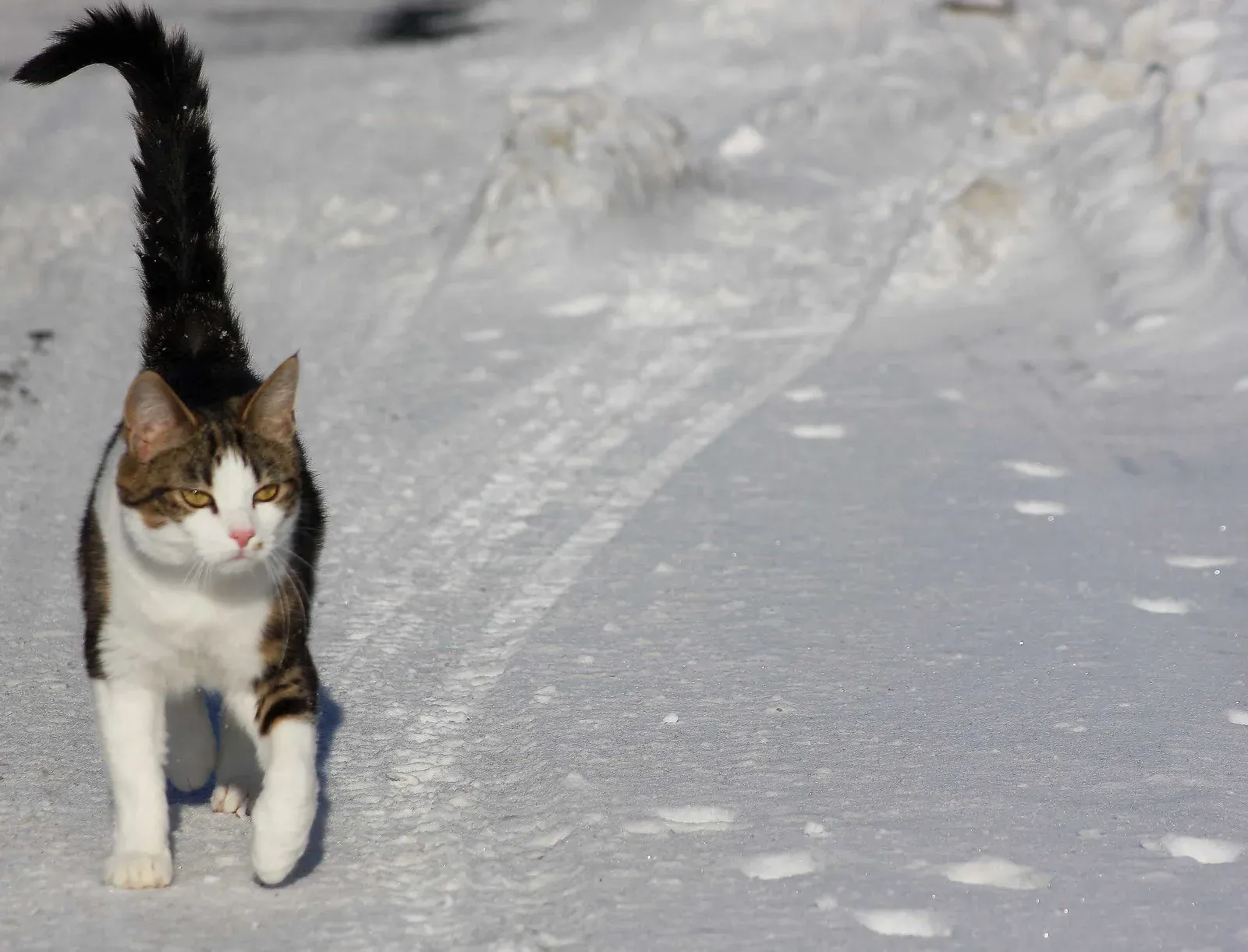
A relaxed, gently curled tail tip is one of the most overlooked "thank you" signals in cat body language. Unlike an aggressive tail thrash or a puffed-up defensive tail, a soft curl at the very tip while the rest of the tail stays loose indicates genuine calm satisfaction. This typically shows up after a cat has been fed, petted, or allowed to settle into a favorite spot undisturbed.
Many owners miss this signal because it lacks the drama of a happy dog's wagging tail. But behaviorists point out that tail-tip curling combined with a lowered, swaying walk toward you is often a direct response to comfort you've provided - a warm blanket, fresh water, or simply a routine that never wavers.
#4 - Kneading You Is a Leftover "Thank You" From Kittenhood
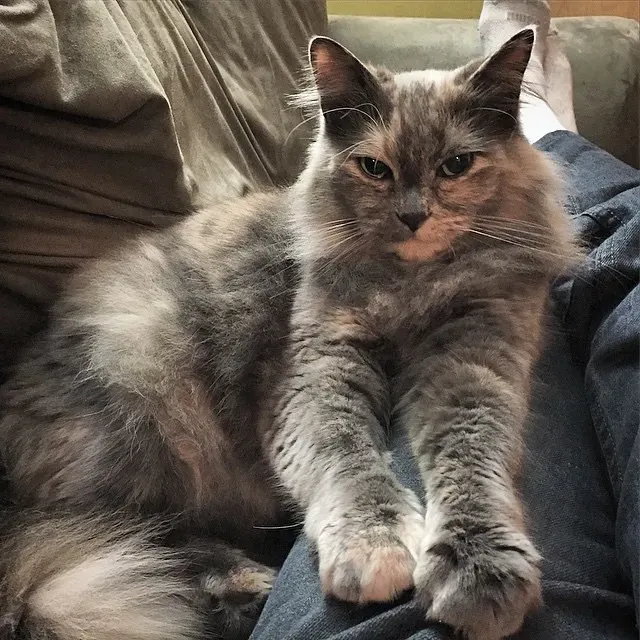
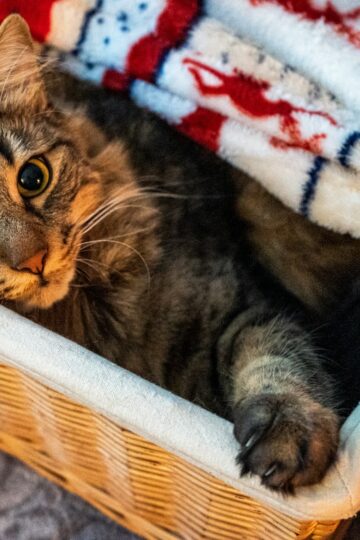
That rhythmic paw-pressing your cat does on your lap isn't random - it's a kitten-era gratitude behavior that never went away. Kittens knead their mother's belly to stimulate milk flow, and that action is deeply tied to comfort, safety, and being fed. Adult cats kneading a blanket, pillow, or your lap are unconsciously recreating that exact feeling from infancy.
Cats don't knead people they dislike or feel threatened by. If your cat chooses your lap specifically - especially while purring - it's essentially saying you provide the same safety their mother once did. Some cats even drool slightly during kneading, which sounds odd but is actually a sign they're in a near-trance state of contentment.
#5 - Bringing You "Gifts" (Even Gross Ones) Is a Trust-Based Thank You
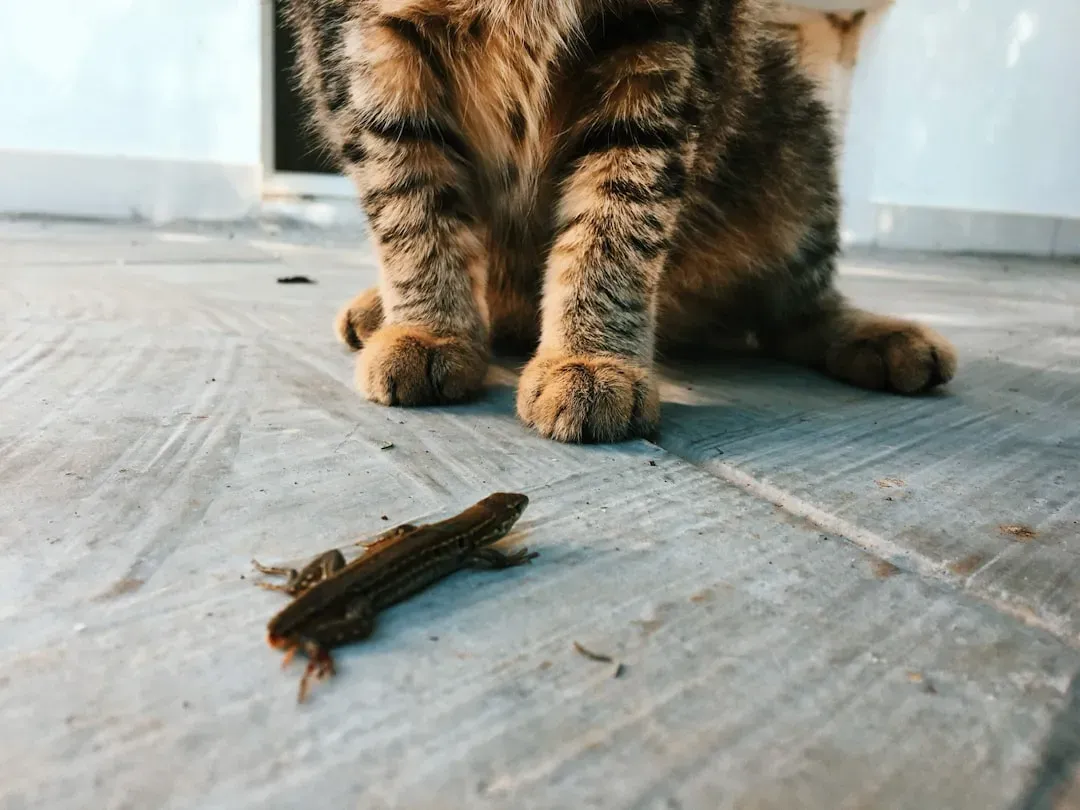
Yes, that dead bug or half-chewed toy on your doorstep is technically a compliment. Cats are natural hunters, and in feline social structures, sharing food or prey is reserved for close family members. When your indoor cat "hunts" a toy mouse and drops it at your feet, it's mimicking the exact behavior mother cats use to teach and reward kittens they consider capable, trusted members of the group.
Outdoor cats who bring home actual prey are doing the same thing, just with messier results. While it's not exactly pleasant to find on your welcome mat, behaviorists consistently point to this as one of the clearest non-verbal "thank you for taking care of me" gestures in the feline world.
#6 - Sitting With Their Back Turned Is a Silent Vote of Confidence
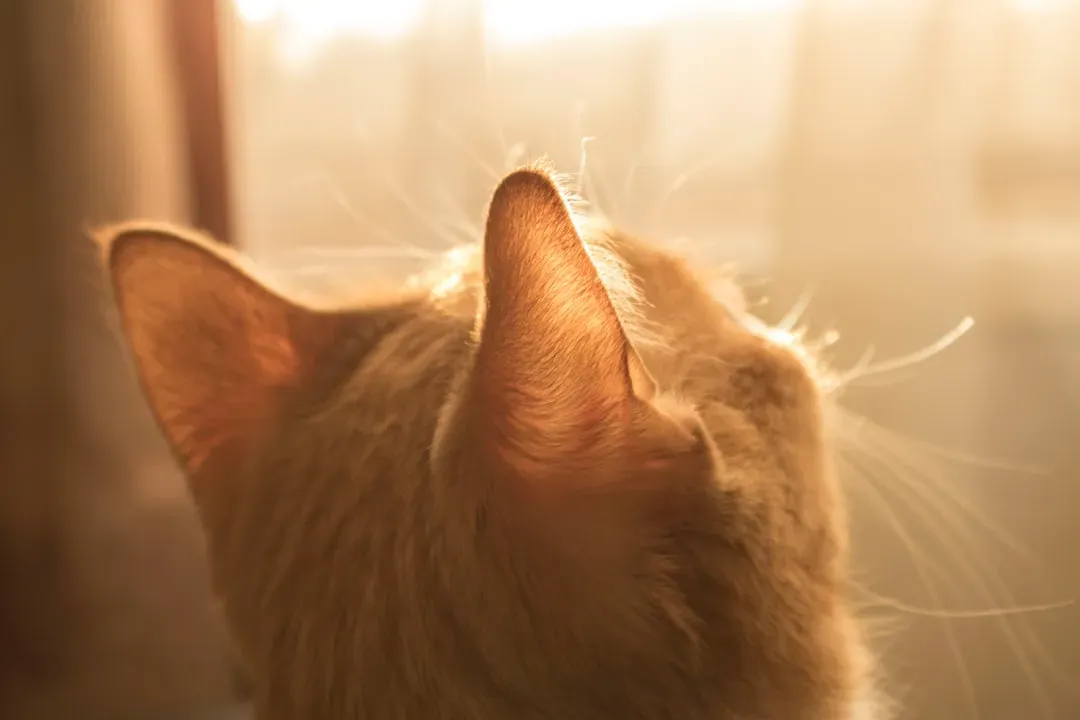
Most owners assume a cat sitting with its back to them is a sign of indifference. It's actually the opposite. A cat's back is its most vulnerable, unprotected zone, so by turning away from you and settling in, your cat is telling its own nervous system that you pose zero threat.
This is why cats often choose to nap with their back against your leg rather than curling up facing you. It's not rejection - it's the ultimate hands-off compliment. If your cat regularly turns its back to relax near you, consider it a permanent thank-you posture that most people completely misread as coldness.
#7 - The "Cat Loaf" Position Near You Signals Deep Comfort
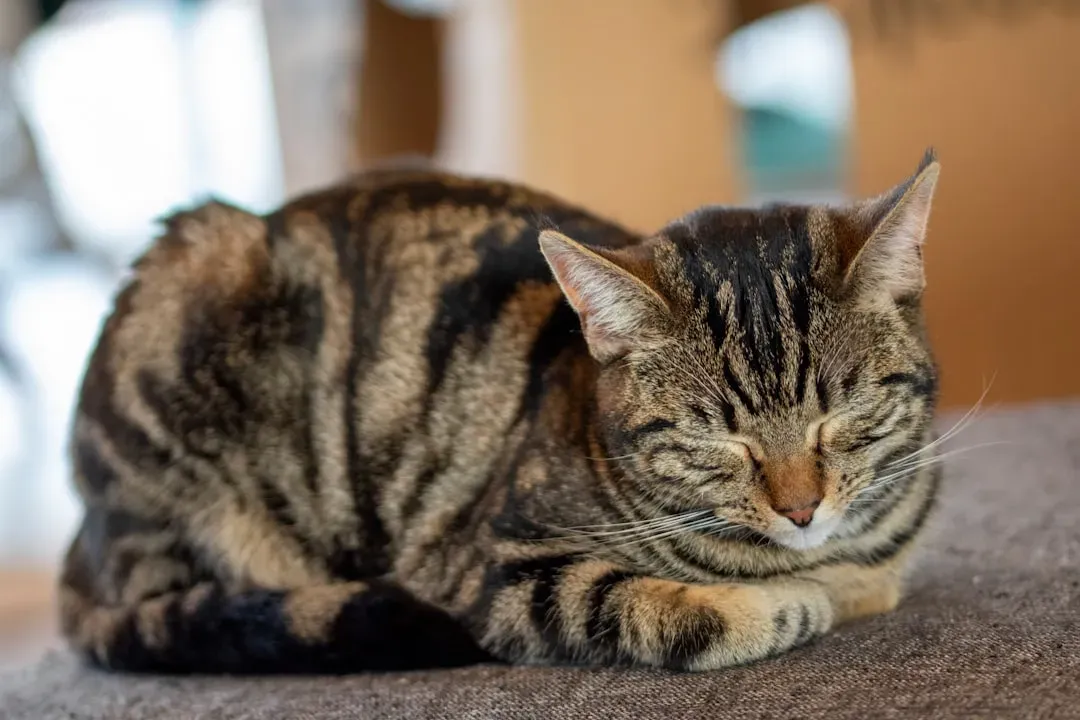
When your cat tucks its paws under its body and sits like a loaf of bread, it's choosing full vulnerability - right next to you. The loaf position leaves cats unable to react quickly to danger, since their legs are tucked away and useless for a fast escape. Cats only adopt this stance in environments they consider completely safe.
This differs from simply sleeping, which cats will do almost anywhere out of exhaustion. Loafing is a conscious choice made while alert, which makes it more telling. If your cat loafs on the couch beside you instead of retreating to a closet or under the bed, that's their way of saying your space feels like home.
#8 - Following You Room to Room Is an Unspoken Loyalty Signal
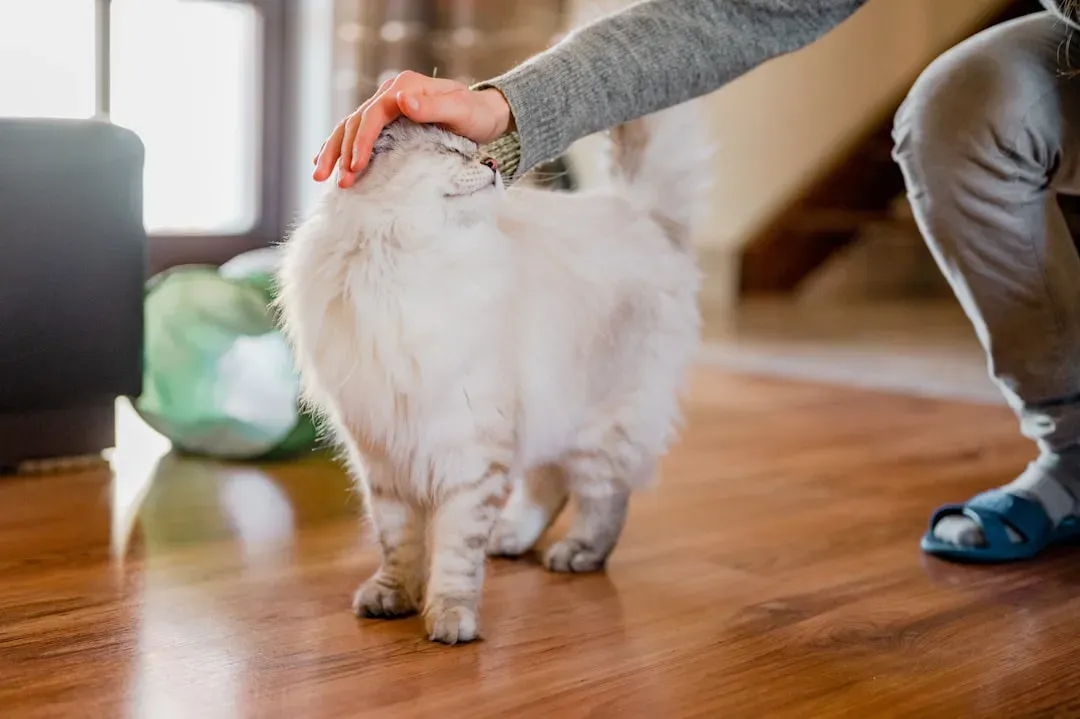
Cats have a reputation for independence, but the ones who shadow their owners everywhere are quietly breaking that stereotype. This behavior is common in cats who feel strongly bonded to their person, and it's not neediness - it's a chosen closeness. Cats who don't feel safe or connected to their owner tend to avoid this kind of consistent shadowing altogether.
Some owners find it clingy, especially when a cat follows them into the bathroom for the tenth time that day. But this is precisely the kind of behavior that indicates a cat views you as their anchor point in the house, not just a food source with opposable thumbs.
#9 - The Almost-Silent Chirp Is Reserved for Favorite Humans
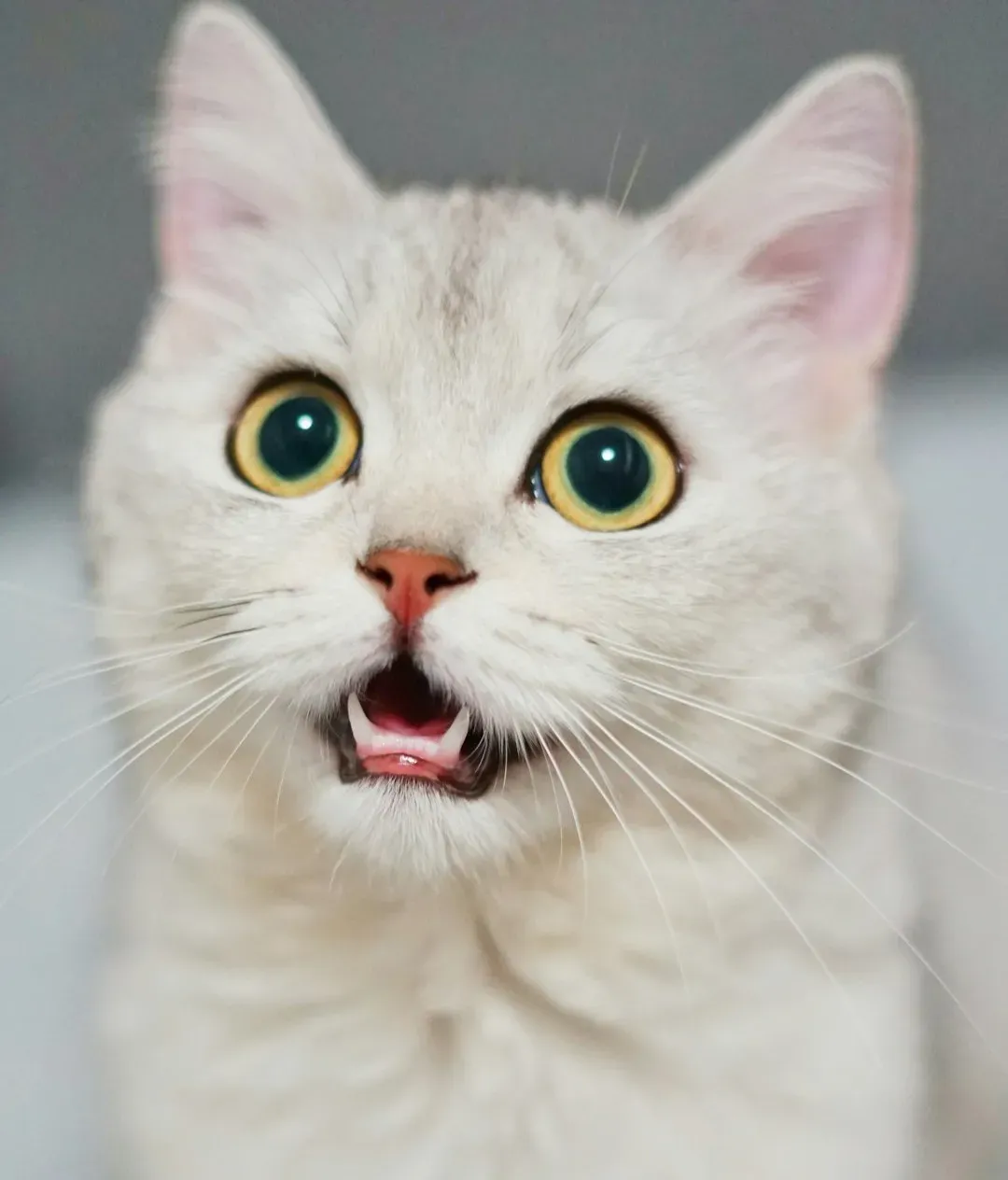
That odd little chirp your cat makes isn't a meow - it's a specialized, barely-there sound reserved almost exclusively for people they adore. Mother cats use chirps and trills to call kittens toward them, and adult cats have repurposed this sound for humans they consider part of their trusted circle. It's less a vocalization and more a soft exhale with a melody attached - the closest thing to a whisper a cat can produce.
Unlike meowing, which cats use broadly and mostly toward humans rather than each other, trilling is far more selective. If your cat greets you with a chirp every time you walk through the door, you're getting one of the quietest, most exclusive sounds in their entire vocal library.
#10 - Grooming You Is the Ultimate Gesture of Acceptance
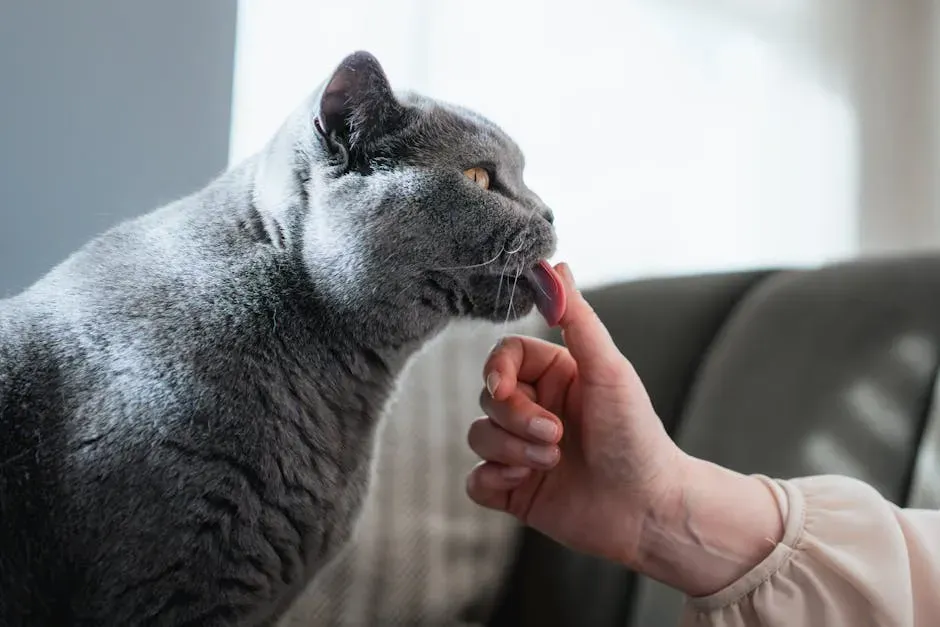
If your cat licks your hand, hair, or face, congratulations - you've been formally accepted into their social circle. Allogrooming, or social grooming, is normally reserved for cats within the same family group or bonded pair. When a cat licks a human, it's applying that exact same ritual to a person it trusts completely.
Cats are famously selective about who they groom, often refusing to lick cats they don't get along with even within the same household. So when your cat spends a few minutes licking your arm, it's not a random impulse - it's an intentional act reserved for the people they consider family.
#11 - Purring Around You Specifically Signals More Than Just Happiness
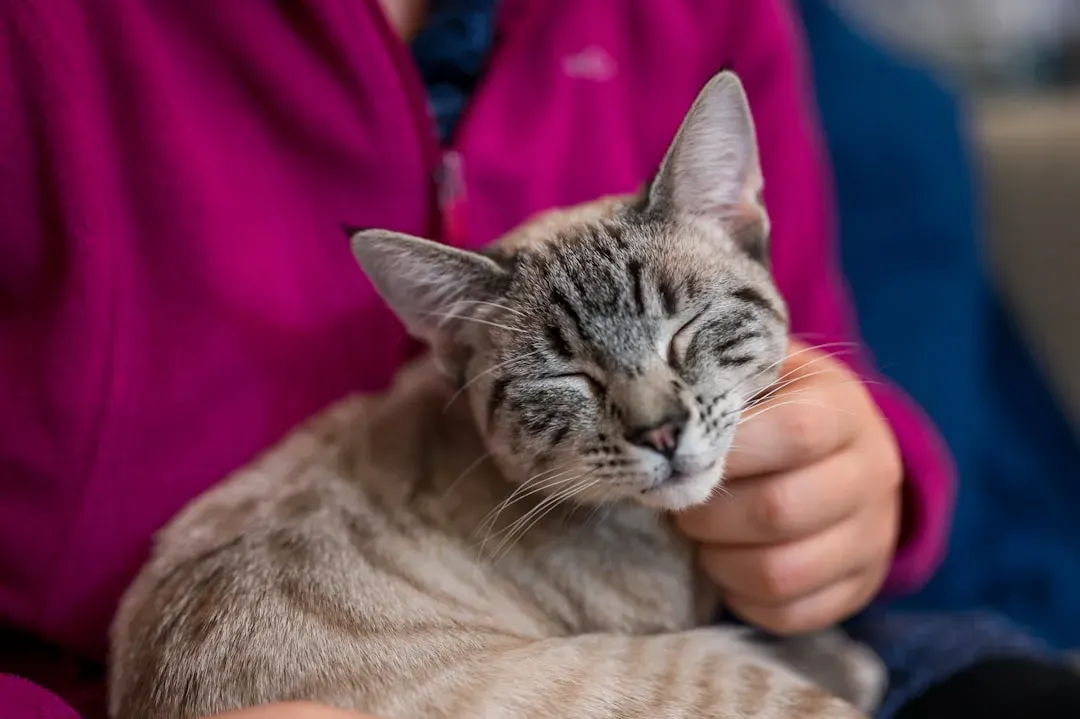
Most people assume purring simply means "happy," but the full picture is more nuanced and, frankly, more flattering to you than you'd think. Cats purr in a wide range of situations, including stress and self-soothing, which means context matters enormously. Purring while nuzzled against you, kneading, or being petted is far more likely tied to genuine contentment than purring alone in a carrier or at the vet.
This surprises a lot of owners who assume all purring is universally positive - it isn't. A cat purring loudly while curled against your chest is sending you a completely different message than one purring nervously while trapped somewhere it doesn't want to be. Context is everything.
Quick Compare
- Contentment purr: slow and steady, paired with kneading, half-closed eyes, and a loose body.
- Stress purr: tense posture, wide pupils, usually heard at the vet or in a carrier.
- Solicitation purr: slightly higher-pitched and often layered with a meow, used to ask for food or attention.
#12 - Exposing Their Belly Is a Test You're Meant to Pass Correctly
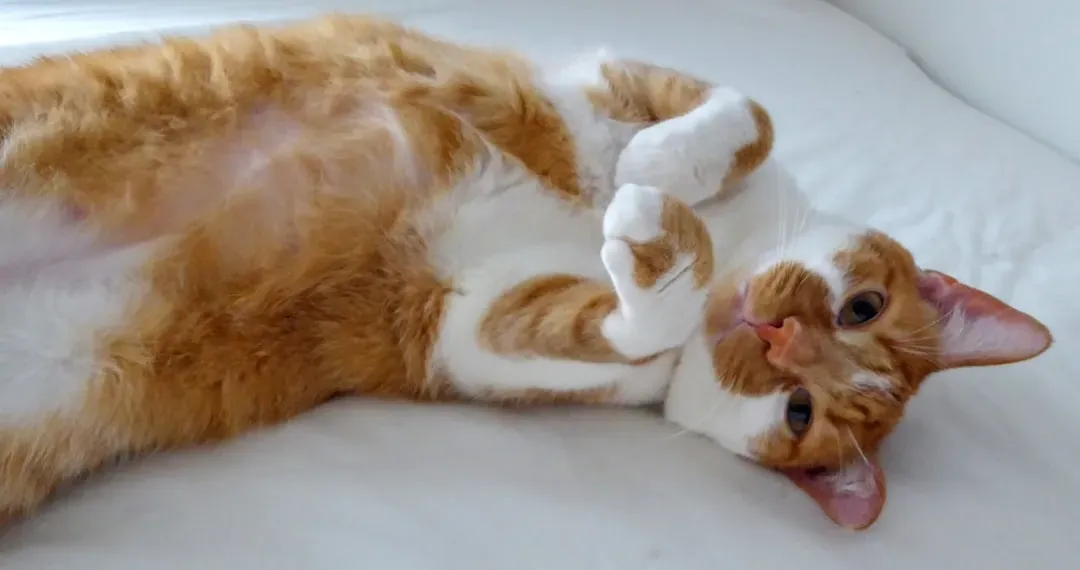
A cat rolling onto its back to expose its belly is one of the most misunderstood "thank you" gestures on this entire list. This posture reveals a cat's most vulnerable area, and cats only expose their belly to people or animals they trust implicitly - not as an invitation to rub it like a dog's. Plenty of cats will nip if you actually touch the belly they just showed you, which frustrates owners who assume it's an invitation. It isn't. It's a compliment, not a request.
The correct response, according to behaviorists, is simply acknowledging the gesture without touching - maybe with a slow blink or a soft word. Once you understand this distinction, the interaction stops feeling contradictory: your cat isn't confused, it's trusting you enough to be vulnerable while still setting a clear boundary.
#13 - Sleeping Near Your Head Is a Deliberate Safety Choice
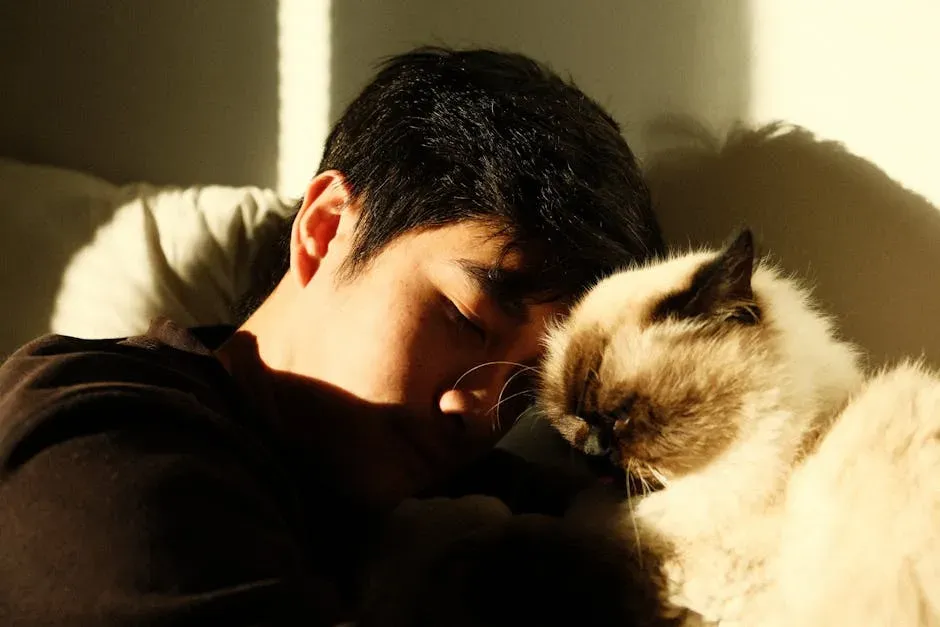
Cats who sleep near your head, rather than at your feet or across the room, are making a very specific statement about trust. Sleeping close to another animal's face and neck is reserved for close bonds only, since this position leaves a cat unable to react quickly to danger. Choosing your pillow over any other spot in the house isn't about warmth alone - plenty of cozier spots exist elsewhere in most homes.
This differs from cats who sleep on your legs or feet, which is more about warmth-seeking than direct trust. If your cat consistently claims the pillow beside your head, you've essentially been handed VIP status in their world.
#14 - The "Elevator Butt" Reflex Means They Adore Your Touch
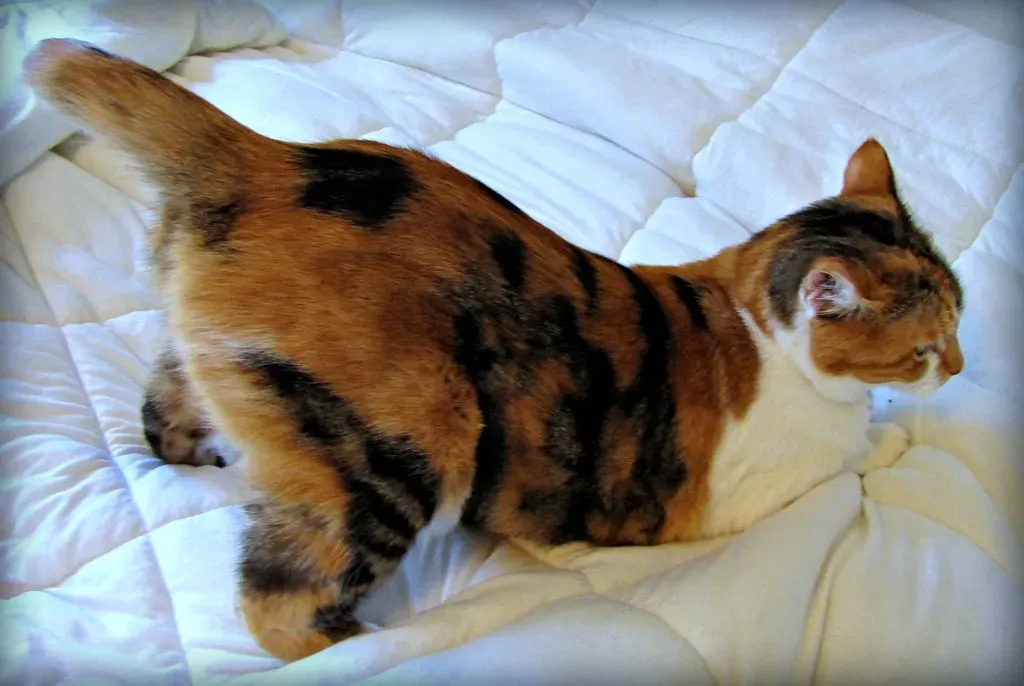
If scratching your cat near the base of the tail causes their rear end to lift automatically, that's not a glitch - it's a happiness signal your cat can't fake. This involuntary reflex is triggered by nerve clusters near the base of the spine and tends to appear specifically in cats who are relaxed and enjoying the interaction. It rarely happens with cats who are tense, annoyed, or unfamiliar with the person touching them.
Some owners find the reflex a little embarrassing, and it's often mistaken for a mating-related behavior. But in most everyday moments, it simply reflects pure physical enjoyment - one of the few thank-you signals where the body reacts before the brain even gets a vote.
#15 - Sitting on Your Belongings Is a Territory-Sharing Compliment
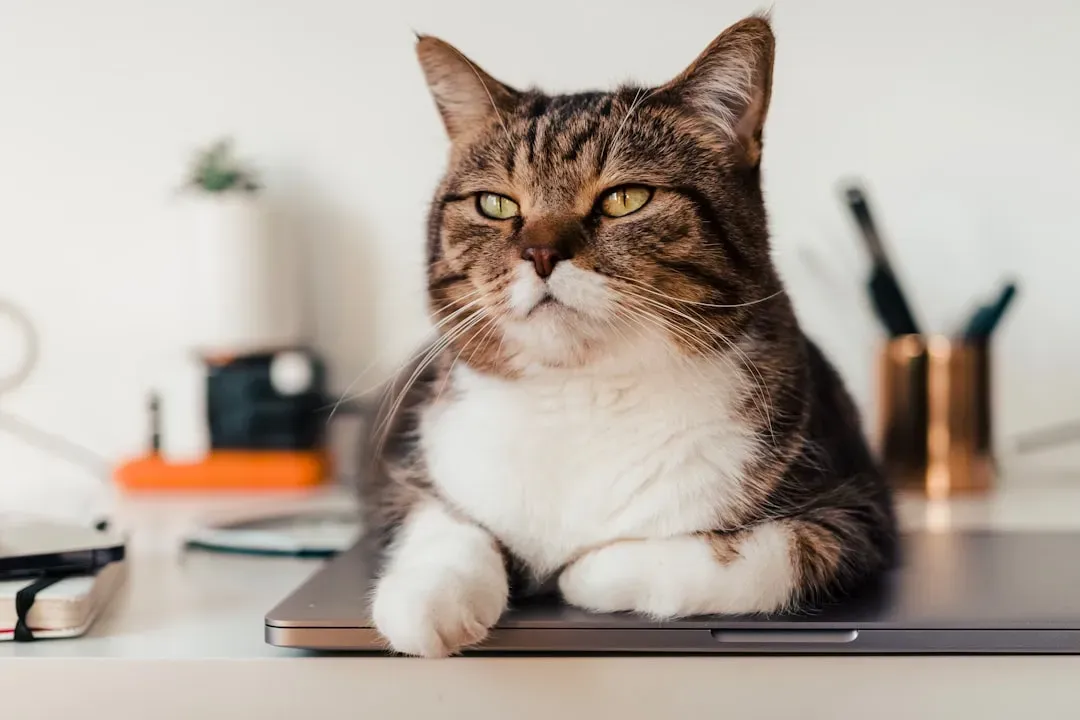
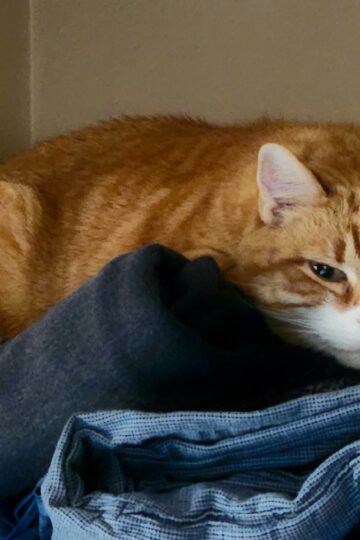
When your cat sits on your laptop, paperwork, or freshly folded laundry, it's not sabotage - it's a scent-based thank-you in disguise. Items that smell strongly of you are appealing to cats precisely because they carry your scent, and sitting on them lets the cat mix its own scent with yours, reinforcing the bond on a chemical level.
It's genuinely inconvenient when you're trying to work, but behaviorists note this preference for owner-scented items over neutral objects in the same room is telling. Cats aren't randomly picking the most annoying spot in the house - they're picking the most emotionally significant one.
#16 - Relaxed, Forward-Facing Ears Reveal Gratitude Most Owners Miss
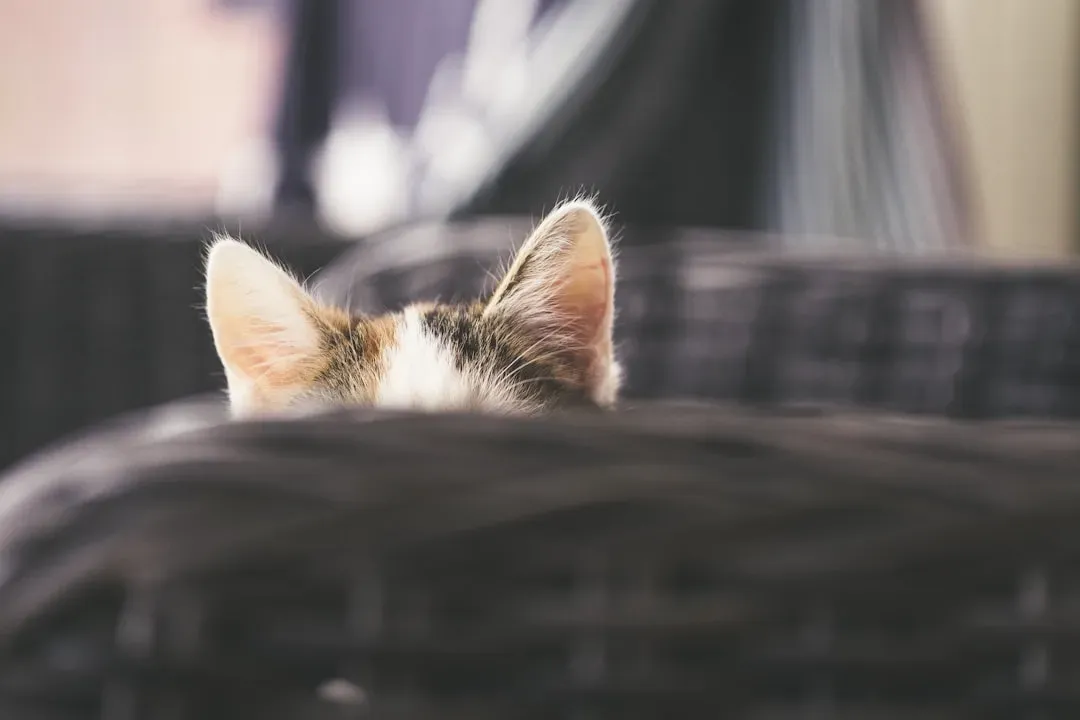
Forward-facing, relaxed ears are one of the most consistent signs that your cat feels safe and content around you. Ears pinned back or sideways typically indicate stress, fear, or irritation, while ears held in a neutral, forward position paired with relaxed whiskers signal comfort and positive engagement. This is a baseline signal experts use constantly when reading a cat's emotional state.
Many owners focus entirely on purring or tail movement while ignoring ear position altogether, missing one of the most reliable indicators available. If your cat's ears stay soft and forward during petting, feeding, or cuddling, that's a steady, low-key thank-you playing out in real time.
#17 - Turning Toward Your Voice Signals Recognition and Bonding
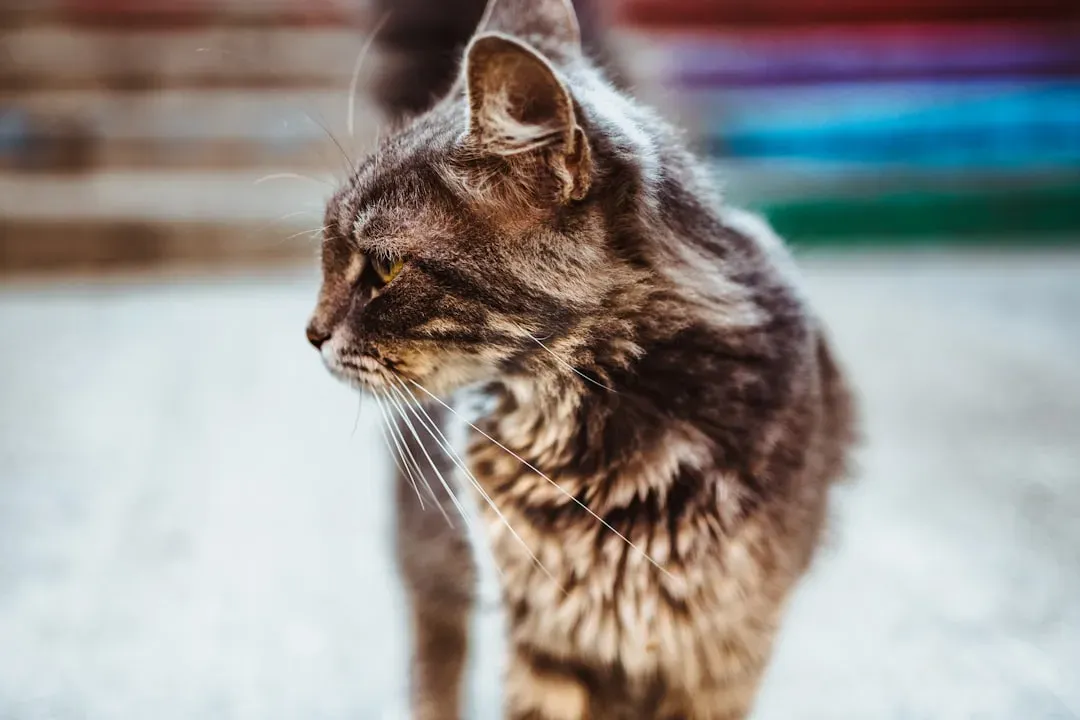
Cats are often accused of ignoring their name, but research suggests otherwise - they're simply choosing when to respond. Studies have shown that domestic cats can distinguish their own name from other words, and many will turn their head, twitch an ear, or shift their gaze even without moving their body. This selective, deliberate recognition is reserved almost entirely for their primary caregivers, not just anyone in the room.
This challenges the popular belief that cats don't care about human voices at all. In reality, they're processing far more than they let on - they're just not obligated to react the way a dog would. A simple head-turn toward your voice is a quieter, more feline way of saying, "I hear you, and I know it's you."
Fast Facts
- A landmark study tested name recognition across 78 cats living in Japanese households and cat cafés.
- Cats consistently reacted more to their own name than to similar-sounding random words.
- Fewer than 10% of cats who recognized their name actually got up and walked toward it - recognition doesn't guarantee obedience.
#18 - Leading You to Their Favorite Spot Is an Invitation of Trust
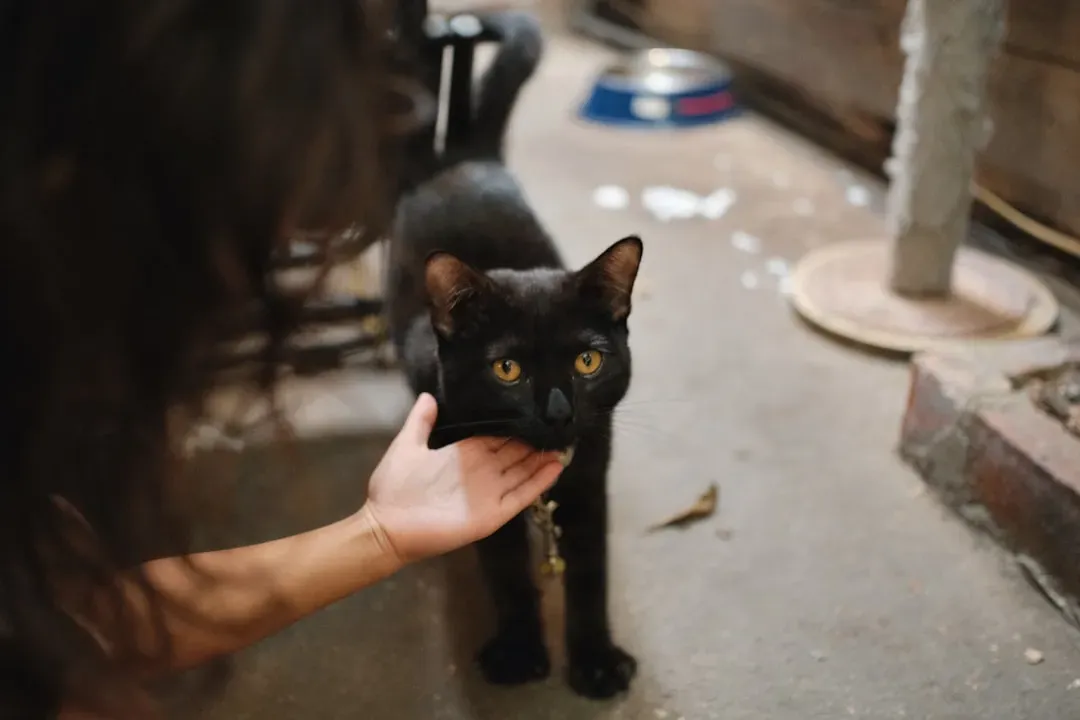
When a cat leads you toward a specific spot in the house - a window, a sunny patch, a favorite chair - it's inviting you into its personal territory. Cats are territorial by nature, so choosing to share a favored resting spot with a human is a notable departure from typical solitary preferences, especially in cats who are otherwise fiercely independent.
This differs from simply following you around the house, since here the cat is actively leading rather than trailing behind. It's a small but meaningful gesture that says, "This is my safe place, and I want you in it."
#19 - Gentle "Love Bites" Are a Sign of Overwhelmed Affection

A soft nibble on your hand or arm, without any real pressure, is often mistaken for aggression when it's actually the opposite. These gentle bites frequently occur during petting sessions, especially when a cat becomes highly stimulated by affection it's genuinely enjoying. Unlike a defensive or fearful bite, a love bite involves no growling, flattened ears, or tension in the body beforehand.
Plenty of cat owners assume all biting is bad behavior that needs correcting. But understanding the difference between an aggressive bite and an affectionate one changes how you read your entire relationship with your cat - sometimes a nibble really is a compliment, not a complaint.
#20 - Extra Affection Around Feeding Time Signals Real Appreciation
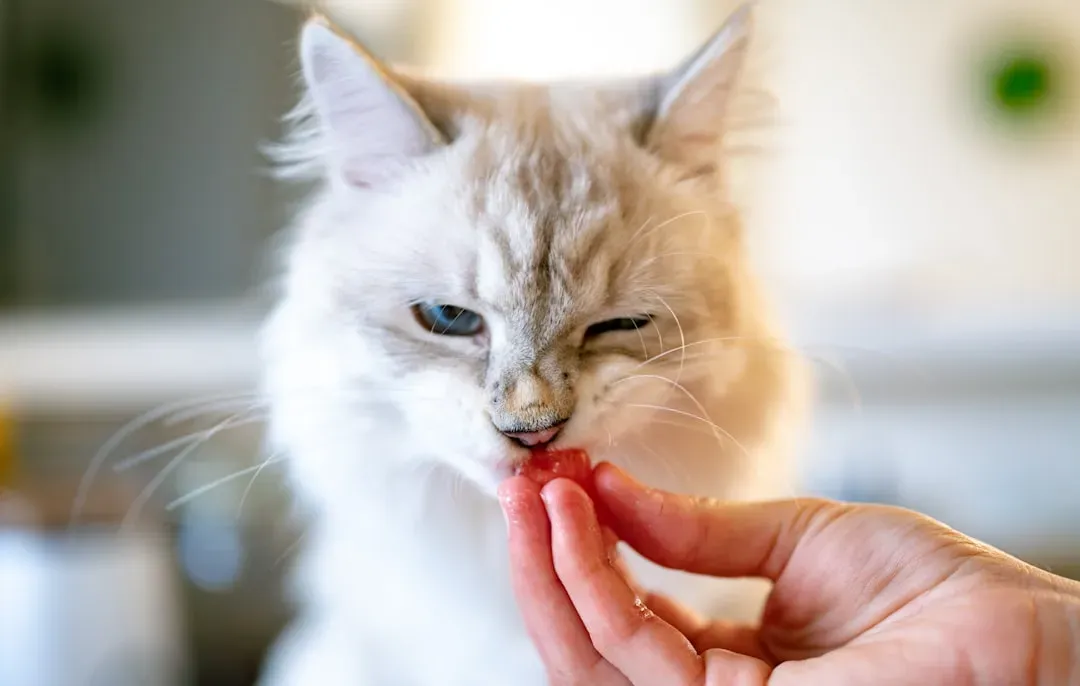
Many cats become noticeably more affectionate immediately before or after meals, and it's more than instinctive food-seeking. Hunger obviously plays a role, but cats who consistently rub against your legs, vocalize softly, or sit closer to you specifically around feeding times are reinforcing a bond tied directly to the person providing consistent resources. Despite the popular meme, this isn't manipulation - it's a genuine association between you and safety.
Behaviorists note that in multi-person households, cats often show the most affection toward whoever handles feeding most consistently, which underlines just how closely trust and care are linked in feline psychology. If your cat becomes a completely different, cuddlier animal around mealtime, that routine-based affection is a real, recurring thank-you.
#21 - Choosing to Simply Exist in the Same Room Is the Quietest Thank You of All
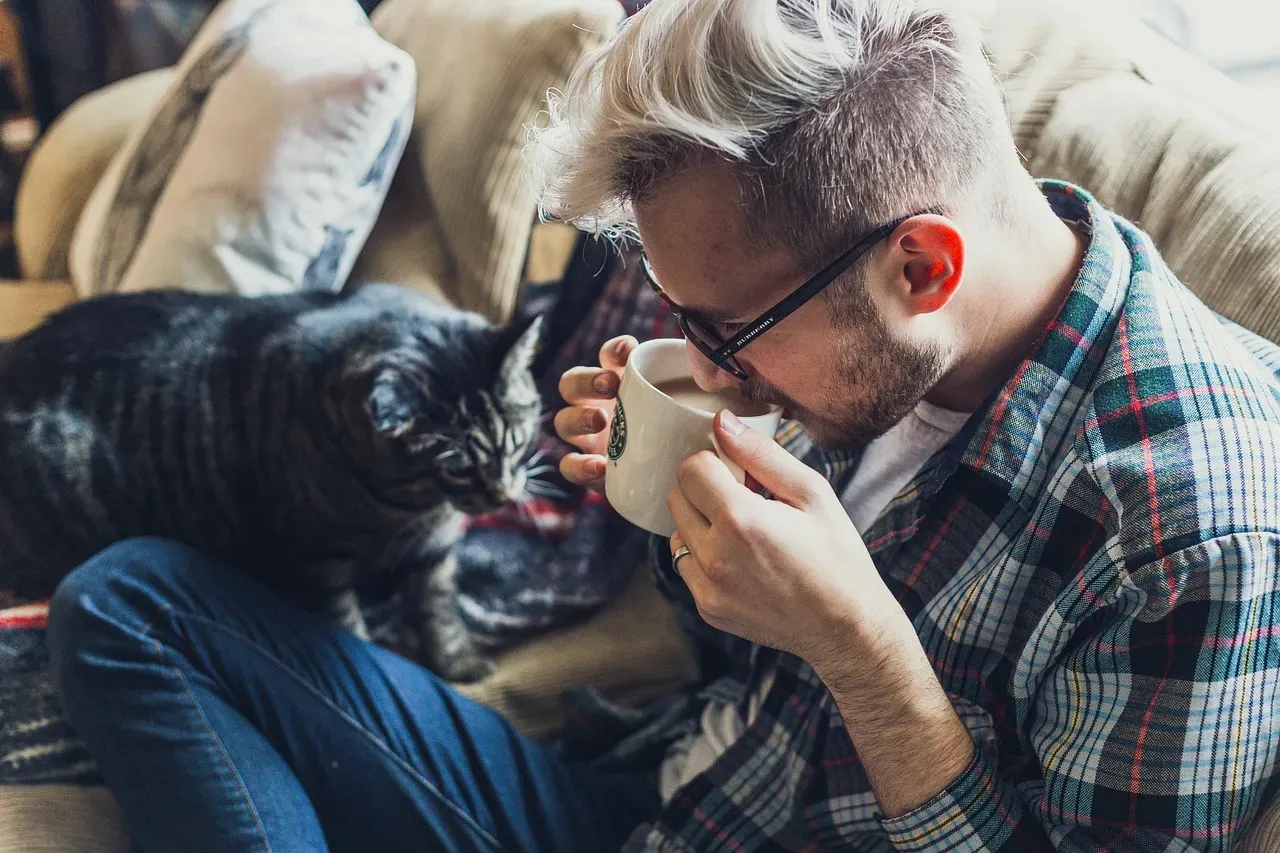
The single most overlooked gesture of gratitude is also the simplest: your cat choosing to stay near you with zero requests attached. Unlike dogs, cats aren't driven by strong pack instincts to remain physically close to their humans, which makes voluntary proximity especially meaningful. A cat lounging quietly in the same room, with no food, play, or attention being requested, is offering pure, low-maintenance companionship that many owners completely take for granted.
This last gesture may seem anticlimactic compared to slow blinks or kneading, but behaviorists argue it's actually the most consistent signal of all. It doesn't require training, mood, or a specific trigger. It's simply a cat deciding, day after day, that your presence is worth sharing space with.
At a Glance
- Cats aren't wired for pack loyalty the way dogs are, so staying near you is a choice, not an instinct.
- Voluntary proximity with no food, play, or attention-seeking involved is one of the strongest bonding signals behaviorists track.
- This quiet companionship often becomes more noticeable in senior cats and long-bonded pairs.
The Bottom Line
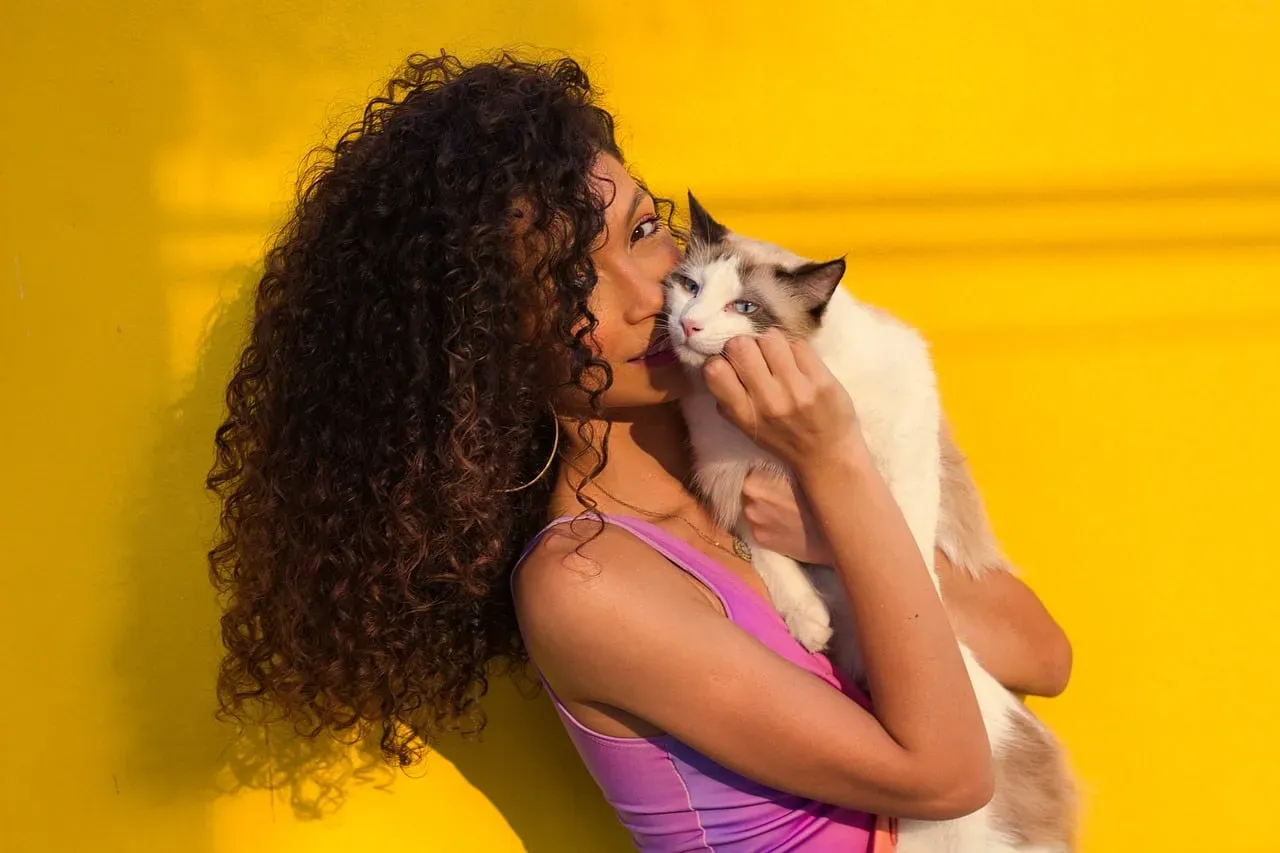
Cats will never bark with excitement or wag their way into an obvious "thank you." But the evidence is clear: they're communicating gratitude constantly, just on a quieter, slower frequency than the one most of us were trained to listen for. From slow blinks scientifically linked to bonding, to scent-marking through head bunts and belongings, feline appreciation is real - it's just been misread as indifference for generations.
Here's the opinion part: the "aloof cat" stereotype has done cats a disservice, and it's mostly our fault for grading them on a dog's curve. Once you stop waiting for a tail wag that's never coming and start reading the signals cats actually use, the relationship changes completely. Which one of these does your cat do the most? Drop it in the comments.