You know the stereotype: a slightly unhinged “cat lady” with too many throw pillows and a suspicious amount of cat hair on her work clothes. Harmless. Quaint. Easy to laugh off at a dinner party.
Except American cat owners now pour more than $30 billion a year into their felines, and a lot of that money goes toward things that would sound absurd if you said them out loud to a stranger. Once you see the actual list of what otherwise reasonable adults are doing for their cats, the eye-rolling stops and the recognition kicks in. Some of these might hit uncomfortably close to home.
#23 – Installing Multiple Cat Doors in Every Room
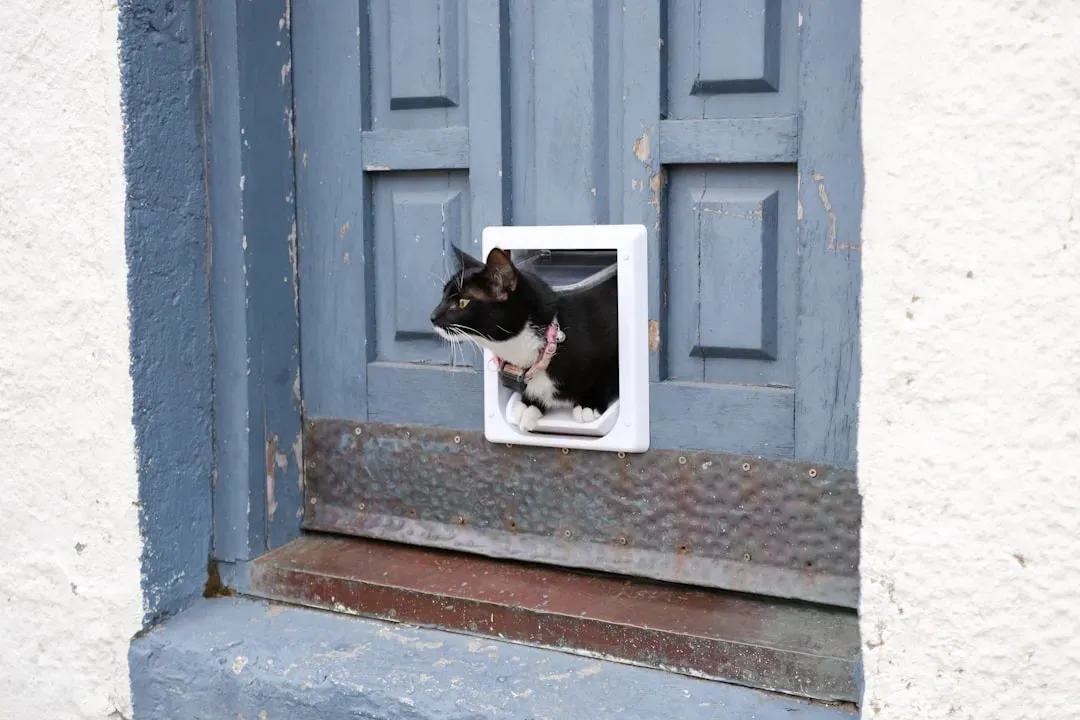
It always starts innocently with one pet door in the kitchen. Within a year, the whole house has been quietly retrofitted, and hallways have turned into cat superhighways that trip up every human who lives there after dark.
The part nobody expects: plenty of these owners end up adding weatherproofing and after-market locks because their cat figured out how to let neighborhood strays wander in for a snack. What began as a gesture of feline freedom turns into a part-time home security project, complete with contractor visits and a noticeably higher heating bill.
#22 – Buying Organic, Grain-Free Cat Food Exclusively
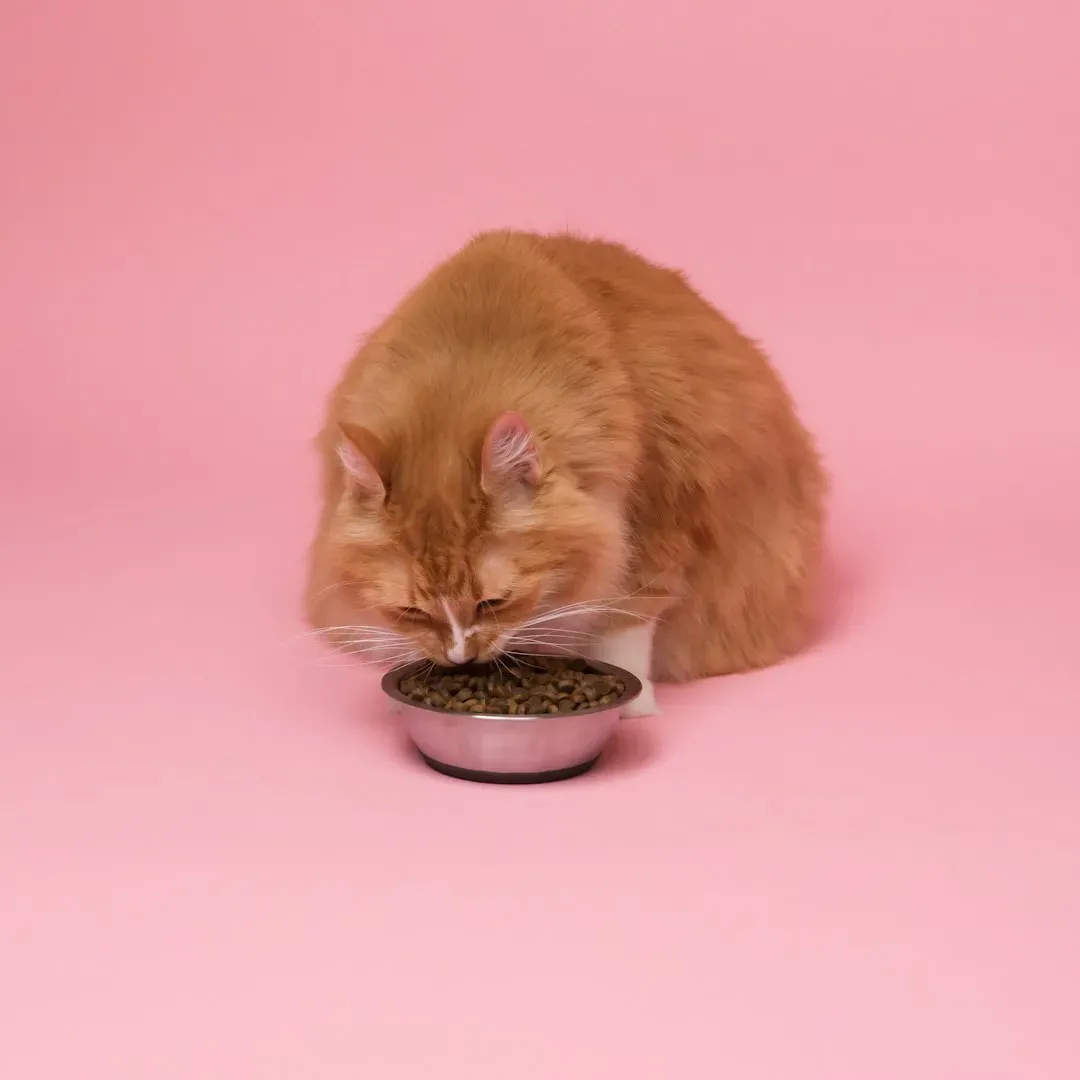
Pet food aisles have quietly turned into boutique grocery sections, with bags that cost more per pound than a nice cut of steak. Owners read every ingredient label like it’s a legal contract and switch brands the second one online review mentions a picky eater.
Here’s the part that stings: many keep buying the premium stuff even after their own vet says a cheaper option meets identical nutritional standards. The habit isn’t really about the cat anymore. It’s about not wanting to be the owner who “didn’t try hard enough,” so the pantry fills up with $40 bags nobody actually needs.
Fast Facts
- Cat owners spend around $235 a year on food alone, according to industry survey data.
- Keeping a cat in the United States costs about $1,499 per year once vet visits, food, and toys are added up.
- Forty-nine million U.S. households now own a cat, up from 40 million in 2023.
- Households with three or more cats have increased 36% since 2018.
#21 – Hiring Professional Cat Sitters for Weekend Trips
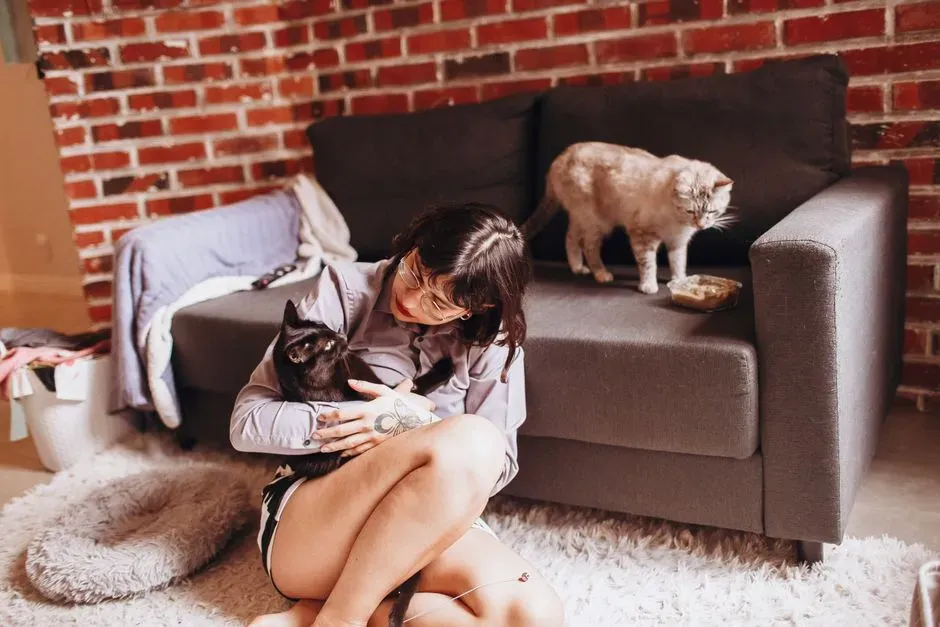
A one-night trip out of town now comes with a background-checked sitter, a written care sheet, and a request for photo updates every four hours. Multiple candidates get interviewed for a job that used to just go to a neighbor with a spare key.
The math rarely adds up in the cat’s favor, either. Many owners end up paying more for this level of service than a vet clinic would charge for boarding, and if the regular sitter cancels, so does the entire trip. A weekend getaway has quietly become a full logistics operation.
#20 – Commissioning Custom Cat Portraits and Statues
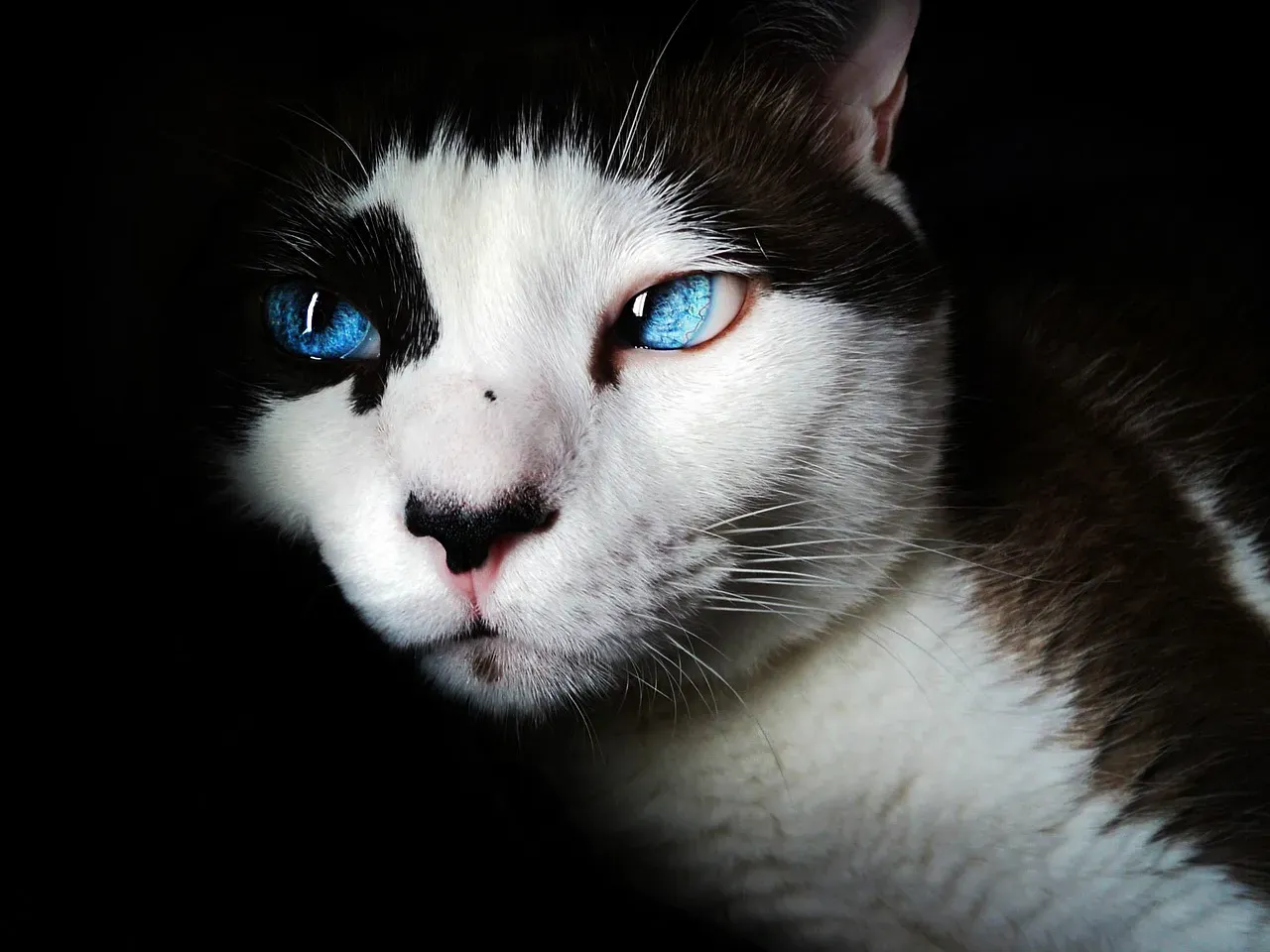
Walk into more living rooms these days and you’ll spot an oil painting or a 3D-printed statue of the resident cat, staring back like royalty. Artists charge hundreds of dollars for these pieces, and owners happily wait weeks for delivery.
What’s genuinely surprising is how many people don’t stop at one. Multiple versions get commissioned in different outfits or poses, compared like art portfolios, until the cat has more official portraits than most family members. The wall becomes less decoration, more shrine.
#19 – Building Elaborate Catio Outdoor Enclosures
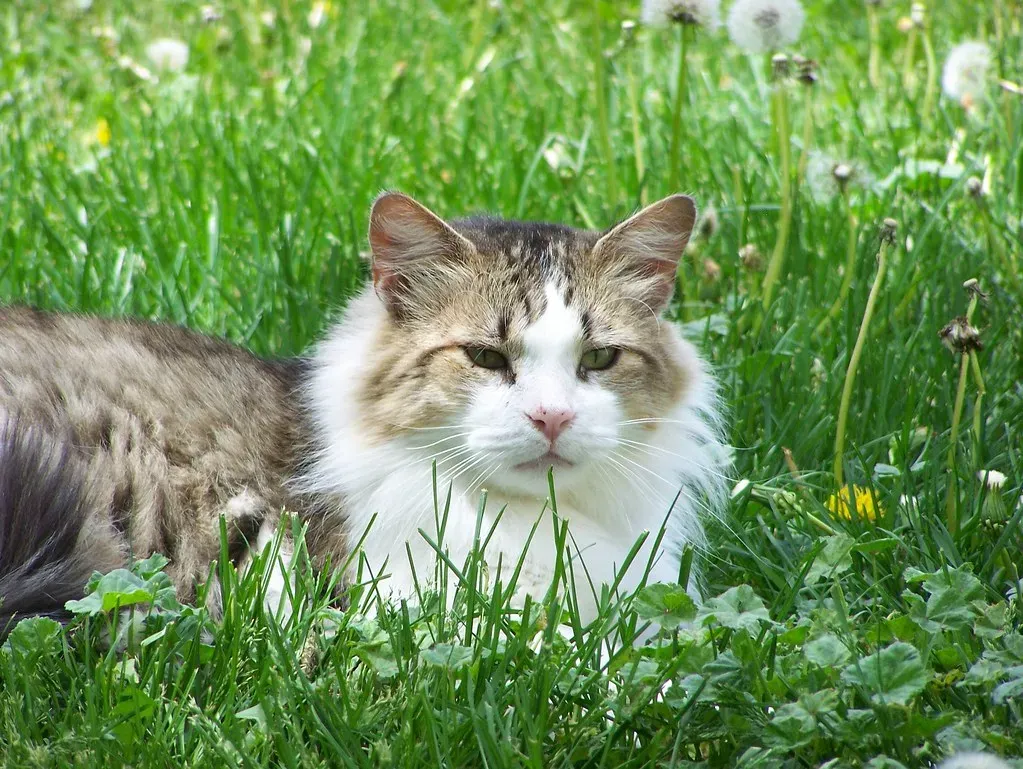
Backyards are being reshaped around screened-in structures with ramps, shelves, and sometimes a mini pond, complete with permits and weekend labor that rivals a real home addition. What starts as “just a little outdoor space” for the cat becomes a serious construction project.
The twist is that these enclosures rarely stay at their original size. Owners end up expanding them because one cat decided the fancy new setup wasn’t quite right, prompting another round of predator-proofing and cat-safe landscaping inspired by yet another social media post.
#18 – Celebrating Annual Cat Birthdays With Parties
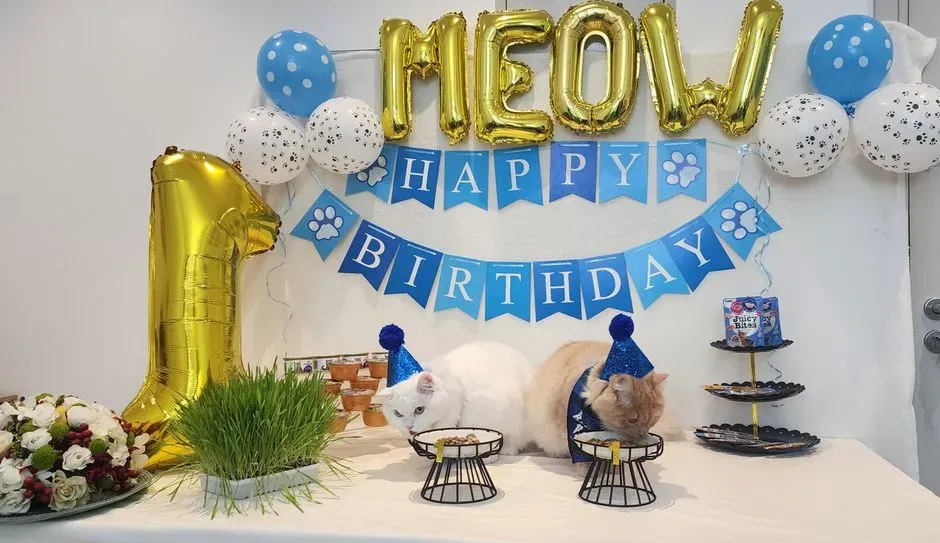
Calendars get marked, tuna cakes get baked, and themed decorations go up for a guest of honor who has no idea what a birthday even is. The cat, understandably, could not care less.
What nobody admits out loud is that these parties often get scheduled around the owner’s own social calendar, not the cat’s mood or convenience. Photos flood every platform within minutes, the ritual repeats every year, and it keeps happening even when the cat spends the entire party hiding under the couch.
#17 – Purchasing GPS Collars and Microchip Updates Yearly
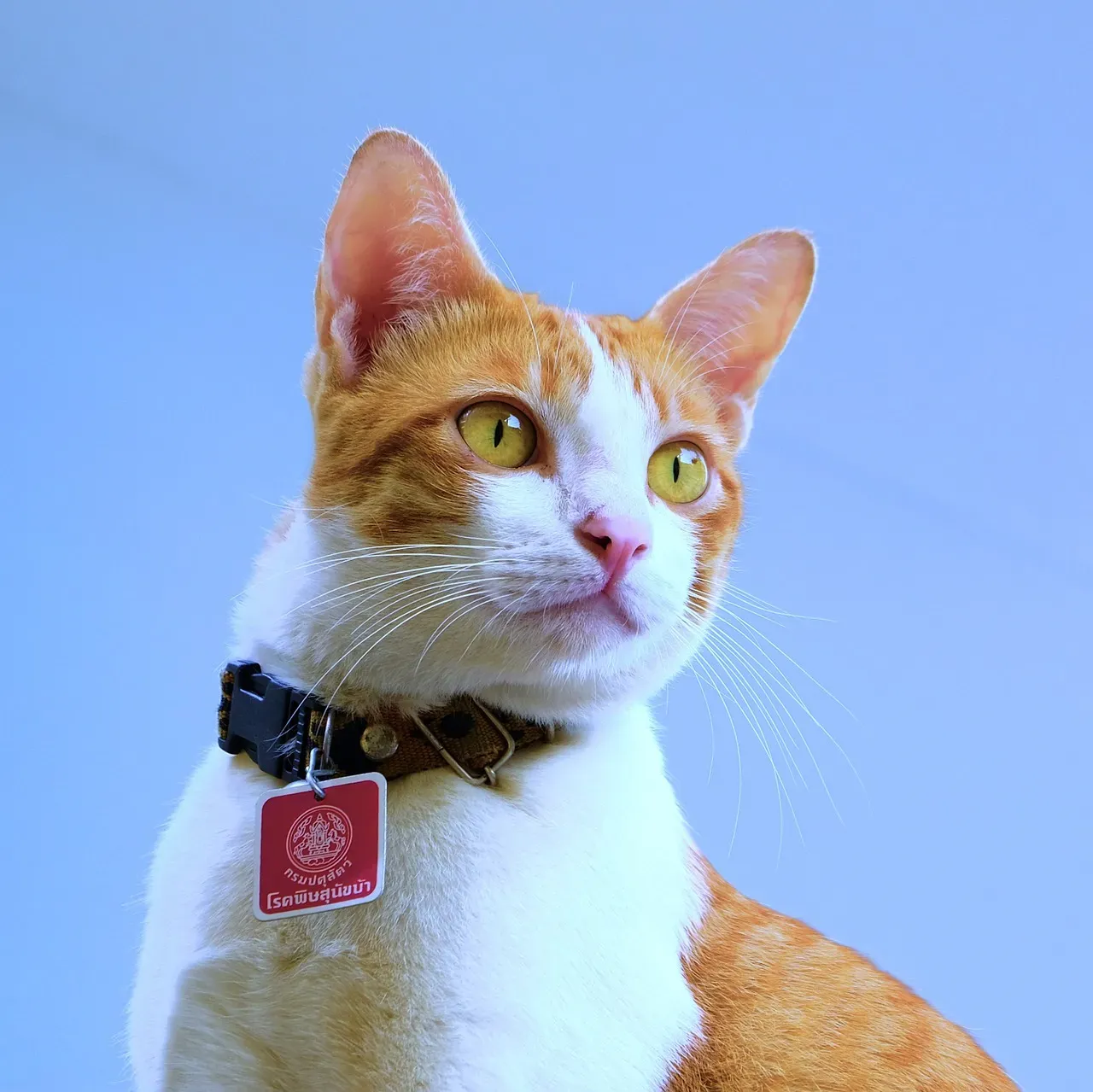
Basic ID tags stopped being enough a while ago. Now owners pay for real-time tracking apps, testing the signal regularly just to make sure their indoor-outdoor cat hasn’t wandered off.
The strange part is how many keep the subscription running long after the data proves the cat never leaves the yard. Replacement collars get ordered the moment one shows the slightest wear, and the peace of mind quietly becomes a recurring bill nobody bothers to calculate.
#16 – Maintaining Separate Litter Boxes for Each Cat Plus Extras
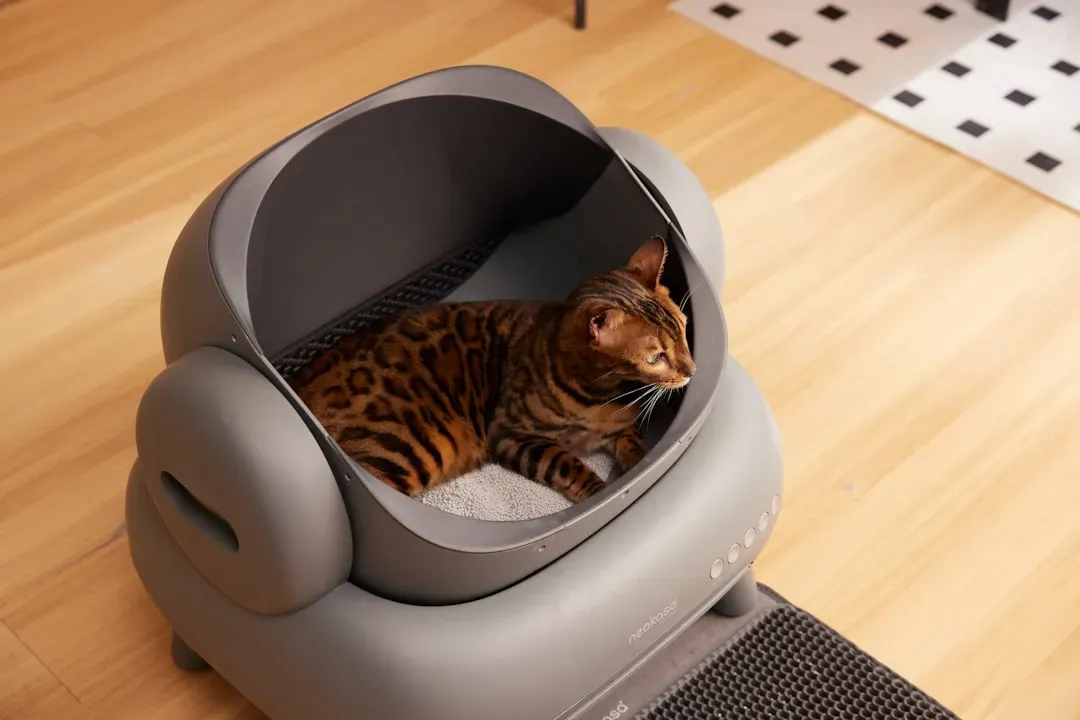
The old one-box-per-cat rule has evolved into entire rooms dedicated to litter, with owners experimenting through crystal, clay, and pine varieties in search of the mythical “perfect” option. Scooping becomes a scheduled chore with its own dedicated tools.
Here’s the telling detail: many owners add an extra box even after noticing their cats only ever use two out of the five available. It’s not really about need anymore. It’s about anxiety over the one time it might matter.
Quick Compare
- Clay: the most traditional option, and typically the cheapest litter on the shelf.
- Crystal: made from silica gel, ultra-absorbent, and can last up to a month, though it’s expensive.
- Pine: an eco-friendly option made with by-products from the wood industry that breaks down into sawdust when wet.
#15 – Enrolling Cats in Pet Insurance With Premium Add-Ons
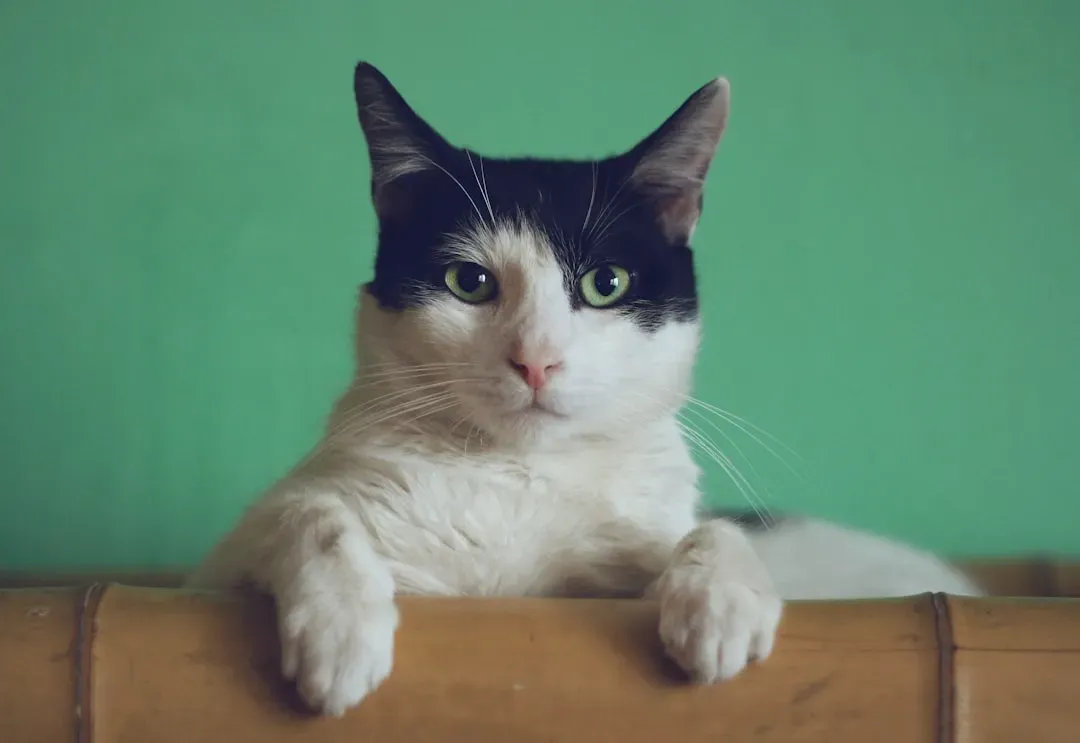
Basic policies have grown into full packages with dental riders and alternative therapy coverage, and owners now compare deductibles the way people shop for car insurance. Claims get filed for routine checkups that used to just be paid out of pocket without a second thought.
The part that quietly stings is how many keep paying even after the premiums climb once the cat hits senior status. It feels responsible right up until the annual total shows up on a statement and the number is genuinely hard to look at.
#14 – Talking to Cats in Full Sentences and Expecting Responses
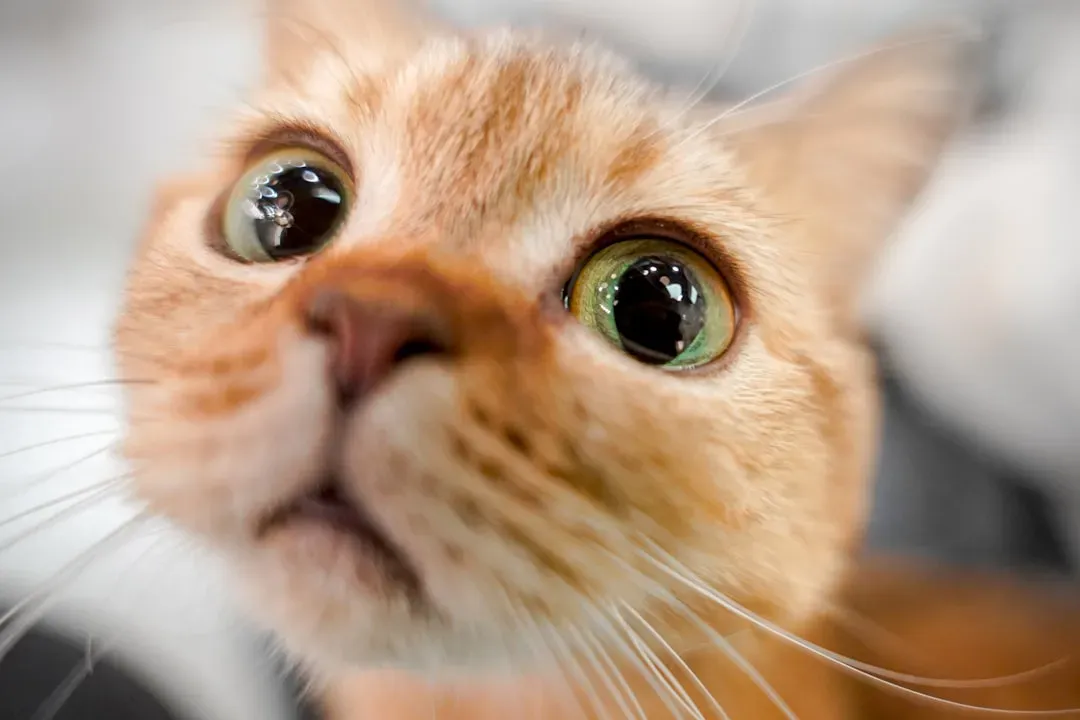
Full conversations happen in normal, human tones about the day’s events, upcoming plans, even minor complaints about traffic. Owners pause for imaginary replies and adjust their tone based on how the cat’s tail is moving.
The most telling admission is how many feel genuinely guilty leaving a room without explaining where they’re going. Neighbors overhear these one-sided monologues through open windows, and the line between “pet” and “roommate” gets blurrier every year.
One cat just leads to another.
Ernest Hemingway
#13 – Stocking Subscription Boxes Filled With Toys Cats Rarely Touch
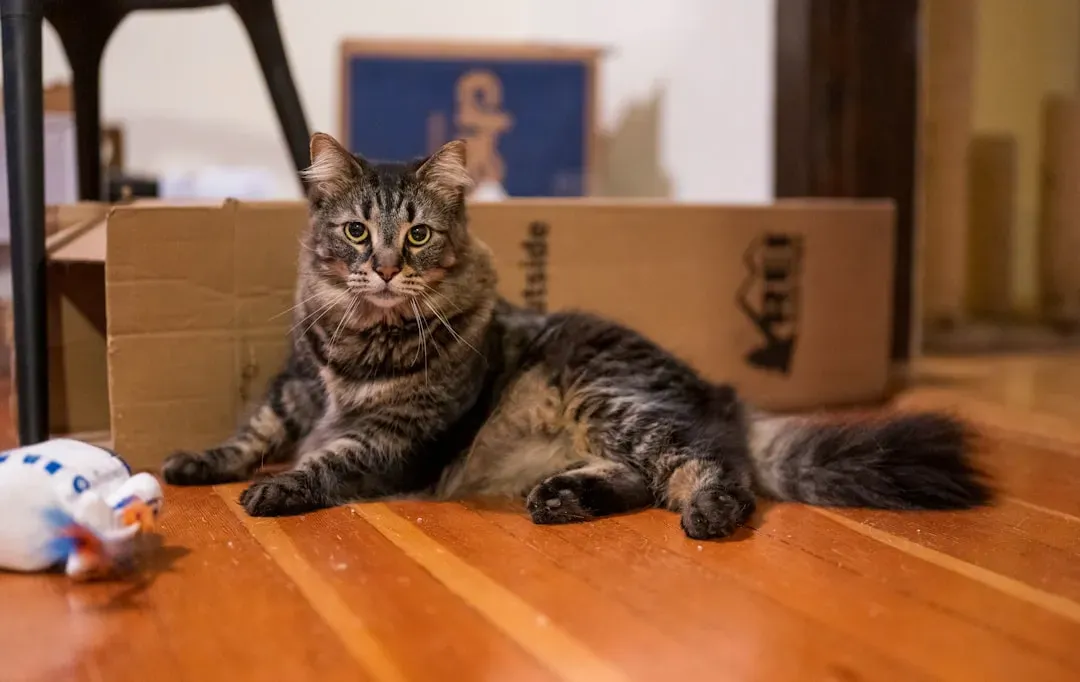
Monthly boxes arrive stuffed with feather wands, tunnels, and puzzle feeders that get batted around once, maybe twice, before disappearing under the couch forever. Owners unbox them immediately anyway, chasing that same flicker of excitement every time.
The subscriptions often stay active for years, even after the pattern of total disinterest is obvious. Leftover toys get gifted to friends with new kittens, because somehow the anticipation of the box matters more than whether the cat ever plays with what’s inside.
#12 – Allowing Cats on Kitchen Counters Despite Health Concerns
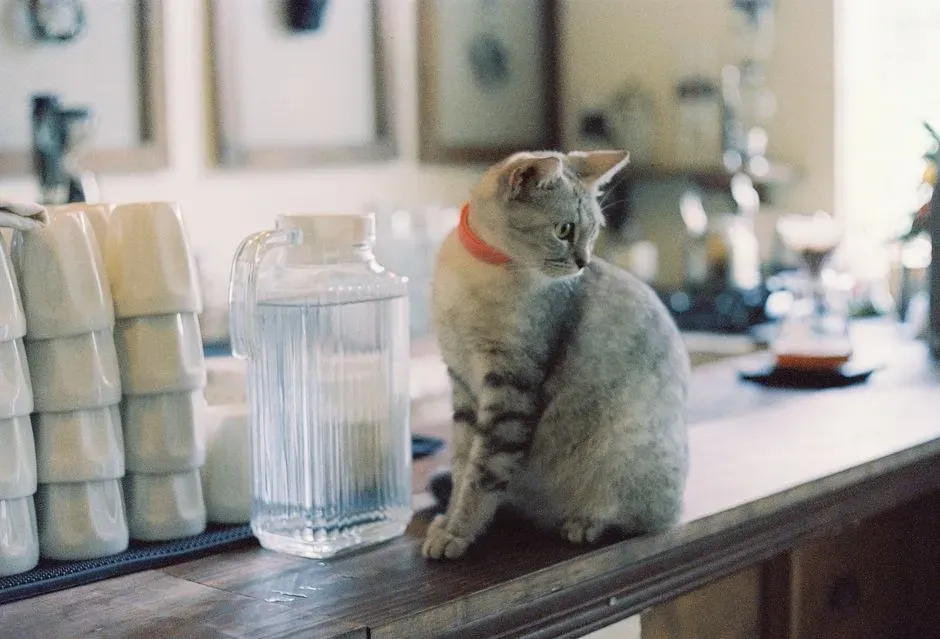
The rule bends the instant a cat hops up mid meal-prep, and it never really recovers after that. Surfaces get wiped down afterward, but the boundary itself rarely holds for long.
The honest admission most owners won’t say to guests: they secretly enjoy the company and quietly stopped trying to change the behavior a long time ago. Visitors get warned about the counters anyway, mostly out of politeness, and the warning gets ignored within minutes.
#11 – Buying Designer Cat Furniture That Matches Human Decor
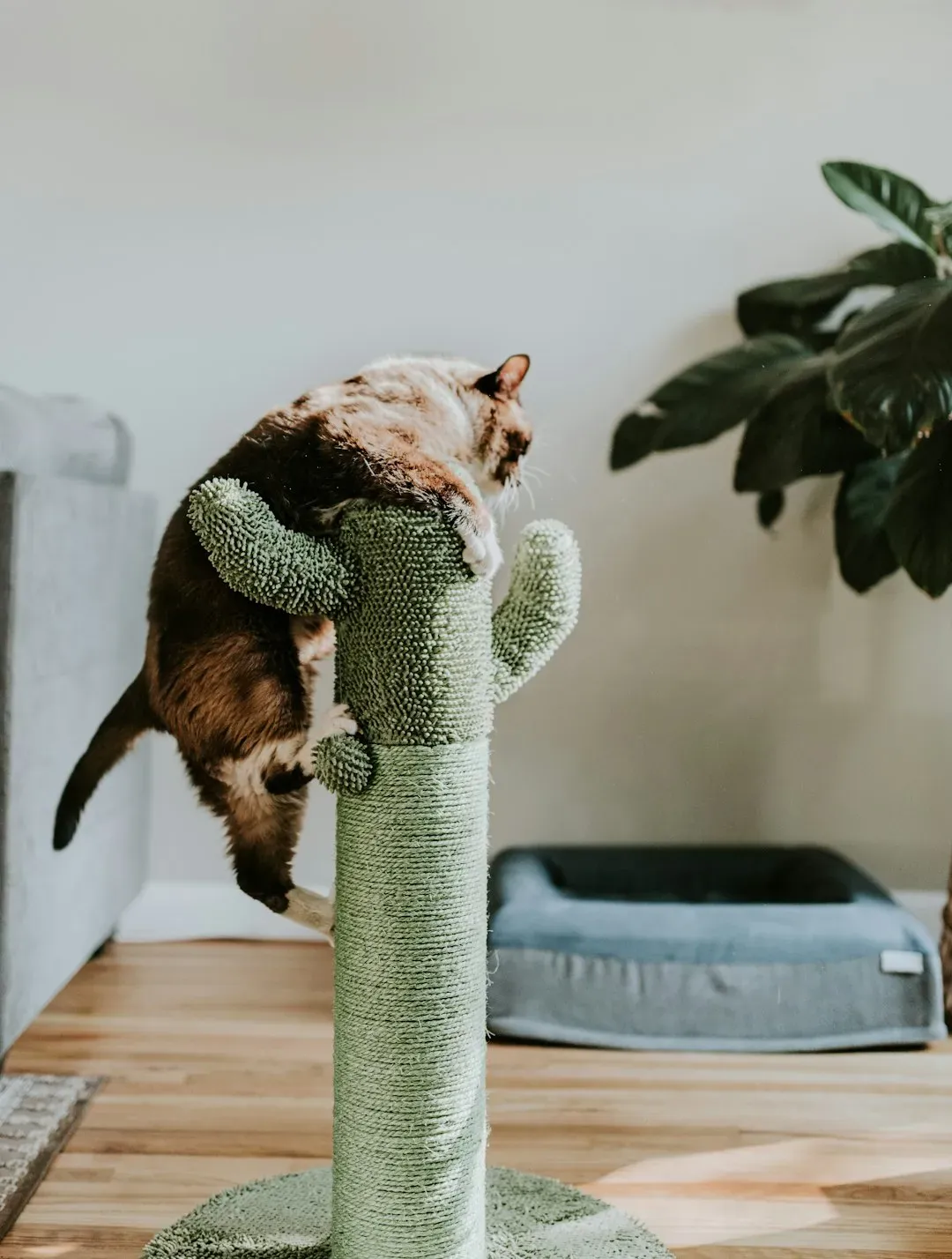
Cat trees now come in mid-century modern finishes and neutral fabrics that look intentional next to the sofa, not like a compromise. Owners pick pieces for how they look in the room, not just what the cat might use.
What follows is the surprising part: duplicate sets often get purchased for other rooms just to prevent turf wars over the best spot in the house. Assembly eats up an entire afternoon, and the finished piece says more about the household’s priorities than almost anything else in it.
#10 – Scheduling Regular Dental Cleanings Under Anesthesia
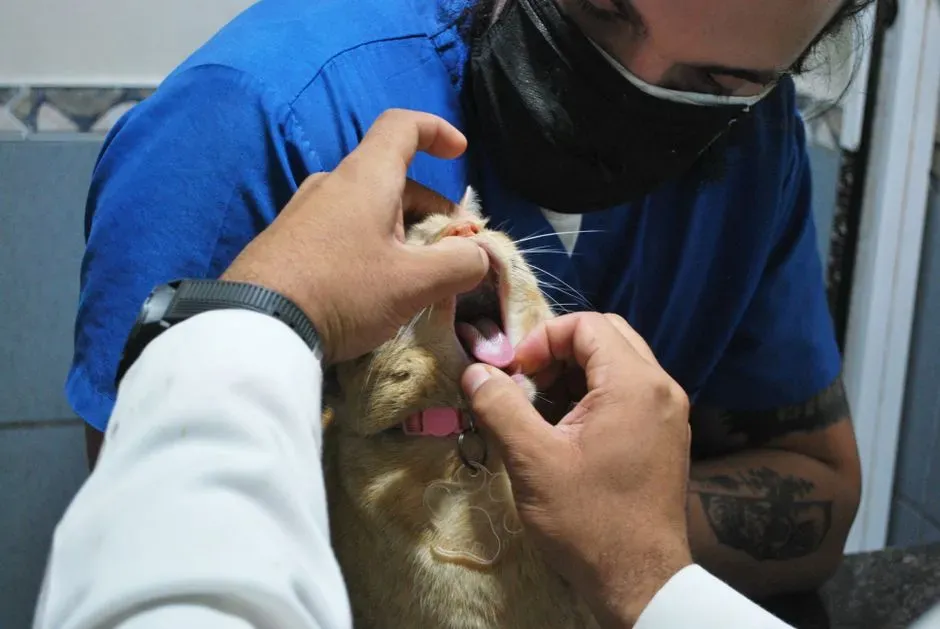
Annual teeth cleanings have become standard practice even for cats barely out of kittenhood, and vets rarely have to convince owners twice. The appointment gets booked without hesitation, anesthesia risk and all.
What often goes unmentioned is that many owners pay entirely out of pocket, since standard pet insurance frequently excludes the procedure. Recovery means special diets and careful monitoring that can disrupt an entire work week, all to prevent problems that haven’t even shown up yet.
#9 – Creating Dedicated Cat Social Media Accounts With Scheduled Posts
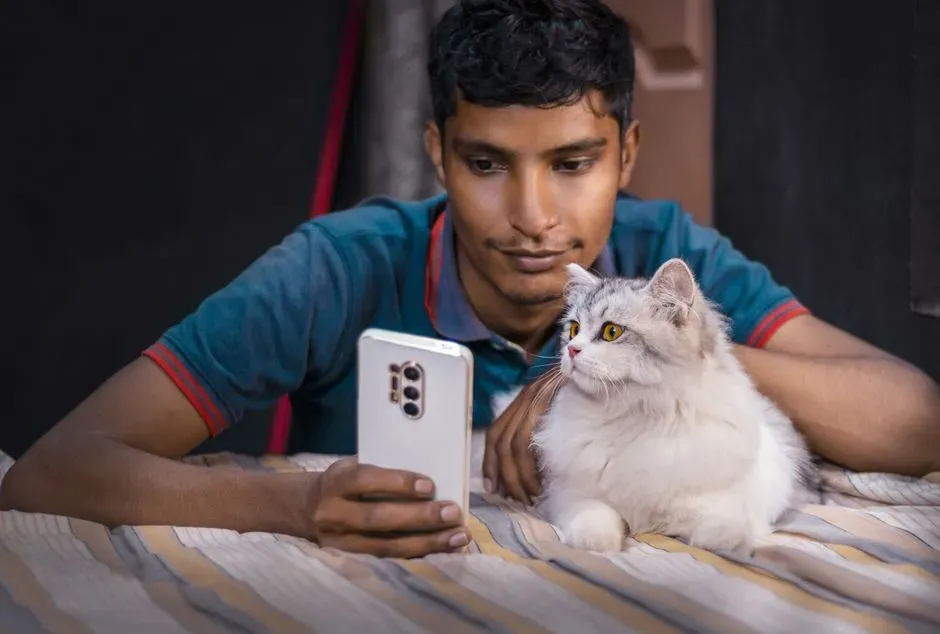
Separate profiles get built just for the cat, complete with daily photos, themed captions, and content planned weeks in advance. Owners respond to every single comment like it’s a small business to maintain.
The most revealing habit is how personally a dip in engagement can sting. Hashtags get researched for maximum reach, and what started as a fun side project quietly turns into a second job that outlasts most human hobbies people actually get paid for.
At a Glance
- Dedicated pet accounts often mimic small-business branding, right down to a posting calendar.
- Successful ones can attract free products, sponsorships, or brand collaborations.
- Engagement dips get tracked as closely as a company would watch quarterly earnings.
- Many owners spend more time managing the account than actually playing with the cat.
#8 – Moving Apartments Based on Proximity to Cat Vets
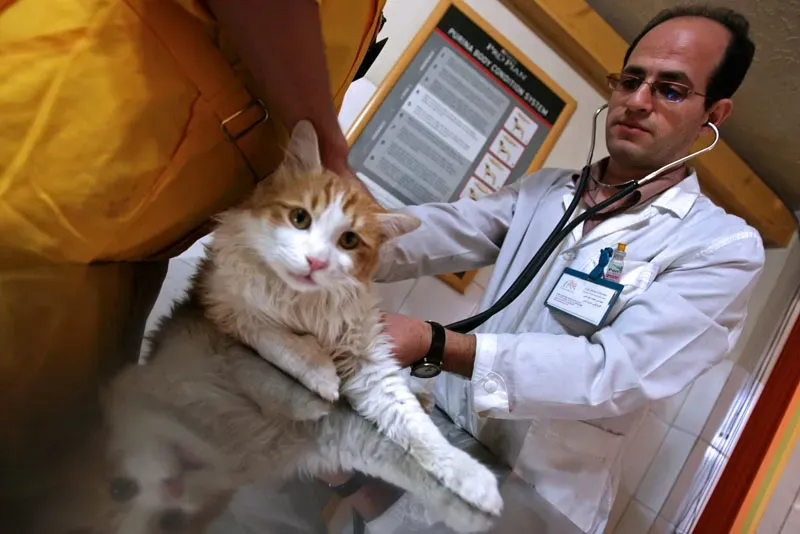
Lease decisions increasingly hinge on drive time to the preferred vet clinic, sometimes more than the owner’s own commute to work. Building tours start with questions about pet policy, not square footage.
Some owners walk away from otherwise perfect apartments because the vet is fifteen minutes farther than they’d like. Visit records get kept almost like evidence, ready to justify a decision that reshaped an entire living situation around one cat’s medical convenience.
#7 – Buying Live Plants Labeled “Cat Safe” in Bulk
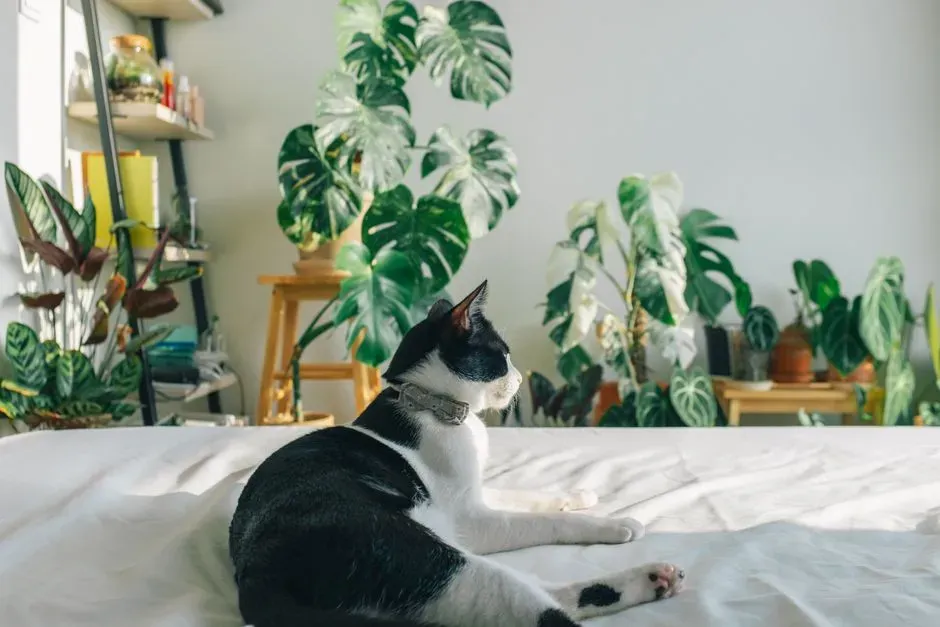
Indoor jungles get rebuilt from scratch after one scary incident, this time using only non-toxic varieties researched species by species before purchase. Every new plant gets vetted like it’s coming home to meet the family.
The frustrating twist is that plants still get chewed and destroyed despite every precaution taken. Damaged ones get replaced almost immediately, placement gets adjusted again, and the collection keeps growing with each new recommendation pulled from a cat-owner forum.
#6 – Using Baby Monitors to Check on Cats While at Work
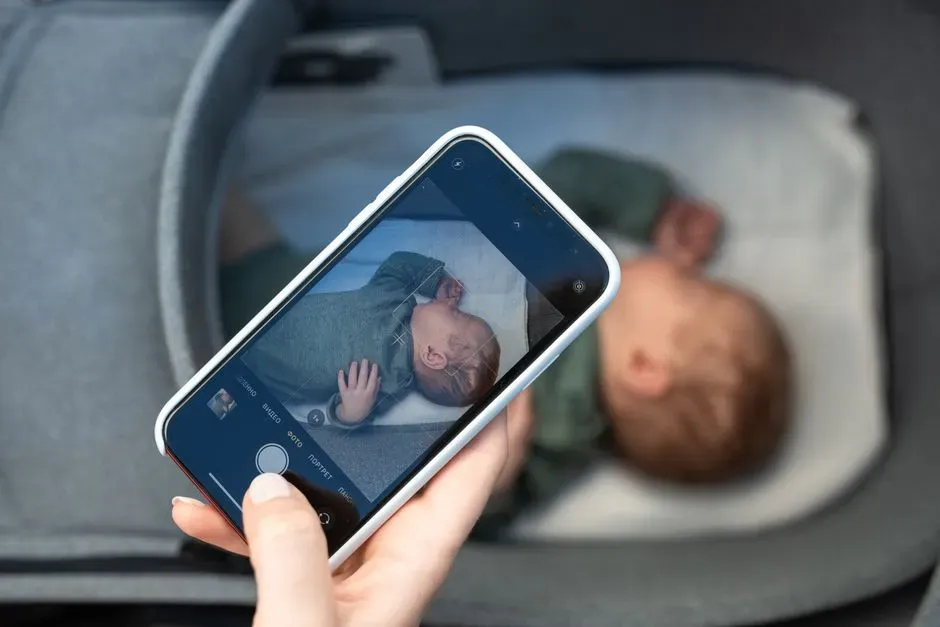
Live camera feeds stream straight to phones all day long, checked during meetings, calls, and lunch breaks without a hint of embarrassment. Schedules quietly bend around whatever the camera shows.
The part that says the most is how many owners leave the monitor running even when the cat is asleep in the same room at night. Alerts get customized down to specific movement patterns, and constant connection replaces peace of mind with a whole new layer of dependency.
#5 – Preparing Homemade Meals When Commercial Food Runs Out

An empty pantry turns into an emergency cooking session, with boiled chicken and rice measured out like a science experiment. Backup recipes stay saved on phones just in case.
The telling detail is how often this “emergency” meal becomes a weekly treat long after the shortage is over. Nutritional balance gets tracked through an app, and what started as crisis management quietly becomes routine, thoughtful cooking for someone who will never say thank you.
#4 – Collecting and Displaying Every Collar and Tag the Cat Has Worn
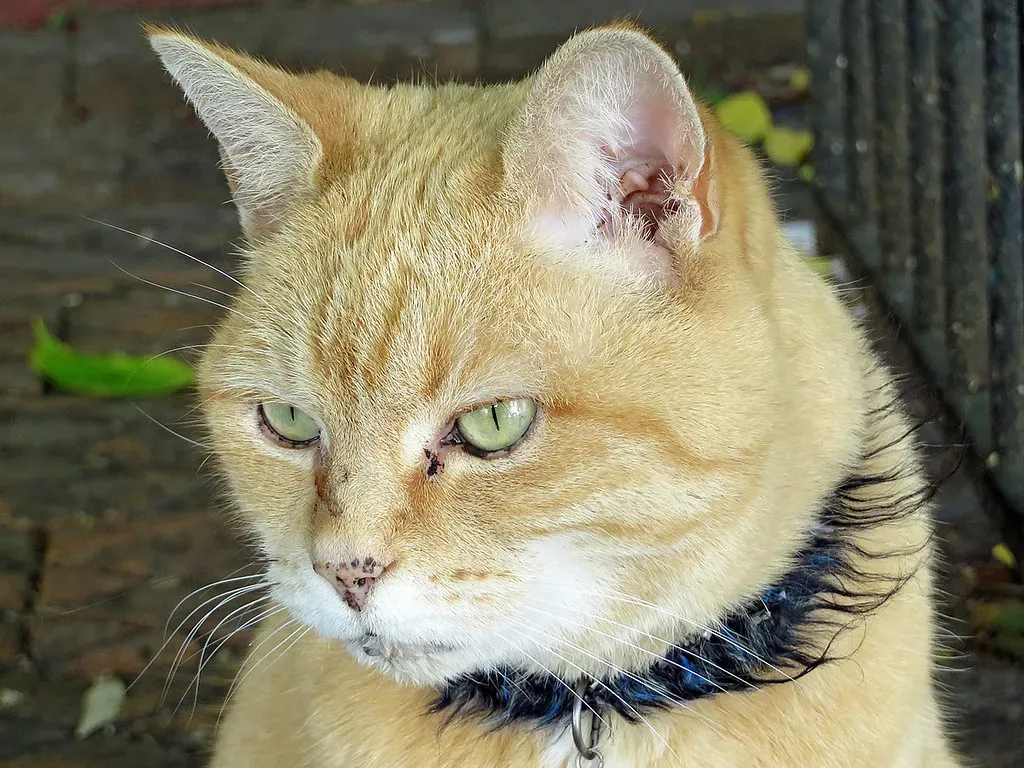
Shadow boxes and shelves hold every retired collar and tag like trophies from a career nobody else would think to document. Each item gets dated, along with a note about why it was replaced.
The surprising part is how many owners add new pieces preemptively, before the current one even shows real wear. The collection grows faster than most human memorabilia ever does, quietly becoming a timeline of an entire relationship measured in nylon and metal.
#3 – Training Cats to Walk on Leashes for Neighborhood Outings

Harness training starts indoors, then graduates to short walks around the block, treats in pocket at all times. Every successful outing gets photographed like a milestone worth remembering.
The uncomfortable truth is that many owners push this activity even when it’s obvious the cat would rather stay inside. Patience runs thinner than expected, and the training often says more about the owner’s wishes than the cat’s actual personality.
Worth Knowing
- Leash ownership among cat owners is up 52% since 2018, with 32% now owning one.
- Harness ownership has climbed 69% in the same span, now sitting at 22% of cat owners.
- Forty-eight percent of cat owners now use some type of training method, a 41% jump from 2018.
#2 – Paying for Cat Massage and Acupuncture Sessions
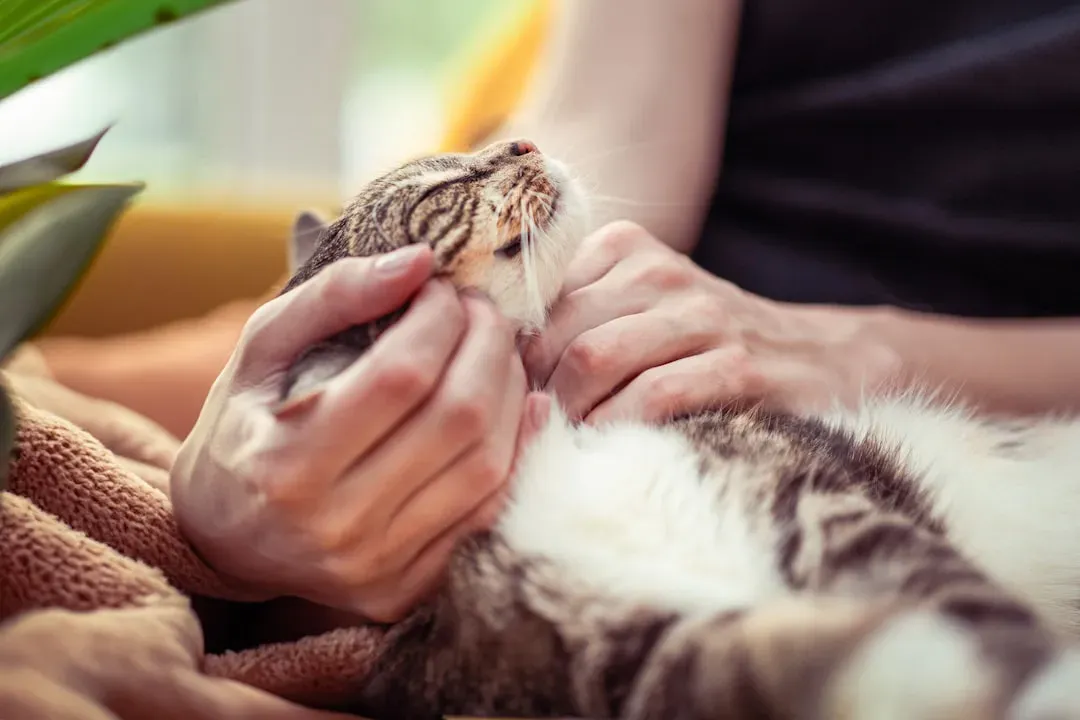
Wellness centers now book feline-specific massage and acupuncture appointments on a monthly basis, complete with thirty-minute sessions and carrier transport both ways. What sounds like a joke on paper is a genuine line item in some households’ budgets.
These appointments get scheduled around the owner’s own work calendar as non-negotiable, tracked closely for any sign of improved mobility or mood. The cost climbs fast, but once it starts, almost nobody stops.
#1 – Rearranging Entire Living Spaces Around the Cat’s Preferred Sun Spots
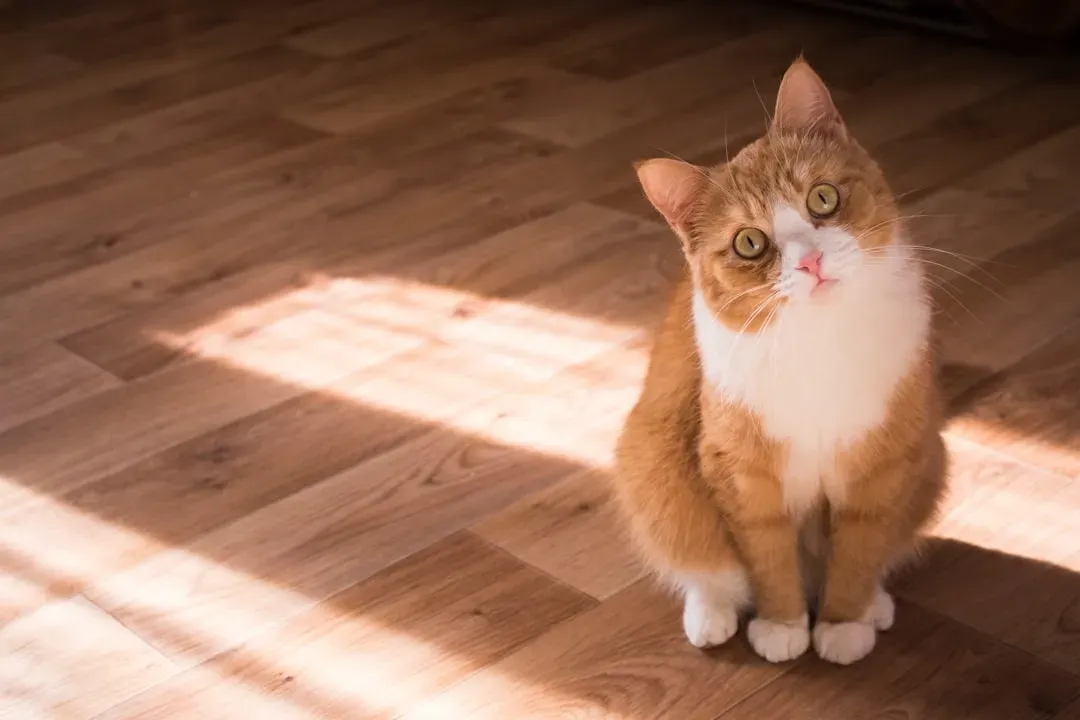
Furniture gets moved seasonally to chase shifting patches of sunlight the cat has decided are worth guarding. Owners test new layouts and quietly accept less functional living rooms in the name of better napping conditions for someone with fur.
The most surprising truth is that many owners later admit the cat adjusted to the old arrangement just fine within days. The new setup stays anyway. The home slowly turns into a cat-optimized environment that every visitor notices the second they walk in.
The Bottom Line
None of this is really about the money, even though the money is very real and adds up fast. It’s about the strange, specific tenderness of rearranging your entire life around a creature who will never once say thank you and honestly couldn’t care less about the sacrifice.
What’s obvious after going through all 23 of these is that the escalation never really stops on its own. One custom portrait becomes three. One extra litter box becomes five. One sun-spot rearrangement becomes a fully cat-optimized house. If you recognized yourself in even half of this list, you’re not broken, and you’re definitely not alone. You just love something that will never love you back quite the same way, and somehow that’s exactly the point.
Kristina is a young writer from India. An arts graduate and an avid content creator, Kristina is passionate about animals and wildlife. She enjoys exploring topics related to pet care, animal behavior, conservation, and nature, combining thorough research with engaging storytelling.