Imagine a world where giant cats prowled frozen plains and snowy forests, stalking mammoths and bison with silent, icy grace. The Ice Age wasn’t just for woolly beasts—it was a golden era for some of the wildest, most jaw-dropping felines ever to exist. Let’s step into this frosty gallery and meet the coolest cats of the Pleistocene!
1. Smilodon: The Saber-Toothed Superstar

With saber teeth almost as long as bananas, Smilodon was the rockstar of the Ice Age. These powerful predators could take down huge prey, using their muscular build and those famous fangs. Imagine a cat so strong it could wrestle a bison—now that’s a headline act!
2. Homotherium: The Scimitar Cat’s Secret Weapon
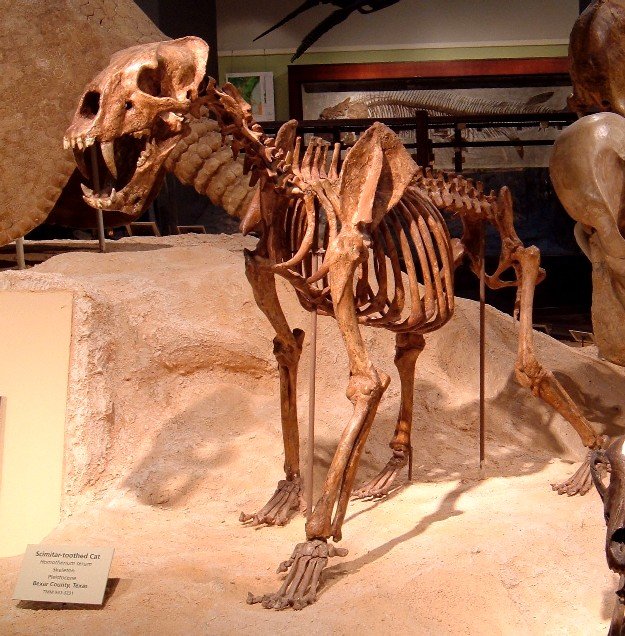
Homotherium, known as the scimitar cat, had shorter, serrated fangs and long legs built for speed. Unlike Smilodon, it hunted in packs, turning the Ice Age into its own feline team sport. Think of it as the cheetah of its time—just with a chilly twist.
3. Panthera atrox: The Mighty American Lion

Bigger than today’s African lions, Panthera atrox was a heavyweight champion of North America. It roamed from Alaska to Peru, showing off its strength and adaptability. If you saw one today, you’d probably think it was a lion on a super-sized diet!
4. Panthera spelaea: Europe’s Legendary Cave Lion

Cave lions ruled Ice Age Europe, often immortalized in ancient cave paintings. Their social lives were surprisingly complex, with hints of pride-like groups. Just picture a pride of golden giants lounging in the shadows of an icy cave—mysterious and majestic.
5. Miracinonyx: The North American Cheetah’s Wild Chase

Miracinonyx looked a lot like a cheetah but was actually more closely related to cougars. It dashed across the freezing grasslands after speedy prey like pronghorns, making the Ice Age a high-speed chase. Who knew the ancient cold was home to such swift-footed felines?
6. Smilodon’s Jaw Power: A Bite for the Ages
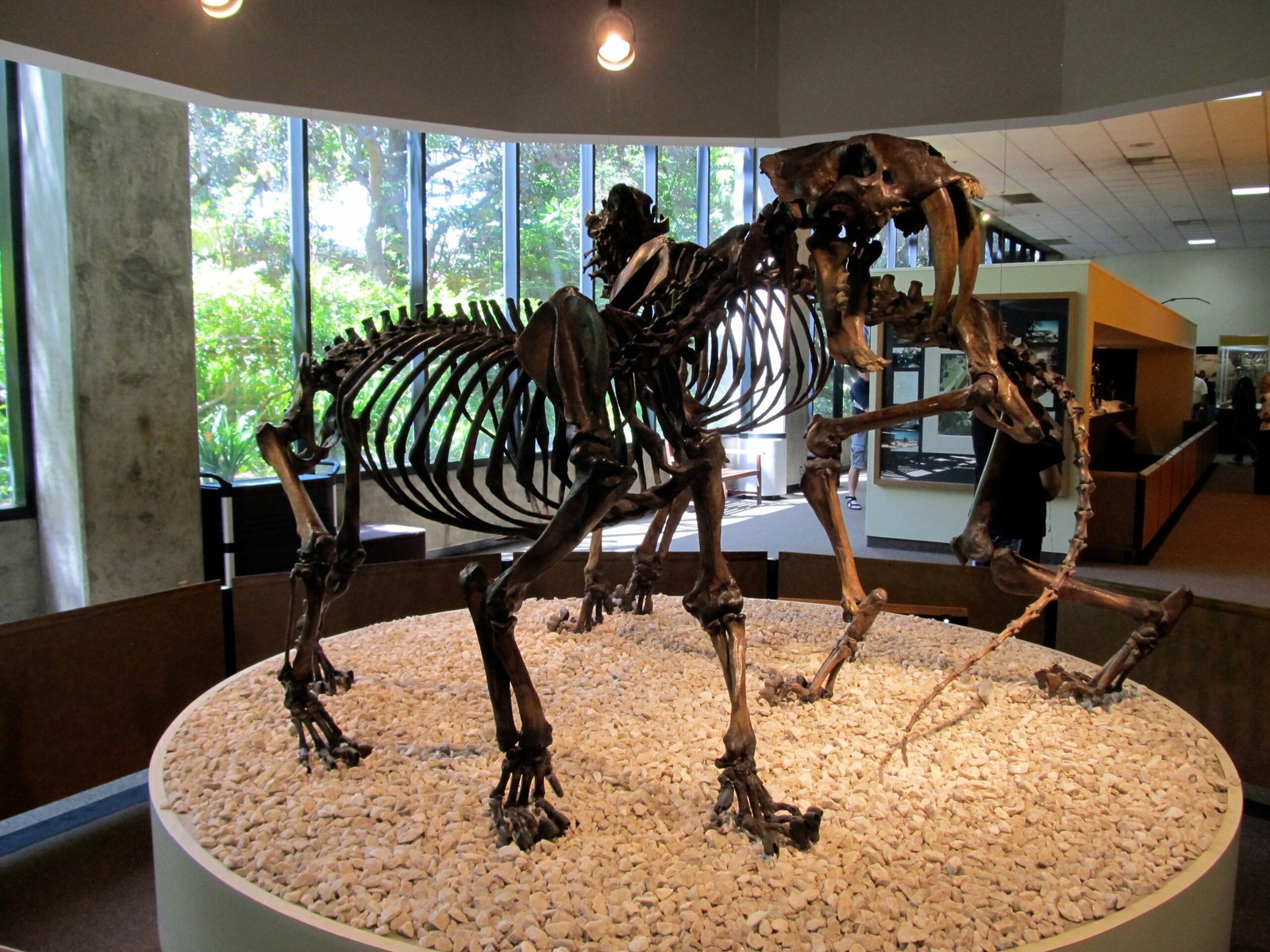
Smilodon’s bite wasn’t all about force—it used its jaws like precision scissors to deliver deadly slashes. Its jaw could open almost 120 degrees, perfect for stabbing into thick-skinned prey. That’s wider than most cats today can even dream of!
8. Panthera atrox’s Roar: Shaking the Tundra

If the American lion roared like its modern cousins, its voice would have echoed across icy plains for miles. Just picturing that booming sound rolling over a frozen landscape is enough to give anyone chills (the good kind!).
9. Panthera spelaea’s Social Side: The Original Cat Community

Cave lion remains have been found together, suggesting they lived in groups—maybe even family prides. These Ice Age cats were social animals, which could have helped them survive brutal winters and hunt large prey together.
11. Smilodon Cubs: Ice Age Playtime

Smilodon kittens were born with stubby teeth and fluffy coats, growing up in dens while their parents hunted. Imagining those tiny saber-toothed kittens pouncing on snowballs is almost too cute to handle.
12. Homotherium’s Migratory Moves: World Traveler

Homotherium fossils have been found from Texas to Siberia, showing these cats roamed far and wide. They adapted to all kinds of icy habitats, proving that the cold couldn’t stop their wanderlust.
13. Panthera atrox’s Prey: Mammoth Meals

The American lion hunted everything from bison to mammoths. Tackling these massive meals took power, teamwork, and a fearless attitude. Just picture a lion squaring off against a shaggy mammoth—talk about dinner with a challenge!
14. Panthera spelaea in Art: The First Feline Celebrities
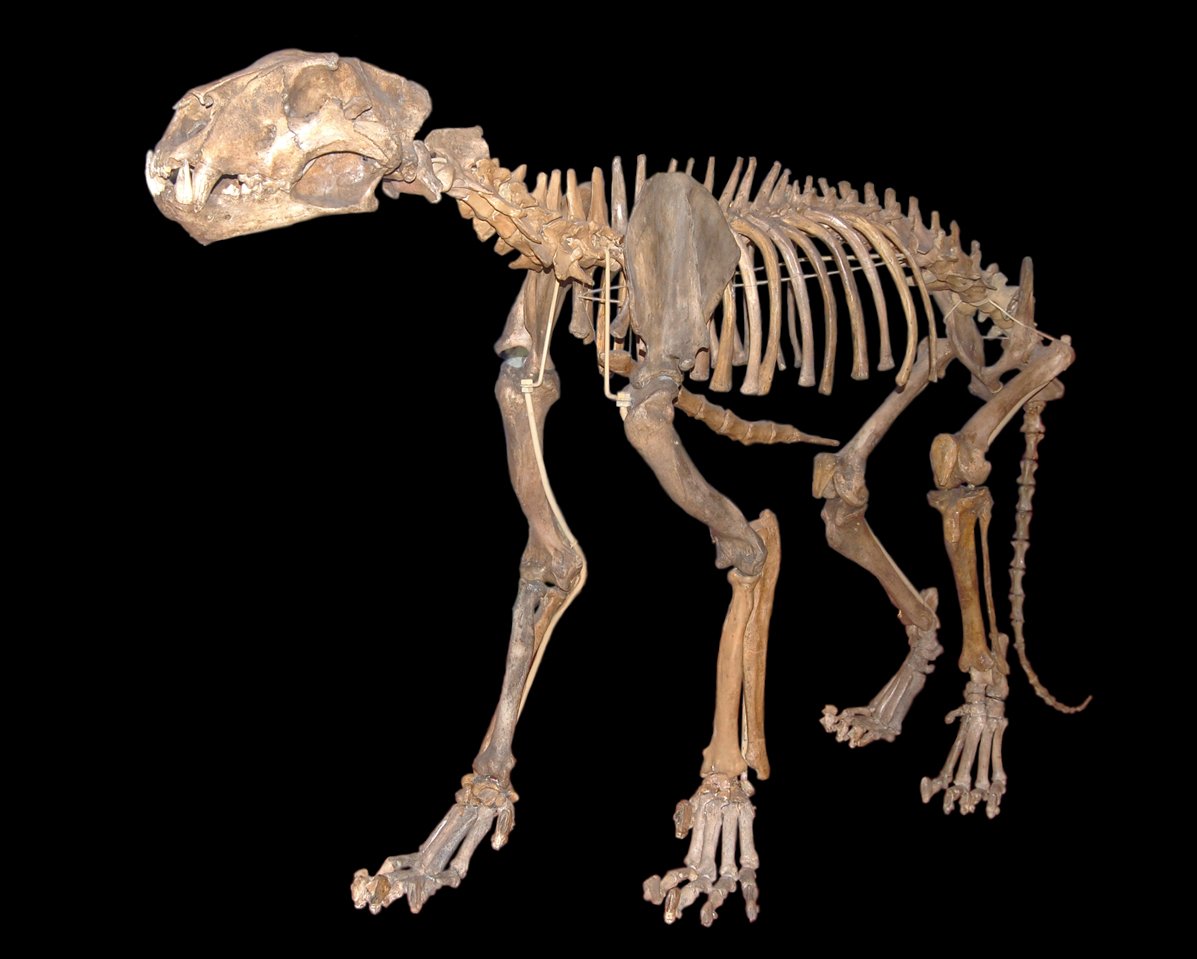
Cave lions were among the earliest animals ever drawn by humans. From France to Russia, ancient artists sketched their powerful forms on stone walls, capturing their awe-inspiring presence for eternity.
15. Miracinonyx’s Claws: Built for Speed

Miracinonyx had semi-retractable claws, like modern cheetahs, to help grip icy ground and sprint at lightning speed. This clever adaptation turned every snowy field into a racetrack.
16. Smilodon’s Disappearing Act: The Mystery of Extinction
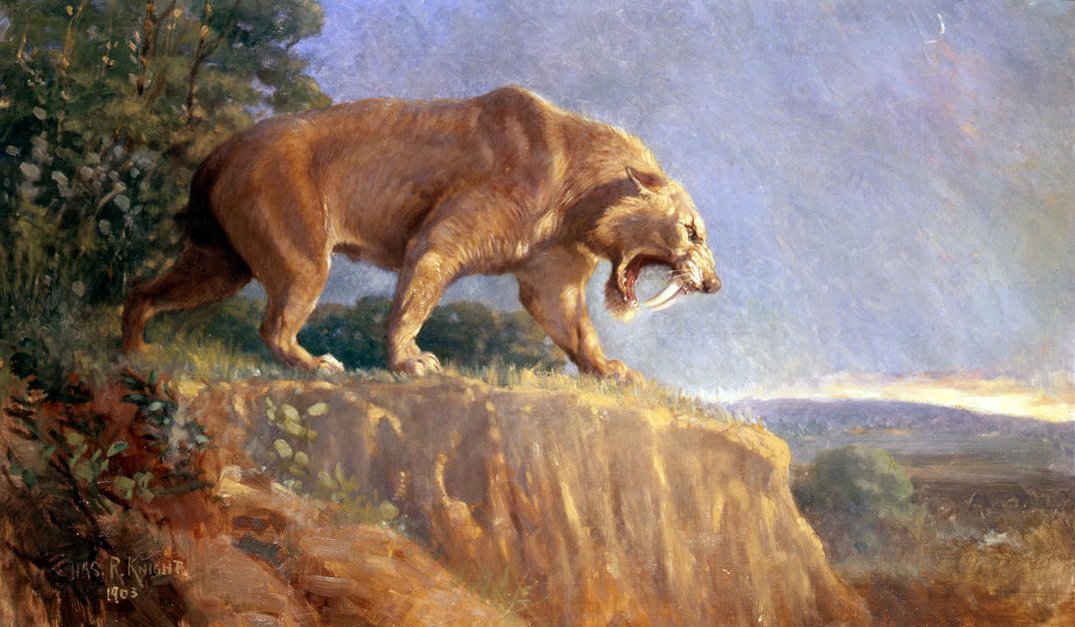
No one knows for sure why Smilodon vanished, but theories range from climate change to the arrival of humans. The mystery just adds to its legendary status—an Ice Age superstar lost to time.
17. Homotherium’s Saber Teeth: Not Just for Show

Though shorter than Smilodon’s, Homotherium’s teeth were sharp and serrated, perfect for slicing through tough hides. These weren’t just display pieces—they were Ice Age multitools!
18. Panthera atrox’s Family Ties: Closer Than You Think
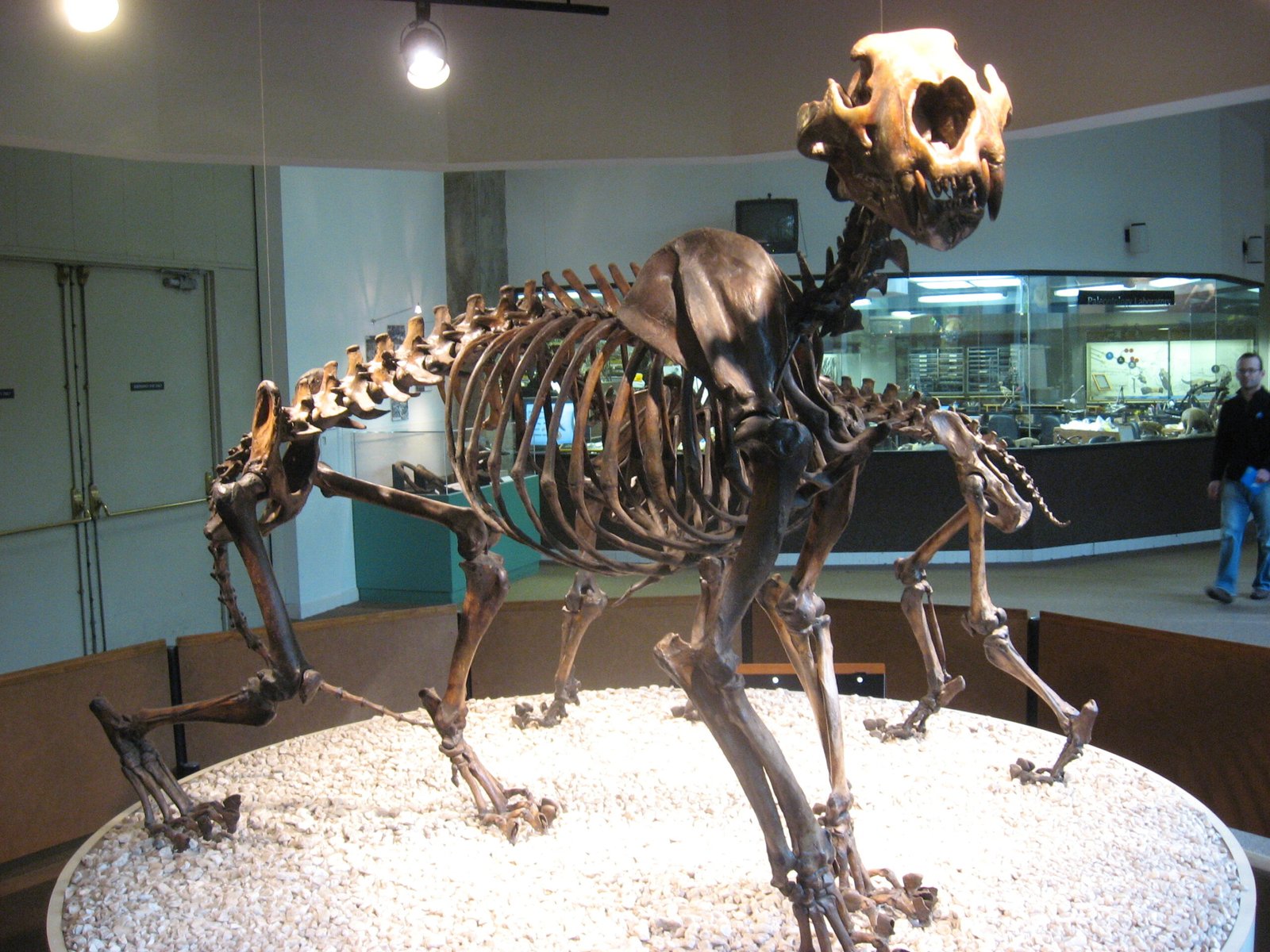
Genetic studies show Panthera atrox was closely related to modern lions and tigers. If you’ve ever wondered what a lion-tiger hybrid would look like, the American lion is the closest thing nature ever made.
19. Panthera spelaea’s Cold-Weather Coat
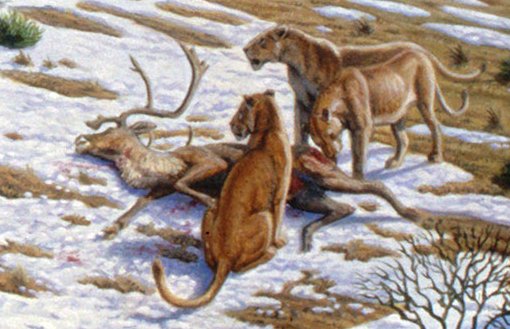
Cave lions likely had thick, insulating fur to survive the Ice Age chill. Imagine a lion bigger than any alive today, wrapped in a luxurious, warm coat, striding through the snow like royalty.
20. Miracinonyx’s Place in the Family Tree

Despite its cheetah-like looks, Miracinonyx was more closely related to cougars. This twist in its family tree shows how evolution can play dress-up, giving ancient cats all sorts of wild disguises.
21. Smilodon in the La Brea Tar Pits: Fossil Jackpot
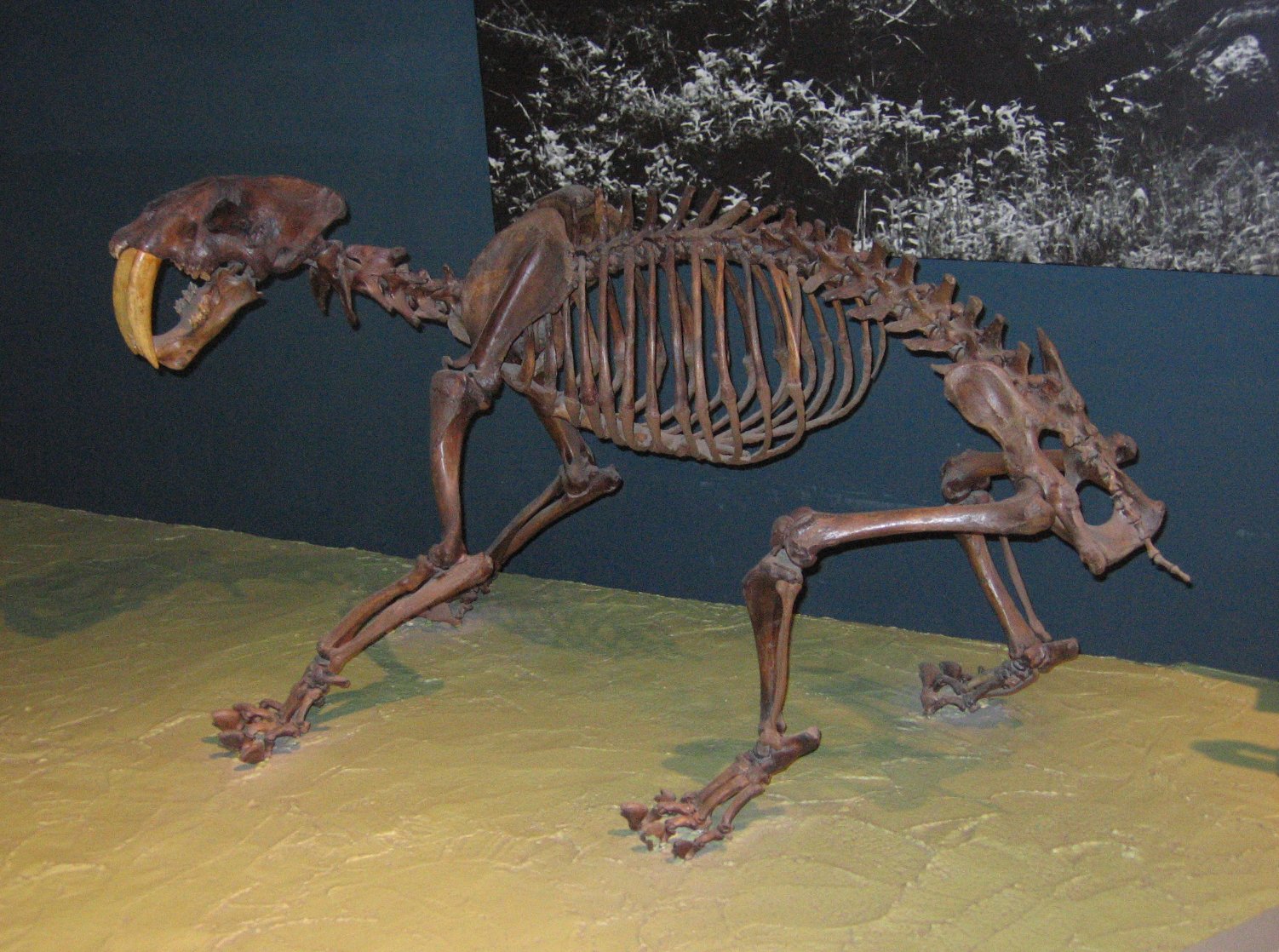
Hundreds of Smilodon fossils have been pulled from the sticky La Brea Tar Pits in Los Angeles. These accidental traps give us a treasure trove of clues about how these big cats lived—and died.
22. Homotherium’s Unique Skeleton: Standing Tall
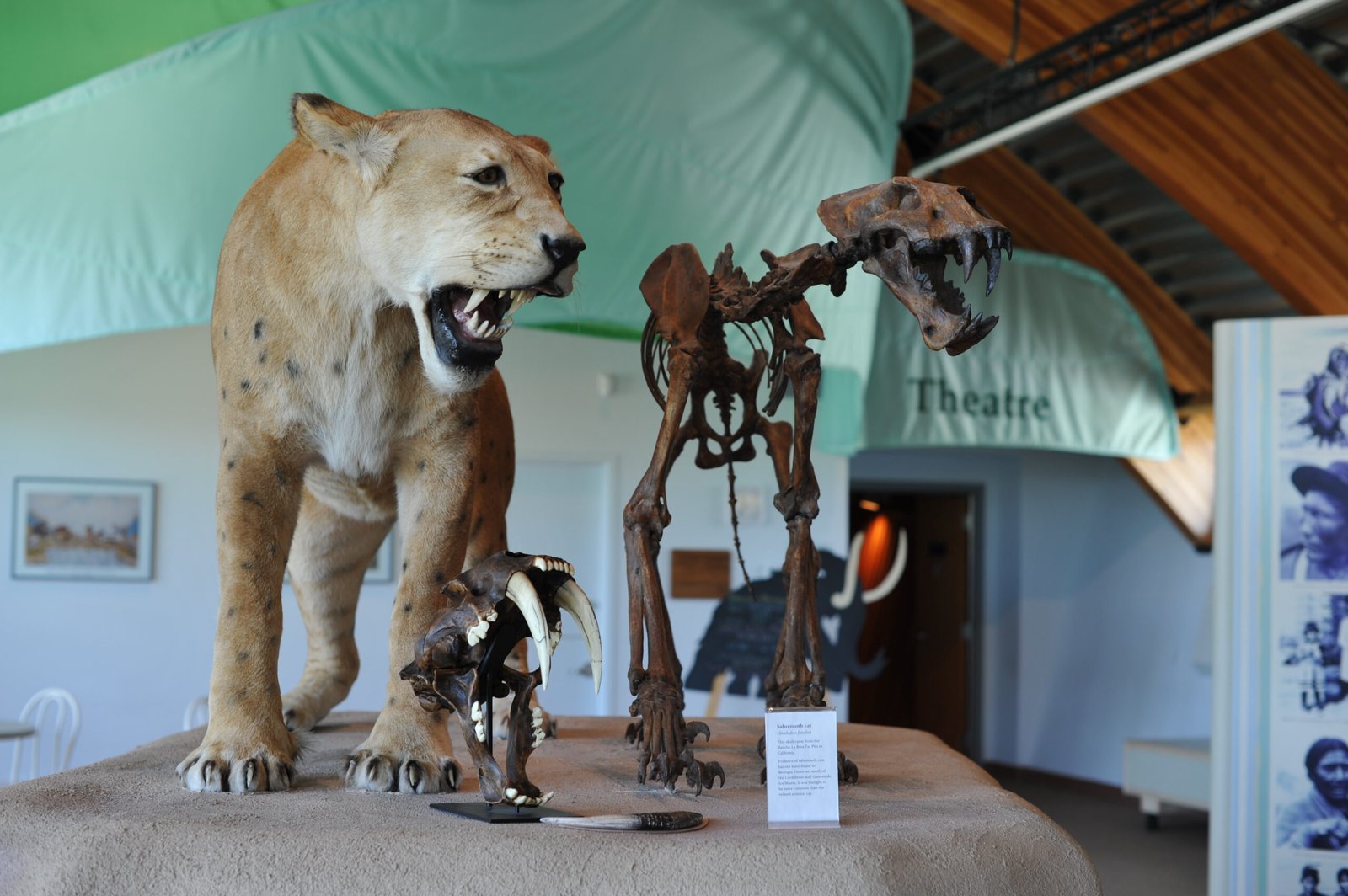
Homotherium had longer front legs and a sloped back, making it look a bit like a hyena. This odd body shape helped it sprint and pounce, giving it a surprising edge in the hunt.
23. Panthera atrox’s Range: King of the Continent
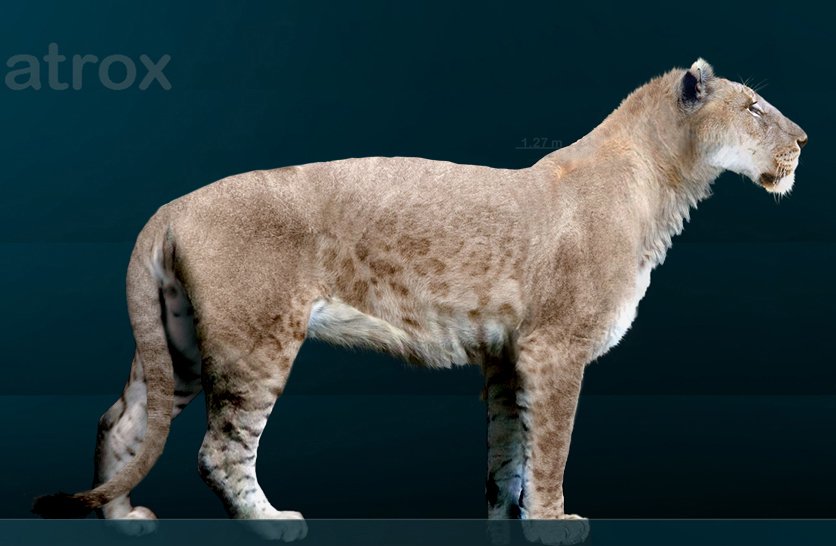
The American lion’s range was massive, stretching across two continents and all sorts of environments. Few modern animals can claim such a vast kingdom.
24. Panthera spelaea Cubs: Raised in the Ice

Cave lion cubs grew up in the safety of dark caves, protected from harsh winters and lurking predators. These icy nurseries helped the next generation of kings and queens survive.
25. Miracinonyx’s Legacy: The Fastest Ghost
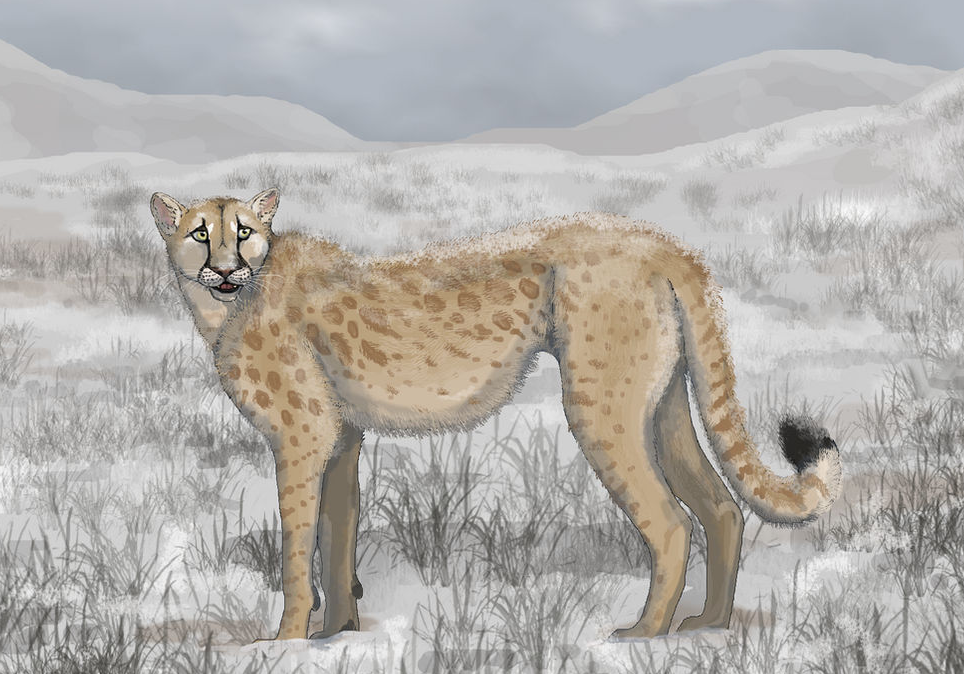
Though extinct, Miracinonyx left its mark on the pronghorn antelope, which is still North America’s speed champion today. It’s like the ghost of the cheetah-cat is still challenging the plains to a race.
Which of these ancient Ice Age cats would you love to meet face-to-face?
Suhail Ahmed is a passionate digital professional and nature enthusiast with over 8 years of experience in content strategy, SEO, web development, and digital operations. Alongside his freelance journey, Suhail actively contributes to nature and wildlife platforms like Feline Fam, where he channels his curiosity for the Feline into engaging, educational storytelling.
With a strong background in managing digital ecosystems — from ecommerce stores and WordPress websites to social media and automation — Suhail merges technical precision with creative insight. His content reflects a rare balance: SEO-friendly yet deeply human, data-informed yet emotionally resonant.
Driven by a love for discovery and storytelling, Suhail believes in using digital platforms to amplify causes that matter — especially those protecting Earth’s biodiversity and inspiring sustainable living. Whether he’s managing online projects or crafting wildlife content, his goal remains the same: to inform, inspire, and leave a positive digital footprint.