Have you ever wondered why some cats seem to live for your attention while others prefer observing from across the room? Let’s be real, the feline world offers something for everyone. Whether you’re searching for a shadow who follows you everywhere or a companion who respects your personal space, understanding cat personalities can transform how you choose your next furry friend. It’s fascinating how two creatures from the same species can behave so differently. The reality is that breed characteristics play a surprisingly significant role in determining whether your cat will be your constant cuddle buddy or your dignified housemate who occasionally graces you with their presence. So let’s dive in.
Ragdoll: The Ultimate Lap Cat
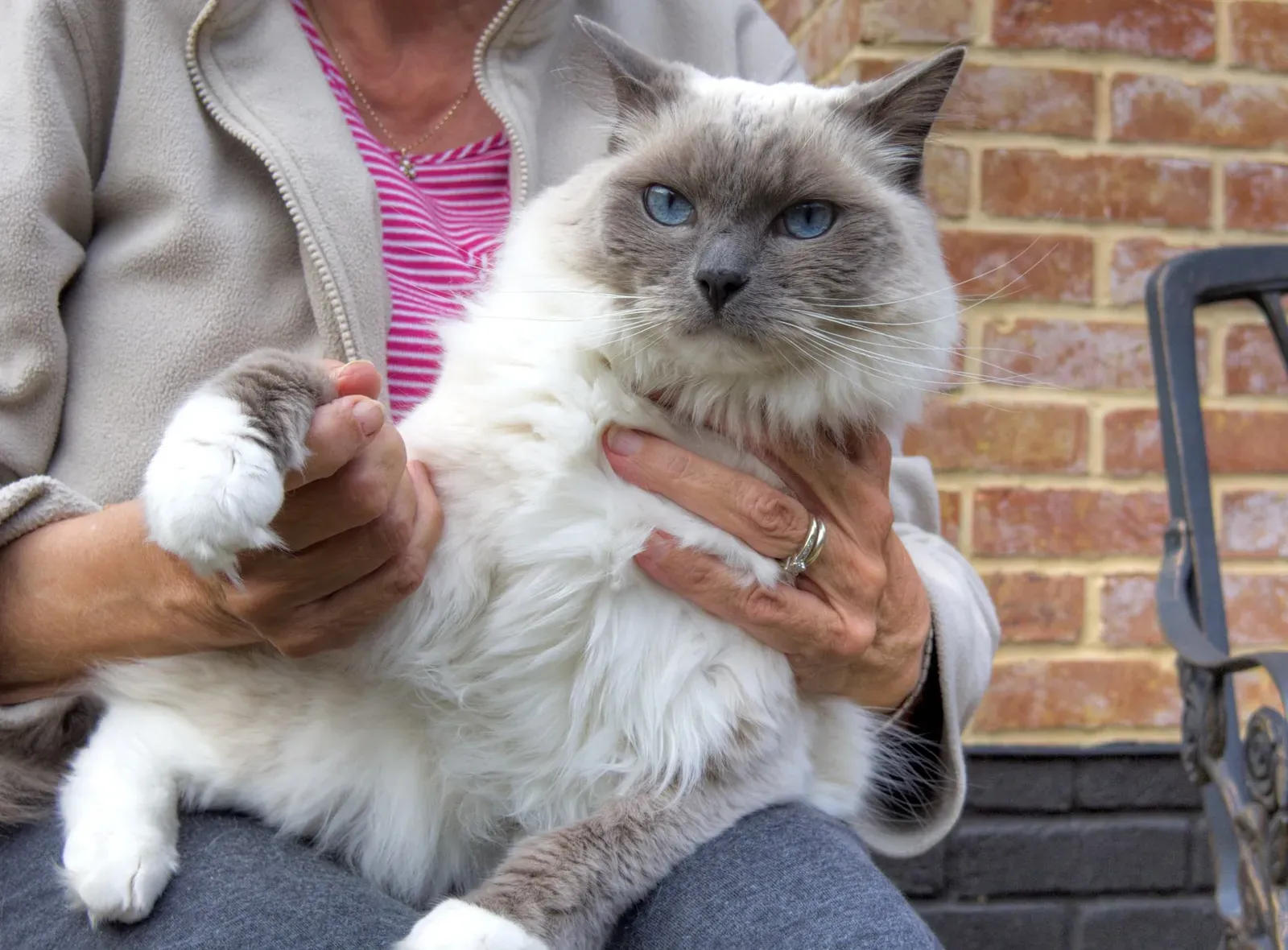
The Ragdoll has been specifically bred to be affectionate companions, yet also relatively low-maintenance and self-sufficient. Honestly, if you’re looking for a cat that practically melts into your arms, this is your match. Named for their signature behavior of relaxing so deeply during petting or being held that they become noticeably floppy, these gentle giants take emotional bonding to another level.
Ragdolls are exceptionally sensitive to human emotions, frequently shadowing their owners from room to room when they sense stress or sadness, highlighting their strong emotional awareness. They love children and are likely to always see your lap as their evening relaxing spot. Think of them as the therapists of the cat world, always ready with purrs and presence when you need comfort most.
Siamese: The Vocal Companion
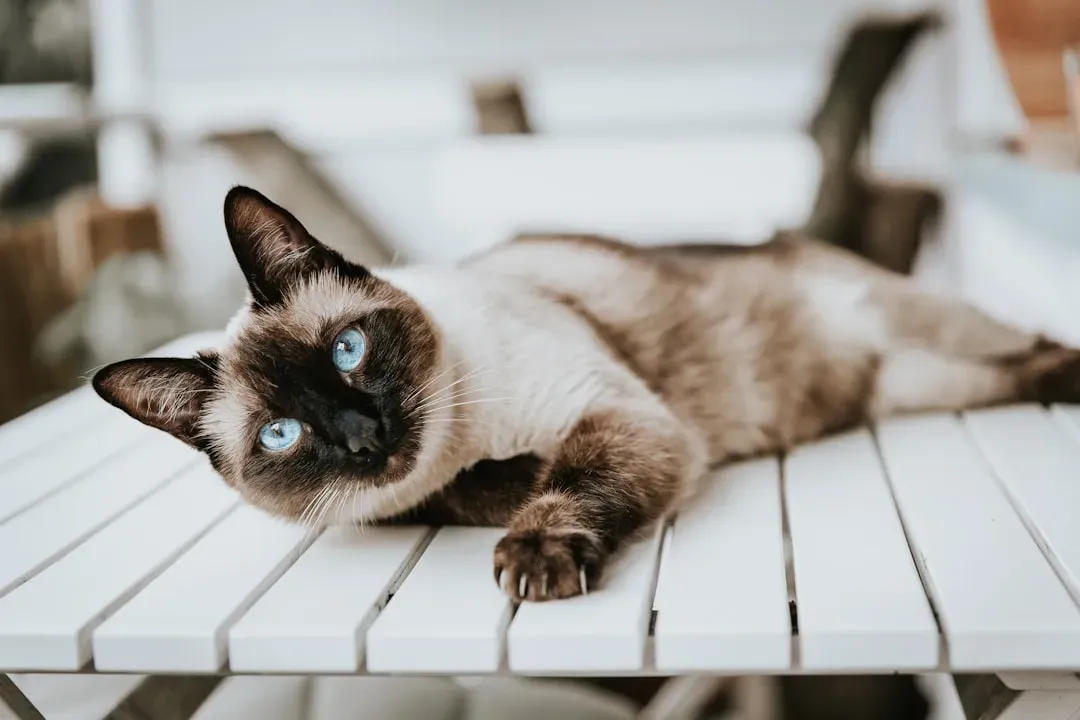
When it comes to craving attention, few cats compare to the Siamese, these vocal companions who thrive on constant human interaction and are known for their loud, raspy voices. If silence is what you’re after, look elsewhere. Highly intelligent and socially driven, Siamese cats often shadow their favorite person from room to room and can become bored or destructive without mental stimulation and regular engagement.
Here’s the thing about Siamese cats: they don’t tolerate being ignored and form deep attachments to their families, and are widely known for their strong emotional bonds and tendency to become distressed if left alone too long. Their communication style creates an ongoing dialogue with their humans, making every day feel like an interactive conversation. You’ll never wonder what they’re thinking because they’ll tell you, loudly and clearly.
Maine Coon: The Gentle Giant With Heart
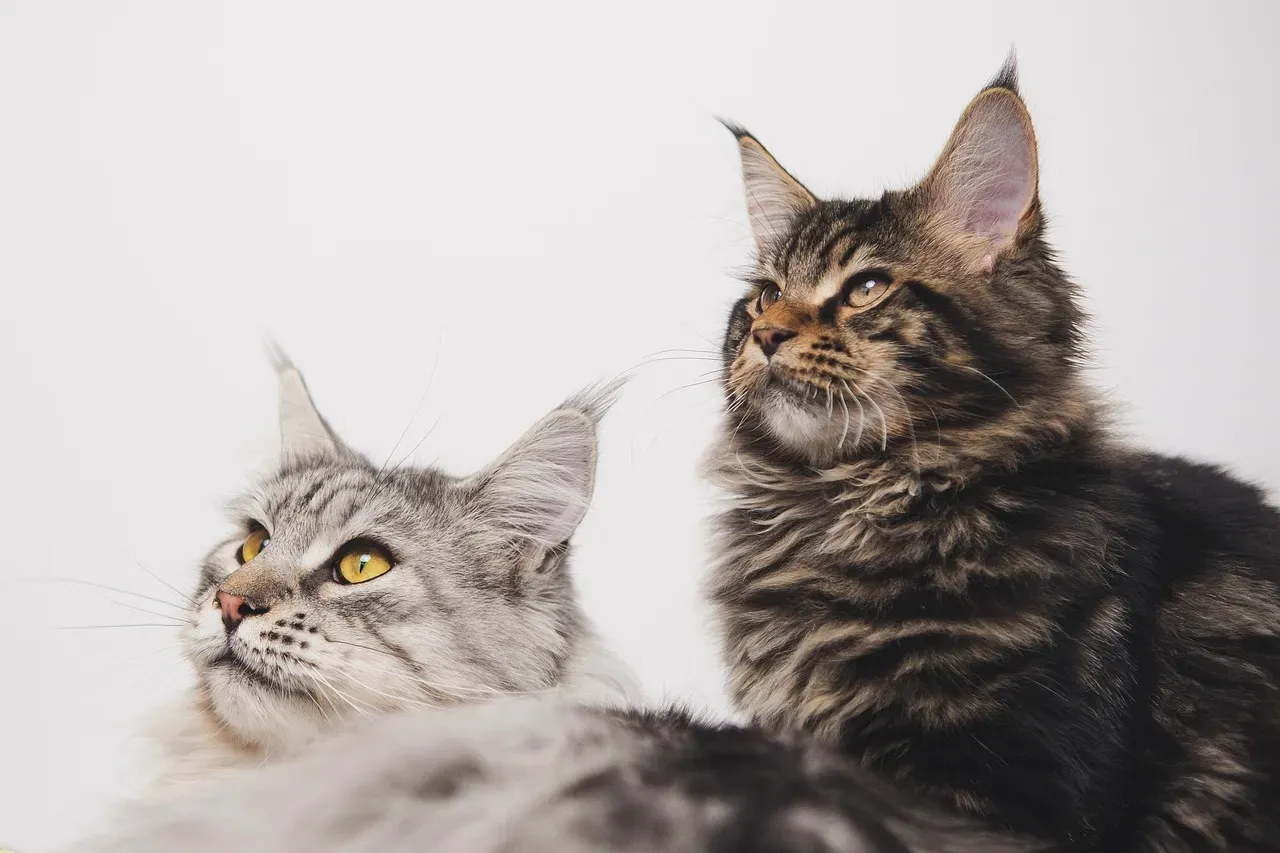
Native to America, where they are one of the oldest breeds of domesticated cat, the Maine Coon is known to be a real gentle giant. What truly sets Maine Coons apart is their emotional awareness as they seem to read the room effortlessly, matching their behavior to their human’s mood. When you’re happy, they’re playful. When you need comfort, they settle nearby with quiet reassurance.
These cats form deep bonds with their families and frequently shadow their owners from space to space, and when sensing stress or sadness, may offer reassurance through gentle head bumps, close proximity, or a steady, rumbling purr. Maine Coons are affectionate but maintain some independence, often following owners from a distance rather than demanding constant attention. It’s like having a supportive friend who knows when to step in and when to give you breathing room.
Burmese: The Velcro Cat
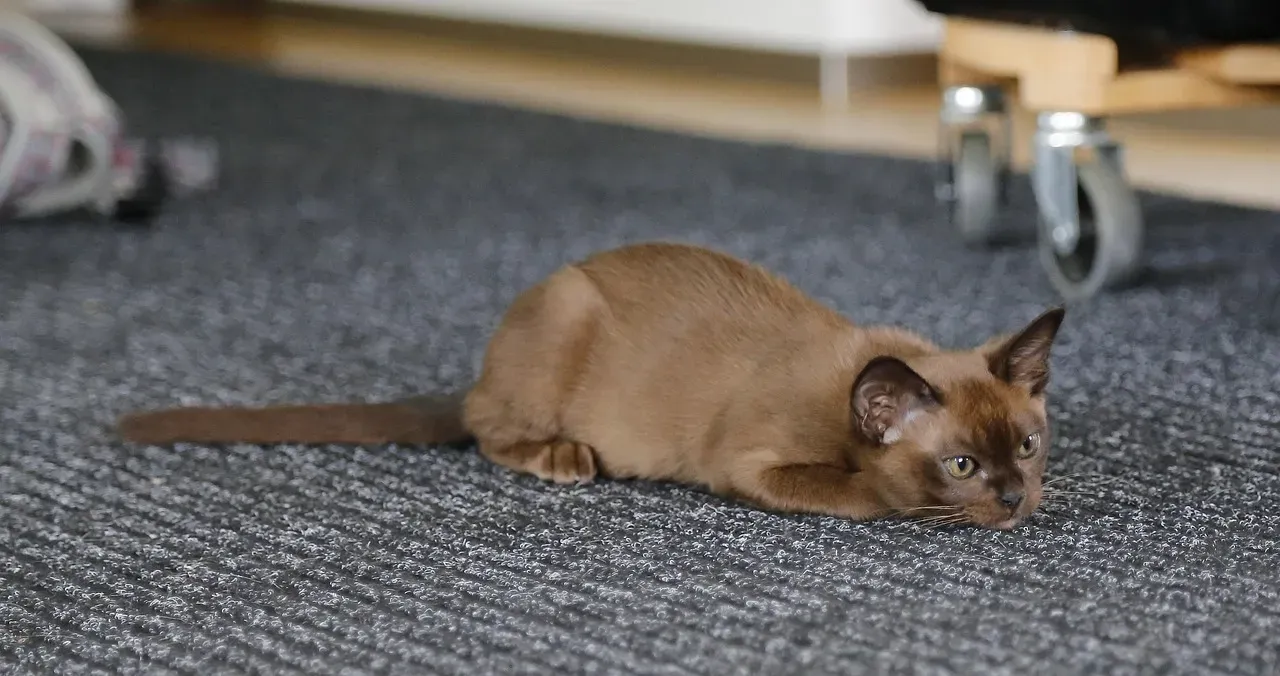
Burmese cats are famous for craving attention and forming deep emotional bonds with their humans, often trailing their owners from room to room and supervising daily tasks. Their affection is active and expressive, with gentle head bumps, constant purring, playful antics, and soft vocalizations all part of how Burmese cats reinforce emotional bonds.
If you’re drawn to bond-focused cats, the Burmese fits best in homes where companionship is plentiful as they dislike being left alone and thrive in families that welcome interaction. Burmese cats are widely described as dog-like because of their strong attachment to people and their tendency to follow owners everywhere. Their devotion borders on obsessive in the sweetest possible way.
Sphynx: The Warmth Seeker
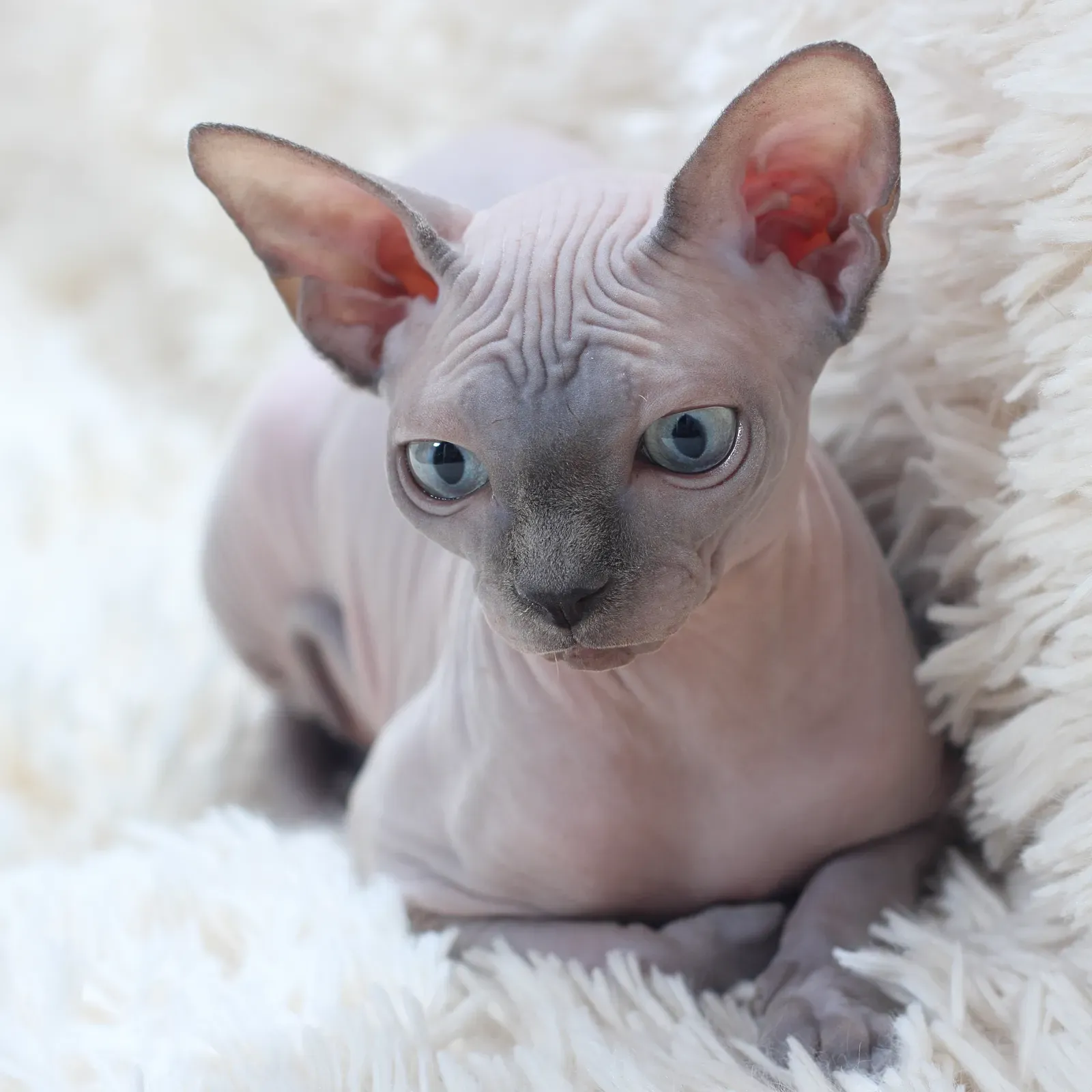
The fact that the Sphynx doesn’t have any hair means it can get a bit chilly, and its owner’s body heat is just the ticket for it to warm up, which means there will always be cuddles, plus this breed just naturally loves snuggles and play. Beyond their striking appearance lies a cat breed that craves human connection on a fundamental level.
Sphynx cats are exceptionally people-oriented and dislike being alone, following their humans from room to room, seeking laps for warmth, and preferring to sleep beside their favorite person. I know it sounds crazy, but their lack of fur actually intensifies their need for physical closeness, creating an inseparable bond. You’ll rarely find a more dedicated companion animal.
Russian Blue: The Reserved Observer
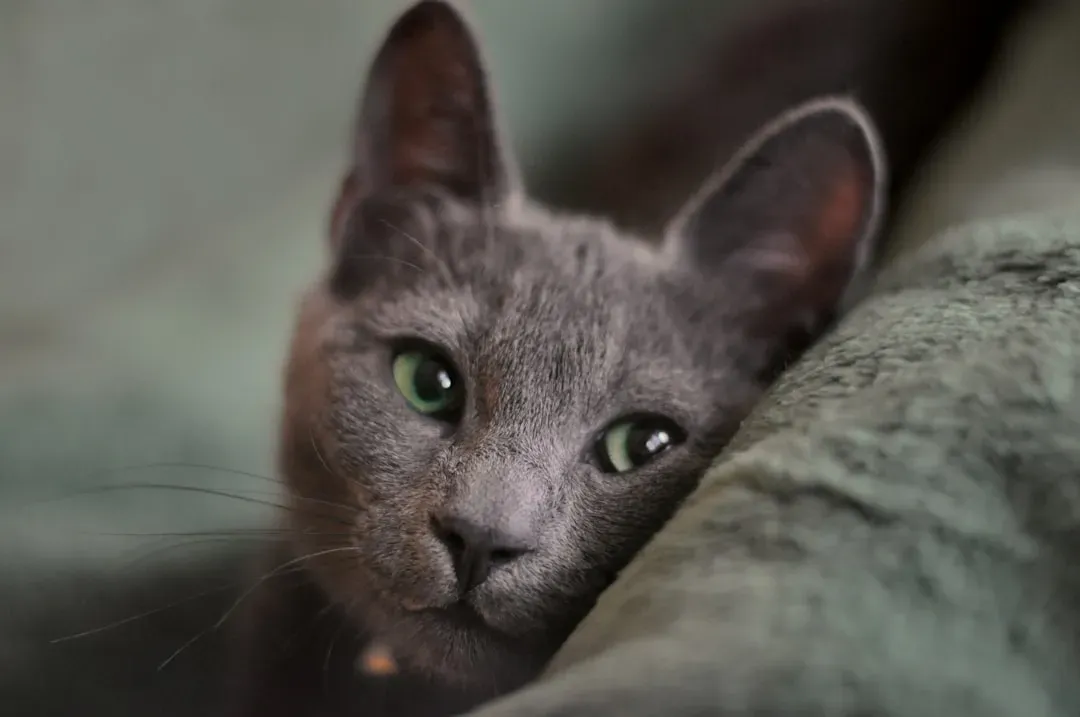
The beautiful Russian Blue cat breed is loving but independent and does well spending ample time alone, these gentle and loving cats are perfectly adapted to living in apartments and can be relatively shy with strangers. Russian Blues are known for their elegant blue-gray coat and as intelligent, curious, and independent cats, they are an excellent choice for pet parents who want a low-maintenance companion, typically reserved around new people but affectionate to their pet parents.
What makes them fascinating is their selective affection. The Russian Blue is such an amicable, sweet-tempered cat that likes nothing more than to be in the company of his human owners, yet they do tend to form a deep bond with that one special person. They won’t demand your attention every minute, yet they’ll quietly wait for you to return home, appreciating quality over quantity in their relationships.
Norwegian Forest Cat: The Self-Sufficient Explorer
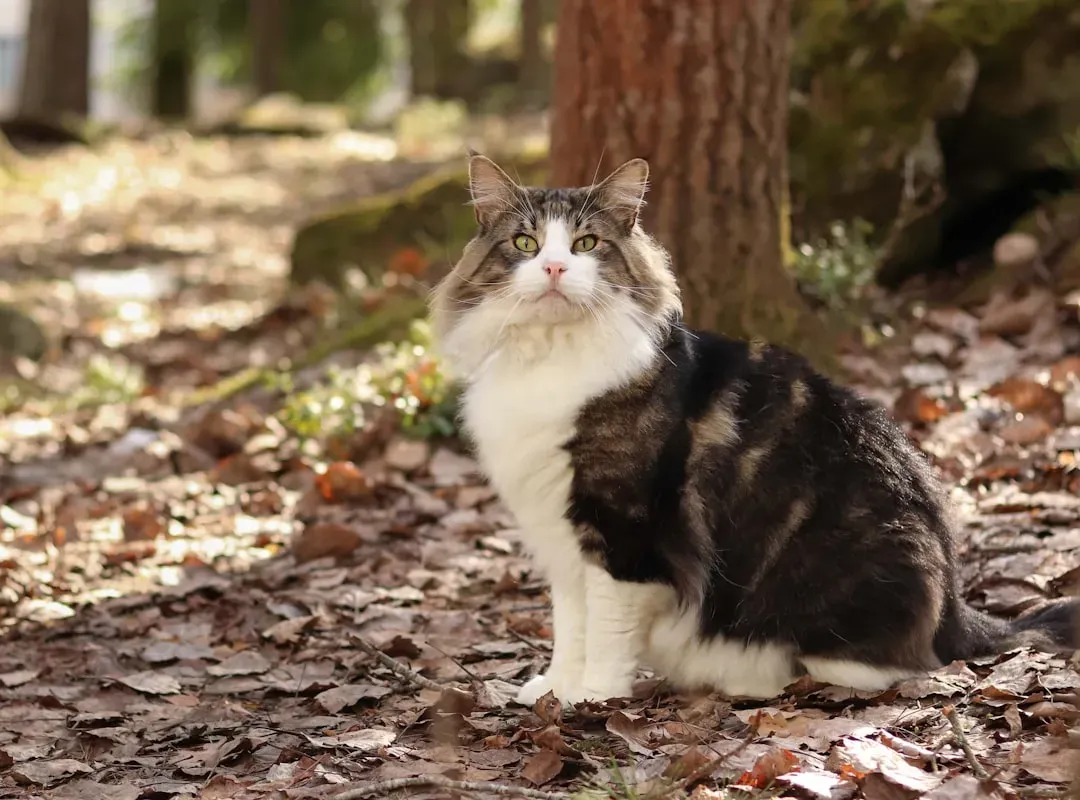
This undemanding cat breed developed naturally in Scandinavia is well known for its gentle and friendly demeanor, and because of their semi-domestic nature, Norwegian Forest Cats can cope well if their owners are often away. Naturally independent, this breed is comfortable entertaining itself through climbing, exploring, or observing from high perches, yet that self-sufficiency doesn’t mean aloofness as Norwegian Forest Cats form deep bonds and prefer staying near their people.
If you are looking for a lap cat, the Norwegian Forest cat might not be the best choice as this breed prefers to stay close to their family, such as on the back of the couch, and as an intelligent, independent cat, they decide for how long, and it is also common for a Norwegian Forest cat to pick a favorite person. They’re nearby without being needy, which works perfectly for people who appreciate companionship without clinginess.
British Shorthair: The Confident Companion
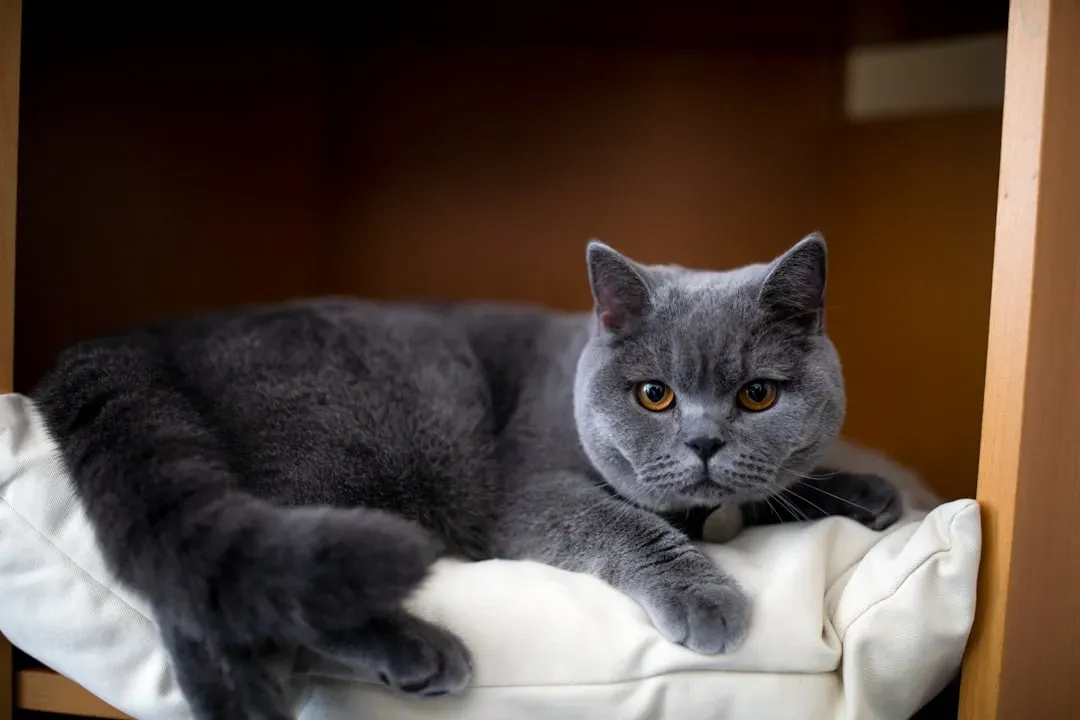
British Shorthairs are easygoing cats considered to be more than content in their own company, making them excellent pets for active families and people who are frequently out of the house, however, despite their independent streak, these cats also enjoy spending time in their owners’ laps when they are at home. Independence in British Shorthairs shows up as confidence rather than distance as they enjoy human company but prefer sitting beside you instead of on your lap.
Their temperament strikes a remarkable balance. A British Shorthair is an independent cat breed with a laid-back, easygoing personality, often having a beautiful blue-gray coat but can also come in a handful of other colors. They’re affectionate on their own terms, offering companionship without becoming overly demanding or emotionally dependent.
American Shorthair: The Adaptable Individualist
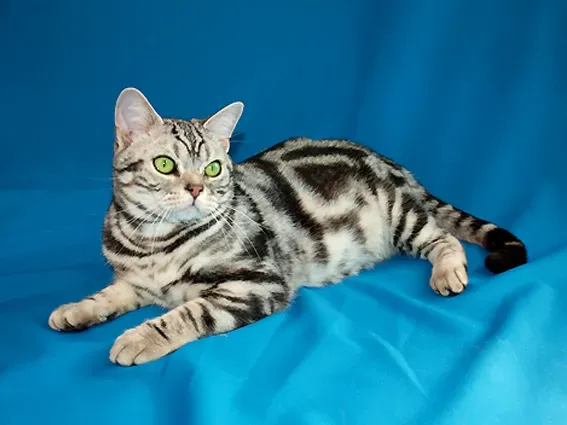
American Shorthairs are descendants of European cats that traveled across the Atlantic on the Mayflower, and their long history with humans shows they’re very resilient and independent, while many are known to be very affectionate with their owners, they do well by themselves. Their self-reliance doesn’t translate to coldness, just a healthy sense of autonomy.
They also have relatively low grooming and care needs, so they’re excellent for people with busier lifestyles and novice cat owners. They are friendly and enjoy spending time with their owners, but they also possess an independent streak that allows them to be content on their own, engaging in play or watching over their territory, making them a beloved breed. You get the best of both worlds with this breed.
Persian: The Regal Introvert
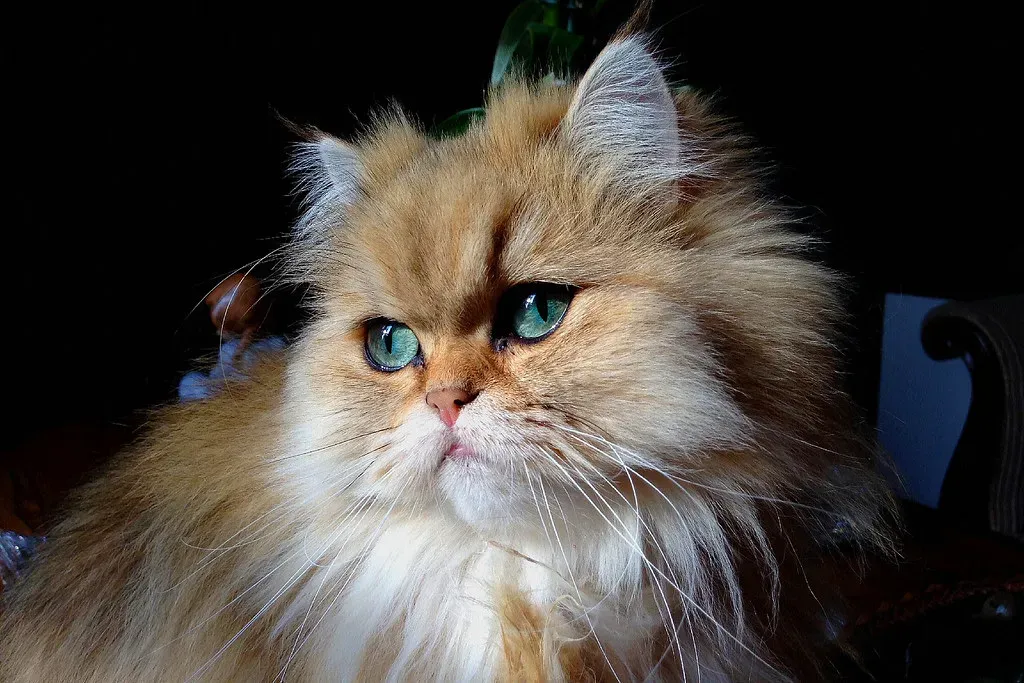
Persian cats are gentle, loyal, and deeply attached to their owners, while not overly playful, they love peaceful environments and consistent human presence. Known for their long hair and squashed faces, this gentle breed requires regular grooming and should remain indoors only, typically quiet and rather aloof, Persians dislike loud noises and enjoy lounging regally upon a cushion or a lap.
They embody sophisticated independence. Persians are the aristocrats of the cat world, preferring a serene environment to match their regal demeanor, they thrive in calm, stable surroundings and require regular grooming to maintain their luxurious coats, their need for a peaceful habitat makes them ideal for indoor living. They’ll accept your affection graciously when the mood strikes them, but don’t expect them to chase you down for cuddles.
Conclusion
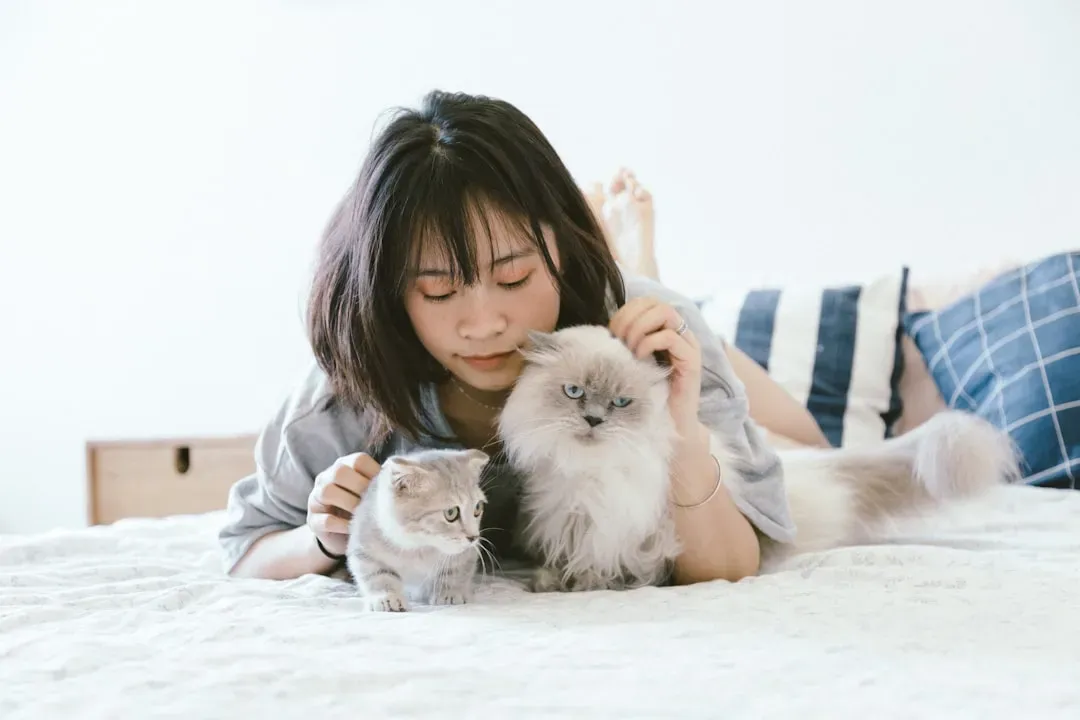
Choosing between an emotionally bonded cat and an independent one really comes down to your lifestyle and what you’re looking for in a companion. The breeds that bond deeply offer incredible emotional support, constant companionship, and that undeniable feeling of being needed and loved. Meanwhile, the independent breeds provide affection without overwhelming attachment, perfect for busy professionals or anyone who values a more balanced relationship.
Neither choice is better than the other, they’re just different. Some people thrive with a Ragdoll draped across their lap every evening, while others prefer the dignified presence of a Russian Blue observing from their favorite perch. What matters most is finding the breed whose emotional needs align with yours. What’s your ideal cat personality? Would you choose constant cuddles or respectful independence?