You’ve probably wondered about it. Some cats never stop chatting, while others barely utter a peep. If you’re looking for a furry companion, understanding vocal tendencies can make all the difference between harmony and headaches in your home.
The way a cat communicates says a lot about its personality. Some breeds treat every moment like an opportunity for conversation, demanding your attention with chirps, trills, and full-blown monologues. Others prefer to express their love through gentle head bumps and silent snuggles. Let’s be real, choosing the wrong match can leave you either craving more interaction or desperately seeking earplugs. So let’s dive in and discover which feline friends fall into each category.
The Siamese: The Ultimate Chatterbox
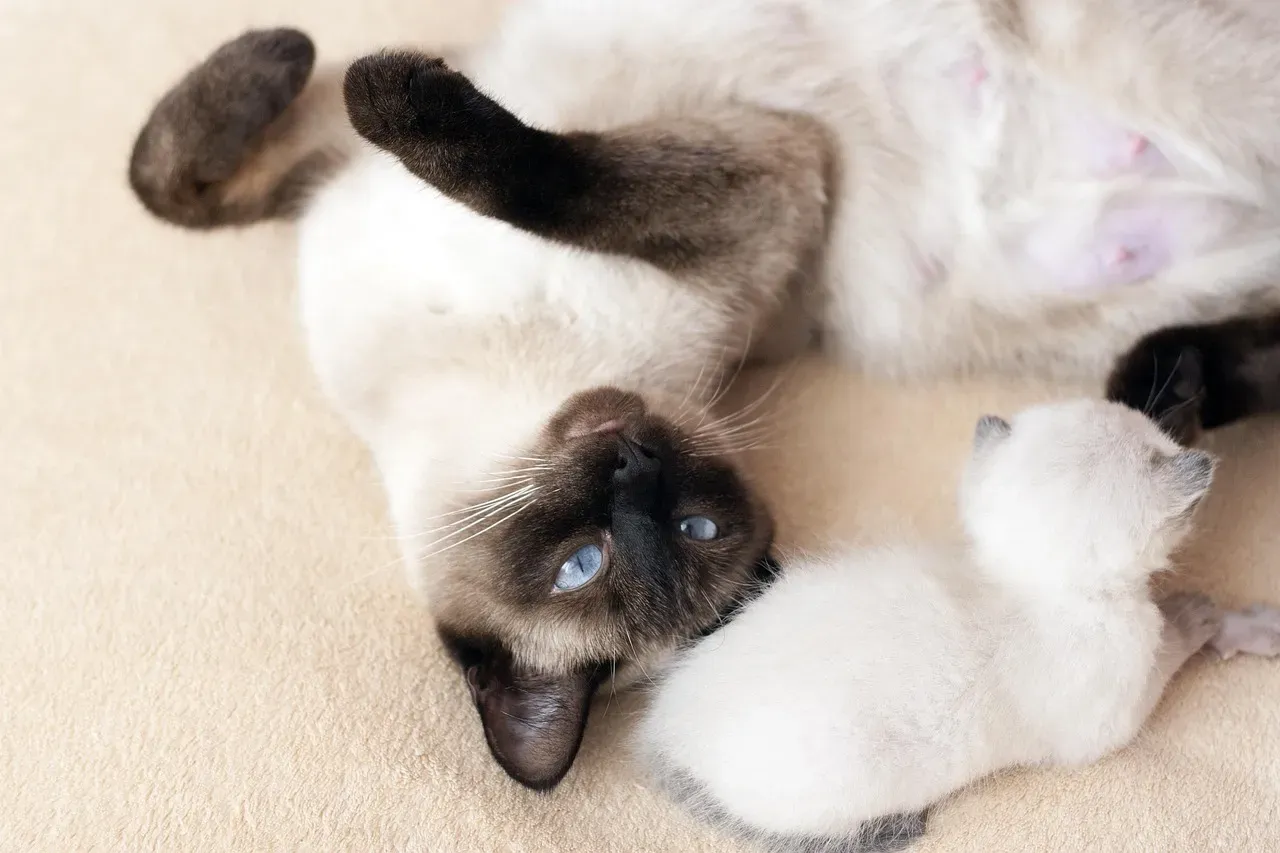
When it comes to the most vocal cat breeds, most cat lovers know that the Siamese tops the list. These elegant felines don’t just meow. They yowl, chirp, trill, and even produce sounds that mimic a crying baby. Siamese cats are one of the most people-focused breeds, craving companionship and thriving on human interaction, using meowing as their main tool for connecting and starting conversations.
Siamese cats have bold, vibrant personalities, known for being affectionate, energetic, intelligent, and extremely vocal, thriving on human interaction and rarely content to sit quietly in the background. They’ll follow you everywhere, comment on your activities, and absolutely insist on being part of every conversation. Honestly, if you’re the type who values peace and quiet, this breed might drive you a bit crazy. Their vocalizations range from soft chirrups to ear-splitting complaints, and they expect you to respond.
The Burmese: Softer But Still Sociable
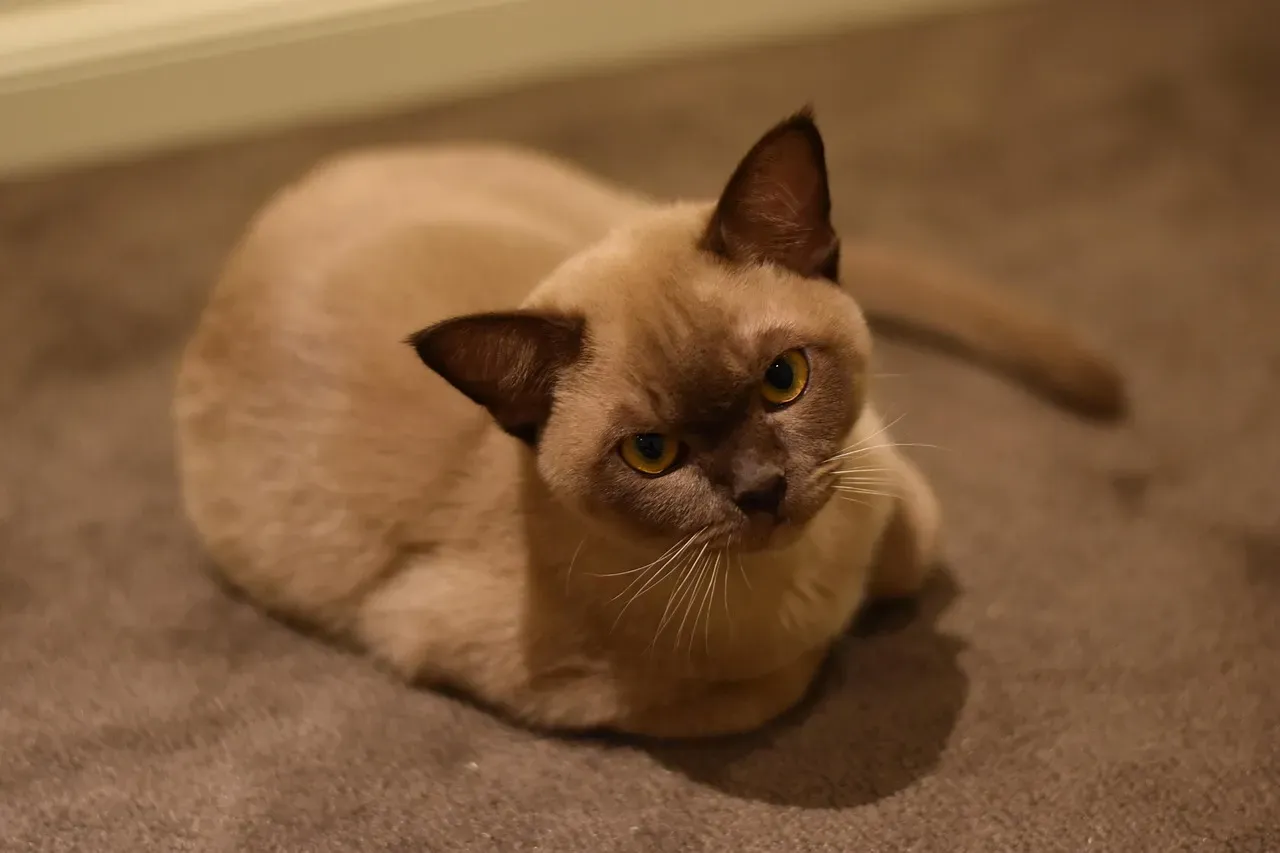
The Burmese cat, another descendant of the Siamese, is unsurprisingly talkative, although their voices are softer than the Siamese while being just as happy to tell you everything about their day. Here’s the thing about Burmese cats: they’re conversationalists through and through. Unlike their Siamese cousins who might sound like they’re auditioning for a drama, Burmese cats have a softer, more musical meow and love to engage in a good chat.
As one of the most family-oriented cats, the Burmese are particularly susceptible to loneliness and cope best with families that spend a great deal of time at home. They’ll greet you at the door, follow you around, and keep up a steady stream of commentary. What makes them special is that sweet, almost melodic quality to their voice. It’s less demanding than a Siamese but equally expressive. They form deep bonds with their humans and use their voices to maintain that connection throughout the day.
The Oriental Shorthair: The Opinionated One
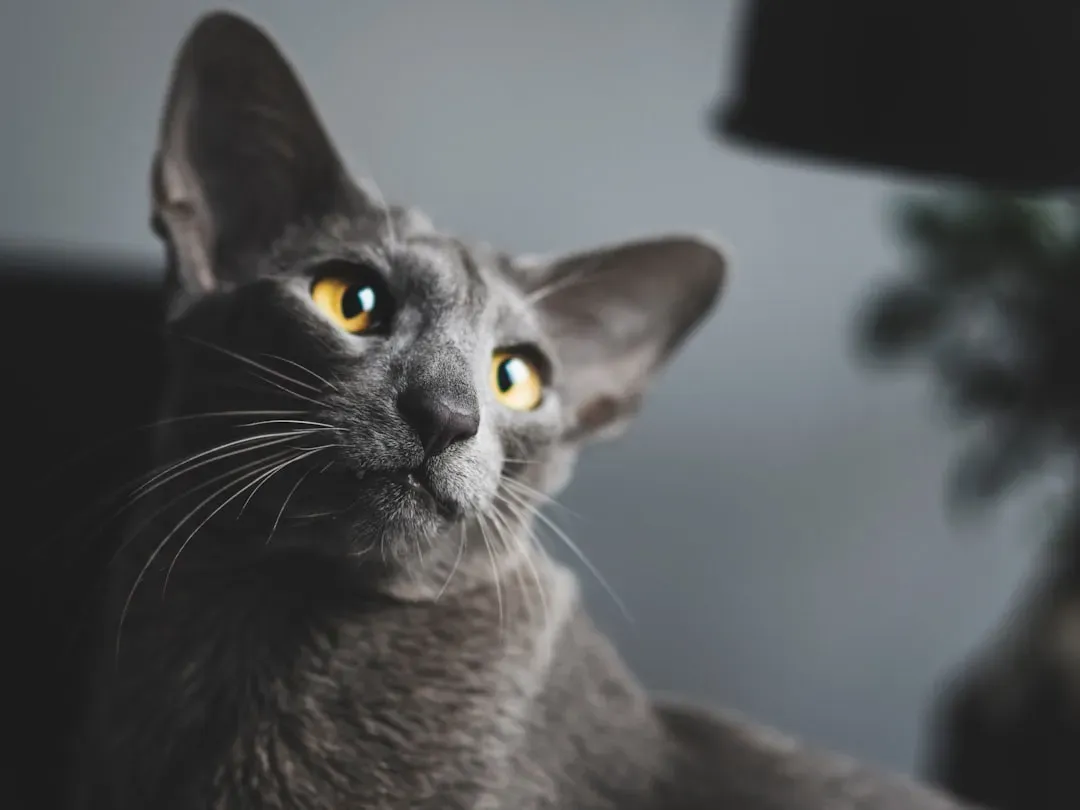
Knowing that the Oriental is essentially a Siamese cat in different colors, it shouldn’t surprise you that this breed is also one of the most vocal, being affectionate, intelligent, and endlessly curious like the Siamese. These cats are basically Siamese with a wardrobe change. Their vocal stylings are not for the faint of heart, and they will insist on being heard, no matter how you feel about it.
Oriental Shorthairs are well-meaning busybodies who aren’t afraid to share their opinions on everything. They’ll offer running commentary on household chores, critique your cooking technique, and voice strong opinions about closed doors. The Oriental isn’t afraid to share their opinions and will talk about everything that happened while you were at work or the best way to do the dishes. I know it sounds crazy, but these cats genuinely seem to believe their input is essential to every aspect of your life. If you enjoy lively interaction and don’t mind constant feline feedback, they’re absolutely delightful.
The Sphynx: The Hairless Storyteller
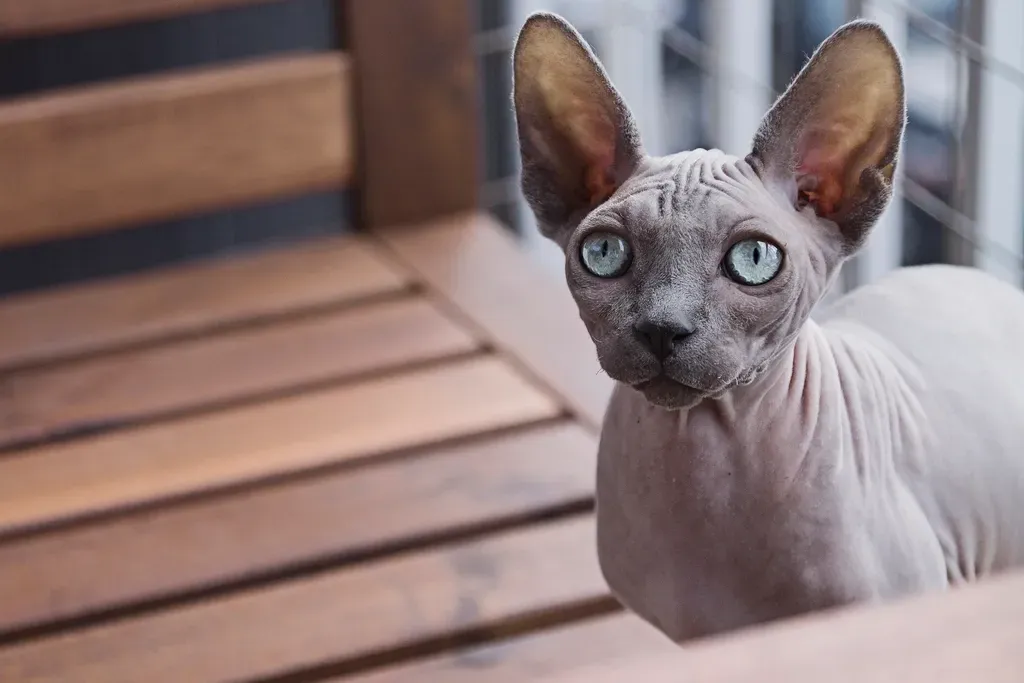
In addition to their hairlessness, Sphynx cats also feature the trait of being a highly vocal breed. These unique cats are attention magnets for multiple reasons. Beyond their striking appearance, Sphynx cats are remarkably chatty. Their talkative nature is likely due to their intense desire for social interaction with their human family, being known as “Velcro cats” because they stick close to your side always, using meows, chirps, trills, and yowls.
The Sphynx uses vocalization as a primary way to demand the attention they desperately crave. They’re not content being background decorations. Sphynx cats are known to have a rather raspy voice and can be quite demanding and insistent with their vocalisation, purring, meowing, singing and chirping in a range of tones, being so warm and affectionate and very dependent on their owners. Their voice might sound a bit raspy, but it’s endearing in its own way. These cats will literally talk your ear off while snuggling for warmth, creating a constant soundtrack to your daily life.
The Bengal: The Wildcat Conversationalist
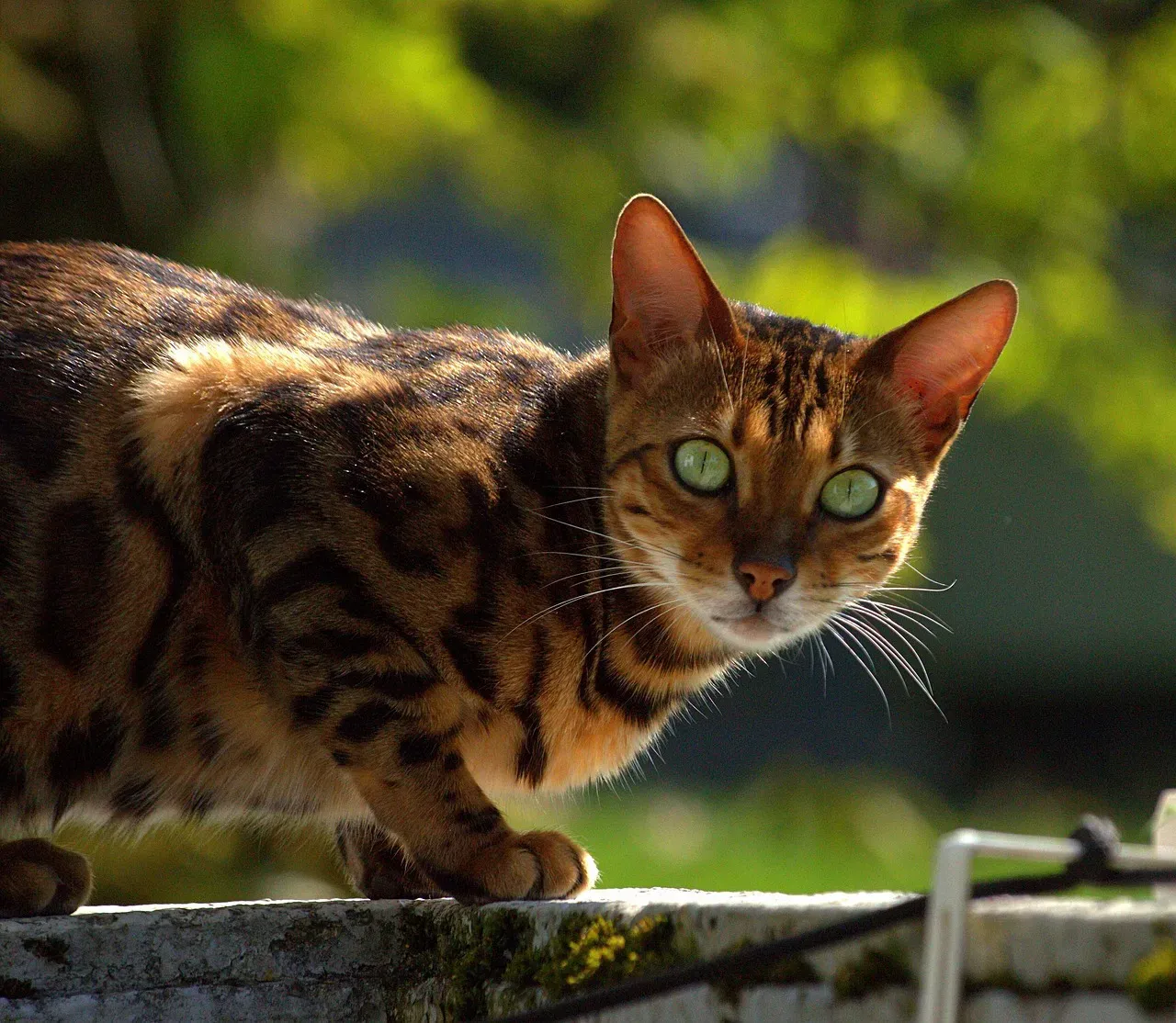
The Bengal is a hybrid breed created by crossing an Asian wildcat species with several domestic cats, and Bengals enjoy communicating with their people using a wide variety of vocalizations, including meows, chirps, and yowls. Despite their leopard-like appearance, Bengals are surprisingly chatty house cats. Their vocal range is impressive, featuring everything from typical meows to bird-like chirps and dramatic yowls.
Bengal cats are not only visually striking but also vocally impressive, making various sounds including meows, chirps, and even yowls, with vocalizations reflecting their active and playful personality. These cats use their voices to express their high energy and intelligence. When they want something, you’ll definitely know about it. Their active nature means they’re frequently commenting on their environment, requesting playtime, or announcing their discoveries. It’s hard to say for sure, but Bengals seem to genuinely enjoy the sound of their own voice as much as they enjoy interacting with their humans.
The Persian: The Silent Sweetheart
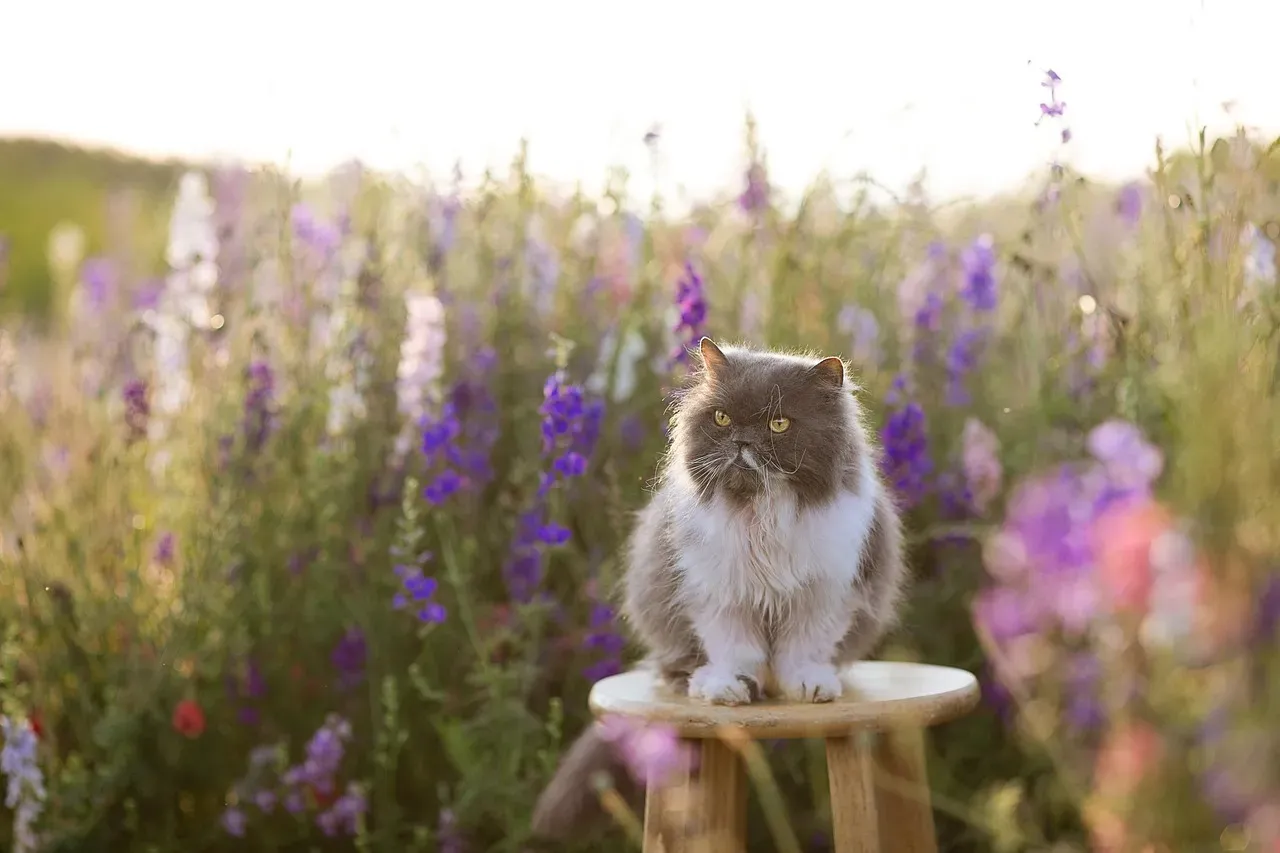
Persian cats are sweet, quiet companions who adore attention in a calm environment, and though they require more grooming due to their long coats, their affectionate nature makes the effort worthwhile, being loyal and thriving in homes with consistent routines. Now we’re entering completely different territory. Persians are the epitome of quiet companionship. Persian cats tend to have a more laid-back and calm personality, being quieter, less active, and more independent than Maine Coons.
These luxurious felines prefer lounging to lengthy conversations. The long-haired Persian cat tends to prefer calm and quiet over constant play, loving routines and being generally well-behaved companions, enjoying spending time with you with favorite nap spots, and not being demanding of attention. Instead of meowing constantly, they communicate through subtle body language and those gorgeous expressive eyes. When they do vocalize, it’s usually a soft, melodic chirp rather than a demand. They’re perfect for people who want affection without the noise, preferring to show love through gentle presence rather than vocal performance.
The Ragdoll: The Gentle Giant
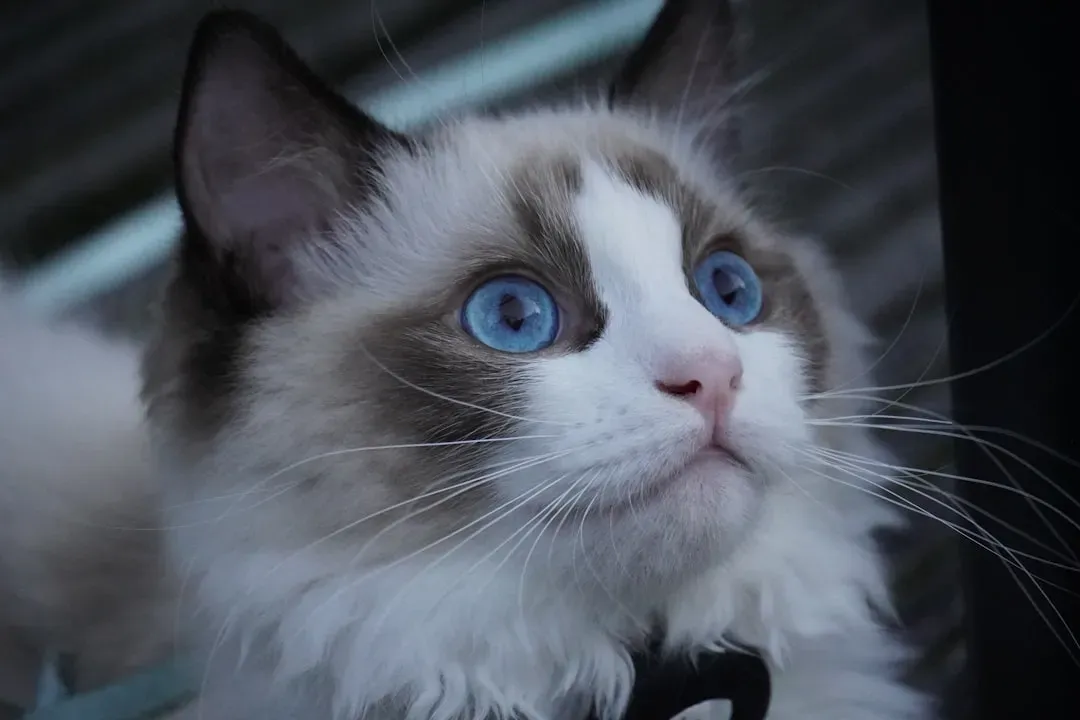
The Ragdoll is one of the calmest cat breeds and they love to be held, earning its name from the way this cat naturally relaxes into your arms, almost going limp like a Ragdoll. These beautiful cats are famous for their docile, placid nature. Quietly affectionate and easy-going, the Ragdoll loves to play with adults and kids alike.
Ragdolls express their affection through physical closeness rather than constant chatter. A large, heavy breed with a semi-long, silky coat, the Ragdoll is a very relaxed, quiet breed with a low activity level, being extremely affectionate with its people and friendly towards strangers and other cats. They’ll follow you around like a shadow, but they do it silently. When picked up, they literally go limp in your arms, completely trusting and content. Their communication style is all about presence and touch. A gentle purr here, a soft head bump there, but never the demanding vocalizations you’d get from a Siamese.
The British Shorthair: The Reserved Gentleman
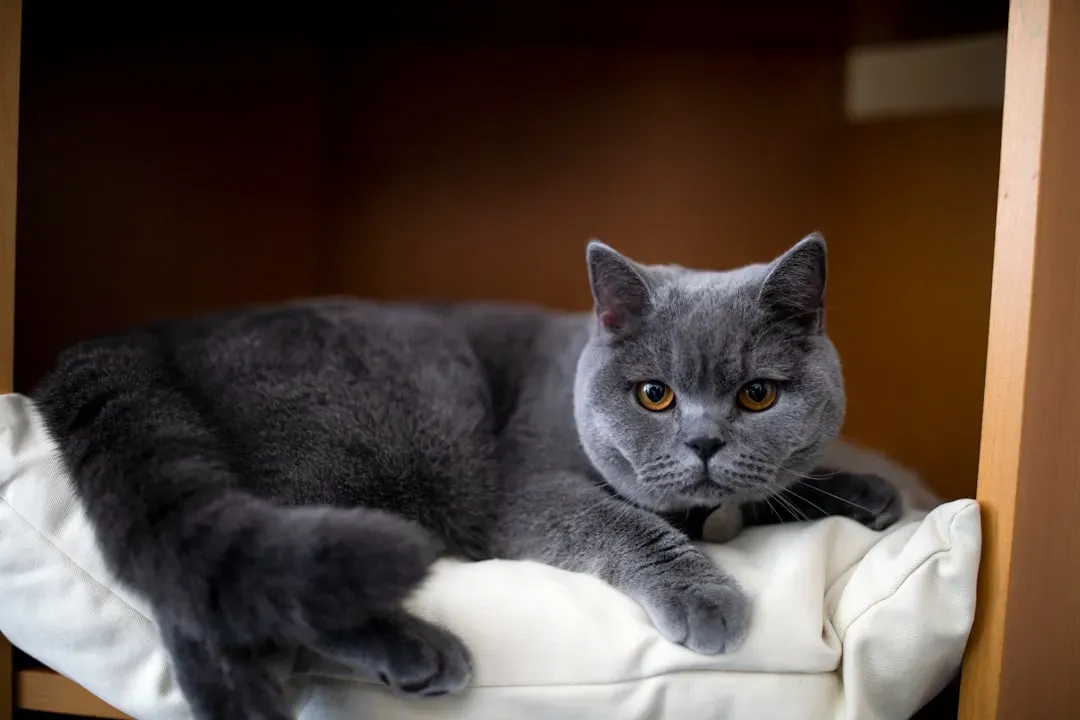
The British Shorthair is such a popular choice amongst cat lovers, being quiet, calm and easygoing with beautiful temperaments, managing to be active without being boisterous and loving without being demanding or clingy. Picture a cat with impeccable manners and a stiff upper lip. That’s the British Shorthair. These round-faced beauties are the definition of composed.
They’re affectionate without being pushy, playful without being wild, and communicative without being noisy. The British shorthair is specially bred for their silky-smooth looks and gentle nature, though socialization as a kitten plays a big role in helping them become well-rounded cats. They might be a little shy initially, but once they bond with you, they’re incredibly loyal. Their love language is simply being in the same room with you, occasionally gracing you with a slow blink of approval. They don’t need to announce their presence; their dignified bearing does that for them.
The Russian Blue: The Independent Introvert
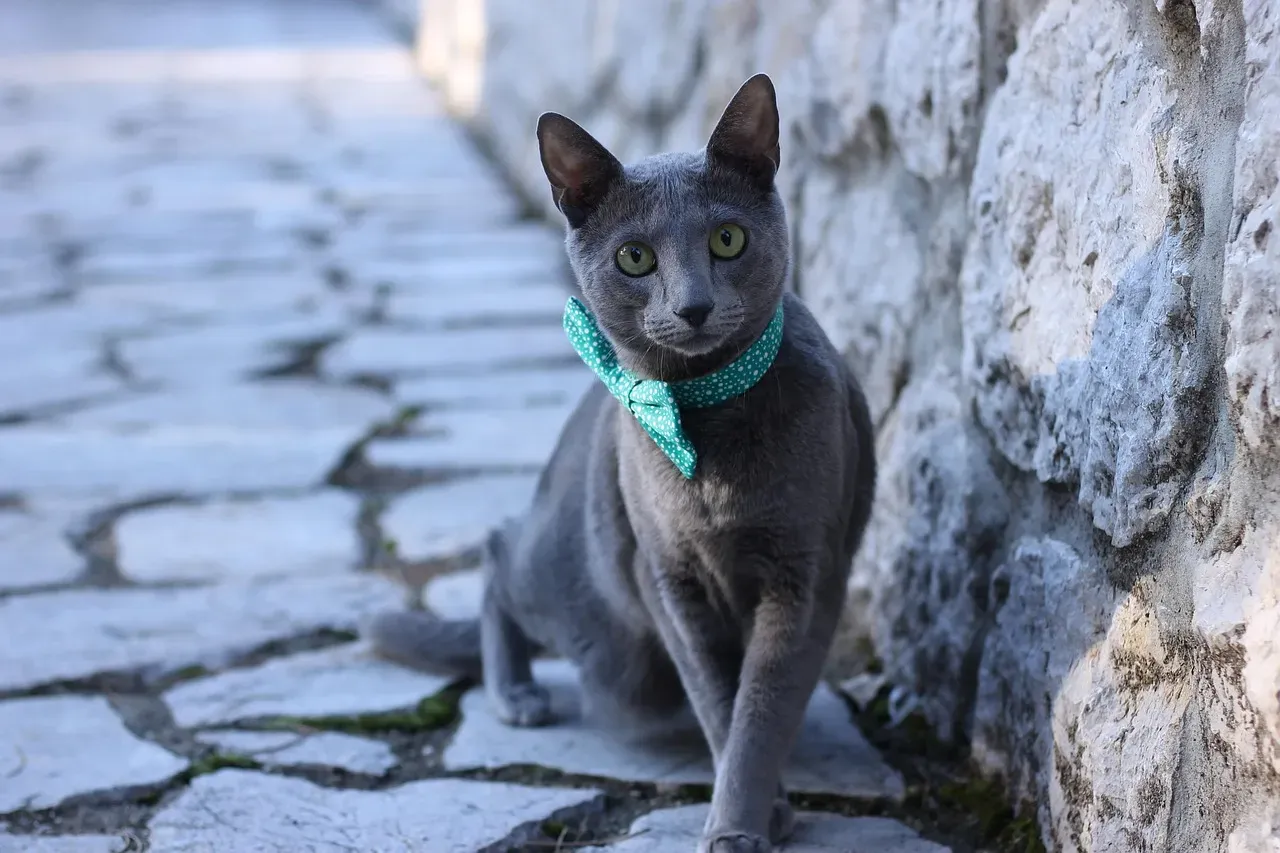
The Russian Blue cat is a fan of the quiet life, being infrequent vocalizers who like their days filled with stability, predictability, and routine, and while very loving and affectionate, they have an independent streak. These stunning silver-blue cats are natural introverts. The Russian Blue is quiet and easy-going.
Russian Blues form strong bonds with their families but express it quietly. Sweet and loyal, these softly-spoken cats enjoy the company of their favorite humans but can be shy and aloof around strangers. They prefer predictable routines and calm environments. While they’ll happily curl up beside you and purr contentedly, they won’t demand attention through loud meowing. Their communication is subtle: a gentle touch, a quiet presence, and those striking emerald eyes watching you adoringly. They’re perfect for someone who wants a loving companion without constant vocal demands.
The Exotic Shorthair: The Lazy Man’s Persian
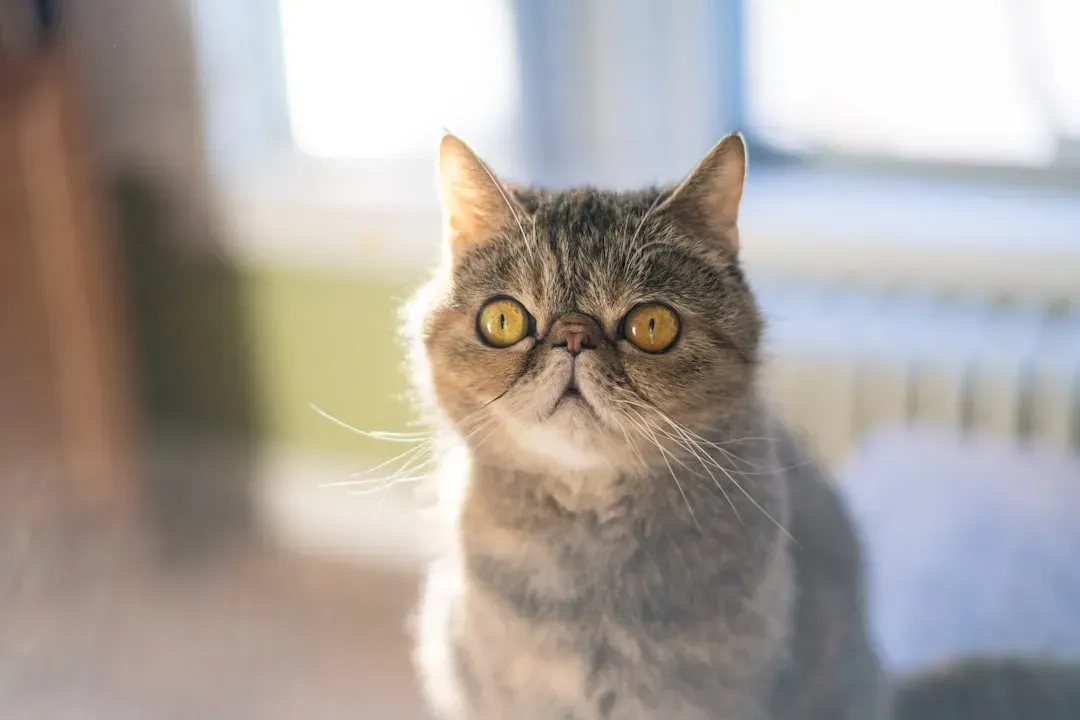
The Exotic is essentially a shorthaired Persian, sometimes called the Exotic Shorthair or even the lazy man’s Persian owing to its much lower-maintenance coat, and like their placid cousin the Persian, Exotics are calm, quiet, gentle, and undemanding. This breed combines the best of both worlds: Persian personality without the grooming nightmare. Sweet, quiet, and affectionate, this cat breed has an unforgettable face similar to the Persian cat but with a short, dense coat that doesn’t shed quite as much, making extremely loyal companions who are not known for being talkative, instead politely requesting attention with one or two quiet, squeaky mews.
Exotic Shorthairs are content to entertain themselves or simply relax in the sun. They’re tolerant, laid-back, and ideal for families or busy individuals. When they need something, they’ll give you a soft little squeak, almost apologetic in its quietness. The Exotic Shorthair cat is cherished for their relaxed and easygoing attitude, not being rambunctious but able to entertain themselves with cat toys or find contentment curling up in the sun. Their low-key nature makes them perfect apartment companions who show affection through quiet companionship rather than vocal demands.
Choosing Your Perfect Match
The difference between vocal and quiet cat breeds really comes down to communication style and energy levels. Talkative breeds like the Siamese, Burmese, and Oriental Shorthair are highly social, intelligent, and demand constant interaction. They need owners who enjoy engagement and don’t mind responding to feline commentary throughout the day. Quiet breeds like the Persian, Ragdoll, and Russian Blue show love through presence, physical affection, and subtle gestures.
Think about your lifestyle honestly. Do you work from home and enjoy having a chatty companion? A vocal breed might be perfect. Do you crave peace after a long day and prefer a cat that communicates through cuddles? A quiet breed is your answer. Neither type is better; they’re just different. The key is matching the cat’s natural communication style with your own preferences. Both types offer incredible companionship and deep bonds, just expressed in wonderfully different ways. What matters most is finding that perfect fit where both you and your feline friend feel understood and loved.