If you’ve ever watched your feline friend scratching relentlessly, you know how frustrating flea infestations can be. These tiny parasites don’t just cause discomfort; they can lead to skin infections and health complications for your beloved cat. The good news? You don’t need to resort to harsh chemicals to keep fleas at bay. Nature provides us with aromatic solutions that can help repel these pests while keeping your cat safe.
Let’s be real, many commercial flea treatments contain ingredients that might worry conscientious pet owners. You want something effective, yet gentle enough for your cat’s unique biology. Cats process certain compounds differently than humans or even dogs do, which makes choosing the right natural remedies crucial. The scents we’ll explore have been recognized for their flea-repelling properties and are generally considered safer options when used correctly. Be surprised by what these natural fragrances can do for your furry companion.
Lavender: The Calming Flea Fighter
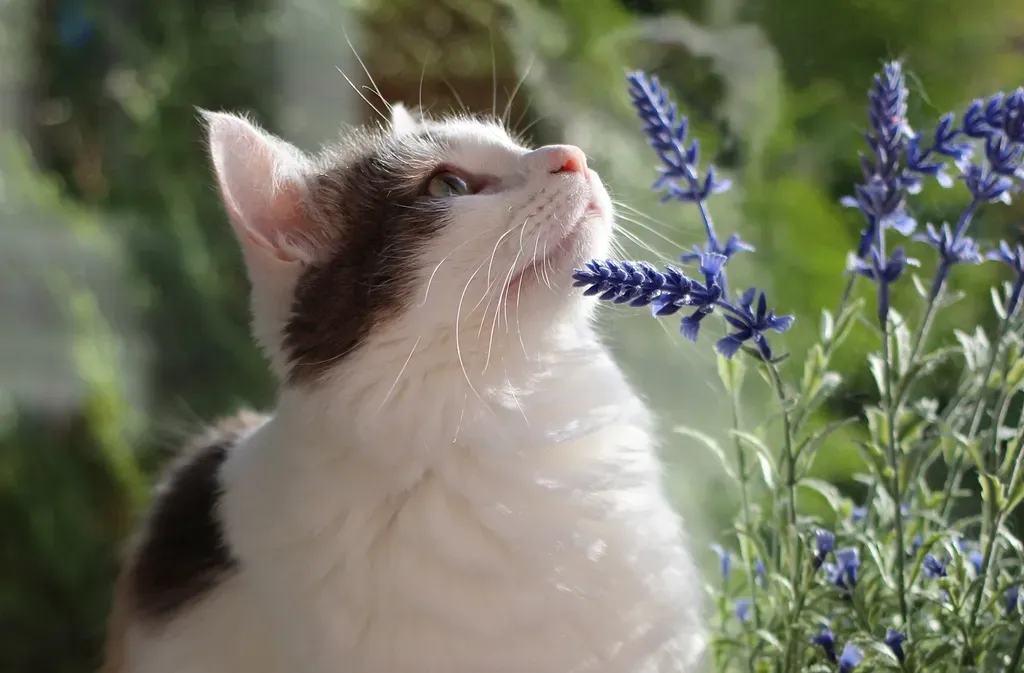
Lavender offers a dual benefit that makes it particularly appealing for cat owners: while the soothing scent may be calming, it’s unsettling for fleas, and when properly diluted, it can be gentle enough for use around both pets and children. This purple-flowered plant has been a staple in natural pest control for generations. You might already associate lavender with relaxation and aromatherapy, but fleas absolutely detest its fragrance.
Products using rosemary and lavender have shown effectiveness in repelling ticks and fleas, with steam-distilled hydrosol waters providing a gentler approach that deters pesky bugs without harmful toxins. The key here is dilution and proper application. Never apply concentrated lavender essential oil directly to your cat’s skin, as cats are unable to metabolize many essential oils, which can lead to serious health problems. Instead, consider using lavender in hydrosol form or adding a drop to your cat’s bedding. The scent creates an invisible barrier that makes your pet less attractive to these jumping pests while providing a pleasant aroma for your home.
Cedarwood: Nature’s Protective Shield
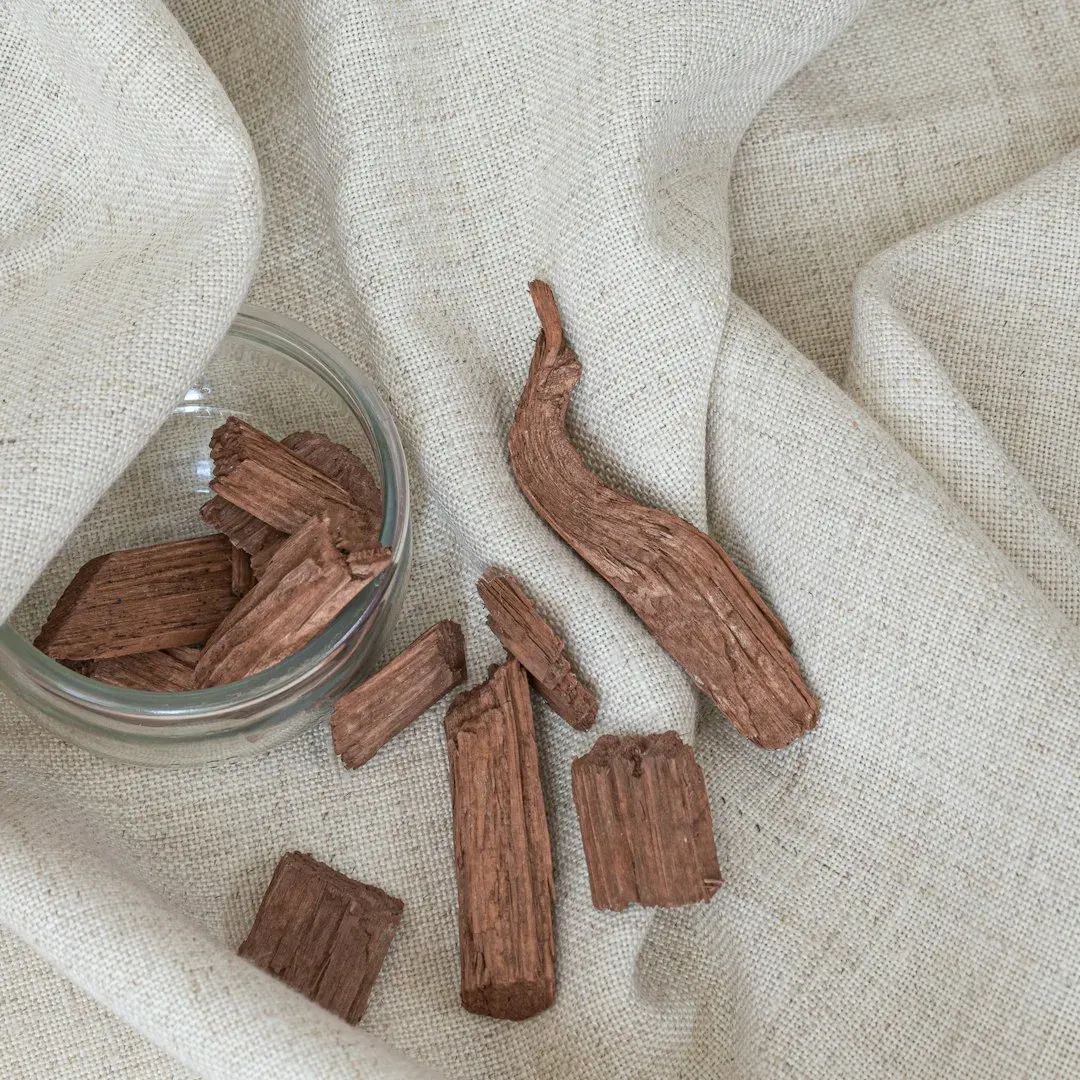
Cedarwood oil is considered the best essential oil that kills fleas on cats, though you need to approach its use with caution and veterinary guidance. Laboratory testing has demonstrated that cedarwood oil is lethal to adult fleas, making it a powerful ally in your natural flea prevention arsenal. Cedar chips provide natural flea-repelling properties thanks to the natural oils they contain, including cedar oil.
What makes cedarwood particularly interesting is its versatility. Cedar chips have a strong scent that fleas dislike, are non-toxic and safe for cats, and can be placed in your cat’s bedding or around their sleeping area. Think of it as creating a flea-free sanctuary where your cat rests. However, while cedarwood oil is noted for its safety around cats and can reduce flea and tick numbers, its scent might not be pleasing to all felines. Watch your cat’s reaction carefully when introducing cedar products into their environment. Some cats embrace it, while others might find it overwhelming.
Rosemary: The Kitchen Herb with Hidden Powers

This culinary favorite does more than enhance your pasta sauce. Rosemary is a natural flea repellent with anti-inflammatory properties that can soothe irritated skin, and after bathing your cat, you can boil rosemary leaves in water, let them cool, and use them as a final rinse. It’s fascinating how something so common in your spice rack can double as a pest deterrent.
Research published in the journal Parasitology Research found that essential oils including rosemary showed significant repellent activity against fleas. You can also create a gentle powder application: grind dried rosemary into a powder and lightly sprinkle it on your cat’s bed and other places where your cat sleeps. I think rosemary’s mild nature makes it particularly suitable for cats who might be sensitive to stronger scents. The herbal aroma isn’t overpowering, yet it’s potent enough to make fleas think twice about making your cat their next meal.
Catnip: Your Cat’s Favorite Defense
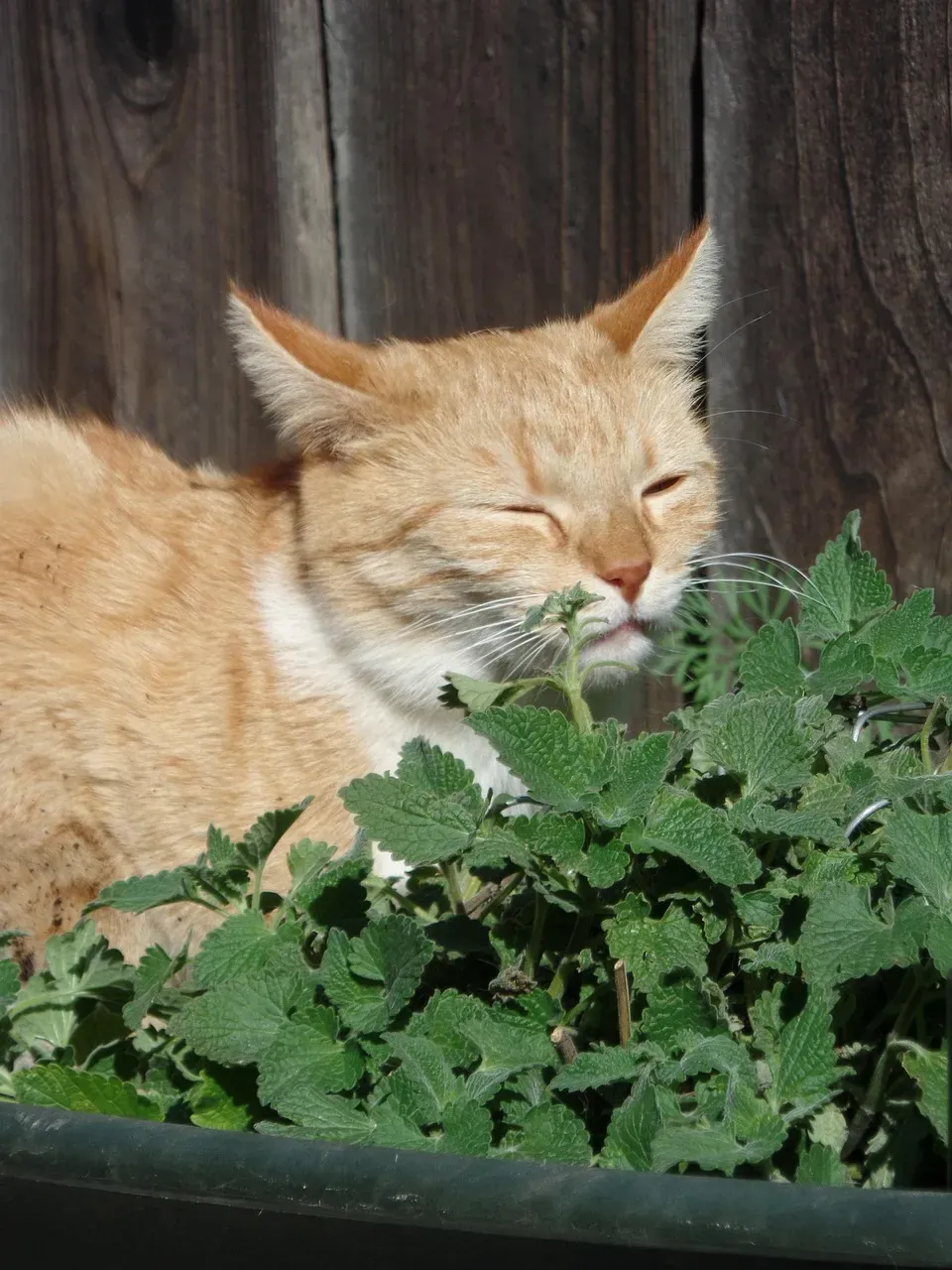
Here’s the thing: catnip isn’t just for entertainment. Catnip has been shown to be highly effective as an insect repellent and has not been blamed for high toxicity. Catnip works as an all-around natural insect repellent that’s already present in many cat products, and you can sprinkle it on your cat’s bedding or carpeted cat tree after washing or vacuuming to remove flea eggs and larvae.
What makes catnip particularly clever is that while your cat might enjoy rolling in it, fleas want nothing to do with it. Small, heavily diluted amounts of catnip oil may be used with guidance from a veterinarian. The plant itself is generally safer than concentrated oils. Consider it nature’s compromise: your cat gets stimulation and entertainment, while fleas get the message to stay away. It’s hard to say for sure, but catnip might be one of the most cat-friendly options available since many felines already have a natural affinity for it.
Geraniol: The Sweet-Smelling Solution
Geraniol is one of the few oils that’s safe for use with cats, its repelling power is proven effective for fleas, ticks, and mosquitoes, and unlike other herbal spot-ons, it features a sweet, enjoyable smell. This might be a scent you’re less familiar with compared to the others, yet it deserves your attention. Derived from geraniums and other aromatic plants, geraniol has gained recognition in natural pet care products specifically formulated for felines.
You should never use full-strength essential oils directly on cats, as spray products are already diluted to safe levels. The beauty of geraniol lies in its effectiveness without the harsh chemical smell that many conventional flea treatments carry. Commercial products containing geraniol have been specifically tested for cat safety, making this option particularly attractive if you’re nervous about experimenting with dilutions yourself. The pleasant fragrance means your home won’t smell like a medicine cabinet, yet fleas will find your cat utterly unappealing.
Conclusion
Natural flea prevention for cats doesn’t have to be complicated or scary. These five scents offer you safer alternatives to chemical-laden treatments while still providing meaningful protection against those blood-sucking pests. Remember that every cat is different, and what works beautifully for one feline might not suit another. Always introduce new scents gradually, watch for any signs of discomfort or adverse reactions, and when in doubt, consult your veterinarian before applying anything new to your cat or their environment.
The most effective approach combines multiple strategies: use these natural scents on bedding, maintain a clean home environment, groom your cat regularly, and stay vigilant about early signs of flea activity. Natural doesn’t always mean instant results, so patience and consistency matter. What’s your experience with natural flea remedies? Have you discovered any surprising solutions that worked for your cat?