You already love your cat. You want them by your side for as many years as possible, watching them curl up in their favorite sunny spot and dash across the room chasing invisible prey. What if some simple changes to their daily routine could add years to their life? Or what if, without realizing it, you’re doing things that could be quietly shortening it?
The average cat lifespan is between 13–17 years. Some cats push well into their twenties, thriving in their senior years with grace and energy. It’s not luck or genetics alone. The everyday habits you practice can make a measurable difference. Let’s explore the most powerful health habits that help cats live longer, and the sneaky ones that can cut their time short.
Regular Veterinary Checkups Keep Trouble at Bay
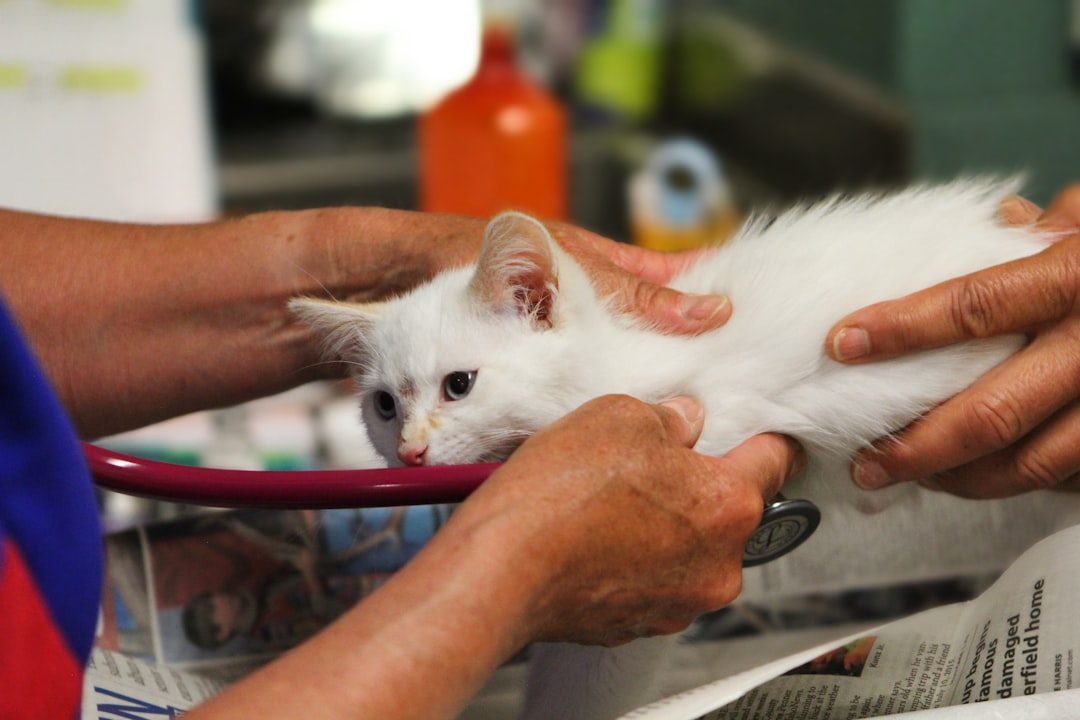
Regular wellness exams and routine lab tests can help veterinarians find and treat many life-threatening health conditions before they become a problem. Cats are masters at hiding pain or illness. By the time you notice something’s off, the problem may already be advanced. Routine visits give vets the chance to catch early warning signs through blood work, physical exams, and discussions about behavior changes.
Think of it as preventive maintenance. You wouldn’t skip oil changes on your car and expect it to run forever, right? Your cat’s body is far more complex. Regular veterinary visits enable early detection and management of chronic conditions, particularly in senior cats. Catching kidney disease, hyperthyroidism, or dental issues early can transform a fatal diagnosis into a manageable condition.
Feeding High-Quality, Meat-Based Diets
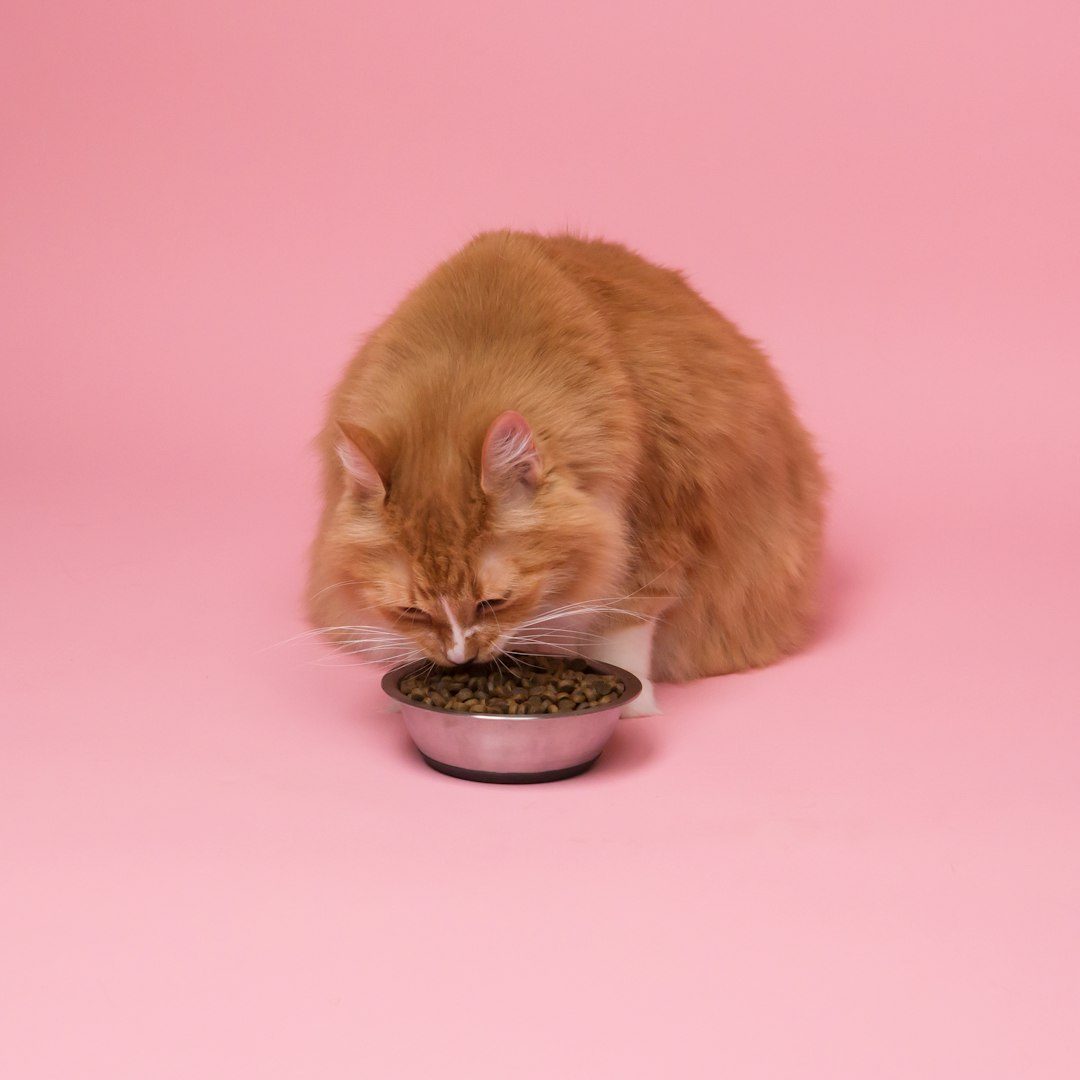
Cats are obligate carnivores. Their bodies evolved to extract nutrients from prey, not grains or fillers. To help your cat live her best life, she needs a high-moisture, species-appropriate diet. Feed her wet and dry cat food, as kibble alone won’t do the trick. Cats are natural carnivores who need plenty of meat in their diet. Low-quality food loaded with carbohydrates and preservatives can lead to chronic inflammation, obesity, and diabetes over time.
Here’s the thing: wet food matters more than most people realize. Wet food contains water. And water is life. Water flushes toxins from the system and keeps organs functioning. Cats don’t have a strong thirst drive since they evolved in arid climates, getting moisture from prey. If you only feed dry kibble, your cat may be chronically dehydrated without you even knowing it. Protein should be the primary ingredient, ideally from real meat sources, not byproducts or mystery meals.
Maintaining a Healthy Weight Through Portion Control

An overweight cat is an unhealthy cat. Carrying a few extra pounds can lead to a host of health conditions, including liver problems, diabetes, and arthritis. Being overweight also puts unnecessary stress on an animal’s joints and organs. Nearly one-third of indoor cats are overweight, and it’s not just a cosmetic issue. That extra weight actively shortens their lifespan.
Honestly, it’s hard to say no when they give you those pleading eyes. Yet portion control and measured meals are some of the most loving things you can do. “Do not allow free-feeding. This leads to weight gain and makes it less likely that you will notice problems right away.” Free-feeding kibble all day makes it impossible to monitor intake. Instead, establish fixed meal times with appropriate portions based on your vet’s recommendations.
Keeping Your Cat Indoors for Safety

On average, indoor cats live 13–17 years. An outdoor cat’s life expectancy, by comparison, is just two to five years. That’s a staggering difference. Outdoor life exposes cats to cars, predators like coyotes, infectious diseases, fights with other animals, and toxic substances. The risks stack up fast.
Indoor cats typically live longer than outdoor cats for many reasons. Keeping them inside doesn’t mean they’ll be bored or unhappy. With proper enrichment like cat towers, interactive toys, puzzle feeders, and even supervised outdoor time in a catio, your indoor cat can lead a fulfilling life. The trade-off between freedom and safety is clear when you look at the numbers.
Spaying or Neutering Your Cat Early
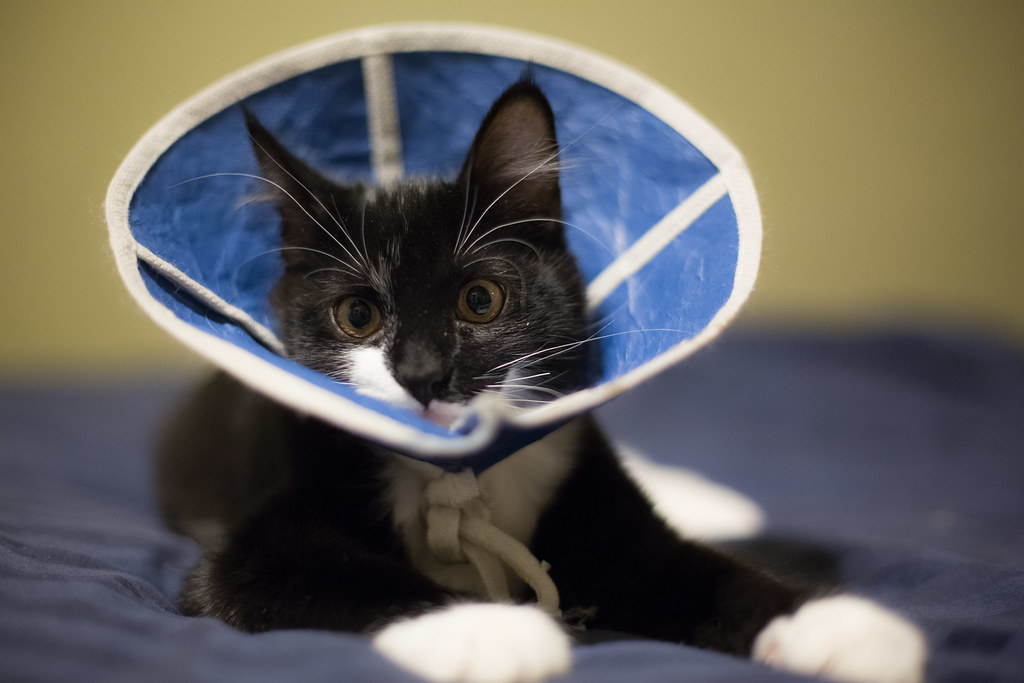
“Neutered male cats live a mean of 62 percent longer than unneutered male cats, and spayed female cats live a mean of 39 percent longer than unspayed female cats.” That statistic is hard to ignore. Spaying and neutering don’t just prevent unwanted litters; they eliminate serious health risks.
Fixing your pet eliminates multiple types of cancers from developing–such as cervical cancer, mammary cancer, or prostate cancer. It prevents other fatal diseases, such as pyometra (a life-threatening infection of the uterus), and also reduces your cat’s desire to fight over a mate, which can result in infected bites and transfer feline leukemia and FIV among cats. The procedure also reduces risky behaviors like roaming and aggression. It’s a straightforward choice with massive benefits.
Overfeeding and Free-Feeding All Day
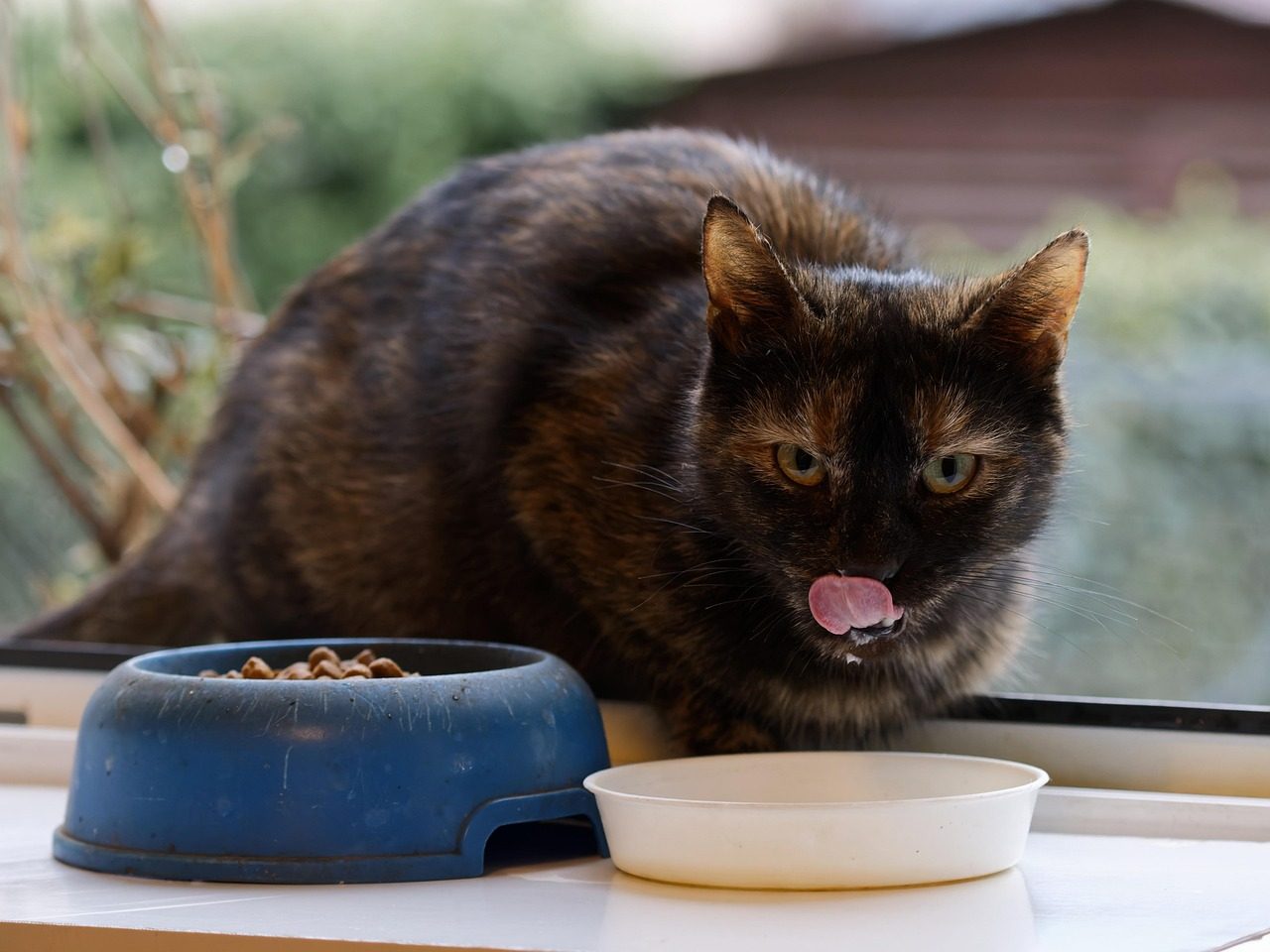
Obesity will shorten your cat’s lifespan greatly, as it puts excess stress on all of the body’s bones, joints and organs. Overfeeding is one of the most common mistakes cat owners make. It feels generous, like you’re showing love through food. In reality, you’re creating a slow health crisis.
Overweight cats are up to four times more likely to develop diabetes. Arthritis becomes common as fat cells release compounds that inflame the joints, making movement painful. Heart disease, respiratory issues, digestive problems, skin infections, and certain cancers all become more likely. All these conditions shorten a cat’s lifespan and reduce their quality of life long before that. Portion control isn’t about deprivation. It’s about giving your cat the best chance at longevity.
Skipping Dental Care and Professional Cleanings
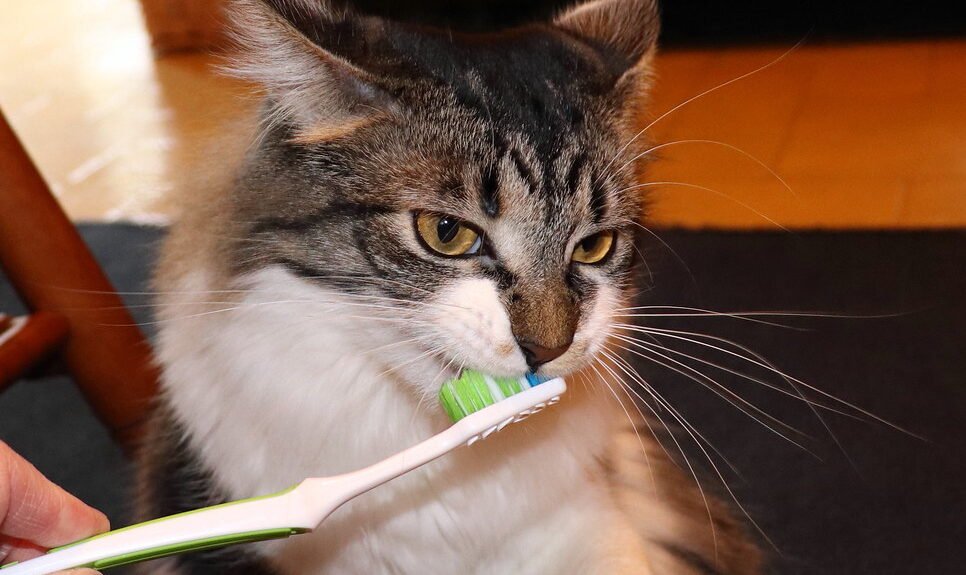
Dental hygiene is about more than quality of life – it can affect how long your cat lives, too. Bacteria from mismanaged teeth can enter your pet’s bloodstream, ultimately causing organ damage and in some cases even premature death. Most people don’t think twice about their cat’s teeth. Yet dental disease is incredibly common, especially in cats over three years old.
Poor dental health can not only cause rotting teeth and gums, it can lead to upper respiratory infections and even heart and kidney disease. Brushing your cat’s teeth daily or scheduling yearly dental cleanings at the vet can prevent years of suffering. I know it sounds crazy, but neglecting dental care is one of the easiest ways to unintentionally shorten your cat’s life.
Allowing Outdoor Access Without Supervision

Cats who spend most of their lives outside and are largely unsupervised have a life expectancy of 2 to 5 years. Outdoor cats are more likely to get stolen, lost, eat something harmful (like poisonous plants) and get into fights with other cats. Not to mention, being an outdoor cat means that cars are a risk. The world outside is full of unpredictable dangers.
Maybe your cat sits by the door every day, begging to explore. Still, the statistics don’t lie. There are more dangers outside for our cats than ever before. Dogs, cars, other cats, coyotes and other wildlife are a huge risk to take as they can all lead to an ugly and untimely death for our cats. If you want to give your cat outdoor experiences, use a leash and harness or build a secure outdoor enclosure. Supervised access lets them enjoy fresh air without the deadly risks.
Neglecting Parasite Prevention
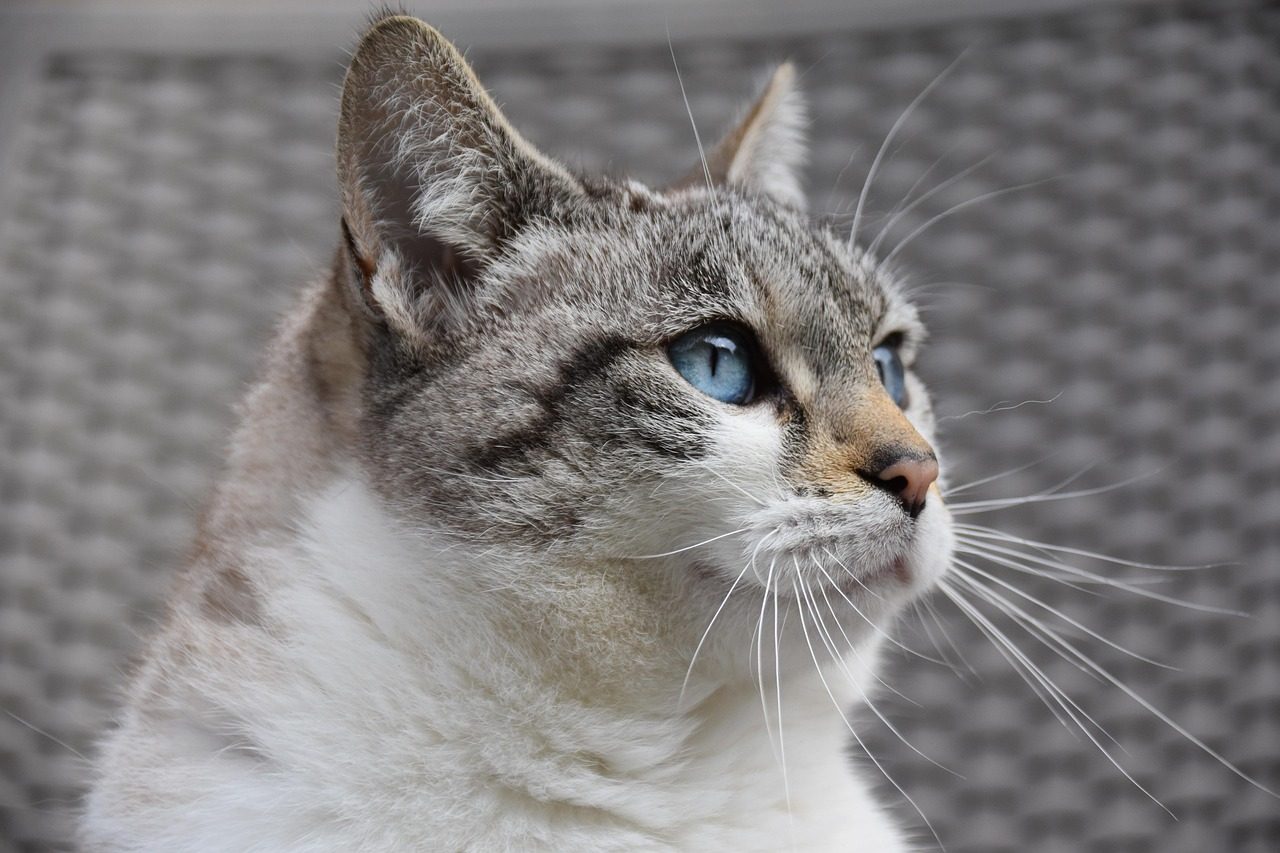
These invisible enemies wage war on your cat’s health every single day. Intestinal worms cause damage to the digestive tract and blood loss. They also interfere with absorption of essential nutrients. The damage accumulates over time, shortening your cat’s lifespan through malnutrition and organ damage. Fleas, ticks, heartworms, and intestinal parasites aren’t just nuisances. They’re silent killers.
Cats can also become infected with heartworms, which are parasites transmitted by mosquitoes. Heartworm disease is common in most of the United States. It is most commonly diagnosed with a blood test and can be prevented by administering monthly medication. Heartworm-associated disease in cats can be quite severe, so prevention is critical. Even indoor cats need year-round parasite prevention. Mosquitoes get indoors, and fleas can hitch rides on clothing or other pets.
Exposing Your Cat to Secondhand Smoke

Cats who live in a smoking household are at a much higher risk of developing lung cancer. Cats living in smoky homes are also 2x more likely to develop lymphoma (a cancer of the lymph nodes), which is often fatal. If you smoke, your cat breathes in those toxins too. They groom themselves constantly, ingesting particles that settle on their fur.
Here’s the thing: cats can’t escape the environment you create for them. They’re entirely dependent on you. Secondhand smoke doesn’t just cause respiratory irritation; it dramatically increases cancer risk. If quitting isn’t possible, smoke outside and away from your cat. Their lungs and lifespan will thank you.
Conclusion: Small Choices, Big Impact
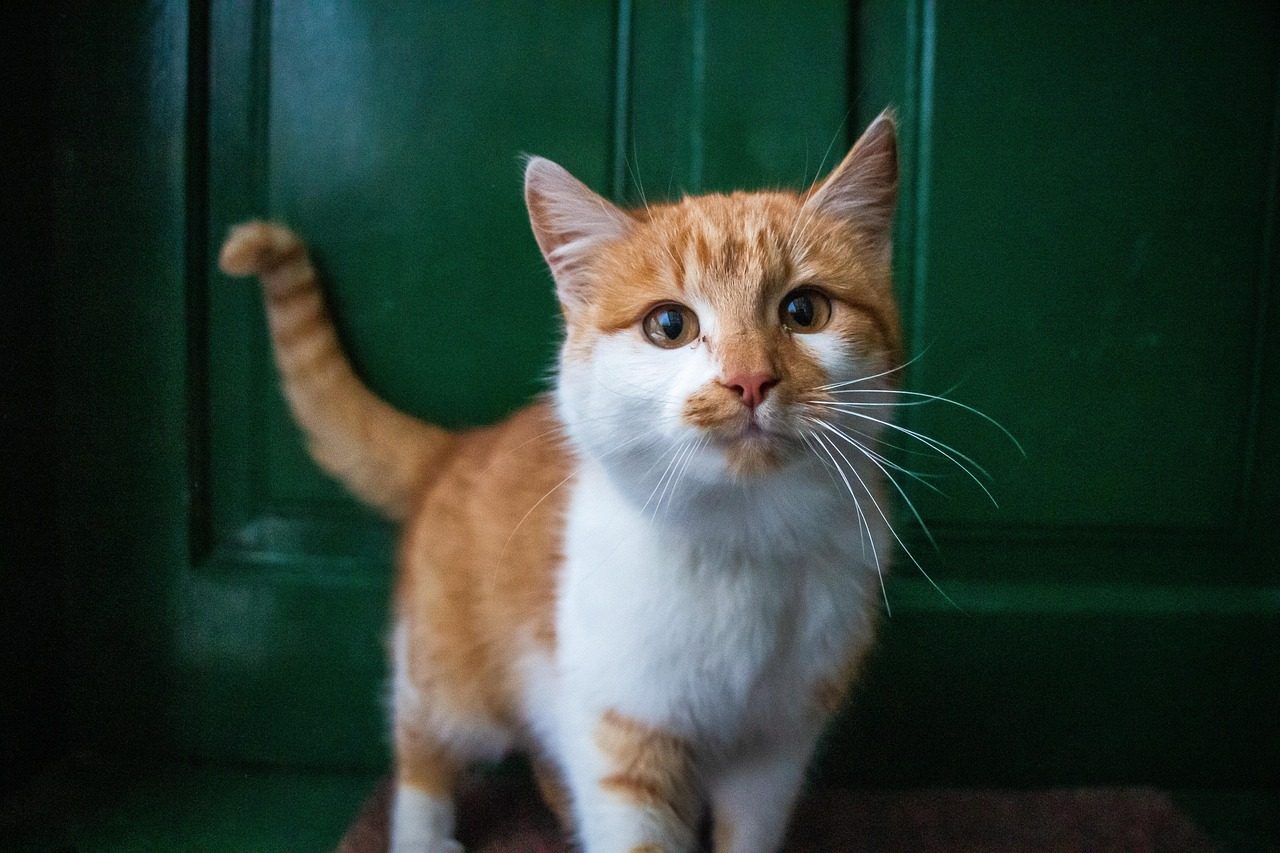
Your cat’s longevity isn’t just about genetics or luck. It’s built day by day through the choices you make. Regular vet visits, quality nutrition, weight management, indoor living, and early spaying or neutering can add years to your cat’s life. On the flip side, overfeeding, skipping dental care, allowing unsupervised outdoor access, neglecting parasites, and exposing them to smoke can quietly steal time away.
The good news? Most of these habits are entirely within your control. You don’t need to be perfect. Just consistent and thoughtful. What would you change today to give your cat a longer, healthier life? Think about it. Your feline friend is counting on you.