You might think your home is a safe haven for your feline companion. The cozy couch, warm sunlit windows, and familiar corners all seem perfectly harmless. Yet beneath the surface of everyday living spaces lurk threats that many cat owners never even consider until it’s too late.
Cats are natural-born explorers with an insatiable curiosity that drives them to investigate every nook, crevice, and surface they can reach. Their agile bodies and fearless personalities mean they’ll climb curtains, squeeze into tight spaces, and taste things we’d never imagine putting in our mouths. This combination of traits, while endearing, can lead them straight into danger. Let’s dive into the hidden household hazards that could be putting your beloved cat at risk right now.
String-Like Objects That Become Deadly Traps
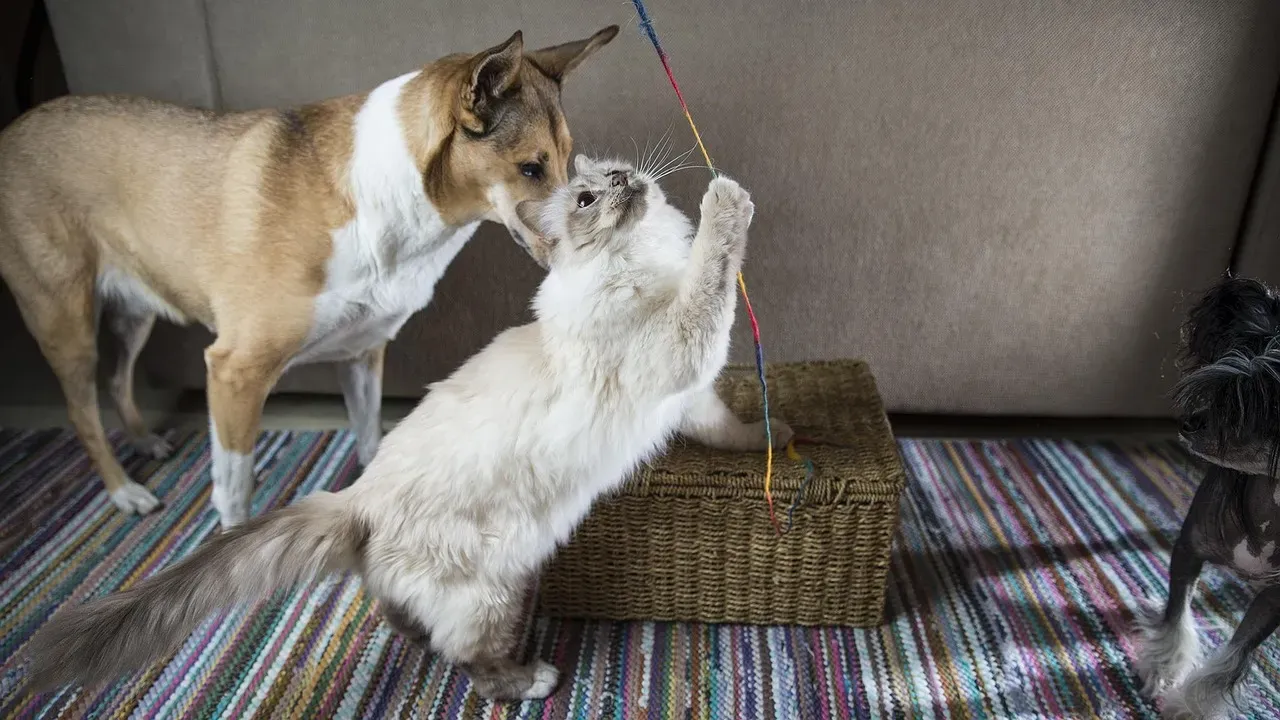
Your cat probably goes wild for a piece of yarn or that dangling phone charger cord. It’s adorable to watch them bat at these items, but here’s the thing: anything long and string-like can be hazardous to cats, as they may get caught in the mouth or throat and cause irritation, and if swallowed they can cause part of the intestine to telescope into itself or act like a cheese-wire and cut through the bowel. This isn’t just a minor inconvenience. We’re talking about emergency surgery territory.
String and string-like items including thread, yarn, dental floss, rubber bands, hair bands, and Christmas tree tinsel are tempting to many cats but they can wreak havoc on the digestive system if swallowed, and lead to costly veterinary surgery. Think about all the places these items hide in your home. That spool of thread in your sewing kit, the dental floss in the bathroom trash, even those hair ties scattered on your dresser. Each one represents a potential trip to the emergency vet. I know it sounds dramatic, but the reality is that cats don’t just play with these objects – they can accidentally swallow them, and their rough tongues make it nearly impossible to spit them back out once they start going down.
Household Cleaning Products Hiding Under Your Sink
Common household cleaners, including kitchen and bath surface cleaners, carpet cleaners, and toilet bowl cleaners, can be toxic to cats. You probably store these products under the kitchen or bathroom sink, thinking they’re safely out of reach. Problem is, cats are masters at opening cabinets, and their grooming habits make them especially vulnerable to chemical exposure.
Here’s what makes this particularly insidious: cats groom themselves by licking, which means that anything the cat walks through, rubs on, or has spilled on it will be licked off and will enter the cat’s digestive system. So even if your cat doesn’t directly drink bleach or toilet bowl cleaner, walking across a freshly mopped floor and then grooming their paws can lead to poisoning. Bleach is harmful if ingested and can cause serious damage to your cat’s mouth, throat, stomach, and intestines. Store all cleaning supplies in locked cabinets, and always keep your cat away from cleaned surfaces until they’re completely dry.
Laundry Appliances That Become Fatal Hiding Spots
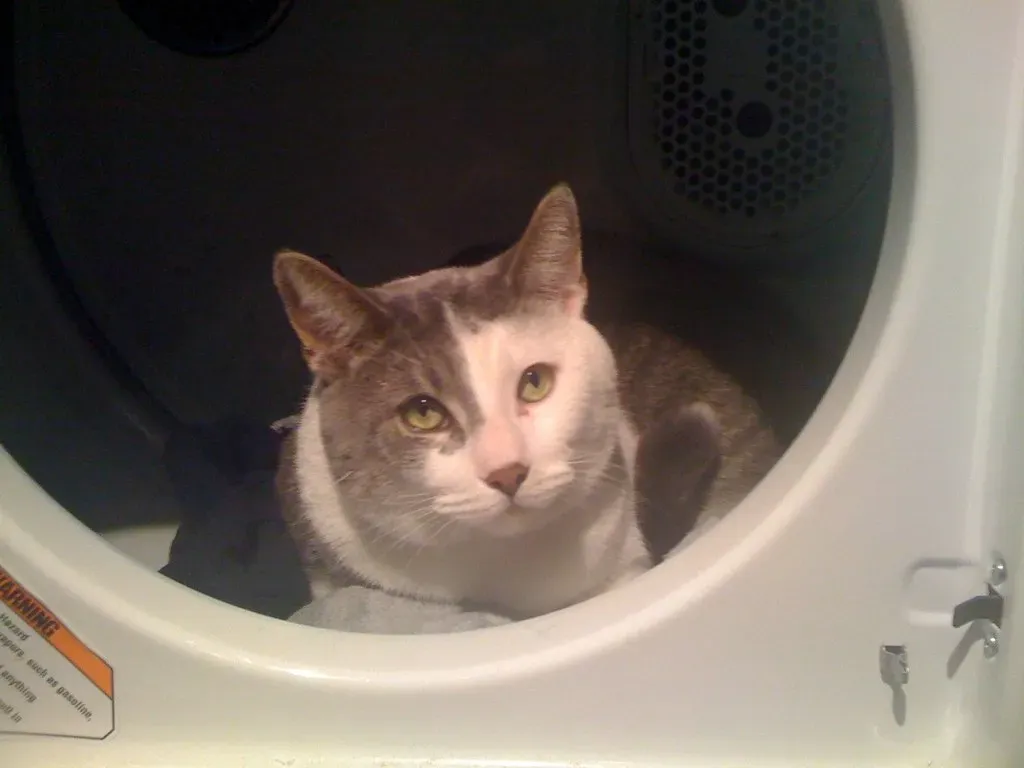
While on the hunt for a small and cozy space to hide in, a cat might end up exploring the inside of a washer or dryer, which can be a dangerous place for a cat, since a pet parent might not notice their cat sneak inside these appliances during laundry day. This happens more often than you’d think. Cats love warm, enclosed spaces, and an open dryer with its lingering warmth from the last load is basically an irresistible cat magnet.
A toasty dryer seems like a comfy place to sleep for cats but it can be fatal if it’s turned on with them inside. The consequences are unthinkable. Make it an absolute rule to check inside every appliance before you start it. Close the doors immediately after loading or unloading, and if you have a particularly sneaky cat, consider keeping the laundry room door shut when you’re not actively using it. Honestly, this simple habit could save your cat’s life, and it takes all of two seconds to develop.
Toxic Plants Sitting Innocently on Your Windowsill
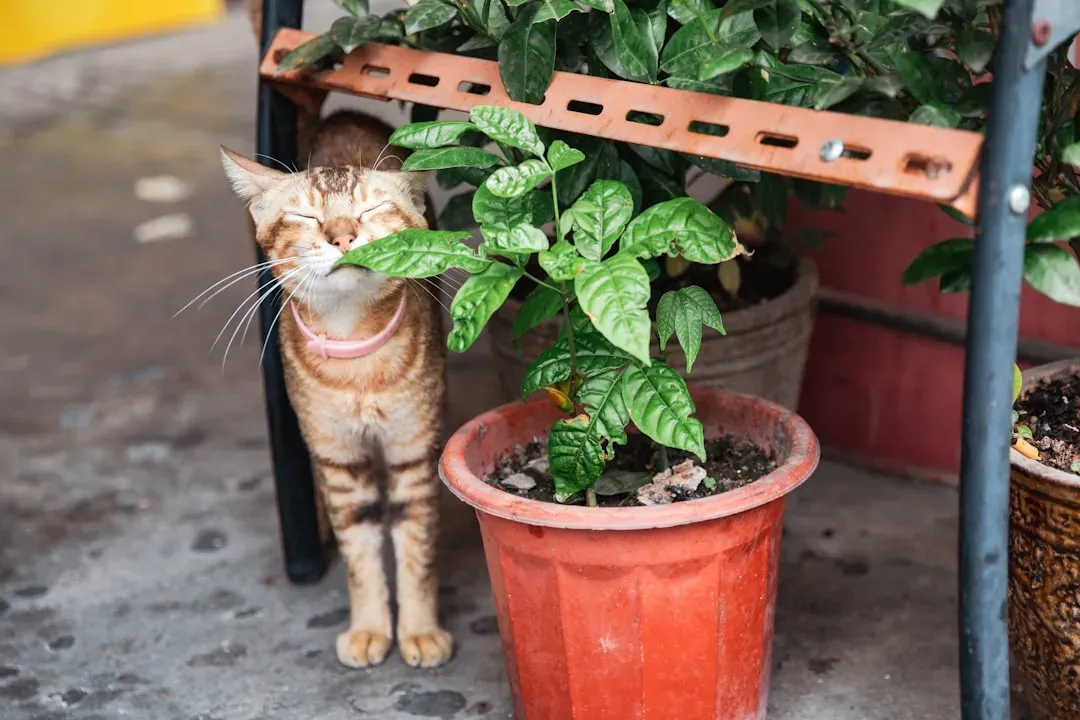
That gorgeous bouquet of flowers or pretty potted plant might be a death sentence for your cat. Lilies are particularly dangerous, as even small amounts of pollen ingestion can lead to kidney failure. We’re not exaggerating here – all parts of certain lily species are so toxic that even brushing against them and then grooming the pollen off their fur can cause fatal kidney damage in cats.
Common plants such as tulips, daffodils, lilies, philodendrons, Dieffenbachia, foxglove, and Japanese yew are very dangerous for cats. The list of toxic plants is surprisingly long, and it includes many popular houseplants and holiday decorations. Plants used for holiday celebrations are particularly deadly, including lilies, mistletoe, holly berries, and poinsettia. Before bringing any plant into your home, research whether it’s safe for cats. Better yet, stick to verified cat-safe options like spider plants or cat grass. Your cat’s natural instinct to nibble on greenery isn’t going away, so you need to make sure they’re only munching on safe options.
Human Medications Left Within Paw’s Reach
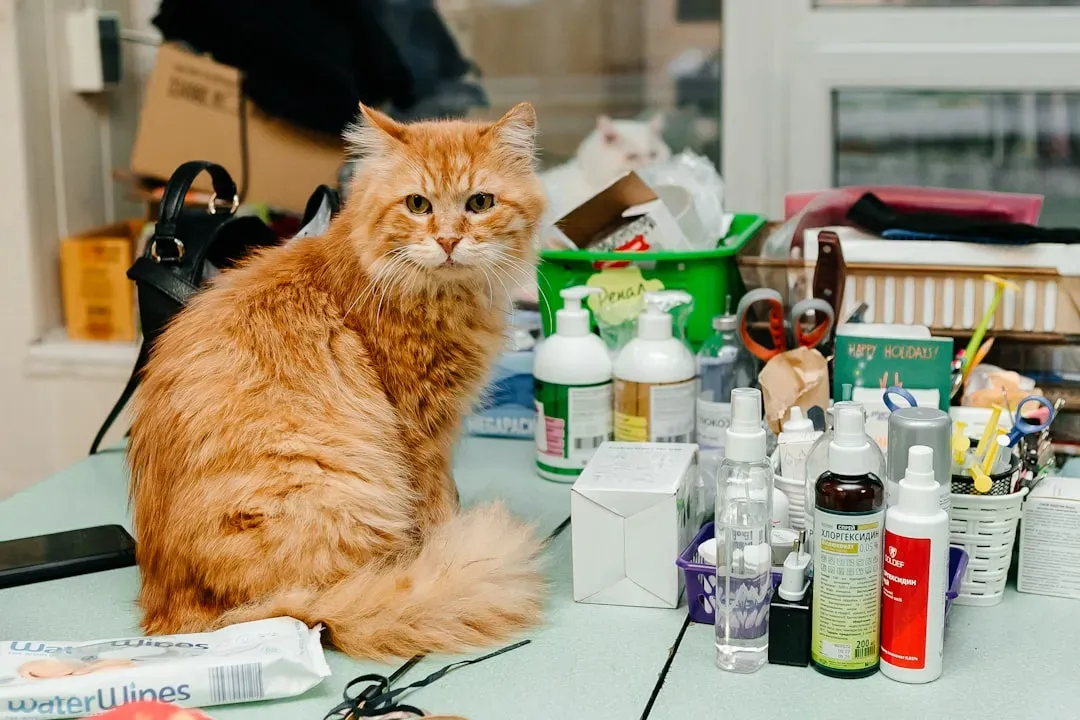
Their inability to metabolise certain toxic substances means that medications that are considered very safe for human beings can be deadly to cats, even in very small doses, and notably, paracetamol, aspirin and ibuprofen are all toxic to cats and should never be given. Even half a pill dropped on the floor can be fatal if your cat finds it first.
The top cat poisoners are over-the-counter and prescription medications, as well as natural supplements. This includes everything from pain relievers to antidepressants to vitamins. Acetaminophen and ibuprofen are highly toxic to cats, and weight loss supplements often contain high levels of caffeine and related compounds that can cause seizures, heart problems, and difficulty breathing. Store all medications – human and veterinary – in secure, cat-proof cabinets. Don’t leave pill bottles on nightstands or countertops, even temporarily. If you drop a pill, find it immediately before your curious cat does. Let’s be real: cats have an uncanny ability to find the one tiny thing on the floor that could harm them.
Keeping Your Curious Cat Safe
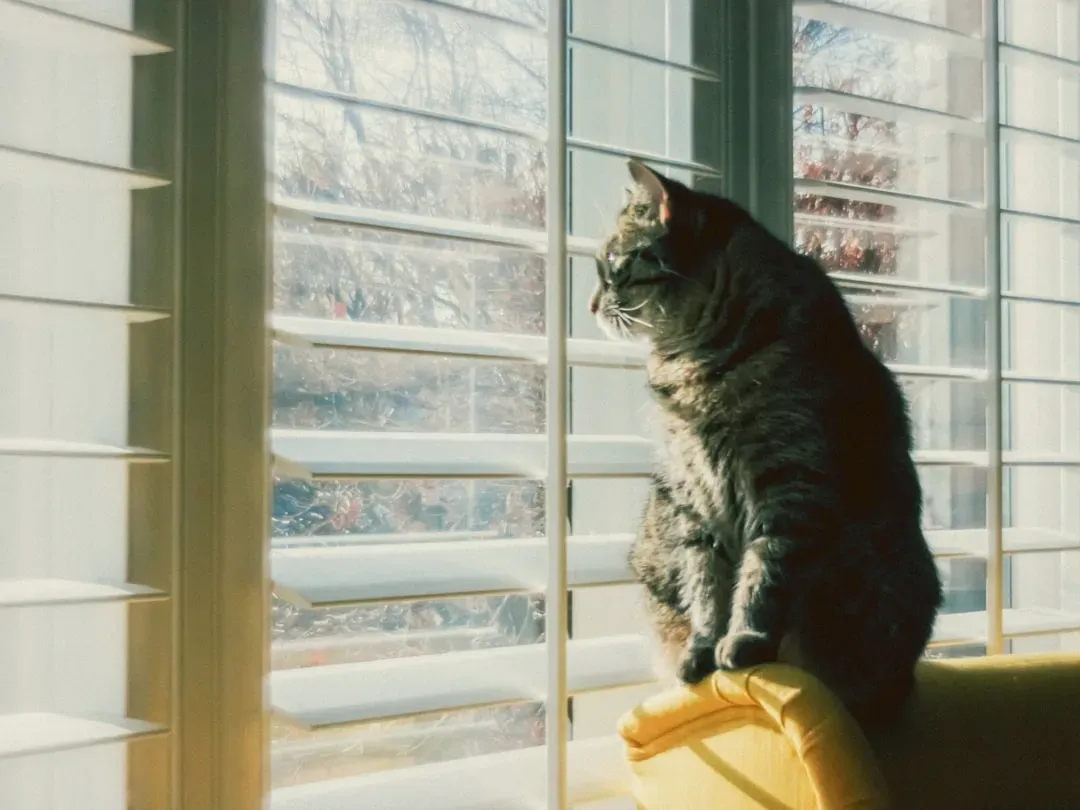
Creating a safe home for your cat doesn’t mean you need to bubble-wrap everything or live in constant fear. It simply means being aware of the specific vulnerabilities cats have and taking practical steps to minimize risks. Walk through your home with a cat’s-eye view – what would tempt you to investigate if you were a curious feline? What could you reach if you jumped on that counter or squeezed into that cabinet?
The good news is that most of these hazards are easily manageable once you know about them. Secure your cabinets with childproof locks. Keep toilet lids down. Check appliances before use. Store medications properly. Choose cat-safe plants. These aren’t complicated measures – they’re simple habits that become second nature once you establish them. Your cat’s safety is worth these small adjustments to your routine.
Remember, cats are masters at hiding illness and injury, which means by the time you notice something is wrong, the situation may already be serious. Prevention truly is the best medicine when it comes to household hazards. Keep emergency contact numbers handy, including your regular vet, the nearest emergency clinic, and poison control hotlines. Quick action can make all the difference.
What surprised you most about these hidden dangers? Take a moment today to cat-proof one area of your home – you might just prevent a future emergency.