You love your cat. You feed them, you cuddle them, you probably even talk to them like they understand every single word you say. Yet despite all that love, your cat might still be quietly, invisibly stressed out – and the surprising twist? You could be the reason why.
Cats are experts at masking discomfort. The domestic cat can be great at hiding signs of stress or signs that they’re in pain; it is in their nature. That means many of the mistakes owners make go completely unnoticed until the cat’s behavior or health takes a noticeable turn. The good news is that once you know what to look for and what to stop doing, things can turn around quickly. So let’s get into it.
1. Forcing Affection When Your Cat Hasn’t Asked for It
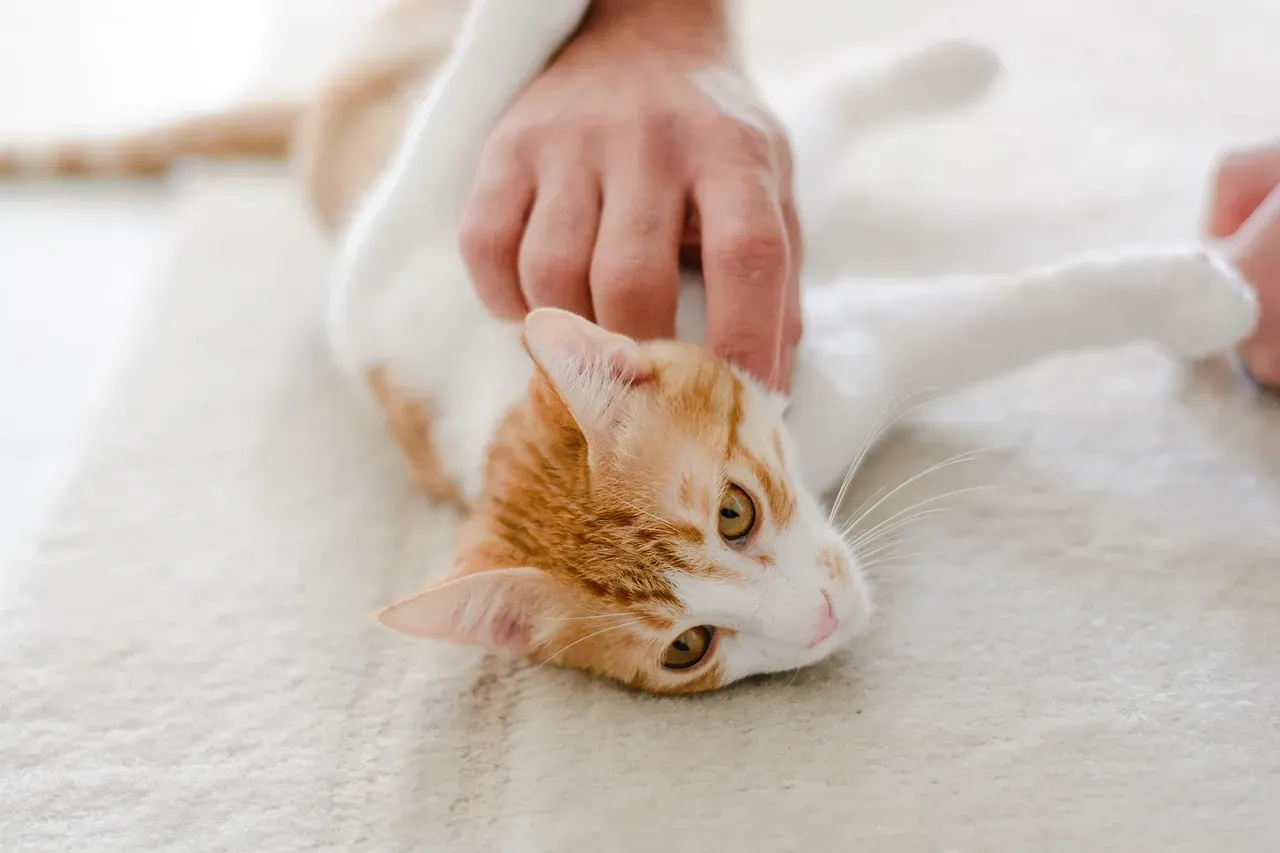
Here’s the thing – cats are not small dogs. They operate on their own terms, and when you override those terms, even with the best intentions, the damage to trust can be real and lasting. Being stroked or picked up when it is not wanted or enjoyed is stressful for cats. Think of it like being hugged by someone you barely know. Technically harmless, right? Yet deeply uncomfortable.
When cats experience forced affection or inappropriate touching, it can lead to various stress-related problems. Chronic stress from poor interactions may manifest as changes in eating habits, litter box avoidance, or increased hiding behavior. Some cats may develop defensive responses, including swatting, biting, or running away when humans approach. You might interpret that swat as attitude. Your cat is actually begging you to read the room.
Successful cat interactions begin with allowing the cat to make the first move. Let your cat come to you. Offer a hand for them to sniff, wait for them to rub against you, and follow their lead entirely. It feels counterintuitive at first, but the bond you build through respect is so much deeper than one built through persistence.
2. Ignoring the Litter Box Setup
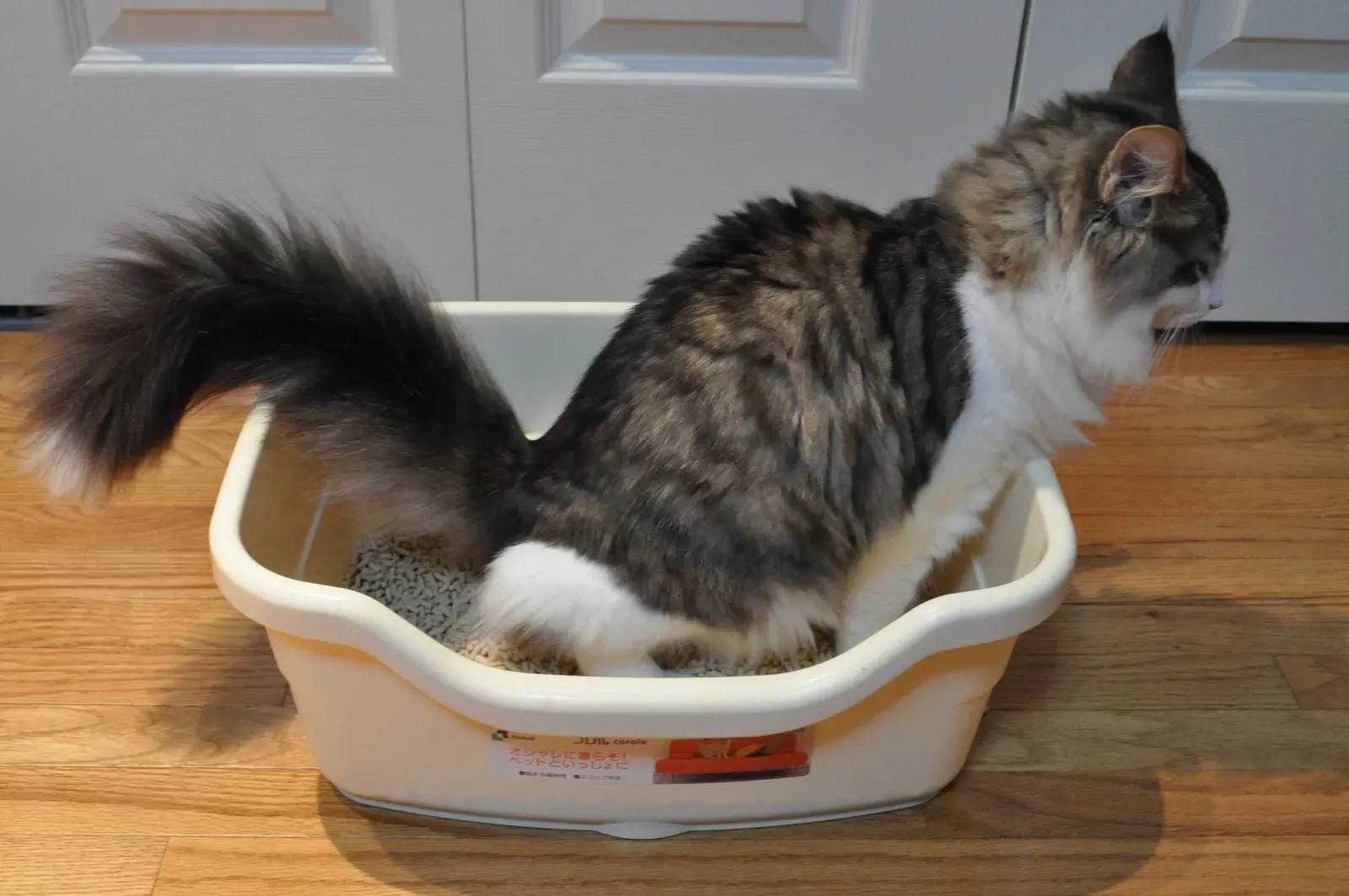
Most people treat the litter box like a set-it-and-forget-it appliance. Clean it when you remember, stick it wherever it’s convenient, and call it a day. Honestly, this is one of the most underestimated sources of feline stress there is. A common mistake is either failing to clean the box regularly or placing it in an area that is too noisy or difficult for the cat to access. Cats are fastidious creatures and may refuse to use a dirty or improperly placed litter box.
This can lead to accidents around the house or, worse, a cat that becomes stressed and anxious. Regular cleaning of the litter box helps prevent odour and ensures your cat is comfortable. Think about it from your cat’s perspective: imagine having to use a bathroom that is never cleaned and positioned right next to the loudest appliance in your home. You would avoid it too.
Clean the litter box at least once a day, and completely change the litter every week. Ensure the box is in a quiet, accessible location where your cat feels safe and comfortable. Placement and cleanliness are not optional extras. They are non-negotiable foundations of a low-stress life for your cat. Get this one right, and you will likely see a noticeable shift in your cat’s overall demeanor.
3. Disrupting Your Cat’s Routine Without Warning
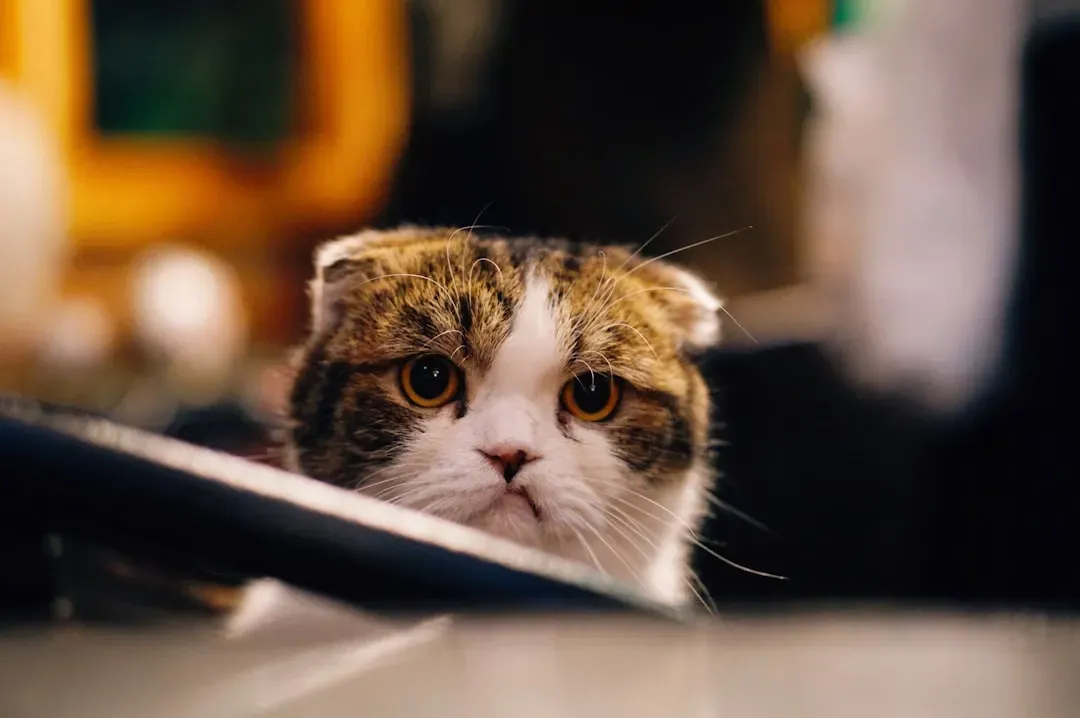
Cats are creatures of habit in a way that most people do not fully appreciate. They map out their world through routine, scent, and familiarity. When you suddenly rearrange the furniture, switch up feeding times, or move their bowls across the room, it registers as genuinely unsettling to them. Small things like moving the furniture around, changing the quality of their litter overnight, or moving their food bowls can induce stress. That sounds almost laughably small by human standards, but cats experience these changes acutely.
One of the main psychological factors that increase the aversive dimension of a given stimulus is a perceived sense of unpredictability and lack of control. In the domestic environment, both changes in the husbandry routine and inconsistency in the owner’s reaction to the cat’s behavior may cause chronic stress. It is not just about what changes – it is about how unpredictable life feels to your cat overall.
Change can be unsettling, so take it slowly. If you have to move food, water, or litter boxes to a new location, try to do it over time. If you’re moving your cat to a new house, start them in a small space, then gradually open up the rest of the house. Slow, gradual transitions are not just helpful for anxious cats – they are the right approach for every cat, no matter how calm they seem on the surface.
4. Providing a Boring, Under-Stimulating Environment
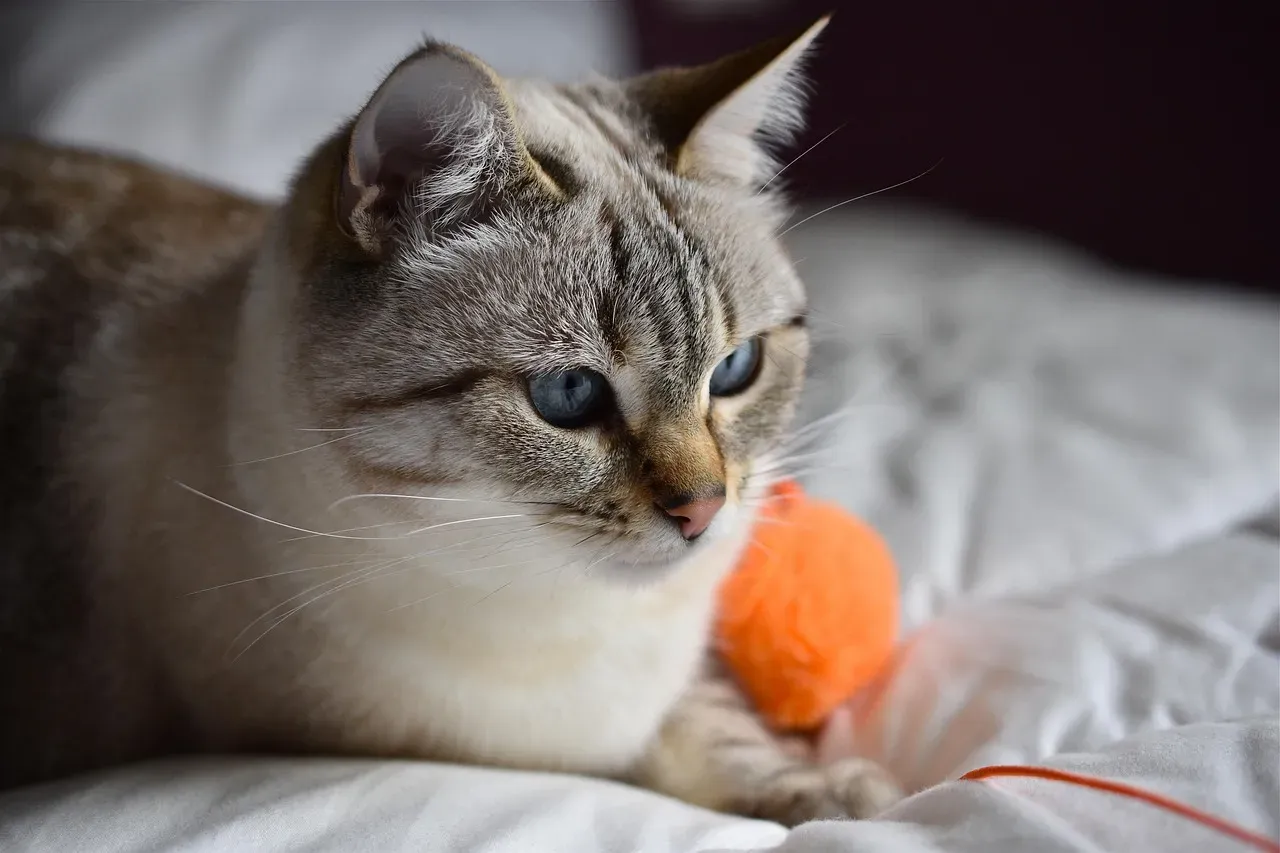
I know it sounds crazy, but a quiet, comfortable home is not automatically a happy one for a cat. Boredom is a genuine stressor. A barren environment that provides few opportunities to express normal behavior may also lead to stress, and promoting the cat’s natural behavior using enrichment strategies has been shown to reduce it. Outdoor cats spend a high proportion of their active time hunting and exploring their territory, and the inability to engage in such behaviors when cats are kept indoors may result in stress-related problems.
Providing entertainment and activity are great for reducing a cat’s stress levels. Running after the elusive red dot or pouncing on the catnip mouse can provide a great workout, which is great for them in and of itself. Playtime is not just cute – it is a psychological necessity. Without an outlet for hunting instincts, your cat essentially lives in a state of chronic, low-grade frustration.
Make sure to interact and play with your cat. Leave fun toys, like catnip mice or food puzzles, to keep them entertained when you are away. Even simple things like a window perch, a crinkle ball, or a cardboard box can make a massive difference. Think of environmental enrichment as mental healthcare for your cat. Skip it, and you are leaving a major need completely unmet.
5. Misreading Stress Signals as “Normal Cat Behavior”
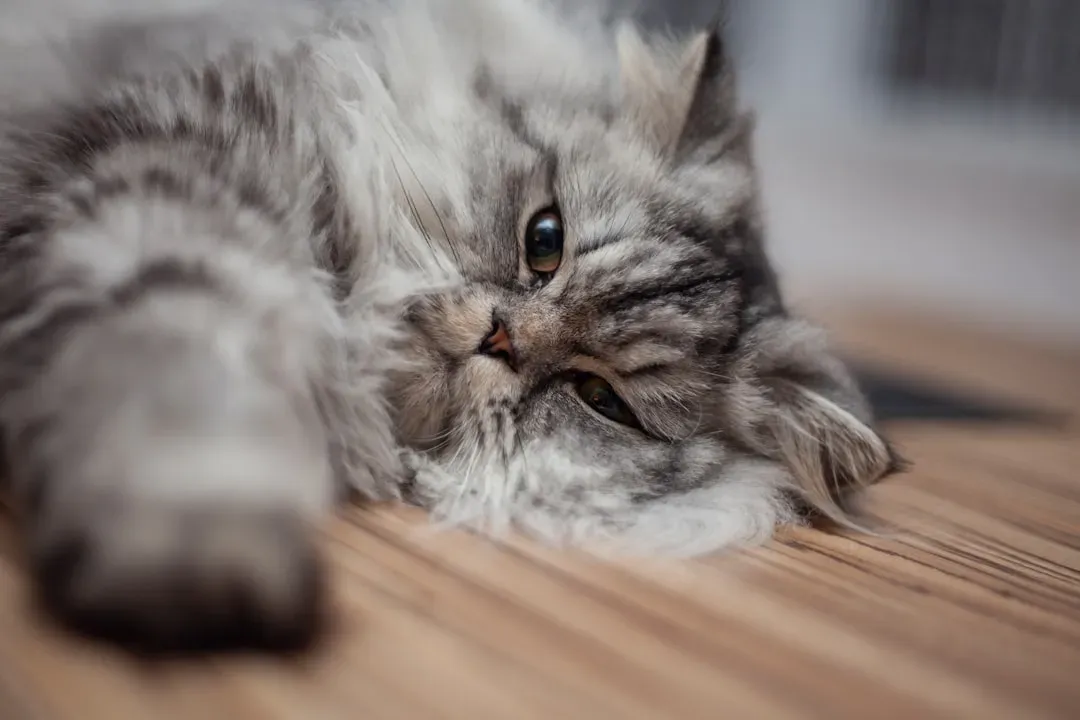
This might be the sneakiest mistake of all. Because cats are so naturally mysterious and independent, owners routinely explain away warning signs with a casual, “Oh, that’s just how cats are.” The truth is, cats are masters at hiding their discomfort. Unlike dogs who might whimper or seek comfort, cats often express stress through subtle changes that we have learned to accept as part of their mysterious nature. The result is that real distress goes unaddressed for months, sometimes years.
Cats’ chronic stress signs are typically more subtle, including hiding more than usual, changes in interaction depending on their personality, decreased appetite, heightened awareness where they become hypervigilant and easily startled, and decreased playfulness. If your cat suddenly becomes extra clingy or extra withdrawn, that shift in behavior is communication. Your job is to pay attention.
Experts have found that prolonged stress can compromise a cat’s immune system, leading to more frequent health issues. Recognizing early signs of anxiety allows caretakers to intervene promptly, potentially preventing more serious behavioral or medical complications. The earlier you catch stress signals, the easier and faster the recovery. If you observe potential stress signals, first consult your veterinarian to rule out medical causes. Then, take time to evaluate potential stressors in your cat’s environment. By becoming fluent in your cat’s subtle communication cues, you are taking an important step toward ensuring their physical and emotional wellbeing for years to come.
Conclusion
The most humbling part of being a cat owner is accepting that good intentions are simply not enough. Your cat needs you to be observant, consistent, and respectful of their very particular way of experiencing the world. The mistakes covered here are not signs of being a bad owner – they are signs of being an uninformed one, which is a completely fixable problem.
Small adjustments, like letting your cat come to you, keeping that litter box spotless, maintaining a predictable routine, adding enrichment, and actually learning to read feline body language, can transform your cat’s quality of life. If you can care for your cat and respect their needs, both as a species and as an individual, you stand the best chance of preventing or reducing chronic stress. That is the whole game, really.
Your cat cannot tell you they’re stressed. They can only show you – in ways both quiet and unmistakable. The question is: are you paying close enough attention? What do you think – have you ever unknowingly made one of these mistakes? Share your thoughts in the comments below.