You might think you know everything about your senior cat. After all, you’ve been sharing a life together for years. Yet here’s the thing: so many well-intentioned cat owners unknowingly believe myths that can actually prevent their aging felines from getting the best care possible. These misconceptions often lead to overlooked health problems or missed opportunities to make your cat’s golden years truly comfortable.
Let’s be real, cats are masters at hiding discomfort. That’s exactly why separating fact from fiction matters so much right now. What if that behavior you’ve been dismissing as normal aging is actually something your vet could treat? So let’s dive into the most common myths about senior cats and uncover what’s really going on with your furry companion.
Myth 1: Slowing Down Is Just Normal Aging, Nothing to Worry About
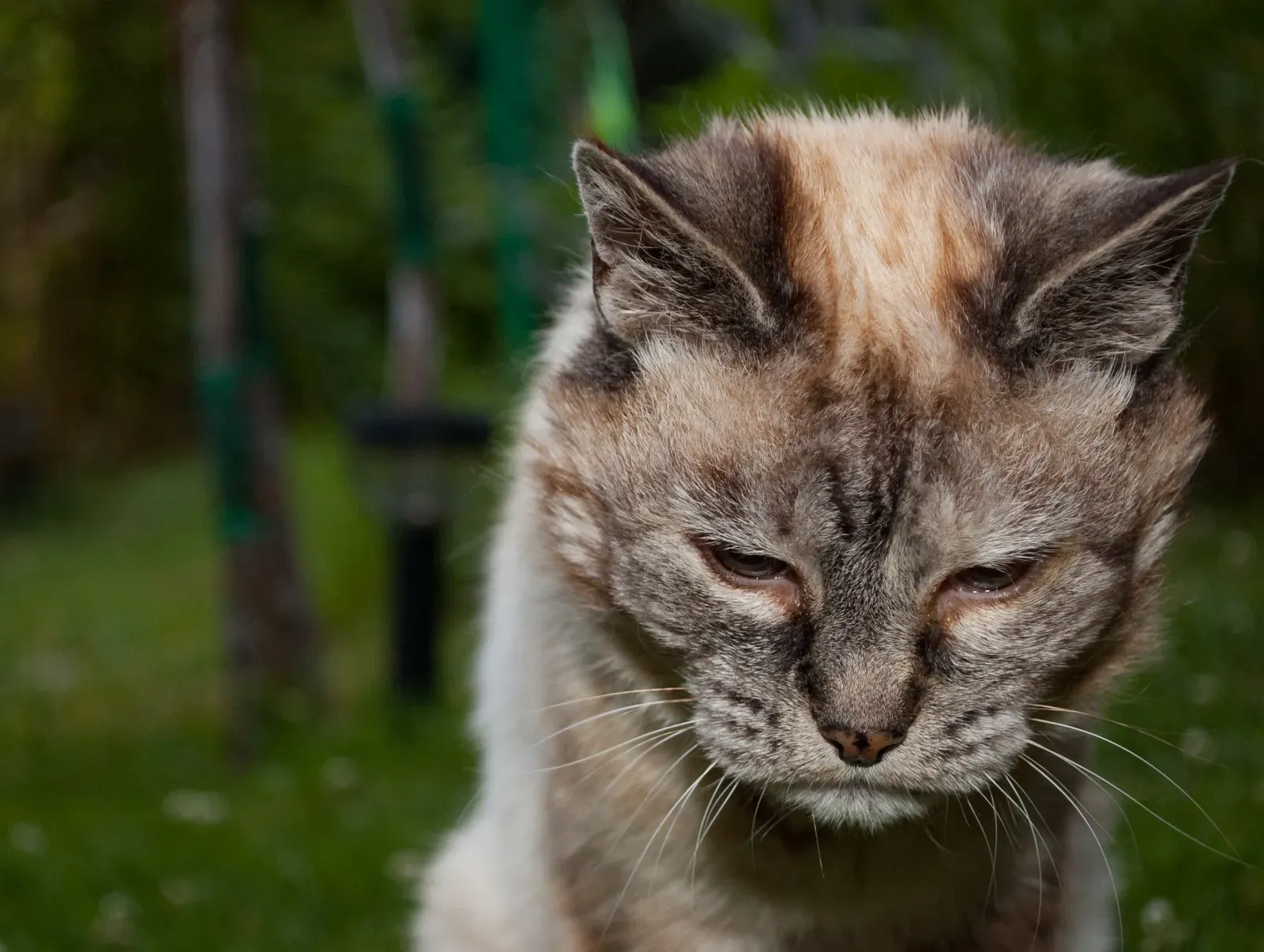
Many people assume it’s normal for geriatric cats to slow down, but this oversimplification can be dangerous. Aging itself is not a disease, and while senior cats are more likely to get different conditions, some older cats are perfectly normal and don’t change at all. Here’s where things get interesting: that decrease in activity you’re noticing might not be your cat gracefully accepting their age.
Many cats experience arthritis pain that’s subtle enough that owners don’t notice it, but this pain is never normal. Your cat might be avoiding jumping onto furniture not because they’re choosing to be lazy, but because their joints hurt. Health or behavior changes shouldn’t be chalked up to old age, as such changes can be signs of common diseases or dental problems that should be addressed by your veterinarian. Think of it this way: if you suddenly stopped doing your favorite activities, wouldn’t you want someone to investigate why?
Myth 2: Senior Cats Don’t Need to Play Anymore
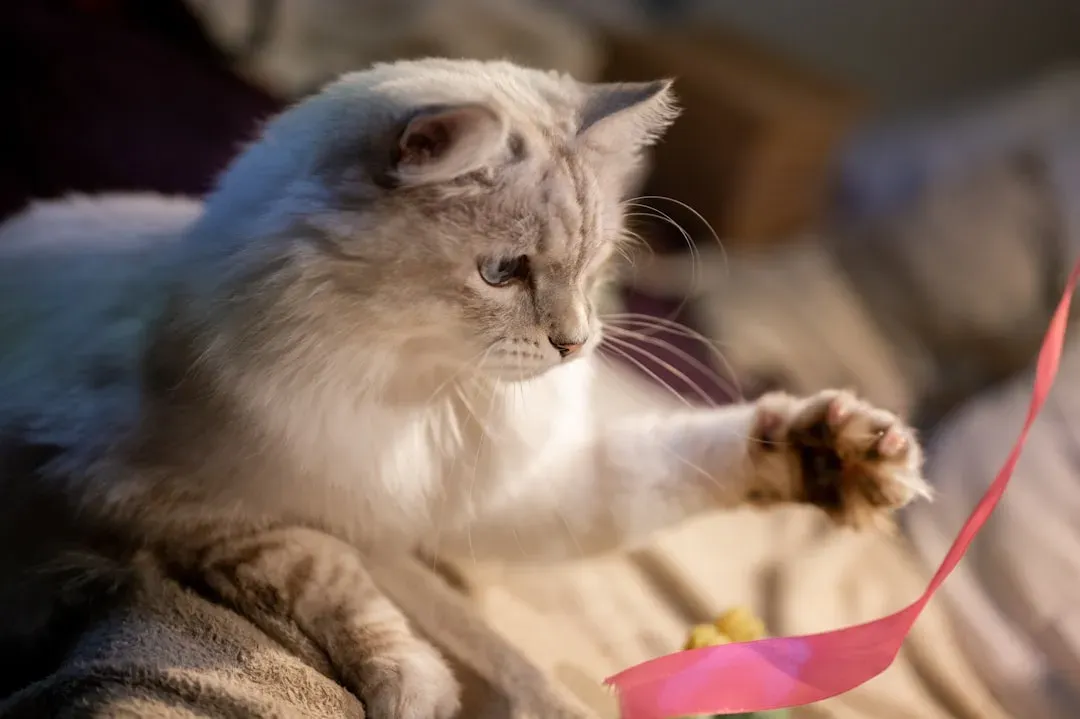
This myth frustrates me because it robs older cats of so much joy. While many cats do slow down with age, senior cats can be just as playful as kittens and younger cats, and all healthy cats require regular playtime and exercise with no exception. Sure, they may not have the same stamina, but playtime remains essential to their physical health and wellbeing.
Your senior cat might prefer gentler play sessions or shorter bursts of activity. You can help your aging cat stay sharp by keeping them mentally and physically stimulated through toys, walks, getting them outside, and placing perches in areas that allow them to watch the world around them. I know it sounds crazy, but that grumpy fifteen-year-old cat might actually perk up with the right toy or game. Honestly, dismissing their need for stimulation can contribute to cognitive decline and depression.
Myth 3: Old Cats Become Mean and Grumpy
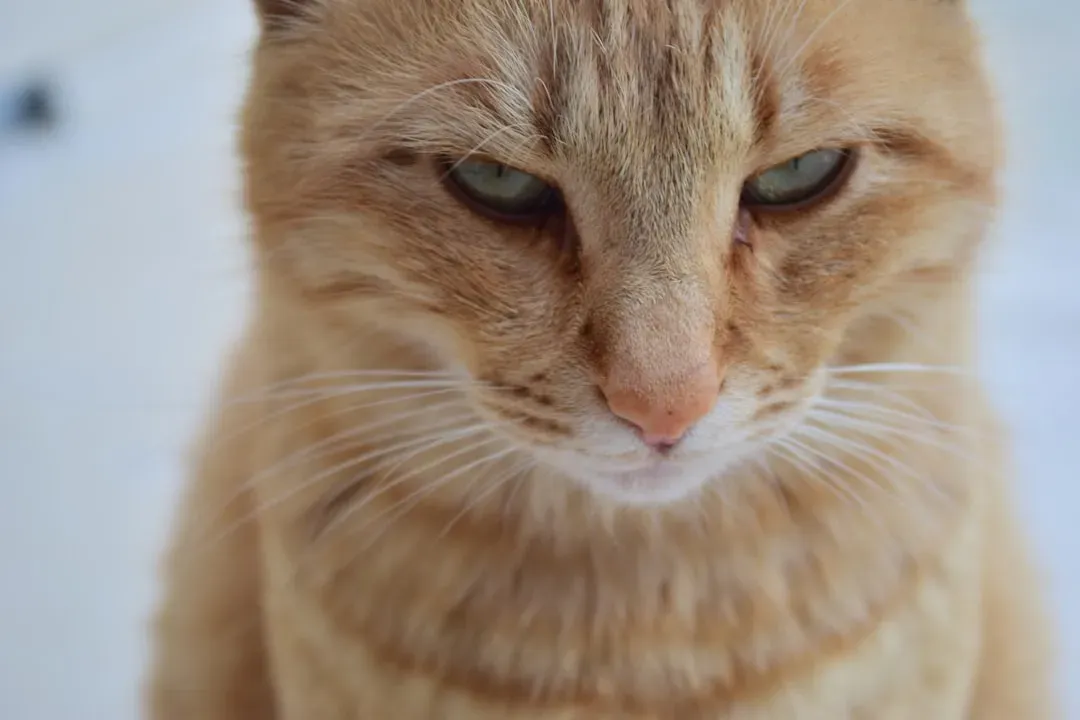
Let’s dispel this nasty stereotype right now. The misconception that older cats become grumpy is simply not true, as many senior cats actually mellow out as they get older, seeking more affection from their human companions. If your senior cat seems angry or aggressive, there’s usually a reason behind it.
If your senior cat seems angry or mean, it may be because of something in their environment or pain and discomfort they are feeling from aging, and changes in temperament should be discussed with a vet in case of an underlying health issue. Dental disease, arthritis, or other painful conditions can make even the sweetest cat react defensively. Some cats may need more emotional support as they age and others may prefer to be left alone, and they may become more dependent on relationships and require more attention. Your cat isn’t being difficult – they’re communicating the only way they know how.
Myth 4: Senior Cats Can’t Adapt or Learn New Things
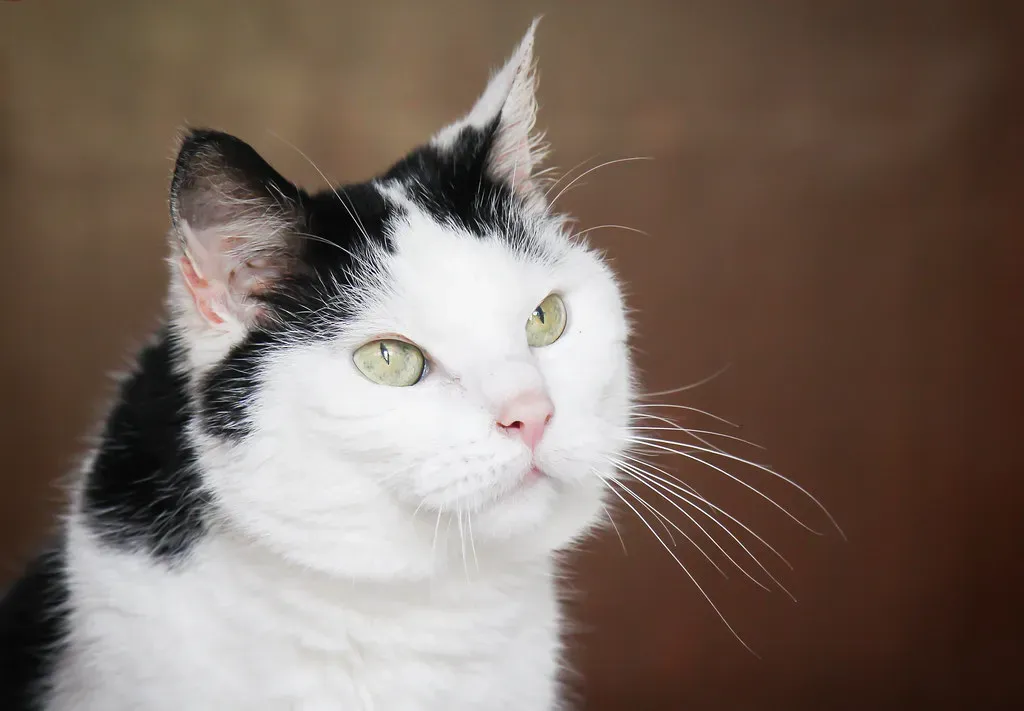
Here’s something people get wrong constantly: assuming older cats are set in stone. Cognitive decline affects more than half of cats aged 11 to 15 years and more than 80% of cats aged 16 to 20 years, with memory, ability to learn, awareness, and sight and hearing perception all potentially deteriorating. Yet cognitive decline doesn’t mean your cat is completely incapable of adapting.
Don’t assume that your cat is just getting old and nothing can be done to help, as many changes in behavior are signs of treatable medical disorders with a variety of therapies that can comfort your cat and ease symptoms. Environmental modifications work wonders. Providing ramps to favorite spots, adding extra litter boxes on each floor, or placing nightlights for cats with vision issues helps them navigate their world successfully. It’s hard to say for sure, but with patience and the right adjustments, senior cats can absolutely learn to use new resources and adapt to changing needs.
Myth 5: Weight Loss in Senior Cats Is Expected and Normal
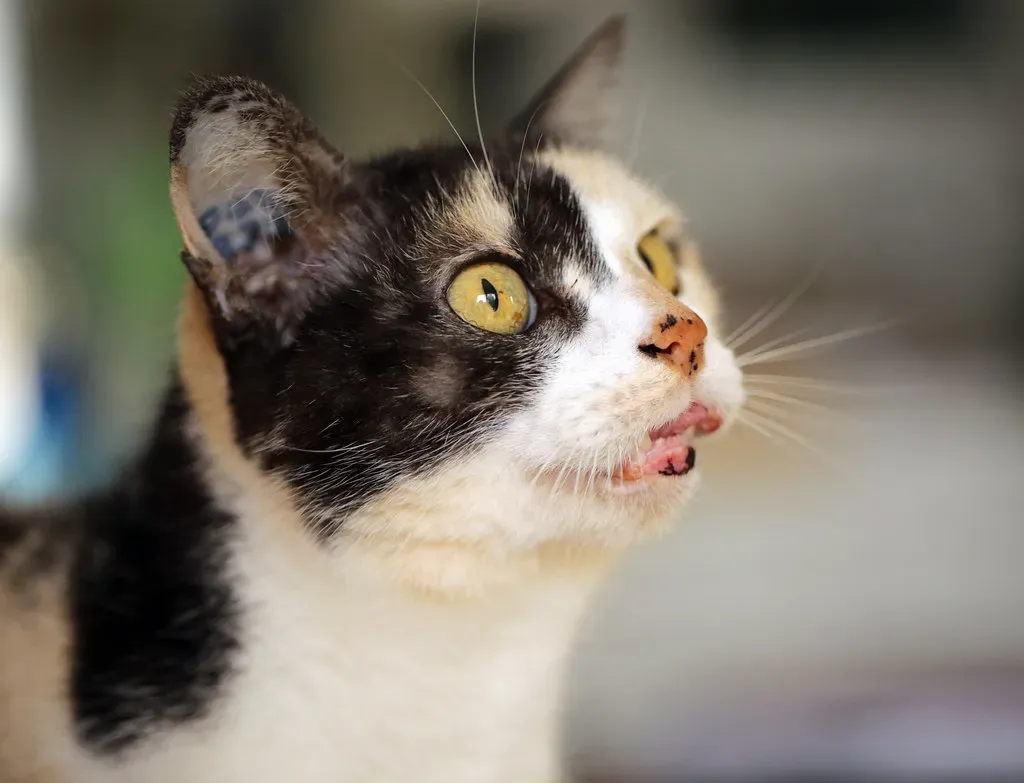
This might be the most dangerous myth of all. Significant weight loss or muscle loss in senior cats is common but not normal, and can be due to conditions including chronic kidney disease, hyperthyroidism, diabetes, inflammatory bowel disease, cancer or arthritis. Roughly speaking, if you can suddenly feel your cat’s spine or ribs more prominently, something needs attention.
If your geriatric cat is not eating well or losing weight, bring this to the attention of your vet so necessary diagnostic tests can be run, as the sooner these conditions are diagnosed and treated, the more comfortable your cat will be. On the flip side, many cats get heavier or even obese as they age, and you should ask your veterinarian to help modify the diet so normal body condition can be restored. The key takeaway? Any significant weight change deserves investigation, not acceptance.
Conclusion
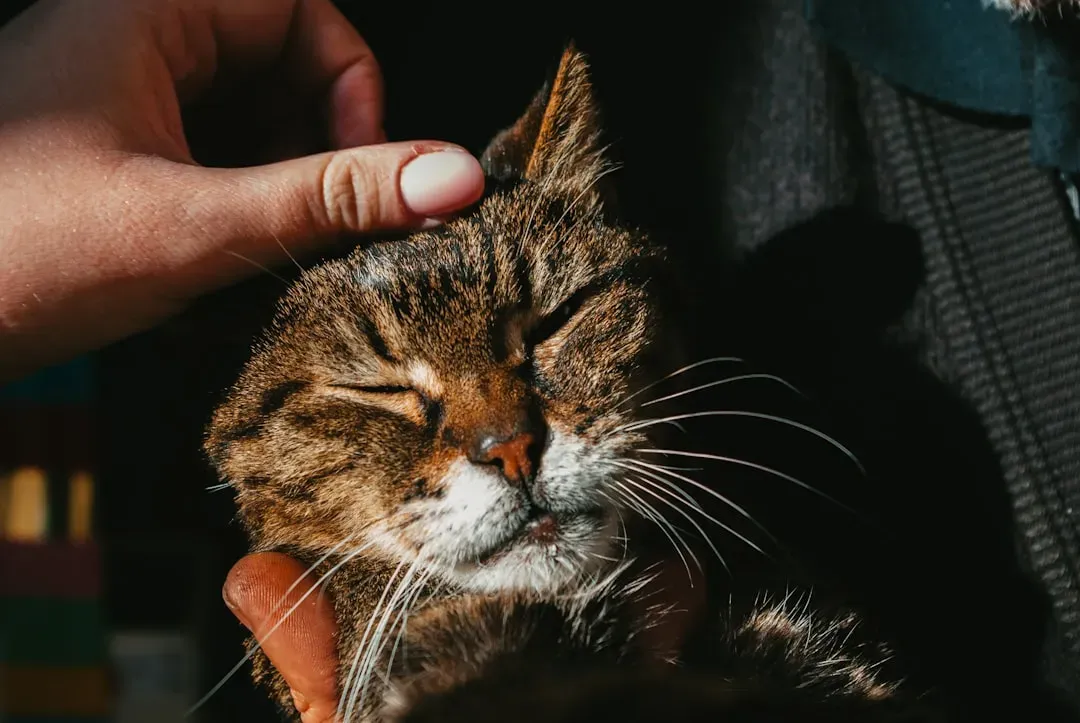
Your senior cat deserves the same quality of life they enjoyed in their younger years. The myths we’ve debunked today aren’t just harmless misunderstandings – they can genuinely impact your cat’s health and happiness. Remember that behavioral changes, decreased activity, personality shifts, and weight fluctuations often signal treatable conditions rather than inevitable aging.
It’s not unusual for veterinarians to have feline patients in their twenties, as cats live longer now and are considered older at 12 to 14 years thanks to improved nutrition, living indoors, and advances in veterinary medicine. With attentive care and regular veterinary checkups, your aging feline friend can enjoy many comfortable, contented years ahead. What changes have you noticed in your senior cat that you’d dismissed as normal aging? It might be time for a vet visit to find out what’s really going on.