You love cats. Let’s be honest, we all do. Those adorable faces, those expressive eyes, that captivating personality. There’s something magical about sharing your home with a feline companion. Still, here’s the thing most people don’t realize until it’s too late: some of the very traits we find so appealing in certain cat breeds are actually causing these animals immense, lifelong suffering.
We’ve bred cats to look more “unique,” more Instagram-worthy, more striking at cat shows. In doing so, we’ve created genetic nightmares disguised as designer pets. These cats aren’t just dealing with minor inconveniences. We’re talking about chronic pain, mobility problems, breathing difficulties, and lives cut dramatically short. It’s time we had an uncomfortable conversation about the real cost of aesthetics in cat breeding.
The Flat Face Problem in Persian and Exotic Breeds
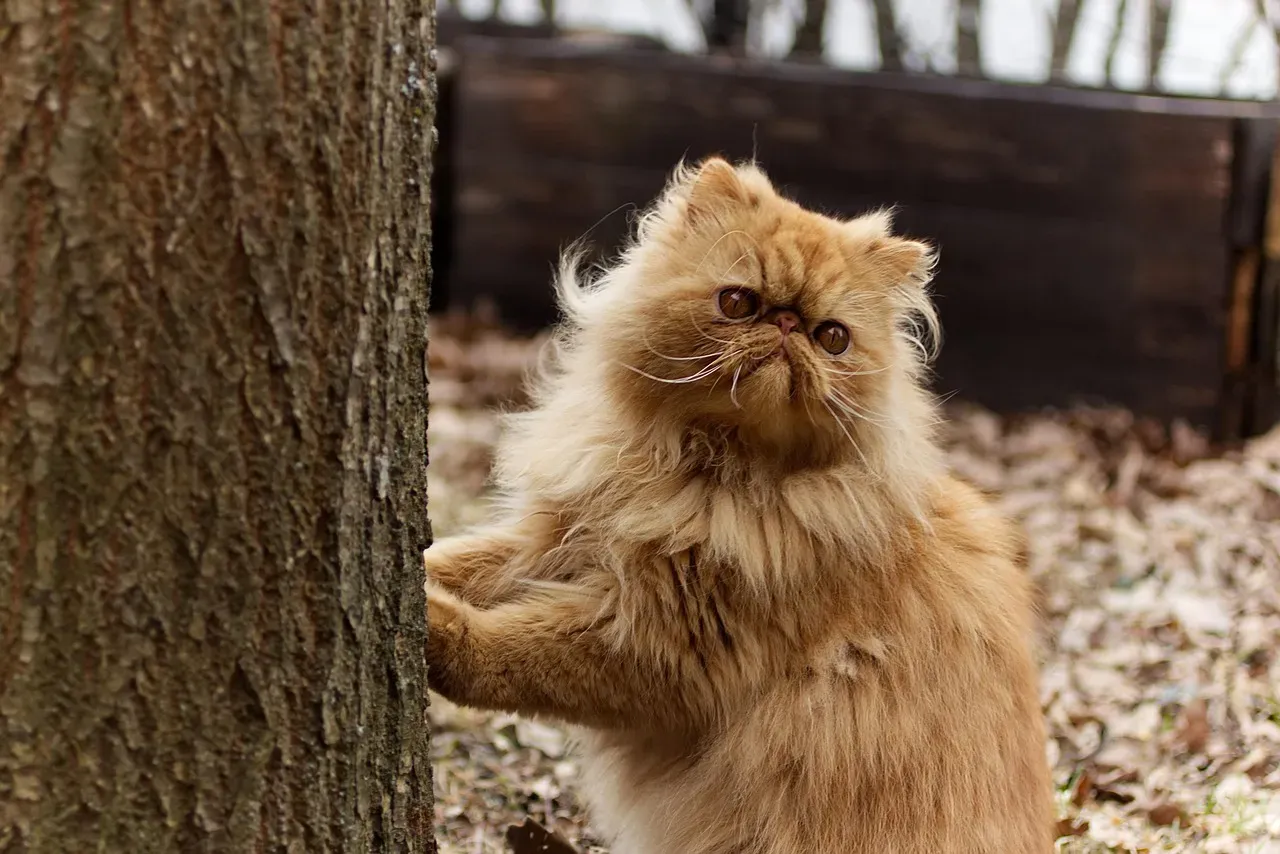
Persian cats and other brachycephalic breeds have been bred to have extremely flat faces, which leads to a host of serious health conditions. Think about it: we’ve essentially crushed these cats’ skulls inward to achieve a certain look. Cats with flat faces struggle with breathing difficulties due to narrowed nostrils, narrow nasal passages, and elongated soft palates. Some of these poor creatures spend every single moment of their lives fighting for breath.
The health problems extend beyond breathing to include dental disease, protruding eyes prone to ulcers, tear duct blockages causing chronic facial staining, and skin infections in facial folds. Extremely flat-faced Persians can have lifelong problems with breathing, eating, drinking, and vision. Imagine not being able to eat properly because your face has been deformed for human preference. When flat-faced cats become overheated, they struggle to catch their breath, and heatstroke becomes a genuine risk since they can’t cool themselves effectively.
Scottish Fold Ears Hide a Painful Secret

Those adorably folded ears that make Scottish Folds look like owls? They’re the visible sign of a devastating genetic disorder. Osteochondrodysplasia affects cartilage throughout the body, causing severe distortion of limb bones and crippling, painful arthritis that can appear as early as seven weeks of age. Let me be clear about this: there’s no cure.
Research has confirmed that all Scottish Fold cats are affected by osteochondrodysplasia, a developmental abnormality affecting cartilage and bone development throughout their bodies. The condition is characterized by skeletal deformities including short, thick, inflexible tails, shortened splayed feet, lameness, reluctance to jump, and stiff, stilted gait. There are no carriers of the gene who aren’t themselves affected – every folded-eared cat develops this condition to some extent.
Several countries have actually banned breeding Scottish Folds because the welfare concerns are so severe. Austria, Belgium, the Netherlands, Norway, and parts of Australia have enacted legal bans on breeding these cats due to the deformities and pain caused by their genetic mutation. When governments start stepping in to protect cats from breeders, you know we’ve gone too far.
Munchkin Cats and the Dwarfism Dilemma
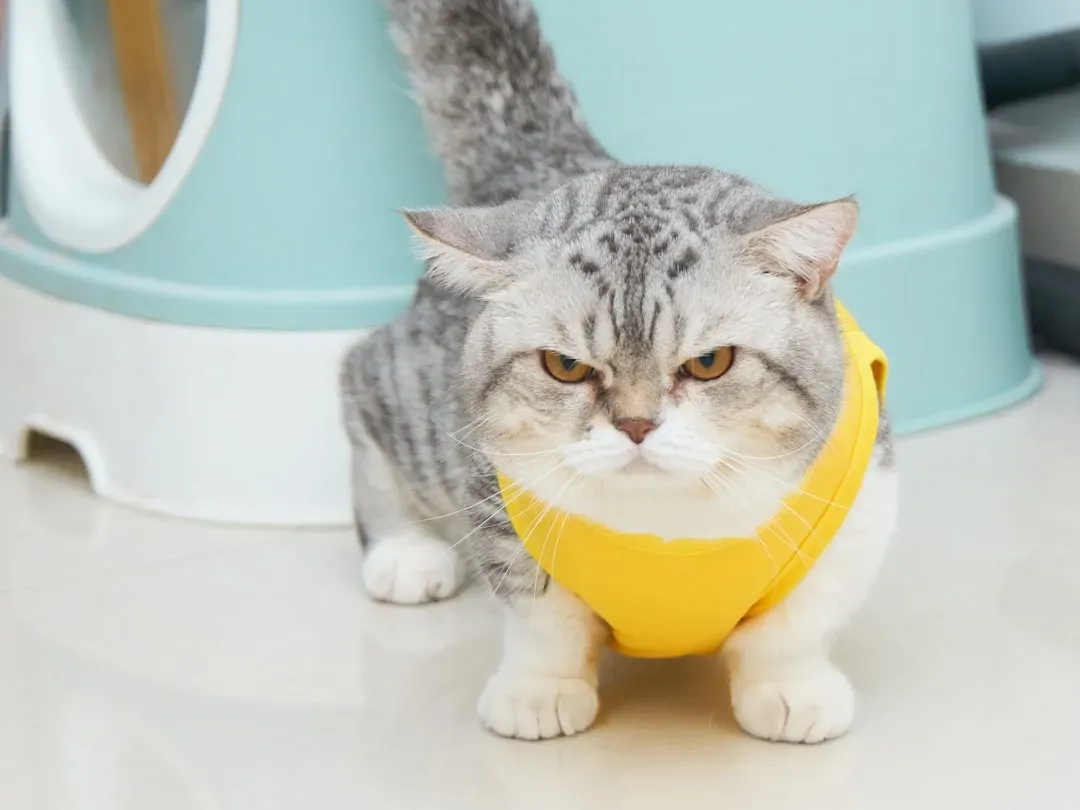
Munchkin cats with their stubby little legs might look cute running around, but they’re paying a hidden price for that appearance. The mutation causing their shortened limbs results from a defect in cartilage formation, making these cats predisposed to osteoarthritis and mobility issues. They’re essentially living with a form of dwarfism that affects their entire skeletal system.
Munchkin cats face a higher risk of severe osteoarthritis compared to other breeds because their shorter limbs affect their activity levels and natural movement. Some Munchkins develop lordosis, a condition where the spine curves abnormally due to muscles that are too short, causing compression of vital organs and affecting breathing. In severe cases, this spinal deformity leads to death during or shortly after birth.
What’s particularly troubling is that a proportion of kittens born to Munchkin parents dies prior to birth because of this serious genetic mutation. Multiple countries including the Netherlands and Victoria, Australia have prohibited breeding Munchkins, with authorities considering them “malformed animals” with unacceptable genetic health problems. The writing is on the wall, folks.
Hairless Breeds and Their Vulnerable Skin
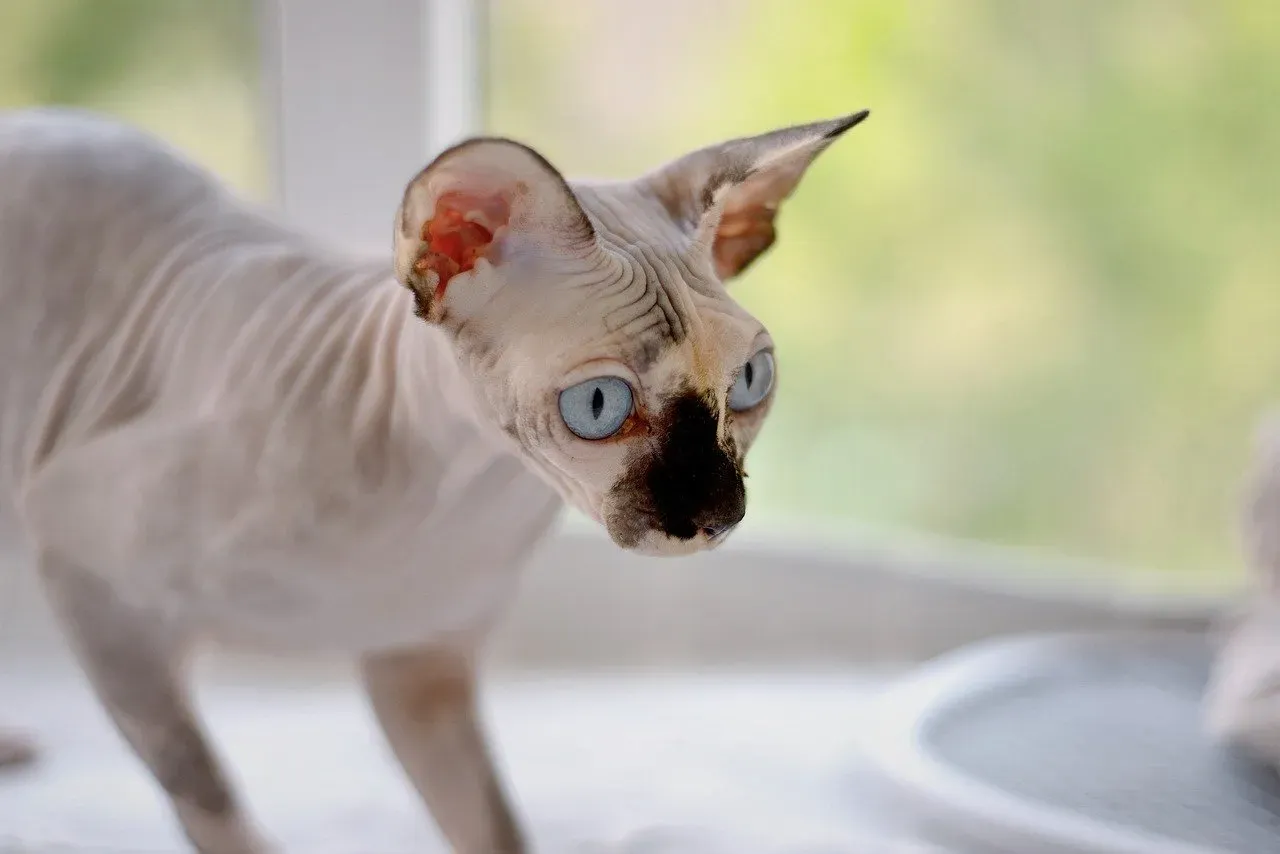
Sphynx cats are undeniably striking to look at, but their hairlessness creates a cascade of health challenges that most owners aren’t prepared for. Because they’ve been bred to have no fur, these cats are highly susceptible to sunburn, skin cancer, excessive oil buildup, and frequent skin infections in their wrinkled skin folds. Without fur to protect them, hairless cats struggle to regulate body temperature, which poses particular problems for kittens and leads to respiratory issues.
Here’s a statistic that should make anyone pause: A 2024 study found that the average life expectancy of a Sphynx cat is dramatically lower than average cats, at just 6.7 years compared to 12 years. That’s nearly cutting their lifespan in half. In research comparing life expectancy across breeds, Sphynx cats had the shortest lifespan of all breeds studied.
Beyond skin problems, Sphynx cats are prone to inherited hypertrophic cardiomyopathy, various heart disorders, skin diseases including yeast infections, ear infections, and eye problems. They require constant special care including regular bathing, ear cleaning, temperature regulation, and sun protection. Without a high-quality diet, oils accumulate quickly leading to ongoing skin problems and issues with ear wax and infections.
Designer Hybrid Breeds Take It to Extremes
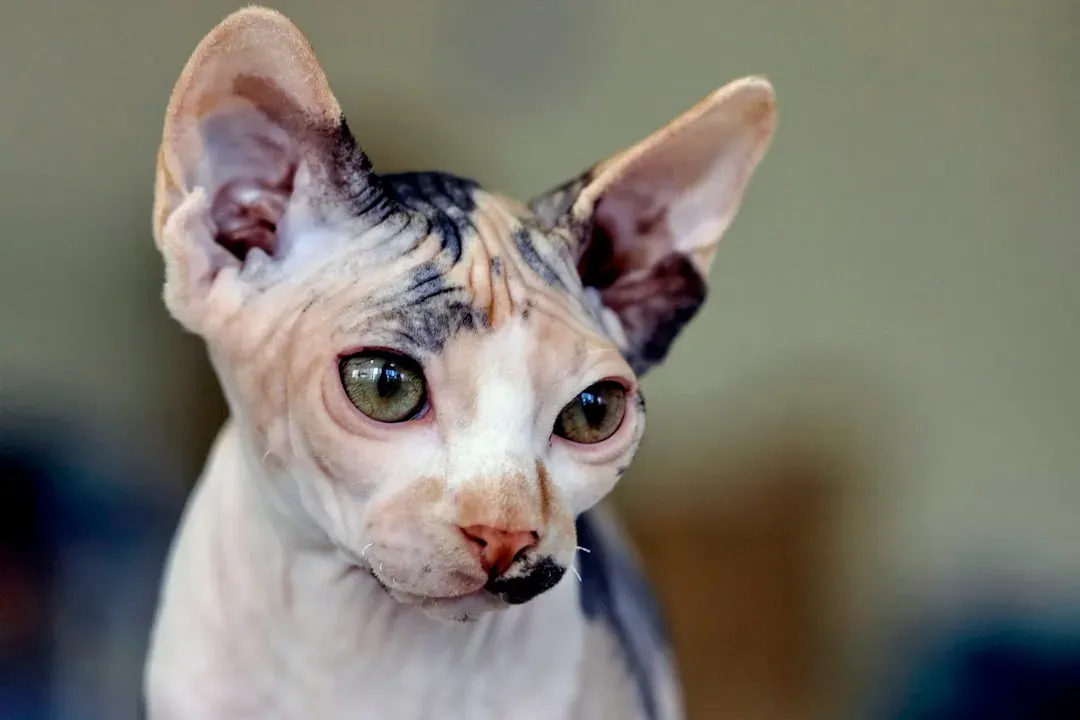
As if these individual breed problems weren’t enough, breeders have started combining cats with multiple genetic defects to create so-called designer hybrids. Bullycats have been deliberately bred by mixing hairless Sphynx cats with dwarf Munchkin cats, potentially facing twice the number of debilitating health challenges from both parent breeds. There’s also the Dwelf, the Scottish Kilt combining Scottish Folds with Munchkins, and numerous other combinations.
These cats are being deliberately bred to have genetic defects with no consideration for the consequences of combining extreme features, and if no one buys them, breeders will stop exploiting them. The breeding of cats for vanity at the expense of their health is often called “torture breeding,” and governments around the world are under pressure to ban it.
When humans began selectively breeding cats, they didn’t always realize that desired physical features might be linked to other genetic abnormalities or defects like heart disease, kidney problems, or bone deformities – but we know now. The ethical question becomes: if we know these cats will suffer, why do we continue creating them? The answer is uncomfortable but simple: because people keep buying them.
Conclusion
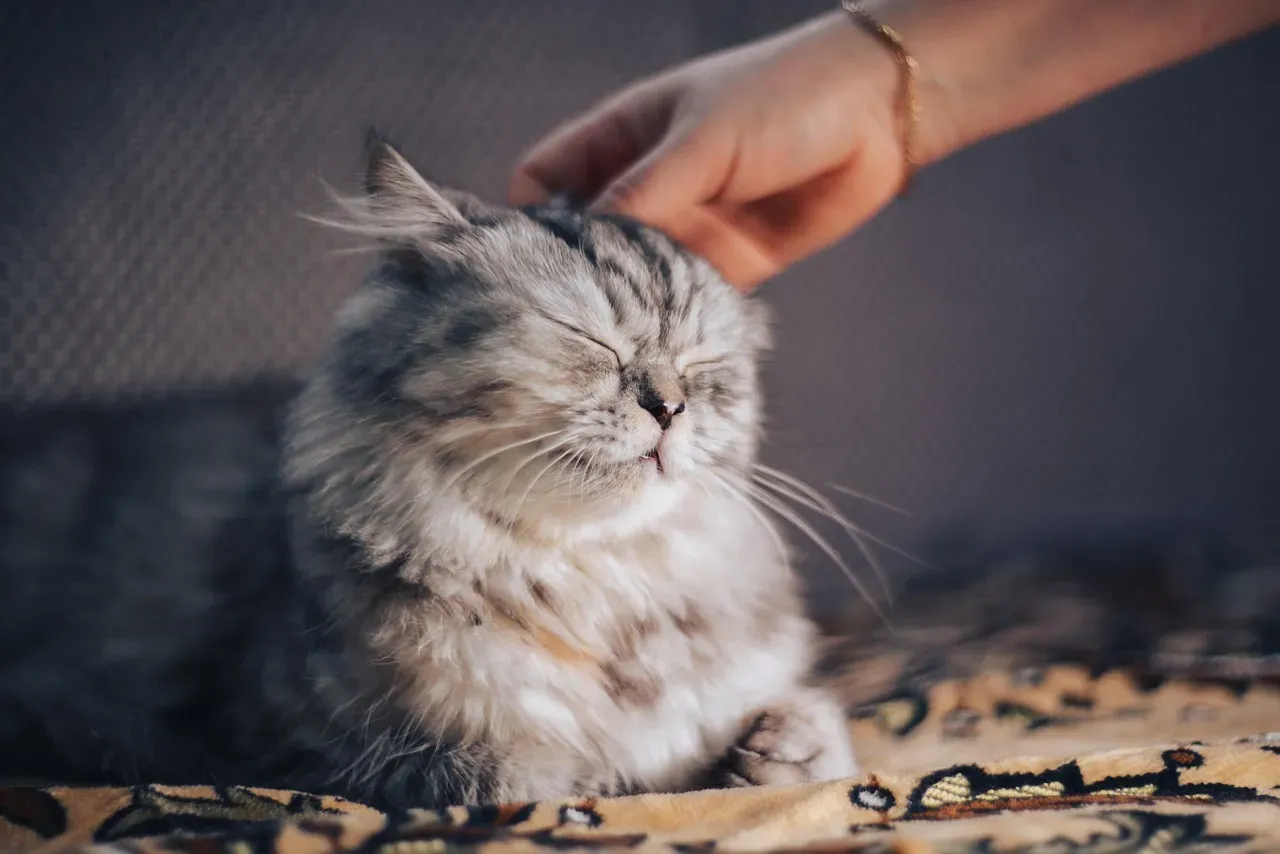
The cats bearing these traits need our care and compassion, of course. If you already have one of these breeds, love them fiercely and provide the medical attention they require. Yet moving forward, we need to make different choices. We can’t keep prioritizing appearance over animal welfare.
Being bred for appearance leaves these cats with pain and poor quality of life. The solution isn’t complicated: stop supporting breeders who produce cats with extreme traits. Consider adopting mixed-breed cats or breeds without these harmful mutations. Use your purchasing power to send a message that we value healthy, happy cats over aesthetically pleasing ones.
Thousands of wonderful cats sit in shelters right now, waiting for homes. They don’t have crushed faces or folded ears or stubby legs, but they have personalities, love to give, and years of healthy life ahead of them. What’s your take on breeding practices like these? Should appearance ever come before an animal’s wellbeing?