You love seeing adorable cat photos flood your social media feed. Those squished faces, those tiny legs, those folded ears. They look like living, breathing plushies, and it’s honestly hard not to fall for their charm. Still, there’s something you might not know about these “designer” traits. Behind the cuteness lies a story of pain, suffering, and deliberately bred deformities. These cats didn’t choose their appearance. Humans did, and many of them pay the price every single day of their lives.
Let’s be real. When you scroll past a photo of a Persian with its flat face or a Munchkin with its impossibly short legs, you’re seeing the result of selective breeding that prioritizes aesthetics over animal welfare. These breeding practices have sparked heated debates among veterinarians, animal welfare organizations, and cat lovers around the world. Some countries have even banned certain breeds altogether. So what’s really going on?
Flat Faces That Steal Their Breath
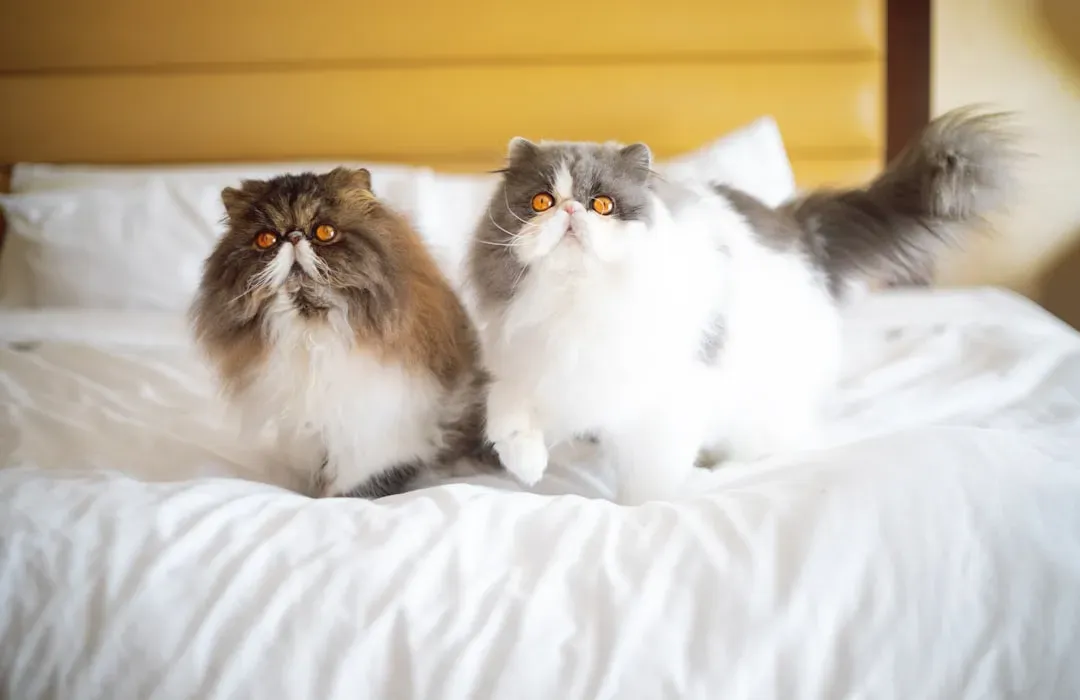
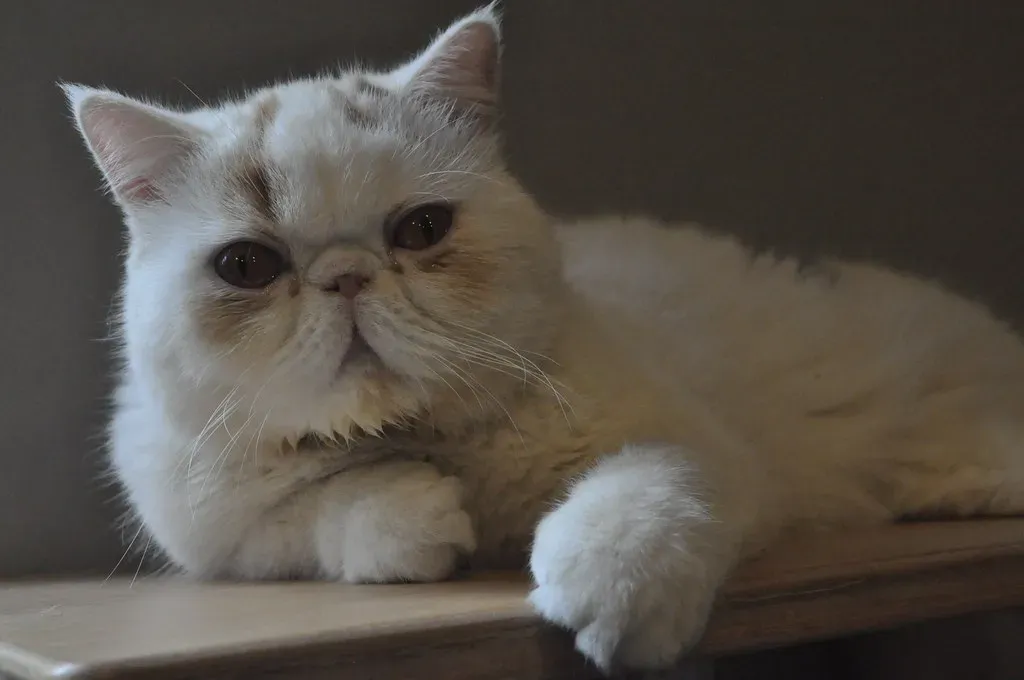
Persian, Himalayan, and Exotic Shorthair cats are bred to have extremely flat faces, a condition known as brachycephaly, where skull bones are far shorter than those of a healthy cat. You might find their smushed noses endearing, but these cats struggle with something you take for granted every second: breathing. Brachycephalic cats develop a syndrome involving narrowed nasal passages, stenotic nares (extremely narrowed nostrils), and elongated soft palates that partially block their airways.
Cats with this condition frequently experience breathing difficulties that impact their quality of life, causing discomfort, distress, disrupted sleep, and restricted activity. Imagine spending your entire life feeling like you’re breathing through a straw. They also suffer from persistent eye discharge because their deformed tear ducts can’t drain properly, leading to constant wetness and irritation on their faces. Their teeth don’t align properly due to jaw deformities, making it difficult to bite, chew, eat, drink, and groom themselves. The suffering is lifelong and entirely preventable.
Folded Ears Hiding Crippling Arthritis
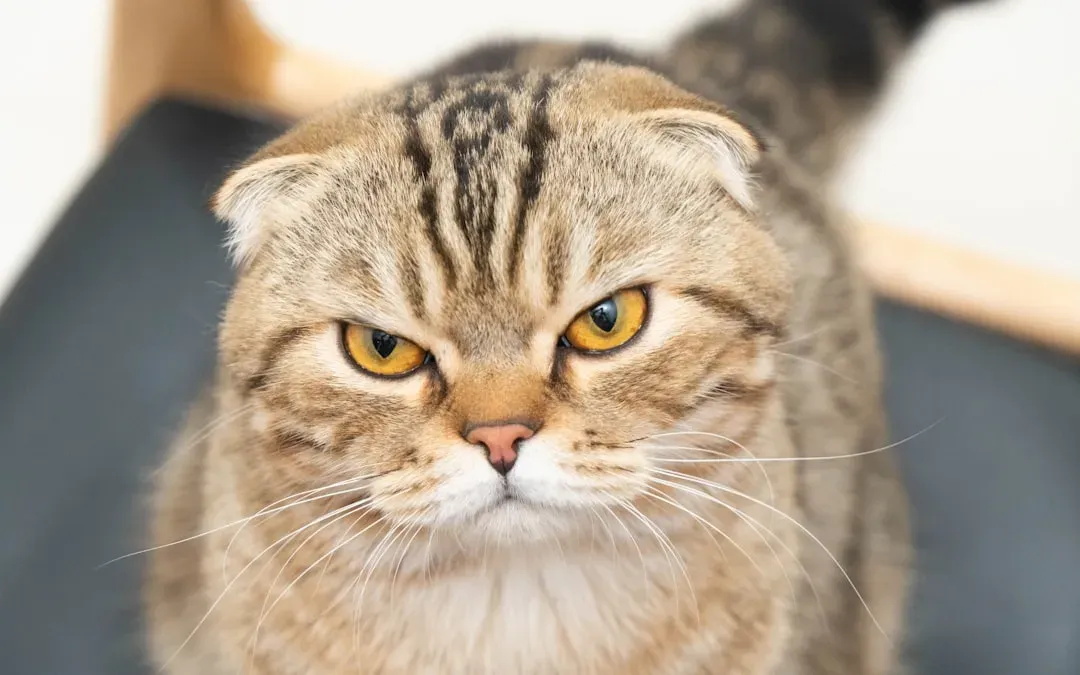
Scottish Fold cats with their distinctive folded ears might look like they’re perpetually surprised, but that unique feature comes at a devastating cost. All cats with folded ears develop osteochondrodysplasia, a genetic condition where those with two copies of the mutant gene develop crippling arthritis early in life, while those with one copy experience slower progression. Here’s the thing: you can’t have the folded ears without the disease. They’re genetically inseparable.
These bone and cartilage abnormalities lead to severe and painful arthritis, resulting in fusing of the tail, ankles, and knees. Affected cats show lameness, swollen joints, an abnormal gait, reluctance to move and jump, and severely affected individuals become crippled and unable to walk. Think about a young cat, barely a year old, already too stiff and sore to play or explore. In homozygous cats, the condition causes deformities and progressive joint disease leading to crippling disability with significant pain, and many affected cats are euthanized earlier in life. It’s heartbreaking when you realize this suffering was entirely intentional.
Dangerously Short Legs and Deformed Spines
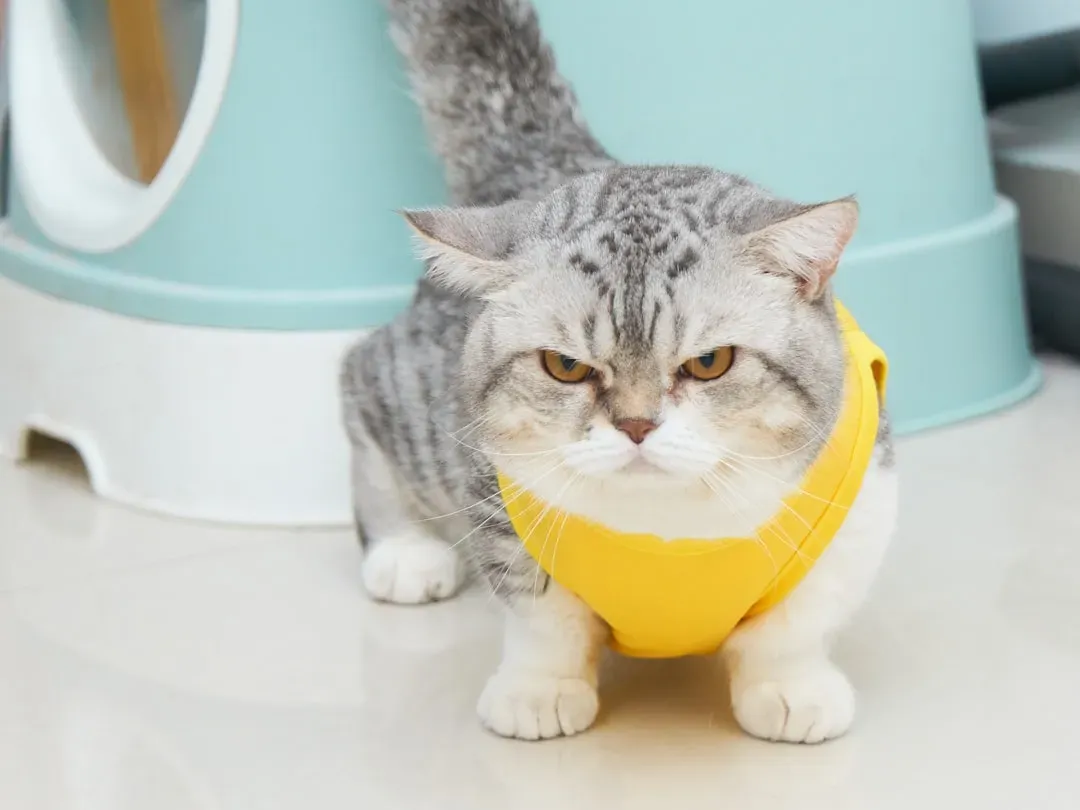
Munchkin, Bambino, Dwelf, and similar dwarf breeds have become wildly popular thanks to their stubby legs that make them look like perpetual kittens. The Munchkin abnormality results in greatly shortened limbs, which compromises their ability to jump and may increase their risk of joint disease. You might think they’re just shorter versions of normal cats, but the reality is far more concerning.
Radiography and magnetic resonance imaging revealed that all limbs of Munchkin cats presented deformities beyond being shorter, including torsion in the front legs. Spinal deformities cause an inward curve that compresses vital organs and affects breathing, while their short legs place more stress on their bodies, leading to joint pain. Some develop hollow chests causing breathing difficulties, and their limited mobility prevents them from jumping, climbing, or even grooming themselves properly. Several countries including the Netherlands have prohibited breeding Munchkins due to genetic health problems, with some governments considering them malformed animals.
Hairless Bodies Vulnerable to the Elements
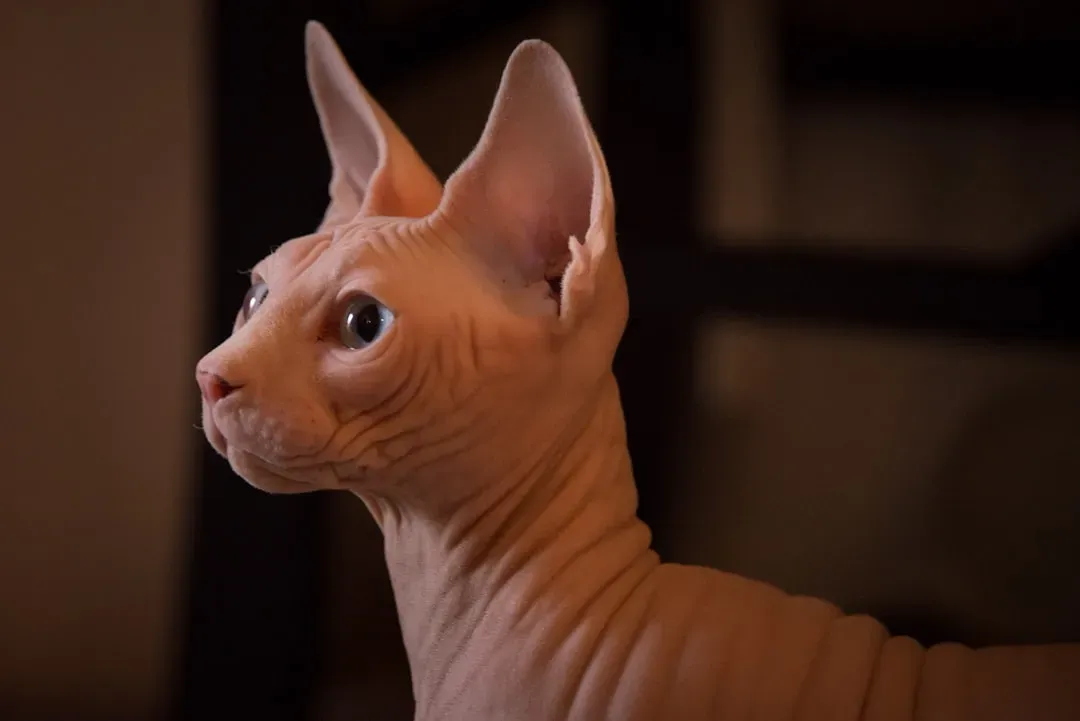
Sphynx cats and similar hairless breeds turn heads wherever they go with their wrinkled, naked skin. Let’s be honest, they’re definitely unusual looking, and some people find them fascinating. Yet breeding cats to be completely hairless creates a host of problems you wouldn’t immediately consider. Because they’re cruelly bred to have no fur, hairless cats are highly susceptible to sunburn and skin cancer, with oil building up on their skin and excessive wrinkled skin folds leading to frequent infections.
A study from 2024 found that the average life expectancy of a Sphynx cat is dramatically lower than that of an average cat, at 6.8 years compared to 12 years. That’s nearly half the lifespan. Their lack of fur isn’t just an aesthetic choice; it strips away a fundamental protection mechanism that cats evolved over thousands of years. Owners can expect frequent and expensive vet visits, and insurers may refuse to cover hybrid cat breeds. These cats didn’t ask to be born without the basic protection their bodies need, but they’re the ones who suffer the consequences.
Wildcat Hybrids with Impossible Needs
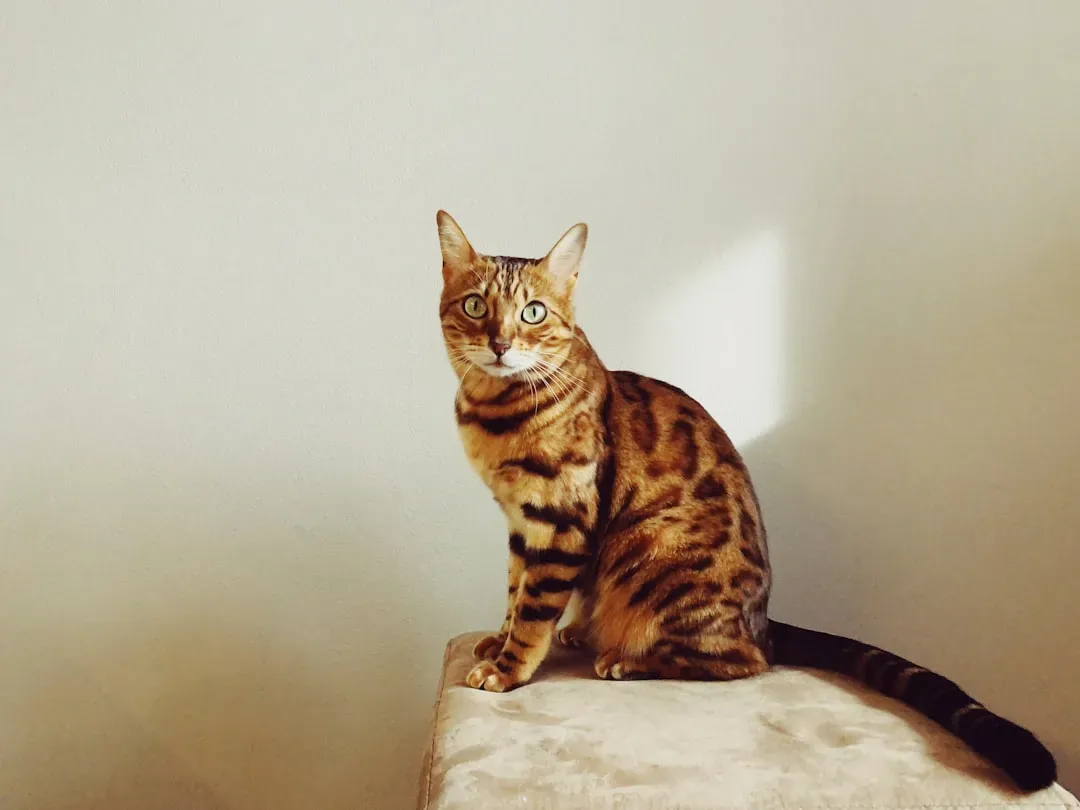
Exotic wildcat hybrids like Bengal, Savannah, and Chausie cats are created by breeding domestic cats with wildcats. They’ve got striking coats and exotic appearances that make them seem thrilling to own. The direct breeding of a wildcat with a domestic cat is very unethical and produces breeds with very complex needs that are difficult to meet in a domestic home.
Because wildcats explore large territories, hybrid cats instinctually want to do the same, but there are dangers outside the home, and these cats will not thrive living in an apartment, becoming destructive due to boredom and frustration. Due to their wilder genes, hybrid felines tend to be more territorial than other cats. You might think you’re getting a cool, unique pet, but what you’re really getting is an animal whose genetic programming makes it fundamentally unsuited for the life you can provide. It’s hard to say for sure whether these cats are happy, but forcing an animal to live against its deepest instincts seems profoundly unfair.
The Truth Behind the Trends
Animal welfare organizations believe it’s morally wrong to breed cats with genetic defects that cause pain and poor quality of life, which is why they’re determined to end breeding of extreme physical characteristics. Extreme physical characteristics cause serious health and welfare issues, and breeds with extreme traits are often seen as particularly desirable, allowing breeders to sell them for very large sums of money. The financial incentive drives the continuation of these practices despite the suffering they cause.
The breeding of cats and dogs for vanity at the expense of their health is often called torture breeding, and it’s so cruel that governments around the world are under pressure to ban it. Here’s what makes this situation even more frustrating: the cats themselves have no voice in this. They can’t tell breeders to stop. They can’t refuse to be born with these conditions. They simply endure what we’ve created for them, day after day, often in silence because that’s what cats do.
Think about this for a moment. When a cat can’t breathe properly, can’t walk without pain, can’t even groom itself, or lives a drastically shortened life, is that really worth the fleeting joy of thinking it looks cute? The answer should be obvious. These unethical breeding practices need to stop, and that starts with consumers refusing to buy cats bred for harmful traits. Adopt from shelters. Support ethical breeders who prioritize health over appearance. Speak up when you see these issues being dismissed or ignored. These cats deserve better than what we’ve given them, and honestly, it’s on us to change that. What do you think? Are cute looks ever worth a lifetime of suffering?