You’ve probably seen the endless stream of adorable cat videos online, or maybe you’re already living with a whiskered companion who insists on sitting on your keyboard during work hours. What you might not realize is that beyond the entertainment and occasional frustration, your feline friend could be quietly improving your health in ways science is only beginning to fully understand. Let’s be real, most people think of cats as independent creatures who tolerate us more than need us. Yet research over the past few decades has revealed something fascinating: the relationship between humans and cats goes far deeper than simple companionship, creating tangible benefits that extend from your brain chemistry right down to your heart.
Ready to discover how these mysterious creatures might be secretly working to keep you healthier?
Your Cat Is Literally Protecting Your Heart

Cat owners showed a significantly lower risk for death due to heart attack, with research indicating roughly a 30 to 37 percent reduction compared to those who never owned cats. That’s not a small number when you consider how common cardiovascular disease remains worldwide. One long-term study followed over 4,000 people for 13 years and found that individuals who had owned cats in the past were less likely to die from a heart attack during that time, even when researchers accounted for factors like blood pressure, cholesterol, smoking, and body mass index.
Here’s something even more surprising: people who used to own cats in the past, but didn’t currently live with one, still had less risk of death due to cardiovascular diseases when compared to people who had never owned cats. This suggests cats function almost like preventative medicine rather than an ongoing treatment.
The mechanism behind this protection likely involves reduction of stress and blood pressure, which we’ll explore more deeply in the sections ahead. Think of your cat as a furry little shield against one of the most common health threats facing adults today.
That Purr Isn’t Just Adorable – It’s Therapeutic
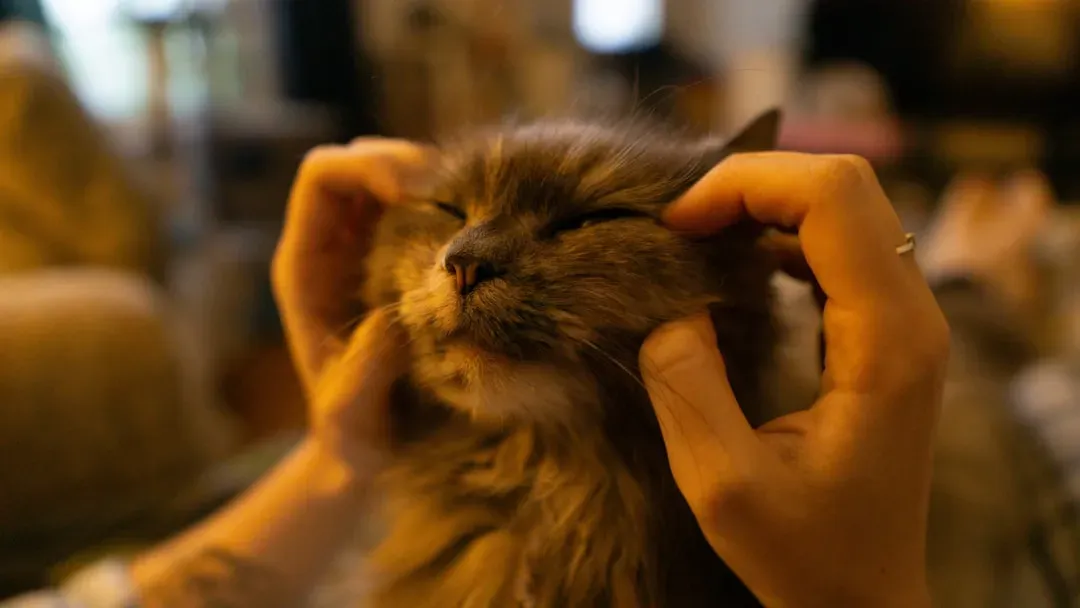
When your cat curls up on your lap and starts that rhythmic rumbling, something remarkable happens to your body. The low-frequency rumble of a cat’s purr has been linked not only to healing in cats themselves, but also to calming effects in humans, with listening to purring able to lower heart rate and blood pressure. Studies have confirmed that purring falls between 25 and 240 Hz, which happens to be the frequency known to speed up the healing process of wounds, broken bones, and tendon and joint injuries.
It’s hard to say for sure, but some cat owners swear their feline’s purring helps relieve migraines and chronic pain. The low-frequency vibrations of a cat’s purr are often used in sound therapy, a form of vibrational healing that applies specific frequencies to the body, and these vibrations can help reduce inflammation, improve circulation and stimulate the healing of damaged tissues.
Purring also causes the release of endorphins in cats and might just do the same for us humans, with endorphins lowering stress and blood pressure, which can improve both mental well-being and physical health. So the next time your cat decides your chest is the perfect napping spot at three in the morning, remember they might actually be delivering a dose of natural medicine.
Cats Can Actually Boost Your Brain Function

This one surprised me when I first read about it. Some research suggests that owning a cat may help slow cognitive decline as people age. Studies using functional near-infrared spectroscopy showed that interactions with a cat significantly activated the prefrontal cortex in humans, including the inferior frontal gyrus region.
What does this mean in practical terms? Your brain is getting a workout when you interact with your cat. Cats have positive effects on their owners’ physiological and psychological health, including improved mood and activation of the human prefrontal cortex and inferior frontal gyrus in the brain.
The unpredictable nature of cats might actually be part of what makes them beneficial. Cats’ autonomous behaviors and reactions positively influenced participants in studies, suggesting that the characteristic temperament of cats may be a key factor influencing the health benefits of owning cats. Unlike predictable pets, cats keep your brain engaged as you read their subtle signals and respond to their independent personalities.
The Stress Relief You Didn’t Know You Needed
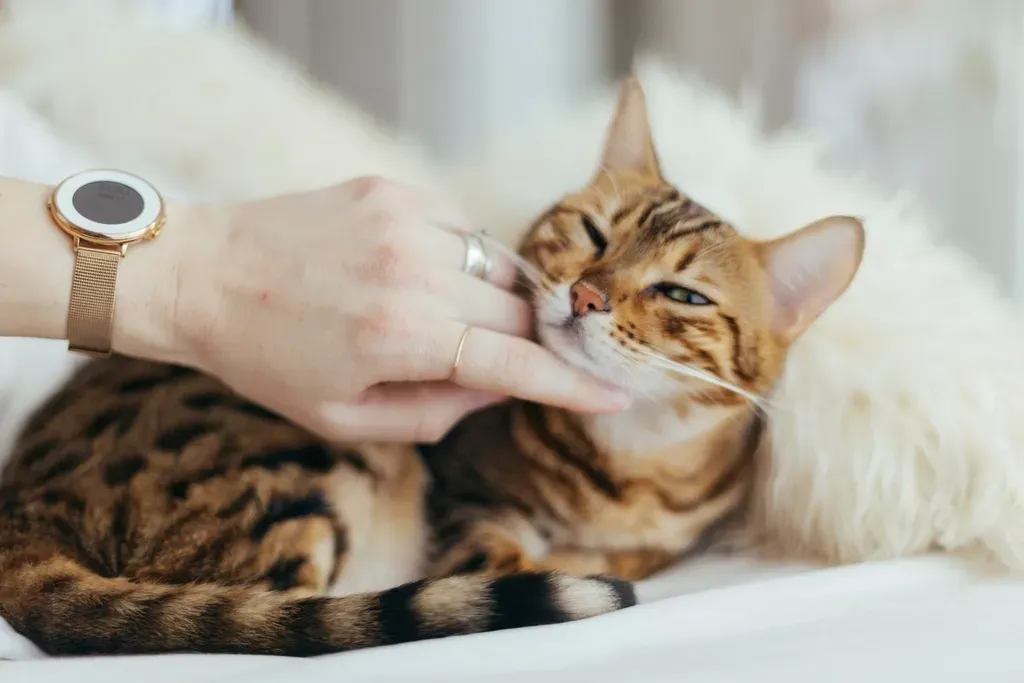
College students are notoriously stressed, which makes them perfect subjects for stress research. A study using university students as subjects found that petting cats and dogs for just 10 minutes decreased the amount of cortisol, a stress hormone, in their saliva. Cortisol is your body’s main stress hormone, and chronically elevated levels contribute to everything from weight gain to weakened immunity.
Friendly contact like stroking a cat or talking in a gentle tone was linked to elevated oxytocin in humans’ saliva, and the act of petting and even the sound of purring can trigger oxytocin release in our brains, which helps lower cortisol and can reduce blood pressure and even pain. Cat owners were more likely than dog owners to say their pets offer companionship, provide a calming presence and help reduce stress and anxiety.
Honestly, there’s something profoundly calming about watching a cat simply exist in your space. Nearly seven out of ten pet owners in a 2023 poll said their pets help reduce stress and anxiety, and cats excel at this with their quiet, self-contained demeanor that somehow radiates tranquility.
You’ll Sleep Better With a Feline Bedmate
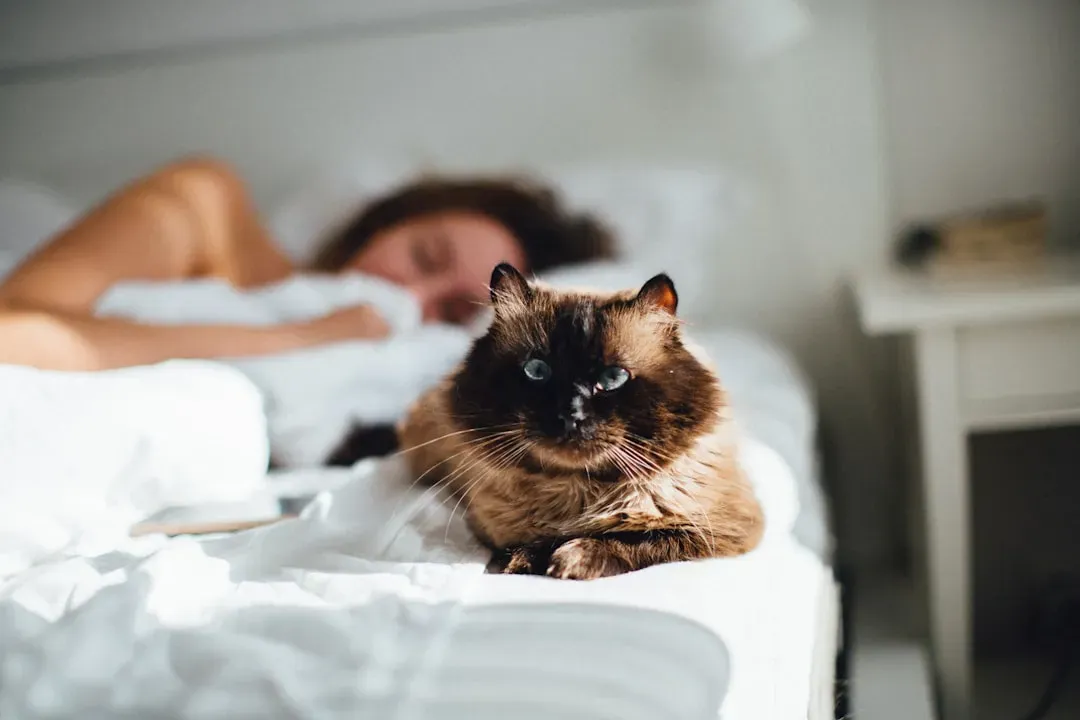
Studies have shown that having your cat close by results in a better night’s sleep, with owners who allowed their pets to sleep in their bed or in the same room saying they had an easier time both falling and staying asleep. Cat owners specifically indicated waking fewer times throughout the night and having reduced feelings of restlessness and fatigue.
There’s something reassuring about the presence of another living creature in your bedroom. The watching instinct that cats possess gives us a sense of trust that helps us sleep better, while their peaceful company makes it easier to relax. Sure, some cats will absolutely wake you up at dawn demanding breakfast, but the overall sleep quality improvement seems to outweigh these occasional interruptions.
New cat owners have reported reduced health complaints like headaches, back pain, and colds, which could be partially attributed to improved sleep quality. Better sleep supports your immune system, cognitive function, and mood regulation, creating a cascade of positive health effects.
Conclusion

The science behind cat ownership reveals something remarkable: these seemingly aloof creatures are quietly working to improve multiple aspects of your health. From protecting your cardiovascular system to literally changing your brain chemistry, cats offer benefits that extend far beyond simple companionship. The relationship between humans and felines has evolved over thousands of years, and researchers continue discovering new ways this bond supports our wellbeing.
Whether you already share your home with a cat or you’ve been considering adoption, the evidence suggests these furry companions offer genuine health advantages. Their purring provides therapeutic frequencies, their presence reduces stress hormones, and their companionship may even protect against cognitive decline as you age. What do you think about these surprising benefits? Did any of them change how you view the cats in your life?