You might not see them prowling through your neighborhood, yet these elusive spotted cats are thriving right across America. Bobcats are the most common wild cat in the United States, and their population has been quietly rebounding in ways that might genuinely surprise you. While these medium-sized felines prefer to keep a low profile, their numbers have been growing steadily across the nation.
Let’s be real, most people have never encountered a bobcat in the wild despite living in areas where they’re relatively abundant. These secretive hunters are masters at staying hidden, moving through forests, scrublands, and even suburban edges without making a sound. Yet the success story of bobcat conservation is one worth celebrating. From near extinction in some regions to flourishing populations today, these resilient cats have adapted remarkably well to changing landscapes. So let’s dive in and discover which states are home to the highest bobcat populations.
Texas: The Undisputed Bobcat Capital
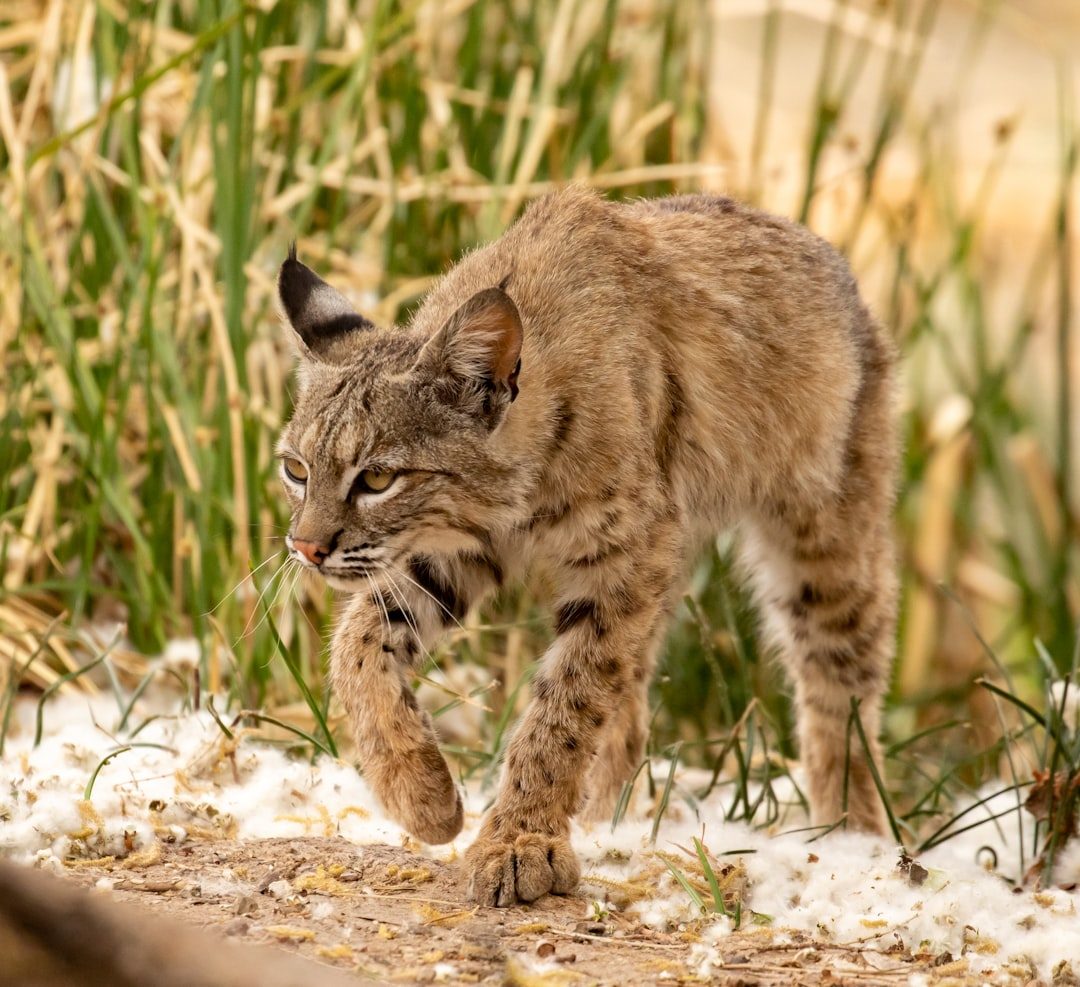
Texas has in the U.S., with an estimated population exceeding 200,000, making it the clear leader when it comes to bobcat numbers. The sheer size of the Lone Star State combined with its incredibly diverse terrain creates the perfect conditions for these adaptable predators to thrive. From the piney woods of East Texas to the brush country of South Texas, bobcats have found suitable habitat in nearly every corner of the state.
What makes Texas such an ideal bobcat haven? The answer lies in the vast stretches of relatively undisturbed wilderness and the abundance of prey species. Rabbits, rodents, and small mammals populate these landscapes in large numbers, providing bobcats with a steady food supply. The terrain varies dramatically, offering rocky outcrops, dense thickets, and open grasslands where bobcats can establish their territories. It’s hard to say for sure, but the state’s relatively relaxed hunting regulations combined with effective wildlife management have likely helped maintain these impressive numbers while keeping the population healthy and sustainable.
California: Mountains, Deserts, and Urban Edges
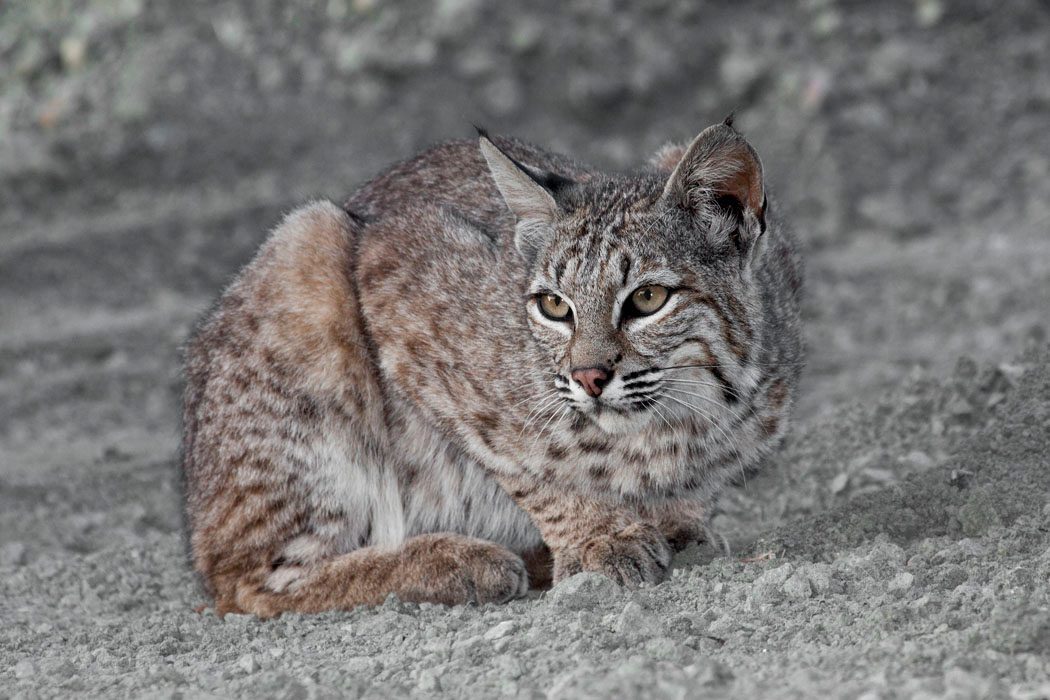
California has an estimated 30,000 to 50,000 bobcats living in all 58 counties of the state. This western state boasts one of the most geographically diverse bobcat populations in the country. These cats roam from the fog-shrouded coastal ranges to the scorching Mojave Desert, proving just how adaptable they truly are.
California’s bobcats have learned to navigate an increasingly complex landscape where wilderness meets suburbia. They’ve been spotted near hiking trails, golf courses, and even residential areas on the edge of wild lands. The state’s mountainous terrain provides ideal denning sites in rocky crevices and caves, while the lower elevations offer rich hunting grounds. Despite facing threats from rodenticides and habitat fragmentation, California’s bobcat population remains robust. Their ability to coexist near human development while maintaining their wild nature is honestly quite remarkable. Conservation efforts focusing on wildlife corridors and reducing secondary poisoning from rodent control have become crucial for their continued success.
North Carolina: Appalachian Stronghold
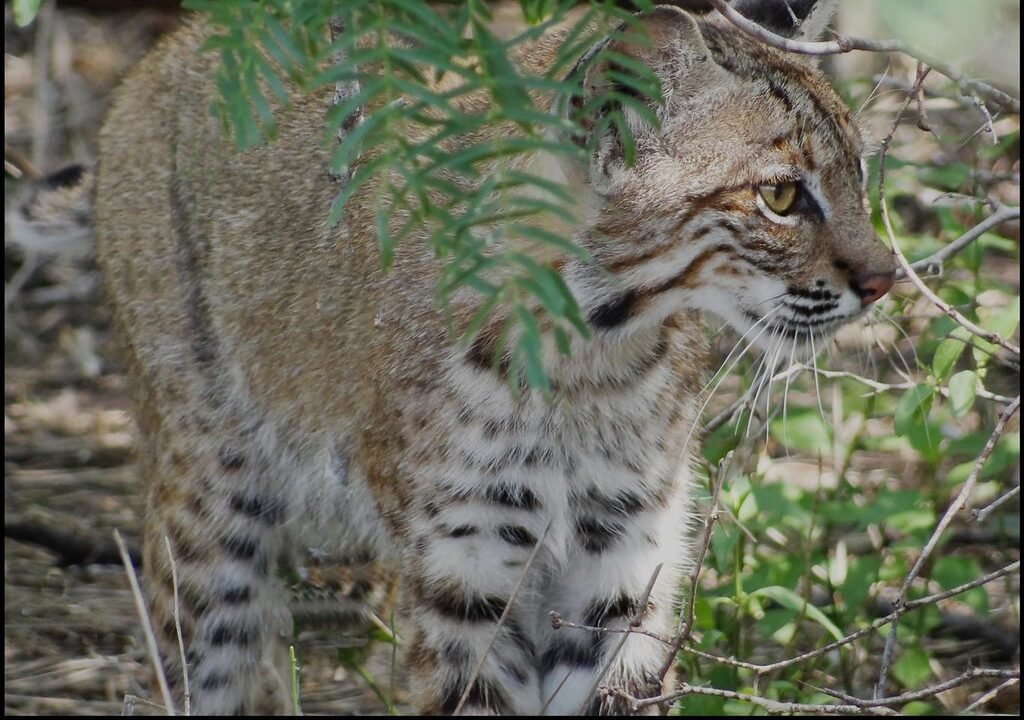
North Carolina has an estimated 125,000 bobcats, especially concentrated in the Appalachian region and rural farmlands. This southeastern state represents one of the most significant bobcat populations east of the Mississippi River. The densely forested mountains and expansive rural areas create an almost perfect bobcat habitat, allowing these cats to flourish largely undisturbed.
The Appalachian mountains running through western North Carolina provide thick forest cover, rocky ledges, and abundant prey. Bobcats here have access to cottontail rabbits, squirrels, and ground-nesting birds in numbers that support their carnivorous lifestyle. Meanwhile, the rural farmlands of the Piedmont region offer a patchwork of forests and fields that bobcats have learned to navigate expertly. These cats are notoriously reclusive, so even with such high numbers, sightings remain relatively rare. The population density in North Carolina speaks to successful conservation practices and the preservation of connected habitat corridors that allow bobcats to move freely and maintain genetic diversity.
Ohio: A Remarkable Comeback Story
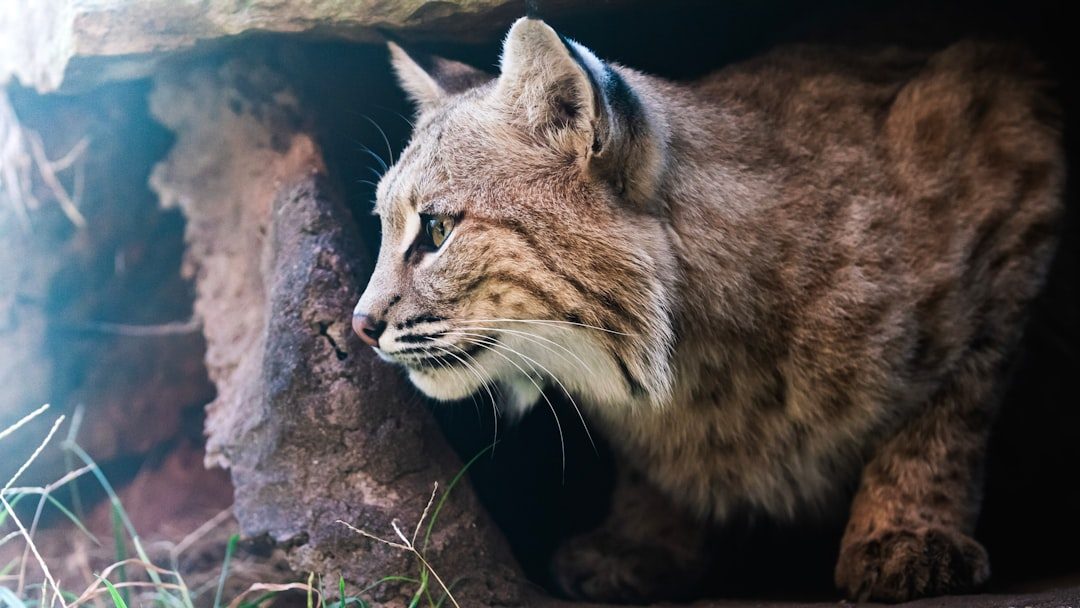
The bobcat population is rising in Ohio, with the growing population marking a reintroduction after the species was previously completely driven out of the state. This Midwestern state represents one of the most inspiring wildlife recovery stories in recent American history. The species was previously extirpated from the state in the 1850s due to deforestation and overhunting, yet today bobcats are making a triumphant return.
In 2024 alone, there were reportedly 777 confirmed sightings out of 1,465 reported sightings, up dramatically from only 6 in 2001. That’s an absolutely staggering increase that demonstrates how resilient bobcats can be when given half a chance. The bobcats migrated from neighboring states such as Pennsylvania, West Virginia and Kentucky as reforestation efforts created suitable habitat once again. The southeastern region of Ohio saw the first returning bobcats, which then gradually expanded their range throughout the state. Today, these cats can be found in the vast majority of Ohio’s counties, silently reclaiming territory their ancestors once roamed freely.
Wisconsin: Northern Wilderness Territory
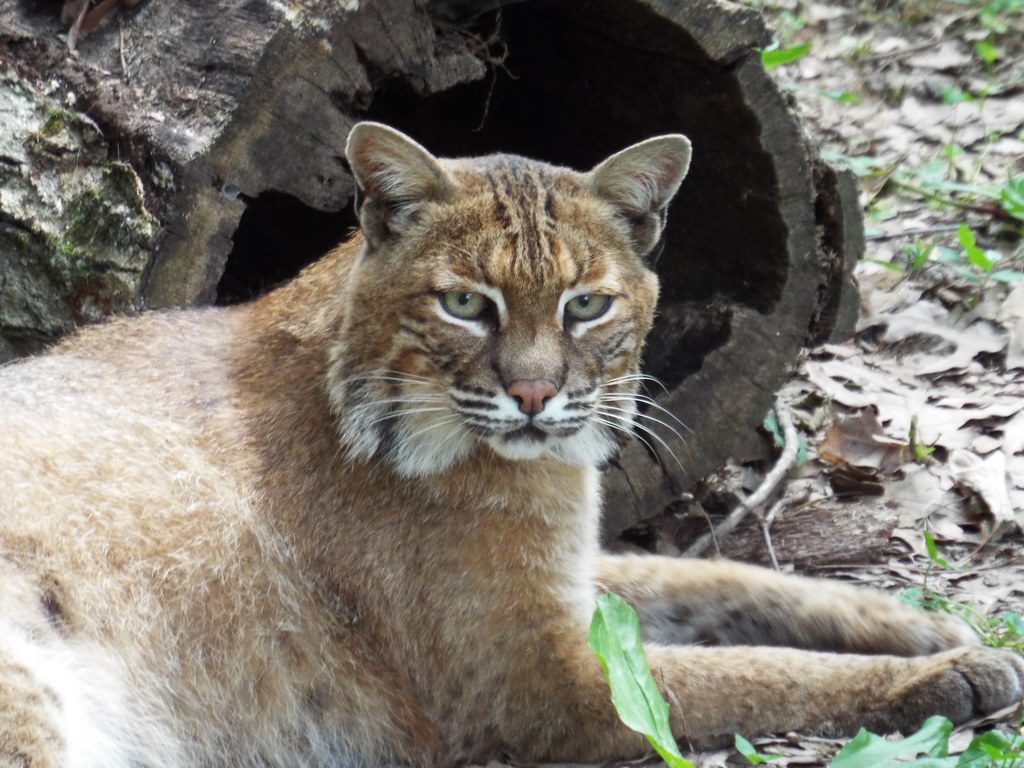
Wisconsin has a huge bobcat population that lives in all the state’s counties, making it another northern state with impressive bobcat numbers. The extensive forests, particularly in the northern portions of the state, provide ideal habitat for these solitary hunters. Wisconsin’s landscape includes thick hardwood forests, brushy swamplands, and rocky terrain where bobcats can establish secure territories.
The northern Wisconsin wilderness offers bobcats everything they need: dense cover for stalking prey, secluded denning sites, and an abundance of snowshoe hares and white-tailed rabbits during various seasons. The state’s wildlife management practices include careful monitoring of bobcat populations through harvest data and public sightings. Unlike their cousins the Canada lynx, bobcats handle moderate snow depths reasonably well, though they struggle in the deepest winter conditions. Wisconsin’s bobcat population represents a healthy, well-distributed population that has adapted to both wild forests and the edges of agricultural lands. Their presence across every county demonstrates how successfully they’ve recolonized areas where they were once scarce.
Conclusion
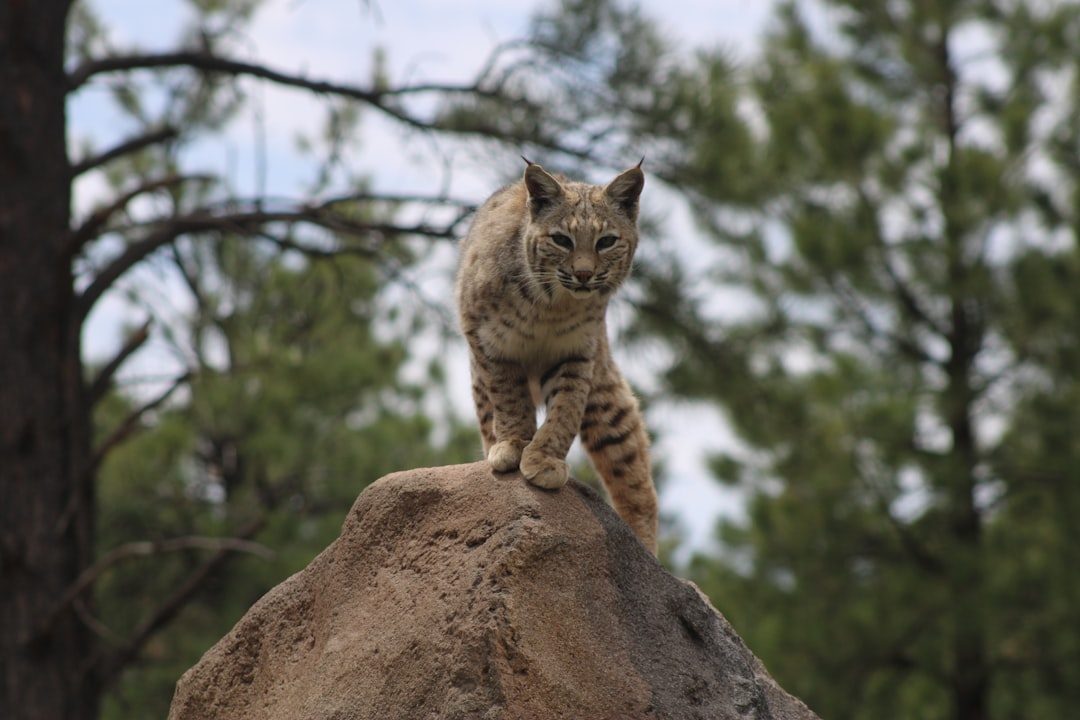
The bobcat population across America tells a story of resilience, adaptation, and successful conservation. From the vast wilderness of Texas to the recovering forests of Ohio and Pennsylvania, these elusive cats have proven their ability to thrive when given adequate habitat and protection. Most bobcat populations have increased since the late 1990s, representing a remarkable turnaround for a species that faced serious declines in many regions during the 20th century.
These states showcase the diverse environments bobcats can inhabit, from scorching deserts to snowy northern forests, from remote mountain ranges to surprisingly close suburban edges. Their recovery demonstrates that thoughtful wildlife management, habitat conservation, and public awareness can make a real difference. While you may never spot one of these secretive hunters in person, knowing they’re out there thriving in the wild is something worth celebrating. What surprises you most about where bobcats are making their strongest comeback?