You’ve probably heard whispers about them in the wilderness, maybe caught a fleeting shadow on a trail camera. Mountain lions are elusive, mysterious, and quietly ruling vast territories across the American West. These powerful predators live among us, yet most people never see one in their lifetime. Honestly, it’s wild to think about how close these creatures roam to human communities while staying almost completely invisible.
The total mountain lion population in the United States is estimated at 20,000 to 30,000. That might sound like a lot, yet these remarkable cats once roamed from coast to coast before humans pushed them to the edges. Today, you’ll find them concentrated in specific states where habitat and prey converge perfectly. Let’s be real, some states offer mountain lions everything they need to thrive, while others struggle to support even a handful. So which states truly belong to the big cats?
Colorado: The Undisputed Mountain Lion Capital
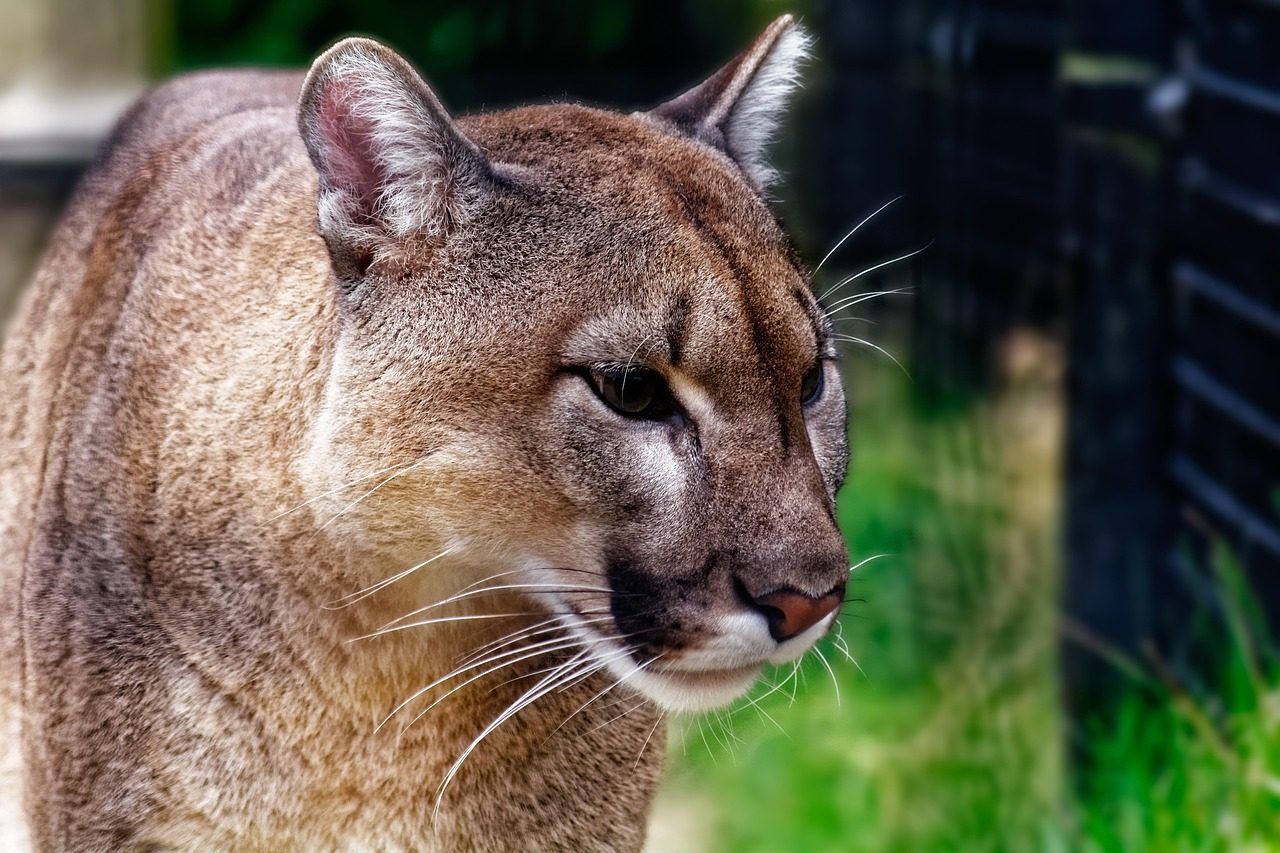
Colorado is the state with the highest known population of mountain lions, with about seven thousand mountain lions scattered across this state, mostly in areas with rocky and mountainous habitats. Here’s the thing, Colorado’s terrain was practically designed for these apex predators. The state’s dense forests provide perfect cover, while the abundant elk herds offer a feast that keeps these solitary hunters well fed.
Mountain lions love to hunt and hide in dense forests, and the trees in Colorado are home to some of the densest populations of elk. Studies and projects underway on both species in Colorado suggests that the actual densities of both species are at, or above levels needed to maintain current population sizes. Roughly about three thousand to seven thousand individuals call this state home, making it the ultimate stronghold for the species. Walking through Colorado backcountry means you’re technically in mountain lion territory, though you’ll likely never spot one.
California: Where Protection Meets Population
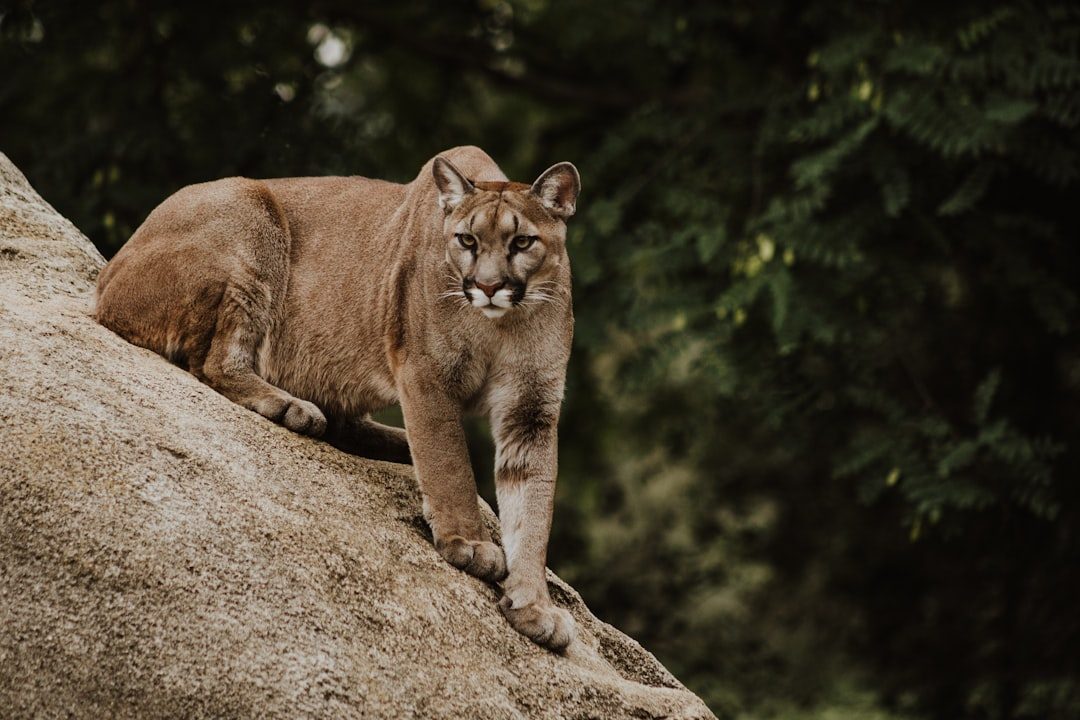
California is home to one of the largest populations, with estimates between 4,000-6,000. What makes California particularly fascinating is the state’s commitment to these cats. California banned sport hunting of cougars in 1990, encouraging population growth. That single decision transformed the landscape for mountain lions, allowing populations to recover and stabilize over decades.
The large, undeveloped interior filled with rocky habitats perfect for mountain lions allows them to safely live and breed. From the Sierra Nevada to coastal ranges, California offers incredibly diverse ecosystems where these adaptable predators thrive. You might find it surprising, but mountain lions occasionally wander near suburban areas, reminding Californians that wild spaces still exist at the edges of their cities. The state’s protective stance has made it a sanctuary of sorts for these magnificent creatures.
Oregon: The Pacific Northwest Refuge
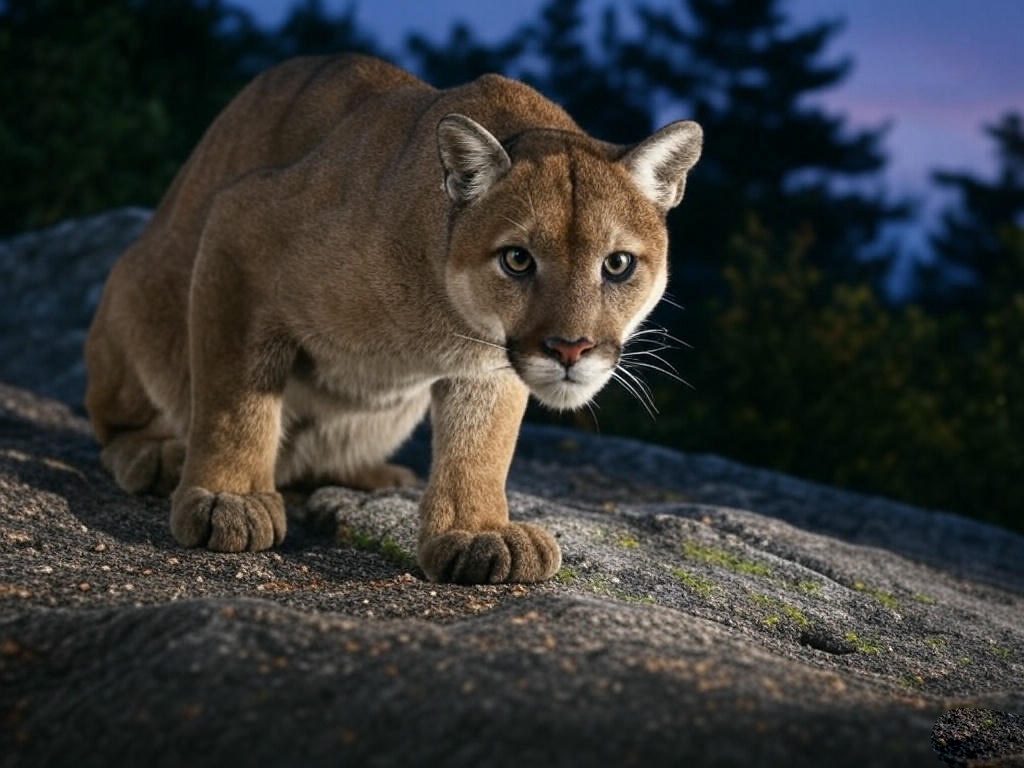
Between 2,500 and 6,000 mountain lions are estimated to be in Oregon. Most of Oregon’s population tends to stick closer to its cities, towns, and metropolitan areas, so mountain lions are often left to their own devices and enjoy a human-free environment. Think about that for a moment. While people cluster in urban centers, vast stretches of wilderness remain relatively untouched, creating ideal conditions for solitary predators.
Isolated forests and mountains are plentiful within the state, making it a prime habitat for migration and breeding. Oregon’s landscape features everything a mountain lion could want: dense vegetation for stalking prey, rugged terrain for denning, and enough space to roam freely. There are controlled hunting laws available during appropriate seasons. The state manages its population carefully, balancing conservation with the realities of human-wildlife coexistence. It’s hard to say for sure, but Oregon’s commitment to maintaining wild spaces may be the key to its thriving mountain lion numbers.
Montana: Where Wilderness Still Rules
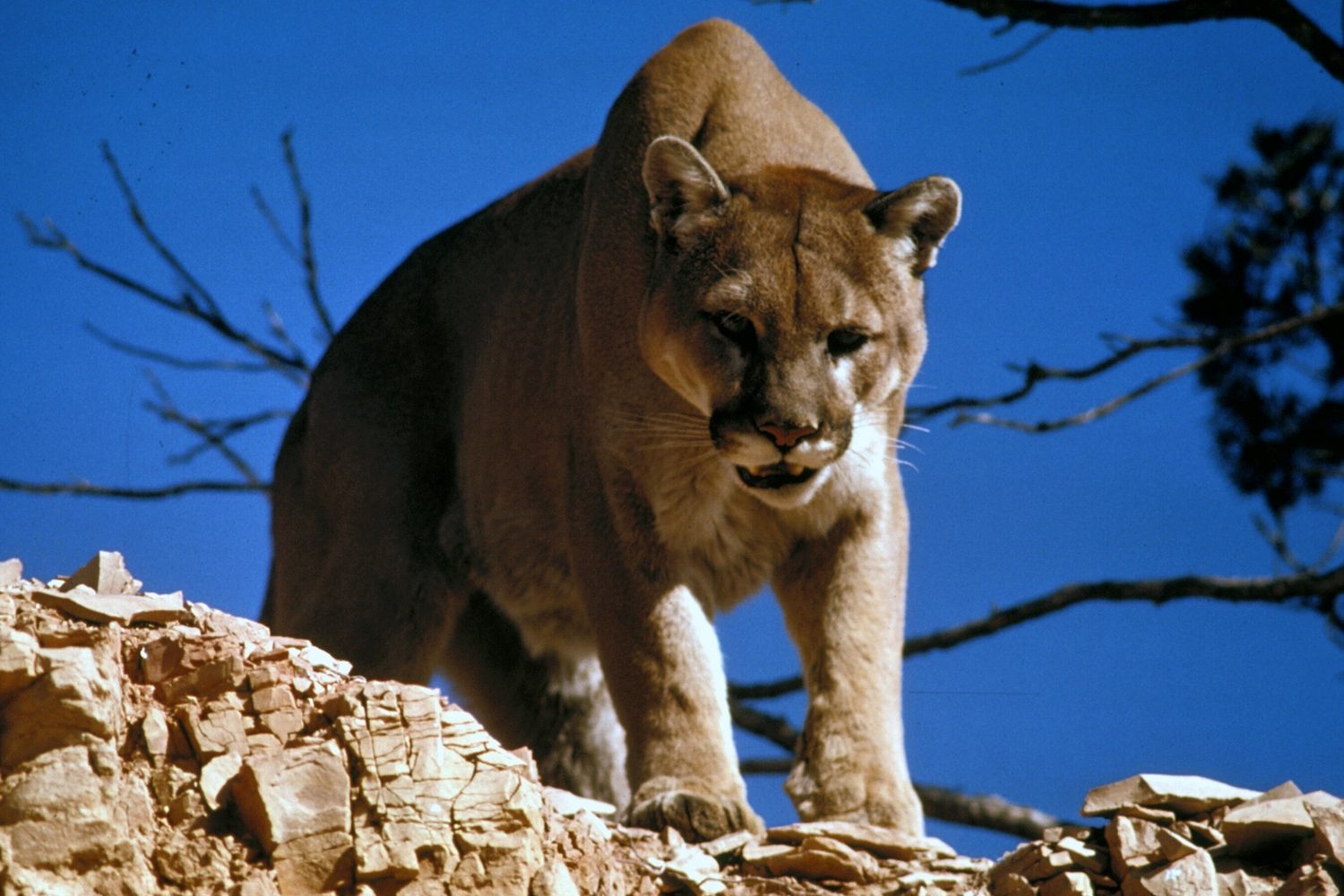
There are about 5,300 mountain lions in Montana. Mountain lions are thriving once again in Montana, having reoccupied their historic statewide range, and dispersing individuals now contribute to expanding populations across the western and midwestern U.S. Montana represents something special, a state where wilderness hasn’t been completely tamed by development.
About half of the state of Montana is ideal for mountain lions, primarily in her western and central regions. The vast open spaces and relatively low human population density create conditions where mountain lions can establish territories without constant conflict. Hunting is legal in the state, but it is heavily controlled and restricted. Montana’s management approach demonstrates how humans and predators can coexist when thoughtful policies guide conservation efforts. These cats play a crucial role in keeping deer and elk populations healthy through natural selection.
Texas: The Southern Stronghold With Mystery Numbers
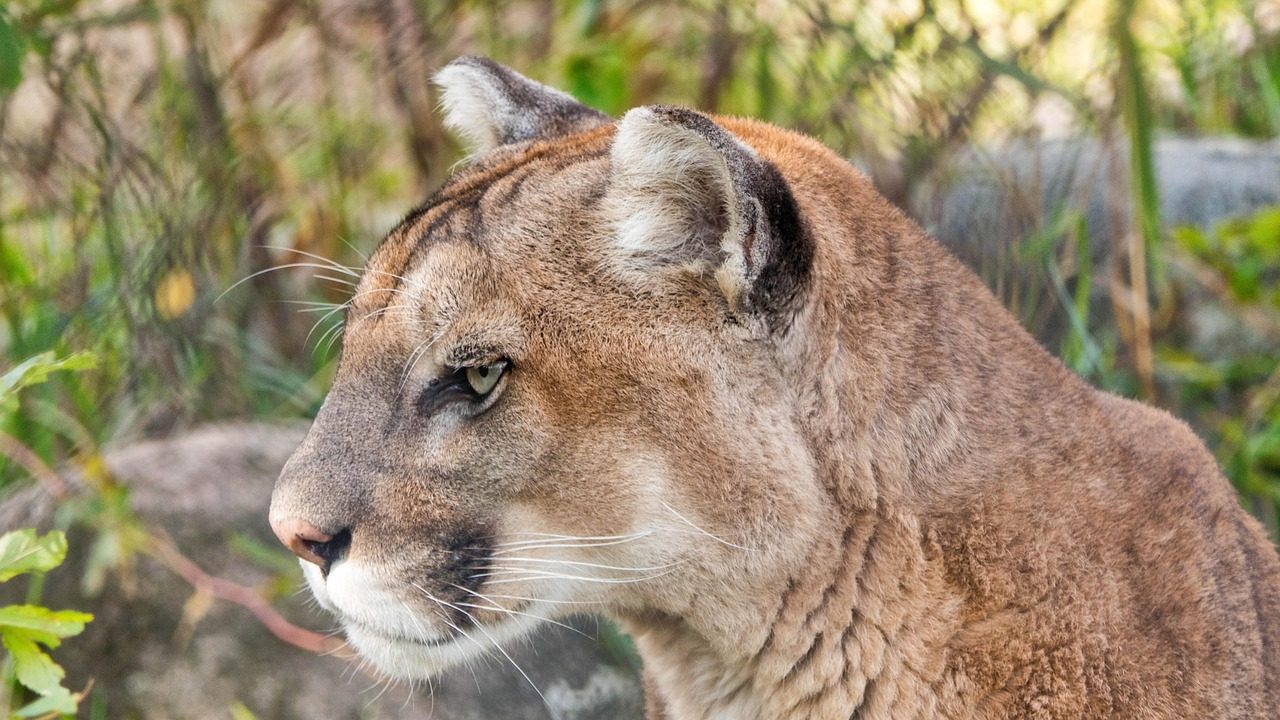
Texas supports a notable population of mountain lions, though it is difficult to estimate just how many mountain lions reside in this state, since they are solitary and elusive. Mountain Lions are most abundant in the Trans-Pecos region of the state, primarily in the vast Trans-Pecos region, with estimates that several thousand mountain lions inhabit the state.
Texas is fascinating because its sheer size and habitat diversity support mountain lions in ways other states can’t replicate. From desert scrublands to forested hill country, these adaptable predators have carved out niches across the Lone Star State. Unlike other states on this list, Texas doesn’t maintain strict population counts, making it harder to know exact numbers. Yet sightings and wildlife camera footage confirm their presence throughout western regions. The state’s approach to management differs significantly from its neighbors, reflecting Texas’s unique relationship with wildlife and land use.
Understanding Mountain Lion Habitat Preferences
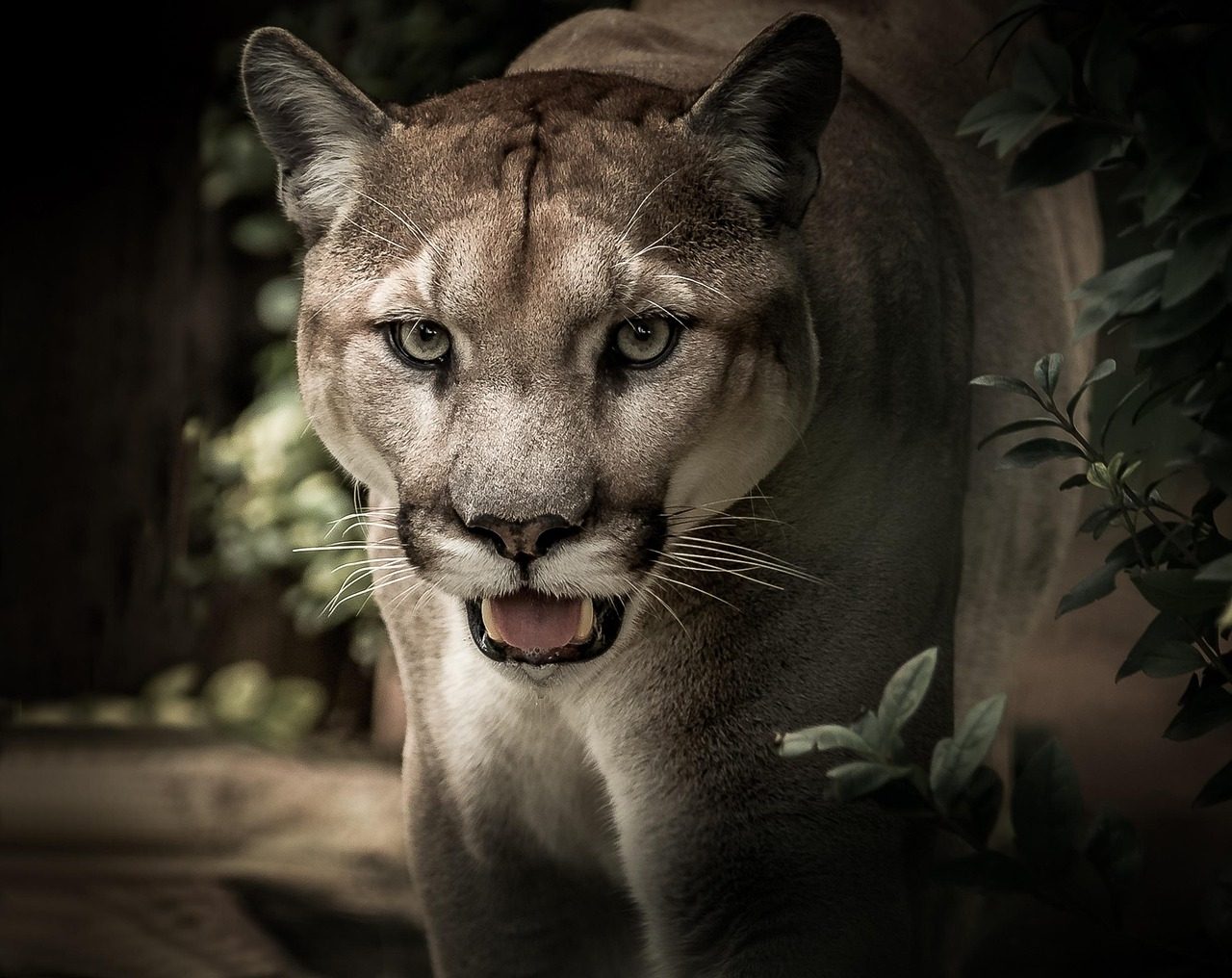
Mountain lions prefer habitats with dense underbrush and rocky areas for stalking but also live in open areas. Mountain lions can be found wherever deer are present, with their usual habitat being steep, rocky canyons or mountainous terrain. Deer populations essentially determine where you’ll find healthy mountain lion numbers, since these ungulates make up the bulk of their diet.
Adult male cougars roam widely, covering a home range of 50 to 150 square miles, depending on the age of the cougar, the time of year, type of terrain, and availability of prey. That’s an enormous territory when you really think about it, requiring connectivity between wild spaces. Fragmented habitats pose serious threats because mountain lions need room to hunt, breed, and establish territories without constant human interference. As a keystone species, a steady mountain lion population is essential. When their numbers drop, entire ecosystems can destabilize, leading to overpopulated prey species and degraded vegetation.
Conservation Challenges and Future Outlook
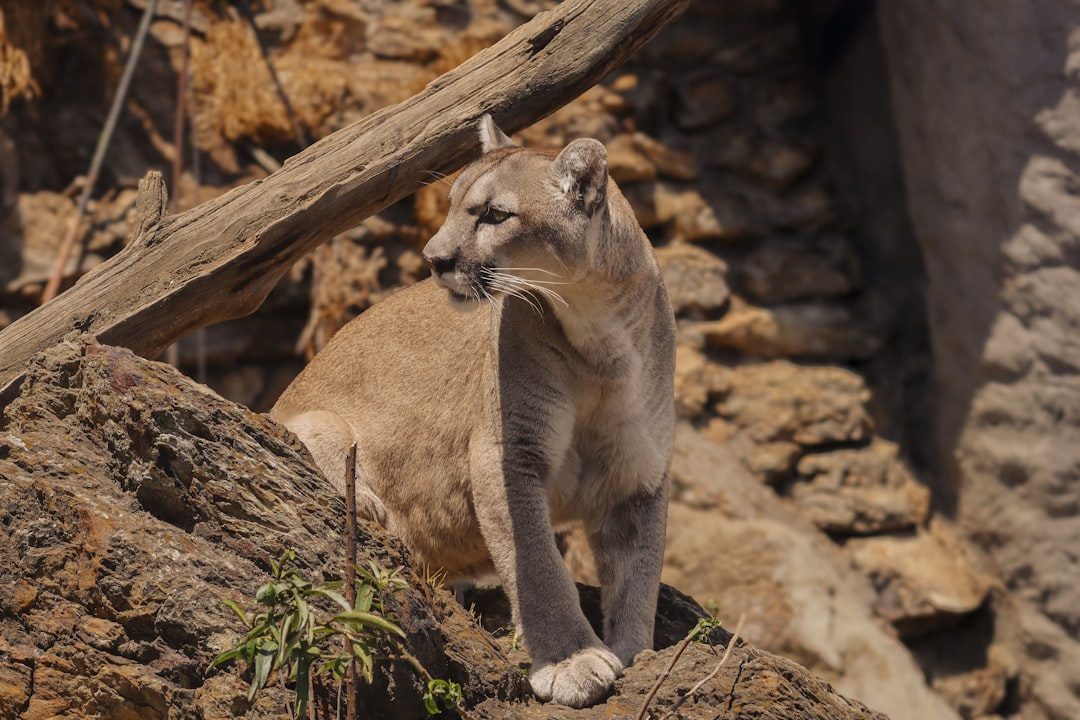
Estimates of the mountain lion population in the U.S. vary widely, with state game agencies suggesting that the numbers range between 20,000 and 40,000 lions, while conservation groups like the Mountain Lion Foundation believe the actual population is closer to 30,000, many of which are living in fragmented and degraded habitats. Let’s be real, these cats face mounting pressures from every direction: habitat loss, vehicle strikes, illegal poaching, and conflicts with livestock operations.
While there are still several thousand mountain lions in the wild, their population has significantly decreased from historic levels due to habitat destruction, anti-predator campaigns, conflicts with livestock and general persecution by humans. At the edges of human development, mountain lion numbers are experiencing a serious decline, with researchers monitoring the populations in California actually seeing risks of local extinction in the Bay Area. Climate change adds another layer of uncertainty, potentially shifting prey distributions and forcing these predators to adapt faster than evolution typically allows.
Wildlife corridors, protected habitats, and thoughtful management policies will determine whether future generations can share landscapes with these remarkable predators. States like Colorado and California demonstrate that with commitment and science-based conservation, mountain lion populations can remain stable even as human populations grow. The question isn’t whether we can coexist with mountain lions, it’s whether we’re willing to make the choices necessary to ensure their survival.
What surprises you most about where mountain lions live? Did you expect some of these states to top the list?