Imagine stepping into your backyard for a peaceful afternoon, only to discover tiny invaders hitching a ride on your socks. These bloodsuckers aren’t just annoying – they’re capable of transmitting potentially life-altering diseases. Ticks have become an increasingly serious public health concern across the United States, with expert data revealing some alarming hotspots where populations have exploded.
Recent indexes from health authorities and pest management professionals paint a concerning picture. Ticks have been named the National Pest Management Association’s 2025 Pest of the Year, as emergency room visits for tick bites reach a five-year high nationwide. Let’s explore which states you should be most vigilant about when it comes to these tiny but dangerous pests.
Pennsylvania: The Tick Capital of America

Based on CDC data collected between 2019 and 2022, Pennsylvania ranks as the second state with the most cases of tick-borne diseases. Four major tick species thrive in the state’s suburban and rural landscapes, making it a perfect breeding ground for these parasites. The combination of dense forests, high humidity, and abundant wildlife creates ideal conditions for ticks to flourish year-round.
What makes Pennsylvania particularly troublesome is the sheer density of deer and small mammal populations that serve as tick hosts. The state’s mix of wooded areas interspersed with residential neighborhoods means you don’t have to venture deep into the wilderness to encounter these pests. Even a simple walk through your local park or gardening in your backyard can put you at risk for tick exposure and the diseases they carry.
New York: Where Urban Meets Wilderness Risk
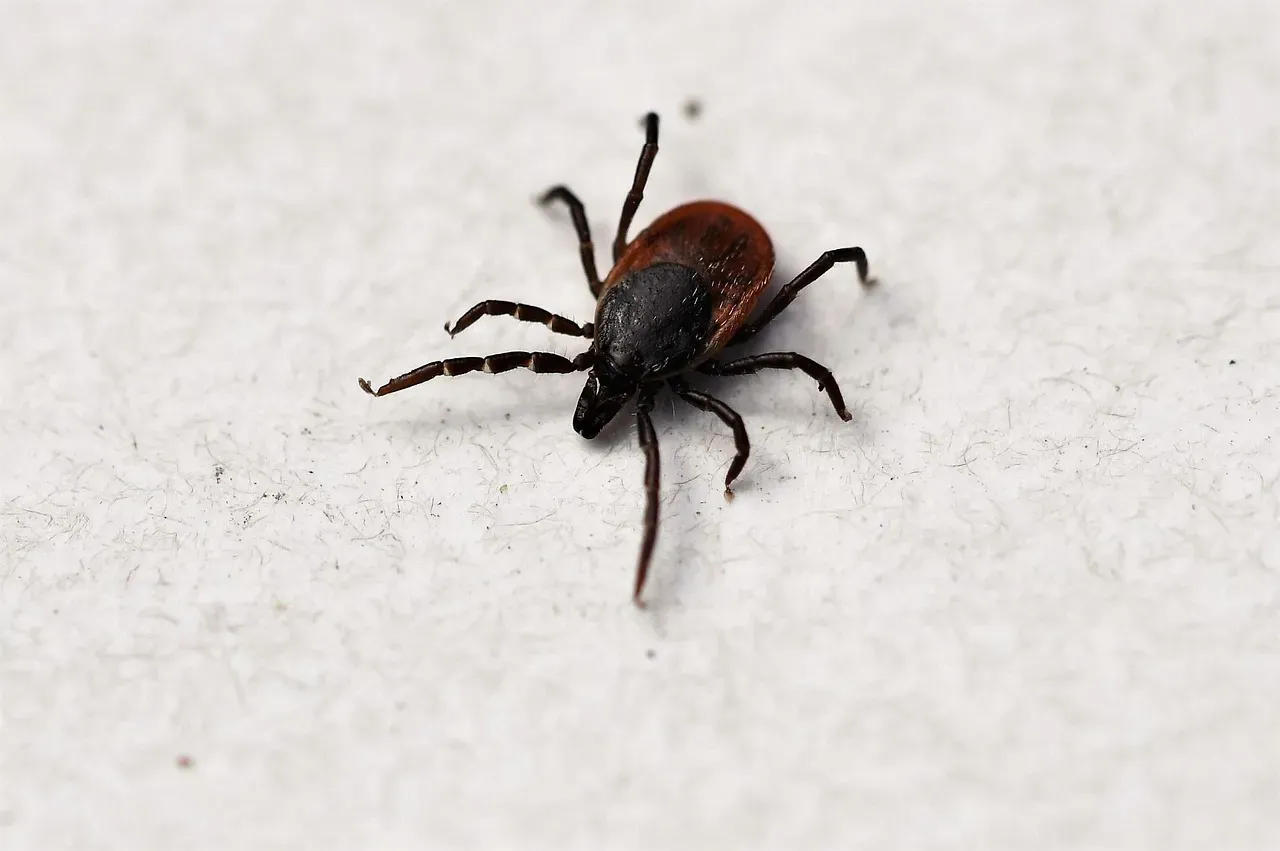
Based on CDC data collected between 2019 and 2022, New York ranks as the number one state with the most cases of tick-borne diseases. From the Adirondacks to Long Island, the entire state faces significant tick pressure. Even New York City itself ranks among the top tick-infested cities in the nation, proving that these parasites aren’t just a rural problem.
The state’s diverse ecosystems provide perfect habitats for multiple tick species, including the notorious blacklegged tick that transmits Lyme disease. Honestly, it’s startling how quickly tick populations have expanded across New York over recent decades. Climate conditions and reforestation efforts have created an environment where ticks can survive through milder winters, extending their active season and increasing human exposure risk dramatically.
New Jersey: Small State, Big Tick Problem
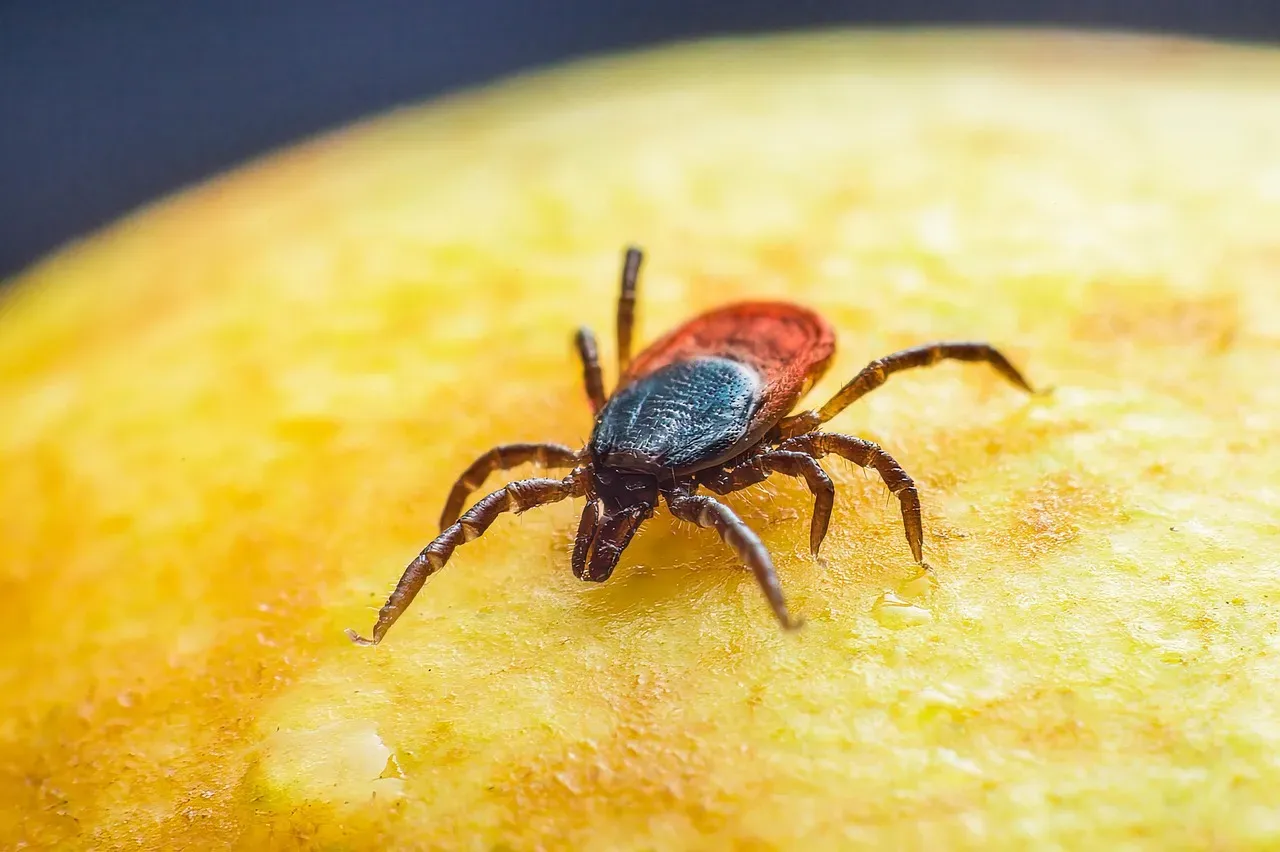
Based on CDC data collected between 2019 and 2022, New Jersey ranks as the third state with the most cases of tick-borne diseases. Despite being one of the smallest states geographically, New Jersey packs an outsized punch when it comes to tick infestations. The state’s location in the Northeast corridor, combined with its extensive wooded areas and parks, creates prime tick territory.
The density of the human population here means more people are potentially exposed to ticks during everyday activities. Suburban sprawl has pushed residential areas directly into tick habitats, blurring the lines between wild spaces and backyards. You might think living in a densely populated state would protect you, but the reality is quite the opposite – the interface between human development and natural areas creates more opportunities for tick encounters than you’d expect.
Wisconsin: The Upper Midwest’s Tick Epicenter
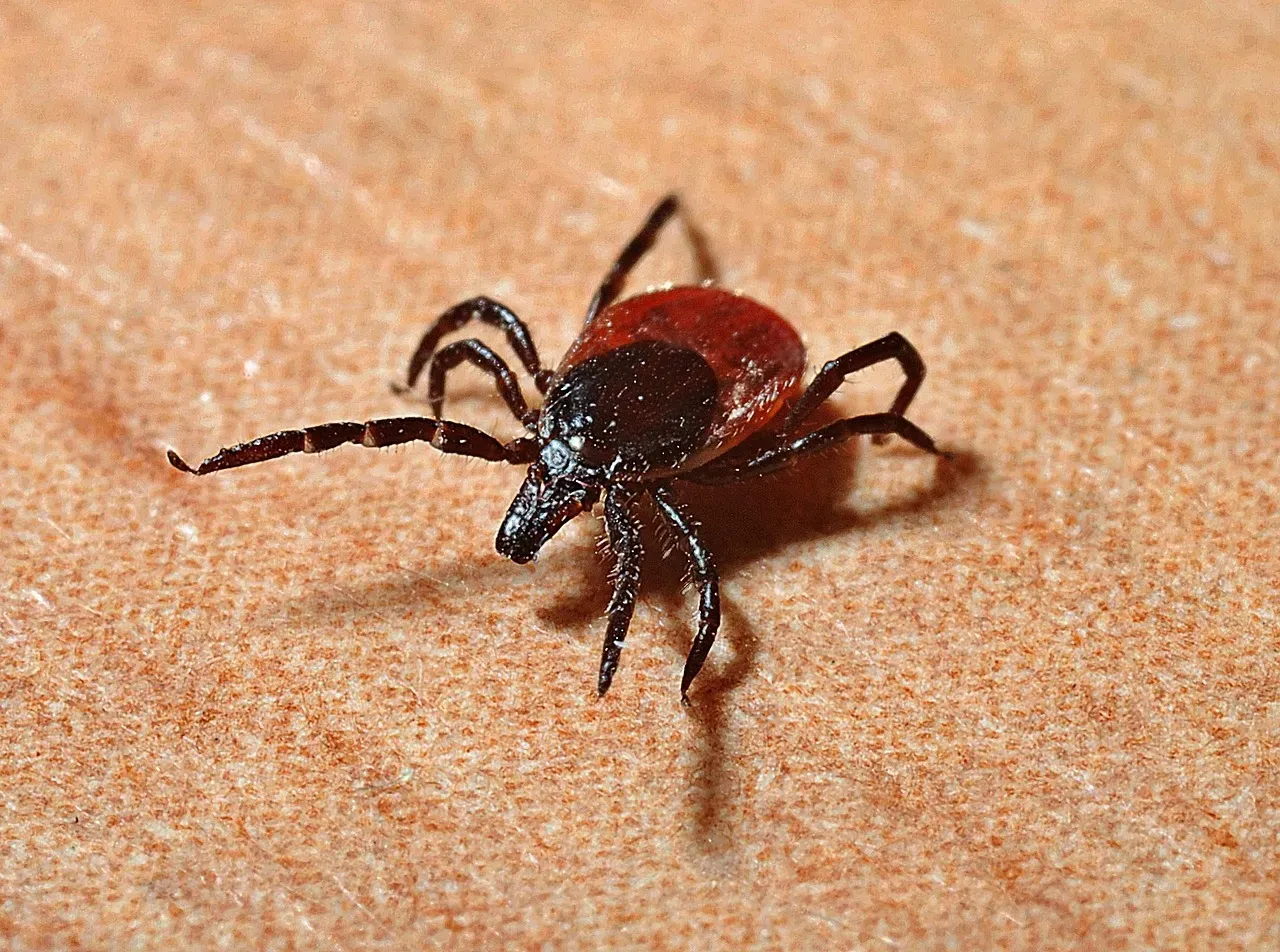
Based on CDC data collected between 2019 and 2022, Wisconsin ranks among the top 10 states with the most cases of tick-borne diseases. The state has witnessed an alarming surge in tick-related health issues. Wisconsin has seen surging numbers of Lyme disease cases in 2024 compared to the 2019-2023 average.
Forest regeneration since the early logging era and rebounding deer populations have created a perfect storm for tick proliferation. The state’s beautiful outdoor recreation areas – beloved by hikers, campers, and nature enthusiasts – unfortunately double as tick havens. Emergency department visits related to tick bites have been climbing steadily each year across all regions of Wisconsin, signaling that this problem isn’t going away anytime soon.
Massachusetts: New England’s Persistent Tick Challenge
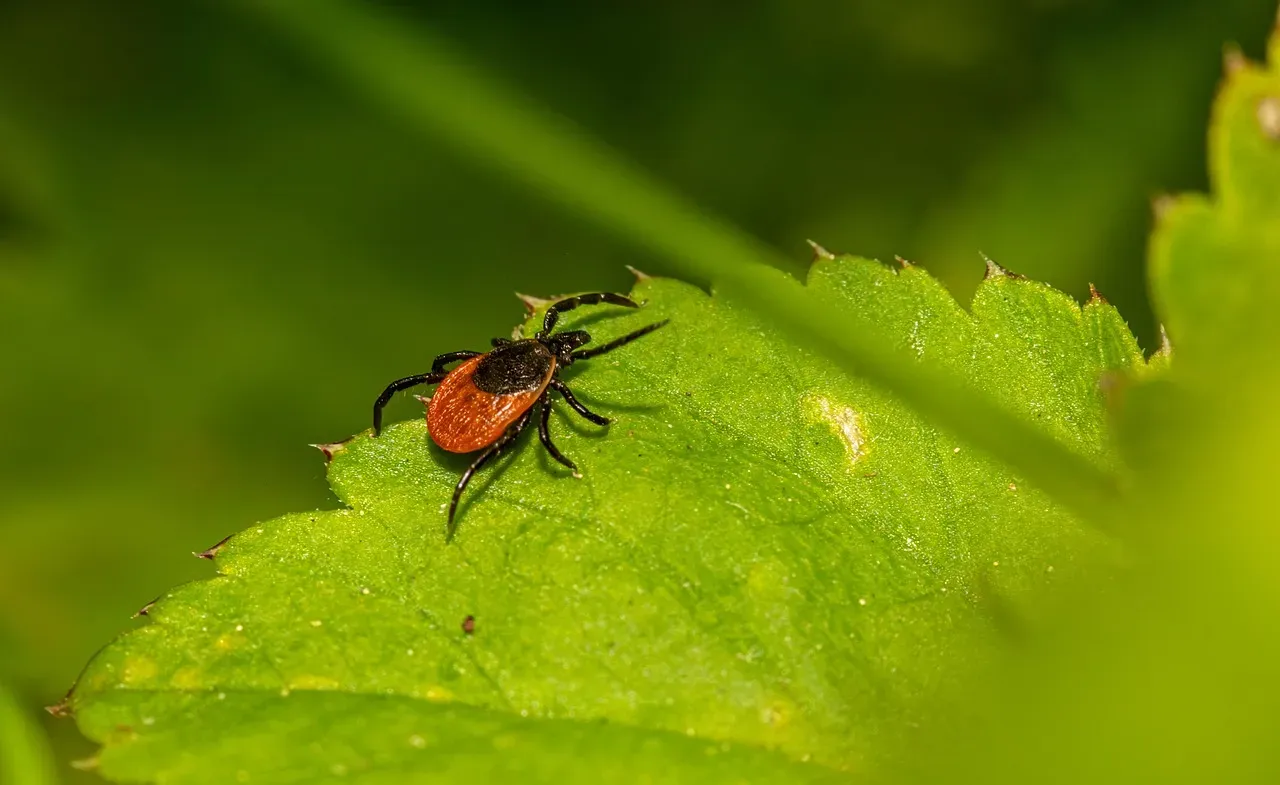
Based on CDC data collected between 2019 and 2022, Massachusetts ranks as the fifth state with the most cases of tick-borne diseases. The state’s coastal climate, extensive forests, and suburban landscapes provide ideal conditions for tick populations to thrive. From Cape Cod to the Berkshires, residents face tick exposure risks virtually everywhere they venture outdoors.
Massachusetts has become a focal point for tick-borne disease research precisely because of how severe the problem has become. There are about 15 states in which ticks are considered endemic, primarily in the Northeast, Mid-Atlantic, and Upper Midwest. The state’s medical community has had to adapt to treating thousands of Lyme disease cases annually, making tick awareness a crucial part of public health messaging throughout the warmer months.
Conclusion
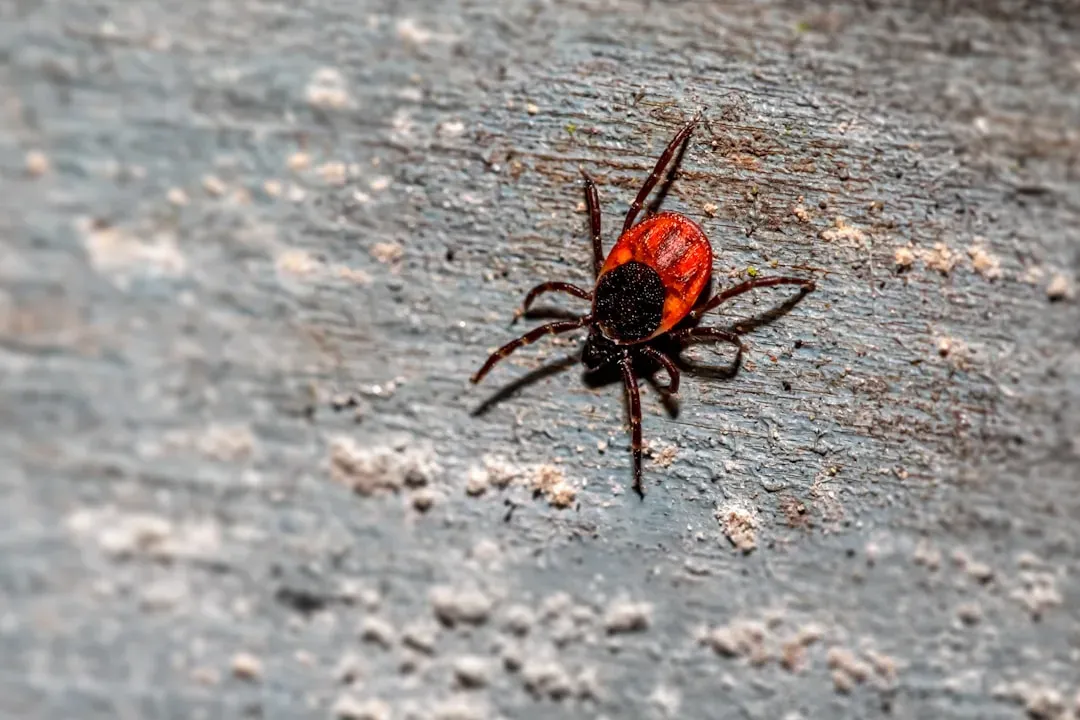
The tick situation across these five states represents a growing public health challenge that demands your attention and action. These aren’t isolated incidents – we’re talking about hundreds of thousands of tick-borne disease cases affecting real people every year. The data makes it clear that if you live in or visit Pennsylvania, New York, New Jersey, Wisconsin, or Massachusetts, you need to take tick prevention seriously.
Remember to check yourself thoroughly after spending time outdoors, wear protective clothing, and use EPA-approved repellents. The good news is that most tick-borne diseases can be treated effectively when caught early. Stay vigilant, stay informed, and don’t let these tiny pests keep you from enjoying the outdoors. Have you encountered ticks in your area this season? Share your experiences and prevention tips with others in your community.