You’ve probably heard the jokes, the horror stories, the urban legends. Your cat brings you a dead mouse and suddenly you’re convinced it’s an omen of doom, a feline prophecy that your time on this earth is coming to an end. Here’s the thing, though. What if we’ve been reading the signs all wrong? What if those seemingly morbid behaviors aren’t death threats at all, but something far more beautiful?
Let’s be real. Cats have gotten a bad reputation for their quirky, sometimes unsettling habits. Society has painted them as cold, calculating creatures who view their humans as nothing more than walking can openers. Yet anyone who’s shared their life with a cat knows there’s so much more beneath that aloof exterior. Those strange behaviors you’ve been misinterpreting? They’re actually love letters written in a language most of us never learned to read.
The Trophy Presentation: Your Cat’s Ultimate Compliment
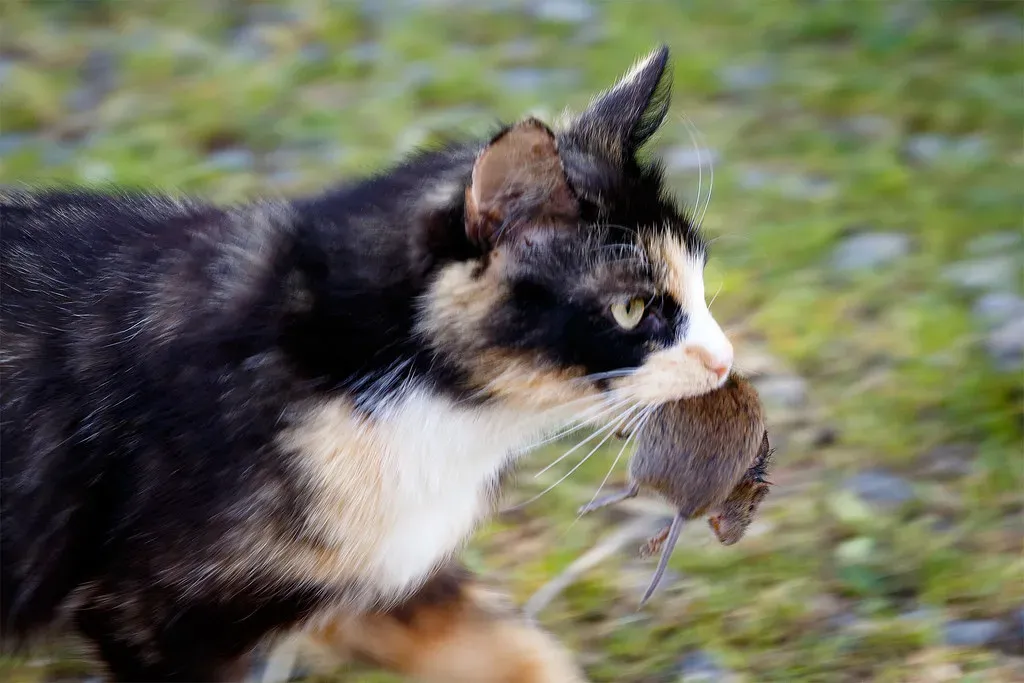
When your feline friend drops a dead bird or mouse at your feet, they may be trying to teach hunting skills, share resources with family members, or show affection and appreciation. This behavior typically indicates that your cat views you as family and wants to share their “hunting success” with you. Think about that for a moment. Your cat has just executed a successful hunt, showcasing their prowess as a predator. They could eat it themselves, hide it somewhere safe, or simply abandon it.
Instead, they bring it directly to you. To the contrary: “It’s somewhat of a compliment,” as they feel comfortable in their home and consider you part of their family. In the wild, this would be the equivalent of a five-star meal shared among trusted companions.
Mother cats bring dead or injured prey to their kittens to teach them how to eat and kill. When your cat presents you with a dead mouse, they may view you as a beloved – but terribly incompetent – member of their family. Honestly, it’s kind of endearing when you think about it that way.
The Midnight Meow Concert: They’re Checking On You
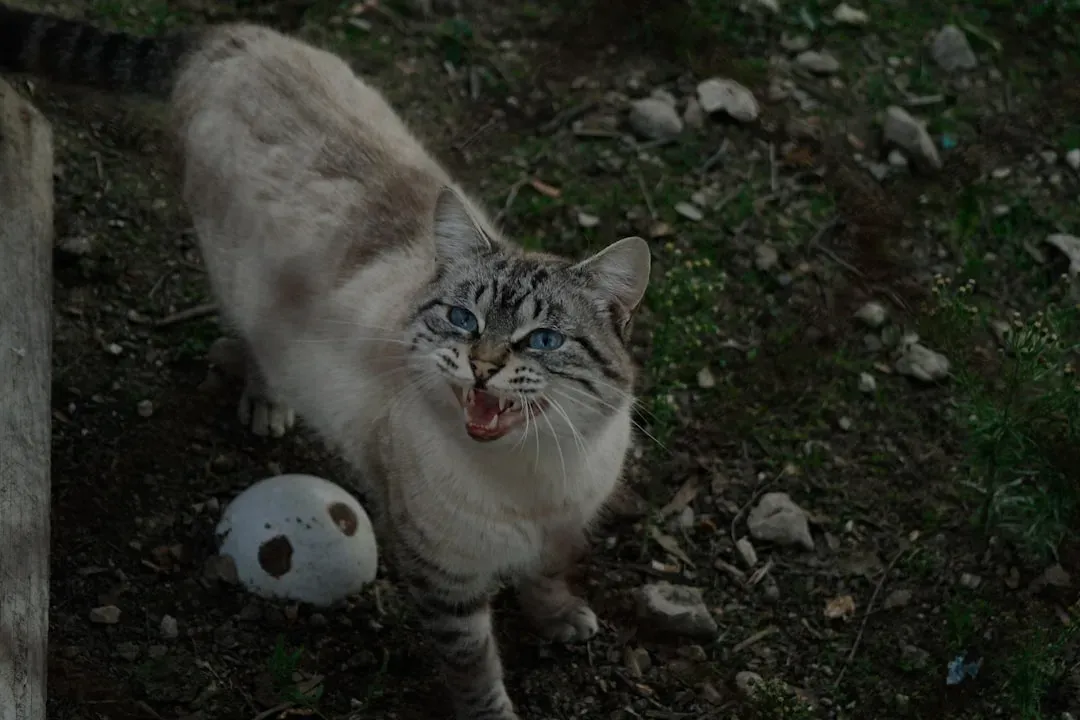
You wake up at three in the morning to your cat’s piercing meow echoing through the house. Your first thought might be annoyance, or perhaps concern that something’s terribly wrong. What’s actually happening is your cat is communicating with you in one of the few ways they know you’ll understand. Cats don’t typically meow to communicate with other cats; they reserve this behavior for interacting with humans. If your cat frequently meows at you, especially with a soft, gentle tone, it’s their way of getting your attention and showing affection.
Recent research has shown something fascinating about feline vocalizations. Cats vocalized more frequently when greeting male caregivers than when greeting female caregivers. On average, cats produced 4.3 meows in the first 100 seconds of greeting men compared to just 1.8 with women. What does this tell us? Your cat is actively adapting their communication style based on what gets your attention.
They’re not prophesying your demise. They’re making sure you’re okay, asking for reassurance, or simply saying hello because they missed you while you were sleeping.
The Intense Stare: Windows To A Loving Soul
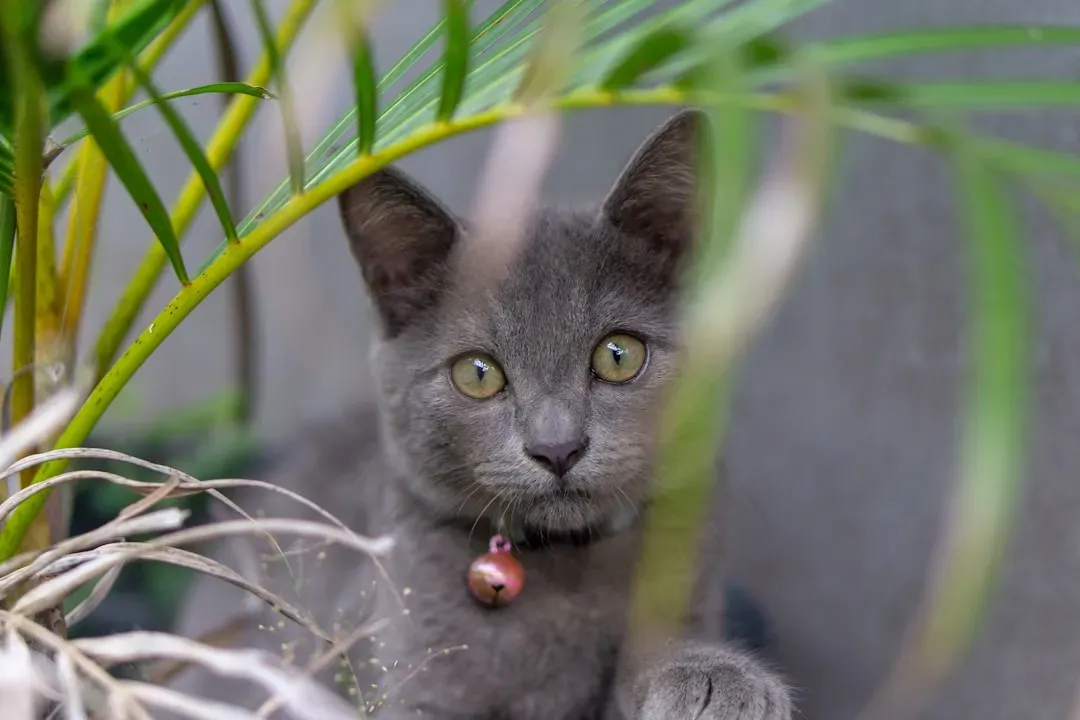
Eyes are said to be the windows to the soul, and cats use eye contact with their people to show adoration. Often, cats directly stare into the eyes of those that they trust and love. If your cat sits across the room and just stares at you with those unblinking eyes, it might feel unnerving. You might wonder if they’re plotting something sinister, calculating your demise, or seeing something you can’t see hovering behind you.
The reality is far sweeter. Slow blinking is the feline equivalent of blowing a kiss, a sign of trust and affection. If your cat locks eyes and offers a leisurely blink, they’re saying, “I love you” in cat language. In the animal kingdom, maintaining eye contact is often a challenge or threat. For a cat to hold your gaze and then slowly close their eyes? That’s vulnerability. That’s trust at its purest form.
Next time your cat stares at you like they’re peering into your soul, try slowly blinking back. You might be surprised at the response you get.
The Pre-Dawn Wake-Up Call: You’re Part Of Their Routine
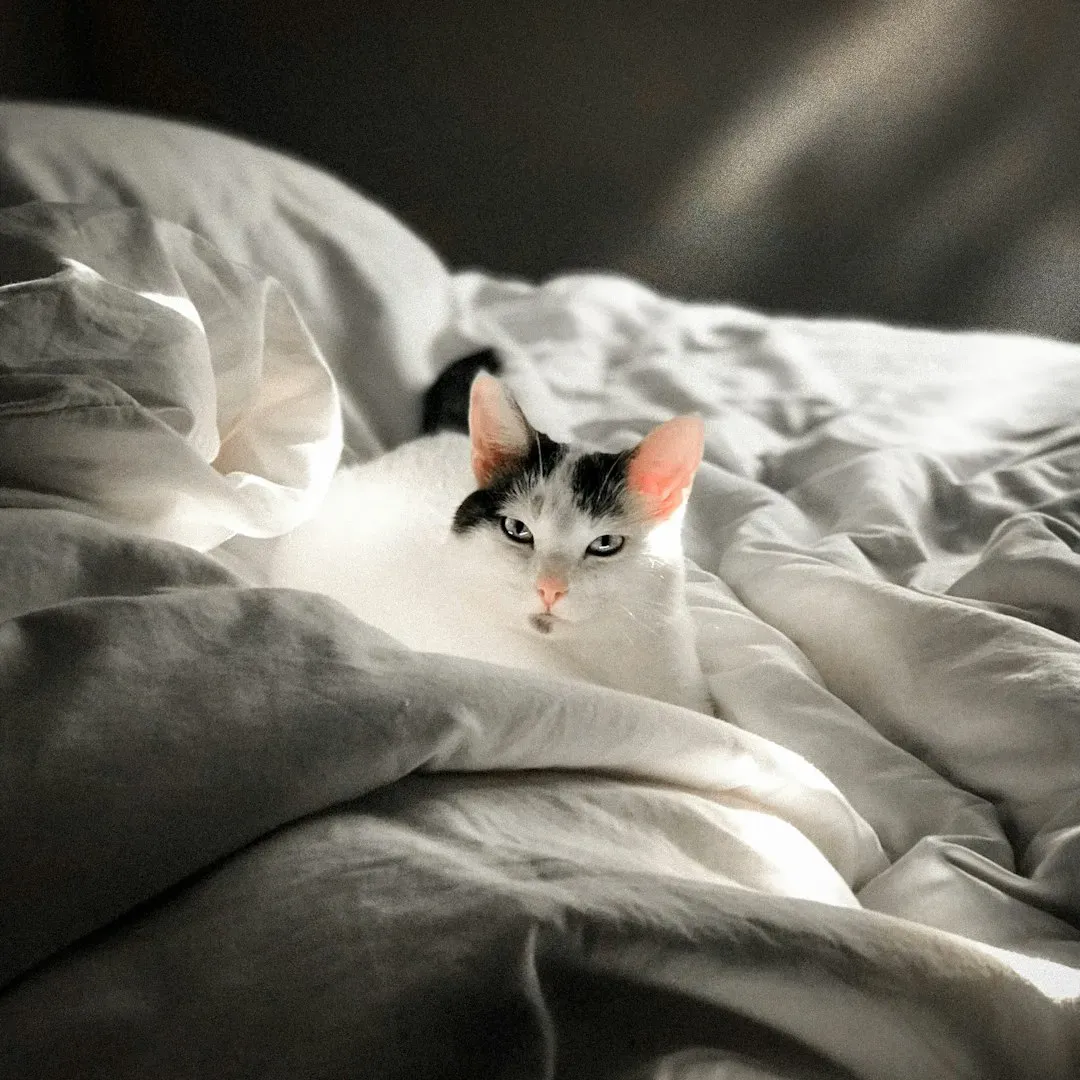
It’s five in the morning and you feel a weight on your chest. You open your eyes to find your cat sitting on you, staring down like some furry guardian angel. Or demon. Hard to tell at that hour. You might think this behavior signals something ominous, especially when paired with that intense feline gaze. In reality, your cat is incorporating you into their daily routine because you matter to them.
Cats often follow those they love and trust around the home. It is similar to the greeting at your front door, where they follow behind you and keep you in sight at all times. Your cat’s internal clock tells them it’s time to start the day, and they want you to be part of it. They might be hungry, sure, but there’s more to it than that.
By waking you up, they’re ensuring you’re alive, responsive, and ready to interact. They’re saying good morning in the only way they know how. I know it sounds crazy, but these early morning visits are actually expressions of attachment and routine bonding.
The Belly Exposure: Ultimate Vulnerability As Trust
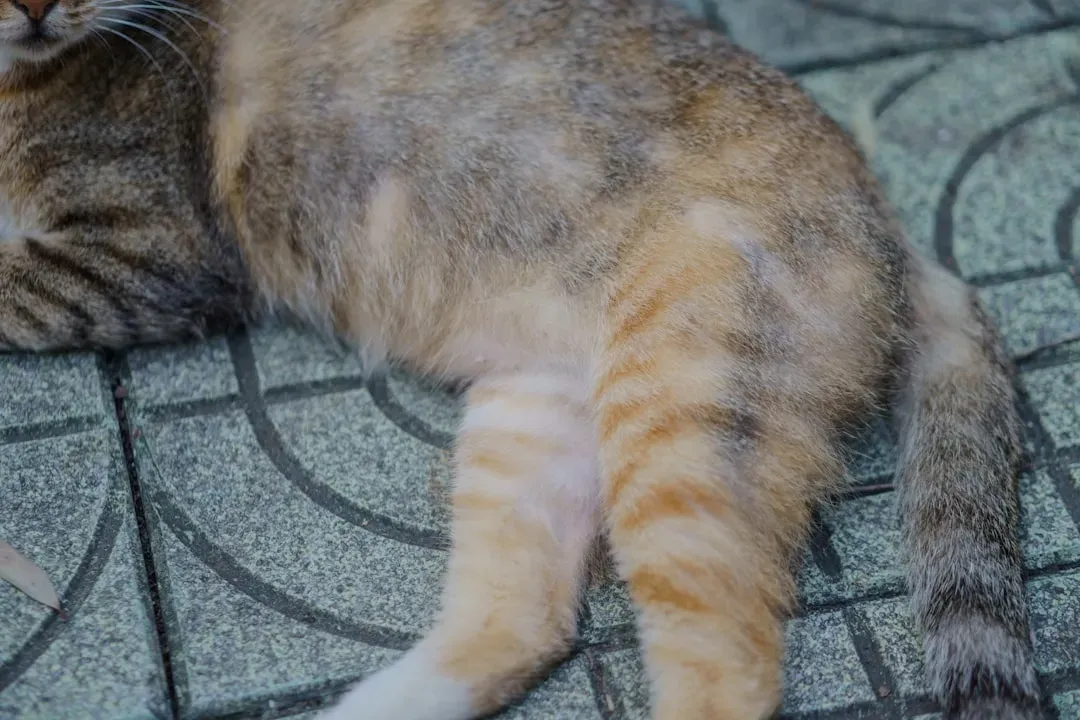
Your cat rolls onto their back, exposing their soft belly to you. In the wild, this would be a death sentence, leaving their most vulnerable area completely unprotected. This is often considered the ultimate sign of trust for a cat. Cats only lie on their backs and show their bellies when they are in their most relaxed state. They are simply communicating that they feel comfortable and safe enough to reveal one of the most vulnerable parts of their body.
This isn’t your cat showing you where to strike when they finally decide to end you. It’s the opposite. This action shows the cat feels safe and relaxed enough to close its eyes slowly around you. In the wild, closing one’s eyes can make an animal vulnerable to predators, so a slow blink signals that your cat feels secure and at ease in your presence.
They’re literally putting their life in your hands, trusting that you won’t take advantage of their exposed position. It’s hard to say for sure, but this might be one of the most profound displays of affection any animal can show.
Conclusion: Rewriting The Narrative
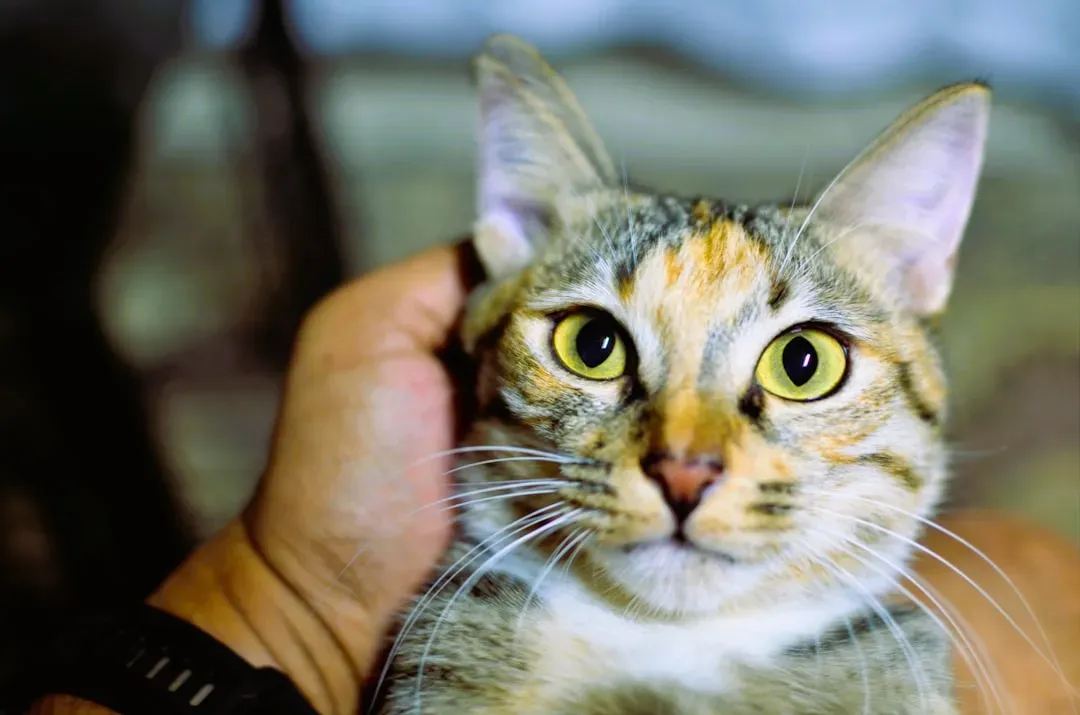
Cats bringing dead animals to their owners is a natural behavior that is ingrained in their instincts. While it may seem unpleasant to us, it is their way of showing their affection and trust. The same goes for all those other behaviors we’ve misunderstood for so long. Your cat isn’t telling you that death is near. They’re telling you that life, right now, with you, is pretty great.
These trophies of feline devotion, these midnight serenades, these vulnerable belly displays – they’re all part of a complex language of love that we’ve only recently begun to understand. When your cat presents you with their “gift,” it’s not about feeding you but sharing their success and expressing their love. In their eyes, they view you as part of their family, and by offering you the bounty of their hunt, they acknowledge your role within their social group. It’s a display of trust and affection.
So the next time your cat brings you something questionable at an ungodly hour, stares at you like they can see your soul, or wakes you up before dawn, remember this: you’re not receiving death omens. You’re receiving love notes from a creature who’s chosen you as their person. What do you think about that? Does it change how you see those quirky cat behaviors?