You’ve probably wondered what’s really going through your cat’s mind when they’re lounging on the couch or suddenly darting across the room. Unlike dogs who wear their emotions openly, cats communicate in whispers rather than shouts. Their subtle signals can feel like a secret code, leaving many cat owners guessing whether their feline is content or silently fuming.
Here’s the thing: learning to read these cues transforms your relationship with your cat entirely. When you understand what that slow blink means or why their tail suddenly puffed up like a feather duster, you stop making assumptions and start truly connecting. So let’s dive into the fascinating world of feline body language and decode exactly what your cat is telling you.
The Vertical Tail with a Gentle Curve
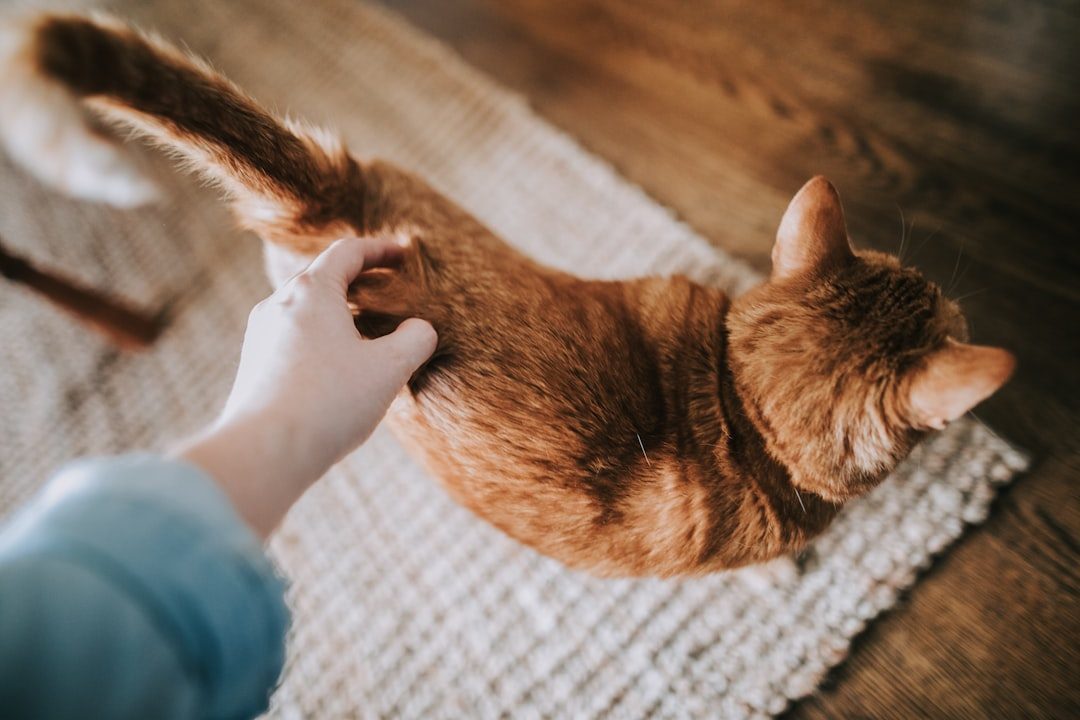
When your cat’s tail points straight up, they’re feeling social and confident, approaching you with genuine friendliness. Think of it as your cat’s version of a warm smile. Even better, if there’s a slight curve or hook at the very tip, they’re happy to see you or another cat.
This posture signals openness to interaction. Most of the time, this tail position indicates that the cat feels comfortable and open to interaction. Watch for this when your cat greets you at the door or approaches during mealtime. It’s their way of saying they’re genuinely pleased you’re around and receptive to whatever happens next.
Slow Blinks and Soft Eyes
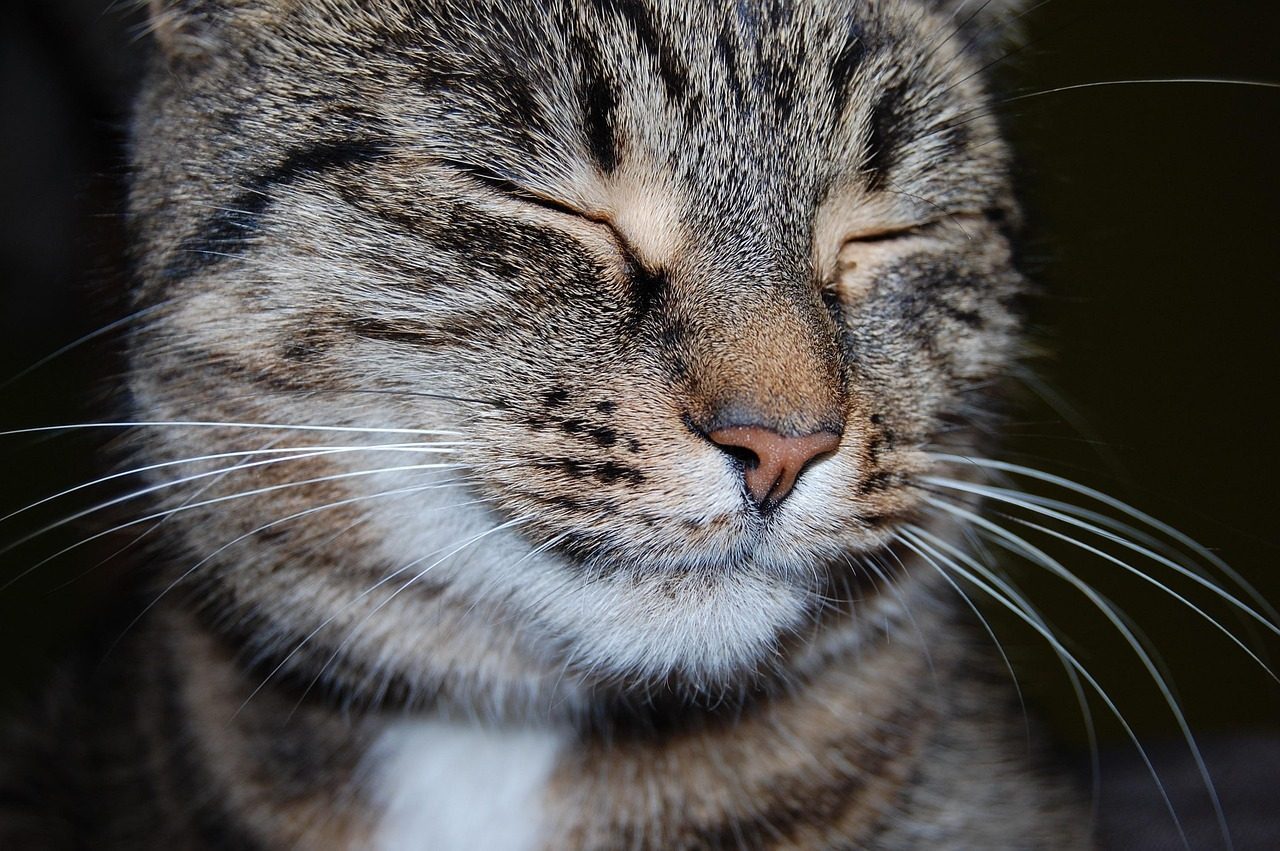
If your cat looks at you and is blinking or winking slowly it usually means they’re content. This gesture is often called a “cat kiss” and represents one of the most tender forms of feline communication. Some experts say it’s how cats tell you they trust you completely.
A slow blink is a sign of a relaxed cat, and you can actually blink back to communicate the same feeling of security. Their eyes should appear soft rather than wide or startled. This mutual blinking creates a moment of genuine connection that strengthens your bond in ways words never could.
Relaxed Body Posture and Stretching
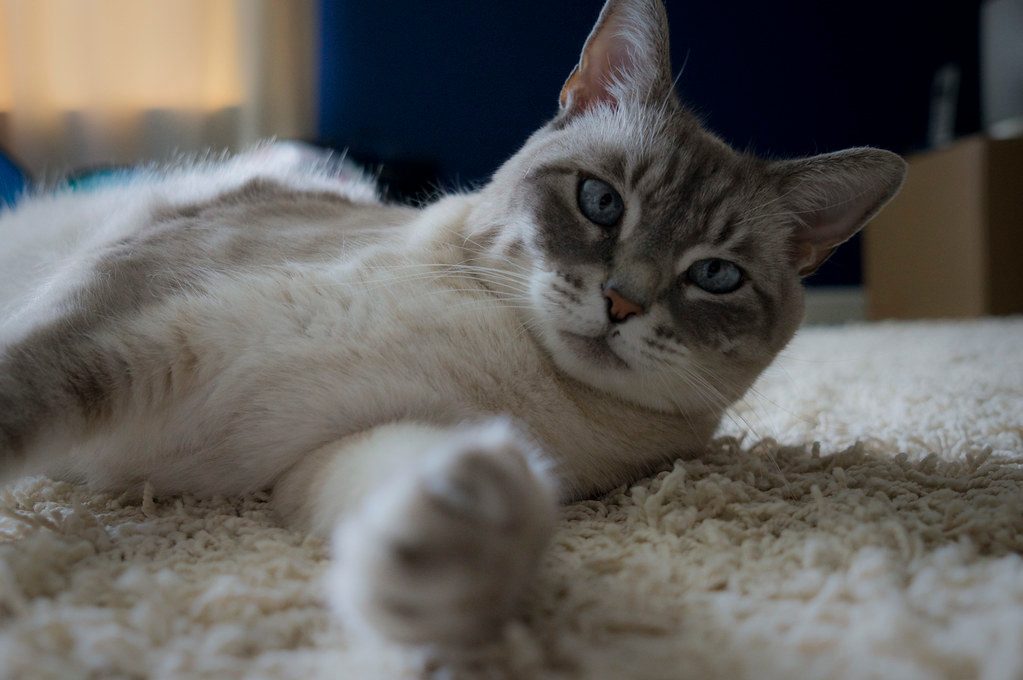
When a cat is happy, their posture is typically loose, with their limbs and tail stretched out away from their body when lying down. You might notice your cat sprawled across the floor with complete abandon, belly partially exposed and paws extended. This vulnerability shows they feel safe in their environment.
Cats who are relaxed will have loose, fluid body movements, and might fold their feet in front of themselves, stretch their feet way out in front, or slouch over the side of a perch. There’s no tension in their muscles, no coiled energy ready to spring. They’re simply existing peacefully in your shared space, which honestly is one of the best compliments a cat can give you.
Forward-Facing Ears in a Natural Position
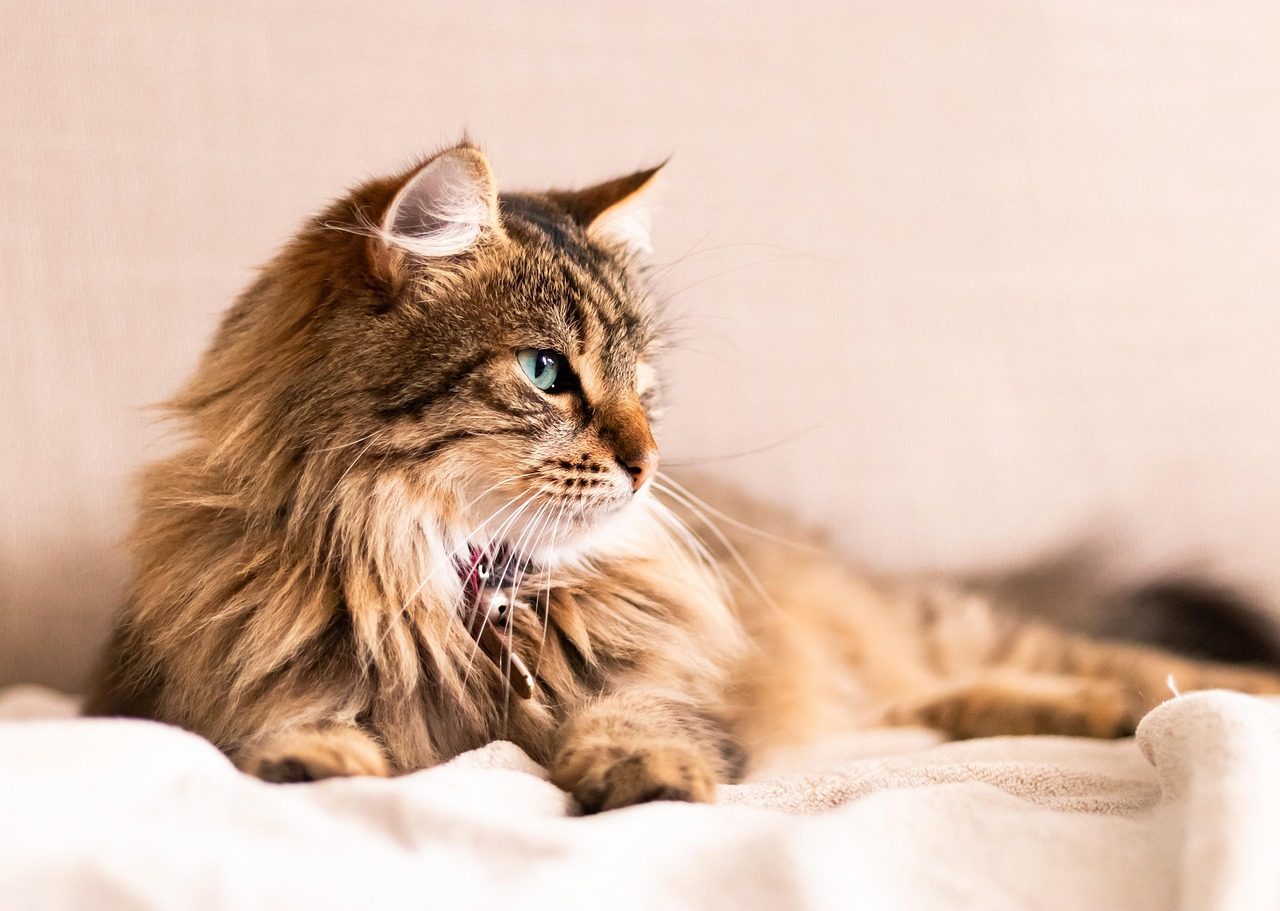
Their ears will usually be pointing upwards and facing forward if your cat is happy. The ears shouldn’t be swiveling constantly or flattened against their head. Instead, they rest in a neutral, slightly forward position that shows alertness without anxiety.
Relaxed cats’ ears and whiskers will be at their neutral positions or maybe slightly forward. When you see this, your cat is paying attention to their surroundings in a calm, confident way. They’re monitoring what’s happening around them without feeling threatened by any of it, which is exactly the mental state you want for your feline companion.
Gentle Purring Combined with Kneading
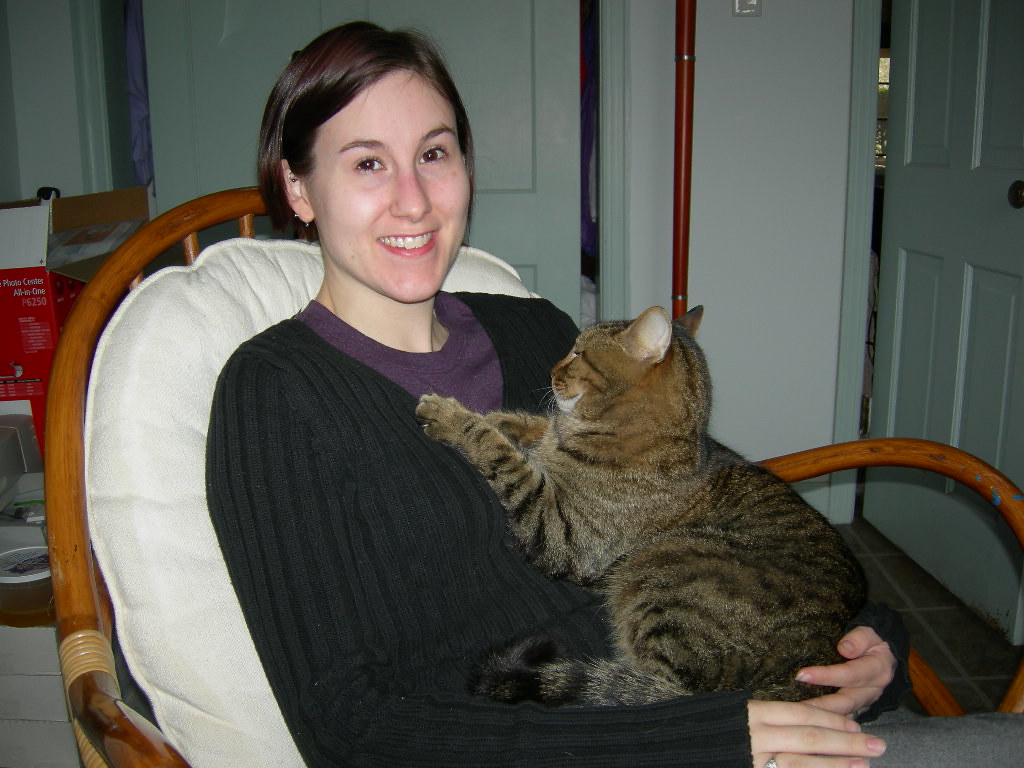
When your cat is cuddling on your lap, you might notice them kneading, another sign of enjoyment, and you’ll probably hear your cat purring too. The kneading motion mimics what kittens do while nursing, so when adult cats do this, they’re essentially reverting to that sense of comfort and safety.
Context matters here because cats don’t always purr from happiness. Purring is only true if their body language is relaxed. When combined with soft eyes, a loose body, and that rhythmic paw motion on your blanket or leg, purring becomes a symphony of contentment. They’re telling you that right now, in this moment, everything is exactly as it should be.
The Friendly Head Bump and Rubbing
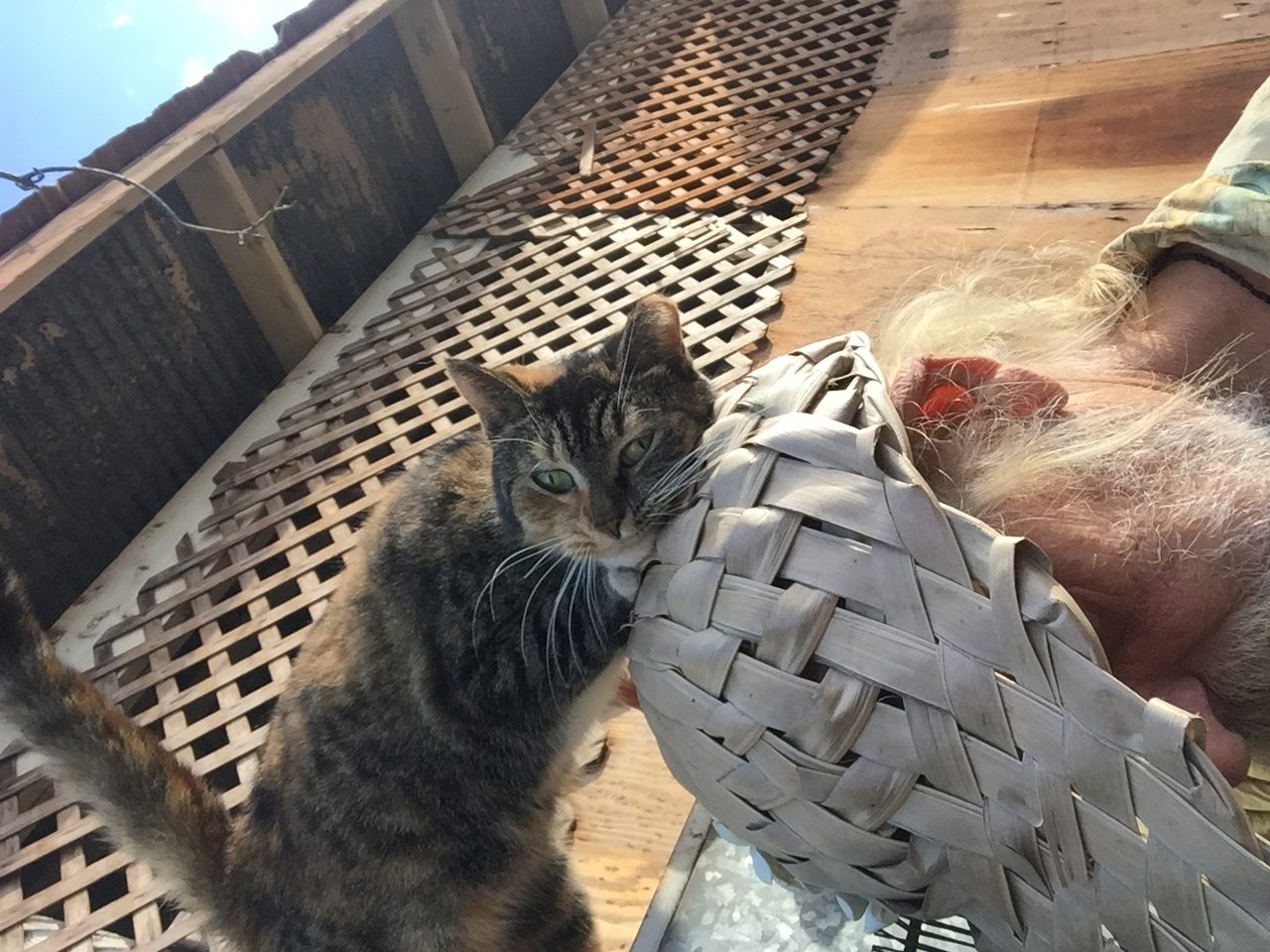
When they’re showing their affection, cats rub themselves on you, often circling or turning in little figure eights. This behavior deposits their scent on you, essentially marking you as part of their territory in the most affectionate way possible. They’re claiming you as their own, which is a tremendous compliment in the feline world.
Head bumps, or “bunting,” target specific scent glands on their face. Your cat isn’t just being cute; they’re actively creating a shared scent profile between you. This mixing of scents creates a sense of family and belonging that goes beyond simple affection. It’s a powerful social bonding behavior that speaks volumes about how safe and happy they feel with you.
Flattened Ears and the Airplane Position
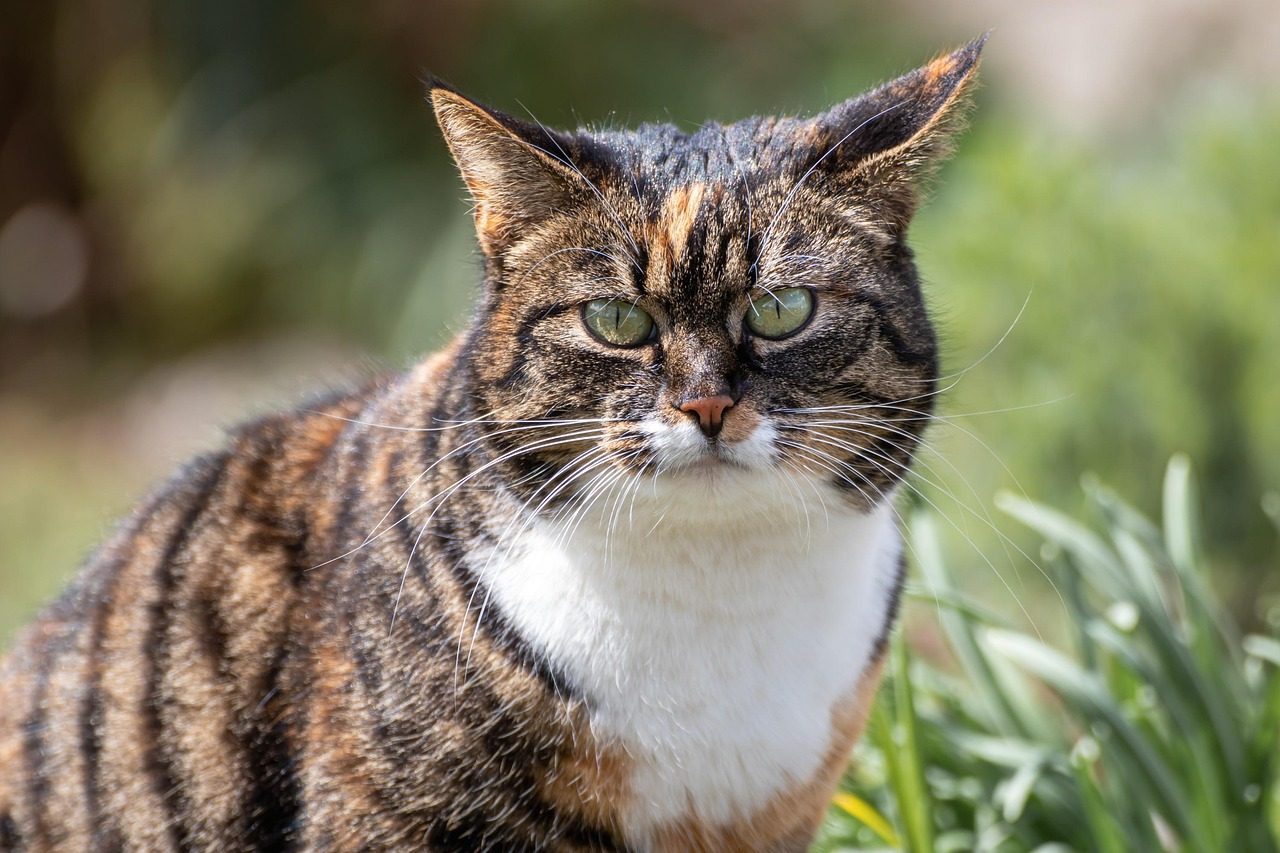
Their ears can be pivoted outwards or pulled back, often referred to as “aeroplane ears,” which generally means your cat is feeling uncertain or uneasy. When ears flatten completely against the head, the message becomes even clearer: your cat is either frightened or preparing to defend themselves.
Ears pointing all the way back and flattened against the head are a sure sign that a cat should not be approached, as this cat may be feeling threatened or getting ready to fight. Respect this signal immediately. Attempting to interact with a cat displaying this posture will likely end badly for everyone involved. Give them space and remove whatever stimulus is causing their distress.
Thrashing or Rapidly Twitching Tail
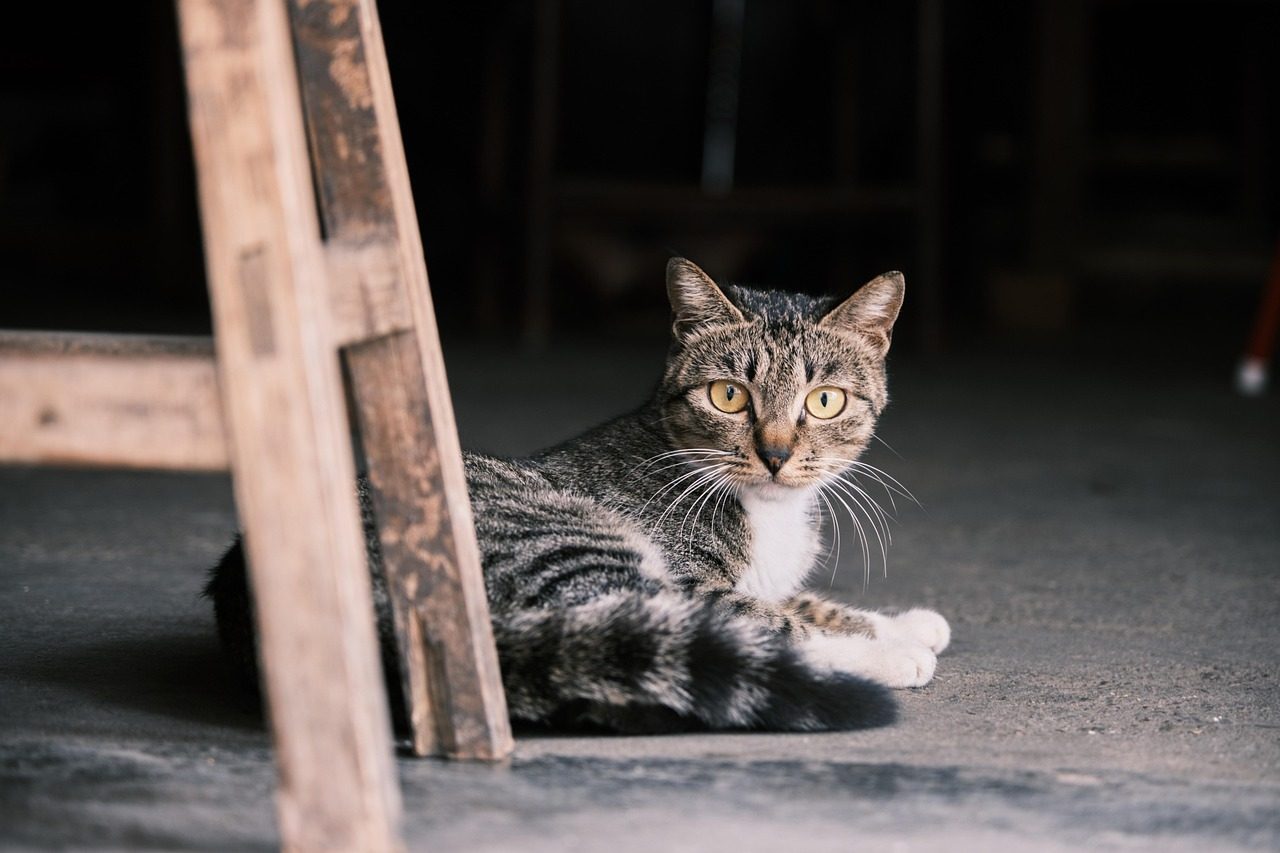
When your cat thrashes their tail or is thumping it on the ground, they are irritated, annoyed, or angry. This is fundamentally different from a dog’s happy tail wag. In cats, rapid tail movement signals agitation, not excitement.
If you are petting your cat and they start thrashing their tail, they are trying to tell you to stop, as the thrashing tail may be a prelude to hissing, growling, swatting, or biting. Pay attention to this early warning system. Your cat is communicating their boundaries clearly before resorting to more dramatic measures. The smart move is to back off immediately and let them regain their composure.
Crouched Body with Tucked Limbs
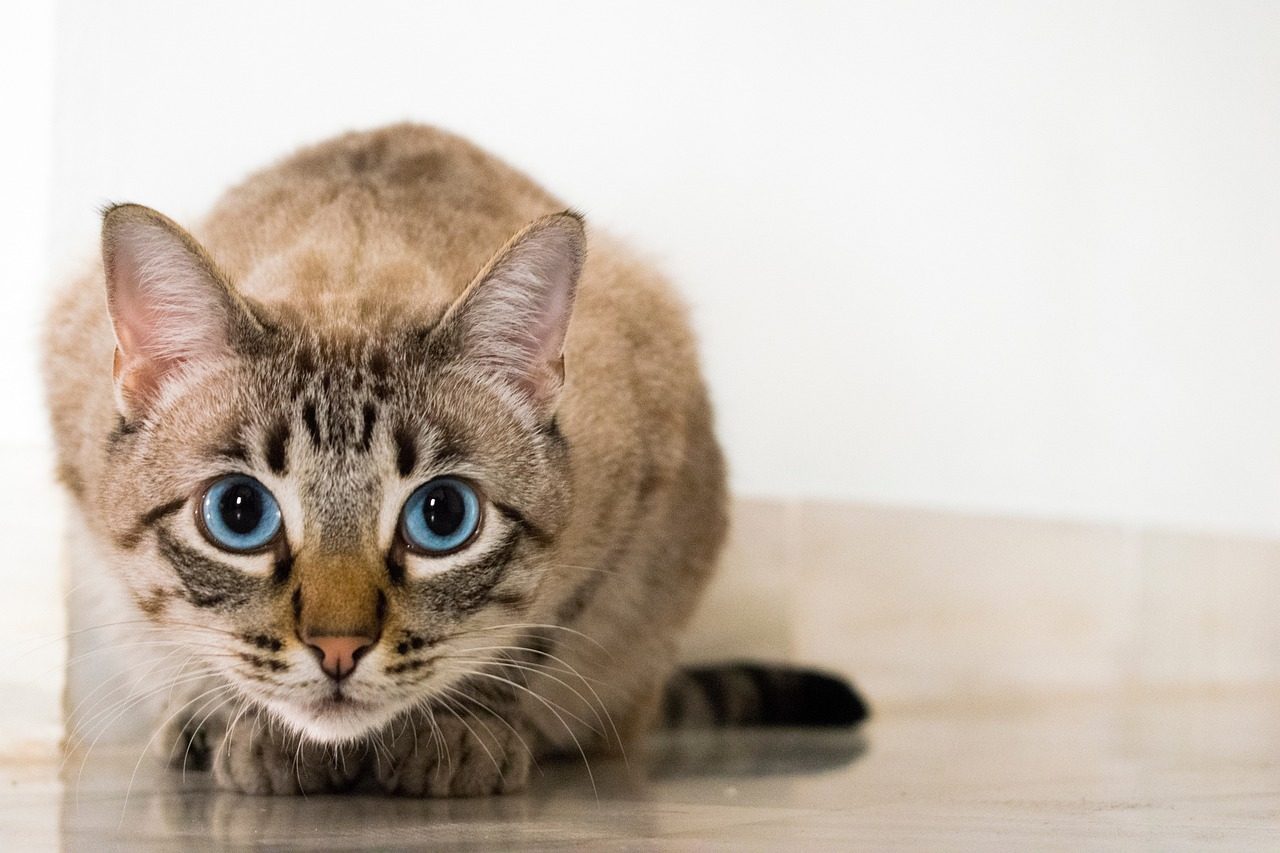
A cat that’s feeling anxious or worried might crouch down, low to the ground, and if they stop and freeze when they see you, you can be sure they’re not feeling comfortable. This defensive posture makes them appear smaller and prepares them to either flee or fight depending on what happens next.
Anxious or stressed cats usually attempt to make themselves appear smaller by hunching or crouching low to the ground, and if possible they will seek somewhere to hide. When you observe this, resist the urge to approach or comfort them. Creating distance and allowing them to retreat to a safe spot will help them feel more secure than any forced interaction would.
Dilated Pupils with Intense Staring
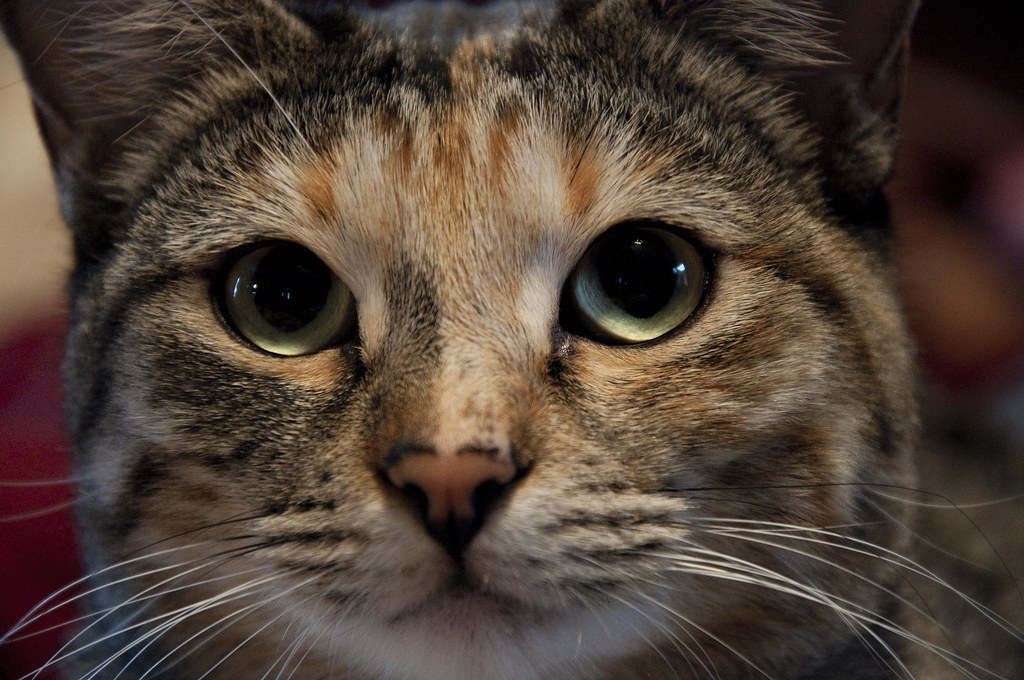
Hypervigilant scanning of the room, increased blinking and squinting are signs of stress in cats, and eyes might appear ‘black,’ ‘dark’ or ‘fixed’ and ‘hard’ as pupils are dilated and the animal stares. This fixed gaze indicates your cat is on high alert, monitoring potential threats in their environment.
While dilated pupils can occur from excitement or changes in light, combined with other stress signals like flattened ears or a low body posture, they indicate fear or defensive aggression. Your cat is essentially saying they feel unsafe and need you to either remove the threat or give them room to escape. It’s hard to say for sure without looking at the complete picture, but those wide, dark eyes usually spell trouble.
Creating a Harmonious Home Through Body Language Awareness
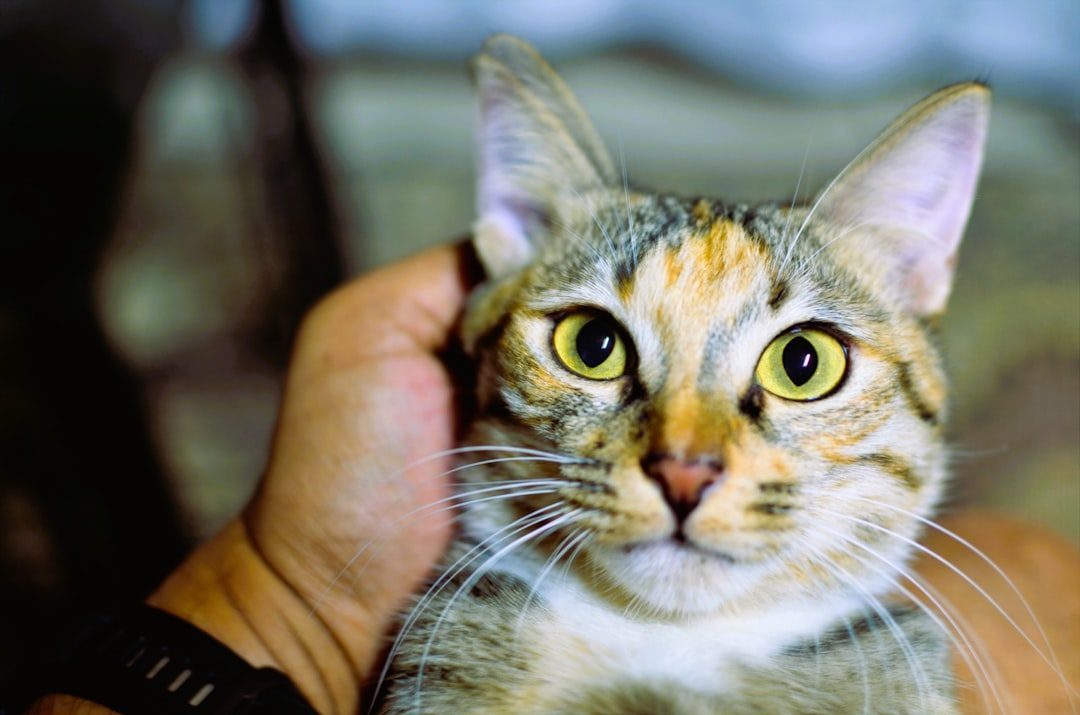
Understanding these ten signals transforms how you interact with your cat daily. You’ll know when to approach for cuddles and when to respect their need for solitude. This knowledge prevents misunderstandings that can damage your relationship or result in scratches and bites.
Learning their body language can help strengthen the relationship with your cat, as learning the signs that they are happy, or when they just want to be left alone, can be a big help to you both. The beauty of this awareness is that it’s reciprocal. When you respect their signals, they learn to trust you more deeply, creating a positive cycle of mutual understanding.
Think about how frustrating it must be for cats when their clear communications go unnoticed. By tuning into their subtle cues, you’re honoring their autonomy and showing them the respect they deserve. The result is a calmer, more confident cat and a relationship built on genuine communication rather than guesswork. What would your cat tell you right now if you took a moment to really observe them?