You’ve probably heard the old saying that cats are independent creatures, impossible to train, and stubbornly set in their ways. While all felines possess a natural streak of autonomy, the truth is far more nuanced than that generalization suggests. Your cat’s breed plays an undeniable role in shaping their behavior, particularly when it comes to training responsiveness. Not all cats are created equal in the obedience department.
Some breeds will happily learn tricks, respond to commands, and adapt to household rules with minimal resistance. Others will look at you like you’ve lost your mind for even suggesting they follow instructions. If you’re considering adding a feline companion to your home and training is a priority, you’ll want to think twice before choosing certain breeds. Let’s explore six cat breeds often described as challenging to train, and discover what makes them so magnificently stubborn.
Persian: The Beautiful But Unmotivated Lounger
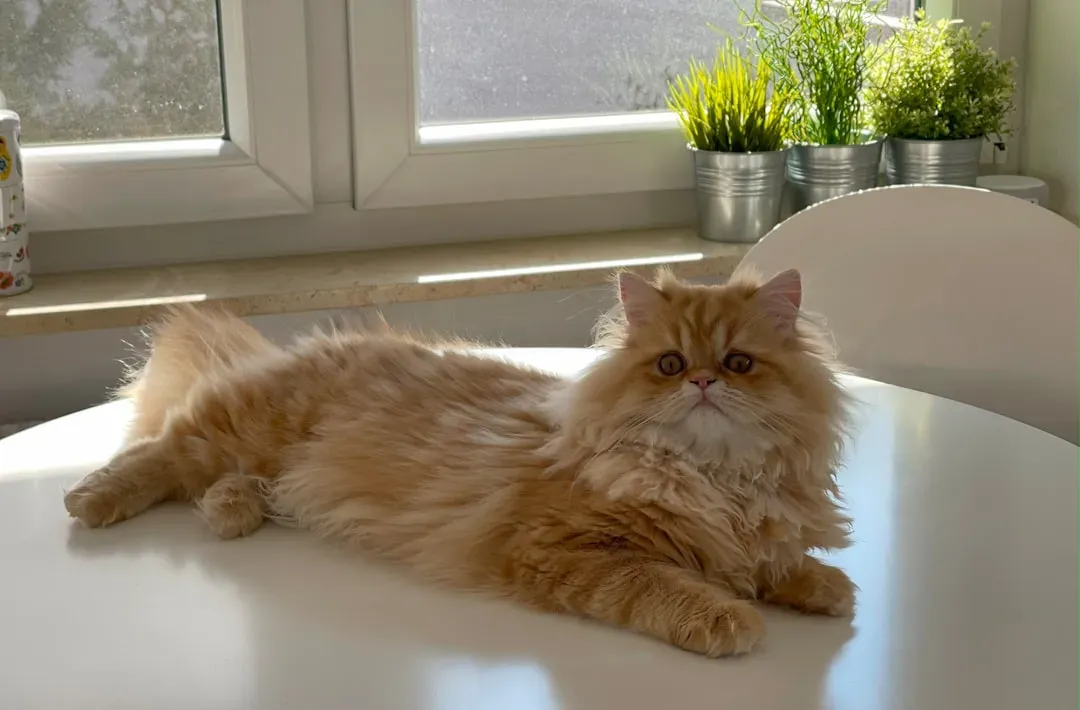
Persians carry personality traits that stem from their ancient lineage, making them willful and notably difficult to train. If you’re hoping to teach your Persian to fetch or come when called, prepare yourself for significant disappointment. These cats are incredibly difficult to motivate, constantly ignoring their owners and spending most of their time grooming their thick coats.
Their reserved nature makes them less inclined to engage in training sessions that require high activity levels or extensive physical exertion. Think of it this way: Persians are the aristocrats of the cat world, and aristocrats don’t perform tricks for treats. It’s not common to train Persian cats for tricks, though they do respond well to litter tray training using positive reinforcement techniques. Getting a Persian cat to listen will be incredibly difficult unless training starts when they are kittens.
Himalayan: The Stubborn Problem Solver
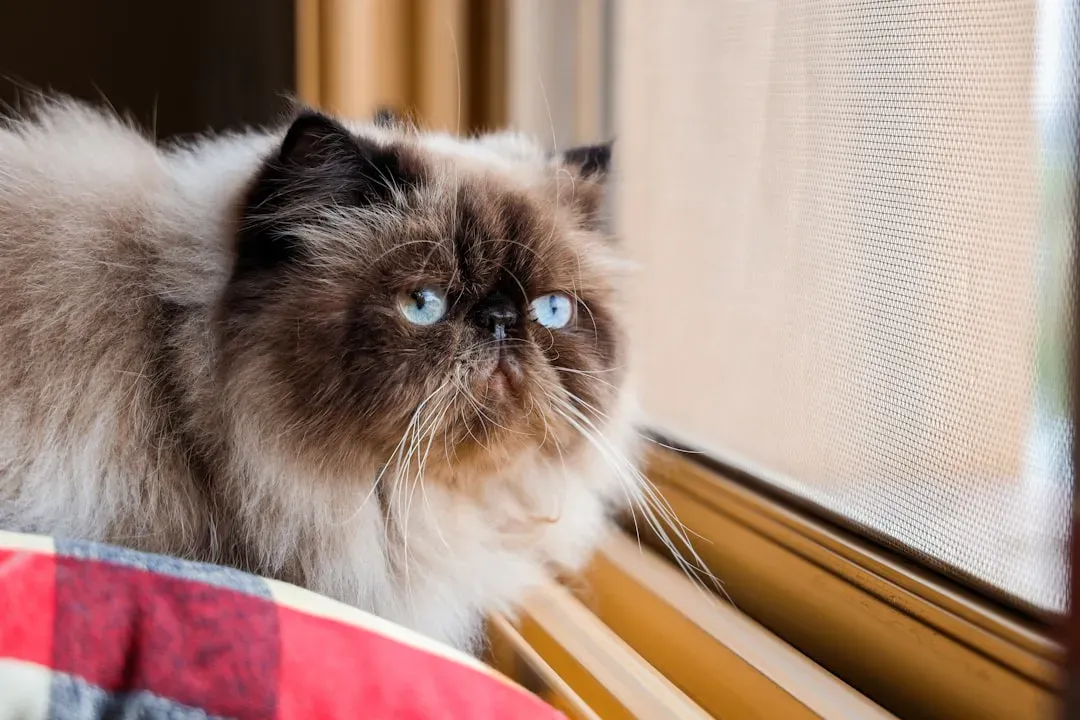
Himalayan cats originated from Persian and Siamese breeding, creating incredibly stubborn animals with loving hearts. This crossbreed inherits the worst training traits from both parent breeds, resulting in a cat that’s intelligent enough to understand what you want but willful enough to simply refuse. The breed frequently dismisses their owners’ commands, which can be endlessly frustrating for anyone hoping to establish household rules.
What makes Himalayans particularly challenging is that they’re not lacking in intelligence. These cats are incredible problem solvers and hunters, creating an environment to suit their needs. Despite proving capable of problem solving, they prefer to wait for their owners to solve their problems for them. It’s hard to say whether this is genuine stubbornness or just sophisticated laziness, but either way, training a Himalayan requires exceptional patience and probably a bit of divine intervention.
Scottish Fold: The Selective Listener
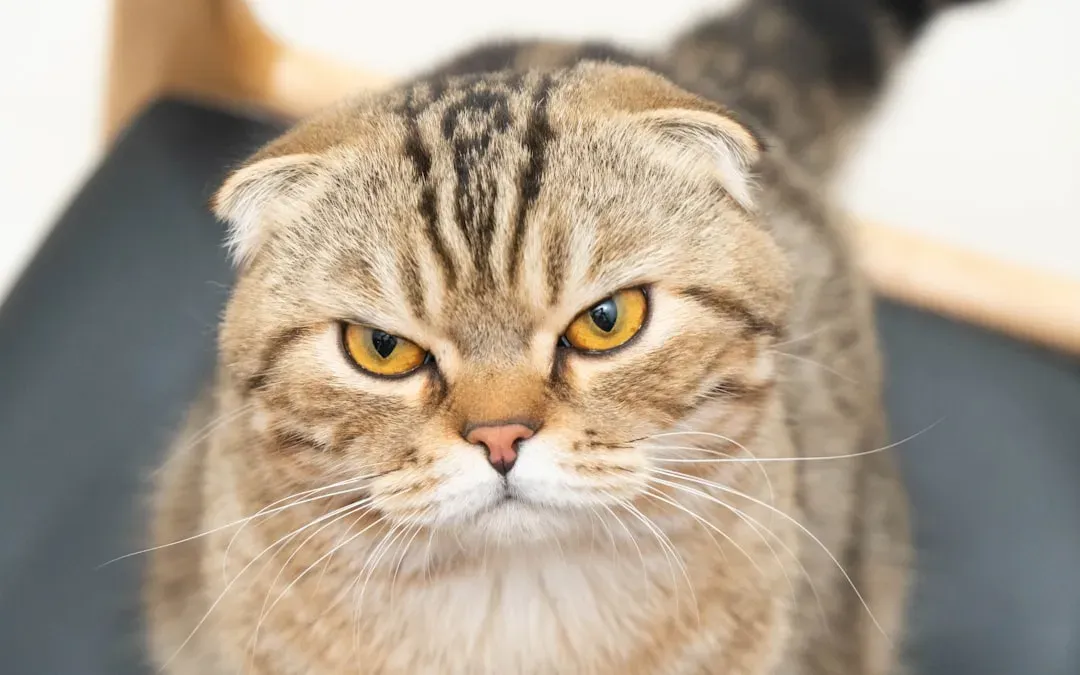
Scottish Folds are extremely observant of their surroundings, but because of their folded ears, they must pay more attention to their world to adapt. Here’s where things get interesting and somewhat controversial. Scottish Fold owners debate whether the breed has trouble hearing or prefers to just ignore their owners, with veterinarians report they have normal hearing, making it likely the breed is stubborn.
So your Scottish Fold can definitely hear you calling. They’re just choosing not to respond. Scottish Folds are described as stubborn among their many personality traits. While they’re undeniably adorable with those trademark folded ears and round faces, their selective obedience makes consistent training nearly impossible. They’ll do what they want, when they want, and your treats and praise might not change that equation much at all.
Devon Rex: The Relentless Manipulator
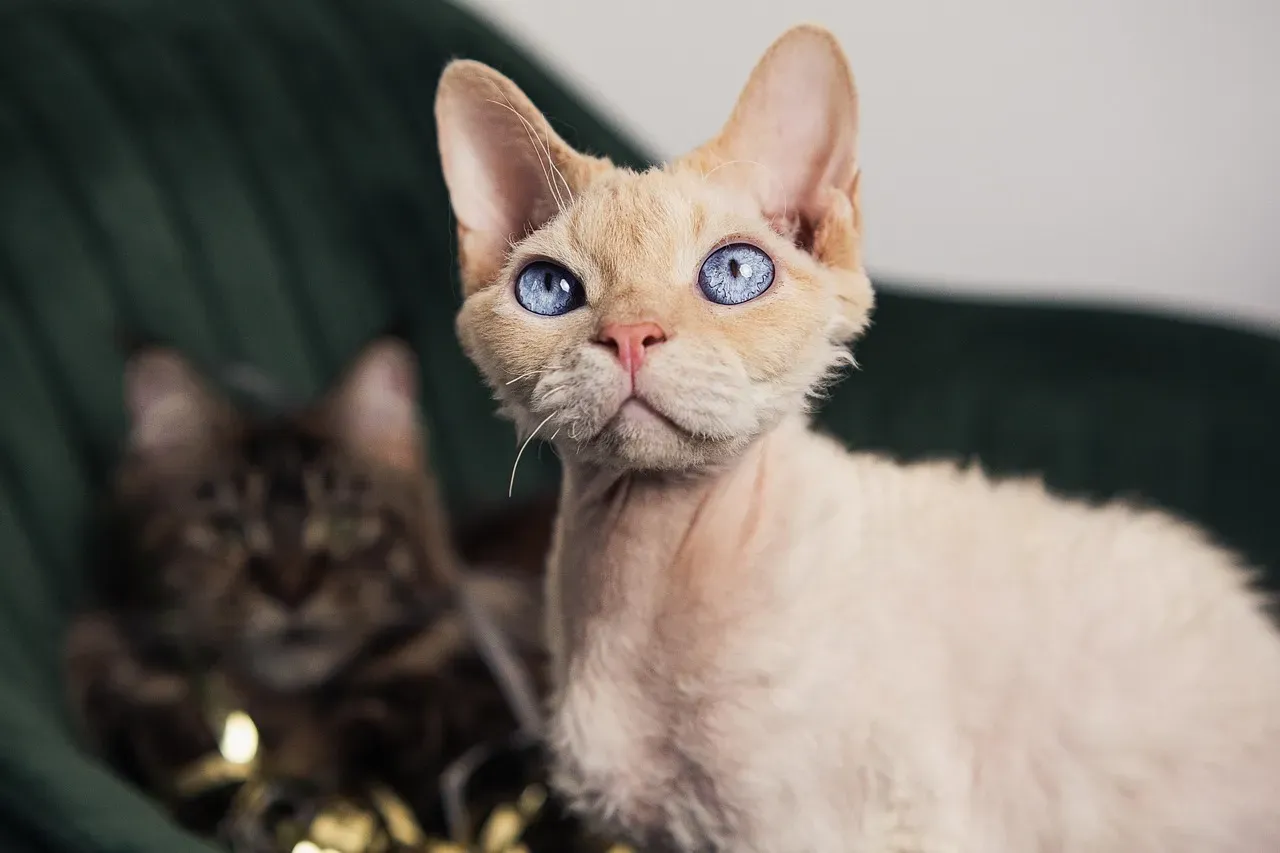
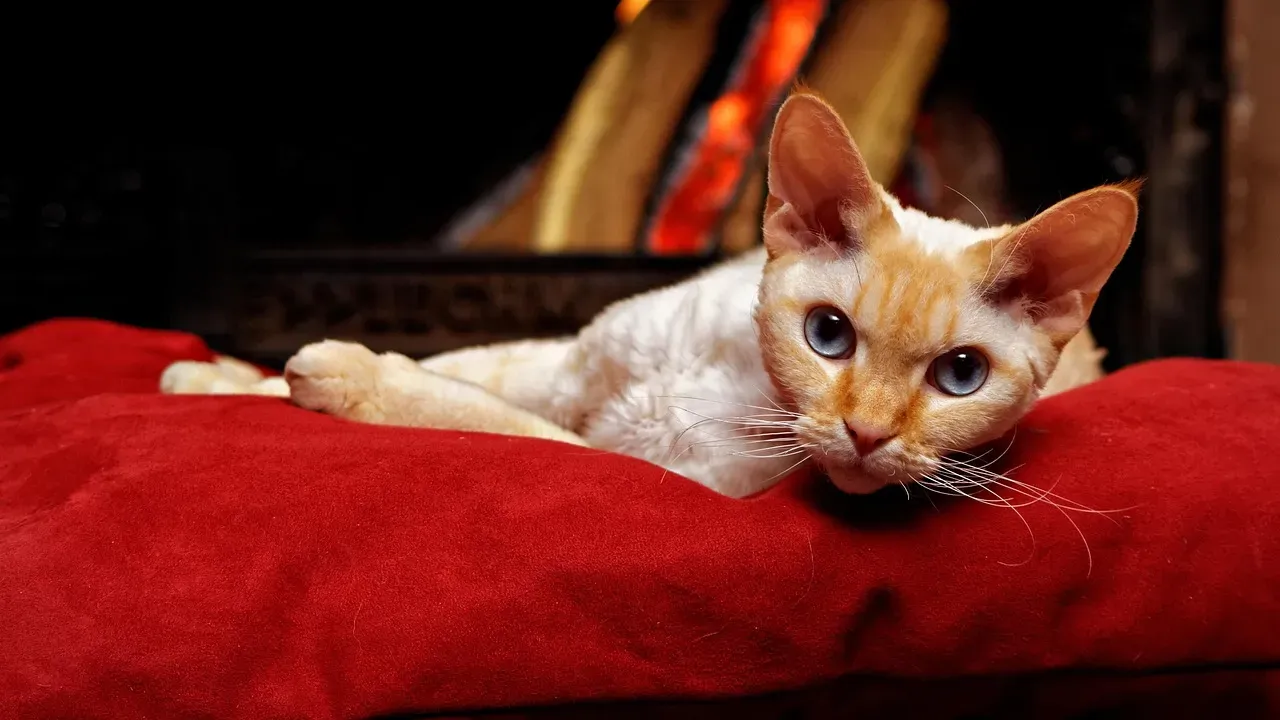
The Devon Rex is one of the strongest willed cats, known for begging for food off dinner plates and meowing as though their appetites have been completely neglected. If you’ve ever met a Devon Rex, you’ll understand that “training” this breed is less about teaching commands and more about surviving their endless campaign of emotional manipulation.
Devon Rex breeds are strong-willed and do not stop bothering you until they get what they want. They can beg forever for food and attention and are very vocal until you give it to them. Honestly, the Devon Rex doesn’t need training because they’ve already trained you. If you think ignoring them will teach obedience, you’re very wrong. Their persistence is legendary, and they will absolutely wear you down with those big eyes and insistent meows.
Balinese: The Demanding Destructor
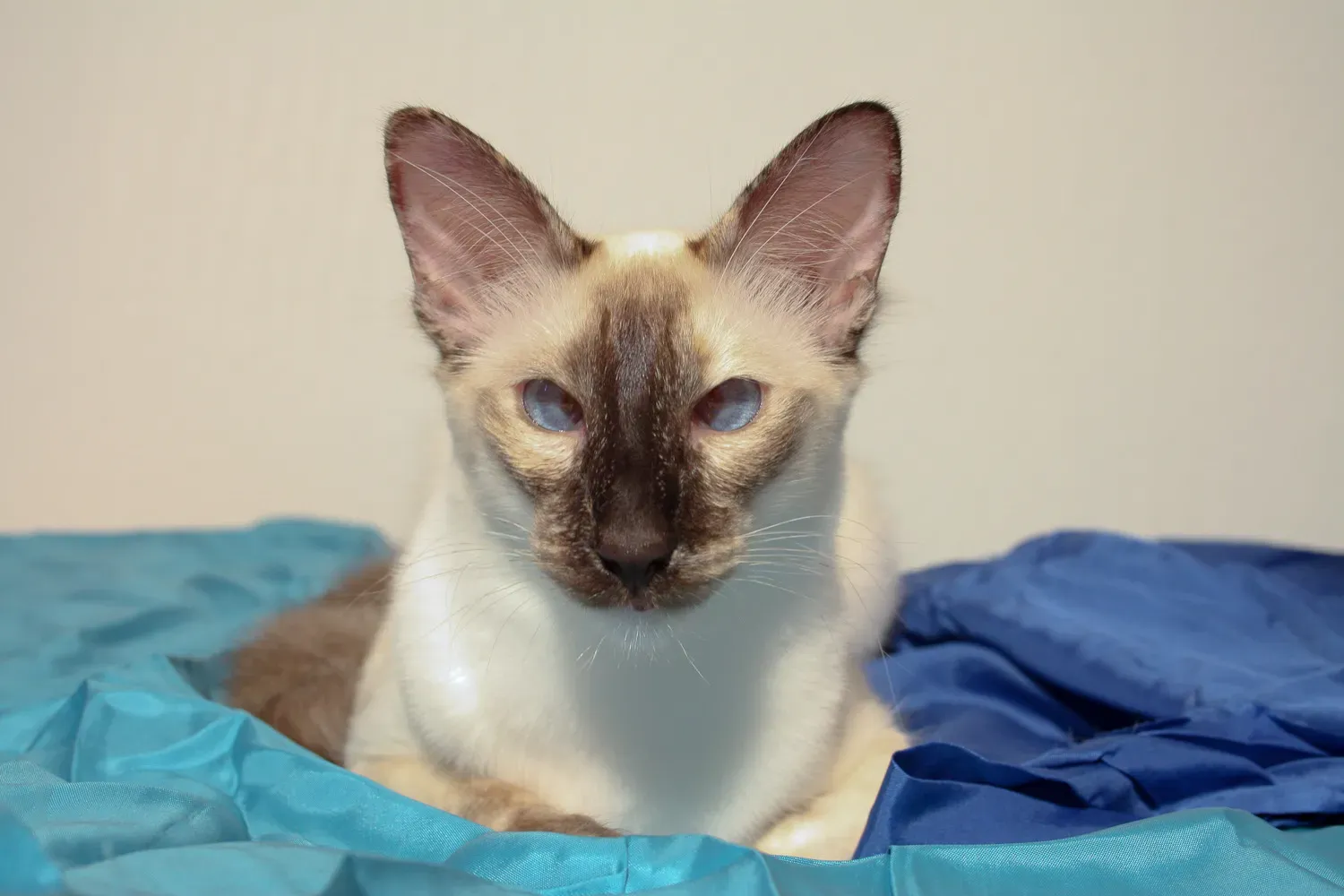
Balinese cats demand attention constantly and become destructive when they don’t get enough. This breed takes training challenges to an entirely different level because their bad behavior isn’t just disobedience – it’s calculated revenge. These cats are extremely fine-tuned to their owner’s emotional state, following you everywhere while making sure you know where they are at all times.
If you spend many hours outside your home, having a Balinese may not be a good idea, as this breed demands a lot of attention, will follow you everywhere, and are very vocal. The problem with training a Balinese isn’t that they can’t learn – they’re actually quite intelligent. The issue is that they have their own agenda, and that agenda involves being the center of your universe at all times. Any training that conflicts with this fundamental belief will be met with vocal protests and possible household destruction.
American Shorthair: The Capable But Indifferent
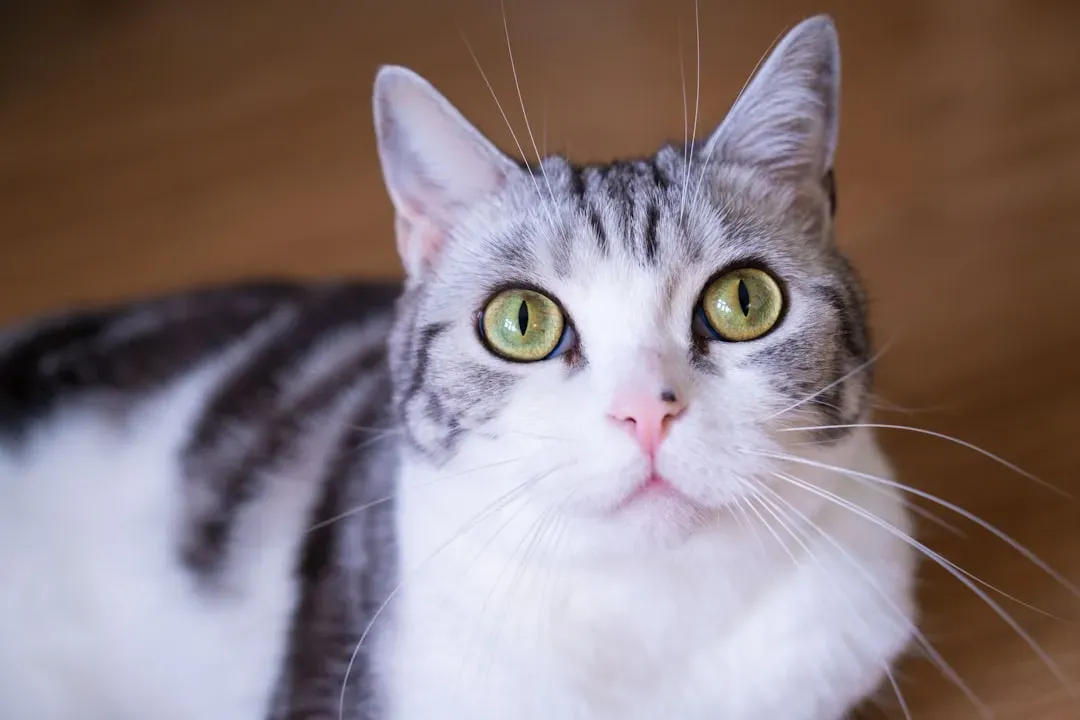
American Shorthairs can sometimes be challenging to train due to their independent personalities, though they are willing to learn with proper motivation. This might seem contradictory at first, but here’s the reality: American Shorthairs understand perfectly well what you’re asking them to do. They are capable of learning basic commands with extensive training, but they are prone to ignoring those commands.
This selective compliance makes the American Shorthair particularly frustrating for training purposes. They’ll demonstrate that they’ve learned a behavior one day, then act like they’ve never heard the command the next. However, they are excellent hunters for indoor pests like mice and flies, observing their environments carefully and matching their sleeping schedules with their owners. So they’re not lacking in intelligence or observational skills. They simply reserve the right to choose when and if they’ll comply with your requests.
Conclusion
Training difficulties don’t make these breeds any less lovable or worthy of adoption. Each of these cats brings unique personality traits, beauty, and companionship to their households. Understanding that some breeds are naturally more independent and resistant to training helps you set realistic expectations before bringing one home.
If you’re determined to have a trainable cat, you might want to consider breeds like Bengals or Siamese instead of the ones listed here. However, if you appreciate a cat with strong opinions, unwavering self-determination, and the confidence to live life entirely on their own terms, any of these six breeds might be your perfect match. Just don’t expect them to sit, stay, or come when called without significant effort and probably some negotiation.
What’s your experience with training stubborn cat breeds? Have you managed to successfully train any of these notoriously difficult felines?