You love your feline friend with all your heart, but have you ever noticed that sometimes even the most gentle kitty can transform into a hissing, swatting whirlwind when things get a little too intense? Let’s be real, not all cats handle stress the same way. While some breeds roll with the punches, others are wired a bit differently. Their nervous systems are more reactive, their emotional thresholds lower, and when life throws them a curveball, they might just lose it.
So why does this happen? Well, it’s a mix of genetics, temperament, and how they were raised. Think of it like this: some cats are born with an extra-sensitive alarm system. The slightest change in routine, a loud noise, or even a new person in the house can send their stress levels through the roof. What follows isn’t pretty. We’re talking about aggressive outbursts, destructive behavior, and sometimes even health issues. Ready to find out which breeds are most likely to crack under pressure? Let’s dive in.
Siamese: The Vocal Drama Queens
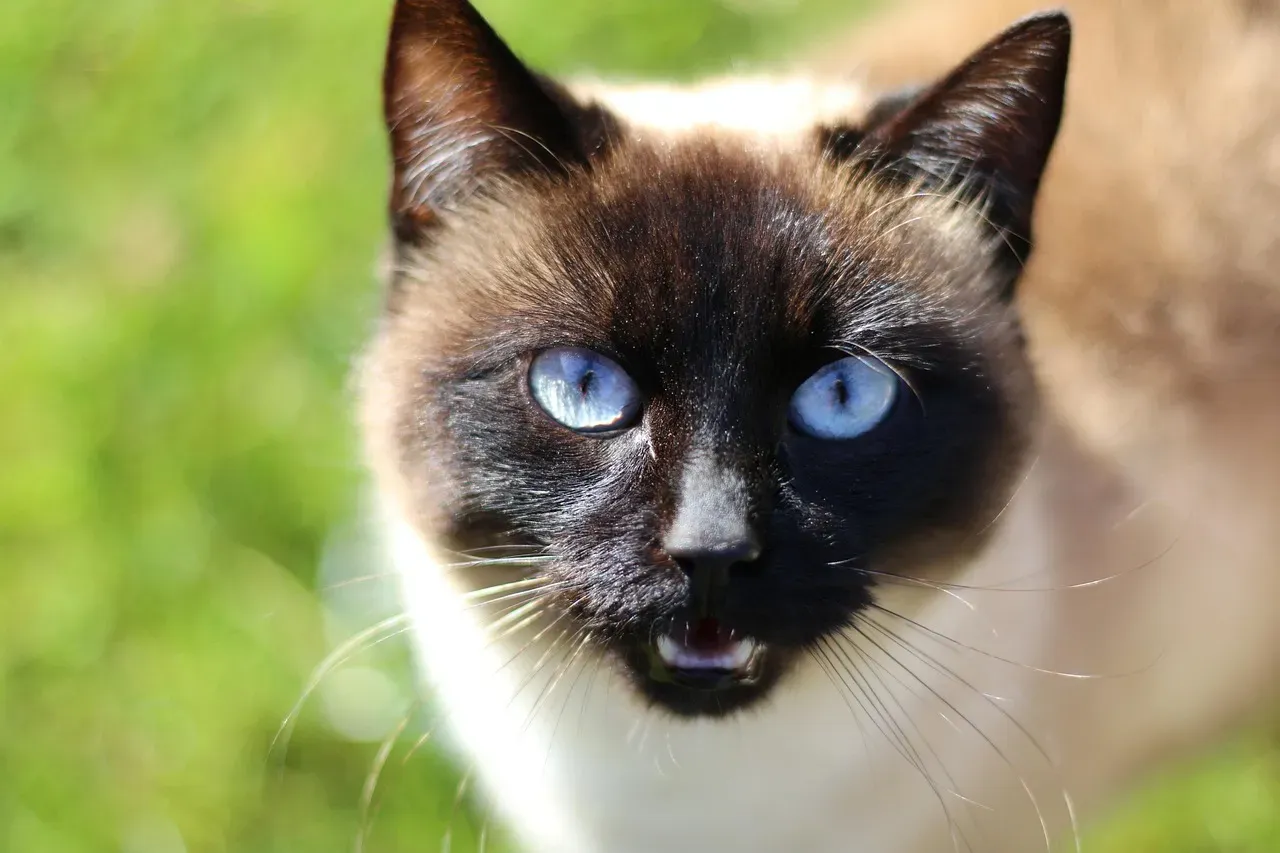
Siamese cats are instantly recognizable by their sleek bodies, striking blue eyes, and color-pointed coats, originating in Thailand and known for their intelligence, emotional depth, and strong attachment to their humans. They’re among the most emotionally sensitive breeds, often shadowing their owners from room to room and vocalizing their feelings through distinctive meows. These cats don’t do well with change. You move a piece of furniture? They notice. You’re late feeding them? They’ll let you know, loudly.
Highly-strung breeds like Siamese may be more likely to develop anxiety, and when that anxiety peaks, they can become aggressive or destructive. Siamese, Burmese, and Tonkinese cats seem to have a high risk for separation anxiety, and when left alone too long, they can spiral. Their sensitivity extends beyond emotions. They prefer calm, predictable homes and can become stressed by loud noises or frequent changes, thriving with consistent routines and gentle handling.
Burmese: Clingy Companions Who Crack
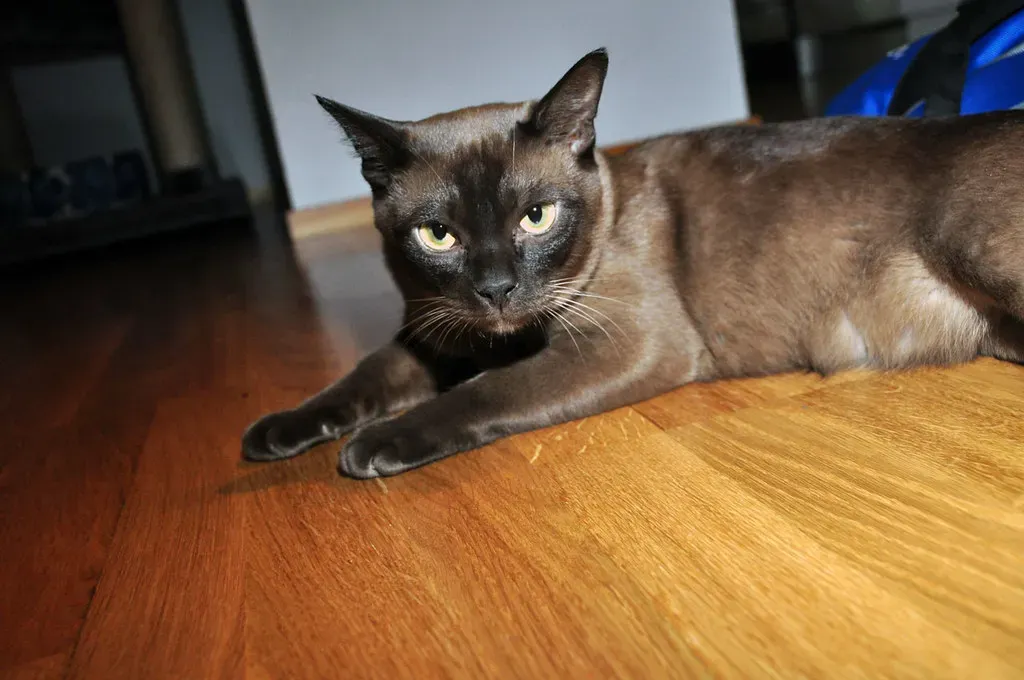
Burmese cats are instantly recognizable by their glossy coats, muscular builds, and expressive golden eyes. They’re compact yet surprisingly heavy, with a people-oriented personality that sets them apart from more independent breeds. Honestly, if you want a cat that treats you like their entire world, the Burmese is it. The downside? When their world shifts, they struggle big time.
In calm, attentive homes, Burmese cats flourish as loving companions who enjoy lap time and gentle interaction. Their sensitivity means they do best with owners who recognize stress signals early and provide reassurance and consistent affection. Burmese cats are considered one of the breeds more prone to stress-related behaviors, especially when experiencing separation, illness, or environmental changes. These cats need you around. When you’re gone for extended periods or there’s upheaval at home, they can lash out or develop compulsive behaviors.
Persian: Sensitive Souls in Fluffy Packages
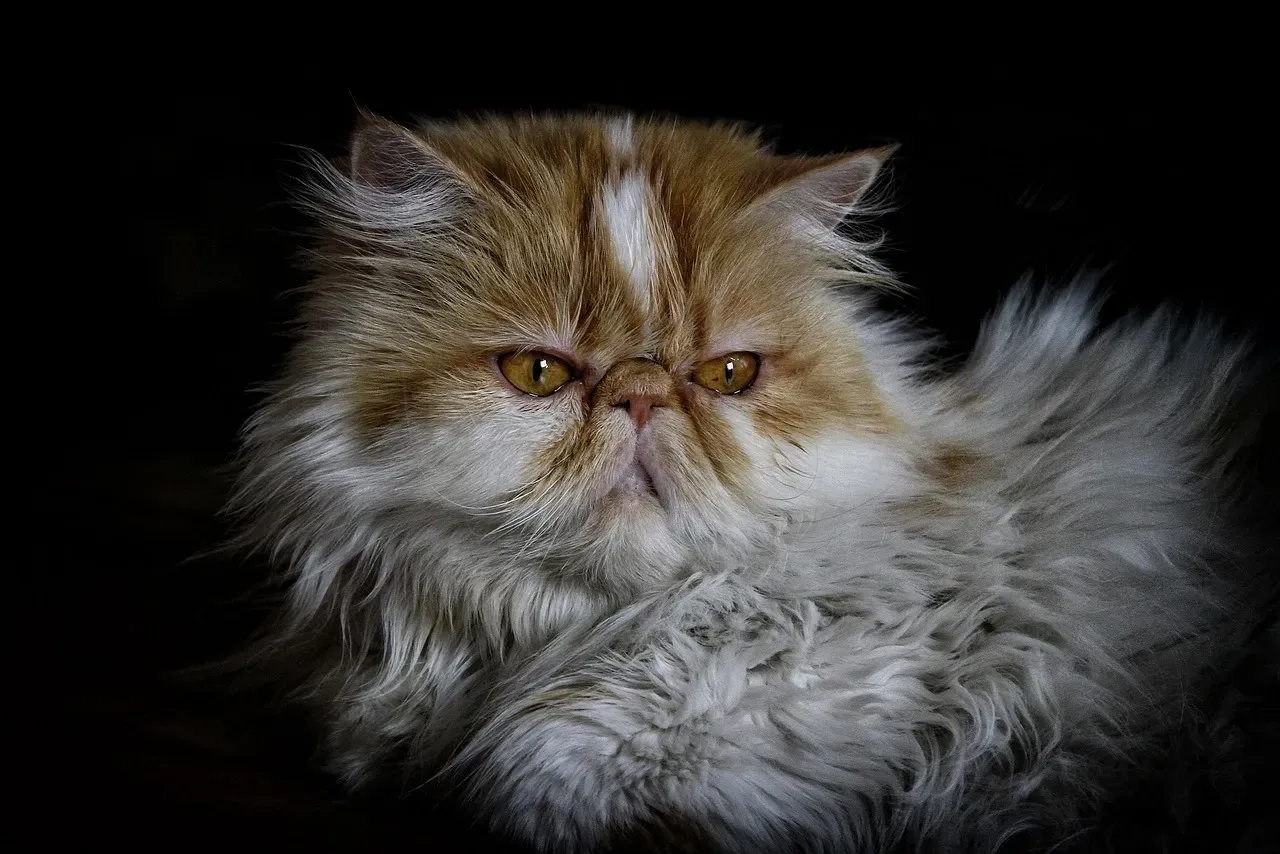
Persians are sensitive creatures by nature, which means it doesn’t take much for them to become anxious in unfamiliar surroundings or around strangers. You might think that their laid-back, lounge-around-all-day vibe means they’re chill. Not exactly. Persians are incredibly sensitive to their environment, and when something feels off, they retreat or react.
Loud noises, new guests, or even rearranging the living room can send a Persian into hiding or cause them to act out. Their stress often shows up as overgrooming or refusal to eat. They crave stability and quiet. When that gets disrupted, their mental health takes a nosedive fast. It’s hard to say for sure, but I think their sensitivity comes from being bred for such specific traits. They’re delicate in more ways than one.
Bengal: High-Energy Stress Magnets
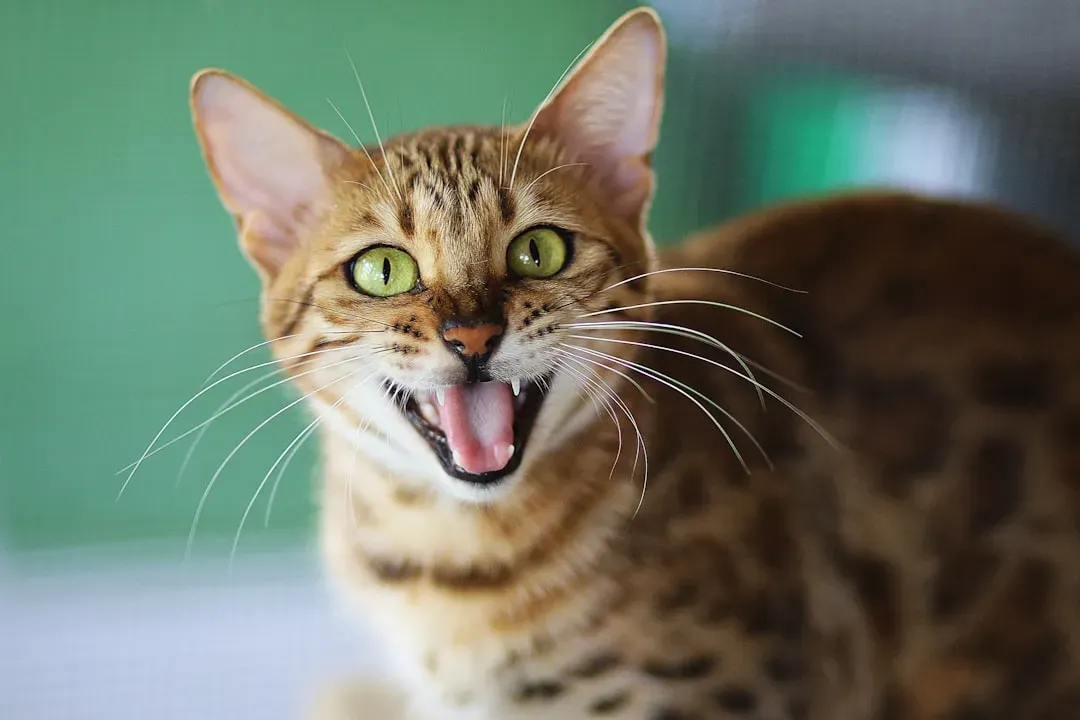
Bengals are highly intelligent cats that need plenty of stimulation – otherwise, they may start to get anxious and bored. These cats are basically tiny leopards with too much energy and not enough outlets. When a Bengal doesn’t get the physical and mental stimulation they need, boredom quickly turns into stress. From there, things escalate.
You’ll see destructive scratching, aggressive play that crosses the line, and sometimes even redirected aggression toward other pets or people in the home. Bengals are active hunters at heart, and without an appropriate way to channel that drive, they snap. The acrobatic and athletic breeds like the Bengals require constant enrichment. Miss a few play sessions, and you might just find your curtains shredded and your Bengal in full meltdown mode.
Ragdoll: Overstimulated Gentle Giants
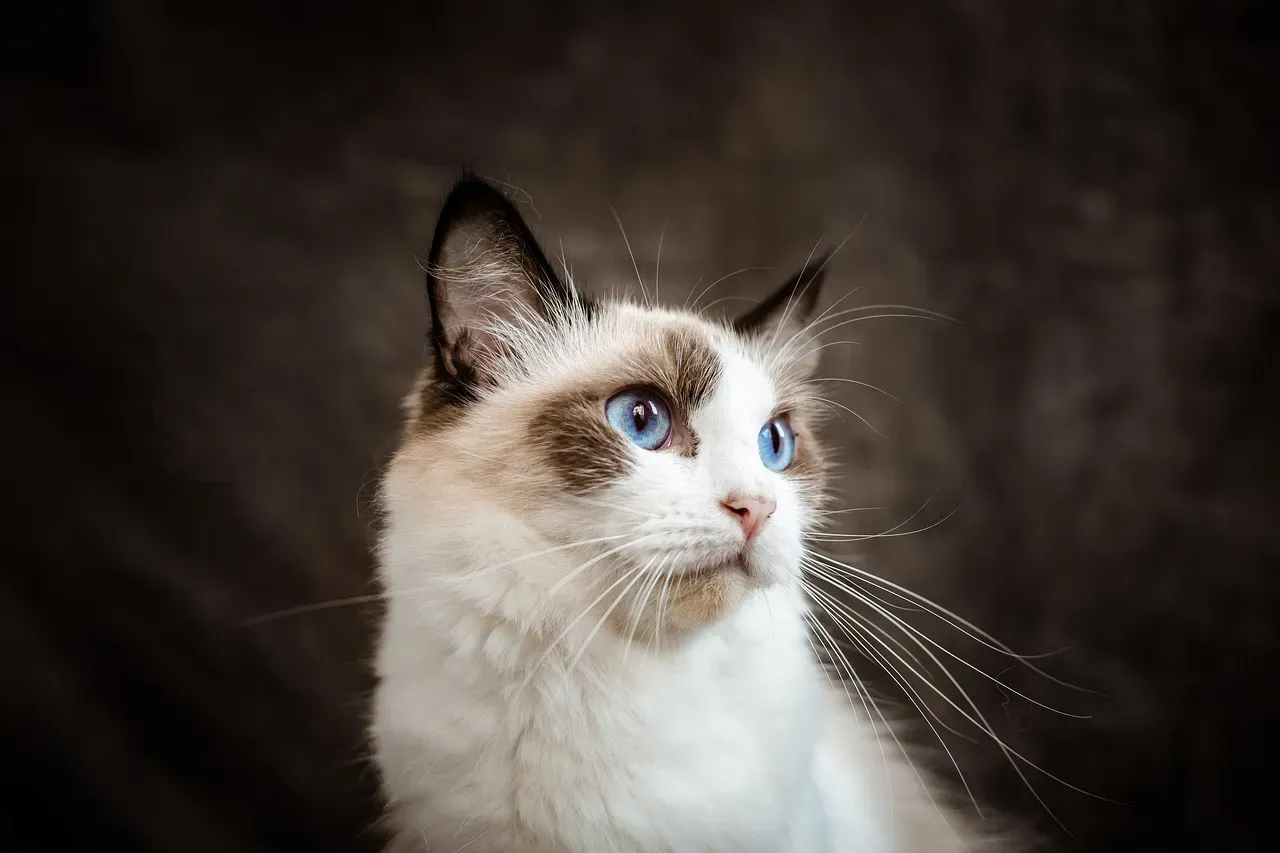
This breed is known for its mellow nature and gentle demeanor, but it can still become anxious when left alone or in new situations. Ragdolls are often described as dog-like because they follow you everywhere and love being handled. The problem? They’re also prone to overstimulation, and when that happens, even the sweetest Ragdoll can turn aggressive.
Ragdolls can become anxious when not given enough affection or attention, so make sure you’re giving them plenty of love and cuddles! When their routine changes or they’re left alone too long, their stress builds. That stress can manifest as sudden biting during petting or lashing out unexpectedly. They need consistency, attention, and a calm environment to thrive.
Scottish Fold: Anxious and Physically Fragile
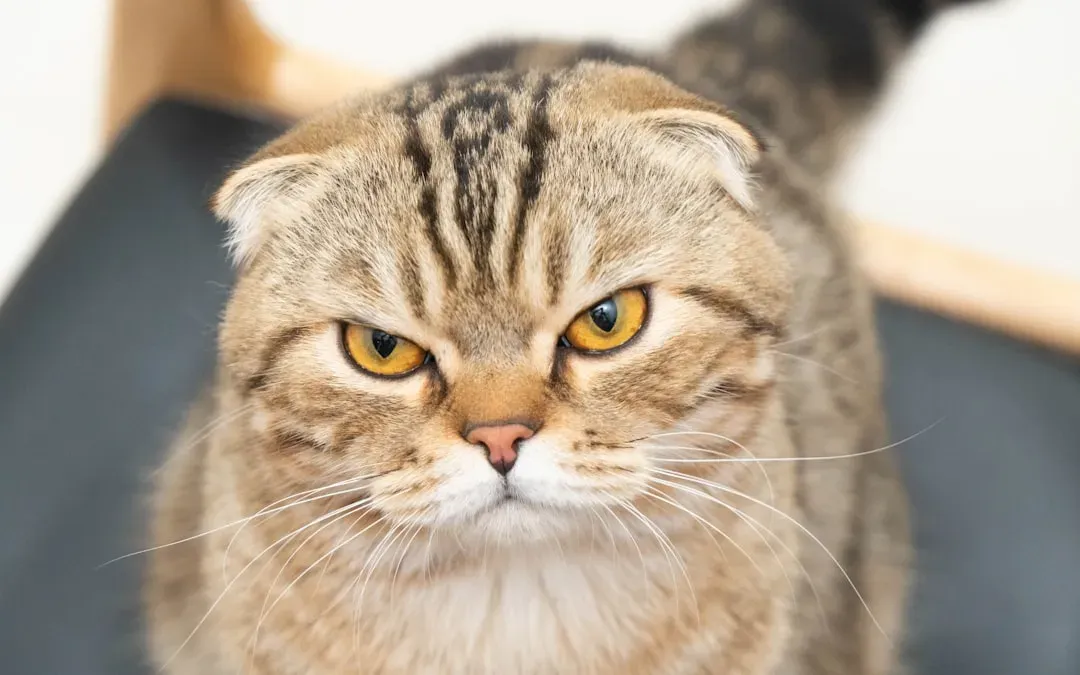
Scottish Folds are adorable with their folded ears and round faces, but those cute features come with a cost. Their sensitivity also extends to physical care, as the gene behind their folded ears can affect joints over time. Pain and discomfort are major stress triggers, and when a Scottish Fold is hurting, they can become unpredictable and aggressive.
Providing cozy resting spots, low-impact play, and attentive veterinary care helps them feel secure and supported. These cats are emotionally responsive, but they’re also physically vulnerable. Stress from chronic pain or changes in their environment can lead to sudden snapping, biting, or scratching. They need patient, observant owners who can pick up on their discomfort before things escalate. Without that, a stressed Scottish Fold can go from cuddly to combative in seconds.
Conclusion
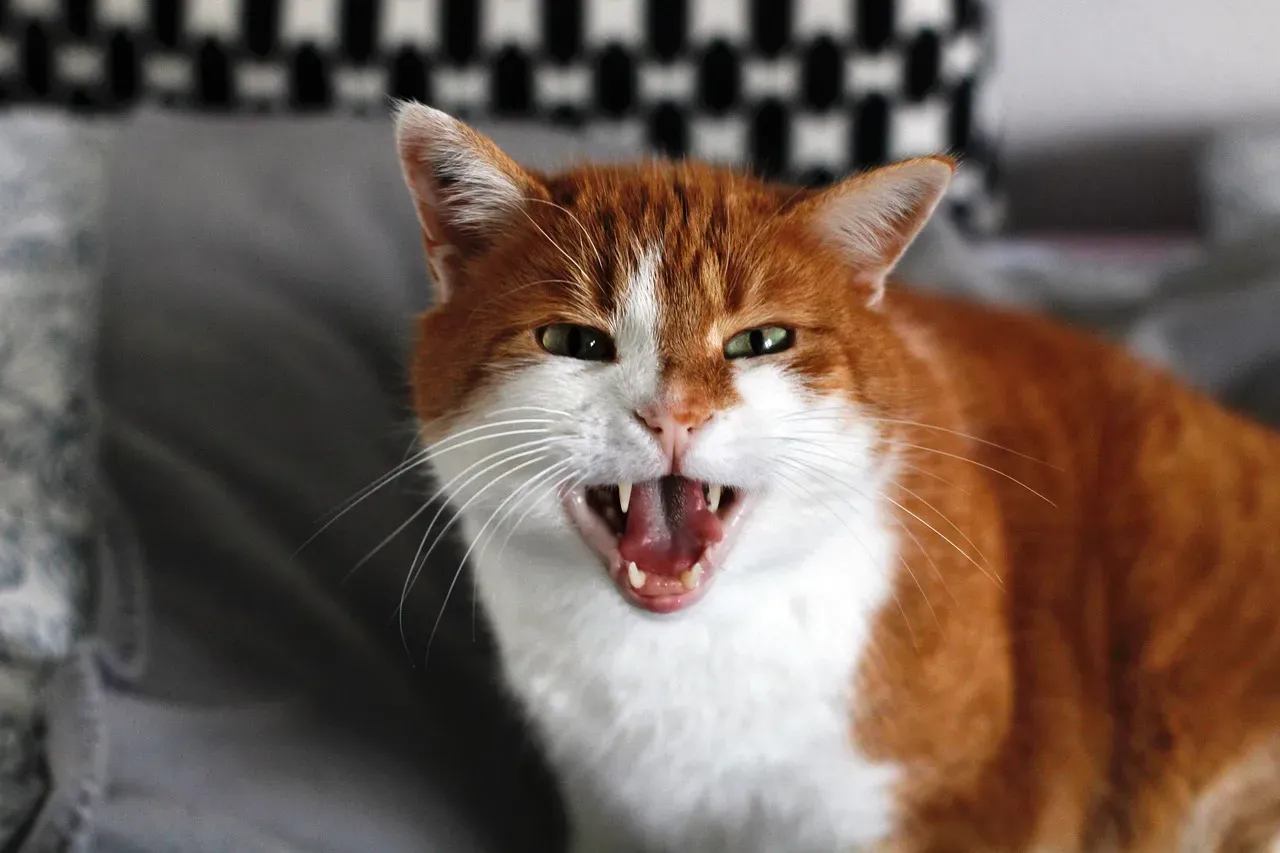
Not every cat is built to handle stress gracefully, and that’s okay. Certain breeds are simply more vulnerable to anxiety and aggressive reactions when life gets overwhelming. Recognizing the signs early and creating a stable, supportive environment can make all the difference. Whether it’s a Siamese demanding your attention or a Bengal destroying your couch out of boredom, understanding their needs helps you prevent those stressful meltdowns.
At the end of the day, these cats aren’t being difficult on purpose. They’re just wired differently. With patience, routine, and a little extra love, you can help even the most stress-prone breed feel safe and secure. What’s your experience with high-strung kitties? Have you found ways to keep them calm, or are you still figuring it out? Let us know in the comments.