You’ve probably heard it before: Cats are solitary, aloof, and frankly, they couldn’t care less whether you’re home or not. They’re the roommates who tolerate your existence but would never admit to needing you. Right?
Let’s be real. These stereotypes have followed cats around for generations, painting them as emotionally distant creatures who’d be just fine if you disappeared tomorrow. Here’s the thing, though. Recent research is flipping these tired old myths on their heads, revealing something surprising about your feline friend. Turns out, those cool, collected cats might actually need you more than you’ve ever imagined. So let’s dive into the truth behind the myths and discover what your cat has been trying to tell you all along.
Myth 1: Cats Are Naturally Solitary and Don’t Need Social Bonds
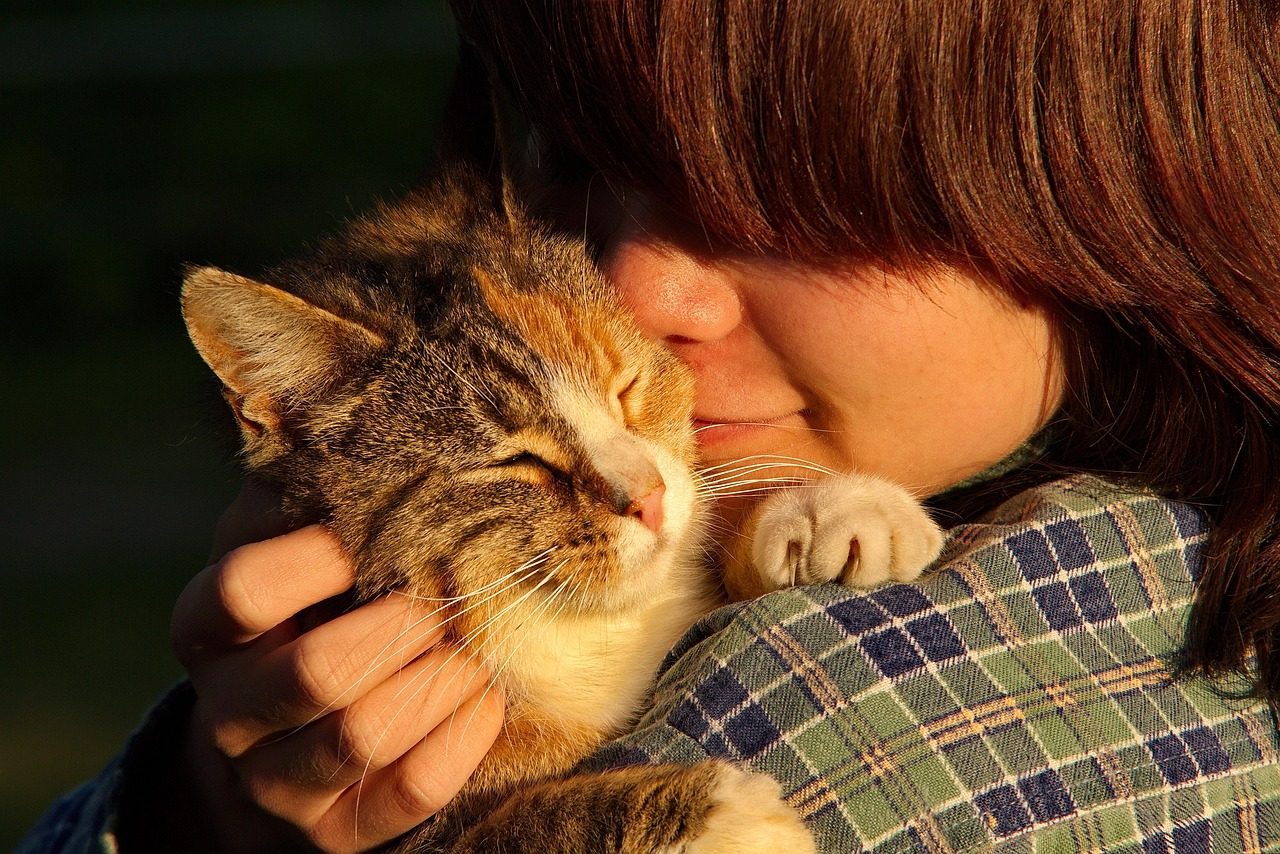
Cats are solitary hunters but not solitary animals. That’s a crucial distinction many people miss. Sure, your cat might stalk a toy mouse alone at three in the morning, but that doesn’t mean she wants to go through life without companionship.
Studies show that most cats create strong attachments to their guardians and experience feelings of comfort and safety by being around them. Think about it. When was the last time your cat followed you from room to room, even if she kept a polite distance? That’s not coincidence. Cats are social animals that form strong bonds with their human caregivers and feline companions, thriving on affection, attention, and interactive play. They’re not the loners we’ve been led to believe.
Truth 1: Your Cat Views You as a Source of Security
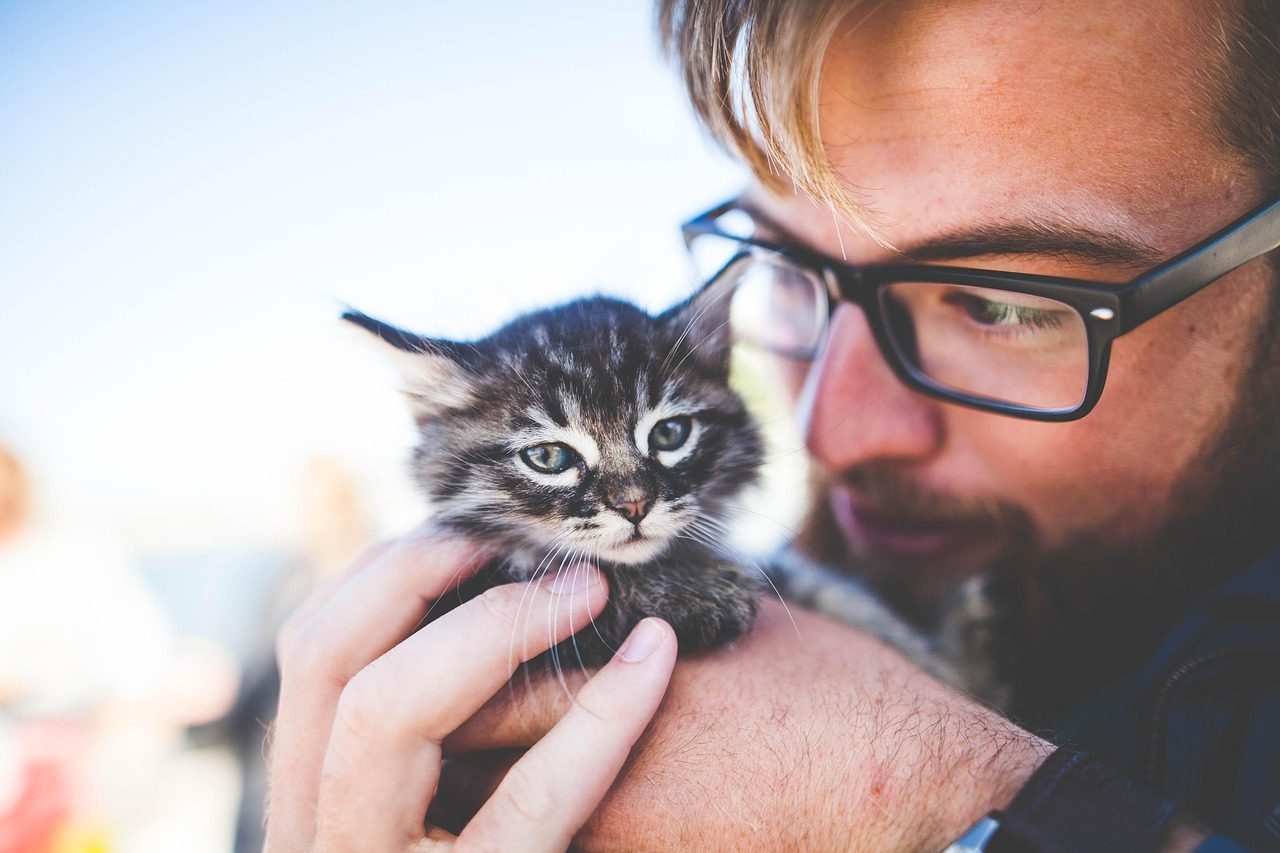
Here’s something that might surprise you. Most cats actually appear to have close attachments to their owners who they turn to as a source of safety and security, just the same as dogs do. Yeah, you read that right. Just like dogs.
Research using attachment tests has revealed something fascinating. Around two thirds of cats showed evidence of secure attachment to their owners, and this attachment appears to be stable from kittenhood through to adults. These aren’t just fair-weather friends. The majority of cats view their owners as a source of comfort and security just like dogs do. When your cat rushes to greet you at the door or curls up beside you during a stressful day, she’s not just being cute. She’s seeking you out because you make her feel safe.
Myth 2: Cats Are Too Independent to Experience Separation Anxiety
People assume cats can be left alone for days without batting an eye. After all, they’re independent, right? That belief has caused countless cats to suffer in silence.
Some cats will go through separation anxiety if left alone too often or for too long – something most people only associate with their canine counterparts. The signs might be subtle: excessive vocalization, destructive behavior, or even litter box issues. Even independent cats can develop separation anxiety, and helping them cope involves providing environmental enrichment, maintaining predictable routines, and gradually acclimating them to alone time. Your cat’s quieter distress signals don’t make her suffering any less real. She just expresses it differently than a dog might.
Truth 2: Most Cats Prefer Human Interaction Over Food
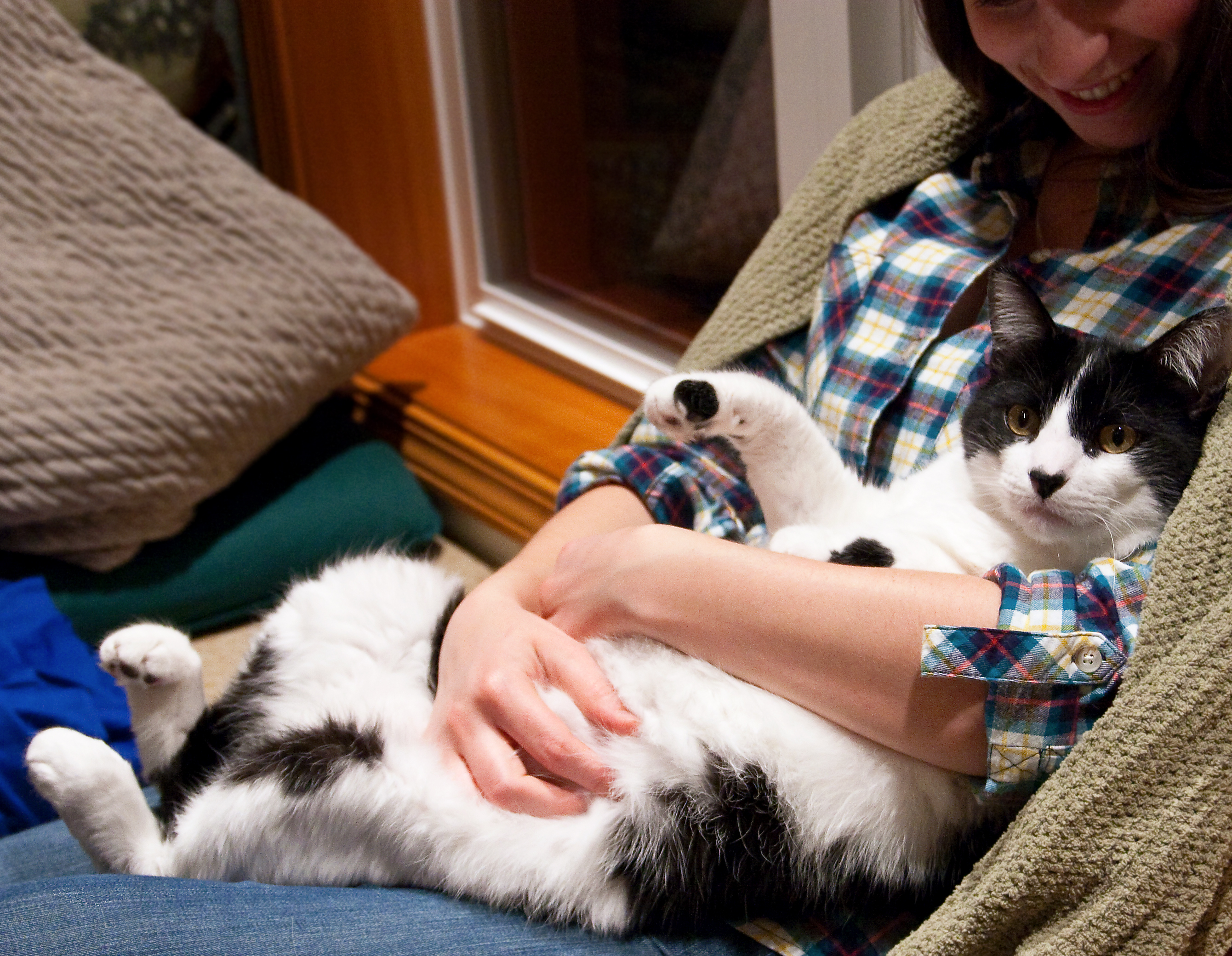
This one’s almost unbelievable, yet it’s backed by solid research. In a study where cats could choose between food, toys, interesting scents, or human interaction, the results were clear.
Social interaction was the most-preferred stimulus category overall for the majority of cats. Let that sink in. Given the choice between a tasty treat and spending time with a person, most cats picked the person. A majority of both pet and shelter cats preferred interacting with a person over eating food or playing with a toy.
So when your cat interrupts your work by sitting on your keyboard, she’s not being annoying. She’s making a choice. She’s choosing you over everything else available to her. That’s actually kind of beautiful, don’t you think?
Myth 3: Cats Don’t Actually Care if You Come or Go
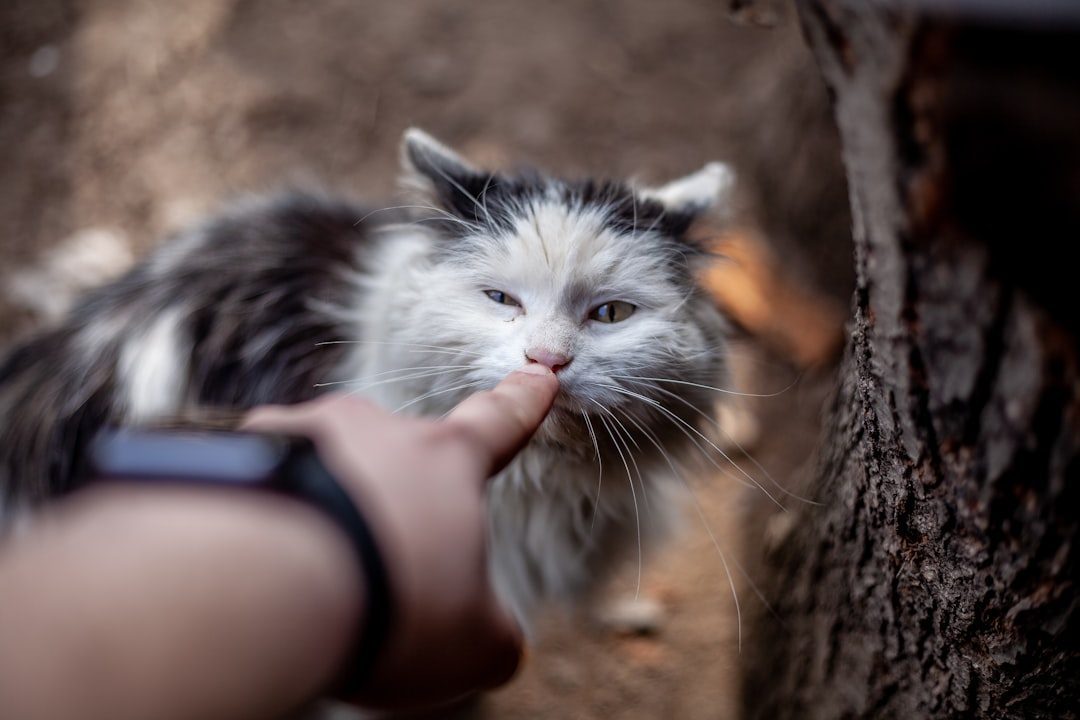
This myth paints cats as emotionally indifferent beings who barely notice when their humans leave. Some people truly believe their cat wouldn’t care if they never came home.
The reality is far more complex. Typical indicators of attachment relationships between cats and their owners were displayed including seeking contact, distress on separation, and reunion behaviors. Cats absolutely notice when you leave and when you return. The difference is how they show it.
Alone in that strange place, young cats became distressed, and when their person returned, most of the kittens sought them out for a rub and perhaps a kind word, then proceeded to explore as they depended on their caregiver for security. Your absence matters to your cat, even if she doesn’t throw a dramatic fit about it.
Truth 3: Cats Can Read Your Emotional State
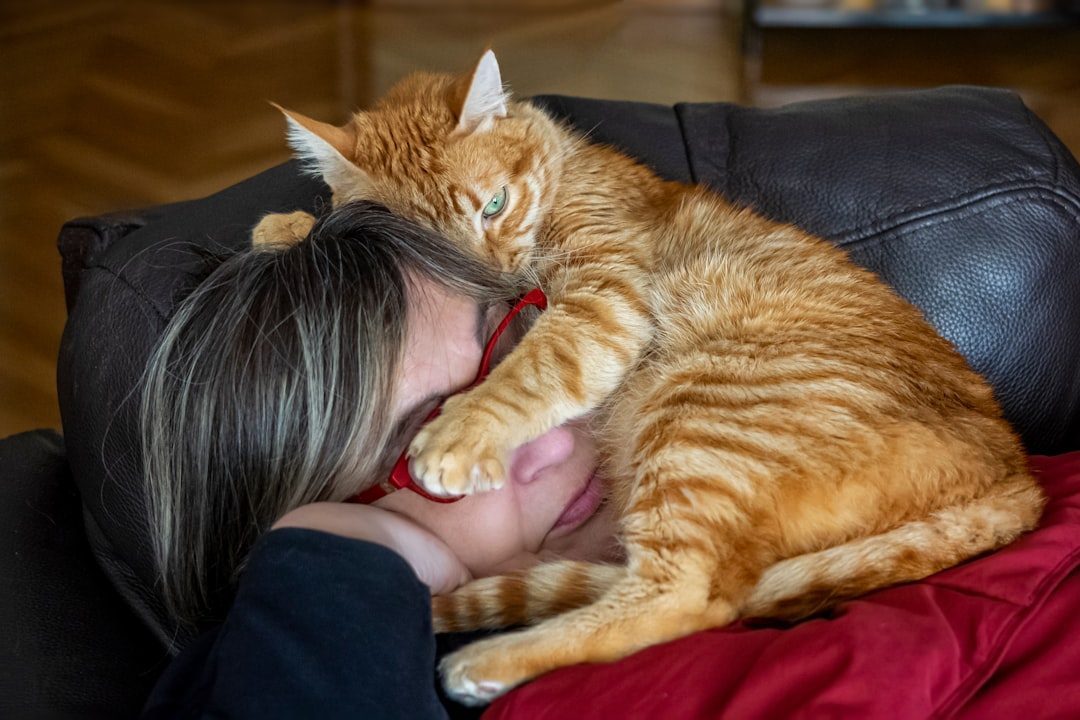
Your cat knows when you’re having a rough day. I know it sounds a bit mystical, but science backs this up.
Cats are incredibly adept at reading subtle changes in our body language, facial expressions, movements, and detecting changes in the tone of our speech. They’re emotional detectives, picking up on cues you might not even realize you’re giving off. Cats can form secure attachments to their owners, like infants with caregivers and they recognize human emotions, read tone and gesture, and exhibit behaviors linked to empathy and social awareness.
Cats see that you are stressed, and they become stressed, while cats see that you are relaxed and calm, and they become relaxed and calm. It’s a two-way emotional street. Your mood influences your cat’s wellbeing, which means the bond runs deeper than most people imagine.
Myth 4: What Looks Like Aloofness Is Actually Cold Indifference
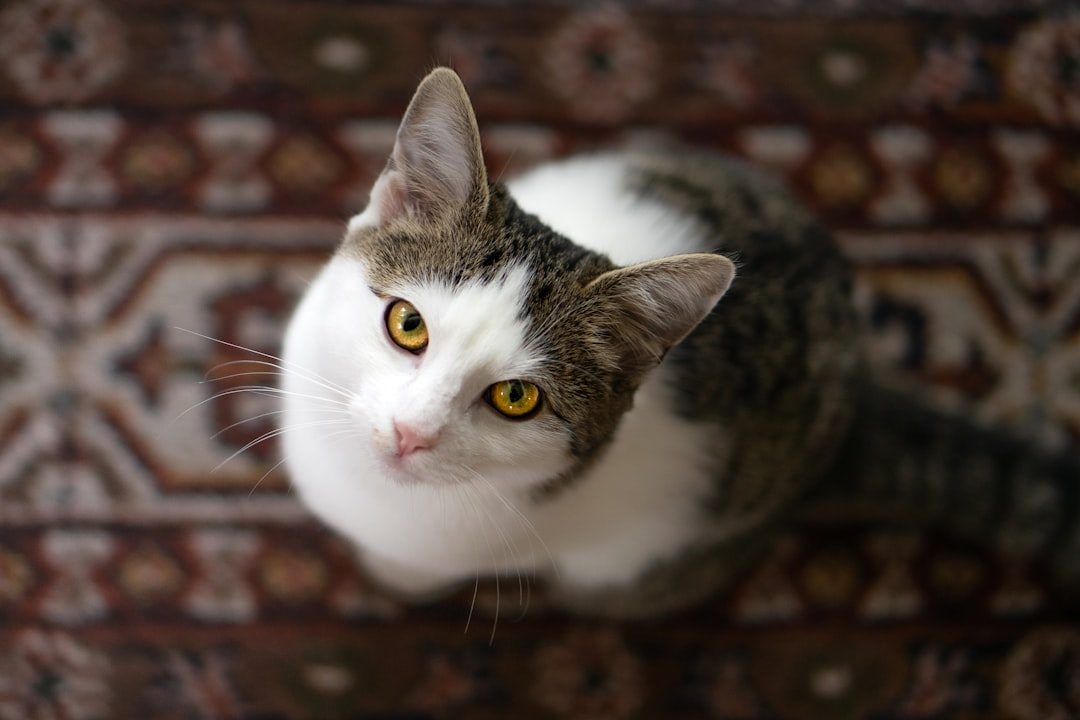
When your cat stares off into space or doesn’t immediately respond to your call, it’s tempting to think she’s ignoring you out of spite or indifference. That interpretation misses the mark entirely.
What you may interpret as a cat being aloof is actually your exquisitely designed companion being ready for anything, and just because your cat may not jump to immediate attention when you call his name, doesn’t mean he’s aloof – he’s focused. Cats are both predators and prey animals, so being tuned into their environment is literally a survival instinct.
Your cat isn’t cold. She’s cautious, aware, and processing information constantly. That’s not emotional distance; it’s biological design combined with a different communication style than what we’re used to with dogs.
Truth 4: Cats Show Affection in Subtle, Meaningful Ways
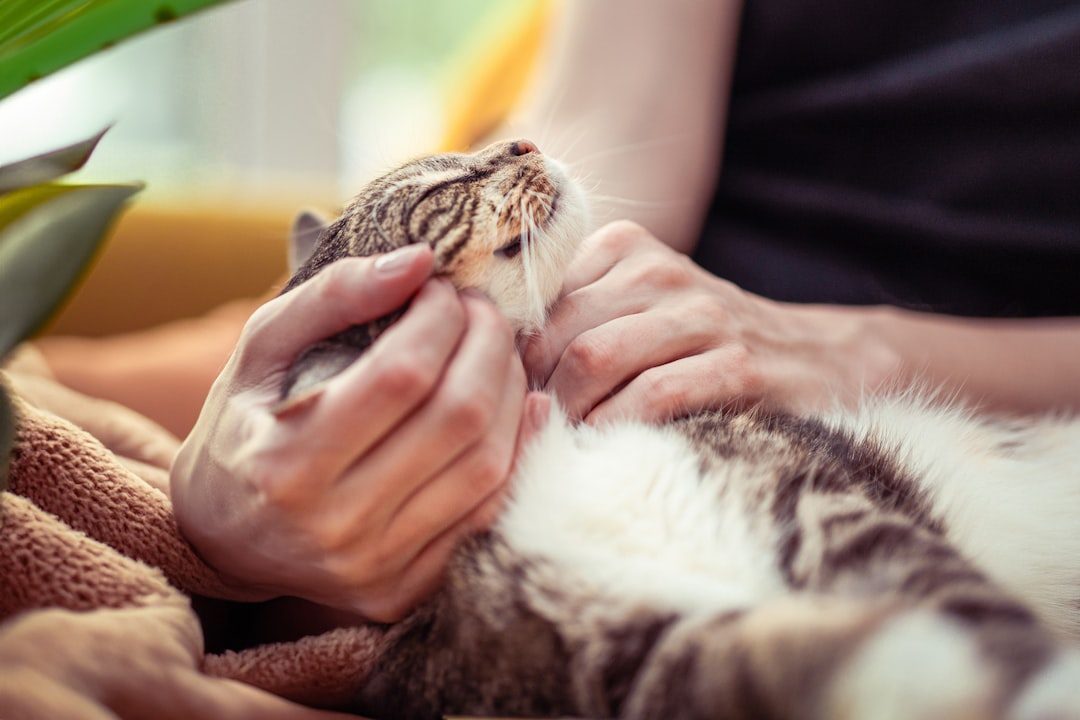
If you’re waiting for your cat to jump around and wag her tail when she sees you, you’ll be waiting forever. Cats express love differently, and honestly, it’s pretty special once you learn their language.
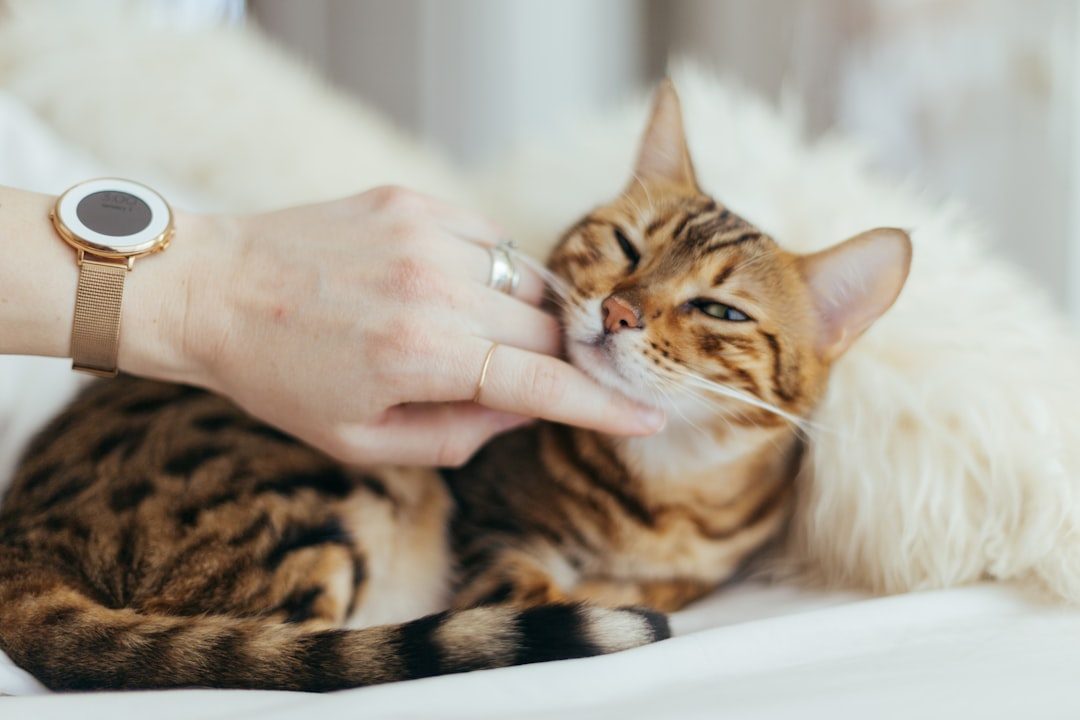
Cats who are attached to their humans will solicit attention by approaching them, meowing or pawing at them, and purring and head rubbing or bunting you are other signs that your kitty enjoys your presence, with many cat owners cherishing the slow blink as a sign of affection. That slow blink? It’s basically a cat kiss. When your cat gives you one, she’s telling you she trusts you completely.
Your cat doesn’t have to be a lap cat to be affectionate, as a cat may enjoy sitting next to you or maybe even a several inches away but that doesn’t mean he’s not affectionate. Proximity matters, even when it’s not cuddling. If your cat chooses to be in the same room as you, that’s her way of saying she wants your company.
Myth 5: Cats Don’t Need as Much Care or Attention as Dogs
This dangerous myth has led to countless cats suffering from neglect, not because their owners are cruel, but because they genuinely believe cats are low-maintenance.
The misconception that cats are independent and require little or no care causes many of them to suffer needlessly both physically and emotionally. Yes, cats can generally be left alone longer than dogs, but that doesn’t mean they should be. Cats need just as much care as dogs do, including regular vet visits, daily exercise and mental enrichment, and plenty of positive attention from their guardians, with playing, snuggling, and spending time with your cat also increasing the bond between you.
Think of it this way: Just because your cat won’t hold a grudge or destroy your couch when left alone doesn’t mean she’s not lonely or stressed. She deserves your time, energy, and commitment just as much as any other pet.
Truth 5: Your Cat Forms Deep Emotional Bonds That Impact Her Wellbeing
The emotional connection between you and your cat isn’t just heartwarming – it’s scientifically measurable and critically important to her health.
Cats form close emotional relationships with humans. Research has identified multiple relationship types between cats and their owners, and the quality of that bond affects everything from behavior to physical health. Cats develop affection towards their owners, but the effect of these pets on human health is closely related to the time and effort the cat owner is able to invest in it, in terms of bonding and playing.
We contribute to our cats’ emotional health in ways that we are often unaware of. Your presence, consistency, and affection aren’t just nice extras – they’re fundamental to your cat’s psychological wellbeing. When you neglect that bond, your cat feels it deeply.
Myth 6: Comparing Cats to Dogs Just Proves Cats Are Less Attached
This comparison has done more damage to cats’ reputation than almost anything else. People see how dogs express devotion and assume cats simply don’t measure up.
Cats are likely viewed as aloof because they are often compared to dogs, which are undeniably more social. That comparison is fundamentally unfair, though. It’s like judging a fish by its ability to climb a tree. Distinct attachment styles were apparent among adult cats, with nearly two thirds of cats classified as securely attached, mirroring those found in studies of dogs and human infants.
Different doesn’t mean less. Cats evolved differently, communicate differently, and bond differently. That doesn’t make their attachment any less real or meaningful. It just means we need to meet them where they are rather than expecting them to act like small, furry dogs.
Truth 6: Cats Need You to Understand Their Unique Communication
The final truth is this: Your cat is constantly communicating with you, and learning her language is one of the most important things you can do for your relationship.
The bond takes time to develop, and being the source of all good resources – serving meals, calling your cat when it’s time to eat, and setting aside time at least once a day to play with, pet, or groom her if she enjoys those activities – helps build that connection. Consistency matters. Patience matters. Attention to detail matters.
Your cat isn’t going to shout her needs at you. She’ll tell you through body language, vocalizations, and behaviors that might seem subtle or confusing at first. Feline relationships are more similar to those seen with canines than one might think. The love is there. You just need to learn how to see it, and more importantly, how to show her you understand.
Conclusion
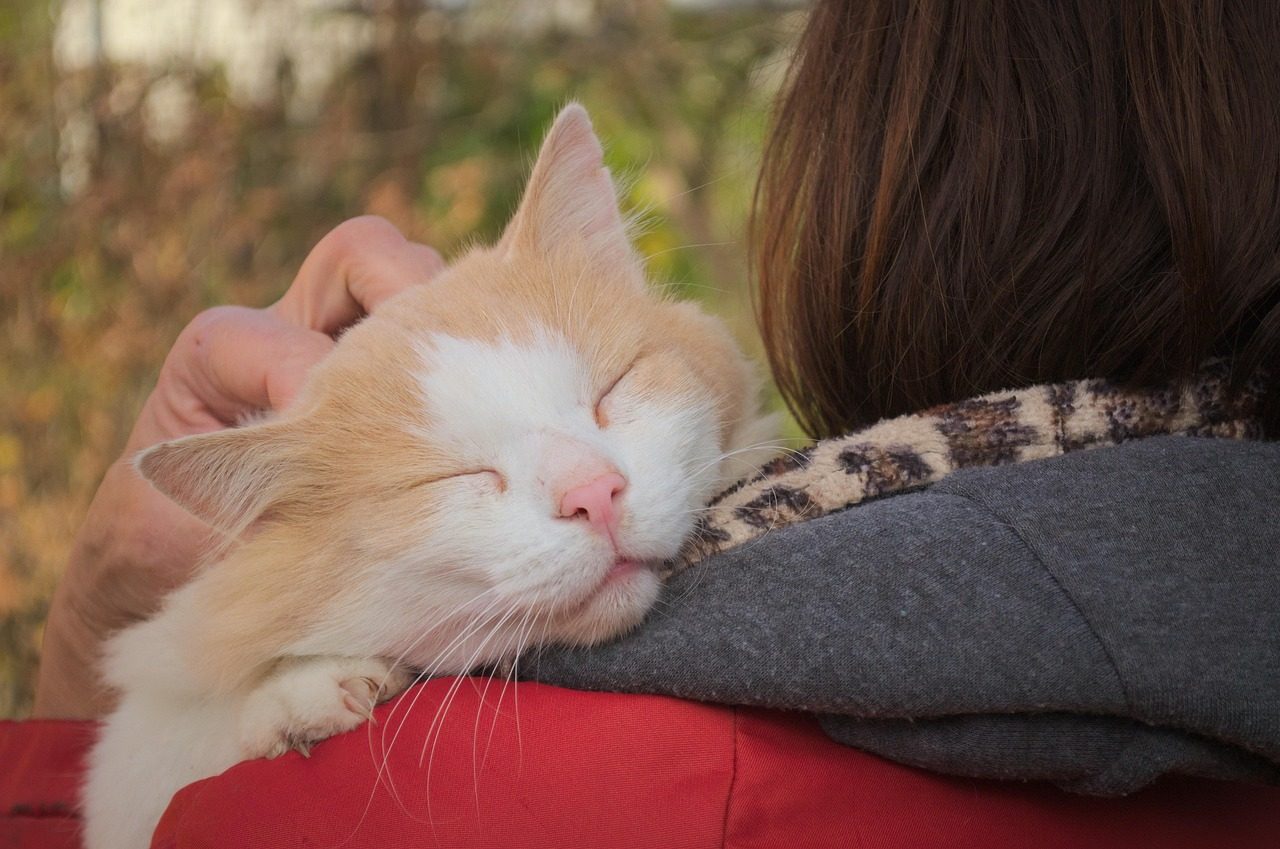
So here’s where we’ve landed. Those myths about cat independence? They’re just that – myths that have persisted far too long and done a disservice to millions of cats and their humans. Your cat isn’t emotionally distant or indifferent. She’s reading you, needing you, and choosing you every single day in her own quiet way.
The truth is softer and more heartwarming than the stereotypes ever suggested. Cats form genuine attachments, experience real emotions about their humans, and depend on you for far more than just food and shelter. They need your presence, your understanding, and your commitment to learning their unique language of love.
What do you think about these revelations? Has your perspective on your cat’s behavior shifted at all? Tell us in the comments – we’d love to hear your stories about the hidden ways your cat shows they need you.