Have you ever watched your cat squeeze through an impossibly small gap and wondered how they knew they’d fit? Or noticed those long, elegant hairs twitching whenever something catches their attention? Your cat’s whiskers are far more than just cute facial features. They’re actually sophisticated sensory instruments that help your feline friend navigate the world in ways we humans can barely imagine.
Most of us think whiskers are just decorative, maybe slightly functional at best. The reality is far more intriguing. These specialized hairs connect directly to your cat’s nervous system, feeding constant streams of information to their brain about everything happening around them. Think of them as tiny radar detectors constantly scanning the environment. Let’s dive into some truly surprising facts about these remarkable little tools that might change the way you look at your cat forever.
Your Cat Actually Has Whiskers on Their Legs

Here’s something that catches most people off guard. Those prominent facial whiskers aren’t the only ones your cat has – they also have whiskers on the back of their front legs. These are called carpal whiskers, and honestly, they’re pretty easy to miss if you’re not looking for them.
These leg whiskers serve as hunting tools, helping your cat sense how much their prey is moving when they’re holding it. Since cats struggle to see objects up close, these whiskers fill in the gaps. Even if your pampered house cat hasn’t hunted anything more threatening than a toy mouse in years, those carpal whiskers still help them navigate tight spaces and feel their way around furniture in the dark.
Each Whisker Functions Like an Individual Antenna
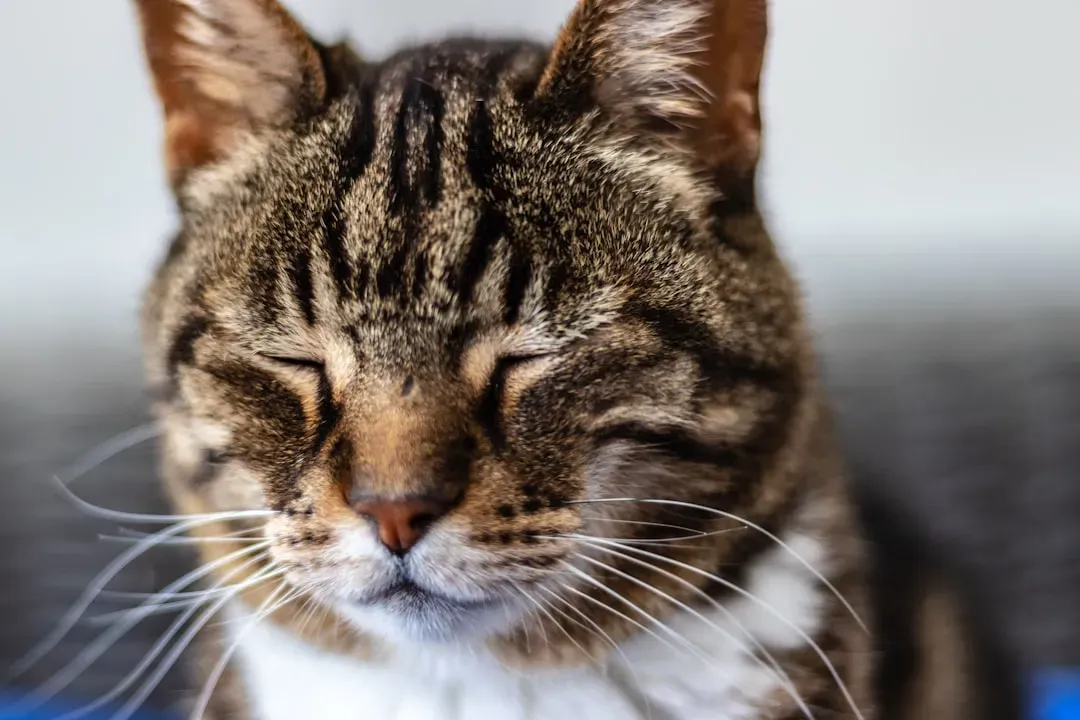
Your cat’s whiskers aren’t just sitting there looking pretty. Each whisker functions like an individual antenna, picking up sensory information independently. The follicles where whiskers grow are packed with nerve endings and blood vessels, making them incredibly sensitive to even the tiniest movements.
When air flows or an object brushes against a whisker, it vibrates and stimulates nerves in the hair follicle, giving whiskers their scientific name vibrissae from the Latin word meaning “to vibrate”. This means your cat can detect a mouse scurrying across the floor or sense a wall in complete darkness just from subtle changes in air currents. It’s like having a built-in motion detector system that never sleeps.
Whiskers Are Precisely the Width of Your Cat’s Body

Ever wonder why your cat always seems to test tight spaces with their head first? The size of a cat’s whiskers isn’t random – they’re usually about the same width as the cat’s body, helping cats judge whether they can fit through tight spaces. It’s nature’s built-in measuring tape.
If the whiskers touch both sides of a space, it tells the cat they may get stuck. This explains why your cat methodically pokes their head into boxes, under furniture, and through gaps before committing their whole body. They’re literally using their whiskers as a ruler. Though this system works brilliantly for cats maintaining a healthy weight, things get tricky if kitty packs on extra pounds – their whiskers don’t grow wider to match their expanding waistline.
Whisker Position Reveals Your Cat’s Mood
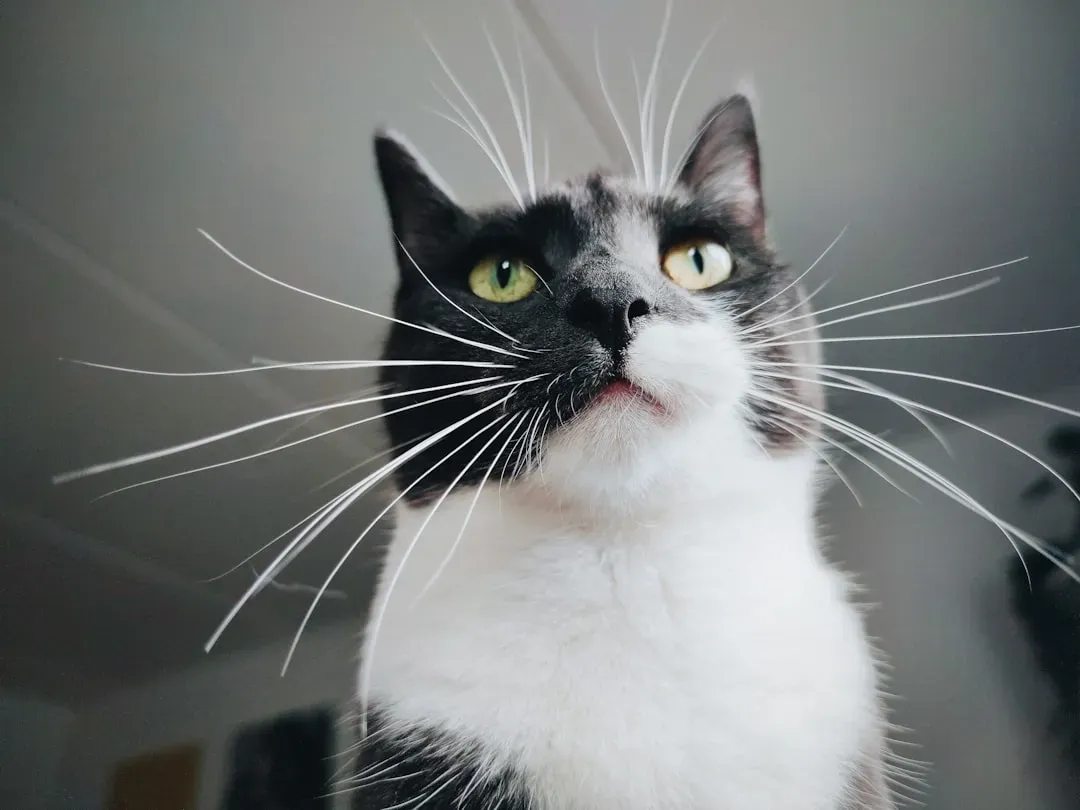
Your cat might not speak English, but their whiskers are constantly talking. You can learn a lot about how your cat is feeling by watching their whiskers – when relaxed they’re loose and out to the side, when alert or curious they point forward, and when scared or angry they pull back tightly against the face. Learning to read these signals gives you a window into your cat’s emotional state.
Next time you’re playing with your cat, watch those whiskers shoot forward with curiosity and excitement. If they suddenly flatten back against the face during a vet visit or when meeting a new person, that’s your cue that your cat feels threatened or uncomfortable. It’s honestly one of the most useful communication tools cats have, yet so many of us never pay attention to it.
Whisker Fatigue Is Actually Real

Whisker fatigue really is a thing, not just a marketing ploy. Since whiskers are so sensitive, repeatedly brushing them against the sides of food or water bowls can genuinely bother your cat. Because whiskers are incredibly sensitive, it can really bother cats when their whiskers keep rubbing on the edge of a bowl, and it’s uncomfortable to keep them pulled in while eating.
This is why you might notice your cat acting finicky about eating from certain bowls or preferring to eat from the center and leaving food around the edges. They’re not being picky – their whiskers are getting overstimulated. Switching to wide, shallow bowls can make mealtime much more comfortable for your feline friend. Sometimes what looks like behavioral quirks actually has a physical explanation.
Whiskers Naturally Shed and Regrow
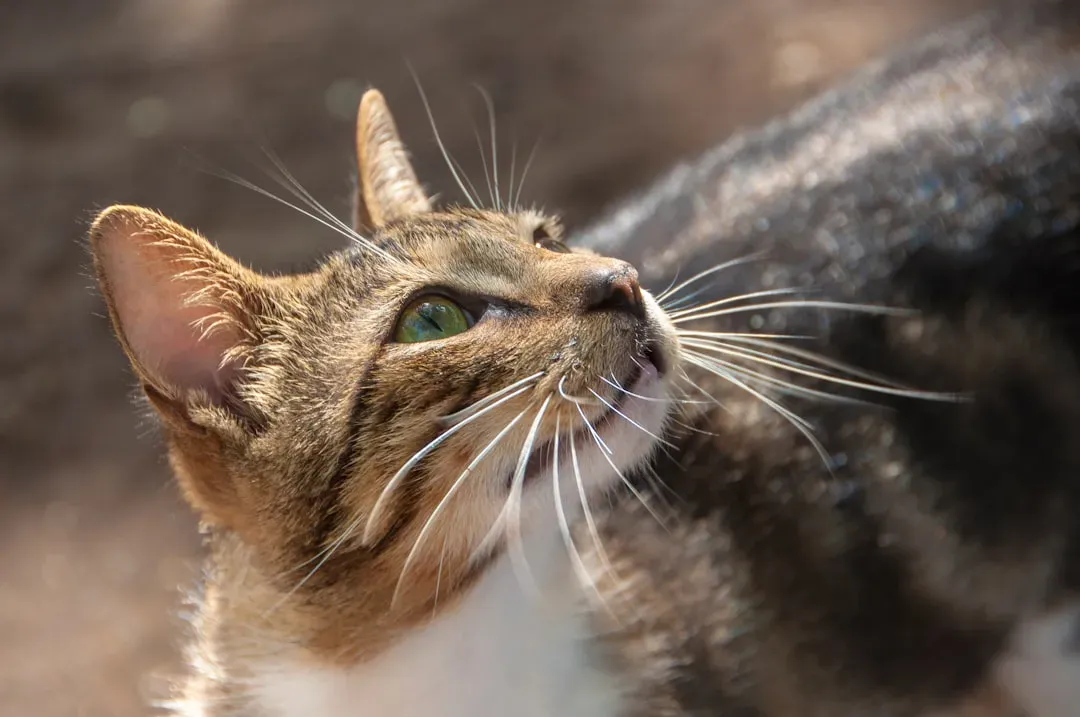
Cats regularly shed whiskers and grow them back, usually just one or two at a time, and if you find one of your cat’s whiskers it’s no big deal – they grow back in about two to three months. So if you spot a lone whisker on the floor, there’s no need to panic. It’s completely normal, just like shedding regular fur.
Unlike fur, whiskers take longer to regrow – sometimes several weeks – so don’t be alarmed if your kitty looks a little asymmetrical for a while. However, excessive whisker loss could signal a health problem, so if you’re finding multiple whiskers frequently or noticing breakage, it’s worth mentioning to your vet. The key word here is moderation – occasional shedding is fine, but sudden dramatic loss deserves attention.
Conclusion
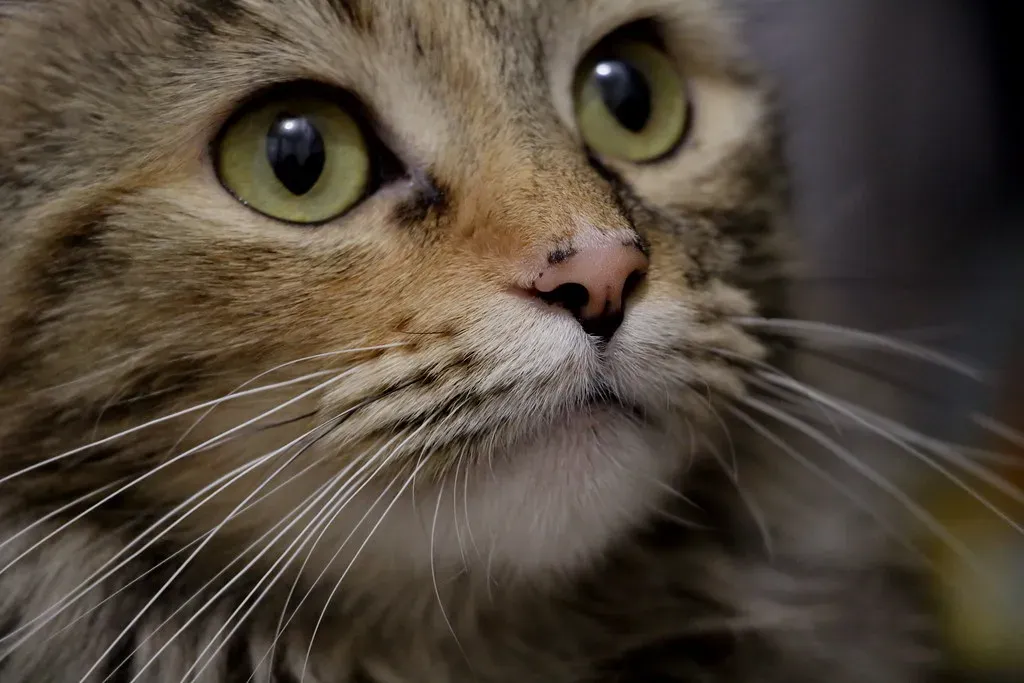
Your cat’s whiskers are so much more than facial decoration. They’re sophisticated sensory organs that help your cat navigate darkness, hunt prey, measure tight spaces, communicate emotions, and interact with their environment in ways we can only imagine. These remarkable structures connect directly to your cat’s nervous system, constantly feeding vital information to their brain about the world around them.
Now that you know just how crucial whiskers are, you’ll probably never look at your cat the same way again. Those twitching, elegant hairs are working overtime, processing countless bits of sensory data every second. Never trim them, be mindful of whisker fatigue, and take a moment to appreciate just how incredibly designed your feline companion truly is. What surprised you most about whiskers? Did you already know about the leg whiskers, or was that as mind-blowing for you as it was for most people?