
Understanding how cats perceive the passage of time not only deepens our appreciation for these fascinating creatures but also helps us cater to their needs more effectively. This article explores some intriguing and little-known facts about how cats perceive time, shedding light on their unique temporal world.
Biological Clocks in Cats

Just like humans and many animals, cats have an internal biological clock, known as the circadian rhythm. This internal timing mechanism is responsible for regulating various physiological processes, including sleep-wake cycles, feeding habits, and activity levels. By observing consistent patterns in their behavior, it’s evident that cats have a keen sense of daily time.
The Role of Routine in a Cat’s Life

Cats are creatures of habit, thriving on routine. A regular schedule helps them align their internal clocks with the external world. Deviations from their routine, such as feeding them at different times, can lead to confusion and stress. Therefore, sticking to a consistent routine can enhance their temporal perception and well-being.
Short-Term Memory in Cats
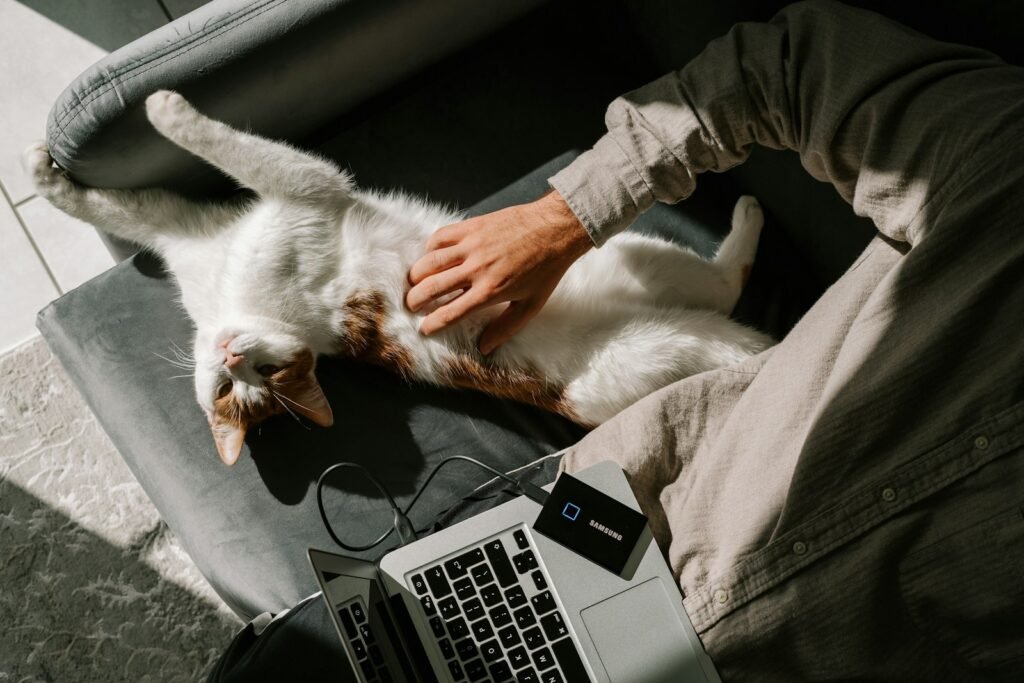
Cats possess an impressive short-term memory compared to other animals. This ability allows them to remember where they’ve been, what they’ve done, and, sometimes more importantly, significant events that have happened during a particular time frame. Their memory plays a crucial role in how they perceive short periods and react to their environment.
Cats and Episodic Memory
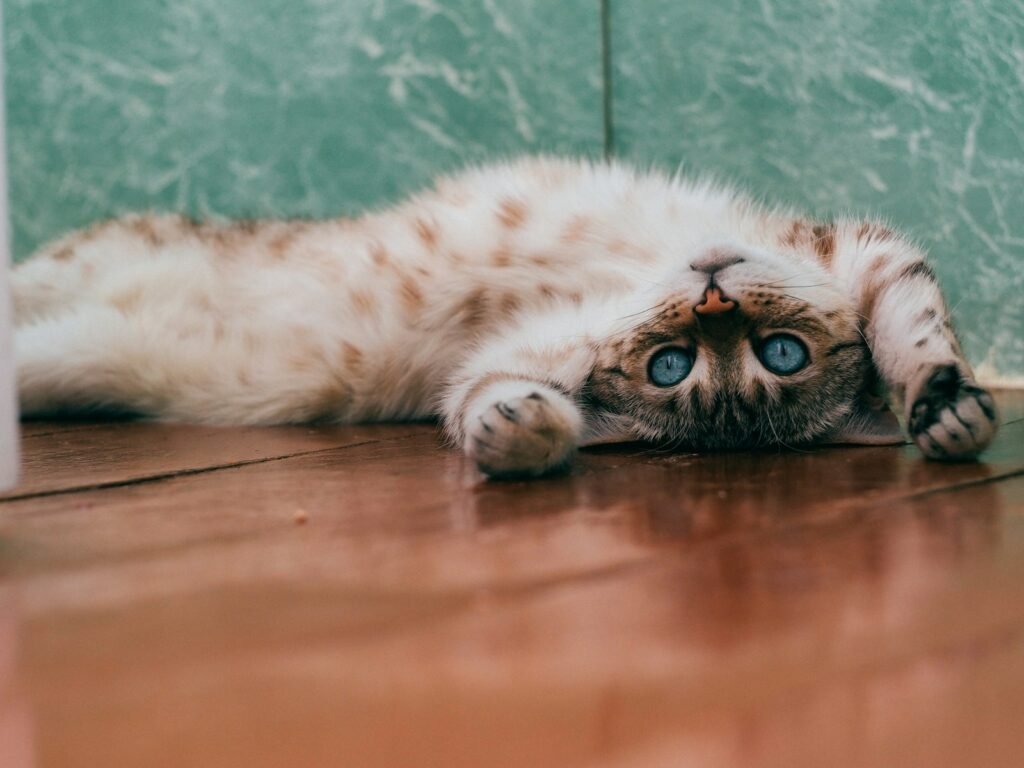
While the concept of episodic memory—recalling specific events from the past—is still a subject of research in animals, studies suggest that cats may have a form of it. This type of memory could allow cats to recognize recurring events, such as the time their owner typically comes home, thus affecting their perception of time intervals.
Sensitivity to Environmental Cues
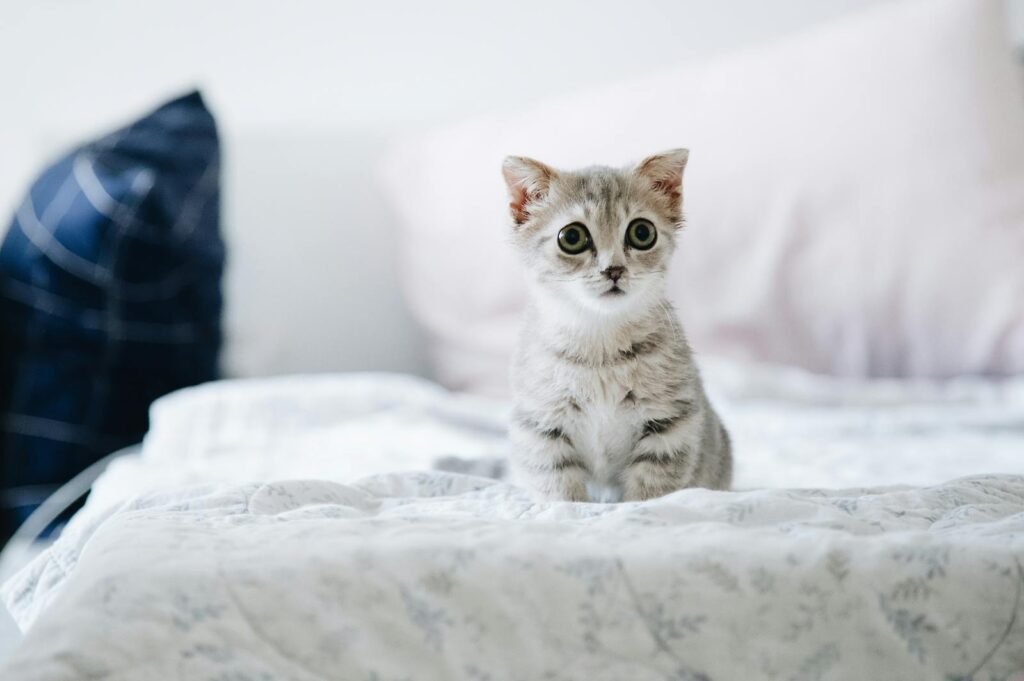
Cats are highly sensitive to changes in their environment, using these cues to gauge time. Factors such as the position of the sun, temperature changes, and feeding signals can serve as external markers that help cats infer the passage of time throughout the day.
Age-Related Changes in Perception
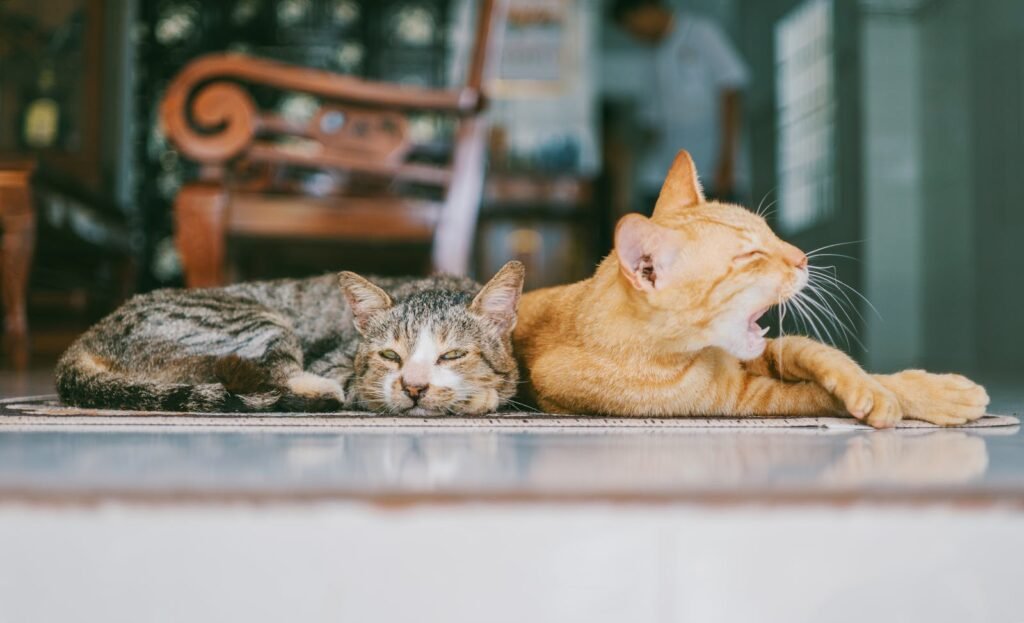
As cats age, their perception of time and related behaviors may change. Older cats might sleep more and show alterations in their activity patterns. Understanding these changes can help owners provide suitable care, creating environments that accommodate the shifting temporal needs of senior cats.
Effects of Time Perception on Behavior
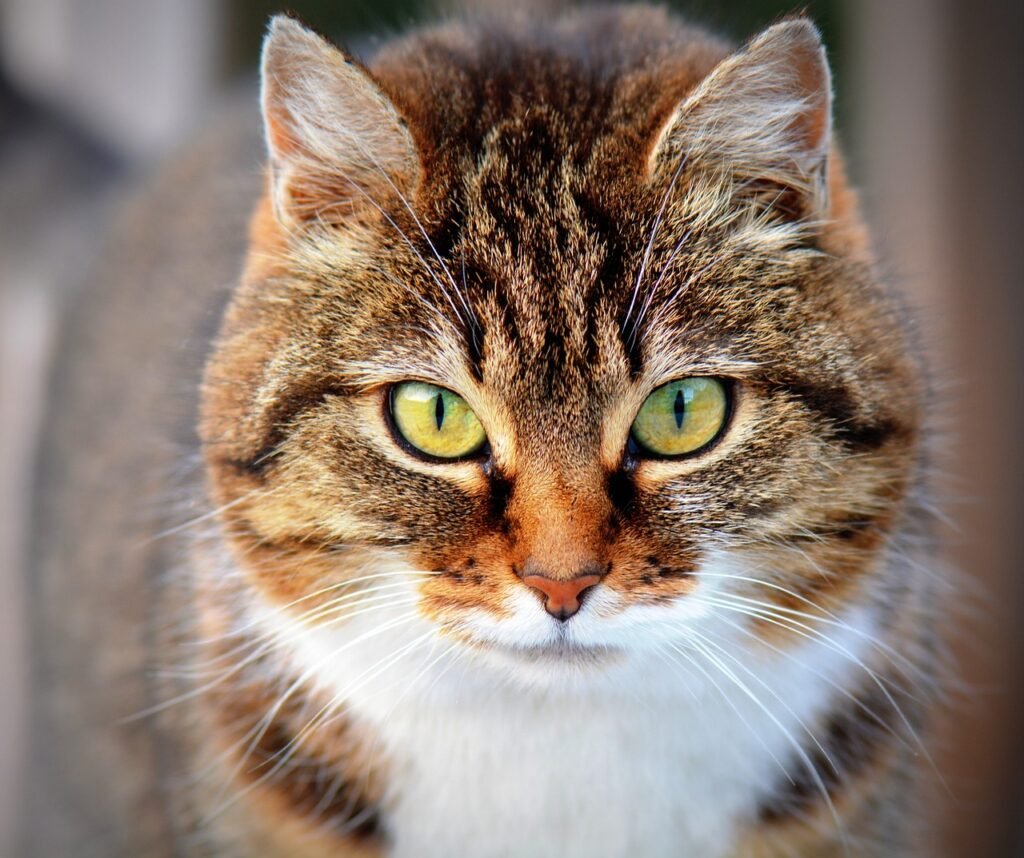
A cat’s perception of time can significantly impact its behavior. For instance, a cat that perceives a delay in feeding might become restless. Understanding these temporal sensitivities can guide pet owners in anticipating and addressing behaviors such as anxiety and overeating that stem from perceived time discrepancies.
The Influence of Human Schedules
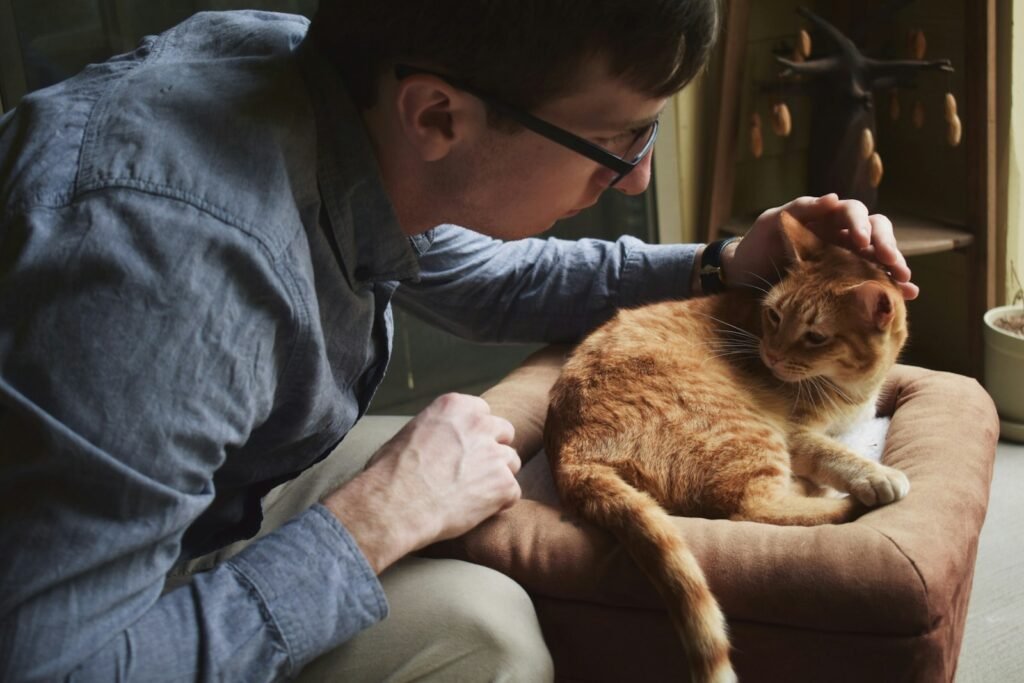
Cats often adapt their sense of time to align with human schedules, particularly in domestic settings. This adaptation process allows them to synchronize certain activities, such as playtime or meal requests, which offers insight into how adaptable their perception of time is to human influence.
How Stress Affects Time Perception
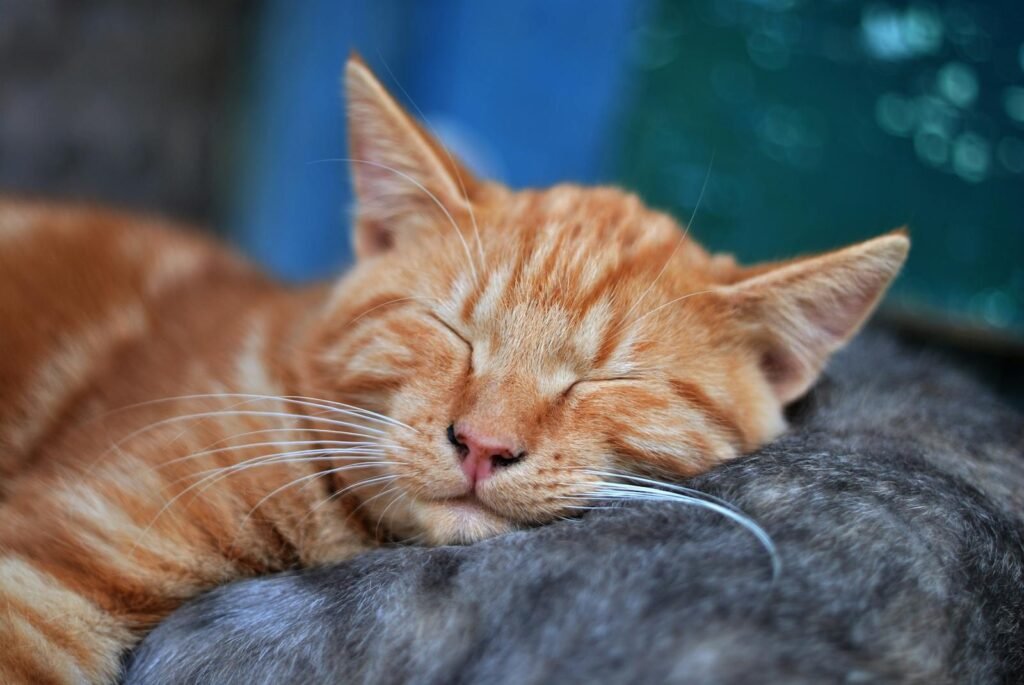
Stress and anxiety can alter a cat’s perception of time, leading to changes in behavior and routines. Cats experiencing stress might display disrupted eating patterns, irregular sleeping habits, or increased aggression. Understanding and mitigating sources of stress can help maintain the stability of their internal clocks.
Enhancing a Cat’s Temporal Environment
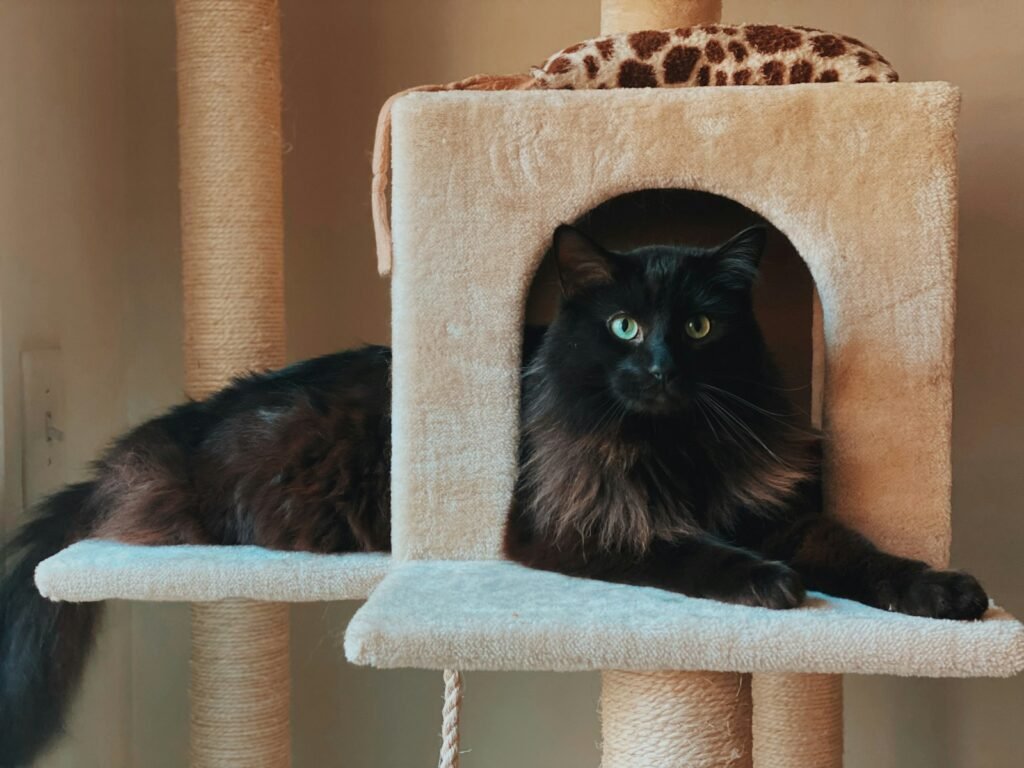
Caring for a cat involves not only meeting its physical needs but also supporting its temporal environment. Providing a stable routine, minimizing stressors, and observing their behavioral cues can enhance your bond and ensure your cat’s temporal perception is supported, leading to a happier and healthier life for your feline friend.
Through a careful examination of a cat’s temporal perception, we gain broader insights into their behavior and needs, furthering our ability to provide better care and companionship for these timeless companions.
Linnea is a born and bred Swede but spends as much time as possible in Cape Town, South Africa. This is mainly due to Cape Town’s extraordinary scenery, wildlife, and atmosphere (in other words, because Cape Town is heaven on earth.) That being said, Sweden’s majestic forests forever hold a special place in her heart. Linnea spends as much time as she can close to the ocean collecting sea shells or in the park admiring puppies.