Think you know everything about your cat’s personality? You might be surprised to learn that many beliefs you’ve held about feline behavior are actually far from the truth. Cats have been our companions for thousands of years, yet misconceptions about their temperaments persist even today. From assumptions about their independence to misunderstandings about their emotional capabilities, the reality of cat behavior is far more fascinating than the myths we’ve been told.
Let’s be real, you’ve probably heard the same old stories about cats being aloof, antisocial creatures who only care about food. Science is telling us a completely different story. Get ready to have your mind changed about everything you thought you knew about your furry friend.
Your Cat Actually Forms Deep Emotional Bonds With You
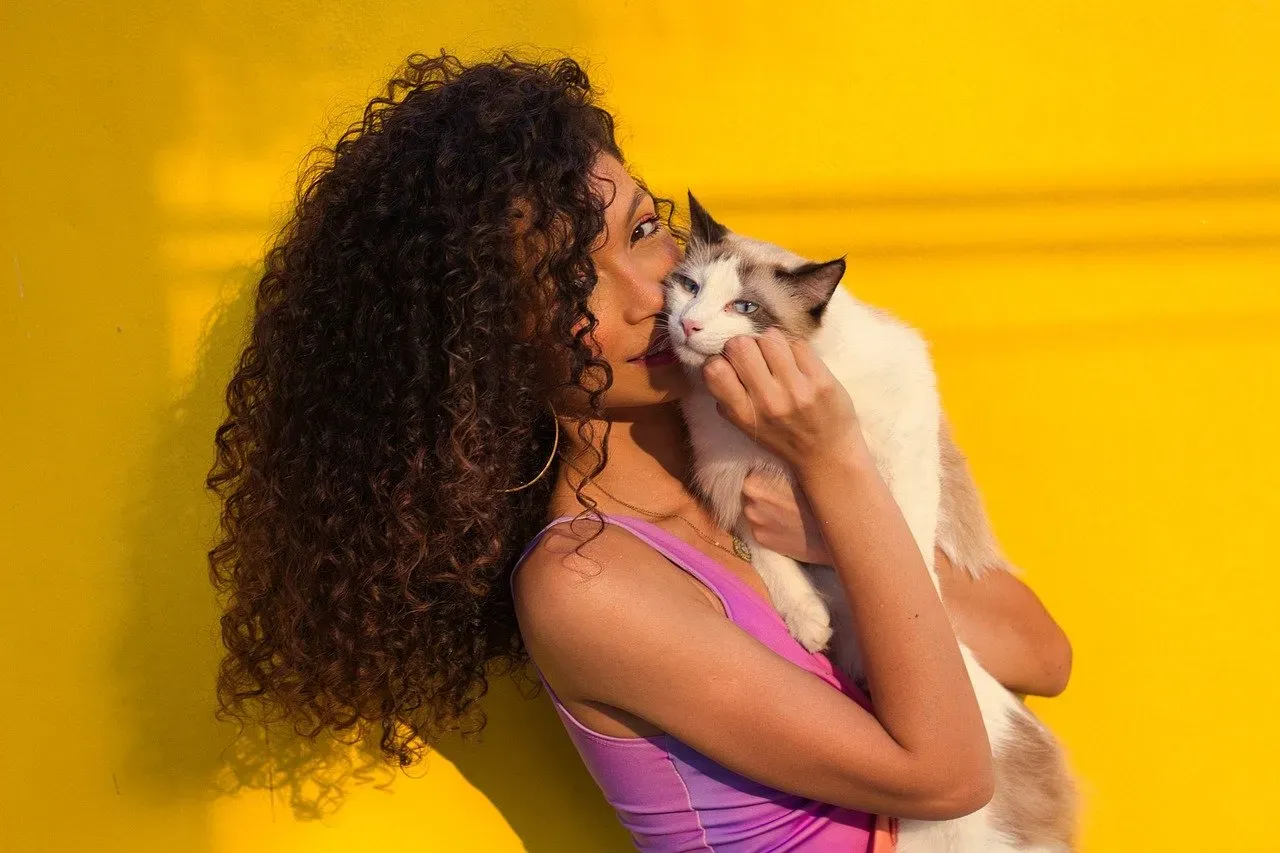
An increasing number of studies demonstrate that cats have the capacity to form strong social bonds with humans, and most cats create strong attachments to their guardians. Here’s the thing: cats aren’t just tolerating your presence for the food. Cats separated from bonded human caretakers even for a short time exhibited signs of separation distress, which means they genuinely miss you when you’re gone.
Research has demonstrated that cats increase meowing and leg rubbing behavior when in close proximity to owners experiencing negative emotions. Your cat picks up on your emotional state and responds to comfort you. If you’ve ever had a rough day and found your cat unexpectedly cuddling up to you, that wasn’t coincidence.
Cats Are Not Naturally Solitary and Antisocial Creatures
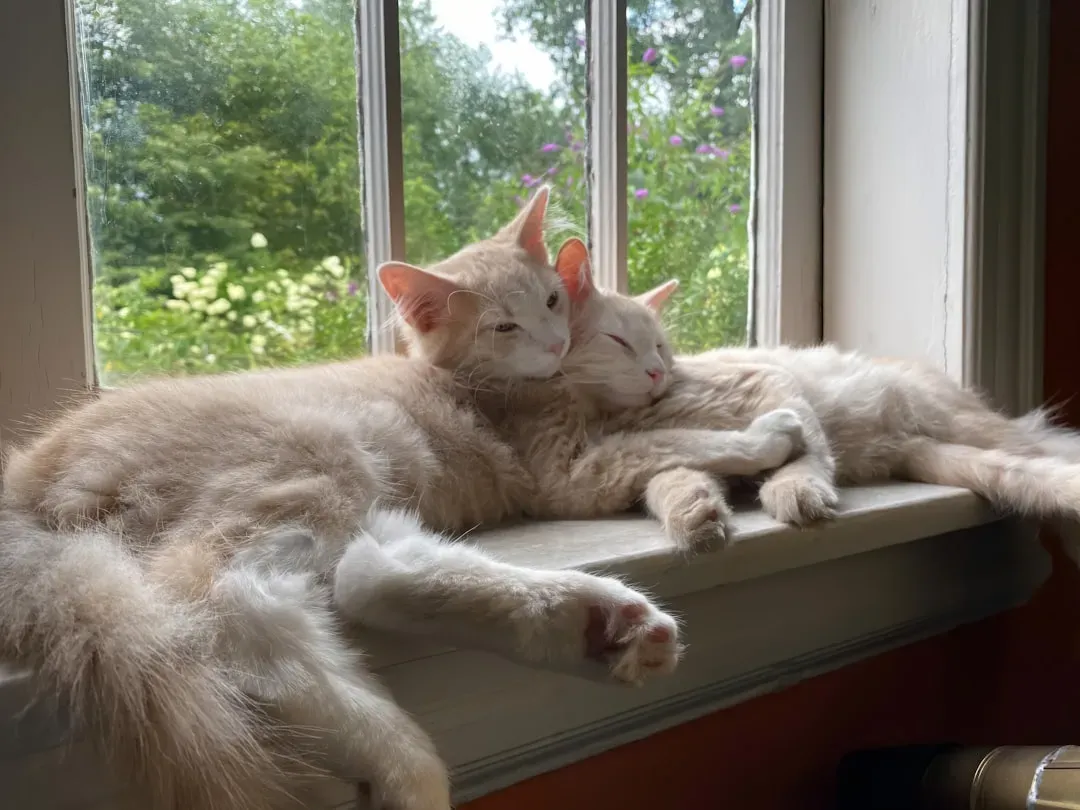
The myth that cats are loners who prefer to be alone is one of the most persistent misconceptions out there. Cats are facultatively social, meaning that their social behavior is flexible and heavily influenced by their genetics, early development, and lifetime experiences. Honestly, this makes them far more complex than we’ve given them credit for.
Cats with fewer interactions with people and longer periods of time left alone displayed higher numbers of problematic behaviors and were perceived to have higher anxiety levels. Your cat isn’t necessarily thriving in isolation. They have individual preferences for social interaction that vary dramatically from one cat to another, just like humans do.
They Actually Understand You Better Than You Think
You might assume pointing at something is lost on your cat, but you’d be wrong. A study involving 41 cats found that feline companions had an over 70% success rate in following human gaze to successfully locate hidden cat treats. That’s actually comparable to primates in terms of their ability to understand human communication cues.
Cats tend to reciprocate eye-narrowing behavior from their owners, and were also more likely to approach strangers who offered a slow blink over strangers who maintained a neutral facial expression. This slow-blink behavior is a form of communication that shows trust and affection. When your cat gives you that slow, lazy blink, they’re essentially telling you they feel safe with you.
Cat Coat Color Has No Real Connection to Personality
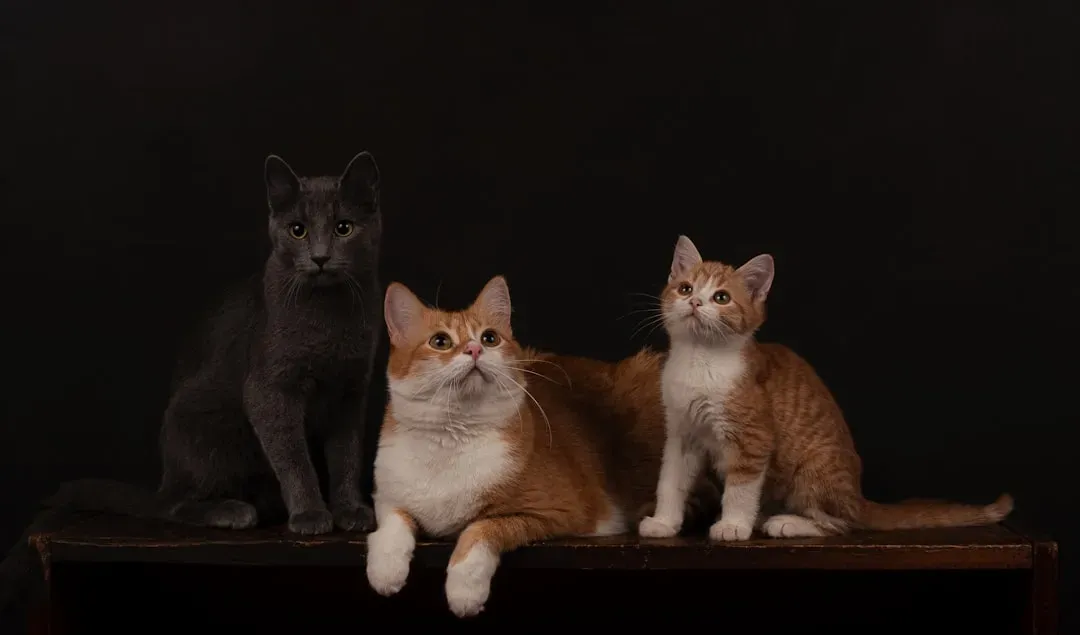
We’ve all heard the stereotypes about orange cats being friendly or black cats being unlucky. There is a lack of evidence for a relationship between cat coat color and personality. The idea that you can predict a cat’s temperament based solely on their fur color is basically a myth perpetuated by anecdotal observations and cultural beliefs.
The few studies related to cat color and personality show mixed results, which suggests that any patterns people think they see are probably coincidental or influenced by human perception rather than actual biological differences. Your black cat isn’t grumpy because of their color; your orange tabby isn’t friendly because they’re orange. Individual personality is shaped by genetics, early socialization, and life experiences, not by melanin distribution in their fur.
Cats Need Socialization Just Like Dogs Do
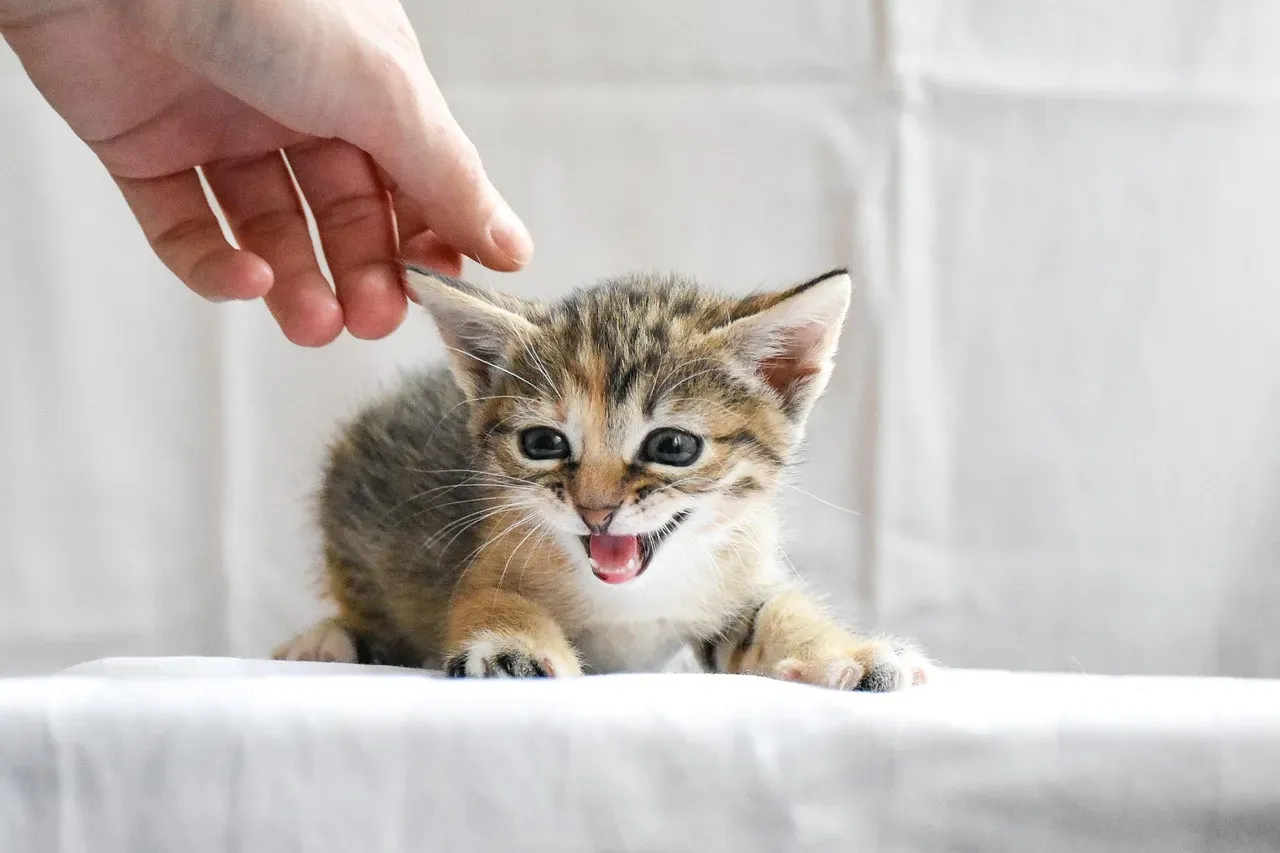
Most people understand that puppies need socialization classes and exposure to different experiences, but cats? Growing scientific evidence suggests that early exposure to other cats, humans, and a variety of environmental stimuli can benefit a cat’s social behavior and overall cognitive development. Your kitten needs those formative experiences just as much as a puppy does.
Many cat caretakers assume that their pets do not need these opportunities to interact with novel stimuli or experience diverse social interactions. This assumption can lead to cats who are fearful, anxious, or aggressive in new situations. The sensitive period for kitten socialization is actually quite short, making those early weeks critically important for developing a well-adjusted adult cat.
Your Cat’s Personality Has Genetic Components Across Breeds
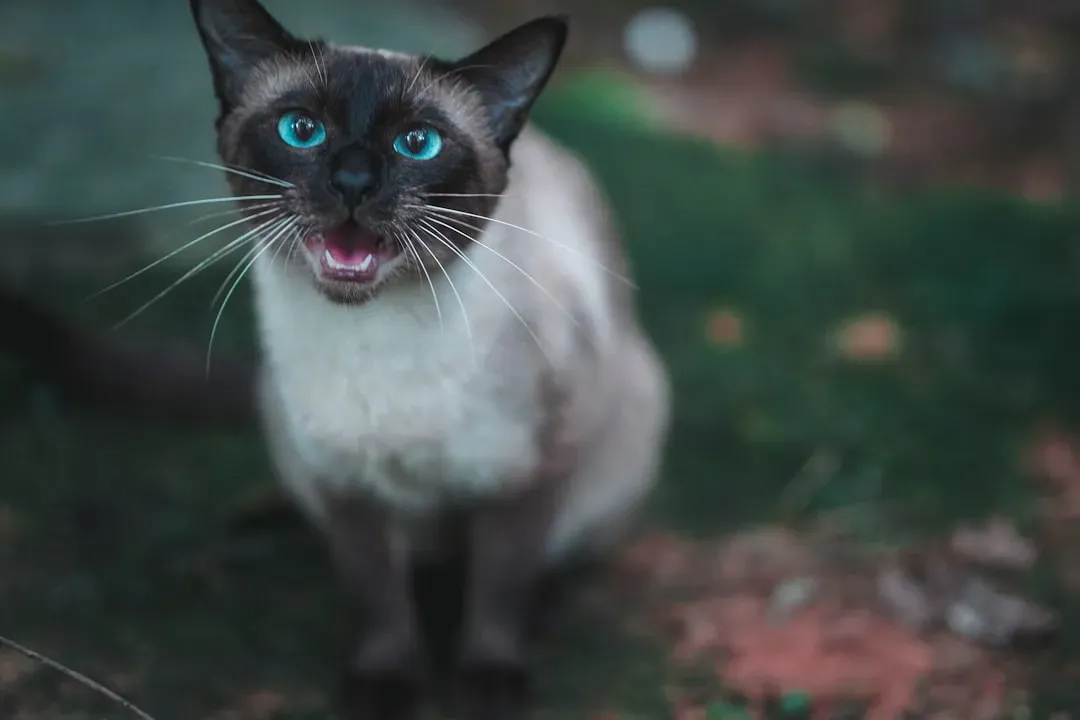
Just like dog breeds have characteristic temperaments, cat breeds show distinct behavioral differences. Breed differences suggest a genetic background for personality, and breeds differed in all traits including fearfulness, activity, aggression, and sociability. This means that when you choose a specific breed, you’re not just selecting for physical appearance but also for temperament tendencies.
In a study involving over 4,000 cats across more than 20 breeds, researchers found that Bengal cats proved to be the most active breed, with Russian Blue cats scoring highest in the fear personality category. Still, it’s important to remember that individual variation exists within breeds, so while genetics play a role, each cat is ultimately unique in their personality expression. Your individual cat’s experiences and environment will interact with their genetic predispositions to create their one-of-a-kind temperament.
Conclusion
The science of cat behavior is revealing truths that challenge decades of misunderstanding. Cats are emotionally complex creatures capable of deep bonds, social flexibility, and sophisticated communication with humans. They’re not the aloof, independent creatures of popular myth but rather individuals with varied social needs and surprising cognitive abilities.
Understanding these realities can transform how you interact with your cat and strengthen your relationship. When you recognize that your cat actually does care about you, needs social interaction, and communicates in subtle ways, you can respond more appropriately to their needs. Did any of these facts surprise you? What do you think about your cat differently now?