Picture this: you’re walking down the street, minding your own business, when a sleek black cat trots across your path. Do you feel a shiver of unease? If so, you’re certainly not alone. Across centuries and continents, black cats have been whispered about, feared, persecuted, and sometimes even revered, all because of stories passed down through generations. These aren’t just harmless bedtime tales either. The myths surrounding these stunning animals have had real, painful consequences that still ripple into today’s world.
Honestly, the more you dig into the science, the more remarkable the truth becomes. These so-called old wives’ tales crumble fast when you hold them up to what researchers now actually know about feline genetics, psychology, history, and behavior. So if you’ve ever crossed to the other side of the street to avoid a black cat, or quietly wondered whether your luck had changed, you might want to keep reading. You could be in for a genuine surprise. Let’s dive in.
Tale #1: A Black Cat Crossing Your Path Brings Bad Luck
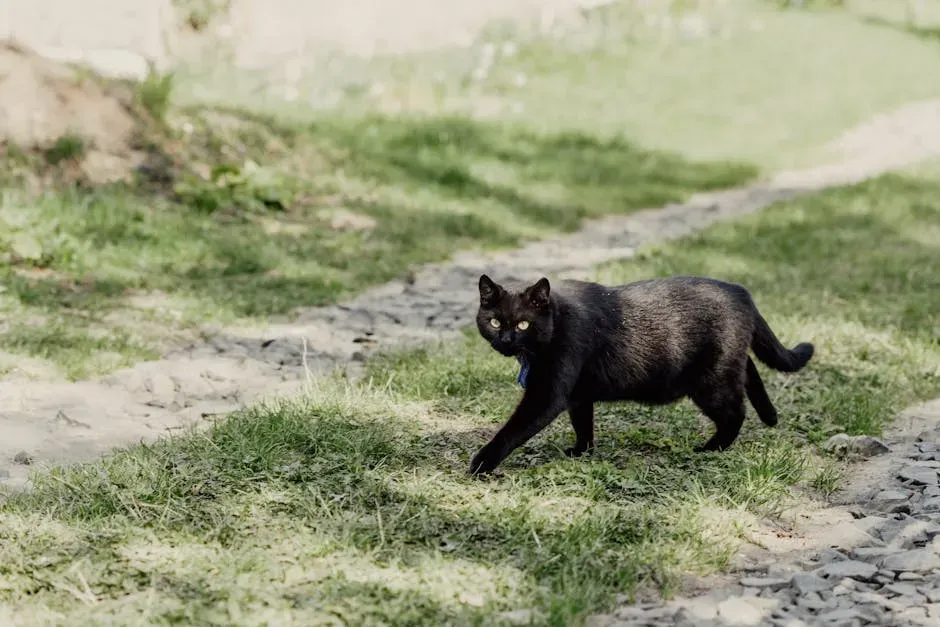
This is probably the most famous black cat belief in existence, and yet its origins have nothing to do with science or observable reality. The specific idea that black cats bring bad luck originated as early as the 13th century, when a papal bull called “Vox in Rama” by Pope Gregory IX linked cats, particularly black cats, to heretical rituals. Think of it like this: imagine a government leader issuing an official document today declaring that left-handed people bring misfortune. That would sound absurd, right? Yet that is essentially what happened here, and the world ran with it for hundreds of years.
There is no scientific evidence that any symbol or occurrence, including encountering a black cat, actually brings misfortune. In fact, the fear is so culturally inconsistent that it barely holds up to basic logic. In Japan, it is believed that black cats can bring love and fortune; in Scotland, having a black cat appear on your doorstep means prosperity is on its way; and in France, it is said that treating a black cat well will bring you riches. So if you happen to live in Scotland and a black cat crosses your path, you’d actually be celebrating, not cowering. The “bad luck” label was never universal. It was regional, politically motivated, and built on fear, not fact.
Tale #2: Black Cats Are Witches in Disguise
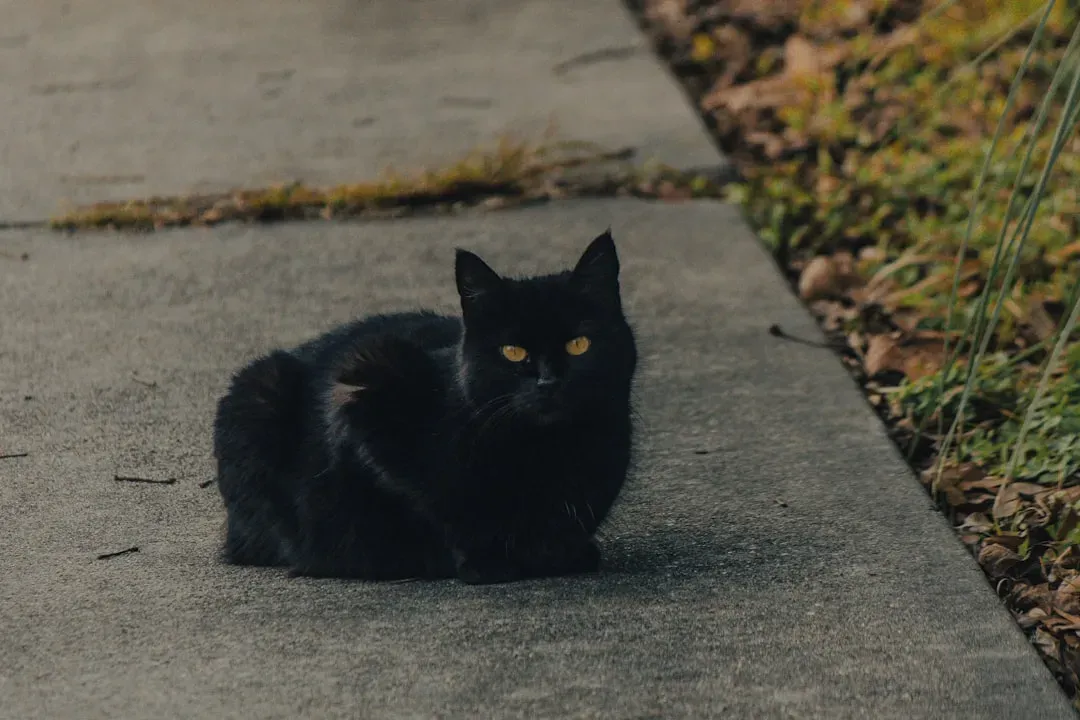
Few myths have done as much damage as the idea linking black cats to witchcraft. Black cats had a long history with people that remained mostly positive until the hysteria surrounding witches began. Cats were cared for by single women who were then accused of witchcraft, and people believed that these cats were helping witches with their evil deeds. They also believed that black cats were witches in disguise. Let’s be real. What you actually had was a society where an elderly woman living alone with a cat for companionship became a target for community paranoia. The cat was just… along for the unfair ride.
The link between black cats and witches is rooted in a mixture of folklore, pagan religion, and superstition. Many of the early pagan practitioners labeled “witches” held a deep respect for the natural world and great affection for animals, including cats. Folklore often paired these practitioners with familiars, animal companions who aided them in magic, or suggested they could turn into animals themselves. Modern anthropology and history have thoroughly dismantled the idea that anything supernatural was going on. As evidenced by the Salem Witch Trials, many of the alleged “witches” were innocent women, and these devastating killings taught us just how powerful and dangerous superstitions can be. The black cat was caught in the crossfire of human cruelty. No spells. No shape-shifting. Just a cat.
Tale #3: Black Cats Are Omens of Death
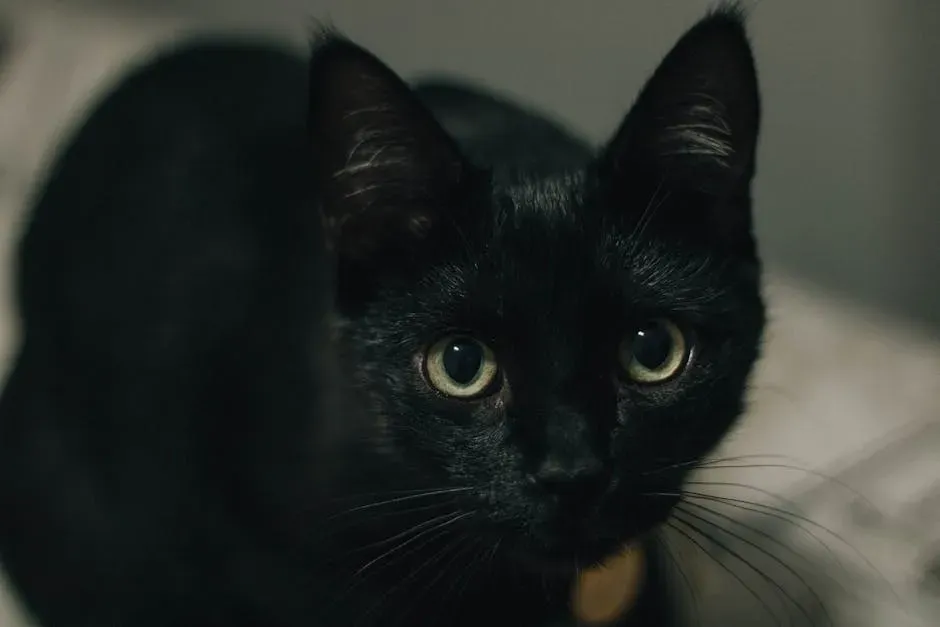
There is no shortage of superstitions about black cats foretelling death. You might have heard that if a black cat shows up during a funeral procession, someone else is going to die soon, or that a black cat lying on someone’s sickbed means they won’t live long. These stories feel chilling in the retelling, which is precisely why they stuck around. In 16th-century Italy, people believed that if someone was sick, they would die if a black cat lay on their bed. The Normans and Germanic people believed that, like the black raven, a black cat was a sign that a death would soon occur. It is a classic case of pattern-seeking in a world where people lacked medical explanation for illness and death.
Here’s the thing: science has flipped this narrative completely. What we do know is that pets help people live longer. There are numerous health benefits associated with having pets. They can lower stress, improve heart health, boost mental health, and more. So far from being harbingers of death, black cats could actually be contributing to your longevity. The myth may stem from their historical connection to witches intent on doing harm, but it is also part of a larger pattern. Many cultures have folklore linking animals with black fur or feathers, like black dogs or ravens, to loss and death. It was never about the cat. It was about humanity’s ancient, universal fear of the dark.
Tale #4: Black Cats Are Naturally Aggressive and Unfriendly
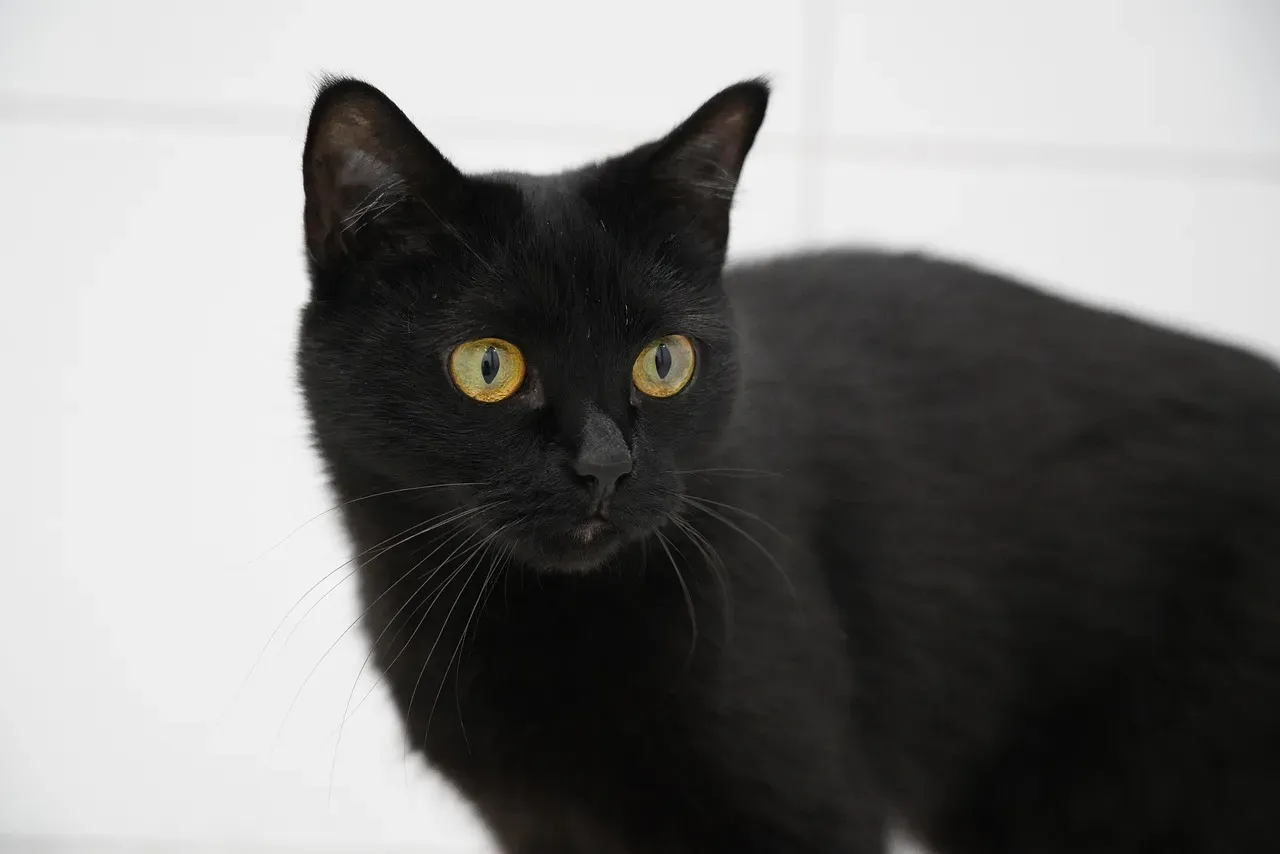
You may have heard someone say they don’t trust black cats, claiming they seem “sneaky” or “mean.” It sounds ridiculous when you say it out loud, but this perception is surprisingly persistent. A study published in the Journal of Applied Animal Welfare Science surveyed over 1,200 cat owners about their cats’ behavior across different coat colors. The cats most frequently reported as aggressive toward humans were tortoiseshells, calicos, black-and-white cats, and gray-and-white cats, who showed higher rates of aggression during everyday interactions, handling, and veterinary visits. Solid black cats did not rank among the most aggressive groups. Not even close, actually.
Your black cat’s personality is more likely affected by its upbringing and experiences than its coat color. Notably, despite the myths surrounding black cats, their predominant trait according to owners’ reports is friendliness. What’s more, there’s also a confirmation bias at play. If you’ve already heard that black cats are mean, you’re more likely to notice and remember the moments when a black cat acts aggressively and dismiss the same behavior in a lighter-colored cat. Over time, this reinforces a stereotype that was never based on reality. The aggression myth is, in many ways, a self-created illusion built on centuries of fear and the very human tendency to see what we expect to see.
Tale #5: Black Cats Are Unhealthy and Short-Lived
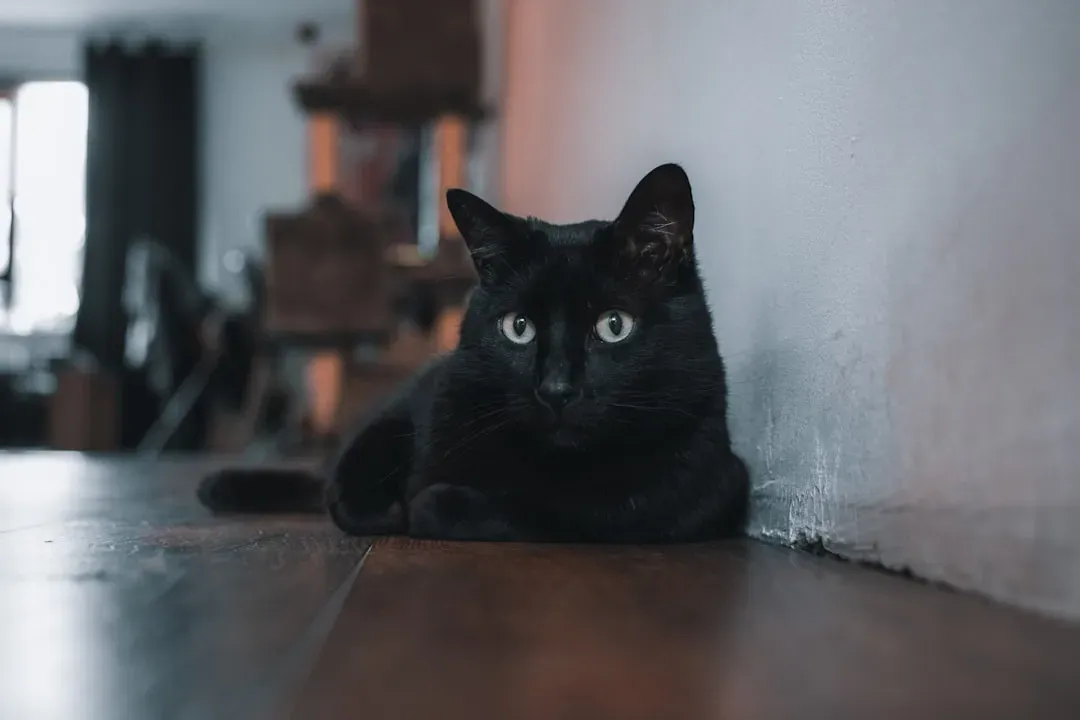
Some old wives’ tales painted black cats as cursed creatures doomed to poor health and early death. The science says something dramatically different. Recent genetic studies have revealed fascinating connections between black fur and immune system strength. The melanistic gene that gives black cats their color may actually provide them with enhanced protection against certain diseases, making them potentially more resilient than their differently-colored counterparts. Think of it like carrying a built-in shield. The very gene that makes their coat striking might also be quietly keeping them healthier.
While jaguars and leopards may have evolved black coats to better hunt at night, researchers are finding evidence of another reason. The same gene that causes black coats, or melanism, also affects a cat’s immunity. Scientists have discovered that these cats have stronger immune systems and an increased resistance to certain diseases, such as FIV, feline immunodeficiency disorder. On top of that, their dark fur helps to protect them from skin cancer, and it allows them to hide more easily from predators than their lighter-colored counterparts. Far from being fragile or cursed, these animals may actually carry genuine biological advantages. It’s hard to say for sure just yet, as more research is still underway, but the early findings are striking.
Tale #6: Black Cats Are Bad News Around Halloween
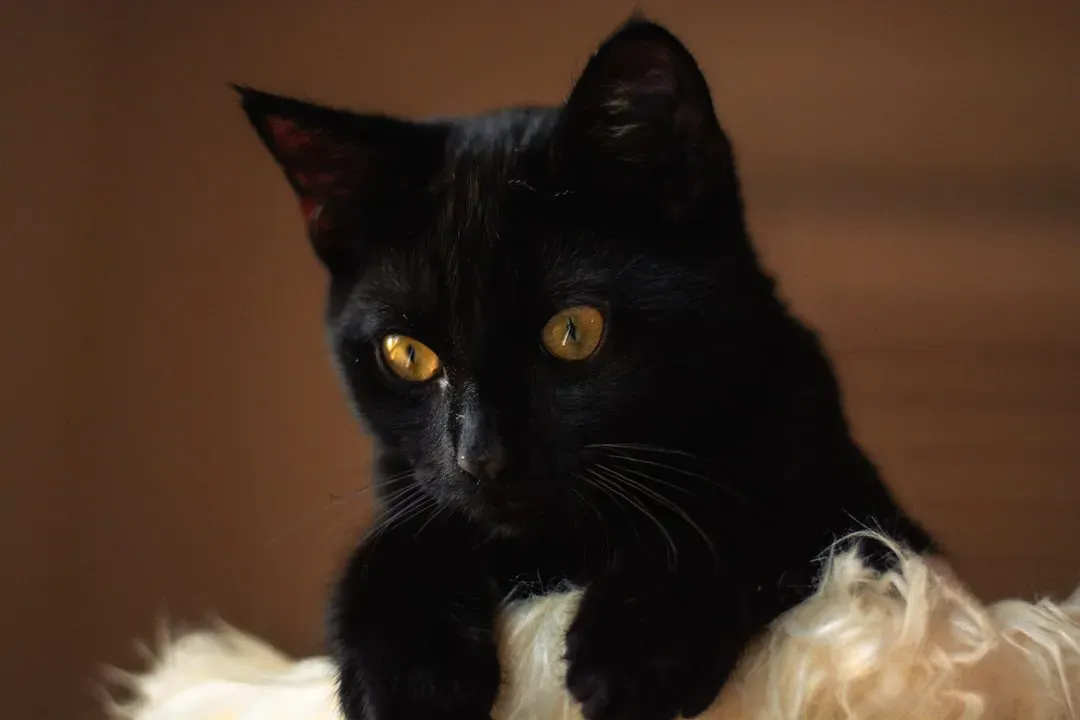
Every October, the old tale resurfaces: black cats are in danger around Halloween, targeted by people with sinister intentions. Many shelters have historically paused adoptions of black cats during this period out of concern. The truth is that black cats don’t actually face more danger during Halloween, and there is no data to suggest they are at a higher risk of abuse during this time compared to other cats or times of the year. Yet the rumor has been repeated so persistently that it has taken on a life of its own.
No one has ever documented in the history of humane work any relationship between adopting black cats and cats being killed or injured. When such killings are reported, forensic evidence has pointed to natural predators, such as coyotes, eagles, or raptors as the likely cause. Limiting or suspending adoptions around Halloween also places more cats of all colors at risk of dying in shelters due to overcrowding. In other words, the well-meaning Halloween adoption ban actually harms the very animals it aims to protect. Instead of being a time of danger, Halloween has become an opportunity to highlight these wonderful pets and help them find forever homes. Science and data consistently point in the same direction: give the black cat a chance.
Conclusion

When you strip away the medieval fear, the papal declarations, the witch trial hysteria, and the Halloween horror movies, what you’re left with is a remarkably ordinary and beautiful creature. A creature whose worst crime, apparently, is having a very striking coat. In reality, the only supernatural powers that black cats possess are ones of unconditional love and affection, just like any other cat. Science has looked at the myths one by one and found nothing to support them.
Black cats do not cause bad luck, they are not signs of the devil, and they most certainly do not deserve to be greeted with derision by humans. In reality, the more you love your black cat, or any cat, the greater the health benefits are to you. These animals have endured centuries of undeserved suspicion, and it shows in devastating adoption statistics that still persist today. Every time you choose to see past the myth, you’re doing something genuinely meaningful.
So the next time a black cat strolls across your path, maybe pause for a moment. Not in fear, but in curiosity. Because the real question isn’t whether the cat is bad luck. The real question is: how long are we going to let a 13th-century document tell us how to feel about an animal that might actually be keeping us healthier? What do you think? Share your thoughts in the comments below.