You’re walking down the hallway, minding your own business, when suddenly – wham! Your cat launches itself at your ankles with claws extended and teeth bared. Was that an attack? A game? Or something else entirely? Honestly, it’s one of the most baffling behaviors cat owners deal with, and deciphering what’s really going on in your feline’s mind can feel like solving a riddle wrapped in fur.
Here’s the thing. Your cat isn’t being malicious or random. There’s actually a method to their madness, and understanding the difference between predatory hunting behavior and innocent play can save you from unnecessary scratches, worry, and confusion. Sometimes your cat genuinely sees you as prey. Other times, they’re just inviting you to join their version of fun. Let’s dive in and unravel this mystery together.
They’re Responding to Movement
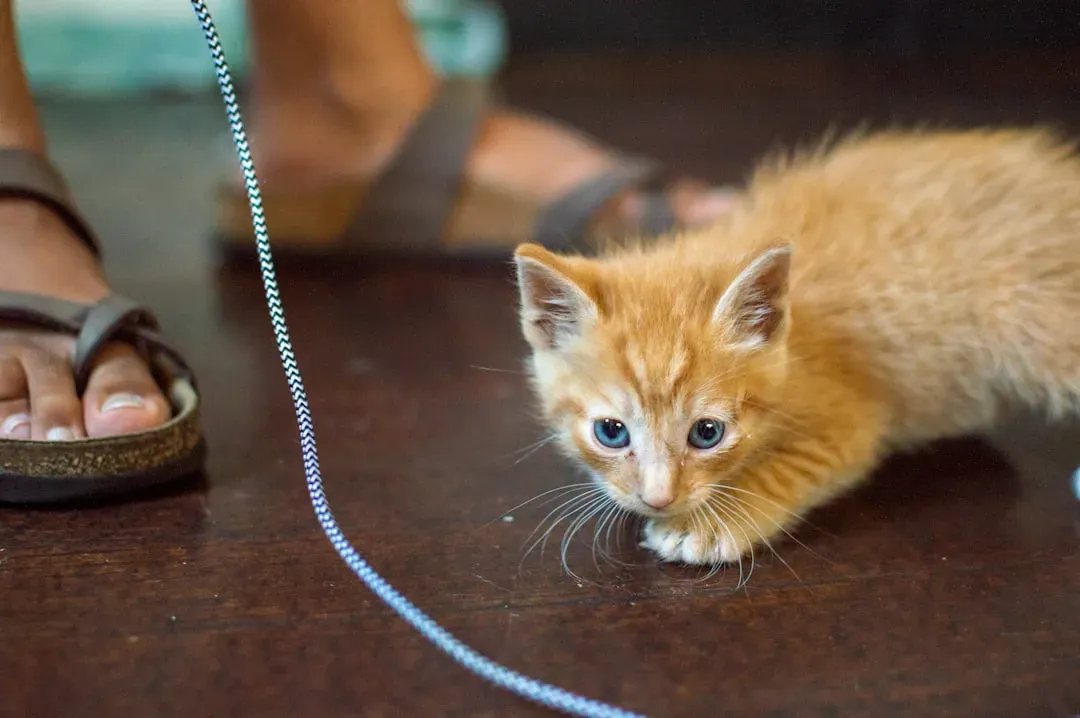
Your feet resemble prey to your cat because they’re instinctively wired to hunt and pounce on moving objects. When you walk across a room, especially quickly, you’re triggering something deeply ingrained in their DNA. Human feet happen to be the perfect shape and size for their preferred prey, since cats hunt alone and their prey is typically small.
This isn’t about being hungry or needing food. The urge to hunt isn’t tied to hunger at all – in the wild, cats hunt all the time because they never know when their next meal will come. Your moving ankles, wiggling toes under the blanket, or even your hands gesturing while you talk can flip that instinctual switch from nap mode to hunt mode in seconds.
It’s Hardwired into Their Brain
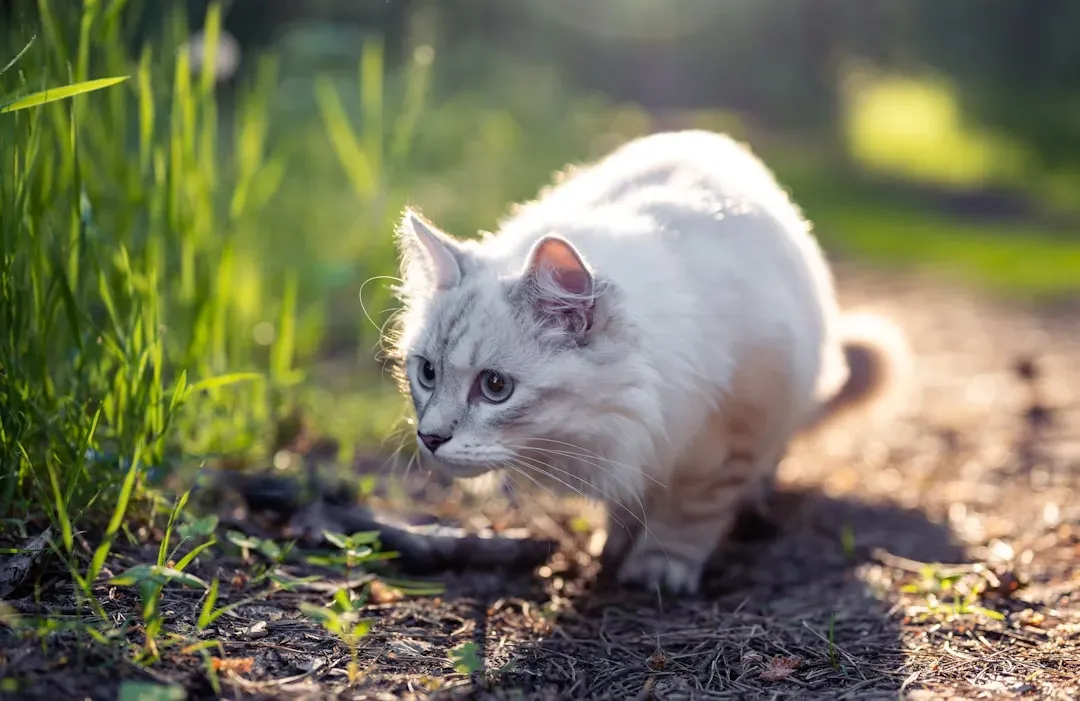
Your domestic cat shares an impressive 95.6% of their DNA with tigers, and despite thousands of years of domestication, cats retain their ancient hunting instincts. Pretty wild, right? There’s been very little selective breeding of cats, so their instinctive need to hunt remains incredibly strong. Unlike dogs, who were bred for specific tasks and behaviors, cats have largely remained the skilled hunters they’ve always been.
This behavior persists in modern domestic cats even though they’re provided food and don’t need to hunt to survive. So when your cat crouches low, pupils dilate, and suddenly springs toward your leg, they’re channeling thousands of years of evolutionary programming. It’s not personal. It’s primal.
They’re Practicing Survival Skills
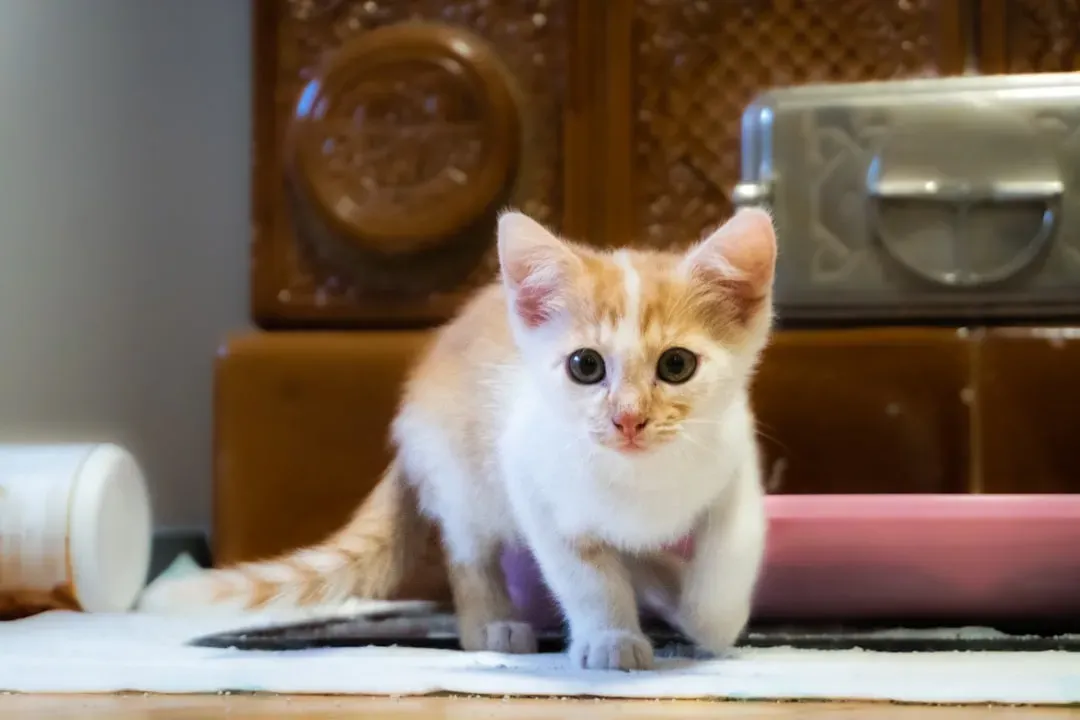
Even if your cat has never caught a mouse in their life, cats learn the skills to hunt early on through play with their littermates and by watching their mother hunt. Kittens are programmed from birth to chase, and through play, they develop the coordination and timing needed to successfully capture their target.
When they pounce on you, they’re essentially keeping those skills sharp. Think of it as their version of going to the gym. Cats usually approach their prey by stalking in a crouched position, using slow movements that may speed up to a sprint the closer they get. You might notice your cat doing this exact routine before attacking your feet – and that’s because they’re rehearsing a real hunting sequence.
Boredom and Lack of Stimulation
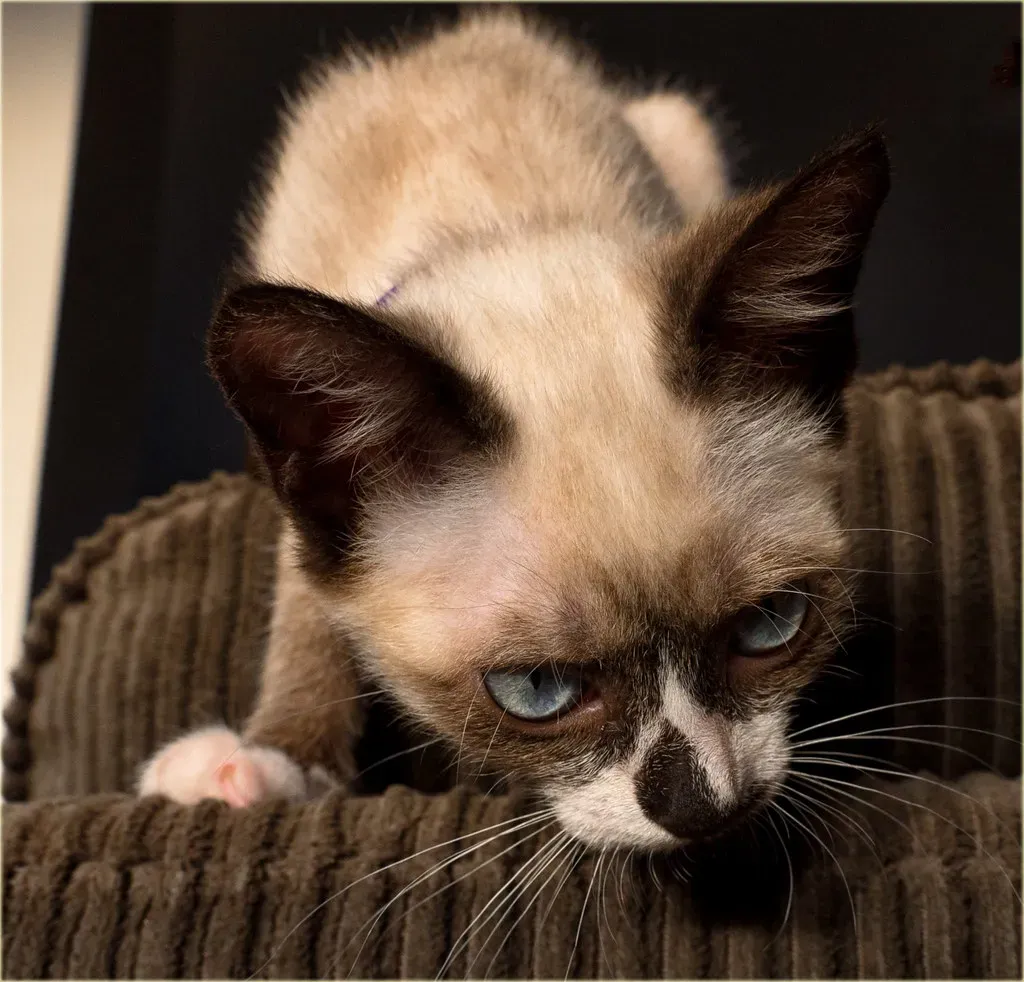
When cats lack mental stimulation or sufficient play opportunities, they may resort to attacking feet out of boredom. Let’s be real. If your cat spends most of the day alone with little to do, your ankles become the most interesting moving target in a fairly dull environment.
Boredom can lead a cat to take drastic measures to entertain themselves and get your attention – if they don’t get enough stimulation or exercise, they can turn to you to burn off energy or release frustration. It’s hard to say for sure, but sometimes those sudden ambushes are just your cat’s way of saying, “Hey, I’m bored and you’re not paying attention to me!”
Redirected Aggression

Sometimes cats experience heightened agitation due to external factors in their environment – the presence of another feline, an animal that evokes fear, or a sudden disturbance can trigger their instinctual response, and if the source is out of reach, they may redirect their aggression toward the closest available target. That target? Your unsuspecting feet.
Maybe your cat saw a bird outside the window or heard a strange noise. Redirected aggression is like emotional whiplash for cats – they’re worked up and can’t deal with the real cause, so they take it out on the next moving thing. This type of “hunting” is less about play and more about releasing pent-up tension or frustration.
They’re Seeking Attention
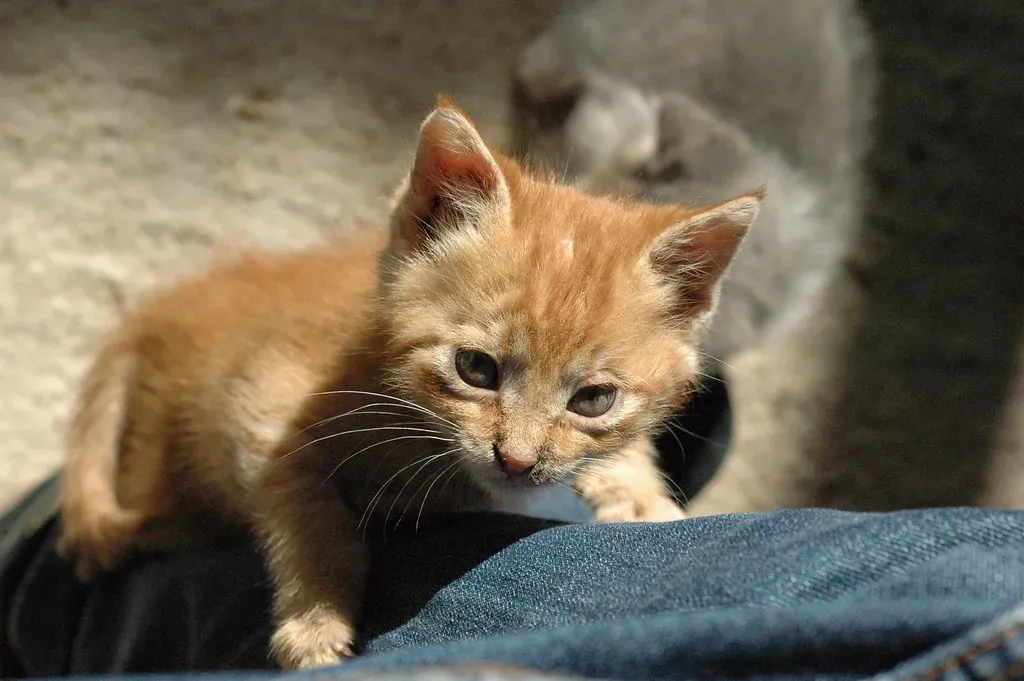
Your feline companion might attack your feet just to get your attention – they want you to notice them, and toe-chomping is their go-to move, especially if you’ve been ignoring their meows or skipped playtime. Cats are social creatures who crave interaction, even if they act aloof.
Foot attacks often mean your cat is feeling bored or lonely, and they’ve learned that biting or pouncing gets a reaction fast – whether it’s a gasp, a yell, or a chase. To them, any attention is good attention. Even if you’re scolding them, you’re still engaging with them, and that’s exactly what they wanted.
Playful Body Language Says It All
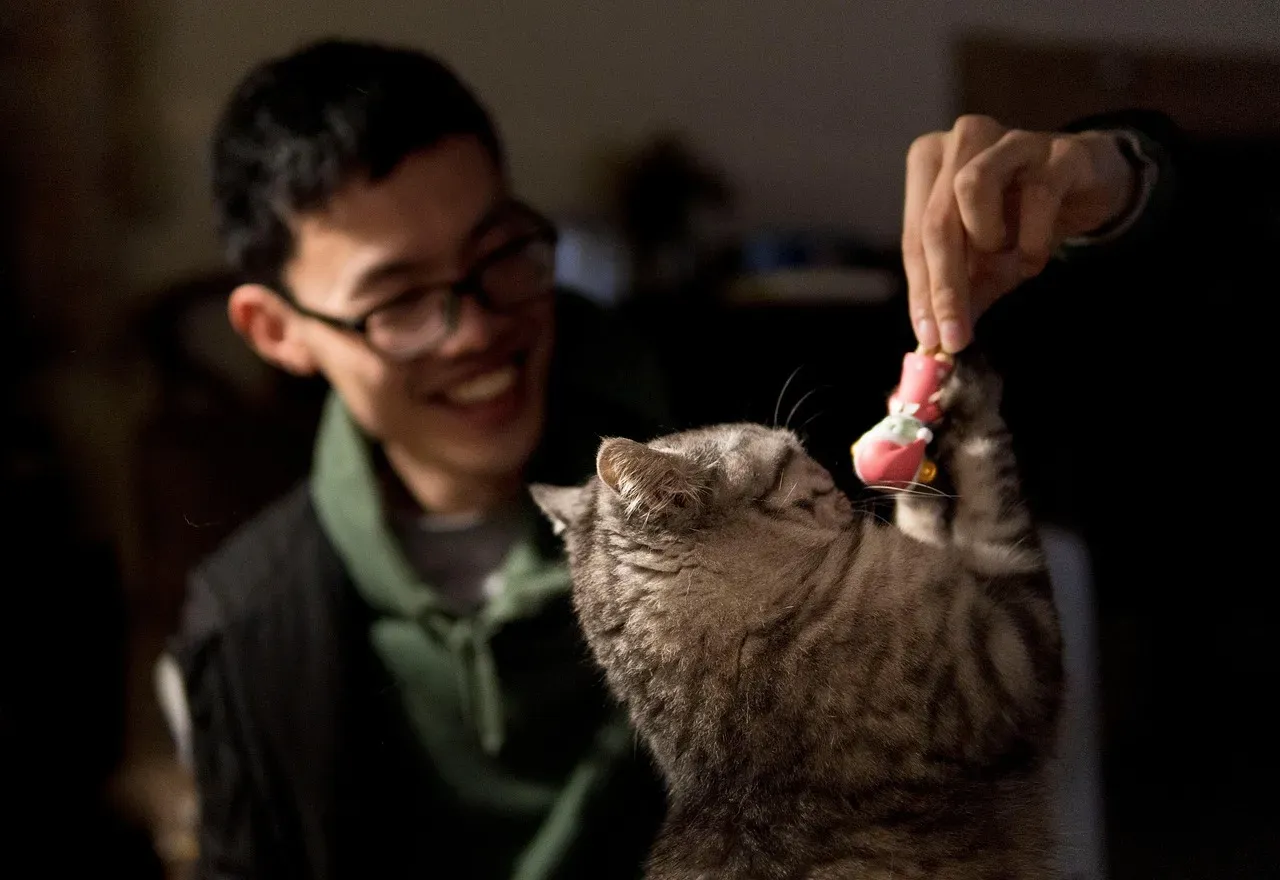
Now, here’s where things get lighter. During play, cats typically have a relaxed posture with their tail up or slightly puffed, their ears may be forward, and their movements are usually fluid and non-threatening. If your cat’s body looks loose and bouncy, they’re probably not hunting you – they’re inviting you to play.
Playful cats’ pupils might dilate and their eyes might get really wide, their toes will spread apart, and their tail can get twitchy or flick from side to side. During play, a cat may pounce on toys or even your hand gently, and they usually retract their claws and avoid inflicting harm. So if those little swats don’t hurt much and your cat looks more excited than intense, congratulations – you’ve been invited to the game.
Gentle Bites and Soft Swats
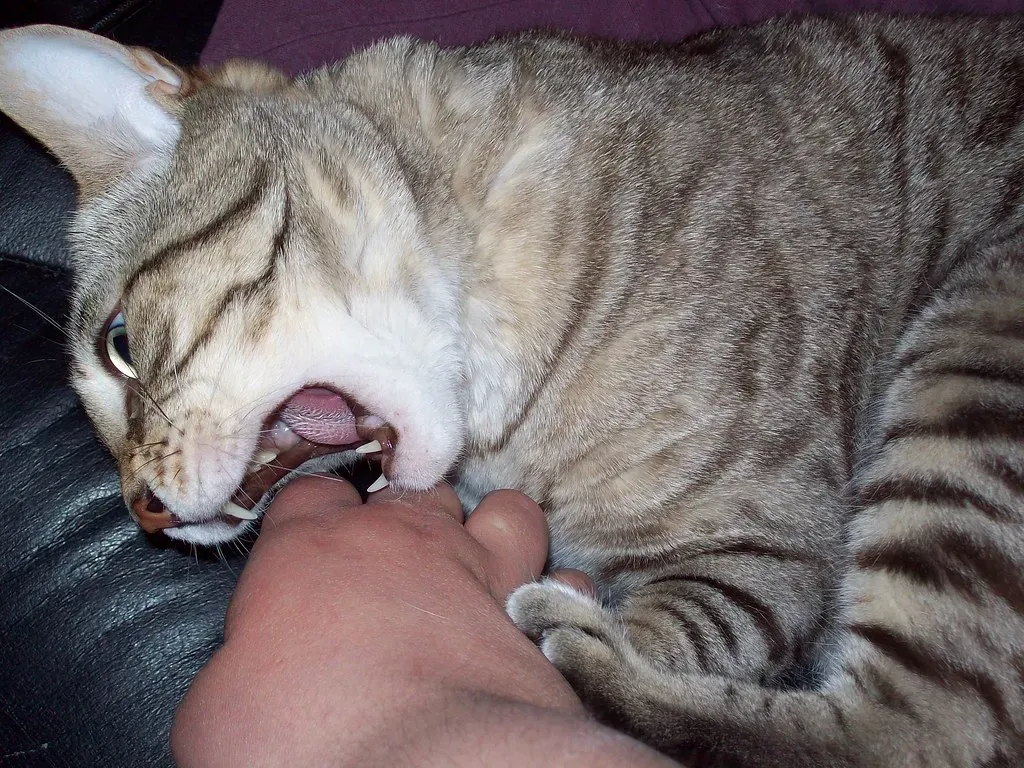
Cats often gently bite or nibble their owners’ legs or feet as a sign of affection, since young kittens are groomed this way by their mother with gentle bites and licks. Play bites are gentle with minimal pressure applied, while aggressive biting is forceful and painful, often accompanied by a tense body and dilated pupils.
When your cat mouths your foot without really clamping down, it’s less about hunting and more about bonding. Cats typically mouth very gently when they are playing in this way – it’s like a love bite and sign of affection. Honestly, if it doesn’t leave a mark and your cat seems relaxed afterward, you’re probably just experiencing their quirky version of affection.
They’re Mimicking Hunting for Fun
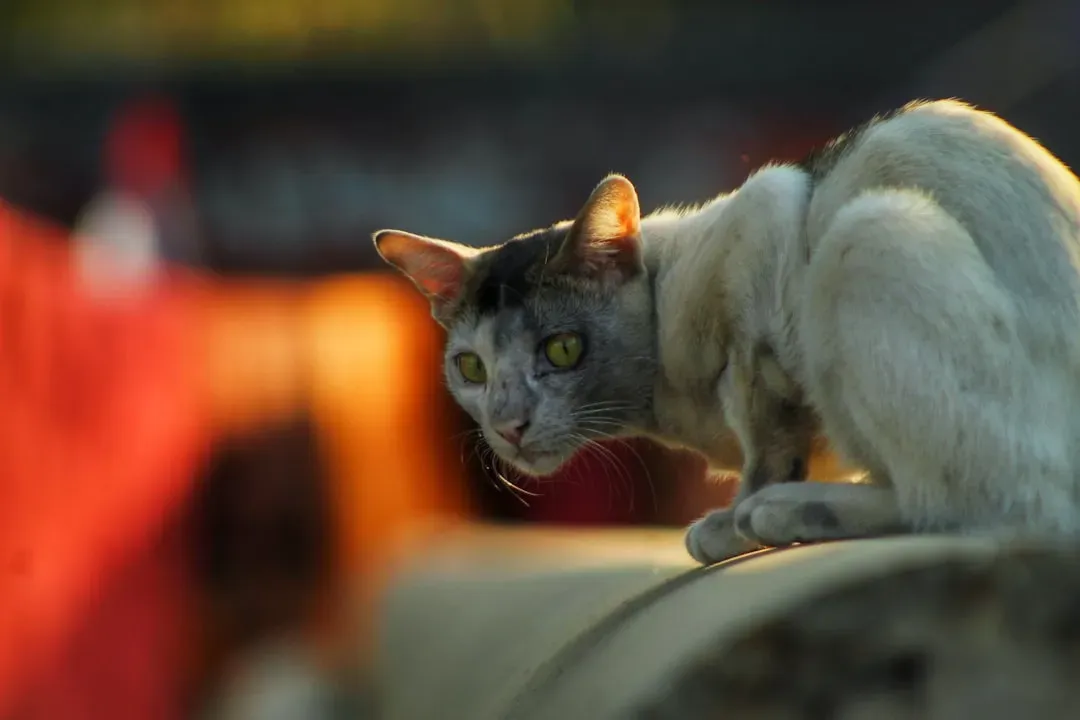
Play for cats is often a rehearsal of their hunting behaviors, and distinguishing between playful antics and hunting instincts can sometimes be tricky. When cats pounce on feet it’s often a playful gesture rather than hostility – it’s common for kittens and young cats to stalk, ambush, swat, bunny-kick and bite each other during rough play.
Cat play is crucial because stalking, pouncing, batting and bunny-kicking toys encourages cats to exercise, engage their brains and explore their environment – hunting activity also releases endorphins, which help reduce stress and improve wellbeing. So your cat may be “hunting” your feet simply because it feels good and keeps them mentally sharp.
Frequent Pauses and Role Reversal
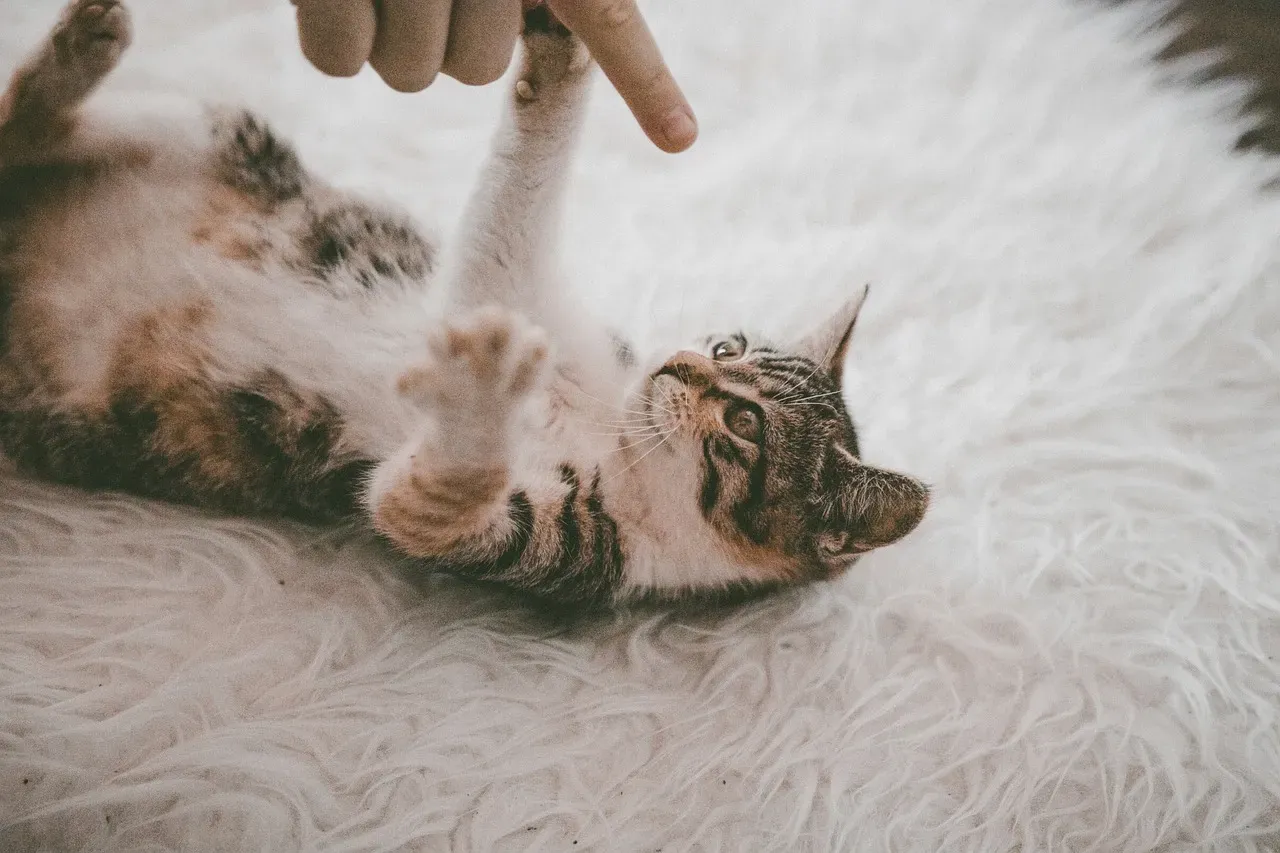
Play will often combine signs of happy, alert body posture with sequences of stalking, chasing and pouncing behavior mixed with swatting or rolling, and frequent pauses and role reversal should occur. If your cat attacks your foot, then backs off, then comes back again, they’re playing.
The difference between play behaviors and the real thing is that play will be quieter, softer, and more inefficient – when playing, cats will put themselves into compromising positions like rolling on their back. Real predatory behavior is focused, silent, and efficient. Play is messy, noisy, and full of breaks.
Cheerful Vocalizations During the Ambush
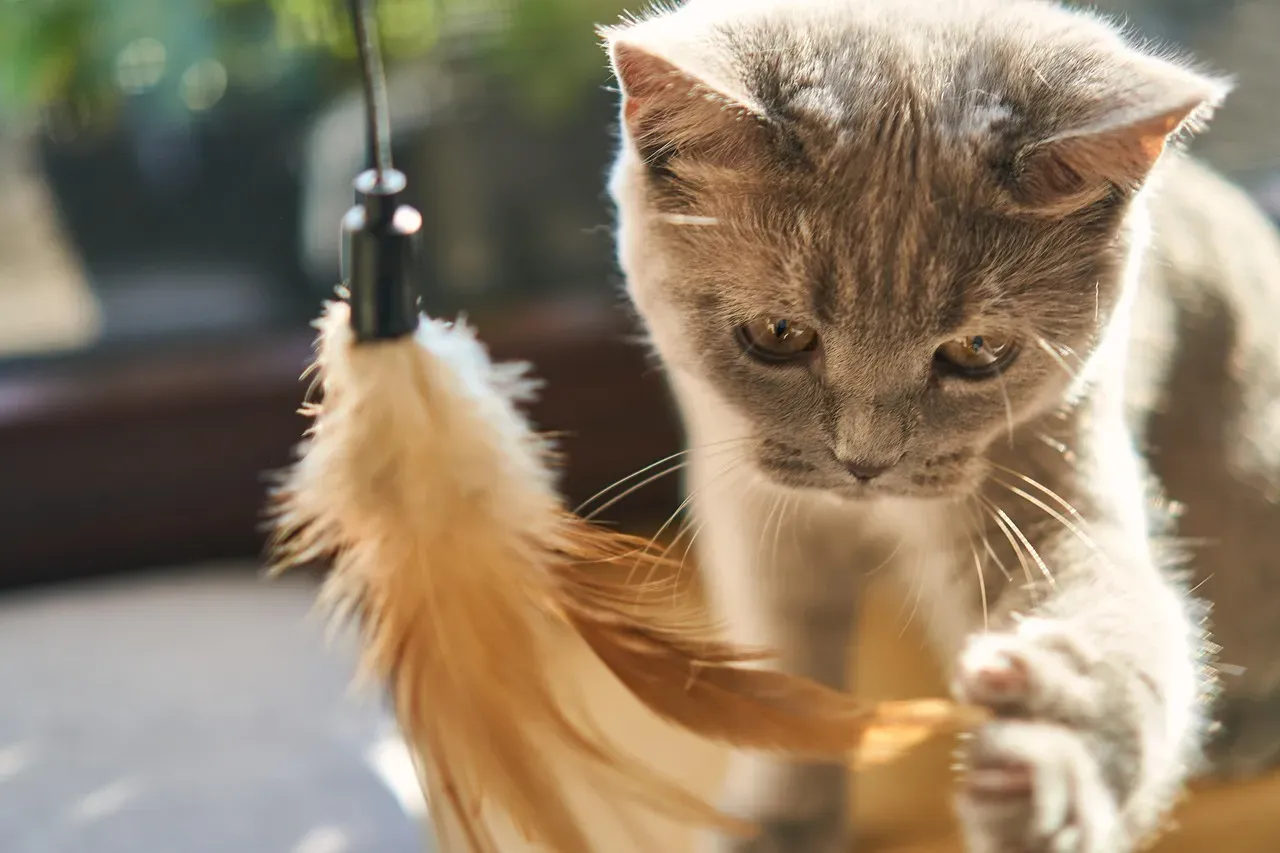
Cats may produce chirping or trilling noises when they are playing, which are cheerful noises indicating that they are having fun. Playful cats may meow or chirp during play, while aggressive cats are more likely to hiss, growl, or yowl – pay attention to the vocal cues your cat provides to understand their emotional state.
If your cat is making happy little sounds while attacking your ankles, relax. They’re just playing. However, if you hear growling, hissing, or complete silence paired with intense staring, that’s a different story. Those are signs of true predatory focus or defensive aggression, not playful interaction.
How to Tell the Difference and What to Do
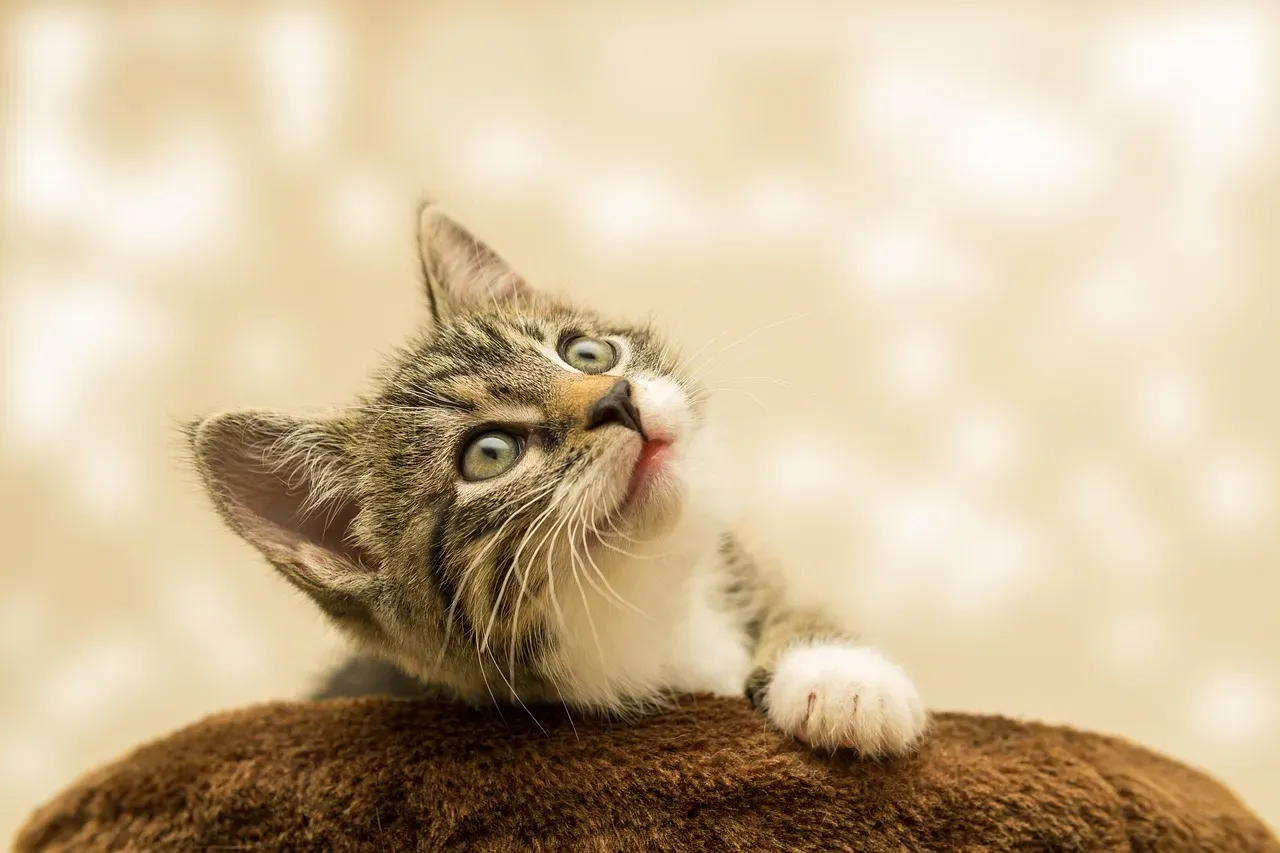
So how do you know for sure? Context is everything. Playful hunting is characterized by stalking, chasing, and pouncing, often followed by a relaxed demeanor – a cat may gently bite or swipe without causing harm, typically with claws retracted. Aggression manifests through hissing, growling, and ears pinned back, with bites that may intend to harm.
If your cat’s attacks are becoming painful or frequent, provide enrichment like plenty of toys and activities, use wands at arm’s length to distance yourself from injury, and establish a predictable routine with playtime before feeding to positively channel their hunting instincts. Distract your cat with a toy wiggling it about to encourage them to chase the toy instead of you – keeping your cat stimulated throughout the day will ensure they don’t get bored or destructive. Redirect that energy somewhere safe and appropriate.
What do you think about your cat’s ankle ambushes now? Are they hunting you or just having fun? Share your experiences in the comments.