You’ve probably noticed your cat doing something that made you think twice. Maybe they greet you in a peculiar way every single day, or perhaps they’ve claimed the most bizarre sleeping spot in your house. Cats aren’t just fluffy creatures who eat and nap all day long. They’re complex little beings with quirks, preferences, and yes, distinct personalities that make them absolutely unforgettable.
The truth is, every cat has their own character, shaped by a mix of genetics, experiences, and their unique way of seeing the world around them. Some might be fearless explorers, while others prefer to observe life from a cozy hiding spot. Recognizing these personality traits isn’t just entertaining. It actually helps you understand what your feline friend needs to thrive. So let’s dive into the telltale signs that prove your cat is truly one of a kind.
They Have Specific Communication Styles That Are All Their Own
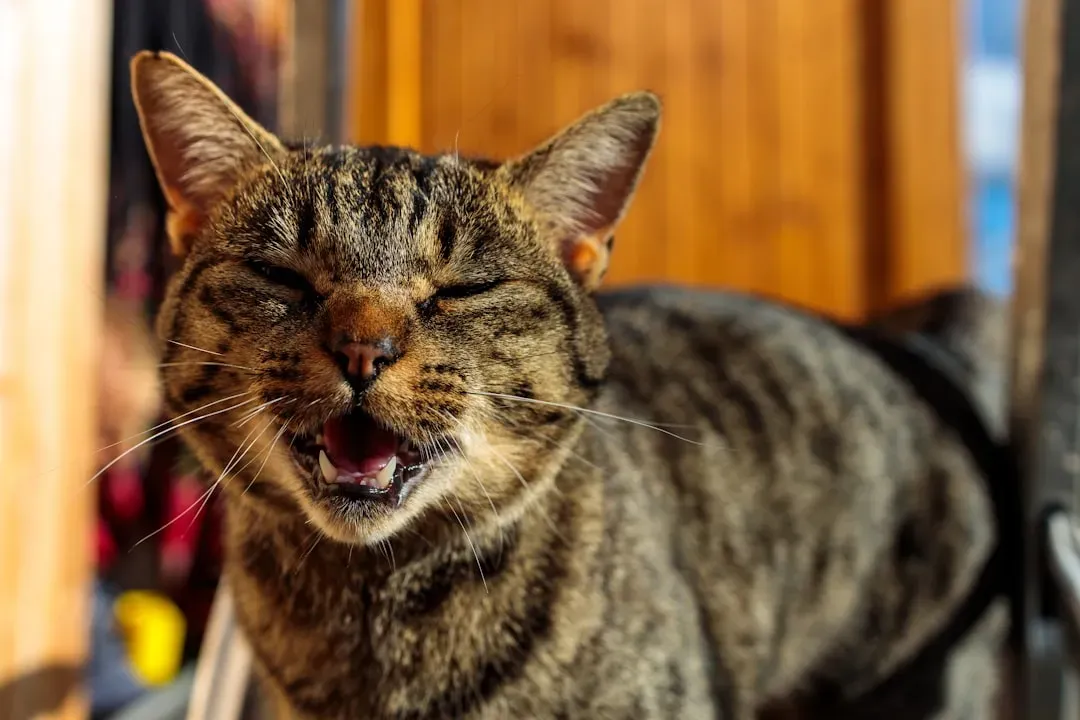
Your cat might greet you with chirps, trills, or even bird-like chatters instead of just standard meows. Some cats are incredibly vocal, responding to every question you ask with a unique sound, while others barely make a peep unless absolutely necessary. Whether it’s a headbutt, a tail flick, or a specific meow, many cats always greet their owners the same way, creating a personal routine that’s their special hello meant just for you.
This personalized communication style reveals how your cat has developed their own language with you over time. It’s honestly fascinating when you start paying attention to these patterns. You’ll notice that the meow they use when they’re hungry sounds completely different from the one they make when they want attention or when they’re feeling chatty at three in the morning.
They Choose Unusual Favorite Spots or Objects
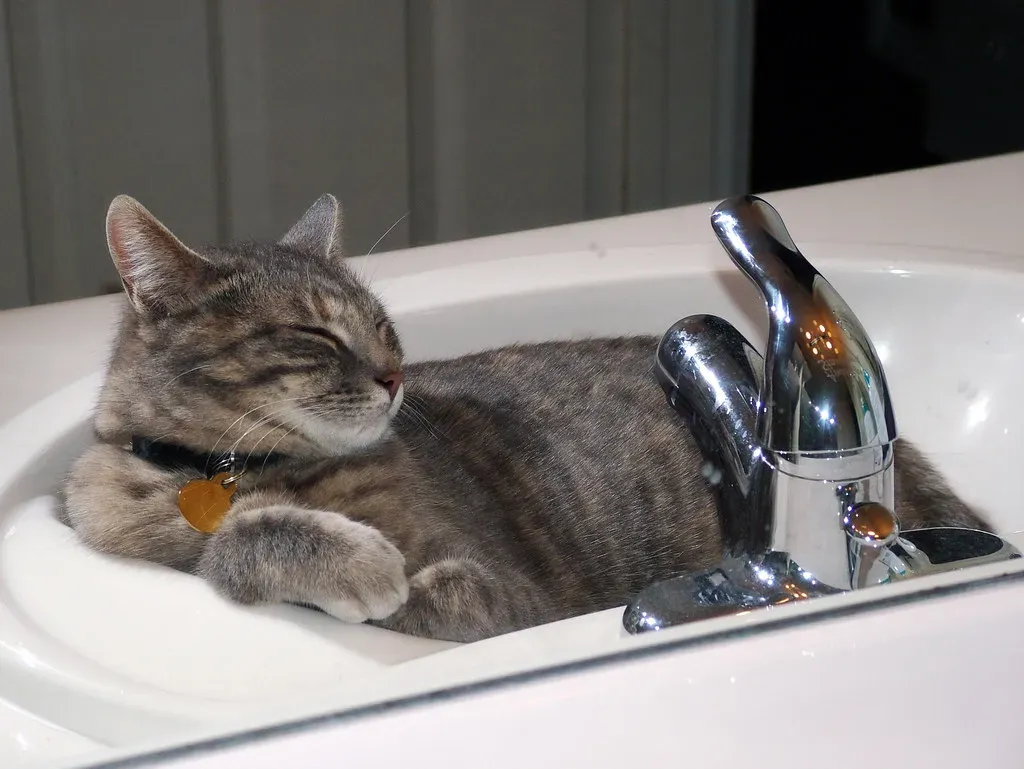
While most cats stick to cozy beds or sunny windows, some choose the oddest places – balancing on shelves, sleeping in the sink, or curling up inside a shoe. Some cats might be strangely attached to something odd – like hair ties, socks, or even a specific toy that looks ragged but beloved, turning it into their prized possession and revealing a sentimental streak. This quirky behavior shows they see the world differently and aren’t afraid to do things their own way.
Let’s be real, if your cat has chosen the bathroom sink over the expensive cat bed you bought, that’s a personality trait right there. These peculiar choices often stem from a combination of comfort preferences, security needs, and pure individual taste. Cats choose smaller spaces because they make them feel secure, a behavior that stems from evolution when they would want to snuggle in tiny spaces and observe their surroundings from a hidden safe zone.
They Display Consistent Curiosity or Caution Levels

Cats scoring high in extraversion exhibit personality traits of being active, vigilant, curious, inquisitive, and smart, adjusting well to new people, animals, and situations. Outgoing cats love to explore, investigate, and generally get themselves into trouble by going where they shouldn’t. These adventurous felines need constant mental stimulation and will likely be the first to investigate any new sound, visitor, or item in your home.
On the flip side, some cats are anxious or highly strung, typically darting away when visitors call and would rather run underground than face a situation they don’t recognize. If your cat falls into this category, they’re not being rude. They simply have a more cautious personality that values safety over adventure. Creating additional retreat or hiding places in the house can help these cats feel more secure.
They Follow Rigid Personal Routines
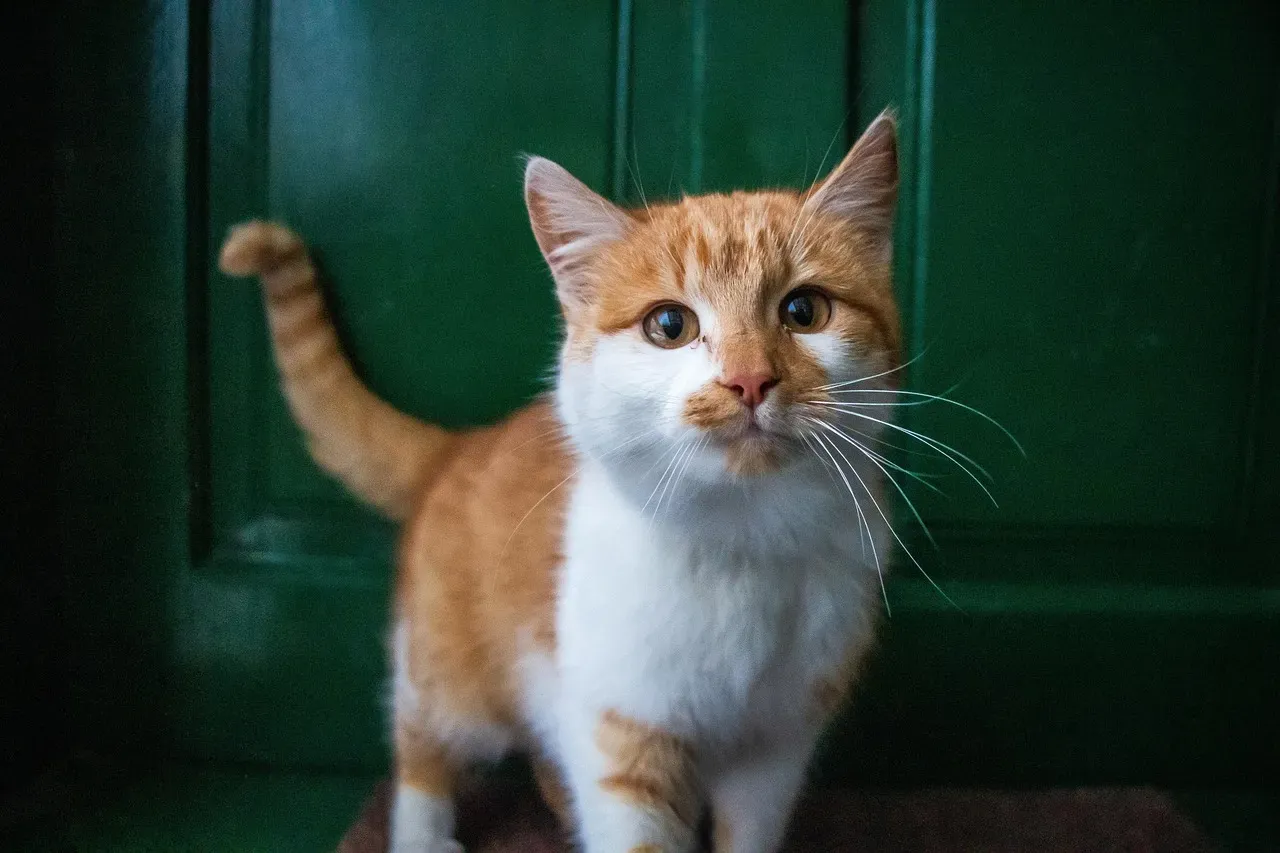
From waiting by the door to cuddling at bedtime, many cats stick to a ritual that’s hardwired into their day, offering comfort and predictability while showing how deeply bonded they are to their environment and their owner. Some cats will appear at your bedroom door at exactly the same time each morning, demanding breakfast with the precision of an alarm clock. Others might have a specific evening cuddle routine that cannot be skipped without protest.
This adherence to routine is more than just habit. It reflects your cat’s personality and their need for predictability in their environment. Here’s the thing: cats who create these routines are often showing you just how much they value structure and consistency. Spontaneous cats benefit from structured routines, with regular feeding times, play sessions, and quiet periods helping these cats feel more secure and less anxious.
They Show Distinctive Social Preferences

Some cats crave closeness, love cuddles, and follow you from room to room. From the bathroom to the kitchen, shadow cats demonstrate constant companionship, choosing their owner’s company over their own independence as their unique way of saying you’re their favorite human. These are the cats who can’t stand being alone and will literally sit outside the bathroom door waiting for you to emerge.
Yet other cats maintain a more independent streak. Some cats prefer quiet environments and take time to warm up to new people or situations. They might enjoy your presence but on their own terms, approaching for affection when they decide the moment is right. Neither personality is better than the other. They’re simply different ways of being a cat, and recognizing which type you have helps you meet their emotional needs more effectively.
They React to Stress in Their Own Unique Ways
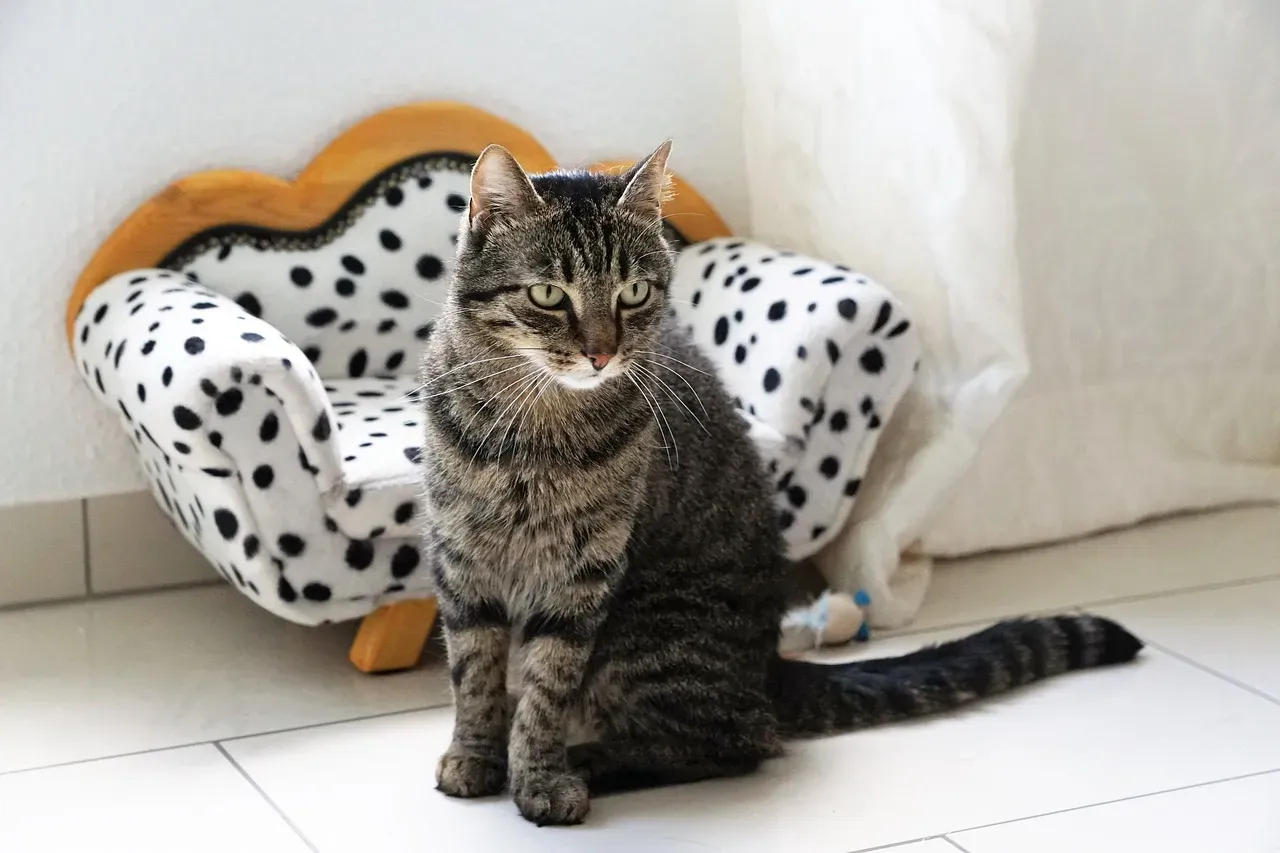
Felines with highly impulsive traits quickly react to everything, hardly waiting to think through something before reacting, which can involve running outside when they hear an unfamiliar sound or jumping at the TV screen without a second thought. Cats who score high on spontaneity could be reacting to something in their environment that is stressful. Some cats become vocal when anxious, while others hide or even become more affectionate, seeking comfort from their favorite human.
The way your cat handles stressful situations – whether it’s a trip to the vet, a thunderstorm, or unfamiliar guests – reveals volumes about their personality. Changes in your cat’s personality could signal underlying medical issues, for instance, if your cat is normally outgoing and suddenly becomes withdrawn or is hiding more often. It’s hard to say for sure sometimes, but paying attention to these reactions helps you distinguish between typical personality traits and potential health concerns.
Conclusion
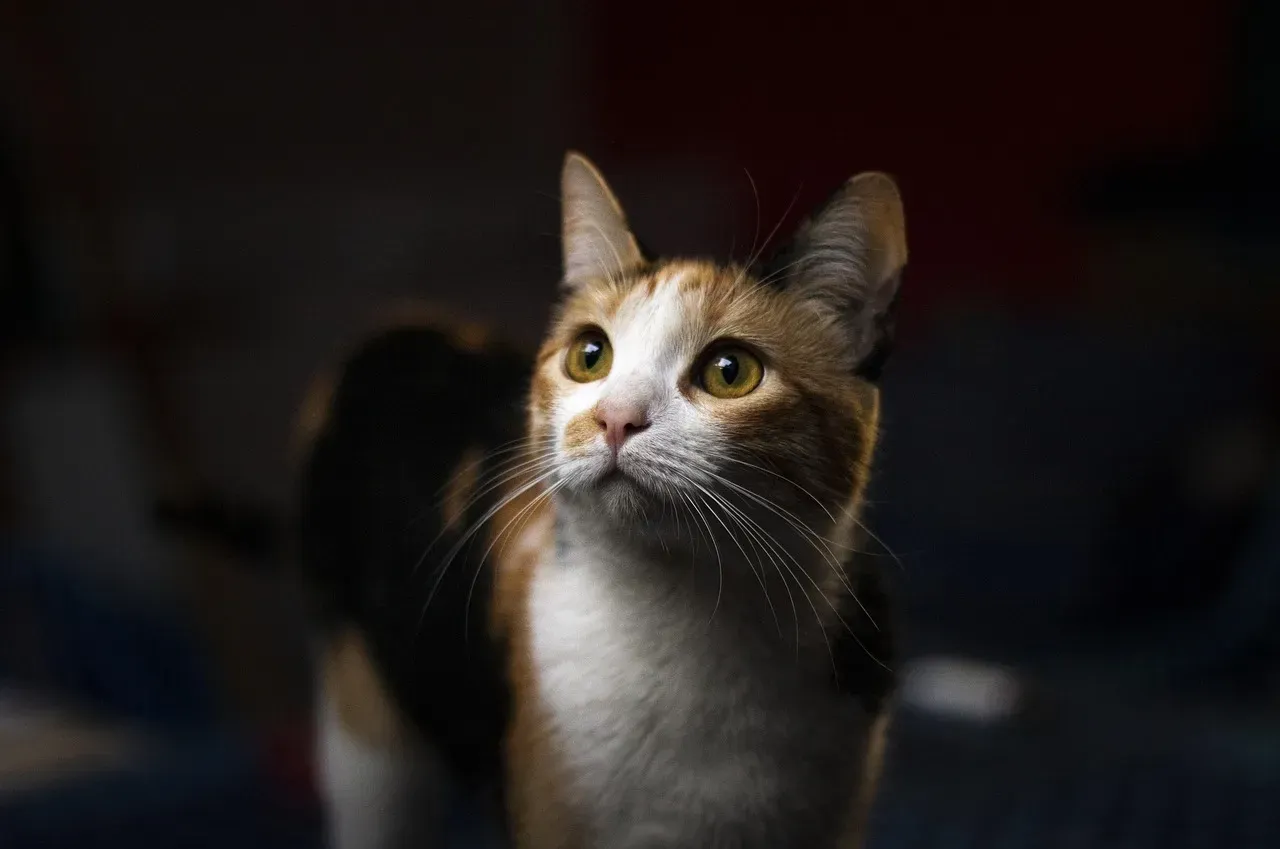
Your cat’s personality makes them who they are. From their communication quirks to their comfort zones, these traits paint a picture of a truly unique individual living in your home. Understanding these signs doesn’t just satisfy curiosity. It genuinely improves your relationship with your feline companion by helping you create an environment where they can be their authentic selves.
Every cat deserves to be appreciated for their distinct character, whether they’re bold adventurers, cautious observers, or affectionate shadows. What’s your cat’s most distinctive personality trait? Share your stories in the comments below.