We tend to think of cats as these gloriously indifferent creatures – regal, self-sufficient, and completely unbothered by your feelings. People joke that cats barely tolerate us. But here’s the thing: the science tells a completely different story. One that is actually kind of moving, if you sit with it long enough.
Cats are quietly holding onto pieces of you. Your scent. Your voice. The routine you built together. Even the emotions that colored your time with them. It turns out, your cat is far more emotionally invested in you than their poker face lets on. What they carry inside that mysterious little brain of theirs might surprise you deeply. Let’s dive in.
1. Your Scent: The Most Powerful Memory They Have
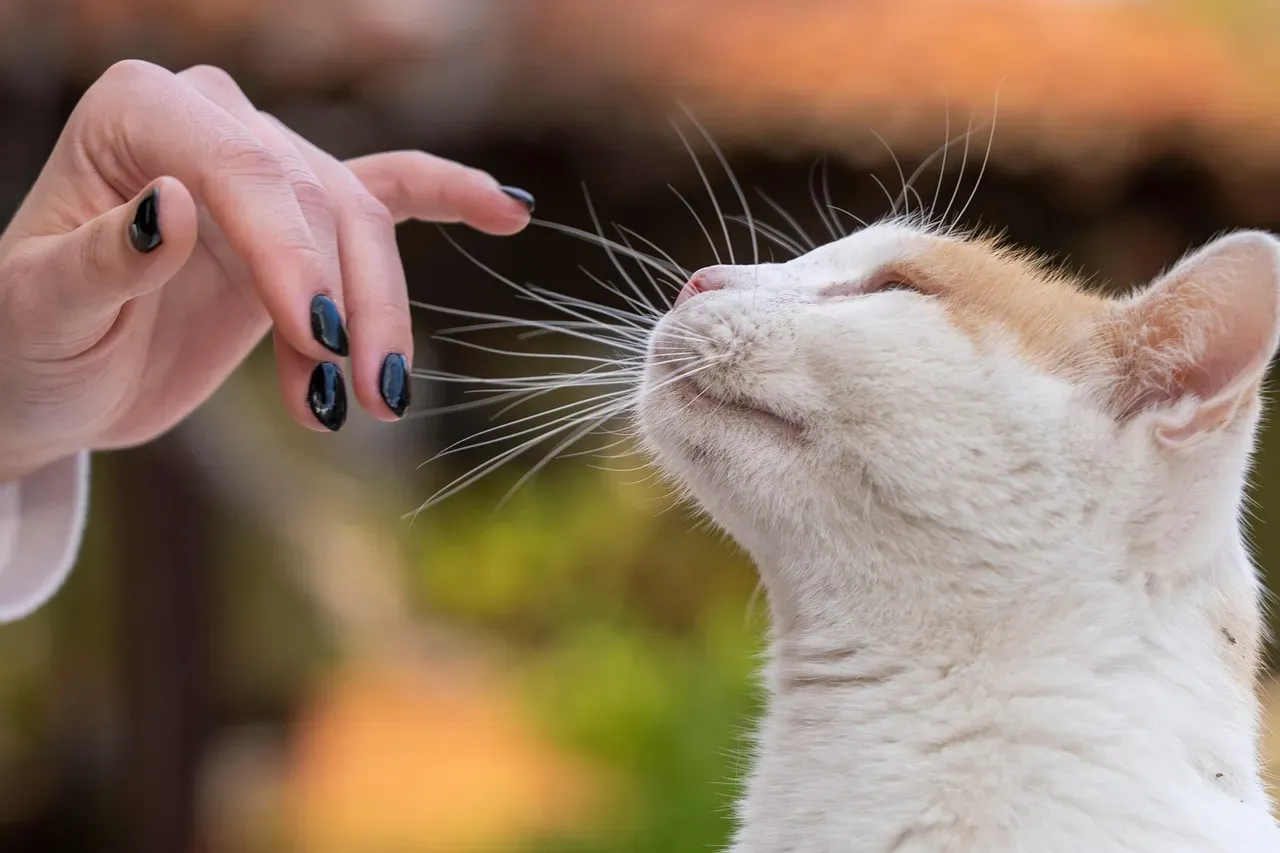
Of all the things your cat files away about you, your scent is arguably the most deeply encoded. Cats recognize and remember their owners and other significant people primarily through scent and sound, rather than visual cues. Think of it like a fingerprint they carry in their nose forever – and unlike a photo that fades, a scent memory seems to stick with astounding durability.
Research shows that kittens use smells to remember their mothers, and a similar technique is used to remember their owners and other important people in their lives. So when you come home after a long trip and your cat immediately buries their face in your coat, that is not random. That is recognition. That is memory, working exactly the way it was designed to.
In humans, there is a known strong link between memory and smell, and given that cats have a much more powerful sense of smell than humans, it is possible, even likely, that familiar scents will reach through the years to help feline friends remember places and people. Honestly, it’s a beautiful thought. You could be gone for two years and your old worn sweater might still bring your cat comfort – because to them, that smell is you.
2. Your Voice: They Know It Even When You’re Not in the Room
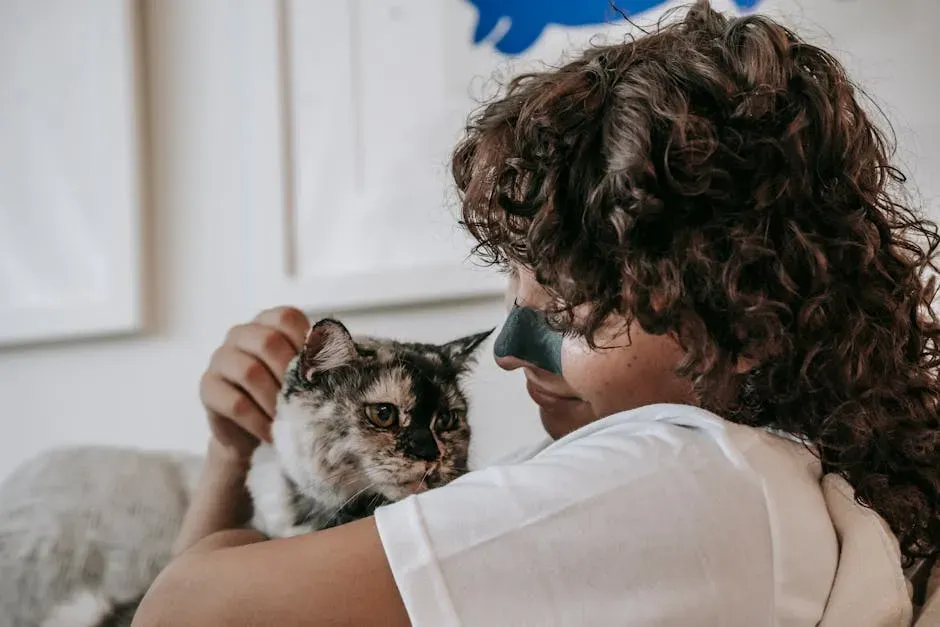
Here is something that might stop you in your tracks. A 2013 study published in the journal “Behavioral Processes” found that cats were able to recall the voice of their owners for up to 10 years, even after long periods of not seeing each other. Ten years. That is not a short-term fling of recognition. That is a deep, durable memory etched into their auditory experience of the world.
One of the studies on the topic, published in the “Animal Cognition” journal, showed that cats can recognize their owner’s voices and more positively respond to their calls than to voices they are not familiar with. Your cat might look completely asleep, completely disengaged – and the moment your voice comes through a phone speaker or around a corner, something in them shifts. That subtle ear-flick or subtle head-turn? That is memory in action.
A further study revealed that cats can recognize their owners’ voices even when they are not physically present. Researchers played recordings of different people calling the cats’ names and observed how the cats reacted. They found that the cats paid more attention to their owners than strangers’ voices, but did not vocalize or move their tails. These findings suggest cats have a long-term memory of their owners and can distinguish them by sound alone. They are listening. They always were.
3. Your Daily Routine: The Invisible Comfort You Built Together
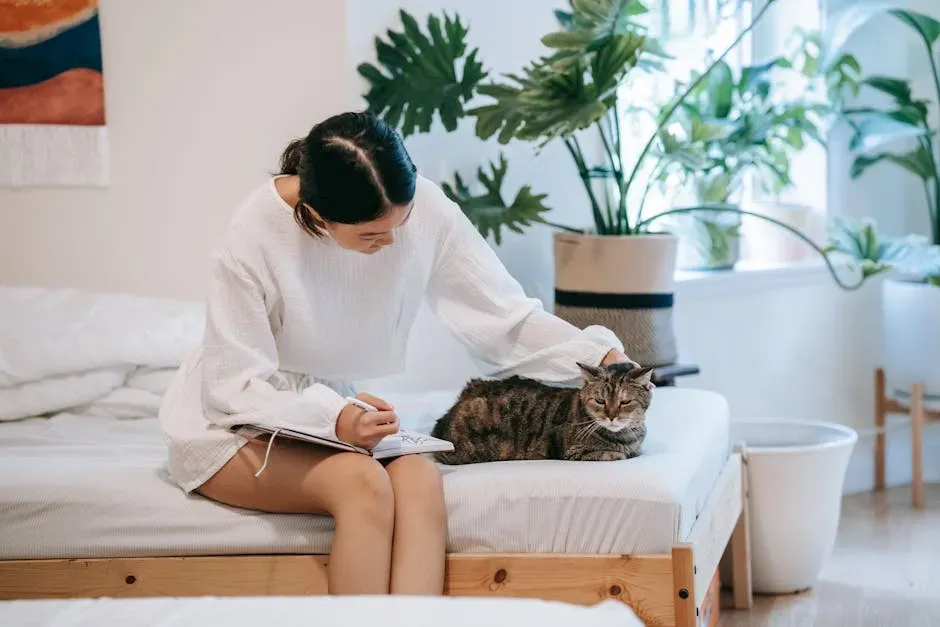
If you’ve ever had a cat, you know they are creatures of absolute habit. But what is truly fascinating is just how deeply your routine becomes their routine – and how strongly they encode it. Cats also remember routines, such as feeding times and daily activities, and may become stressed or confused if these routines change abruptly. Your 7am alarm, the sound of your coffee maker, the jingle of your keys – all of it gets filed away.
Cats form long-term memories based on bond, routine, and sensory cues like your scent and voice. If you spent a lot of time together, engaged in regular routines like feeding or playing, or if your presence brought them comfort, there’s a good chance those memories will stick. I think this is genuinely one of the most underappreciated aspects of cat behavior. Your presence was a rhythm. And rhythms, once learned, are incredibly hard to forget.
Cats express missing someone in subtle ways. They might sleep in your usual spots, sniff your belongings, or wait by the door at times you’d normally be home. While they’re often seen as independent, many cats form strong emotional bonds and can quietly struggle when those bonds are disrupted. That cat sitting by the door at 6pm? They’re not waiting for just anyone. They’re waiting for you, specifically.
4. The Positive Experiences You Shared: Emotional Memory Runs Deep
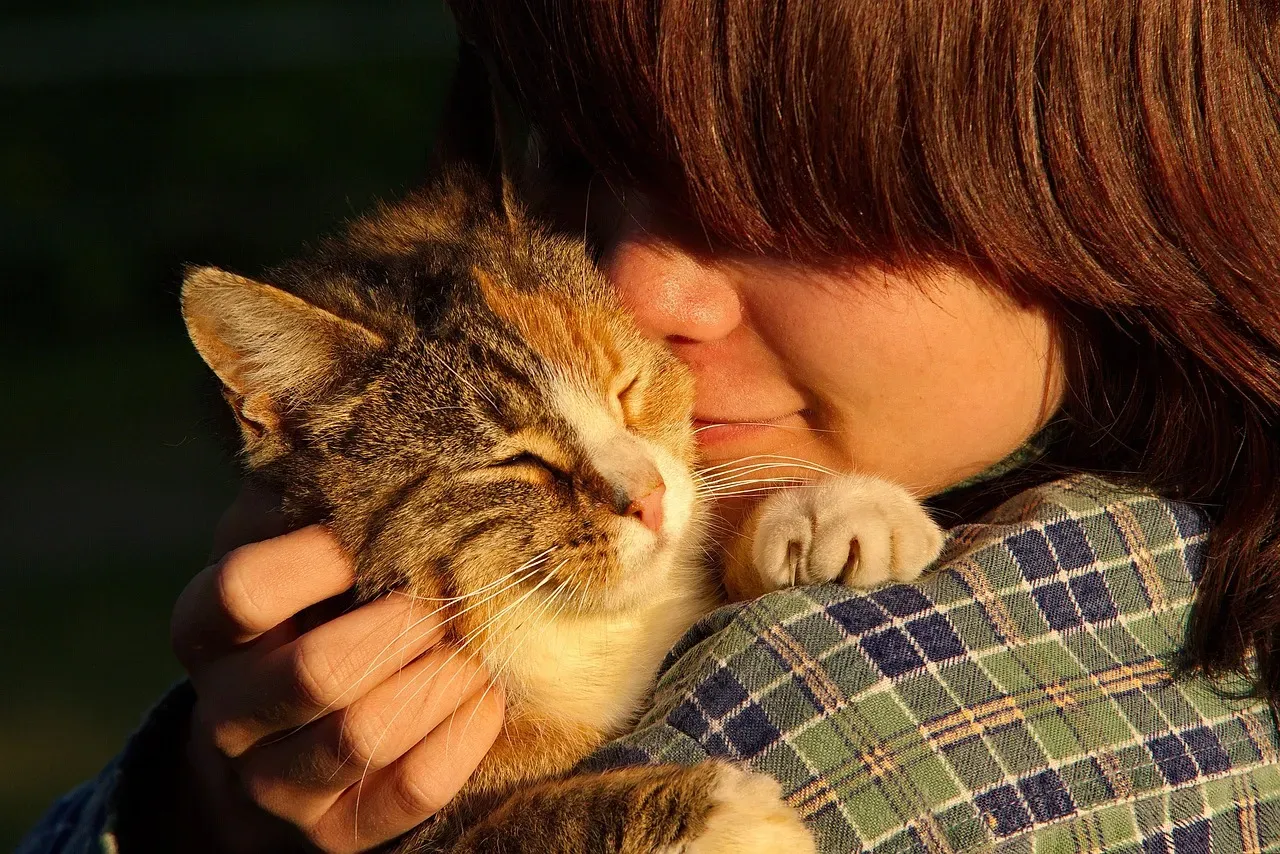
Cats don’t just remember facts about you. They remember how you made them feel. Limited studies have shown that a cat’s memory is best when attached to a strong emotion. This emotion could be from the love they share with their family or even the role food plays in making their belly happy. Emotions, it turns out, are the glue that holds feline memories together – just like they are for us.
A cat’s memory of a beloved owner doesn’t simply expire. Because their bond with you is built on a mountain of positive associations like warmth, food, and safety, the memory becomes a deep and permanent part of who they are. That is an extraordinary thing to sit with. The cuddles mattered. The playtime mattered. Every gentle interaction built something real and lasting inside them.
Researchers at the Human-Animal Interaction Lab at Oregon State University point to results from their 2019 cat-owner attachment study that indicates most cats rely on their humans as a source of security and comfort. Secure attachment is driven, at least in part, by the memory of associations the cat has made with the person. The more positive experiences you layer in, the more unforgettable you become. It’s almost like building a catalog of reasons for your cat to love you – and they keep that catalog for life.
5. Traumatic or Negative Events: The Memories That Shape Their Behavior
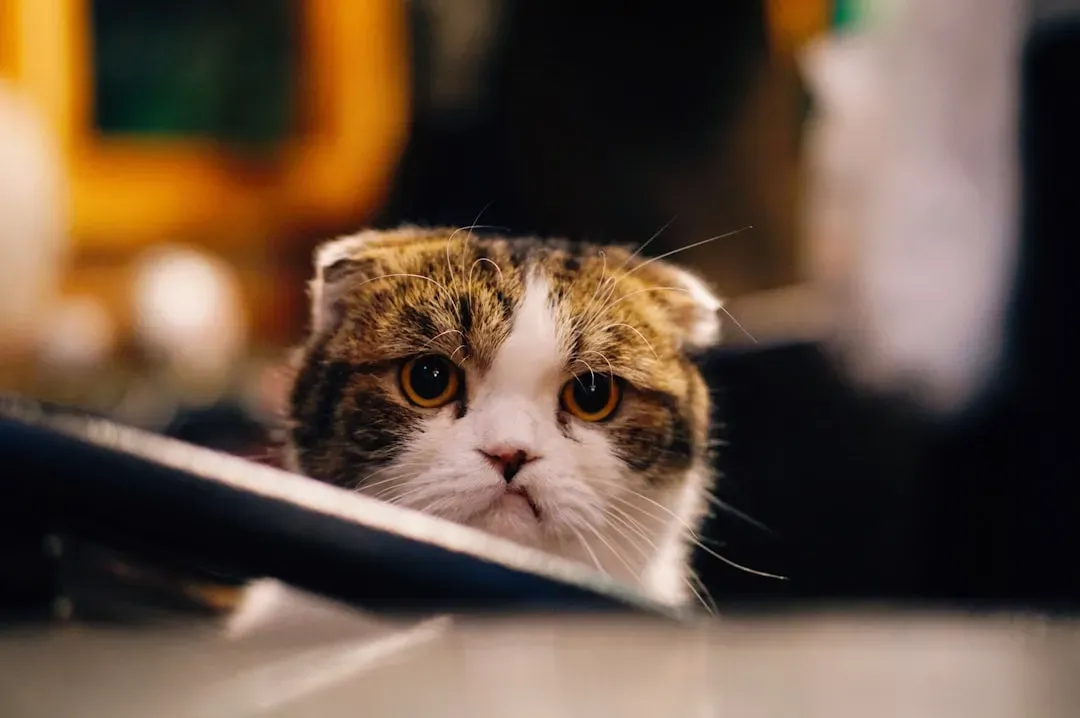
Let’s be real – not all memories are warm and soft. Cats hold onto difficult experiences too, and in some cases, those memories reshape who they become. The answer to “do cats remember traumatic events?” is a definitive yes. A single terrifying experience – like a dog attack or a rough vet visit – can create a permanent memory. This memory can then shape their behavior for the rest of their lives. It sounds dramatic, but it tracks perfectly with what any cat owner has witnessed firsthand.
Long-term memory in cats recalls things they were exposed to as kittens that continue to influence their behavior and reactions as they mature. This can be illustrated by a cat not liking a certain person or place based on being mistreated in the past by similar factors. A cat who is skittish is using their long-term memory when they are triggered by certain noises. That flinchy, nervous cat you adopted? There’s a whole story behind that behavior – a story written in memory.
Emotions can also be associated with negative experiences, such as abuse or neglect. In this case, cats adopted years after these negative circumstances might use these bad memories to associate people with pain. It’s a sobering reminder that how you treat a cat – even once – can echo across years of their life. Be gentle. It genuinely stays with them.
6. Your Face: Yes, They Actually Remember What You Look Like
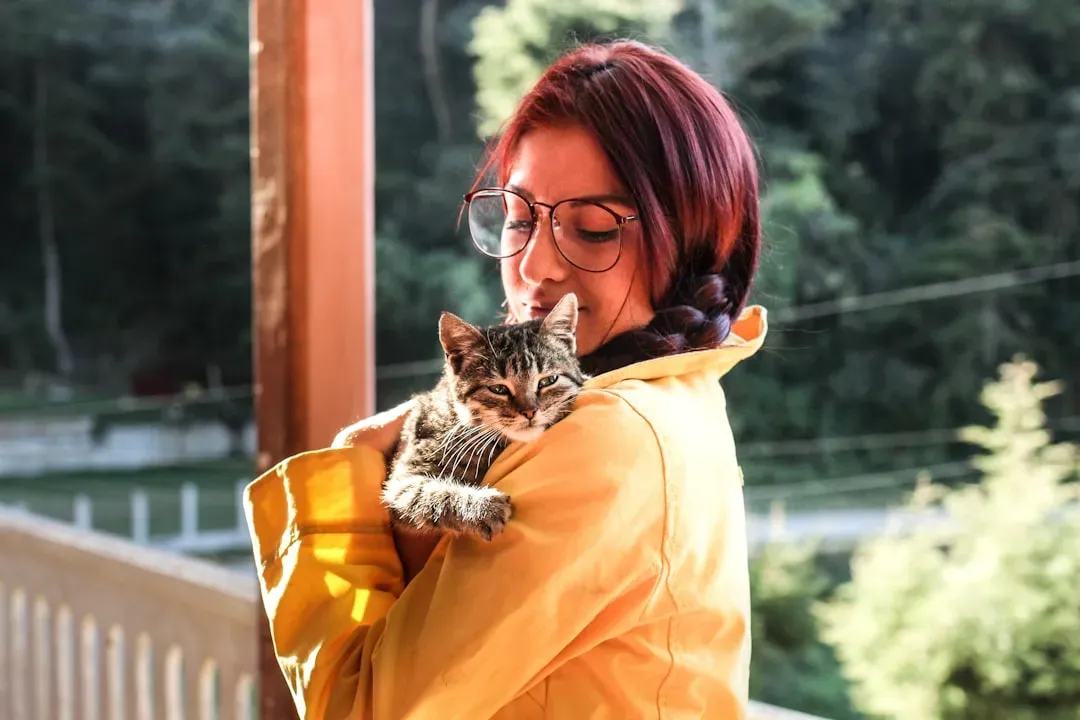
Here’s the one people are always surprised by. We tend to assume cats primarily recognize us by scent and sound, which is largely true – but visual memory plays a role too. A person’s face can be stored and remembered for many years, as it is held in a cat’s long-term memory. It’s not their sharpest sense, but it is absolutely part of the picture they build of you.
Cats uniquely remember their owners’ faces. They use their memory and vision along with other senses. Cats know their owners by seeing their faces, hearing their voices, smelling their scent, and watching their habits. It’s almost like a multi-sensory portrait of you lives inside your cat. Every time you interacted, you added another brushstroke to it. Over time, that portrait becomes remarkably complete.
Despite their reputation for being independent and sometimes even a little aloof, cats have a surprisingly complex memory system. They don’t just remember faces; they store layered memories tied to sights, sounds, smells, and routines that make them feel secure. That layered complexity is exactly why reunions between long-separated cats and owners can be so overwhelmingly emotional – for both species involved.
Final Thoughts: You Matter More Than You Think
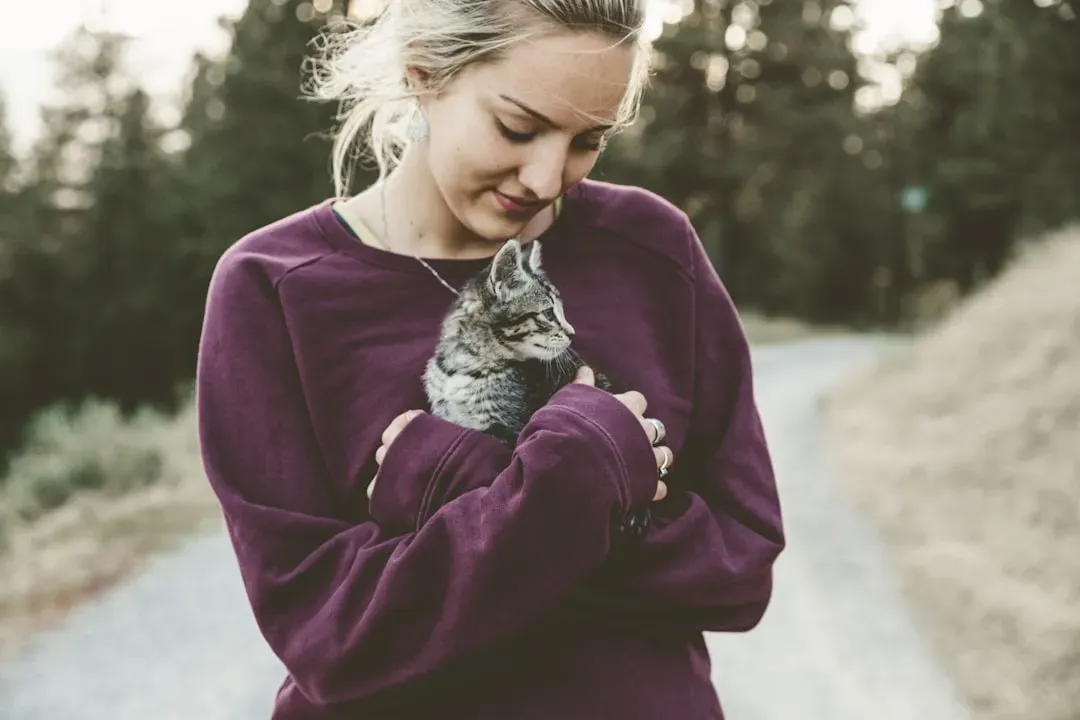
The idea that cats are indifferent to us has always been a bit of a cultural myth. Cats have a remarkable ability to remember their owners, even after being separated for long periods. Although there’s no exact timeline for how long a cat can remember you, cats have been known to recognize their owners even after years of separation. The strength of your bond with your cat and the frequency and nature of your interactions can also affect how long your cat remembers you. You are not forgotten. Not even close.
Although difficult to assess, it’s thought that cats hold on to memories for their lifetime – up to 15 to 20 years in some cases. That is the potential span of an entire human childhood. The years you spent with your cat – the mornings, the evenings, the quiet moments on the couch – those experiences may be living inside them for the rest of their natural lives. That is something worth taking seriously.
So the next time someone tells you that cats don’t really care, you can smile knowingly. Your scent, your voice, your routine, your kindness, your face – all of it got stored somewhere in that warm, mysterious little brain. You made a mark. A real, lasting one. How does it feel knowing your cat has been keeping a piece of you all along?