Picture this: you’re hiking through one of California’s stunning wilderness areas when suddenly you notice something big and tawny watching you from just a few meters away. Your heart races, your palms sweat, and in that split second, every decision matters. What you do next could determine whether this becomes a story you tell at dinner parties or something far worse.
Here’s the thing: mountain lion encounters remain extraordinarily rare. In California, there have been only 26 total verified mountain lion attacks on humans in the last four decades, and three deaths. Yet knowing how to behave during these unlikely moments can save your life. The mistakes people make during these encounters often stem from panic or misunderstanding feline behavior. Let’s get straight into what you should absolutely never do when facing one of nature’s most efficient predators.
Don’t Run Away or Turn Your Back
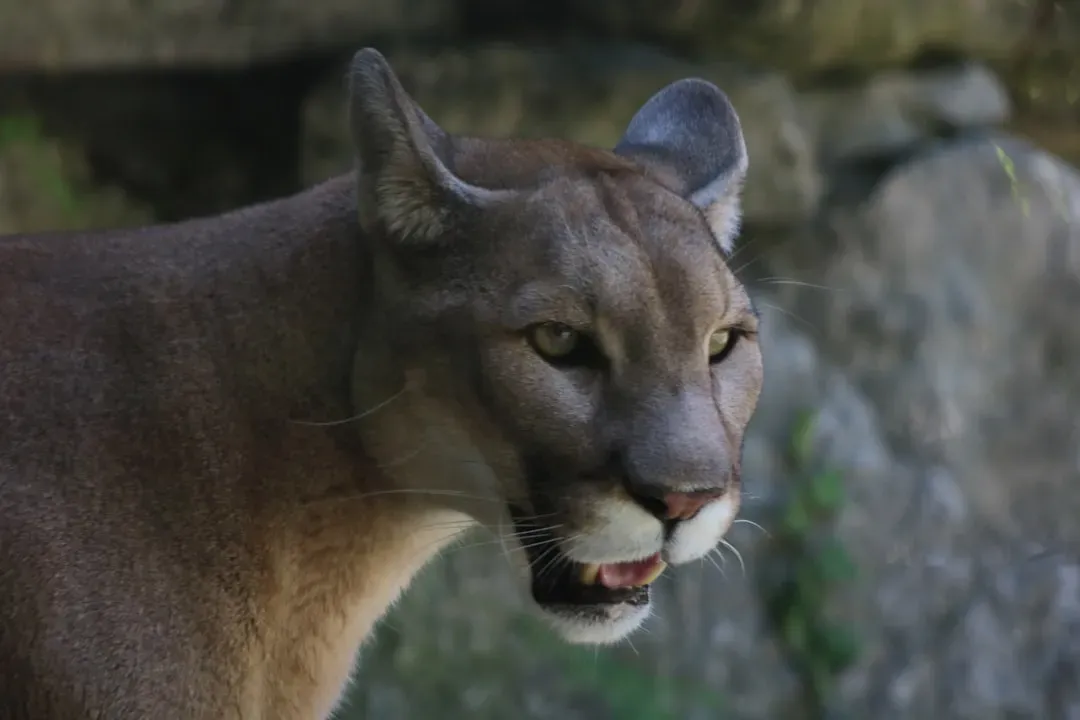
Running from a cougar may trigger their instinct to chase. Think about it like this: a mountain lion’s brain is hardwired over millennia to pursue fleeing prey. The moment you bolt, you’re no longer a person in their eyes – you’re dinner making a break for it. Running may stimulate a mountain lion’s instinct to chase, which transforms a curious observation into a potentially deadly pursuit.
Instead, you need to stand your ground and face the animal directly. Make eye contact and stand your ground. This might feel counterintuitive when every fiber of your being screams to run, but maintaining your position tells the lion that you’re not behaving like typical prey. Honestly, this is one of those moments where going against your instincts could save your life.
Don’t Crouch Down or Bend Over

Never bend over or crouch down, as doing so causes humans to resemble four-legged prey animals. Mountain lions hunt deer, and when you squat or bend, your silhouette suddenly matches what they’re looking for. Crouching down or bending over also makes the neck and back of the head vulnerable, which happens to be exactly where mountain lions aim their killing bite.
This rule applies even when you’re trying to pick up a small child. Pick up small children without, if possible, turning away or bending over. I know it sounds crazy, but you need to scoop up kids while maintaining your upright stance and keeping your eyes on the lion. It’s awkward, it’s difficult, yet it’s absolutely necessary to avoid triggering a predatory response.
Don’t Approach the Mountain Lion
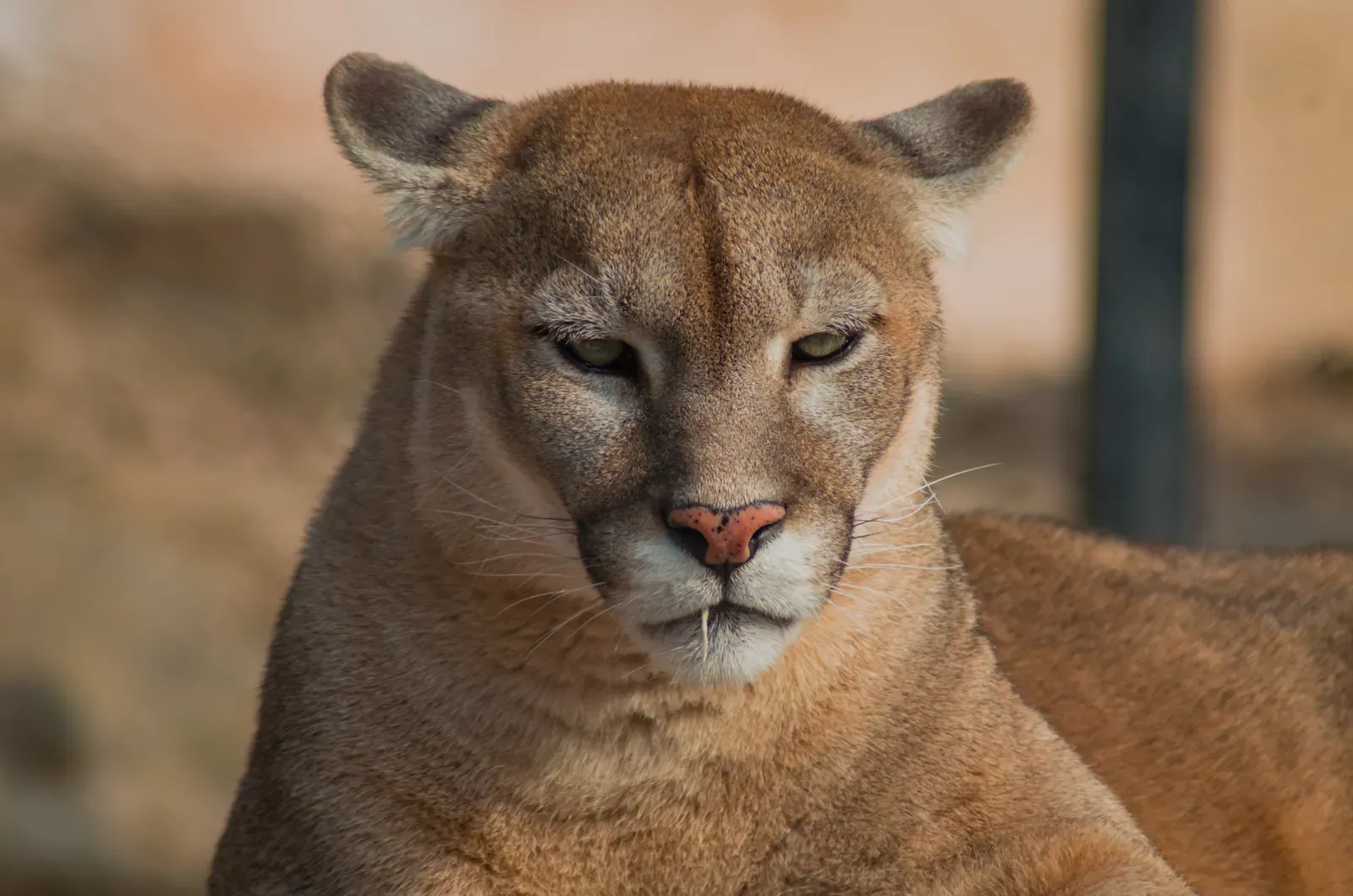
Most mountain lions will try to avoid a confrontation, and approaching one eliminates their escape route. When you move toward a lion, especially one that might be protecting cubs or a recent kill, you’re backing it into a corner. It’s important that a lion not feel cornered, or separated from its kittens, or a cached kill; it will fight to reach and protect either.
Give the animal space to leave the area on its own terms. The goal isn’t to have a National Geographic moment – it’s to survive. Most mountain lions genuinely want nothing to do with humans, but curiosity or protective instincts can override that natural wariness if you get too close. Let’s be real: no photo or video is worth risking an attack from an animal that can leap twenty feet vertically.
Don’t Make Yourself Look Small or Vulnerable
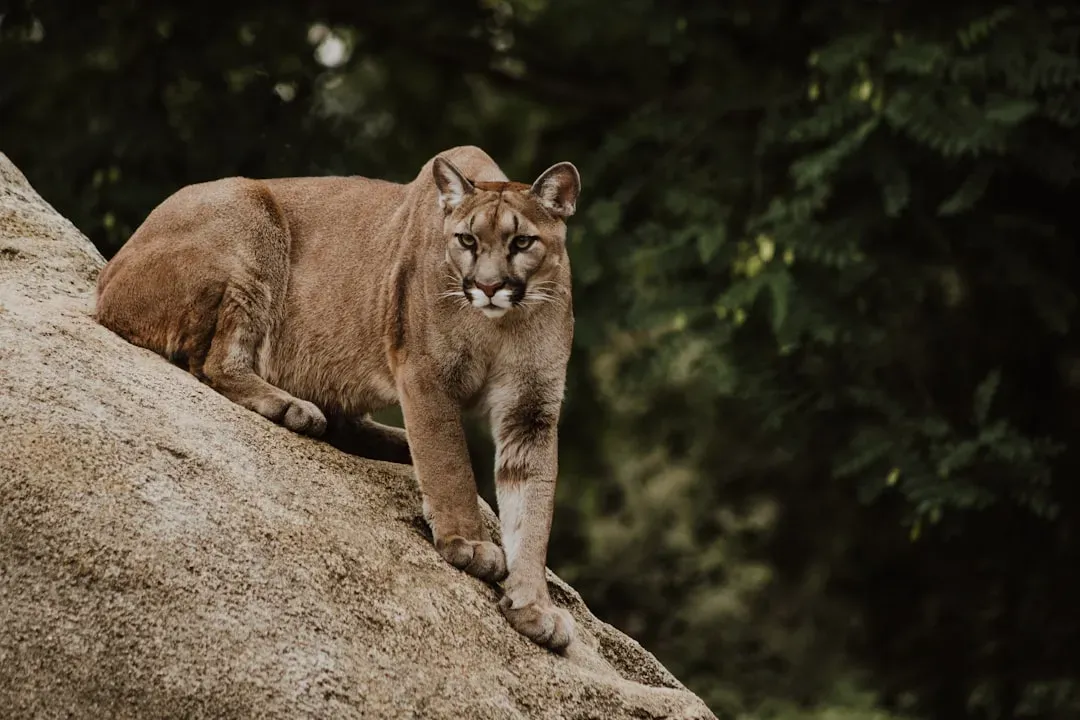
When facing a mountain lion, your mission is to appear as large and intimidating as possible. Do all you can to appear larger by raising your arms and opening your jacket if you are wearing one. The lion needs to see you as a potential threat, not a meal. Wave your arms slowly and speak firmly in a loud voice, as the idea is to convince the mountain lion that you are not prey and that you may be a danger to it.
This isn’t the time for quiet observation or gentle movements. Shout, wave your arms, and make yourself as imposing as you possibly can. If you’re wearing a jacket, spread it wide. If you have a backpack, hold it above your head. The more you can disrupt the lion’s mental category of what constitutes prey, the better your chances of walking away unscathed.
Don’t Leave Pets Unleashed or Allow Them to Roam

Keep pets secure, as roaming pets are easy prey for cougars. Small dogs and cats can easily be mistaken for the natural prey mountain lions hunt. Worse still, chasing a pet may bring the mountain lion back to you, turning what might have been a distant sighting into a direct confrontation.
If you’re hiking in mountain lion territory, keep your dog on a short leash and close to your body at all times. The last thing you want is for Fido to go bounding off into the brush, only to draw a hungry predator straight back to you. I think it’s worth mentioning that defending a pet during a mountain lion encounter is strongly discouraged by experts – your own safety has to come first.
Don’t Ignore Signs of Mountain Lion Activity
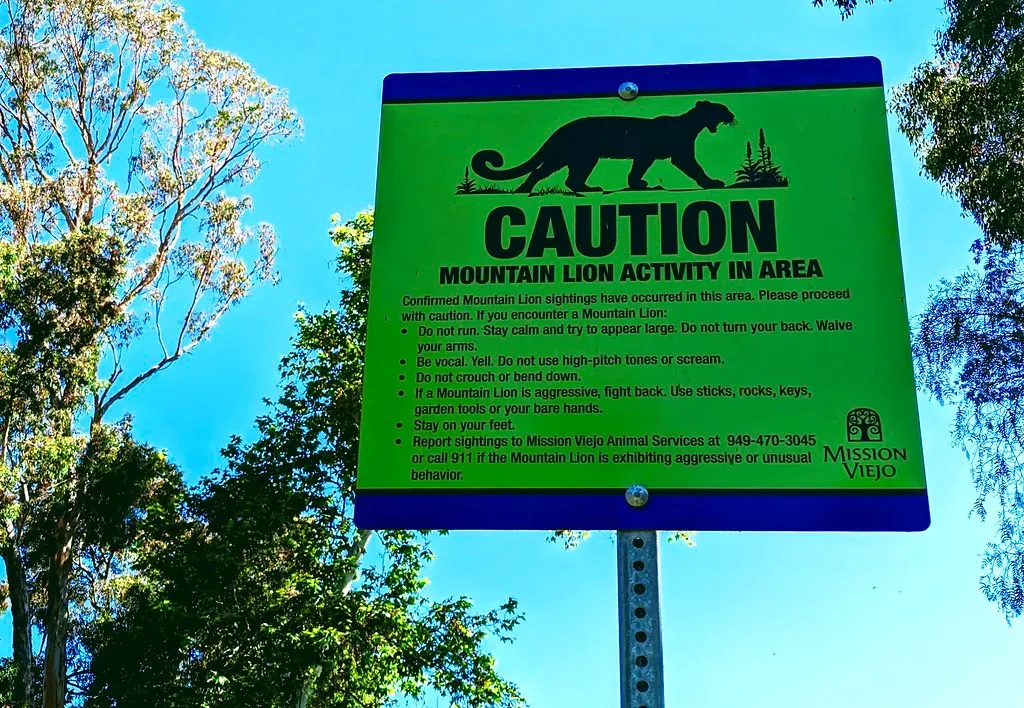
Remaining oblivious to your surroundings is perhaps the most dangerous mistake you can make. Mountain lions are nocturnal and crepuscular animals, meaning they are most active at night and during sunset and sunrise hours, so you can avoid being out on the trail altogether at those times. Hiking alone during dawn or dusk in known mountain lion habitat basically rolls out the welcome mat for an encounter.
Pay attention to warning signs posted at trailheads, fresh deer carcasses, or tracks in the dirt. If you spot evidence that a mountain lion has been in the area recently, take it seriously. Mountain lions tend to stick to densely vegetated areas, so if you’re worried about stumbling upon one, head to a more open area. Stay alert, don’t wear headphones that block out environmental sounds, and always hike with a companion when possible.
Conclusion
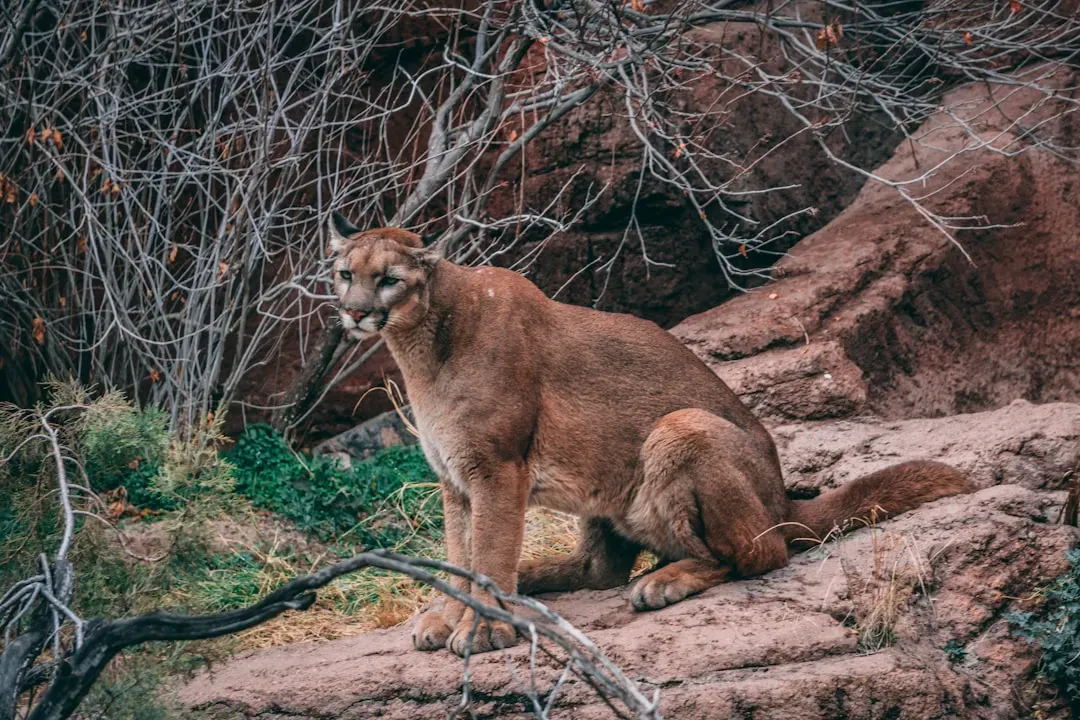
Mountain lions are magnificent creatures that deserve our respect and coexistence. The overwhelming majority of these big cats will go out of their way to avoid you, slipping silently through the landscape without you ever knowing they were there. When that rare encounter does happen, though, your response determines the outcome. Remember: never run, never crouch, never approach, and never make yourself look small.
Stay tall, stay loud, and stay aware. California’s wilderness belongs to these apex predators just as much as it beckons us for recreation and adventure. Have you ever had a close call with wildlife on the trail? What would you do differently knowing what you know now?