
Big cats are among the most fascinating predators on the planet. As apex predators, they have evolved a variety of hunting techniques that allow them to survive and thrive in diverse environments across the globe. This article explores six unique hunting techniques used by different big cats, shedding light on their prowess and adaptability.
Stealth and Ambush of the Tiger
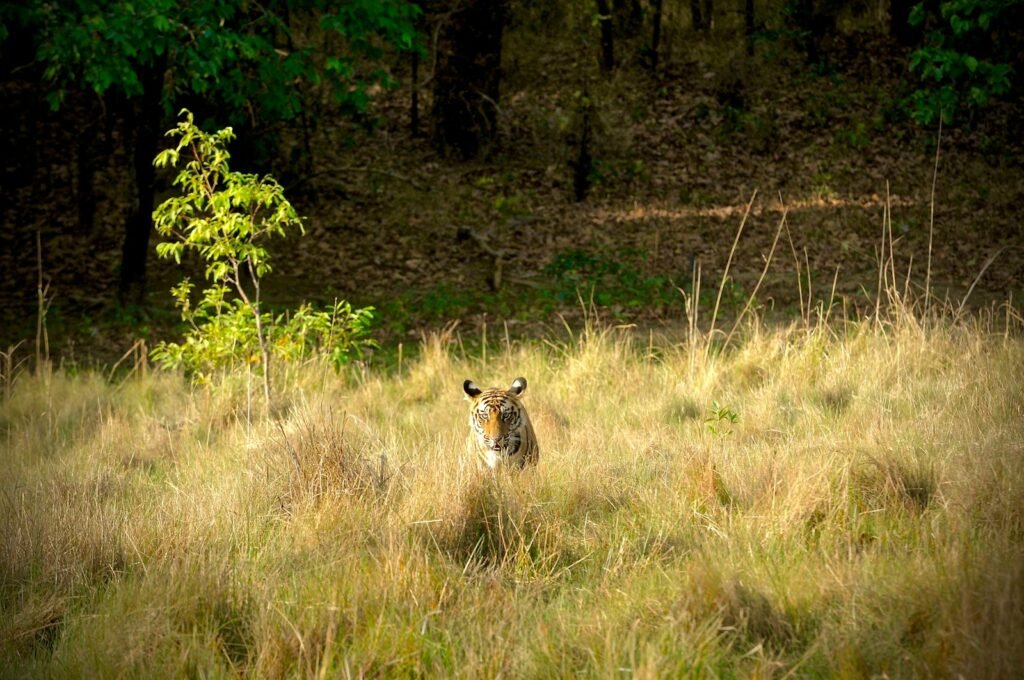
The tiger, the largest of the big cats, is renowned for its stealth and ambush tactics. Tigers rely heavily on their ability to blend into their surroundings, using the cover of dense vegetation to get as close as possible to their prey. With their distinctive striped coats acting as camouflage, tigers quietly inch forward, often downwind to avoid detection, before launching a quick, lethal attack.
Leopard’s Opportunistic Approach
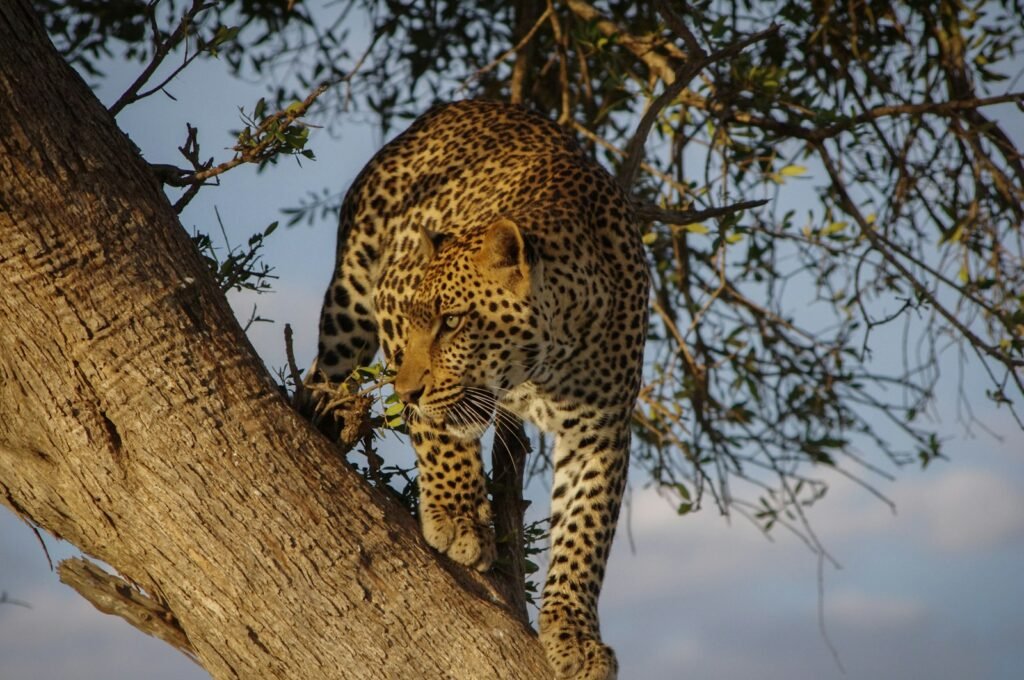
Leopards are highly adaptable and opportunistic hunters. They have the ability to thrive in a range of habitats, from savannas to rainforests. Unlike some other big cats, leopards do not rely on speed but rather on their agility and strength. They often hunt from trees, ambushing prey that wanders underneath. Their ability to climb and store food in trees also helps them avoid competition from other predators.
Lion’s Cooperative Hunting

Lions are unique among big cats for their social structure, living in prides. This social organization allows them to hunt cooperatively. Lionesses, who do most of the hunting, use teamwork to encircle and ambush prey. By working together, lions can take down large prey, such as buffalo and even young elephants, which would be difficult for a single cat to manage.
Cheetah’s Speed and Precision
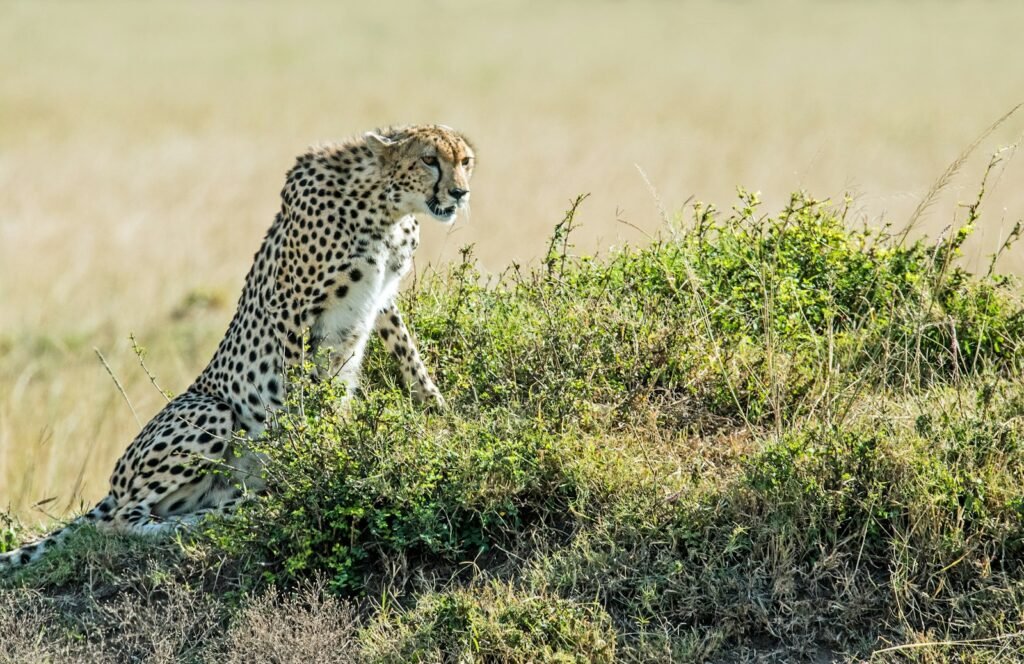
The cheetah is the fastest land animal, capable of reaching speeds up to 70 mph (112 km/h). This speed is pivotal to its hunting technique, which involves a high-speed chase to run down prey over short distances. Cheetahs rely on their incredible acceleration and maneuverability to overtake and trip up fast-moving prey like gazelles. However, the cheetah’s technique requires precise timing, as they cannot maintain top speeds for long without overheating.
Jaguar’s Power and Water Hunting
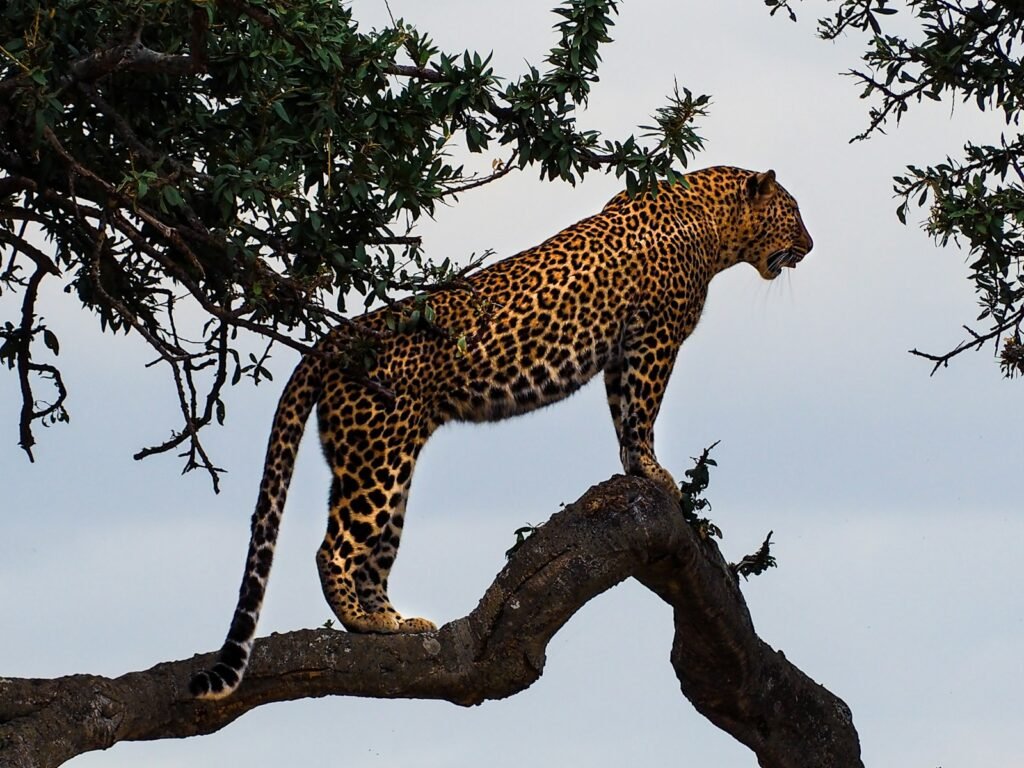
The jaguar, native to the Americas, is notable for its power and versatility as a hunter. Jaguars use their strong jaws and powerful bite to dispatch prey, often piercing the skulls of their victims. In addition to land-based hunting, jaguars have a unique affinity for water. They are exceptional swimmers and often hunt aquatic or semi-aquatic animals, such as caimans and fish, making them proficient hunters both on land and in water.
Sneak and Pounce of the Snow Leopard

Snow leopards inhabit the rugged mountains of Central and South Asia, where they have adapted to cold, high-altitude environments. These elusive cats rely on a “sneak and pounce” technique. Snow leopards use the rocky terrain to their advantage, getting close to their prey before a sudden pounce. They have powerful hind legs that enable them to leap distances of up to 50 feet, an essential trait for ambushing prey in their steep, mountainous habitat.
The Role of Environment in Hunting Techniques
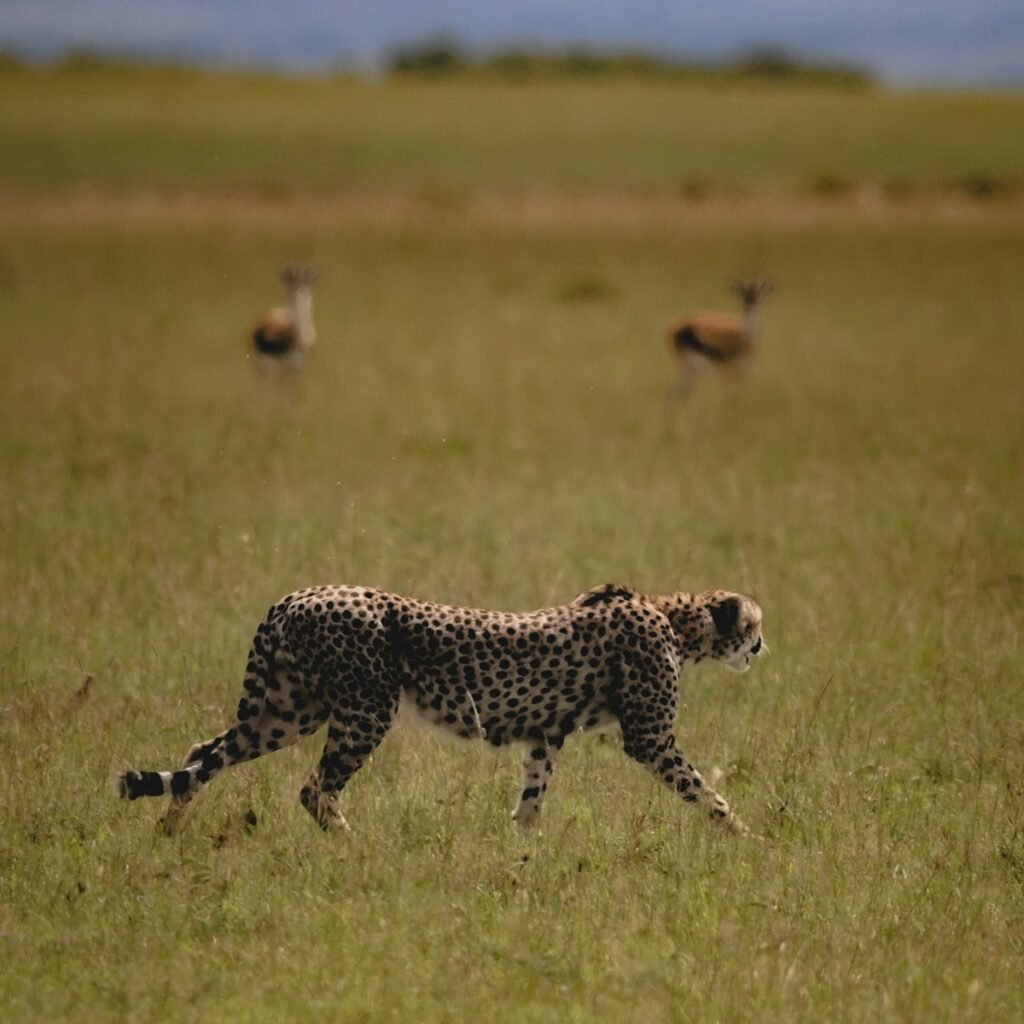
Each big cat’s hunting technique is closely linked to its environment and the prey available. Tigers hunt in dense forests, leopards in a variety of terrains, and cheetahs in open savannas. These environments dictate not just the type of prey available but also the strategies that big cats use to catch them. Understanding these techniques highlights the complexity and adaptability of these majestic creatures.
Adaptations Aid in Successful Hunts

Big cats have developed numerous physical and sensory adaptations to aid in their hunting success. For instance, their keen sense of smell, sharp eyesight, and acute hearing help them detect prey. Additionally, physical adaptations like retractable claws and muscular limbs enhance their ability to catch and kill prey efficiently. These adaptations are crucial in ensuring that big cats maintain their status as top predators.
The Importance of Conservation
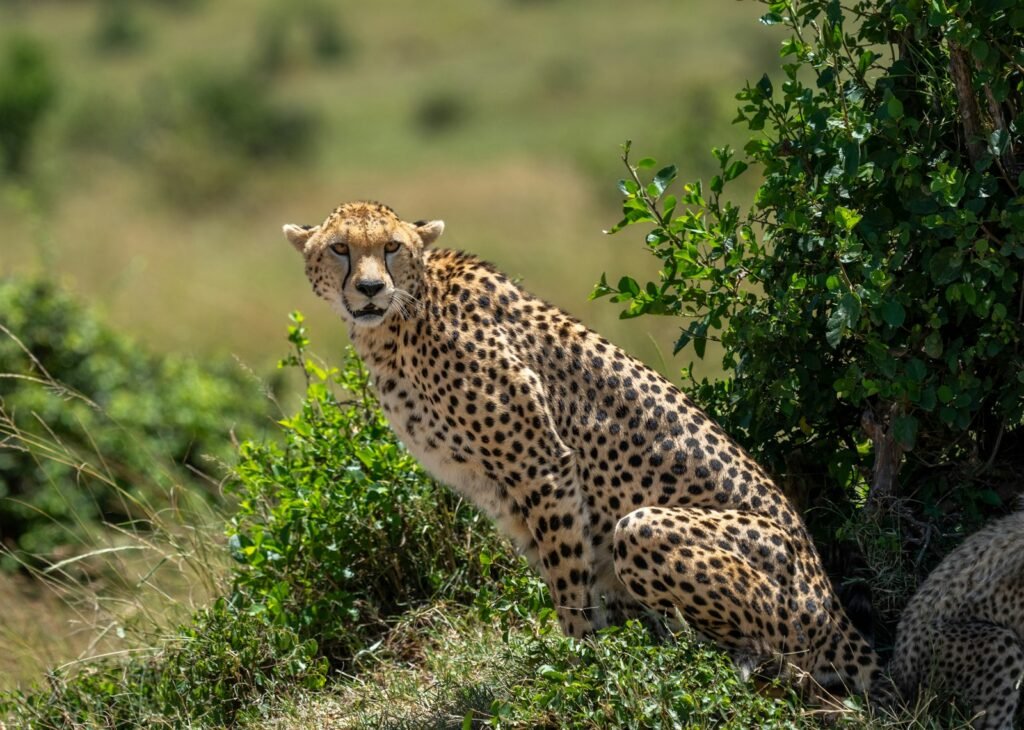
Many big cat species are currently threatened by habitat loss, poaching, and climate change. Conservation efforts are vital in preserving these incredible animals and their unique hunting techniques. Protecting big cat habitats, regulating hunting, and promoting awareness are essential steps to ensure these predators continue to roam the wild.
Conclusion
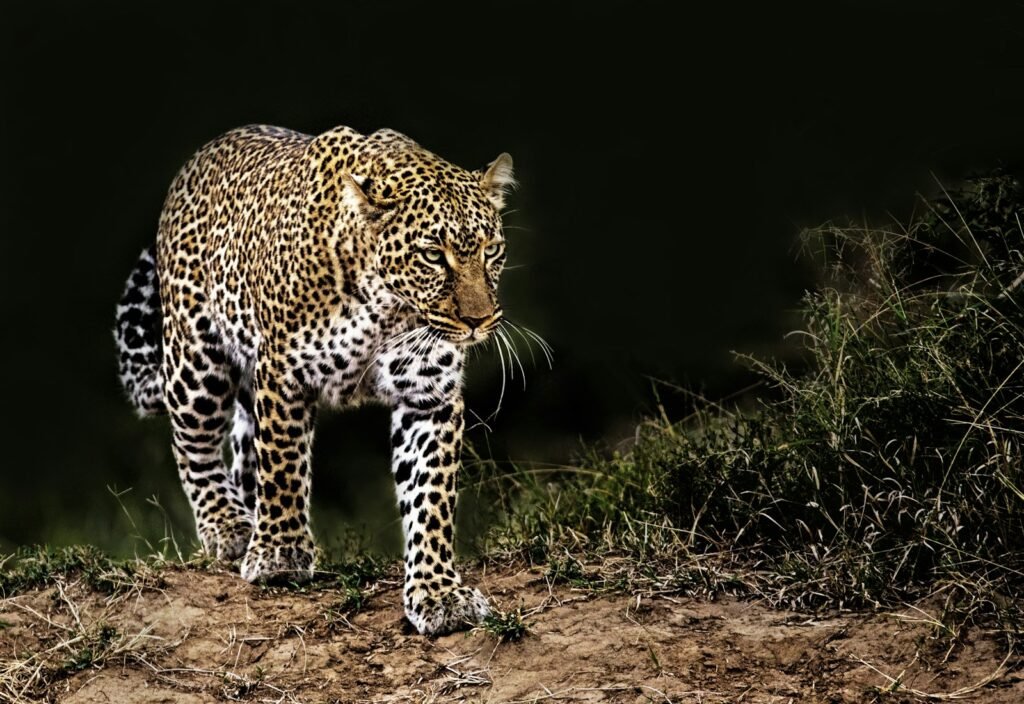
Big cats are a testament to nature’s ingenuity, each species showcasing a unique set of skills and strategies for hunting. From the tiger’s stealth to the cheetah’s speed, these predators perfectly illustrate the diverse ways life adapts to meet the challenges of survival. By understanding and appreciating these techniques, we can better support conservation efforts to protect these magnificent animals and their ecosystems.
Suhail Ahmed is a passionate digital professional and nature enthusiast with over 8 years of experience in content strategy, SEO, web development, and digital operations. Alongside his freelance journey, Suhail actively contributes to nature and wildlife platforms like Feline Fam, where he channels his curiosity for the Feline into engaging, educational storytelling.
With a strong background in managing digital ecosystems — from ecommerce stores and WordPress websites to social media and automation — Suhail merges technical precision with creative insight. His content reflects a rare balance: SEO-friendly yet deeply human, data-informed yet emotionally resonant.
Driven by a love for discovery and storytelling, Suhail believes in using digital platforms to amplify causes that matter — especially those protecting Earth’s biodiversity and inspiring sustainable living. Whether he’s managing online projects or crafting wildlife content, his goal remains the same: to inform, inspire, and leave a positive digital footprint.