When we think of big cats, their majestic presence, sleek movements, and fierce hunting skills often come to mind. However, deeper than their striking appearances is their ability to communicate with one another using subtle cues. One of the most fascinating communication tools they possess is their tails. By observing these magnificent creatures, one can learn a lot about their mood, intentions, and even their social interactions, all through the language of their tails.
The Art of Balance

Big cats, from lions to leopards, use their tails primarily to maintain balance. Just as a tightrope walker uses a pole to steady themselves, big cats rely on their tails while navigating tricky terrains. This is especially evident when they sprint at high speeds or when they climb trees. In these instances, a flick of the tail can mean the difference between a graceful leap and a clumsy fall. Their tails act as a counterbalance, allowing them to make sharp turns and sudden stops with ease. The simple act of balancing with their tails also communicates agility and readiness to others in their group.
Signaling Emotions

Tails are powerful indicators of emotion in big cats. When a cat is relaxed, its tail might sway gently from side to side. However, an agitated cat will have a tail that twitches or lashes sharply, signaling discomfort or annoyance. In contrast, a tail held high often means the cat is confident and alert. Observing the tail’s position and movement can provide insights into the emotional state of the animal, allowing other cats—and even humans—to gauge how to approach them.
Marking Territory

In the wild, big cats use their tails as part of their territorial displays. A dominant cat may raise its tail high while walking through its territory, signaling ownership and confidence. This is akin to a flag waving in the wind, clear and unmistakable. In addition, when cats rub their tails against trees or the ground, they are often marking their territory with scent glands located at the base of their tails. This behavior communicates to other cats that the area is already claimed, helping to prevent unnecessary confrontations.
Expressing Curiosity

Curiosity in big cats is often expressed through the movement of their tails. A slowly flicking or waving tail usually indicates that the cat is curious or interested in something. This might be a potential prey, an unfamiliar sound, or a new object in their environment. By watching the tail, one can discern whether a cat is intrigued or simply assessing potential threats. This subtle communication helps them navigate their surroundings safely and efficiently.
Social Interactions

Tails also play a crucial role in the social dynamics of big cats. In a pride of lions, for instance, tails are often used for bonding and play. Young cubs frequently chase and pounce on the tails of adults, a behavior that fosters social bonds and teaches important hunting skills. Similarly, when two cats greet each other, they may entwine their tails or rub them against one another, signifying friendship and trust. This tactile communication strengthens social ties within the group.
Warning Signals

Big cats often use their tails as warning signals to deter potential threats. A rapidly flicking tail can indicate that a cat is on high alert or feeling threatened. This serves as a warning to other animals or intruders to keep their distance. In the animal kingdom, such signals are crucial, as they help prevent unnecessary confrontations and injuries. By respecting these warnings, other animals can avoid provoking a defensive response from the big cat.
Stealth and Hunting

During hunting, a cat’s tail becomes an integral part of its stealth strategy. While stalking prey, a cat will often keep its tail low and still to avoid detection. Any sudden movement or noise could alert the prey, so the tail’s position and movement are carefully controlled. This silent communication with their own body ensures that they remain undetected until the perfect moment to strike.
Playfulness and Relaxation

Playfulness in big cats is often accompanied by a wagging or swishing tail. This is especially common in younger cats or during social play sessions. A playful tail invites others to join in the fun, showcasing a relaxed and friendly demeanor. In moments of relaxation, a cat might also wrap its tail around its body or another cat, signaling comfort and contentment.
Indicating Hierarchy

In social groups, the position of a cat’s tail can indicate its rank or status. A dominant cat might carry its tail high and confidently, while a subordinate cat might keep its tail lower to show submission. This visual cue helps maintain order within the group, reducing the likelihood of conflicts over hierarchy. By understanding these cues, cats can interact smoothly within their social structure.
Directing Attention

Sometimes, big cats use their tails to direct attention to specific areas or objects. For instance, a mother cat might use her tail to guide her cubs toward safety or food. By pointing or waving her tail, she communicates essential information to her young, ensuring their survival and well-being. This form of communication is vital, especially in the wild, where dangers lurk at every turn.
Calm and Reassurance

In times of distress or uncertainty, a cat might use its tail to calm and reassure itself. Gentle grooming of the tail or softly wrapping it around its body can provide comfort. This self-soothing behavior shows how integral the tail is not just for communication with others but also for personal reassurance.
Sign of Submission

A lowered tail can be a sign of submission in the presence of a more dominant cat. This gesture helps prevent conflicts and establishes peace within a group. By lowering its tail, a cat communicates its willingness to defer, ensuring harmony in their interactions.
Alertness and Focus

When a cat is highly focused or alert, its tail may become rigid or slightly twitch. This is often observed when they are concentrating on a potential threat or prey. The tail’s movement, or lack thereof, reflects the cat’s mental state, offering insights into its level of focus and readiness.
Engaging in Grooming

Grooming is a social activity for many big cats, and tails play a part in this practice. Cats will often groom each other’s tails, which not only helps maintain cleanliness but also reinforces social bonds. This mutual grooming is a sign of trust and affection, highlighting the importance of tails in their social lives.
Adapting to the Environment

In different environments, big cats adapt their tail movements to better blend in or communicate. For example, in dense forests, a tail might be used more for balance and less for communication, while in open savannas, signaling might be more pronounced. This adaptability showcases the versatility of their tails in various habitats.
Quick Reactions

Tails can also aid in quick reactions, serving as a tool for rapid communication during fast-paced situations. An unexpected twitch or flick can signal a sudden change in mood or alertness, allowing other cats to quickly interpret and respond to the situation. This immediacy helps maintain group cohesion and safety.
Recognizing Threats
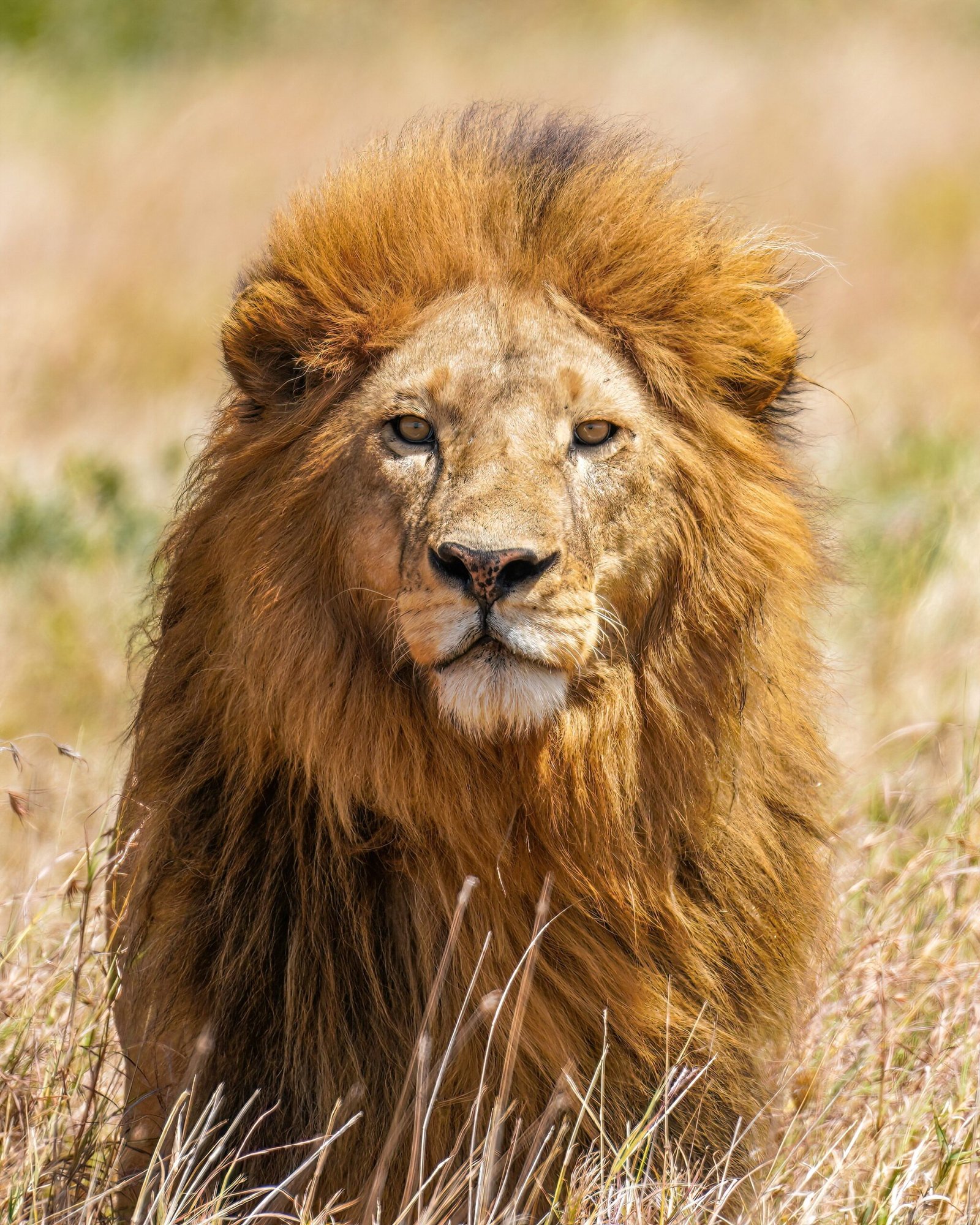
Big cats often use their tails as an extension of their senses, aiding in recognizing threats. A tail that suddenly stiffens or flicks can indicate that the cat has detected something unusual. This subtle communication allows the cat to alert others while maintaining a low profile, ensuring they remain prepared for potential dangers.
Establishing Distance

In some instances, a cat might use its tail to establish distance from others. A tail that sways or flicks in a particular direction can signal to others to keep their distance, especially if the cat desires solitude. This form of non-verbal communication helps maintain personal space, reducing stress and potential conflicts.
Concluding Thoughts

The tail of a big cat is more than just an appendage; it is a versatile tool of communication, balance, and expression. Through subtle movements and positions, big cats convey a wide range of emotions, intentions, and social cues. Understanding these tail signals offers a deeper insight into the complex social structures and behaviors of these magnificent creatures. Observing the language of their tails provides a unique window into the world of big cats, revealing the depth and richness of their communication.

Hi, I’m Bola, a passionate writer and creative strategist with a knack for crafting compelling content that educates, inspires, and connects. Over the years, I’ve honed my skills across various writing fields, including content creation, copywriting, online course development, and video scriptwriting.
When I’m not at my desk, you’ll find me exploring new ideas, reading books, or brainstorming creative ways to solve challenges. I believe that words have the power to transform, and I’m here to help you leverage that power for success.
Thanks for stopping by, Keep coming to this website to checkout new articles form me. You’d always love it!