Cats are fascinating, complicated little creatures. They don’t wag their tails like dogs, they don’t exactly run up to greet you at the door with a goofy grin, and yet millions of people share their homes with them and swear they’re deeply loved in return. The real question is – how do you actually know?
Most cat owners default to one answer: purring. But here’s the thing, purring doesn’t always indicate happiness; some cats also purr when they’re hungry or stressed. So if you’ve been reading your cat’s mood purely through that motorboat rumble, you might be missing a whole conversation happening right in front of you. Get ready to look at your feline friend through a completely different lens. Let’s dive in.
1. Their Tail Is Basically a Mood Flag on a Stick
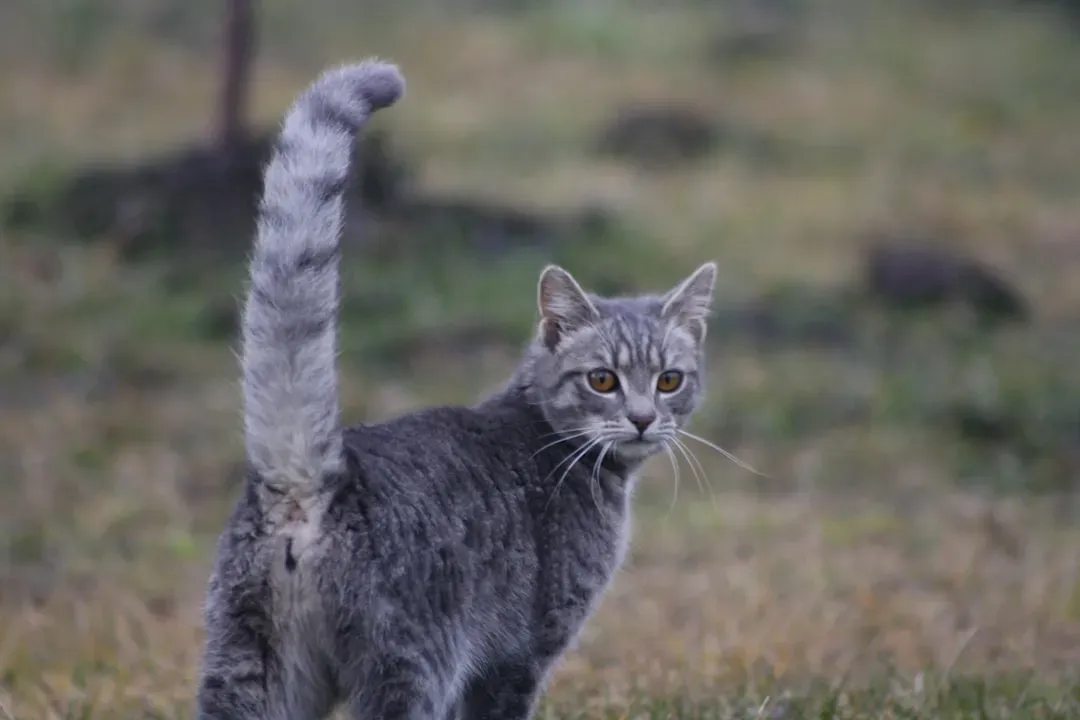
You probably haven’t given much thought to your cat’s tail beyond occasionally worrying you’ll step on it. But honestly, it’s one of the most reliable emotional indicators your cat has. Cats use their tails to express how they feel. Happy cat tail signs include an upright tail, which is basically a cat’s way of saying, “Hi! Nice to see you!” A quivering tail pointed up and held high is also usually a declaration of happiness and excitement.
Think of it like a little flag your cat raises when they’re genuinely pleased with life. A tail that is pointed straight up with a curl at the tip is a reliable sign that a cat is happy and confident. Some cats even take it a step further. Some cats’ tails even vibrate slightly when they are really happy and excited. If you see that little quiver when you walk in the room, you can be pretty sure you’ve made their day.
2. The Slow Blink Is Your Cat’s Version of “I Love You”
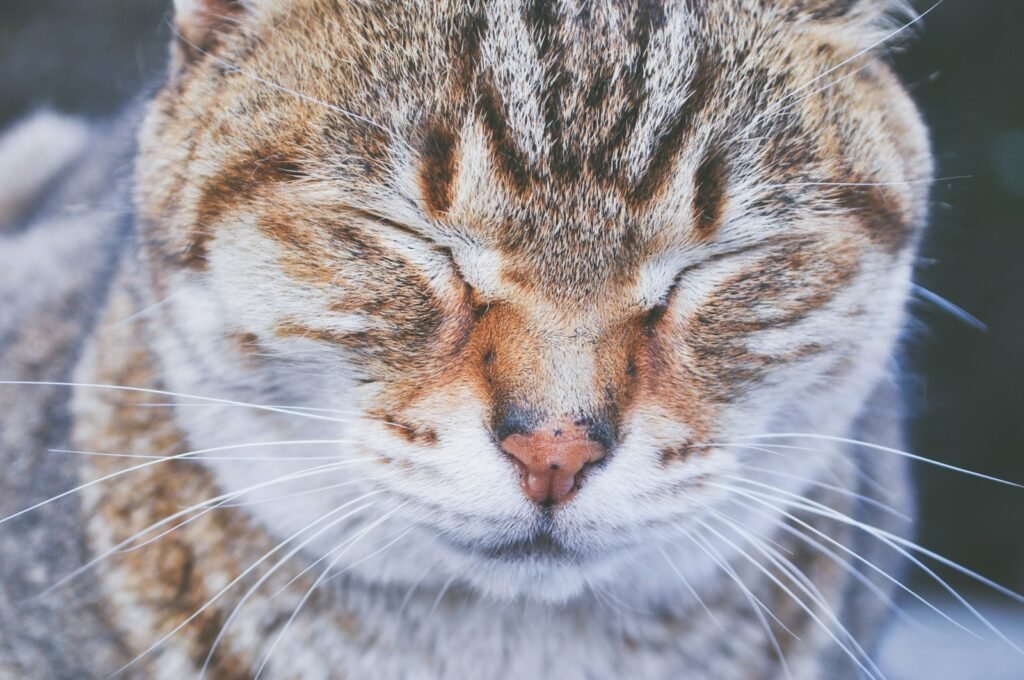
Here’s something that sounds almost too simple to believe, but it’s genuinely one of the most heartwarming cat behaviors once you understand it. Of all cat expressions, the slow blink is considered to be the equivalent of a human smile. Cats give slow blinks when they are happy and have even been known to respond if you slow blink at them.
There is actually science behind this. One 2020 study dove into this body language, studying 21 cats and 14 cat parents at home. They discovered cats would half-blink in response to their person’s slow blinks and were more likely to approach their person when the person slow blinked first. So next time your cat holds eye contact and then closes their eyes slowly, try blinking back. It’s a two-way conversation you never knew you were already having.
3. They’re Kneading You Like You’re Fresh Bread Dough
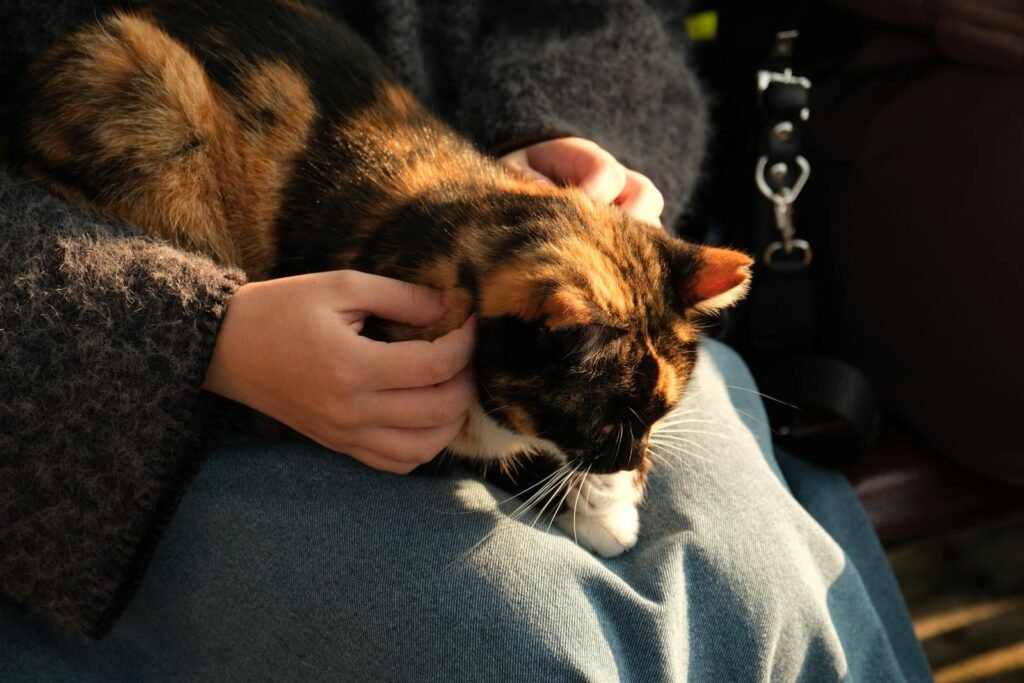
If you’ve ever had a cat rhythmically pushing their paws into your stomach or your favorite blanket, you already know this behavior. It’s called kneading, or, more delightfully, “making biscuits.” It’s known by a variety of names, including “making biscuits,” because cats make the same motion with their paws as if they were kneading some dough. Cats might knead a blanket or their favorite people or something soft, and it’s often the height of contentment. Thought to be a throwback to the security that kittens feel when kneading on their mother, kneading is a clear sign that a cat is extremely happy.
What makes this so touching is the deeper emotional root of the behavior. As adults, kneading is more of a pleasure-producing activity. Not only does it feel good physically, helping kitties to stretch muscles and ligaments in their lithe legs, but it signifies a kitty who is feeling good mentally. So yes, even if those little paws are occasionally a bit sharp, consider it a very sincere compliment.
4. Their Body Posture Is Open, Relaxed, and Completely Unguarded

There’s something deeply telling about the way a truly happy cat holds their body. A stressed or anxious cat braces, crouches, and makes themselves small. A happy cat does the complete opposite. A happy cat often lounges with their paws tucked under or lies on their side, exposing the belly – a vulnerable area they only show when they trust you.
Pay attention to the full picture, not just one body part. A relaxed and happy cat typically rests with its feet tucked under its body in a loaf position, eyes partially closed or blinking slowly. This relaxed posture indicates a sense of security and comfort in its environment. Rolling onto their back and exposing their belly is a vulnerable position for cats, but when they do this in your presence, it signifies trust and contentment. I think the belly exposure is especially meaningful because cats are prey animals at heart. Showing their most vulnerable side is a genuine act of trust.
5. They Actively Seek You Out and Want to Be Near You
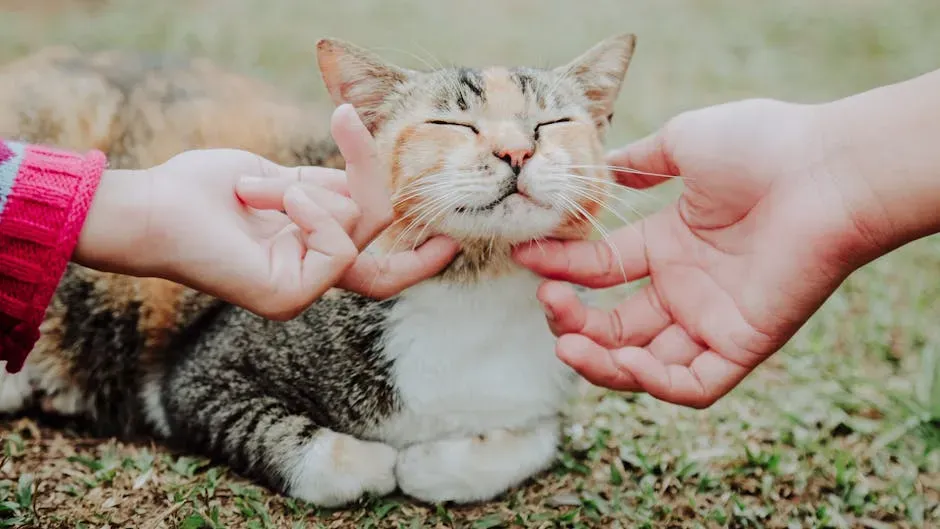
Let’s be real, cats have a reputation for being aloof and indifferent. Some people even wear it as a badge of honor if their cat tolerates them. But a truly happy cat goes a step further than mere tolerance. A happy cat may follow you around the house, chirp when you speak, or rub against your legs when you arrive home.
The act of rubbing against you is particularly significant. Cats have scent glands on their head and cheeks. When they rub against you, they’re marking you as part of their territory, signifying trust and affection. It sounds a little possessive when you put it that way, but honestly, that’s just how cats say “you’re mine, and I’m glad about it.” You’ll know your cat is happy if they show affection to you and want to interact with you. A content kitty loves scritches, snuggles, head boops, and lap sits. Not a bad life, honestly.
6. They Groom Themselves Confidently and Even Groom You
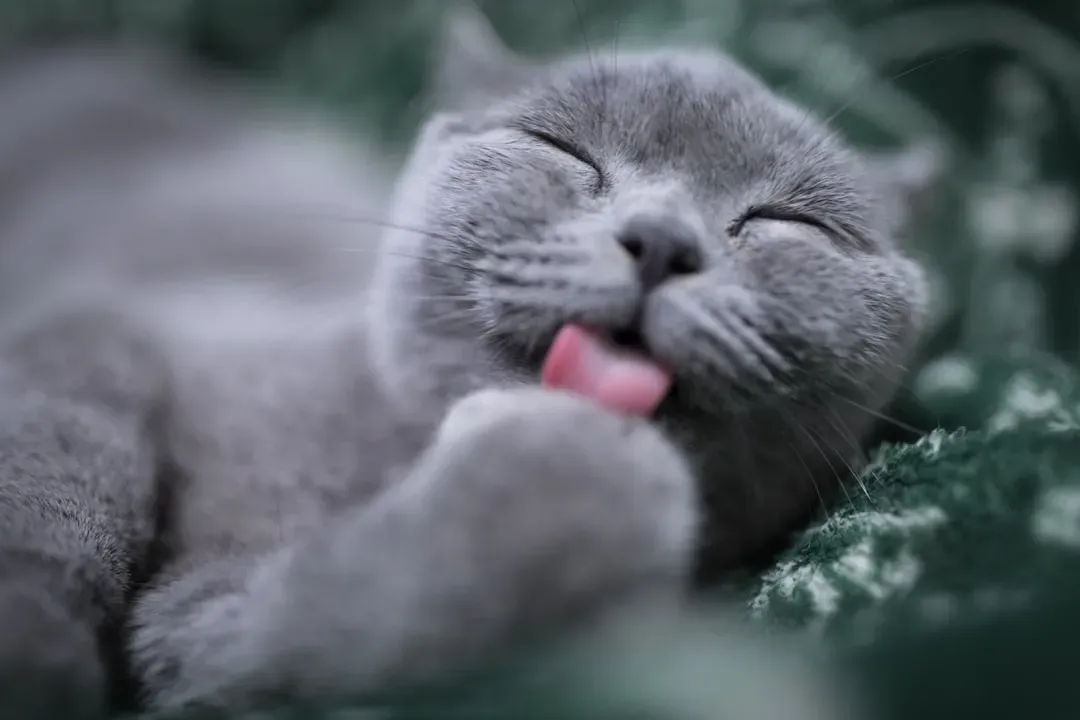
Self-grooming in cats is more than just cleanliness. It’s a genuine emotional signal. Healthy, happy cats do a great job of grooming themselves. And is there anything cuter than the way they wash their faces? When cats groom themselves, it is a sign of contentment. A cat who stops grooming or grooms obsessively to the point of causing bald patches is often dealing with stress, pain, or anxiety.
The real jackpot though? When your cat starts grooming you. If your cat grooms you, other pets, or even toys, it’s a strong signal of comfort and happiness. When cats rub against and groom each other, it allows for their scents to be swapped and to maintain a group scent. When your cat licks your hand or your hair, they’re including you in their inner circle. It’s a small act that carries a whole lot of feline sincerity. Hard to say for sure, but I’d argue it might be the sweetest thing a cat can do.
Final Thoughts
Understanding your cat doesn’t require a veterinary degree or years of animal behavior training. It mostly requires patience, observation, and a willingness to learn a language that isn’t made of words. Cats are subtle and complicated in the way they communicate, but taking time to learn their body language can help to strengthen the relationship with your cat. Learning the signs that they are happy, or when they just want to be left alone, can be a big help to you both.
The truth is, your cat is already sending you messages every single day through their tail, their eyes, their posture, and the way they choose to spend time with you. The main takeaway is that a cat’s body language and behaviors should be looked at as part of a single big picture. No single sign tells the whole story, but together they paint a surprisingly clear portrait of a content feline life.
So take a moment the next time you’re sitting with your cat and really look at them. Are they flopped on their side near you? Are they giving you that long, lazy blink? Are they pressing their paws into your lap like they’re making bread? Those aren’t random behaviors. That’s your cat telling you, in the only way they know how, that they’re exactly where they want to be. What more could you ask for? Tell us in the comments which sign surprised you the most.