You think you’re the perfect cat parent. You fill the bowl, buy the toys, and your cat has a cozy spot by the window. So why does your furry companion sometimes give you that cold, glassy stare that says, “I am barely tolerating your existence right now”? Honestly, it’s more common than you’d think. Cats are deeply sensitive creatures with specific preferences and boundaries, and even the most well-meaning owners cross those lines every single day without realizing it.
The good news is that a lot of these friction points are surprisingly easy to fix once you know what to look for. Your cat isn’t trying to be dramatic. Well, maybe a little. But mostly, they’re communicating something real. Let’s dive into the six most common ways you might be driving your cat quietly up the wall, and more importantly, how to stop.
1. You’re Touching the Belly – and Misreading the Invitation
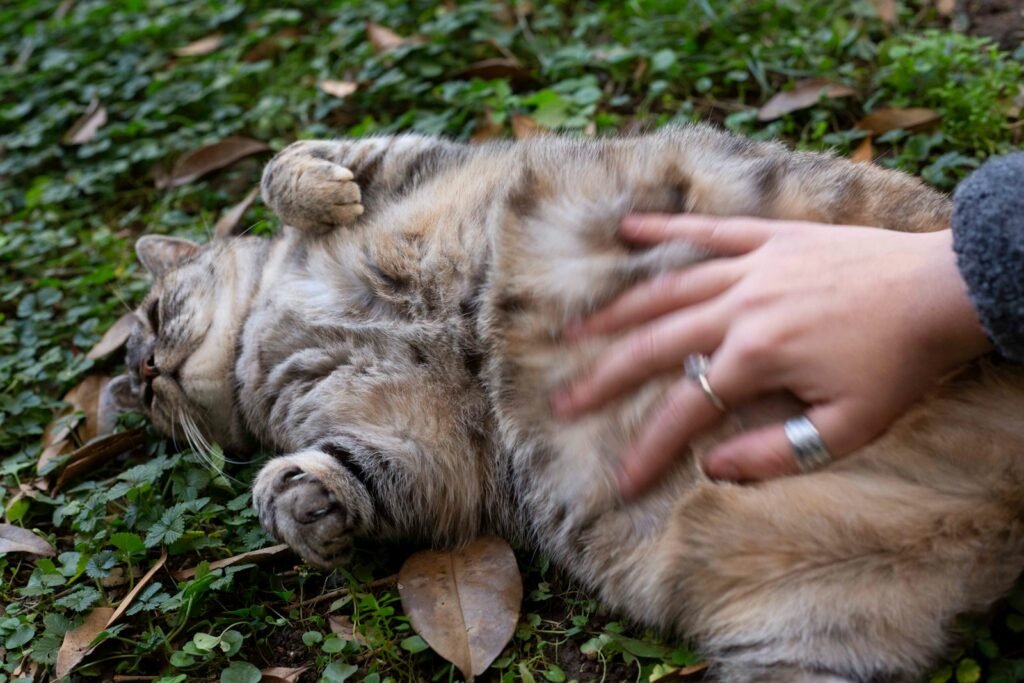
There is perhaps no greater cat owner trap than the exposed belly. Your cat rolls over, flips onto their back, and shows you that fluffy tummy in all its glory. It looks like an invitation. It feels like an invitation. It is absolutely not an invitation.
While there are certainly some cats who tolerate belly touching and may even enjoy it, most cats hate it. When cats stretch out and expose their belly, it’s a sign of trust and relaxation – not necessarily a request to be touched there. Unless you know for certain that your cat enjoys it, you need to respect those boundaries.
The hair follicles on the belly are hypersensitive, so petting there can be overstimulating for cats. Think of it like someone tickling your ribs when all you wanted was a friendly pat on the back. The solution here is beautifully simple. Stick to the spots under their chin and behind their ears, and let your cat guide the rest. If they want more, they’ll lean in. If they don’t, they’ll tell you with their claws.
2. You’re Waking Them Up or Pestering Them During Rest Time
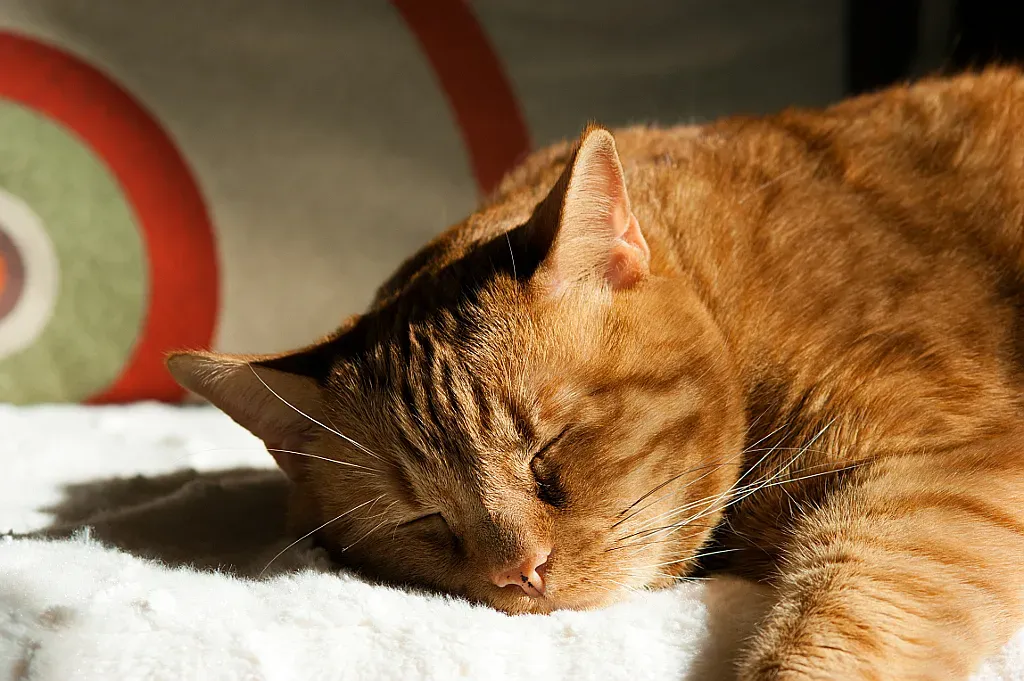
Cats can sleep somewhere between twelve and sixteen hours a day. That’s not laziness. That’s biology. So when you interrupt a perfectly peaceful snooze because you suddenly want to play or cuddle, your cat is not going to be thrilled about it.
Imagine you’ve just stretched out on your bed for a little snooze, when someone comes along wanting you to entertain them. If you live with a human child, you probably don’t have to try hard to imagine that scenario. You wouldn’t love it, and neither does your cat. This is actually one of the top complaints cats would have if they could voice them.
Look for signs like ears back or flat, tail flicking, and even growling or hissing. This is an indication to stop and give them their space. Pestering your cat while they are trying to rest or don’t want to play is one of the fastest ways to erode their trust in you. A good rule of thumb: if your cat sought out their napping spot, they chose it for a reason. Let them have it.
3. You’re Forcing Cuddles and Physical Interaction They Didn’t Ask For
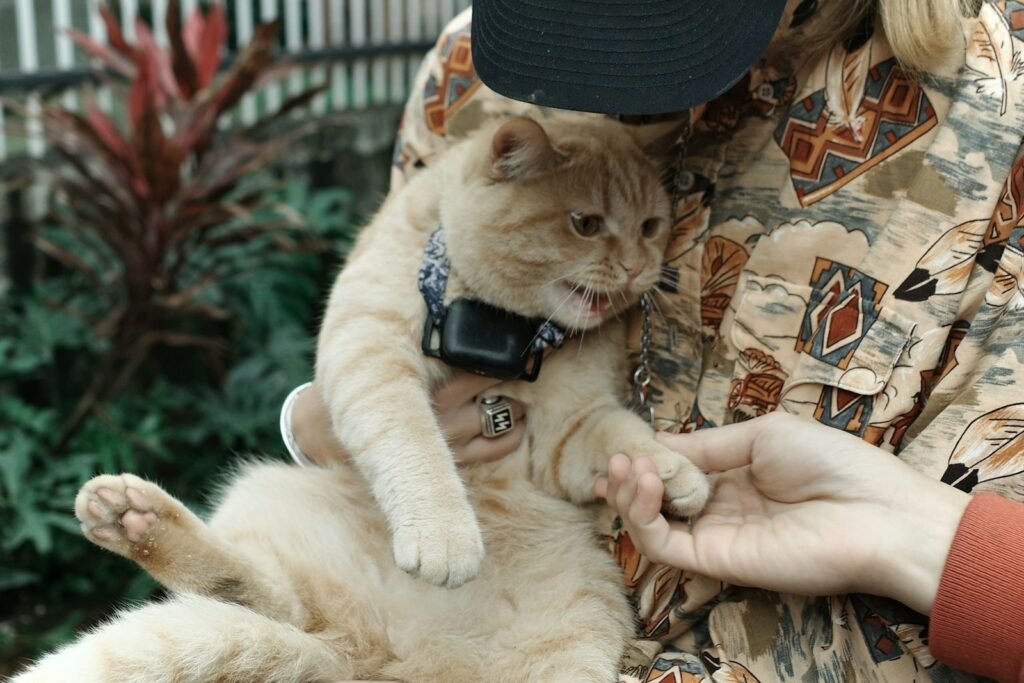
Let’s be real. The urge to squeeze your cat is almost uncontrollable sometimes. They’re soft and warm and they smell like sunshine. You just want to hold them forever. Here’s the thing though: your cat did not sign up for that.
Cats are prey and predator animals. They don’t like to be held close or restrained. Humans love to hug and cuddle as a way of showing affection, but cats are not little humans. That’s a fundamental mismatch that trips up even experienced cat owners. The physical closeness that feels natural to you can feel genuinely threatening to them.
As tempting as it is to cuddle them constantly, cat parents need to play it cool. Cats value their independence and can become irritated if they feel crowded or constantly handled. Many cats prefer attention on their own terms and on their own schedule. The fix is learning to read when your cat approaches you versus when you approach them. When they come to you, that’s an invitation. Reciprocate. When they don’t, give them the dignity of their independence.
4. You’re Disrupting Their Daily Routine Without Realizing It
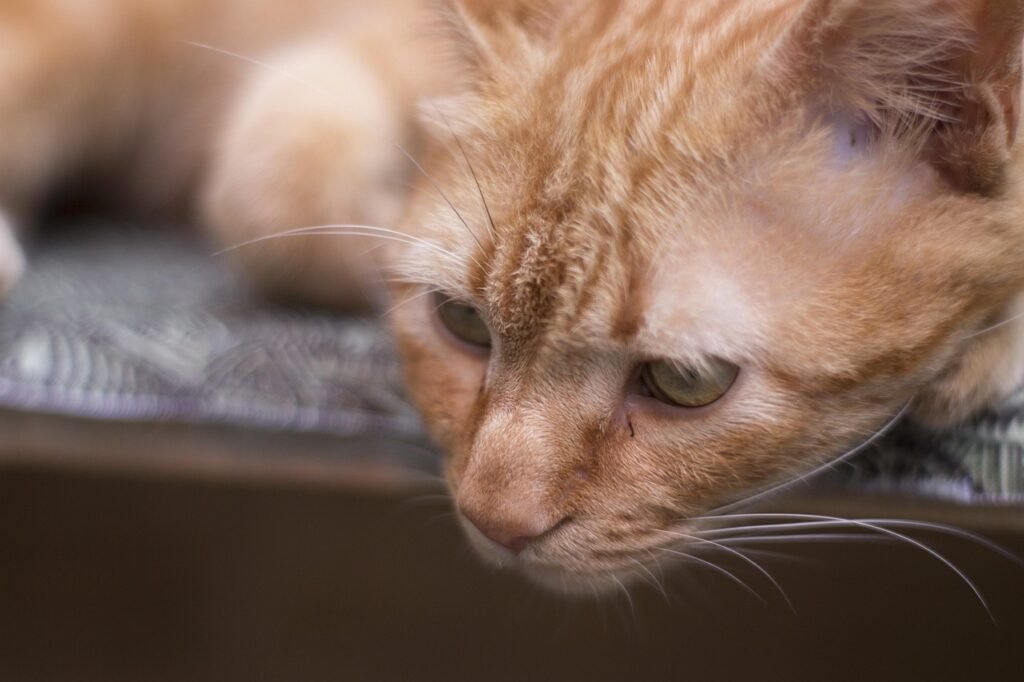
Cats are creatures of extraordinary habit. I think this surprises people who assume that a cat’s life is basically just napping and judging you from afar. The truth is, your cat has a deeply ingrained internal clock, and when you mess with it, the emotional fallout can be significant.
Cats are creatures of habit. Most cats love a predictable routine when it comes to feeding time, playtime, or naptime. If you’re making abrupt changes to their daily routine, expect your cat to be displeased. It’s a bit like someone suddenly moving all the furniture in your house overnight. Everything still works, but nothing feels right, and that creates a low-grade anxiety that’s hard to shake.
Research suggests that sudden changes can cause cats to pretend to be sick as a way of letting their owners know they’re upset. Cats who experienced disruptions to their routines were far more likely to act sick than cats who didn’t experience change, with common behaviors including urinating outside the litter box, vomiting, and decreased food intake. The solution is simple consistency. From feeding times to play sessions, maintaining consistency for your cat’s comfort and peace of mind goes a long way in reducing stress.
5. You’re Bombarding Them With Loud Noises and Overwhelming Scents
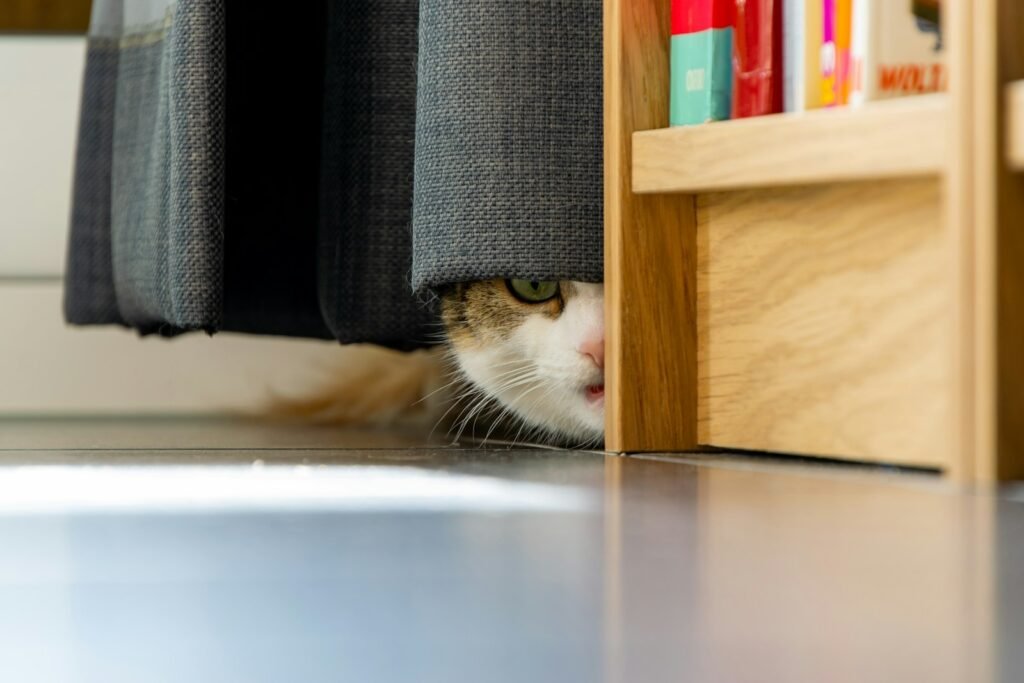
Here’s something that might genuinely surprise you. Your cat can hear things you literally cannot. Their hearing range extends far beyond ours, which means sounds you barely notice, like the buzz of fluorescent lights or the whine of a screen, can feel like a low-level assault to your cat’s senses.
Cats may experience “acoustic stress” from certain sounds because their hearing is extremely sensitive. Cats can be scared of any noise, but loud, unexpected banging sounds startle them the most. Things like pots and pans clanging, blenders running, and even the sudden slamming of a door can genuinely stress them out. Things such as vacuum cleaners, loud music, loud TV, people shouting, and construction noises can add stress, so it’s important to ensure there are quiet places in your home where your cat can retreat when things get too noisy.
Scent is equally important, and arguably even more underestimated. A cat’s sense of smell is roughly fourteen times more sensitive than ours, so what smells pleasing to your nose can be a major source of irritation to theirs. Cats have a keen sense of smell, and strong scents such as air fresheners, cleaning products, heavily scented litter, litter additives, or perfumes can be overwhelming. Being mindful of the products you use in areas where your cat will be is essential. Swap heavily scented products for unscented or pet-safe alternatives, and your cat will breathe easier. Literally.
6. You’re Ignoring the Warning Signs They’re Sending You
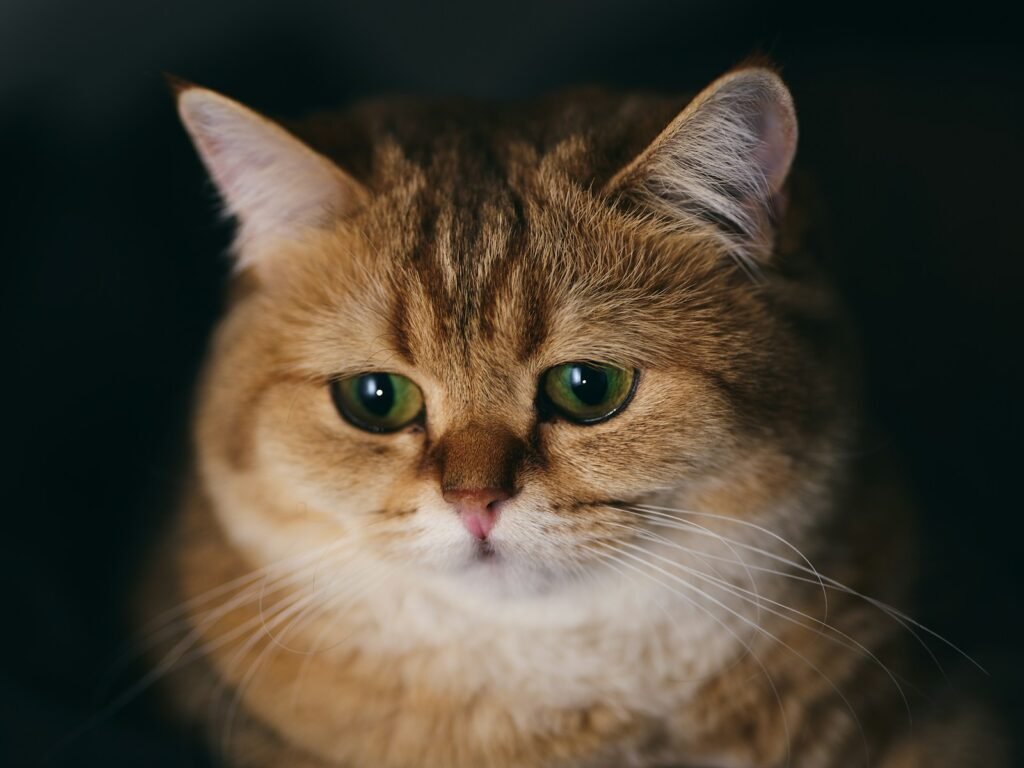
This one might be the most important of all, and it’s the one that most cat owners miss entirely. Your cat is constantly communicating with you through their body. Tail position, ear angle, eye shape, posture – it’s all a running conversation. The problem is, most of us aren’t fluent in it.
Cat body language can change within seconds, particularly when they encounter unexpected stimuli or feel threatened. The tail is often the first indicator, with flicking or twitching beginning almost immediately when annoyance starts. In cats who are experiencing an increasing level of fear, anxiety, or stress, their ears might be tucked back on their head or held low and rotated to the sides, sometimes called “airplane ears.” These are early warnings. Miss them, and things can escalate quickly.
It’s best to avoid petting a cat displaying any signs of annoyance, even mild ones like tail flicking. These early warning signals indicate your cat needs space, and continued interaction often escalates their stress level and may lead to more defensive behaviors. It’s important to avoid reacting with anger when your cat responds naturally to uncomfortable situations. Instead, try to understand their body language and let them determine the level of contact they’re comfortable with. The more fluent you become in your cat’s signals, the more peaceful your relationship will be.
A Final Thought on Loving Your Cat Better
The beautiful irony in all of this is that the things most likely to annoy your cat are usually the things you’re doing out of pure love. The belly rubs, the squeezy hugs, the midnight wake-up cuddles. Your heart is absolutely in the right place. Your execution just needs a little calibration.
Cats are not aloof or unfeeling. The best way to figure out what annoys your cat is to tune in to what they’re telling you through their behavior. Every cat has different preferences, and while some cats enjoy cuddling and being carried, others find it stressful. Think of learning your cat’s preferences less like following a rulebook and more like learning someone’s love language. It takes time, attention, and a genuine willingness to listen.
Once you start paying attention, you’ll notice the subtle moments when your cat leans in versus leans away. When they seek you out versus disappear under the bed. That information is gold. Use it, and you won’t just have a less annoyed cat. You’ll have a genuinely happier one.
So, did any of these six habits sound familiar? Tell us in the comments which one caught you the most off guard!