6 Ways You're Upsetting Your Cat Without You Knowing It
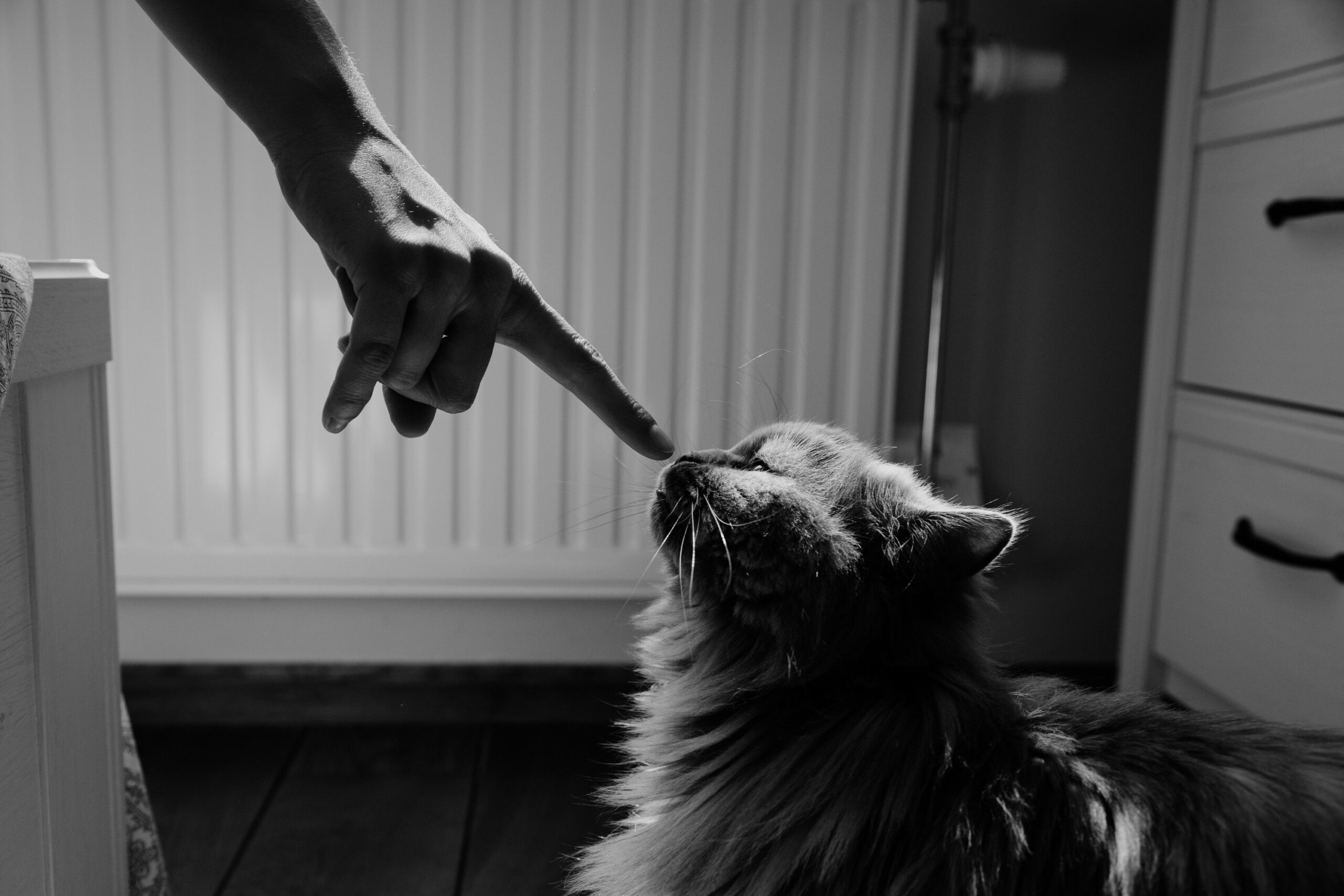
#1 Staring directly into their eyes
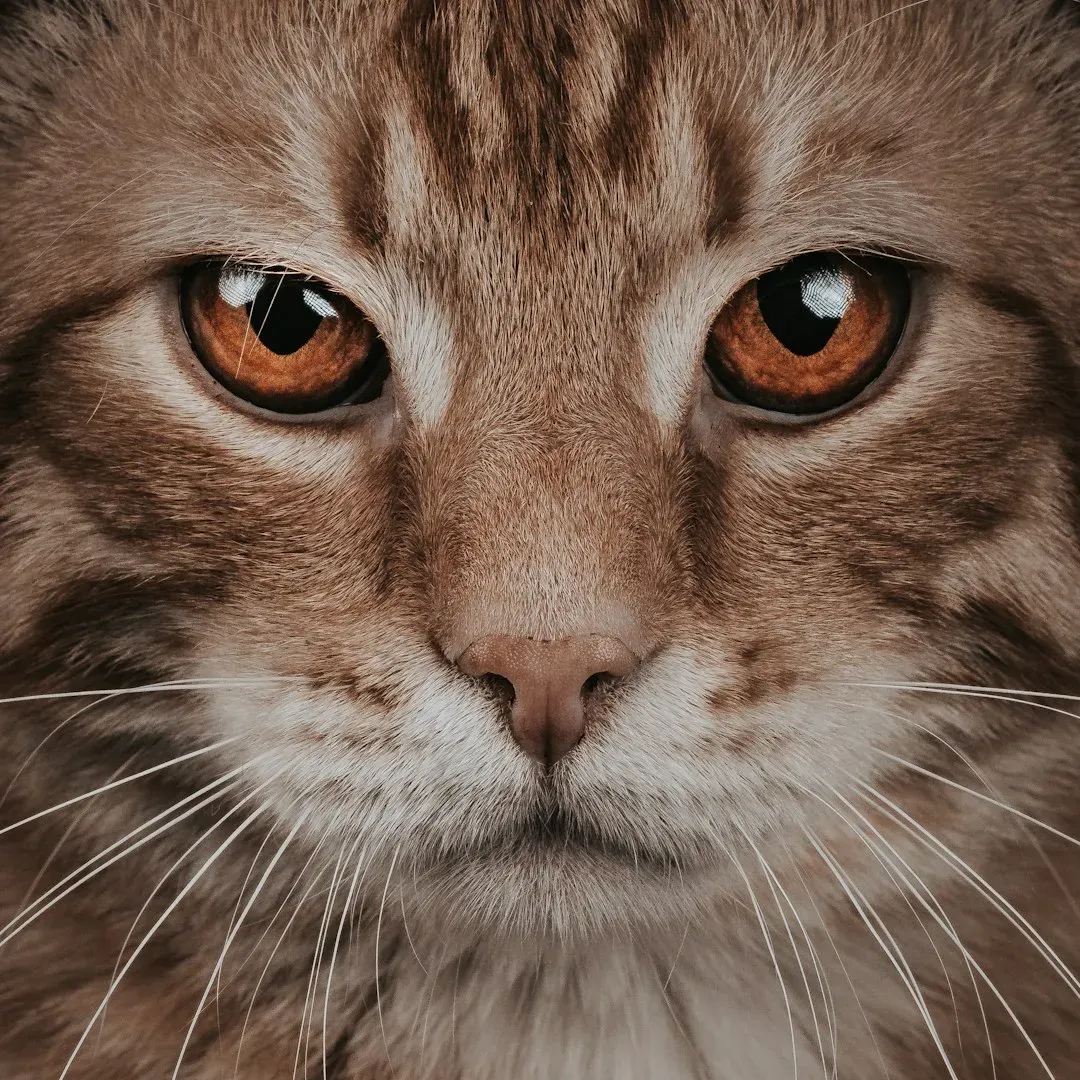
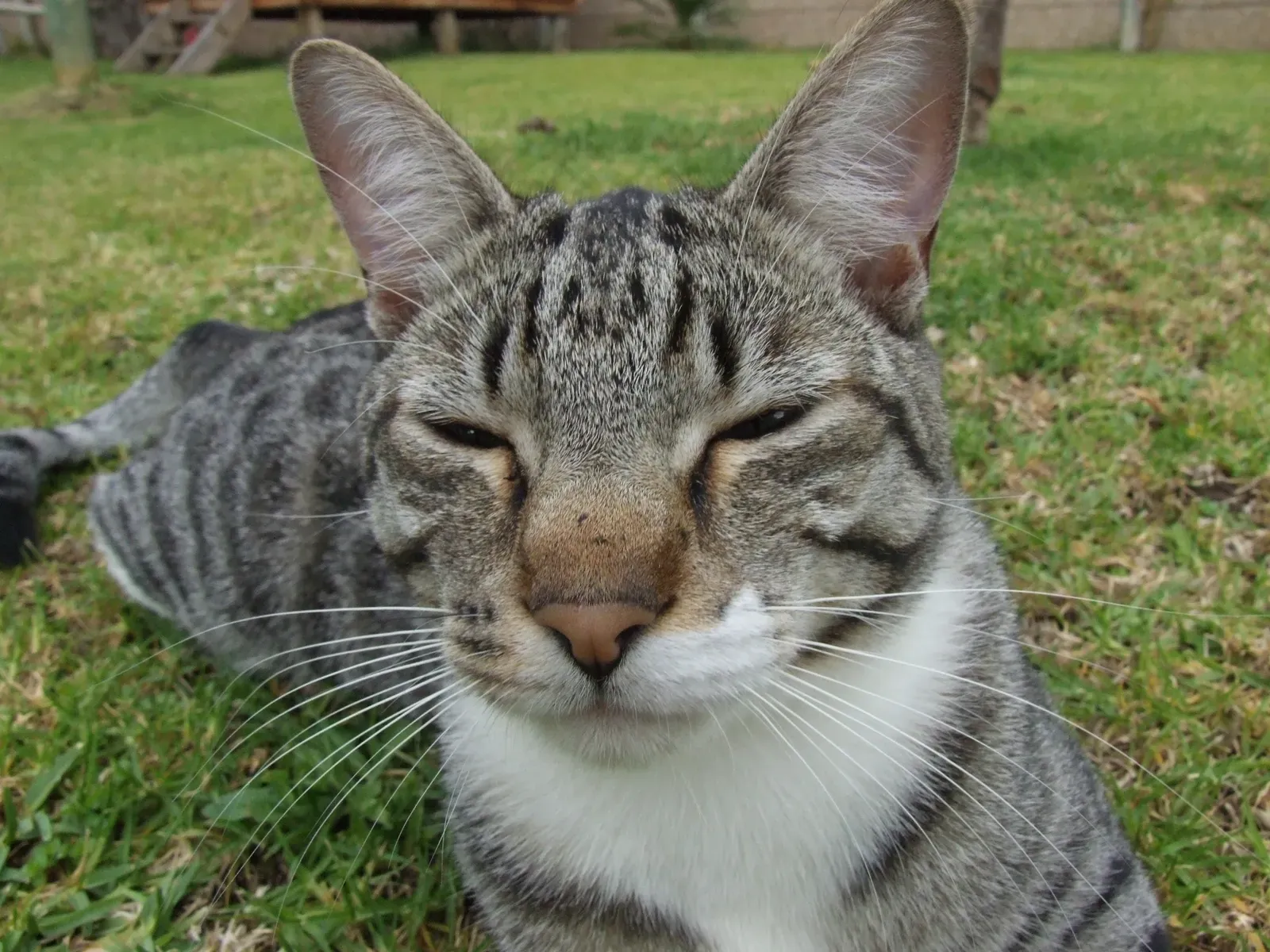
In human interaction, eye contact signals warmth and attentiveness. In cat language, a hard, direct stare is closer to a challenge or a threat, especially from a stranger or even a familiar face standing too close. Cats communicate a lot through slow blinks and soft, half-lidded glances, and a fixed stare can read as predatory posturing rather than affection.
This doesn't mean you should avoid your cat's gaze entirely. The fix is simple: soften your eyes, blink slowly, and look away occasionally rather than locking on. Many cat behaviorists refer to this as the "slow blink," a mutual signal of trust that mimics the relaxed body language cats use with each other. Over time, this small adjustment can noticeably ease a skittish or reserved cat.
#2 Rearranging furniture or moving their things
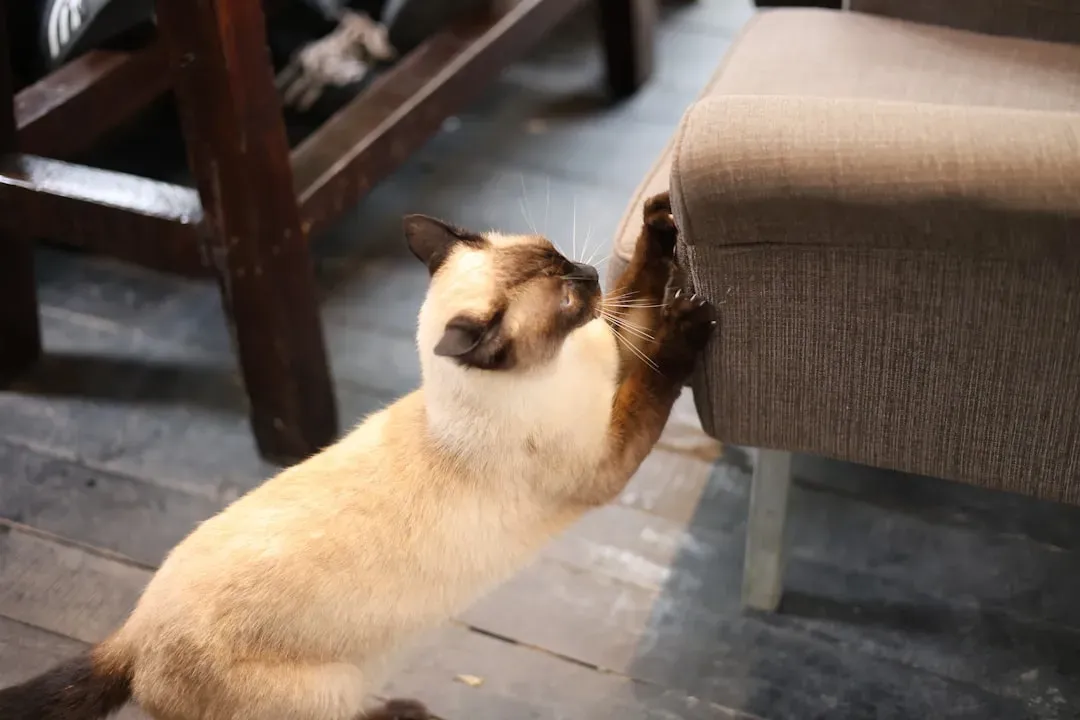
Cats build an internal map of their territory using scent, sight lines, and memory, and that map matters more to them than we tend to appreciate. When a couch shifts position or a favorite scratching post moves to a new corner, it isn't just an inconvenience, it can genuinely unsettle a cat's sense of security. This is especially true in multi-cat households, where furniture placement often marks informal territory boundaries.
Litter boxes and feeding stations are particularly sensitive to relocation. Moving them abruptly, even a few feet, can trigger stress responses like inappropriate elimination or reduced appetite. If changes are necessary, doing them gradually, one piece at a time, gives a cat the chance to adjust without feeling like their whole world has been rearranged overnight.
#3 Skipping consistent playtime
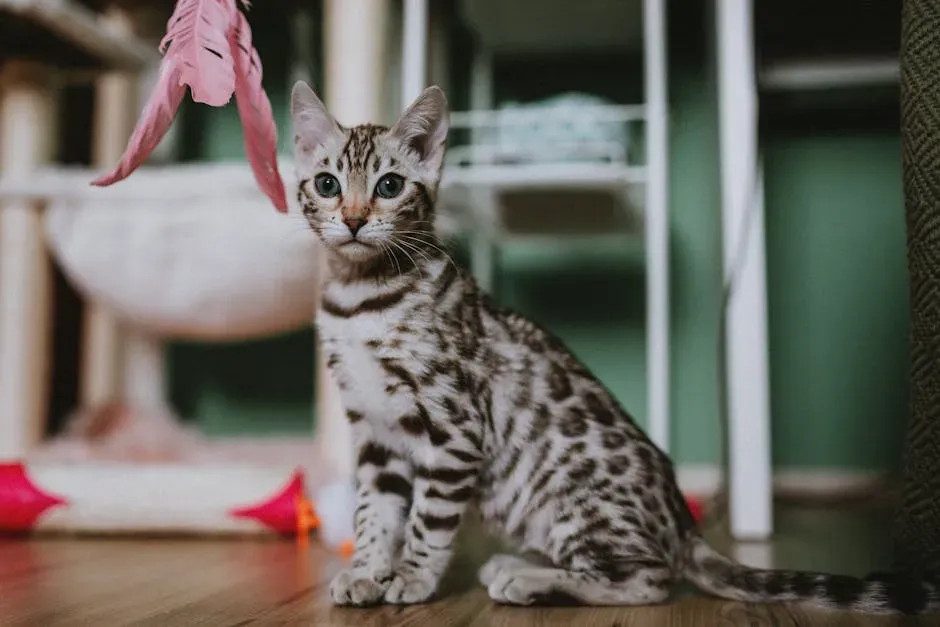
Play isn't just entertainment for cats, it's a stand-in for hunting, an instinct that doesn't disappear just because dinner shows up in a bowl every day. Without a regular outlet for stalking, chasing, and pouncing behaviors, that pent-up energy has to go somewhere, and it often shows up as destructive scratching, midnight zoomies, or even redirected aggression toward people or other pets. Indoor cats especially rely on their owners to provide this outlet since they lack the natural environment to hunt on their own.
The good news is that fixing this doesn't require elaborate setups. A few short sessions a day with a wand toy or a laser pointer, ending with a physical "catch" like a stuffed toy, can satisfy that predatory sequence in a way that passive toys alone can't. Consistency matters more than duration here, a cat that gets ten focused minutes daily tends to be calmer than one that gets an hour once a week.
#4 Ignoring their need for vertical space
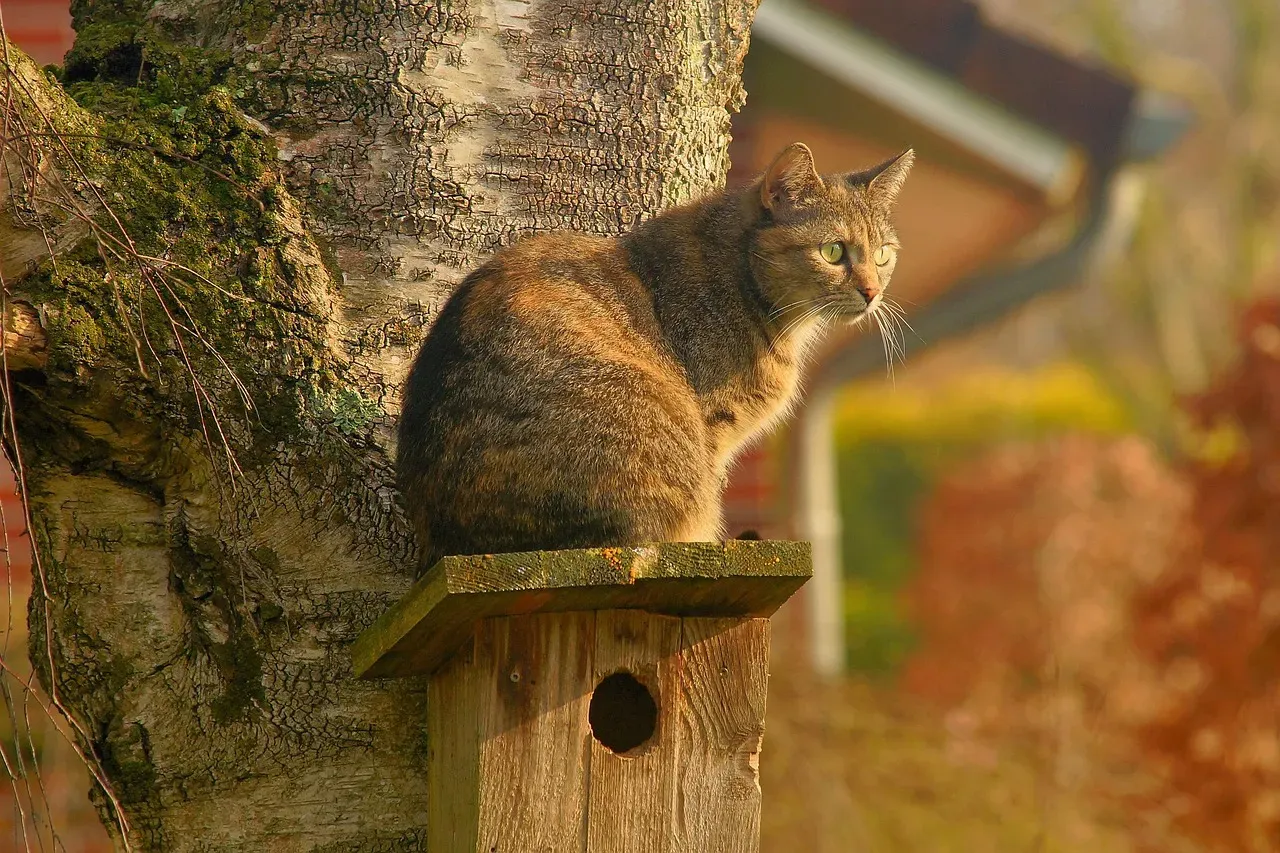
Cats are natural climbers, and height serves a real psychological purpose for them beyond just looking cute on top of the fridge. Elevated perches offer a vantage point to survey their territory, a sense of safety from perceived threats, and a retreat from noise or unwanted attention, particularly in busy households with kids or other pets. When a home is entirely flat and floor-level, cats can feel more exposed and anxious than owners realize.
This is one of the easier fixes on this list. Cat trees, wall-mounted shelves, or even clearing off the top of a bookshelf can give a cat the vertical options its instincts are asking for. Multi-cat homes benefit especially from this, since vertical space allows more subordinate or shy cats to retreat without direct confrontation.
#5 Forcing affection instead of offering it
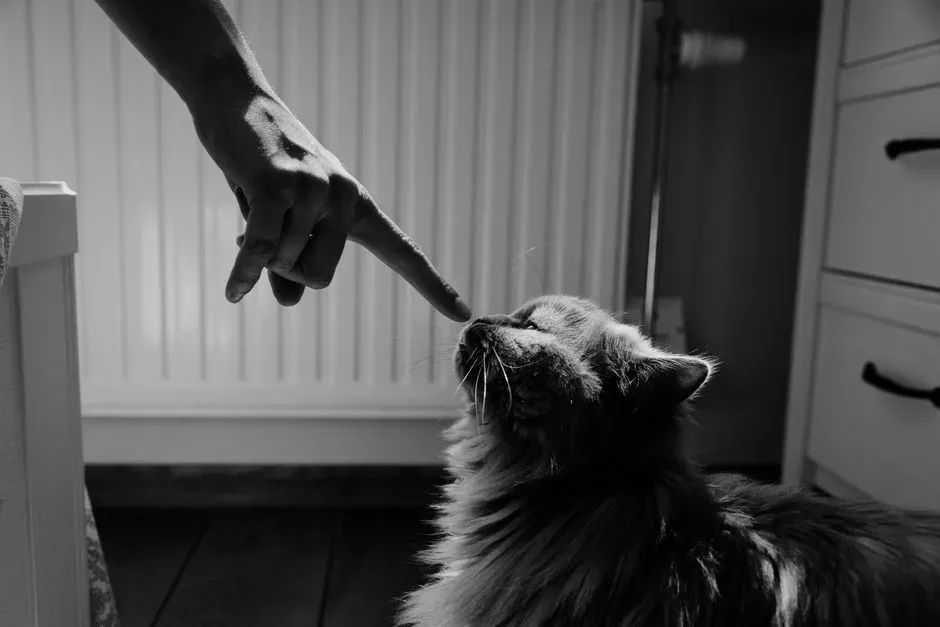
Picking up a cat that isn't in the mood, holding them longer than they want, or repeatedly petting past the point they've clearly signaled "enough" are common ways well-meaning owners create tension without realizing it. Cats are famously particular about consent when it comes to touch, and ignoring their cues, a twitching tail, flattened ears, or a sudden stillness, can erode trust over time even if the affection is genuine. Unlike dogs, cats don't reliably interpret human enthusiasm as automatically welcome.
Letting a cat initiate contact tends to build a stronger bond than pursuing affection on a human's schedule. This might mean sitting nearby and letting them approach, or offering a hand to sniff before petting rather than reaching straight for the head. Respecting these boundaries consistently often results in a cat that seeks out affection more, not less, once they realize interactions are on their terms.
#6 Overlooking subtle signs of stress or pain
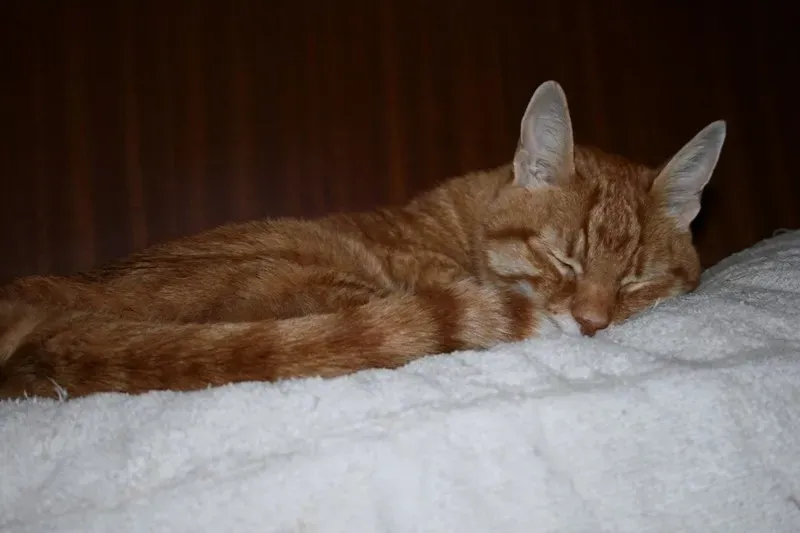
Cats are notorious for hiding discomfort, a trait rooted in their evolutionary history as both predator and prey animal, where showing weakness could mean vulnerability. This means owners can easily miss early signs of stress or illness, things like reduced grooming, a slight change in appetite, hiding more than usual, or subtle shifts in litter box habits. Left unnoticed, these signals can compound, leading to bigger behavioral or health issues down the line.
Paying closer attention to baseline behavior, how much a cat normally sleeps, eats, and interacts, makes it much easier to catch when something is off. Regular veterinary checkups become especially valuable here, since a vet can often spot physical issues that manifest as behavioral changes long before an owner would connect the dots. Treating subtle shifts as worth investigating, rather than dismissing them as quirks, tends to catch problems while they're still manageable.
Final Thoughts