You might not know this, but the United States isn’t just home to domesticated house cats lounging on windowsills. Wild felines still prowl through forests, deserts, mountains, and even suburban neighborhoods. Some of these cats have been here for thousands of years, adapting to everything from snowy peaks to arid scrublands. Others are clinging to survival in tiny pockets of territory.
Let’s be real, most people never encounter these elusive creatures. They’re masters of stealth, moving through landscapes like shadows. Yet they’re out there right now, hunting, mating, and carving out territories in places you might never expect. So what exactly are these mysterious cats, and where can you find them?
The Bobcat: America’s Most Common Wild Feline
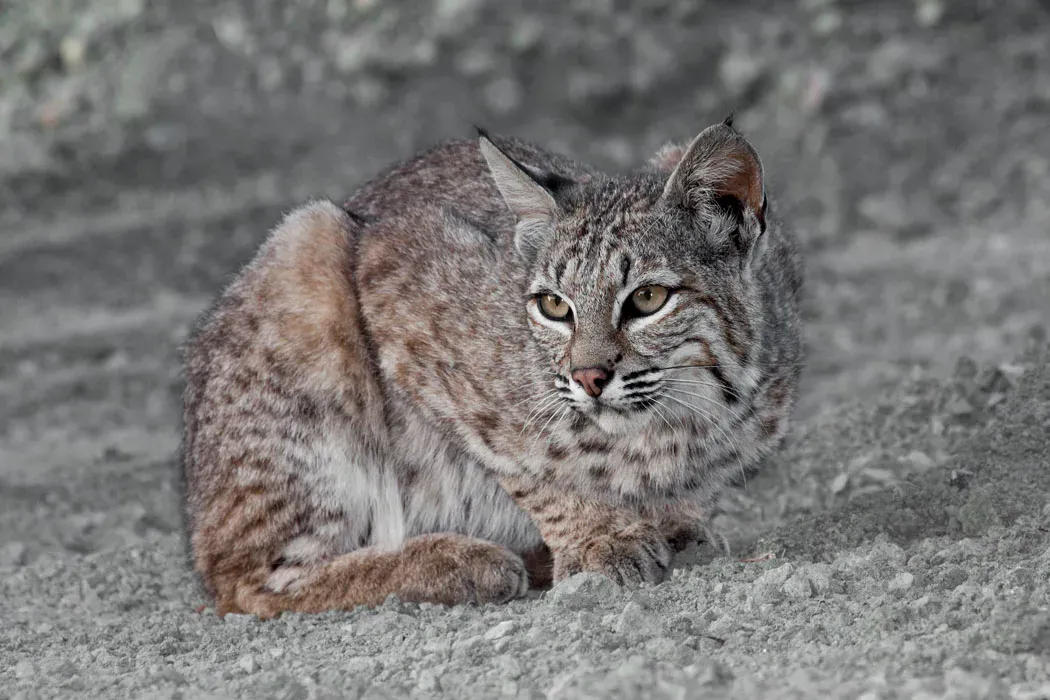
With an estimated population of around 2.3 to 3.5 million in the United States alone, bobcats are the most common wild cats of North America. By 2010, bobcats appear to have recolonized many states, occurring in every state in the contiguous 48 except Delaware. You’ve probably driven past bobcat habitat dozens of times without even realizing it. These adaptable hunters thrive in woodlands, deserts, swamps, and even urban edges where human development meets wild spaces.
It has distinctive black bars on its forelegs and a black-tipped, stubby (or “bobbed”) tail, from which it derives its name. Adult males can range in weight from 6.4–18.3 kg (14–40 lb), with an average of 9.6 kg (21 lb); females at 4–15.3 kg (8.8–33.7 lb), with an average of 6.8 kg (15 lb). Honestly, they’re roughly twice the size of your average house cat, but their powerful build and tufted ears make them unmistakably wild. The staple fare of bobcats is rabbits. Like other native cats they hunt by stealth rather than engaging in long chases. When rabbits are scarce, bobcats will eat mice, voles and birds.
Mountain Lion: The Phantom of the West
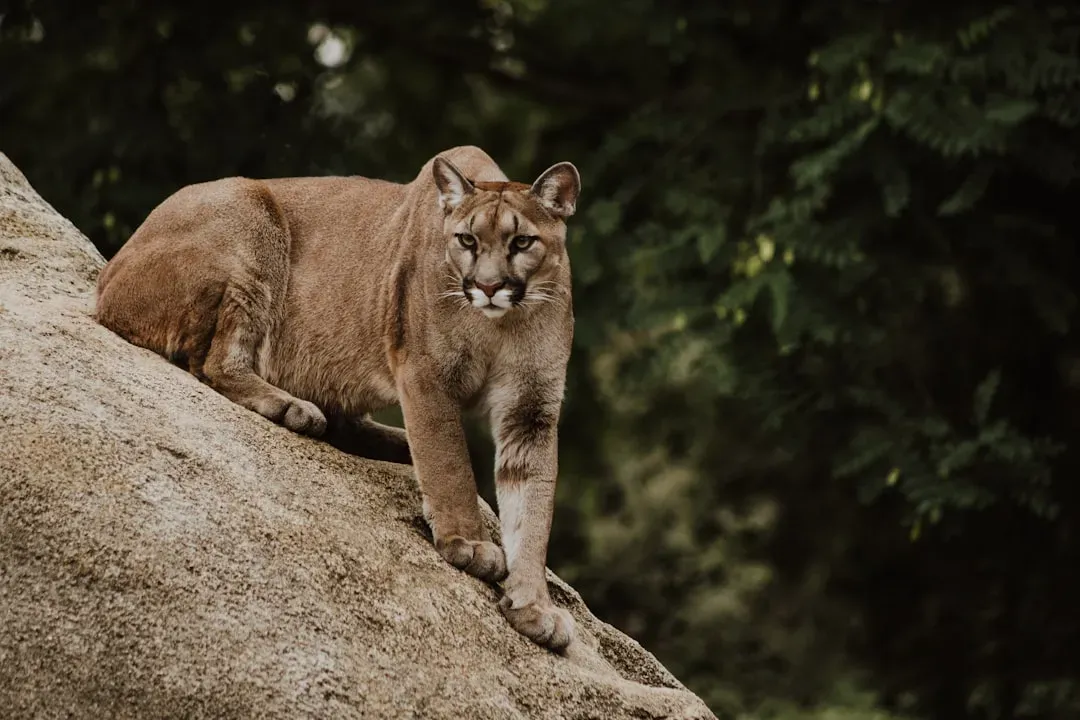
Cougars are found in Oregon, Washington, Nevada, California, Utah, Arizona, Montana, Idaho, Colorado, Wyoming, New Mexico, Nebraska, North Dakota, South Dakota, Florida and Texas. These magnificent cats go by many names – cougar, puma, panther, mountain lion – but they’re all the same species. Adult males can be up to 8 feet (2.1 meters) long and weigh between 130 and 150 pounds (59 and 68 kg). Adult females can be 7 feet (2.4 meters) long and weigh between 65 and 90 pounds (29 and 41 kg).
Here’s the thing about mountain lions: they’re incredibly secretive. There’s also a small, endangered group in Florida called the Florida panther. Despite their size, these cats are ghosts in the landscape, rarely seen by humans. Cougars can be found throughout the continental Americas. Though they may have been more evenly distributed in the United States and Canada (as far north as the southern Yukon border), their populations are currently highest in the western states and provinces respectively. They’ve even been spotted in Los Angeles, passing by the Hollywood sign at night. It’s hard to say for sure, but their ability to live near cities while remaining nearly invisible is remarkable.
Canada Lynx: The Snow Walker
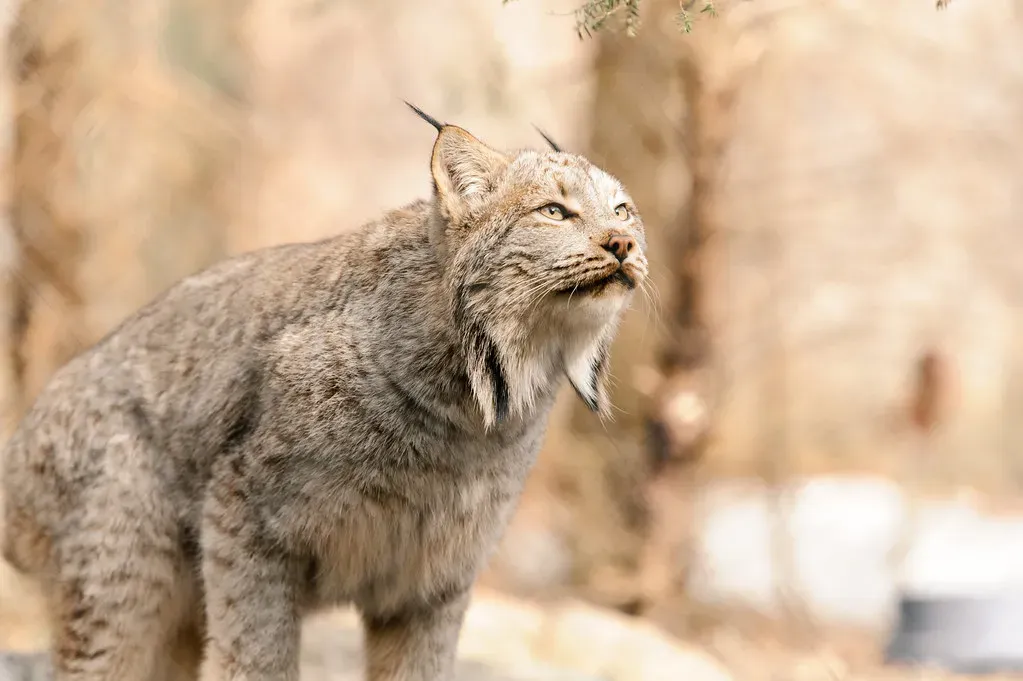
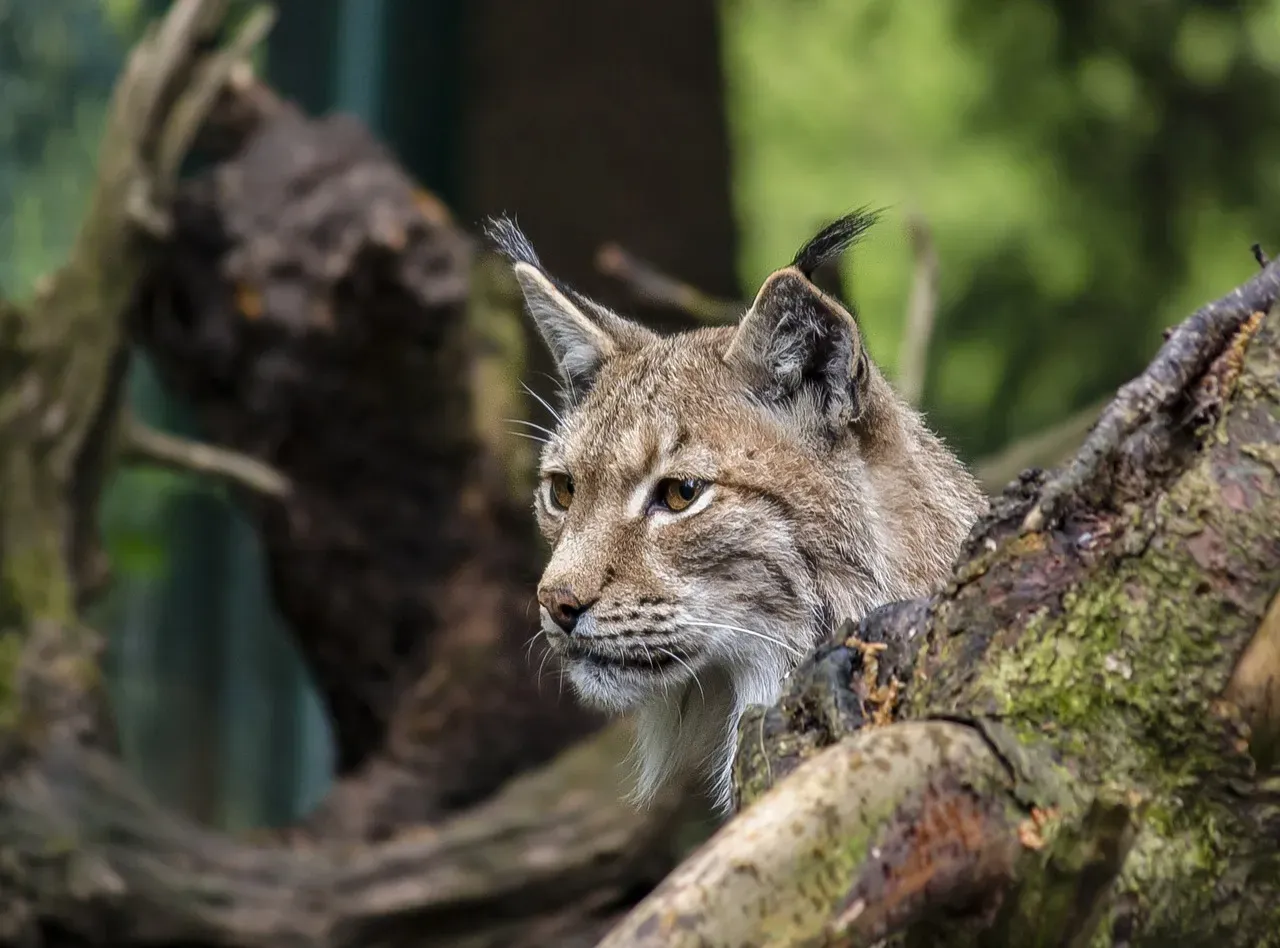
Similar in appearance to a bobcat: long ear tufts, short, bobbed tail with a completely black tip, large paws and long hind legs. Found in: Mostly only in northern states along the Canadian border or in mountainous regions. The Canada lynx is built for deep snow country, with massive paws that work like natural snowshoes. The Canada lynx makes sounds similar to those of a domestic cat: It can purr, meow, hiss, growl and shriek.
These cats are specialist hunters. Snowshoe hares are preferred prey of the Canadian lynx. Their populations actually fluctuate with the snowshoe hare population cycles, creating a fascinating predator-prey dance that’s been going on for millennia. Not listed, which means it is an abundant and wide-ranging species. Still, you’re most likely to find them in Alaska and the northern reaches of states like Maine, Montana, and Washington, where winters are harsh and snow runs deep.
Ocelot: The Rarest Spotted Beauty
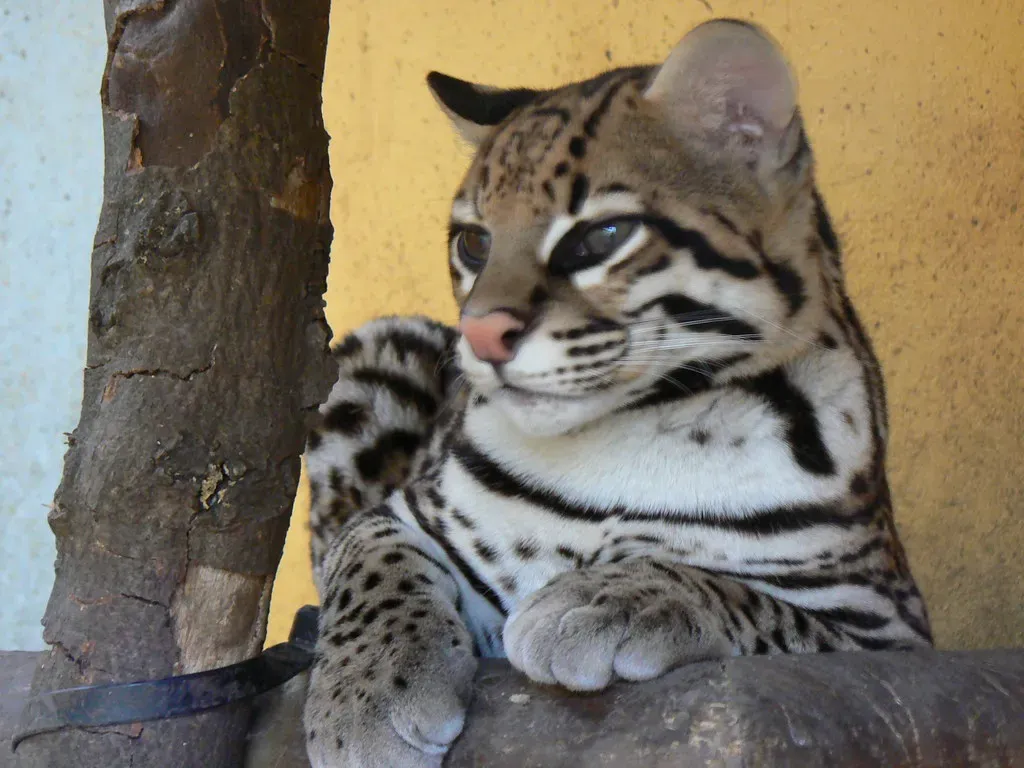
Currently found only in extreme southern Texas. Today, only a small population (roughly 60 individuals) survives in Texas. The ocelot is one of the most beautiful wild cats in North America, with intricate spotted and striped patterns covering its coat. Think of a miniature leopard, but with even more elaborate markings. Yes. They’re endangered in the U.S., making any sighting incredibly rare and special.
The ocelot is a small to mid-sized wild cat found in both South and North America. The ocelot is typically found in habitats with thick vegetation, such as tropical rainforests and mangrove swamps. Like bobcats and mountain lions, ocelots are nocturnal. Agriculture has destroyed most of their preferred habitat in Texas, leaving them squeezed into tiny fragments of thorny brush country. It’s honestly heartbreaking to think about how much territory they’ve lost.
Jaguar: The Vanishing Giant
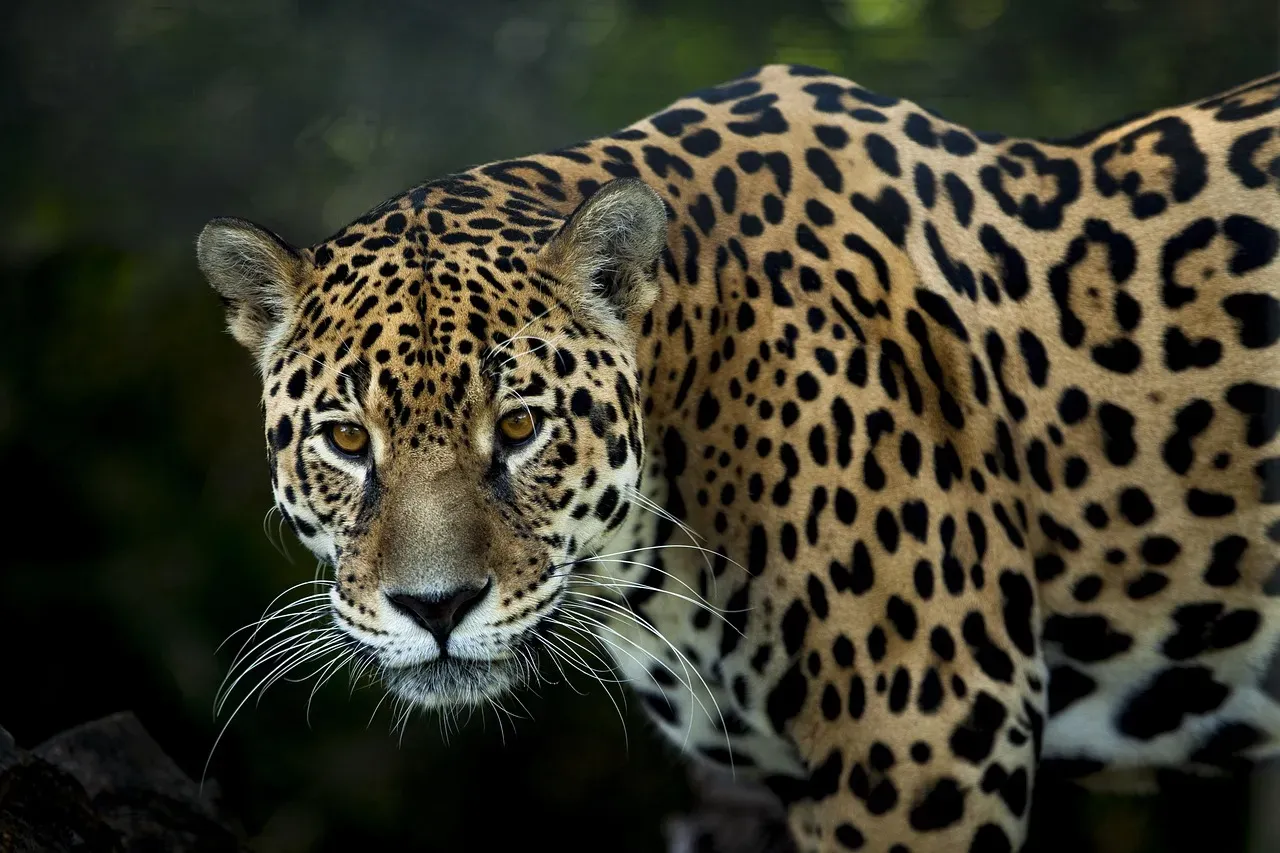
Adult jaguars can easily weigh upward of 200 pounds, while there have been reports of some weighing close to 300 pounds. Jaguars are the largest wild cats in North America, powerful enough to crush bone with their jaws. The range of this species extends from Mexico and Southwestern US to parts of South America. Yet in the U.S., they’re almost completely gone.
Sadly, Jaguars are almost completely gone in the United States, with one of the last ones being eliminated in Arizona in 2018. It’s thought that only a single Jaguar is living in the US. These stunning cats with their distinctive rosette patterns once roamed much farther north, but habitat loss and hunting decimated their numbers. The few that occasionally wander across the Mexican border into Arizona represent a ghost of what once was. Their near extinction in the U.S. serves as a stark reminder of how quickly we can lose even the mightiest predators.
Jaguarundi: The Weasel Cat Mystery
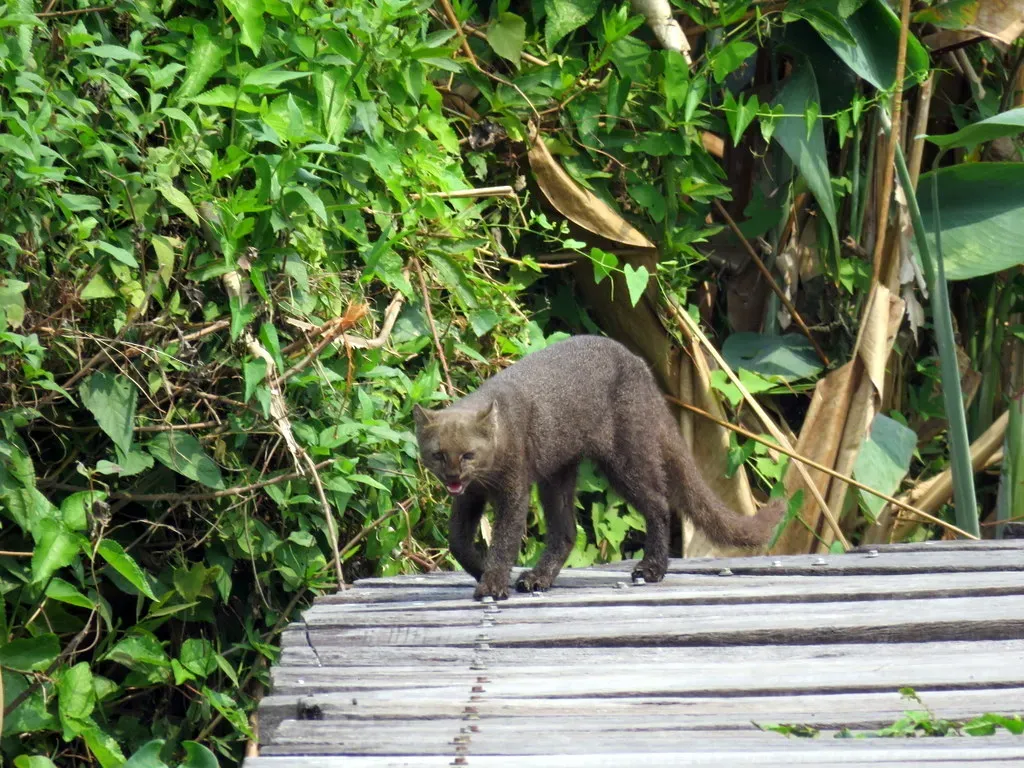
It has an elongated body, with relatively short legs, a small, narrow head, small, round ears, a short snout, and a long tail, resembling mustelids in these respects. The jaguarundi doesn’t look like other cats at all. They resemble weasels or otters more so than cats. In fact, in some parts of South America they are referred to as otter cats. Its coloration is uniform with two color morphs, gray and red.
Jaguarundis still exist in Mexico, but are extinct in Texas. The last confirmed sighting of a jaguarundi in Texas was in Brownsville in 1986. It is fairly common in Brazil, Peru, and Venezuela, but may be extirpated from the United States. There have been occasional unconfirmed sightings in Texas and even Florida, but no solid evidence remains of breeding populations. Most of the jaguarundi populations in the southern United States have already been extirpated. This strange little cat might already be just a memory in American wild spaces.
Conclusion
These six wild cats represent a living connection to America’s untamed past. From the common bobcat that might be prowling through your local woodlands to the nearly extinct jaguar that barely crosses our southern border, each species tells a story of adaptation, survival, and in some cases, desperate struggle. The fact that wild felines still roam American landscapes – sometimes within sight of major cities – should fill us with both wonder and responsibility.
What’s your take on sharing our spaces with these remarkable predators? Have you ever been lucky enough to spot one in the wild?